
The Smokies are easy to love and surprisingly hard to plan.
On a map, everything looks close. Then you find out that Cades Cove takes half a day on its own, the road to the highest peak is closed all winter, and the waterfall trail everyone told you about has a full parking lot by 9 a.m. None of that means you’ll have a bad trip. It just means a little planning goes a long way.
This guide covers the best things to do in Great Smoky National Park: the famous drives and viewpoints, the waterfall hikes that are actually open right now, where to look for bears and elk, and plenty of ideas for people who’d rather not hike at all. You’ll also find simple one-day and two-day plans, parking tag rules, and the road closures that catch a lot of first-time visitors off guard.
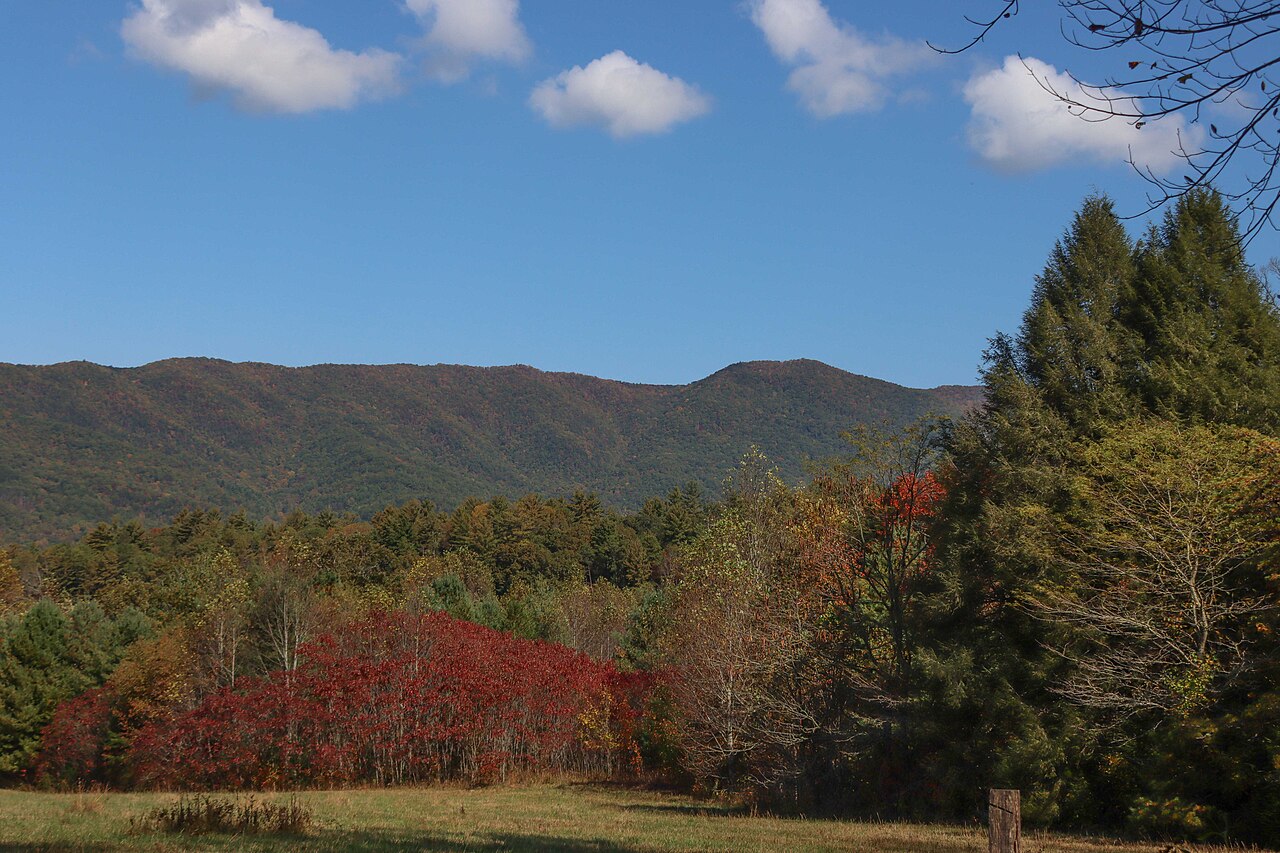
What Are the Best Things to Do in Great Smoky National Park?
The best things to do in Great Smoky Mountains National Park are driving the Cades Cove Loop, looking for black bears and elk, taking in the view from Kuwohi, driving Newfound Gap Road, hiking to a waterfall like Grotto Falls or Abrams Falls, exploring historic cabins and mills, biking Cades Cove on a vehicle-free Wednesday, and camping inside the park.
Great Smoky Mountains Highlights at a Glance
| If You Want… | Go To |
|---|---|
| The classic Smokies day | Cades Cove |
| The biggest view | Kuwohi (seasonal road) |
| A scenic drive across the park | Newfound Gap Road |
| Black bears | Cades Cove, Roaring Fork |
| Elk | Cataloochee Valley, Oconaluftee |
| Waterfalls | Grotto Falls, Abrams Falls, Rainbow Falls |
| An easy waterfall walk | Cataract Falls near Sugarlands |
| History | Cades Cove, Mountain Farm Museum, Mingus Mill |
| Fewer crowds | Foothills Parkway, Cataloochee |
| Biking | Cades Cove Loop Road |
| Camping | Elkmont, Cades Cove, Smokemont |
In This Guide
- 25 best things to do in the Smokies
- More ideas if you have extra time
- Things to do besides hiking
- Things to do with kids
- How many days you need
- 1-day and 2-day itinerary
- Best time to visit
- Where to stay and eat
- Parking tags, roads and practical tips
- FAQs
25 Best Things to Do in Great Smoky Mountains National Park
1. Drive (or Crawl) Around Cades Cove
Best for: first-timers, wildlife, history · Allow: 2 to 4 hours, more with a hike
If you only have time for one part of the park, make it Cades Cove. This wide green valley is ringed by mountains and crossed by an 11-mile, one-way loop road. Along the way you’ll pass old log homes, three historic churches, barns, open meadows and the Cable Mill area, where there’s a small visitor center and a working grist mill.
Here’s the part people don’t expect. Eleven miles sounds like a quick drive, but the loop moves slowly. Cars stop for deer, turkeys and bears, and on busy summer and fall days traffic can feel more like a parade than a road. The park suggests setting aside two to four hours, and that’s realistic.
Tip: Get there early. The loop opens at sunrise, and the first couple of hours are calmer and better for wildlife. Use the pullouts when you want to stop so the cars behind you can keep moving.
2. Look for Black Bears
For a lot of visitors, seeing a black bear is the goal of the whole trip. The Smokies are one of the best places in the eastern U.S. to spot one, since the park protects a large and healthy bear population.
Cades Cove is the most popular place to look because the open fields make it easier to see animals moving along the tree line. Roaring Fork Motor Nature Trail is another good bet. Early morning and the last couple of hours before dark are usually the most active times. Bring binoculars and be patient.
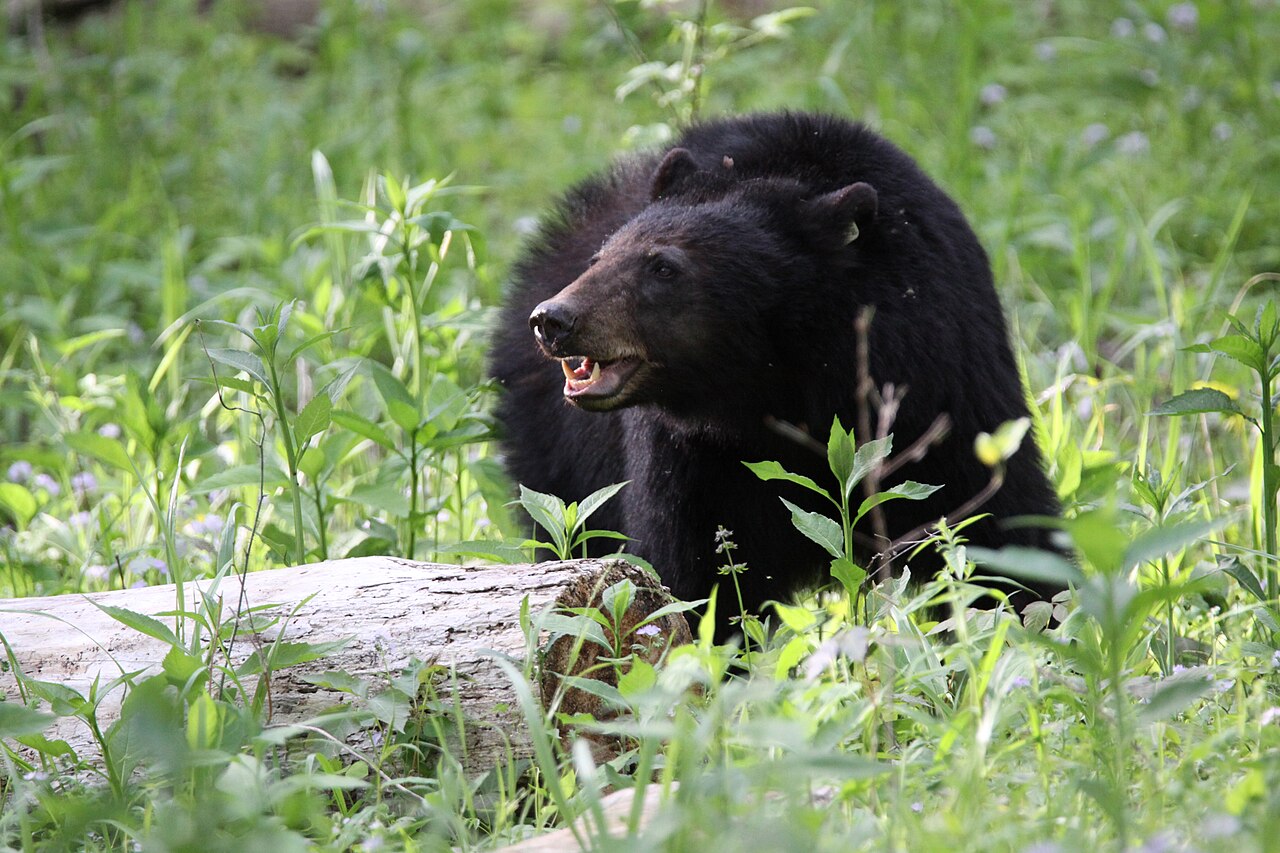
Keep it safe: It’s illegal to willfully approach within 50 yards of a bear or elk in the park, or to get close enough that you change the animal’s behavior. Never feed wildlife, and don’t stop in the middle of the road for a photo. If a bear notices you and changes what it’s doing, you’re too close.
3. Drive Newfound Gap Road
Best for: non-hikers, one-day visits · Allow: 1 to 2 hours with stops
Newfound Gap Road (US 441) is the main road through the park. It runs about 33 miles between Gatlinburg, Tennessee, and Cherokee, North Carolina, and climbs from riverside hardwood forest up into spruce and fir near the crest. The change in scenery as you gain elevation is part of the fun.
There are plenty of pullouts and overlooks, so take your time. This road is generally open all year, but snow and ice can close it for a day or two in winter. Check conditions before you set out.
4. Take in the View From Kuwohi
Best for: views, photography · Open: April 1 to November 29 in 2026, weather permitting
Kuwohi, which was called Clingmans Dome until 2024, is the highest point in the park at 6,643 feet. From the parking area, a paved path about half a mile long leads up to an observation tower with a wide view across the ridges. On a clear day the mountains roll away in blue layers. On a cloudy day you might be standing inside the cloud, which has its own charm.
The path is short but steep, and it catches people off guard. Go slowly and use the benches. It’s also much cooler up top than in Gatlinburg, so bring a jacket even in summer.
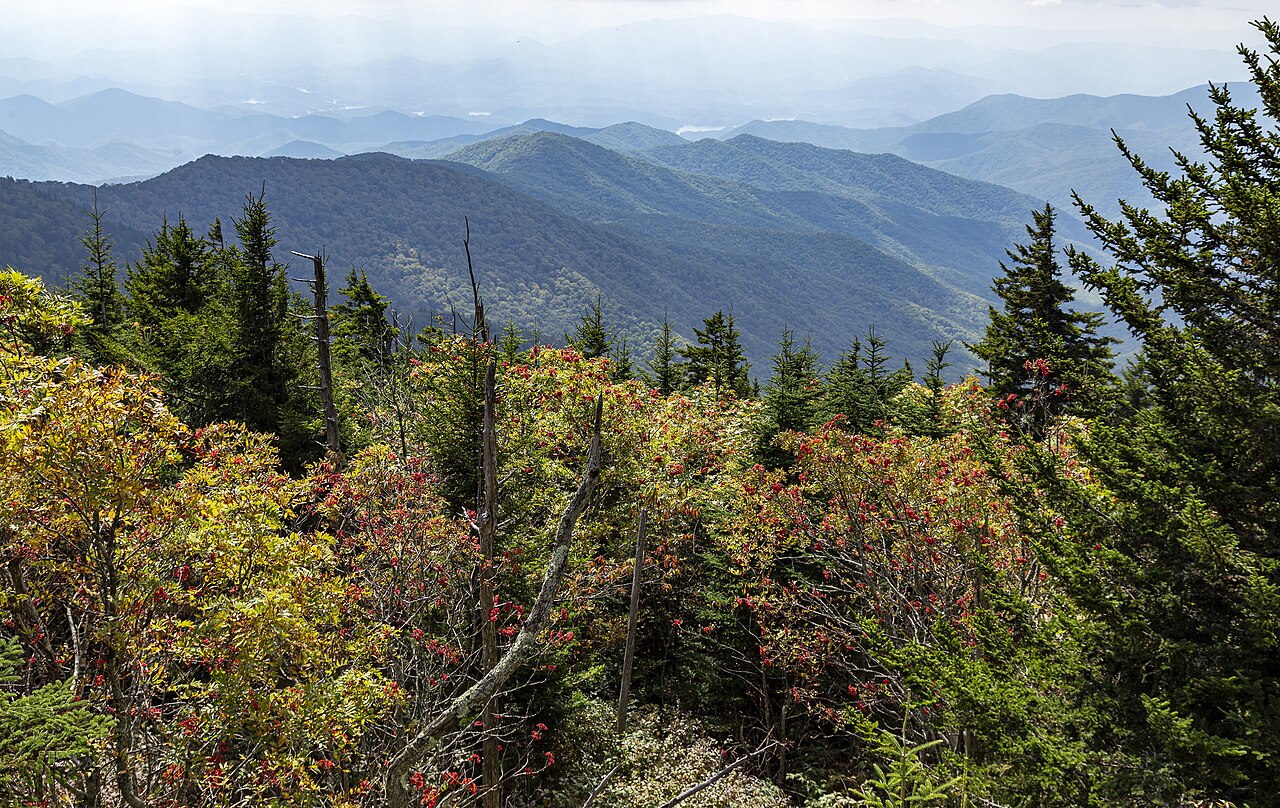
Good to know: Kuwohi Road is seasonal and closes to cars from December through March. The parking lot also fills fast on nice days, so aim for early morning or later in the afternoon.
5. Stand on the State Line at Newfound Gap
Newfound Gap sits right on the Tennessee and North Carolina border, and it’s an easy stop on the way to Kuwohi. The overlook has big views, and this is also where the Appalachian Trail crosses the road. Walk a few steps down the trail and you can say you’ve hiked the AT.
You don’t need long here. Twenty or thirty minutes is enough for photos, the stone Rockefeller Memorial and a stretch of the legs.
6. Hike to a Waterfall
With so much rain and so many streams, the Smokies are full of waterfalls. Some of the best-known hikes are Grotto Falls, Abrams Falls, Rainbow Falls and Ramsey Cascades. They range from moderate walks to long, hard climbs, so pick based on your group, not just the name you’ve heard most.
Heads-up about Laurel Falls: The park’s most famous waterfall trail has been closed since January 2025 for a major rehabilitation. It was expected to reopen in mid-2026, but the project has been delayed and the trail is now expected to stay closed into 2027. Check the park’s current closures before you go, and plan on one of the other falls instead.
Safety: Stay off the rocks around waterfalls. They’re slick with spray and algae, and falls from waterfalls are one of the most common causes of serious injuries in the park.
7. Walk Behind Grotto Falls
Distance: about 2.6 miles round trip · Difficulty: moderate
Grotto Falls is the only waterfall in the park you can walk behind. The trail follows Trillium Gap Trail through old hemlock forest to a 25-foot falls, and the path passes right under the ledge. It’s cool and damp back there even in July.
The trailhead is on Roaring Fork Motor Nature Trail, so it’s only reachable by car when that road is open (roughly May through November). If you’re lucky, you may even pass the llamas that carry supplies up to LeConte Lodge on this same trail.
8. Hike to Abrams Falls From Cades Cove
Distance: 5 miles round trip · Difficulty: moderate
Abrams Falls isn’t tall. It drops about 20 to 25 feet. What makes it impressive is the sheer amount of water pouring over the ledge into a wide, deep pool. The trail starts from a gravel lot near the far end of the Cades Cove Loop and follows Abrams Creek over a few short climbs.
It’s a nice way to escape the slow traffic on the loop for a few hours. The pool looks inviting, but the park strongly discourages swimming here because of a strong undertow. Enjoy it from the bank.
9. Drive Roaring Fork Motor Nature Trail
Best for: forest scenery, old homesites · Open: seasonally, from early May
Right outside Gatlinburg, Roaring Fork is a narrow, twisting one-way road that feels completely different from Cades Cove. Instead of open fields, you’re in thick forest next to a rushing mountain stream. You’ll pass old cabins, a tub mill, trailheads for Grotto Falls and Rainbow Falls, and a spot called the Place of a Thousand Drips, where water streams down the rocks after rain.
Go after a good rainfall if you can. The whole drive comes alive. RVs, buses and trailers aren’t allowed, and the road closes in winter.
10. Step Inside the Historic Buildings
Before this was a national park, it was home to farming families, and more than 90 of their buildings are still standing. You’ll find log houses, barns, churches, schools and grist mills scattered across the park.
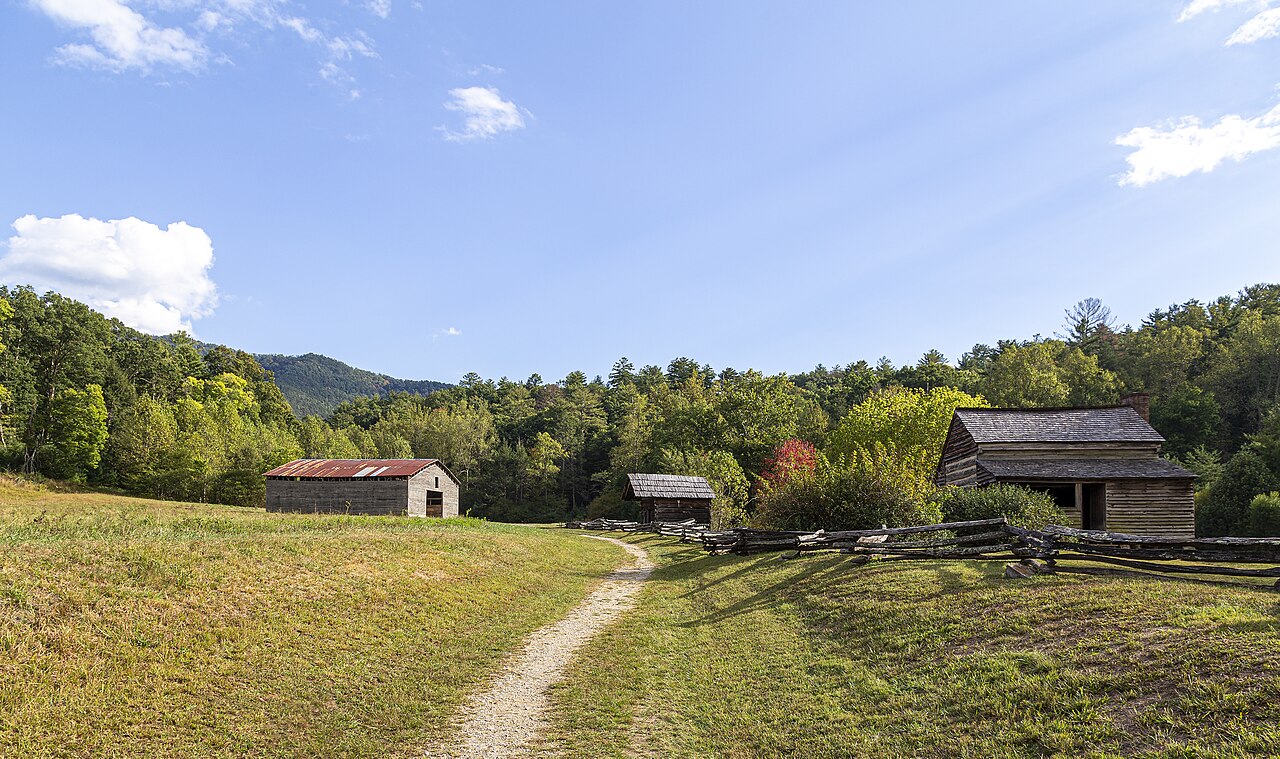
Cades Cove has the biggest collection in one place, including the John Oliver Cabin, the Methodist and Primitive Baptist churches, and the Cable Mill area. Don’t just photograph them from the car. Walk inside a cabin, look at how small the rooms are, and it’s easier to picture life here in the 1800s.
11. Start the North Carolina Side at Oconaluftee Visitor Center
If you’re coming in from Cherokee, Oconaluftee Visitor Center is the natural first stop. You can pick up maps, ask rangers about trails and road conditions, look at the exhibits and fill your water bottles.
Keep an eye on the fields around the visitor center, especially early and late in the day. Elk often graze here, which makes it one of the easiest places in the park to see them without a long drive.
12. Explore the Mountain Farm Museum and Mingus Mill
Right next to Oconaluftee Visitor Center, the Mountain Farm Museum is a collection of old farm buildings moved here from around the park. There’s a farmhouse, a barn, a smokehouse, an apple house and more, all laid out like a working homestead. It’s flat and easy to wander.
About half a mile up the road, Mingus Mill is a water-powered grist mill built in 1886. It still grinds corn during the warmer months, and a short walk along the millrace brings you to the door. Put the two together and you have an easy, low-effort morning.
13. Watch Elk in Cataloochee Valley
Elk disappeared from these mountains long ago. In 2001, the park brought 25 of them back to Cataloochee, and the herd has grown ever since. Today this remote valley on the North Carolina side is the best place in the park to see them.
Cataloochee takes some effort to reach. The last stretch is a narrow, winding road with a gravel section, and there’s no cell service. That’s also why it feels so peaceful compared with Cades Cove. Come early morning or evening, and in September and October you may hear the bulls bugling during the rut. Stay well back. A bull elk can weigh 700 pounds and doesn’t like company.
14. Bike the Cades Cove Loop
Seeing Cades Cove from a bike is a completely different experience. You hear birds instead of engines, and you can stop wherever you like.
The best time to do it is on a vehicle-free Wednesday, when the loop is closed to cars for the whole day. In 2026, these ran every Wednesday from May 6 through September 30, and the park usually repeats them each summer. Bike rentals are available near the Cades Cove Campground store on a first-come basis.
Tip: The loop is paved but hilly, with little shade. Bring water, and know that parking fills early on vehicle-free days. The park actually suggests arriving in the afternoon to miss the morning rush.
15. Go Horseback Riding
Guided horseback rides run from stables inside the park, usually from mid-March through late November. It’s a relaxed way to get onto the trails without a long hike, and a good option for couples or families with older kids. Hours and age limits vary by stable, so check before you go.
16. Fish a Mountain Stream
The park has roughly 2,900 miles of streams, and many of them hold wild trout. Fishing is allowed year-round, and a valid Tennessee or North Carolina fishing license works anywhere in the park. There are rules on bait, size limits and closed streams, so read the park’s fishing regulations first. Even if you don’t catch much, a quiet morning on the water is hard to beat.
17. Have a Picnic by the River
Not every hour needs to be packed. Some of the best moments in the Smokies are simply sitting next to a creek with a sandwich. The park has several picnic areas, many of them right beside rivers, including Metcalf Bottoms, Chimneys and Cades Cove.
Pack your food before you drive in. There are very few places to buy a meal inside the park.
18. See the Wildflowers
The Smokies are sometimes called the “Wildflower National Park,” with more than 1,500 kinds of flowering plants. Something is blooming from late winter into fall, but spring is the headline. Trillium, lady’s slippers and wild geranium cover the forest floor from around mid-April to mid-May, and rhododendron and flame azalea follow into early summer at higher elevations.
You don’t need a special hike to see them. Roadsides and short trails can be full of blooms. Take photos, but leave the flowers where they are.
19. Walk to Cataract Falls
If you want a waterfall without a real hike, Cataract Falls is your answer. A short, mostly flat path starts from Sugarlands Visitor Center and follows a creek to a small, pretty cascade. It’s a good fit for young kids, older travelers or anyone short on time, and it’s one of the easiest ways to fill the Laurel Falls gap.
20. Stop at Sugarlands Visitor Center
Coming in from Gatlinburg? Sugarlands should be your first stop. It has maps, restrooms, a natural history museum, a short film about the park and rangers who can tell you what’s open today. If a road is closed or a trail lot is full, this is where you’ll find out, and get a good backup plan.
21. Drive the Foothills Parkway
For wide mountain views without the stop-and-go traffic, head to the Foothills Parkway. The western section runs along a ridge near Townsend and Walland, with overlooks that look straight across at the main Smokies crest. The park itself recommends it as a quieter alternative to Cades Cove and Roaring Fork.
It’s especially good at sunrise, sunset and during fall color. Stop at the overlooks instead of treating it as just a road.
22. Go Tubing at Deep Creek
On a hot summer afternoon, floating down Deep Creek near Bryson City, North Carolina, is pure fun. Tube rental shops sit just outside the park entrance, and the creek area also has short trails to three small waterfalls: Juney Whank, Tom Branch and Indian Creek.
Mountain water is cold, even in July, and the current can be strong after rain. Check conditions, keep kids close and wear shoes that stay on your feet.
23. Join a Ranger Program
Ranger-led walks and talks turn a pretty place into a story. Topics change with the season and can include wildlife, mountain history, Cherokee culture and the park’s plants. Kids can also pick up a Junior Ranger booklet at the visitor centers. Check the schedule when you arrive.
24. Watch Sunrise or Sunset From an Overlook
You don’t need a hard hike for a great sunrise or sunset here. A roadside overlook is plenty. Try the Foothills Parkway, Newfound Gap or the upper stretches of Newfound Gap Road.
This is when the Smokies really earn their name. Low clouds and haze settle into the valleys, and the ridges fade into softer shades of blue one after another. Bring a warm layer. It’s often 10 to 20 degrees cooler up high than in town.
25. Camp Inside the Park
Camping is one of the best things to do in Great Smoky National Park if you want more time outside and less time in traffic. The park has ten developed campgrounds for tents and RVs, including Elkmont, Cades Cove, Smokemont, Cosby and Deep Creek. Reservations are required. Backcountry camping is also possible, but you’ll need a permit and a reserved site or shelter.
Sleeping inside the park makes early wildlife drives much easier, since you’re already there when the gates open. Facilities are simple, with no hookups at most sites, so check your campground before you pack. Book early for summer weekends and October.
More Ideas If You Have Extra Time
- Hike to Alum Cave Bluffs. One of the most popular hikes in the park, a bit under 5 miles round trip from Newfound Gap Road, with a rock arch, big views and a huge overhanging bluff. Strong hikers keep going to the top of Mount LeConte.
- Stop at The Sinks. A loud, powerful roadside waterfall on Little River Road. It’s a great quick photo stop, but don’t jump in. The currents here are dangerous and have caused drownings.
- See the synchronous fireflies. For a couple of weeks around late May and June, fireflies near Elkmont flash in sync. Viewing is controlled by a lottery through the park, so apply in spring.
- Walk with your dog. Pets aren’t allowed on most trails, but the Gatlinburg Trail and the Oconaluftee River Trail both welcome leashed dogs.
Things to Do in Great Smoky Mountains National Park Besides Hiking
Yes, you can have a great Smokies trip without a single long hike. Some of the best non-hiking activities are:
- Driving the Cades Cove Loop
- Newfound Gap Road and the Kuwohi viewpoint
- Roaring Fork Motor Nature Trail and the Foothills Parkway
- Wildlife watching for bears and elk
- Historic cabins, the Mountain Farm Museum and Mingus Mill
- Picnics, fishing and tubing
- Horseback riding and biking Cades Cove
- Ranger programs and visitor centers
That makes the Smokies a good park for mixed groups, where not everyone can or wants to hike.
Things to Do in Great Smoky Mountains With Kids
Kids tend to love the Smokies when the day has lots of short stops. Cades Cove works well because there’s always something to look for: a deer in the field, a cabin to explore, a turkey crossing the road. The Mountain Farm Museum gives them real buildings to walk through, and the Junior Ranger program keeps them busy between stops.
Other easy wins are Cataract Falls, a riverside picnic, tubing at Deep Creek, biking on a vehicle-free Wednesday, and a quick walk behind Grotto Falls for older kids. The main rule is not to cram too much into one day. Tired kids in a long line of Cades Cove traffic is nobody’s favorite memory.
How Many Days Do You Need in Great Smoky Mountains National Park?
Two to three days is the sweet spot for a first visit. One day covers Cades Cove plus a scenic drive. Two days lets you add Newfound Gap, Kuwohi and the North Carolina side without rushing. With three or more days, you have room for a longer waterfall hike, Cataloochee elk, camping and quieter corners of the park.
Great Smoky Mountains Itinerary: 1 or 2 Days
One Day in the Smokies
Morning: Be at Cades Cove close to sunrise. Drive the loop slowly, stop at a couple of cabins and the Cable Mill area, and keep watch for bears.
Midday: Drive Little River Road toward Sugarlands, stop at The Sinks, and have a picnic at Metcalf Bottoms.
Afternoon: Take Newfound Gap Road up to Newfound Gap, then continue to Kuwohi if the road is open.
Evening: Catch the sunset from an overlook on the way back instead of squeezing in another hike.
Two Days in the Smokies
Day 1: Cades Cove and waterfalls. Start early in Cades Cove, hike to Abrams Falls, then finish with Roaring Fork Motor Nature Trail and a short walk to Grotto Falls if you still have energy.
Day 2: Across the mountains. Drive Newfound Gap Road, stop at Newfound Gap and Kuwohi, then head down to Oconaluftee Visitor Center, the Mountain Farm Museum and Mingus Mill. Look for elk in the fields around Oconaluftee late in the day.
Best Time to Visit Great Smoky Mountains National Park
Spring and fall are the best times for most people. Spring brings wildflowers and full waterfalls. Fall brings cool air and color, usually peaking at high elevations in early October and lower down in late October to early November. Both seasons are busy, especially on weekends.
| Season | Why Go | Watch Out For |
|---|---|---|
| Spring | Wildflowers, strong waterfalls, fresh green forest | Fast-changing weather, cold nights up high |
| Summer | Camping, tubing, vehicle-free Wednesdays | Heat, afternoon storms, crowds |
| Fall | Fall color, elk rut, cool hiking weather | Heavy traffic and full parking lots |
| Winter | Quiet trails, clear views through bare trees | Snow, ice and seasonal road closures |
Where to Stay and Eat Near the Smokies
Gatlinburg is the most convenient base for first-time visitors, since it sits right at the main Tennessee entrance near Sugarlands. Pigeon Forge is close by, with more budget hotels and family attractions. Townsend, known as the “quiet side of the Smokies,” puts you closest to Cades Cove. On the North Carolina side, Cherokee and Bryson City are good bases for Oconaluftee, Deep Creek and Cataloochee.
Inside the park, the only lodging is LeConte Lodge, a rustic hike-in lodge on top of Mount LeConte that books up far in advance. Everyone else camps or stays outside.
Food is a different story. There are no real restaurants in the park, so eat in the gateway towns and carry lunch and snacks with you. The Cades Cove Campground store has a few basics, but don’t count on it for a full meal.
Do You Need a Parking Pass in the Smokies?
Great Smoky Mountains National Park has no entrance fee, but you need a parking tag to park anywhere in the park for more than 15 minutes. Tags cost $5 for a day, $15 for a week or $40 for a year. You can buy them online or at visitor centers and fee kiosks, and the tag must be displayed in your vehicle.
Two things surprise people. First, the America the Beautiful pass doesn’t cover the parking tag. Second, a tag doesn’t reserve a space. At busy trailheads and Kuwohi, lots can be full even if you’ve paid.
Road Conditions and Closures
Main roads like Newfound Gap Road, Little River Road and Cades Cove Loop Road are generally open year-round, weather permitting. Several others are seasonal, including Kuwohi Road and Roaring Fork Motor Nature Trail. Winter storms can close high roads with little warning, and trails can close for bear activity or repairs.
Check current road and trail conditions before you leave your hotel, and download offline maps. Cell service is spotty or missing in much of the park.
Practical Tips Before You Go
- Start early. Popular trailheads and Cades Cove are far calmer before 9 a.m.
- Buy your parking tag ahead of time so you’re not hunting for a kiosk.
- Don’t plan distant areas on the same day. Cades Cove and Cataloochee are hours apart.
- Pack rain gear. Parts of the park get well over 80 inches of rain a year.
- Carry water and snacks, since food options inside the park are limited.
- Give wildlife space and use pullouts, never the middle of the road.
- Leave room in your day. The unplanned stops often end up being the best ones.
What to Pack for the Smokies
A few pieces of gear make a real difference here: comfortable hiking shoes with good grip for wet, rooty trails, a light rain jacket, a warm layer for Kuwohi and early mornings, binoculars for bear and elk watching, a refillable water bottle, and a small daypack. If you’re camping, a good headlamp and a bear-safe way to store food are worth having.
Great Smoky Mountains National Park: FAQs
What are the best things to do in Great Smoky National Park?
Drive Cades Cove, visit Kuwohi and Newfound Gap, hike to a waterfall such as Grotto Falls or Abrams Falls, look for bears and elk, explore historic cabins and mills, bike Cades Cove on a vehicle-free Wednesday, and camp inside the park.
What should I not miss on my first visit?
Cades Cove, Newfound Gap Road, Kuwohi (when the road is open), at least one waterfall and an early morning or evening wildlife drive.
Is Laurel Falls open?
Not right now. Laurel Falls Trail closed in January 2025 for rehabilitation, and the reopening has been pushed into 2027. Grotto Falls, Abrams Falls and Cataract Falls are good alternatives.
Where is the best place to see bears in the Smokies?
Cades Cove is the top spot because its open fields make bears easier to see. Roaring Fork Motor Nature Trail is another good option. Early morning and evening are best.
Where can you see elk?
Cataloochee Valley is the main elk area, and they’re also often seen in the fields near Oconaluftee Visitor Center. Look early or late in the day.
Is Great Smoky Mountains National Park free?
There’s no entrance fee, but you need a parking tag ($5 daily, $15 weekly or $40 yearly) to park for more than 15 minutes.
Can you enjoy the Smokies without hiking?
Yes. Scenic drives, wildlife watching, historic sites, picnics, fishing, horseback riding, tubing and ranger programs all work without a long hike.
How long does it take to drive Cades Cove?
Plan on two to four hours for the 11-mile loop, and longer if you stop to hike or explore the cabins. Busy days can take even more time.
What is the best scenic drive in the Smokies?
Cades Cove Loop Road is the classic. Newfound Gap Road is best for big mountain views, and the Foothills Parkway is the pick if you want fewer cars.
Can I camp inside Great Smoky Mountains National Park?
Yes. There are ten developed campgrounds that require reservations, and backcountry camping is allowed with a permit and a reserved site.
Final Thoughts: Don’t Try to See It All at Once
The best Smokies trips aren’t the ones with the longest checklist. Pick one main area each morning, then build around it with a short hike, a picnic, a visitor center or a scenic drive. Leave some space for the moments you can’t plan: fog lifting off a ridge, deer stepping out of the trees in Cades Cove, a quiet creek you stop at just because it looks nice.
There are enough things to do in Great Smoky National Park to fill trip after trip. You don’t have to see everything the first time.
Heading to the North Carolina side? Pair your visit with our guide to the best things to do in Asheville, NC, about an hour’s drive from Cherokee. Love mountain hiking? Check out the best hikes in Shenandoah National Park, or browse all of our travel guides.