
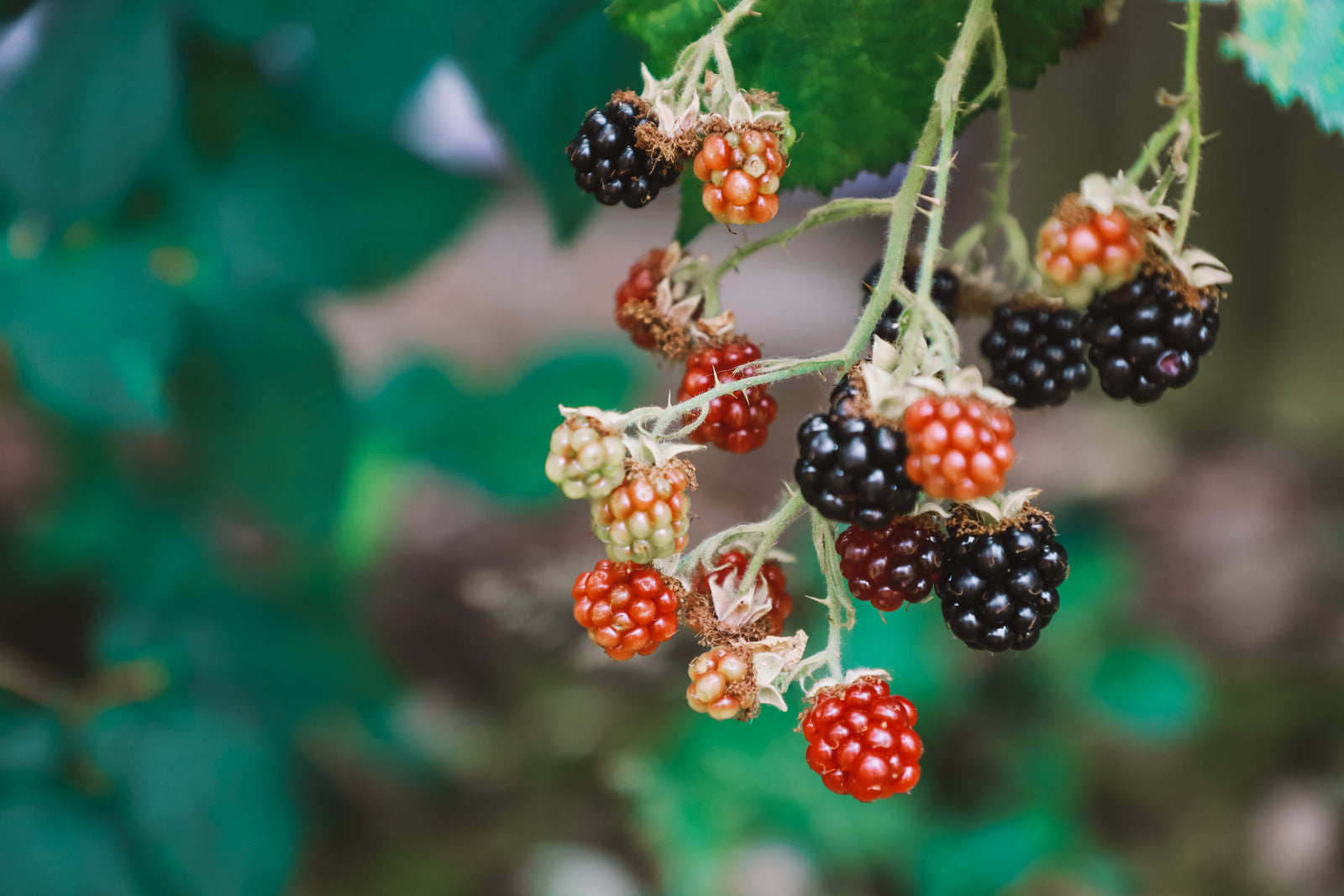
Once you start foraging, you can’t walk past a hedge the same way again. That “weed” by the trail turns out to be wild garlic. The scrubby bush at the edge of the parking lot is loaded with blackberries in August. And the strange orange shelf on that old oak? Possibly dinner, but only if you really, truly know what you’re looking at.
That’s why the best foraging books matter so much. A good one teaches you to look closely: at leaves, stems, roots, smell, habitat and season. It warns you about dangerous lookalikes. And the best ones make you a little bit obsessed with the plants around you.
We’ve picked 21 books for every kind of forager: total beginners, mushroom hunters, home cooks and people who want a guide written for their part of the country.
Affiliate disclosure: As an Amazon Associate, JoinHikes earns from qualifying purchases. If you buy through Amazon links in this article, we may earn a commission at no extra cost to you.
How we chose: We compared author expertise, how clearly each book explains identification and lookalikes, photo quality, regional coverage, edition dates and reader reviews, and cross-checked against the foraging books experienced foragers recommend most often. We have not tested every recipe or verified every species entry ourselves.
Quick Answer: What Is the Best Foraging Book?
If you’re brand new, start with the National Geographic Backyard Guide to Edible Wild Plants. It’s friendly, colorful and covers 102 plants you might find close to home.
If you want depth, nothing beats Samuel Thayer’s books, starting with The Forager’s Harvest. For your area, add a regional guide like Southeast Foraging or Northeast Foraging.
Into mushrooms? Begin with Go Forth and Forage, and join a local mushroom club. Love cooking? The Forager Chef’s Book of Flora is a feast.
Best Foraging Books: Quick Comparison
On a phone, swipe the table sideways.
| Book | Type | Best for | Shop |
|---|---|---|---|
| Top pick NatGeo Backyard Guide to Edible Wild Plants | Beginner guide | Starting out | Check price |
| Top pick The Forager’s Harvest | In-depth guide | Learning plants properly | Check price |
| Foraging Wild Edible Plants of North America | General guide | Plants + recipes | Check price |
| Basic Illustrated Edible Wild Plants | Pocket reference | Hikers & campers | Check price |
| Foraging: An Illustrated Guide | Illustrated | Visual learners | Check price |
| Southeast Foraging | Regional | Southern U.S. | Check price |
| Northeast Foraging | Regional | Northeast U.S. | See review |
| Mushrooms Go Forth and Forage | Mushroom guide | Beginner mushroom hunters | Check price |
| Premium The Forager Chef’s Book of Flora | Cookbook | Cooking wild food | Check price |
| The Fruit Forager’s Companion | Cookbook | Wild & forgotten fruit | Check price |
All 21 books are reviewed below. Prices change often, so check the current price before you buy.
What Makes a Good Foraging Book?
Lookalikes, clearly explained
The most important page for any edible plant is the one about what it can be confused with.
More than one photo
Plants change through the year. Good books show leaves, flowers, fruit and roots at different stages.
Right for your region
A plant common in Georgia may not grow in Maine. Regional guides cut down the guesswork.
Written by real foragers
Authors who have harvested and eaten these plants for years notice details others miss.
Best Foraging Books for Beginners
1. National Geographic Backyard Guide to Edible Wild Plants
Best for: Beginners, gardeners and anyone curious about the plants right outside their door.
You don’t need a wilderness trip to start foraging. This 2025 guide by Mimi Prunella Hernandez and Heather Wood Buzzard focuses on 102 common wild plants that often turn up in yards, fields, parks and along trails.
It’s organized by plant part (roots, leaves, flowers, fruits, seeds and shoots), which is a smart way to learn, because that’s how you’ll actually harvest. Each entry mixes clear photos and illustrations with identification notes and simple ideas for the kitchen. It’s an easy, inviting book to flip through on a Sunday morning.
- Friendly, beginner-first layout.
- Plants you can actually find near home.
- Recent edition with great visuals.
- Includes cooking ideas.
- National scope, so not every local lookalike is covered.
- Not a technical botany key.
2. Basic Illustrated Edible Wild Plants and Useful Herbs by Jim Meuninck
Best for: Hikers and campers who want something small to carry.
Not every foraging book needs to be a big coffee table volume. This slim Falcon guide (3rd edition) is easy to slip into a daypack and gives you a quick, illustrated introduction to common edible plants and useful herbs. Think of it as a trail companion, not your only reference.
- Small and packable.
- Simple, illustrated entries.
- Good for learning on hikes.
- Limited depth per plant.
- “Useful herb” notes are not medical advice.
3. Foraging: An Illustrated Guide to Edible Wild Plants
Best for: Visual learners and anyone who wants a beautiful book to browse.
Some people learn best by looking. This Cider Mill Press guide leans on illustrations to introduce common edible plants and basic foraging ideas. It’s lovely to page through, and a gentle way to start recognizing plant shapes. Just remember that drawings can’t show every variation you’ll see in the wild.
- Attractive, easy to browse.
- Great for building early familiarity.
- Nice gift.
- Illustrations aren’t enough for safe ID.
- Less detail than regional guides.
4. Peterson Field Guide to Edible Wild Plants by Lee Allen Peterson
Best for: Readers in eastern and central North America who want a trusted field guide.
For decades, this has been one of the standard pocket guides for foragers. Plants are grouped by flower color and type, which makes it quick to narrow down what you’re looking at, and it includes poisonous plants to watch out for. The drawings feel old-school, but the system works.
See it on Amazon5. Identifying and Harvesting Edible and Medicinal Plants in Wild (and Not So Wild) Places by Steve Brill
Best for: Urban and suburban foragers.
“Wildman” Steve Brill is famous for leading foraging tours in New York City parks. His big, practical guide covers hundreds of plants, many of which grow in parks and vacant lots, with plenty of personality along the way. It’s a favorite with people who forage closer to the city than to the wilderness.
See it on AmazonBest In-Depth Wild Edible Plant Guides
Ready to go deeper? These books spend many pages on each plant, so you learn to recognize it in every season, not just from one pretty photo.
6. The Forager’s Harvest by Samuel Thayer
Best for: Anyone who wants to learn wild plants the right way.
Ask experienced foragers which book changed how they learn, and Samuel Thayer’s name comes up again and again. Instead of 300 plants with a paragraph each, The Forager’s Harvest focuses on a smaller number of excellent wild foods and covers each one in real depth.
You’ll see how a plant looks as a sprout, in full leaf, in flower and in fruit, how to harvest it and how to cook it. Thayer writes from years of actually eating these plants, and he’s refreshingly honest when popular “edible” claims don’t hold up.
- Teaches careful, multi-feature ID.
- Real first-hand experience.
- Covers each plant through the seasons.
- Trusted by experienced foragers.
- Covers fewer plants than encyclopedia-style books.
- More reading than casual browsers want.
7. Sam Thayer’s Field Guide to Edible Wild Plants of Eastern and Central North America
Best for: Foragers east of the Rockies who want one big, modern field guide.
Thayer’s newer field guide covers far more species than his earlier books, in a format built for identification, with lots of photos of each plant. If you live in the eastern half of North America, it’s one of the most complete and up-to-date guides you can buy.
See it on Amazon8. Nature’s Garden by Samuel Thayer
Best for: Readers who finished The Forager’s Harvest and want more.
The second book in Thayer’s series covers a new set of plants with the same careful, detailed approach. It also includes a strong section on avoiding poisonous plants, which makes it valuable even for experienced foragers.
See it on Amazon9. Foraging Wild Edible Plants of North America by Christopher Nyerges
Best for: Readers who want plant ID and recipes in one book.
Christopher Nyerges has been leading wild food walks in California for decades. The updated second edition (2023) covers a wide range of common North American plants with color photos, and it’s packed with ideas for actually cooking them.
It sits nicely between a field guide and a cookbook, which is exactly what many new foragers want. It’s especially useful if you live in the West, where many eastern guides don’t apply.
- Updated 2023 edition.
- Lots of recipes and prep ideas.
- Broad North American coverage.
- Can’t cover every regional species.
- Less depth per plant than Thayer.
10. Botany in a Day by Thomas J. Elpel
Best for: Anyone who wants to understand plants, not just memorize them.
This book teaches you to recognize plant families by their patterns: the shape of the flower, the number of petals, how the leaves are arranged. Once you know the families, new plants suddenly make sense. It’s a secret weapon many experienced foragers swear by.
See it on AmazonBest Regional Foraging Books
Foraging is local. Climate, soil and elevation decide what grows where, and when. Timber Press publishes a popular regional series, each covering about 120 plants for one part of the country.
11. Southeast Foraging by Chris Bennett
Best for: Foragers from the Carolinas and Georgia to the Gulf Coast.
The Southeast has an incredible range of plants: coastal maritime forests, Piedmont woodlands and Appalachian coves. Chris Bennett’s guide covers 120 wild edibles found in the region, with identification tips, harvest seasons and recipes. If you live in the South, a regional book like this narrows the field far more than a national one.
- Focused on southern plants and seasons.
- 120 species with photos.
- Recipes included.
- Less useful outside the Southeast.
- Always double-check lookalikes.
12. Northeast Foraging by Leda Meredith
Best for: Foragers from New England to the Mid-Atlantic.
Leda Meredith covers 120 wild edibles of the Northeastern U.S., from spring ramps and fiddleheads to autumn nuts and berries. Each entry explains how to identify the plant, when to harvest it and how to use it. It’s one of the most popular regional foraging books in the country.
See it on Amazon13. Pacific Northwest Foraging by Douglas Deur
Best for: Foragers in Washington, Oregon and nearby areas.
Part of the same Timber Press series, this guide covers wild edibles of the Northwest, including salmonberries, huckleberries and coastal plants. Deur also draws on Indigenous knowledge of the region’s plants, which adds real depth.
See it on Amazon14. Midwest Foraging by Lisa M. Rose
Best for: Foragers in the Great Lakes and Midwest.
Another title from the Timber Press regional series, this one covers wild edibles from prairies, woods and lakeshores across the Midwest. Clear photos and seasonal notes make it a great local companion.
See it on AmazonBest Mushroom Foraging Books
15. Go Forth and Forage by Whitney Johnson
Best for: Beginners who want a friendly start with North American mushrooms.
Whitney Johnson teaches foraging in Appalachia, and her 2025 book feels like walking the woods with a patient friend. It covers more than 50 common North American mushrooms, organized by season, with color photos, identification notes, lookalikes and cooking ideas.
It’s an excellent first step into fungi. Use it to learn and to know what to look for, then confirm everything with a local expert before you cook anything.
- Recent and beginner-friendly.
- Organized by season.
- Color photos and cooking ideas.
- Not a full identification key.
- Medicinal notes aren’t medical advice.
16. Mushrooms Demystified by David Arora
Best for: Serious mushroom hunters, especially in the West.
Often called the bible of North American mushroom identification, this huge, detailed book covers a vast number of species with proper identification keys, plus a lot of humor. It’s not light reading, but serious foragers keep it close. Arora’s small companion, All That the Rain Promises and More, is a fun pocket version for the field.
See it on Amazon17. National Audubon Society Field Guide to North American Mushrooms
Best for: A compact, photo-based guide to carry on walks.
This classic pocket guide uses color photos organized by shape and color, with species descriptions in the back. It’s a quick, practical way to start recognizing mushroom groups on the trail. Pair it with a more detailed key for anything you plan to eat.
See it on AmazonBest Foraging Cookbooks
Foraging is fun. Cooking what you find is even better. These books assume you already know your plants, and help you make something delicious with them.
18. The Forager Chef’s Book of Flora by Alan Bergo
Best for: Adventurous home cooks and experienced foragers.
Alan Bergo is a professional chef who fell in love with wild ingredients, and this gorgeous hardcover is the result: 180 recipes and around 230 photos. He shows how to use plants most people throw away, from milkweed and nettles to the leaves and stems of garden vegetables.
It’s as much an inspiration book as a recipe collection. You’ll start looking at your garden and the trail edges in a completely new way.
- Creative, restaurant-quality recipes.
- Beautiful photos and design.
- Great gift for cooks.
- Reduces food waste with “whole plant” cooking.
- Not an identification guide.
- Some techniques are advanced.
19. The Fruit Forager’s Companion by Sara Bir
Best for: Fruit lovers, gardeners and home preservers.
Fruit is the friendliest place to start foraging, and this 400-page book is a love letter to it. Sara Bir covers familiar fruit like apples and mulberries alongside lesser-known treasures like pawpaws and persimmons, with nearly 100 recipes for jams, pies, drinks and more.
A lot of fruit “foraging” happens in plain sight: neglected backyard trees, old orchards and city streets. Just get permission before you pick.
- Fun, warm writing.
- Nearly 100 recipes.
- Great on preserving.
- Fruit only, no greens or mushrooms.
- Availability varies by region.
20. The New Wildcrafted Cuisine by Pascal Baudar
Best for: Cooks who love fermenting, pickling and wild flavors.
Pascal Baudar, based in Southern California, takes wild food somewhere completely new: wild vinegars, fermented sodas, foraged spice blends and even “forest floor” flavors. It’s inventive, beautifully photographed and full of ideas you won’t find anywhere else.
See it on Amazon21. Stalking the Wild Asparagus by Euell Gibbons
Best for: Readers who enjoy the history and joy of foraging.
Published in 1962, Euell Gibbons’ warm, chatty book helped start the modern wild food movement in America. Some details are dated and it isn’t an identification guide, but it’s still a delight to read, full of stories and old-fashioned recipes.
See it on AmazonBest Foraging Book by Type of Reader
| If you… | Start with |
|---|---|
| Are a complete beginner | NatGeo Backyard Guide |
| Want to learn plants properly | The Forager’s Harvest |
| Want one big modern field guide (East) | Sam Thayer’s Field Guide |
| Live in the West | Foraging Wild Edible Plants of North America |
| Forage in a city | Steve Brill’s guide |
| Want to learn mushrooms | Go Forth and Forage |
| Are serious about mushrooms | Mushrooms Demystified |
| Love to cook | The Forager Chef’s Book of Flora |
| Mostly want wild fruit | The Fruit Forager’s Companion |
| Want a carry-along trail book | Basic Illustrated Edible Wild Plants |
Which Regional Foraging Book Do You Need?
| Where you live | Best regional book |
|---|---|
| New England, New York, Mid-Atlantic | Northeast Foraging |
| Carolinas, Georgia, Florida, Gulf states | Southeast Foraging |
| Great Lakes & Midwest | Midwest Foraging |
| Washington, Oregon & nearby | Pacific Northwest Foraging |
| Anywhere east of the Rockies | Sam Thayer’s Field Guide |
| California & the Southwest | Foraging Wild Edible Plants of North America |
What to Look For, Season by Season
One of the best things foraging books teach is timing. Here’s a very general picture for much of the U.S. Exact timing depends on where you live, so check your regional guide.
Spring
Tender greens like dandelion and chickweed, ramps and fiddleheads in some areas, and the famous morel mushroom.
Summer
Berries take over: blackberries, raspberries, mulberries and blueberries. Many flowers are edible too.
Fall
Apples, pawpaws and persimmons, plus nuts and many of the most popular wild mushrooms.
Winter
Slower, but a good time to learn trees by their bark and buds, and to read up for spring.
Foraging Safety: 8 Rules Every Beginner Should Follow
- Be 100% sure, or don’t eat it. “Pretty sure” isn’t good enough.
- Check every feature. Leaves, stem, smell, root, habitat and season, not just one photo.
- Learn the lookalikes first. For every edible plant, know its dangerous twin.
- Don’t trust apps alone. Plant ID apps are helpful for ideas, but they get things wrong.
- Find a local teacher. Plant walks and mushroom clubs are the fastest way to learn safely.
- Try new foods in small amounts. Even safe plants can upset some people’s stomachs.
- Avoid polluted spots. Skip busy roadsides, sprayed lawns and industrial areas.
- Know the rules. Many parks ban or limit picking. Always ask before foraging on private land.
Suspect poisoning? In the U.S., call Poison Control at 1-800-222-1222 right away, or 911 if symptoms are serious. Don’t wait for symptoms to get worse. If possible, keep a sample of what was eaten.
Can You Forage in National Parks?
Usually only in a very limited way, if at all. Rules vary from park to park. Some allow small amounts of berries or mushrooms for personal use, while many plants are fully protected. Always check the specific park’s rules on its official NPS page before you pick anything. Planning a park trip? See our best national park books.
Foraging Ethics: Take Only What You Need
- Never take more than a small share of any patch, so the plants can recover and wildlife can eat too.
- Be extra careful with slow-growing or at-risk plants, like wild ginseng and some native wildflowers.
- Dig roots only where plants are truly abundant.
- Leave the area looking like you were never there.
Foraging Books vs. Plant ID Apps
Apps are fast and fun, and they’re good for getting a first guess. But they can easily mix up similar plants, especially from a single blurry photo. Books teach you why a plant is what it is. Use apps as a starting point, books to confirm, and a local expert when it matters. For outdoor skills beyond foraging, see our best survival books.
Frequently Asked Questions
What is the best foraging book for beginners?
The National Geographic Backyard Guide to Edible Wild Plants is our top pick for beginners. Samuel Thayer’s The Forager’s Harvest is the best next step.
What is the best foraging book overall?
Many experienced foragers would say Samuel Thayer’s books, especially The Forager’s Harvest and his newer field guide to eastern and central North America.
What is the best mushroom foraging book?
For beginners, Go Forth and Forage by Whitney Johnson. For serious study, Mushrooms Demystified by David Arora. Always confirm mushrooms with a local expert.
What is the best foraging book for North America?
Foraging Wild Edible Plants of North America by Christopher Nyerges is a strong general guide. Thayer’s field guide is excellent for the East and Central regions.
Are regional foraging books better?
For identification, usually yes. A regional guide focuses on plants you’ll actually find, which cuts down on mistakes.
What is the best foraging cookbook?
The Forager Chef’s Book of Flora by Alan Bergo. For fruit, The Fruit Forager’s Companion. For fermenting and wild flavors, The New Wildcrafted Cuisine.
Can you learn foraging from books alone?
You can learn a lot, but books aren’t enough to safely eat wild foods, especially mushrooms. Learn from local experts and use several sources.
Are foraging apps reliable?
They’re useful for a first guess, but they make mistakes. Never eat something based on an app alone.
Is foraging legal?
It depends on where you are. Rules differ for national parks, state parks, national forests and private land. Check before you pick, and always ask landowners for permission.
What foraging book makes the best gift?
The Forager Chef’s Book of Flora for cooks, or the National Geographic Backyard Guide for beginners.
Are older foraging books still useful?
Yes, for plant knowledge and history. But plant names, safety advice and rules change, so check a recent guide too.
Final Verdict: Which Foraging Book Should You Buy?
Start with the National Geographic Backyard Guide to Edible Wild Plants. When you’re hooked, and you will be, get The Forager’s Harvest and a regional guide for where you live. Curious about mushrooms? Go Forth and Forage, plus a local mushroom club. Love cooking? The Forager Chef’s Book of Flora.
The best foraging book is the one that makes you slow down, look closer and only eat what you truly know.
Our top pick: Check the NatGeo Backyard Guide on AmazonKeep Reading
Editorial disclosure: This list is based on publisher information, author expertise, book content, reader reviews and widely recommended foraging reading lists. It is for education only. Never eat any wild plant or mushroom without positive identification from reliable sources and local experts.