
Boston is a city you can walk across in an afternoon and still not finish in a week.
In one morning you can stand where the Boston Massacre happened, eat a cannoli in the oldest Italian neighborhood in the country, and watch sailboats drift down the Charles River. By evening you could be singing “Sweet Caroline” at the oldest ballpark in Major League Baseball.
This guide covers the 30 best things to do in Boston, sorted so you can find what fits your trip: history, neighborhoods, parks, museums, food and sports. You’ll also find free things to do, where to stay, how to get around, the best time to visit, and easy 1-, 2- and 3-day itineraries.
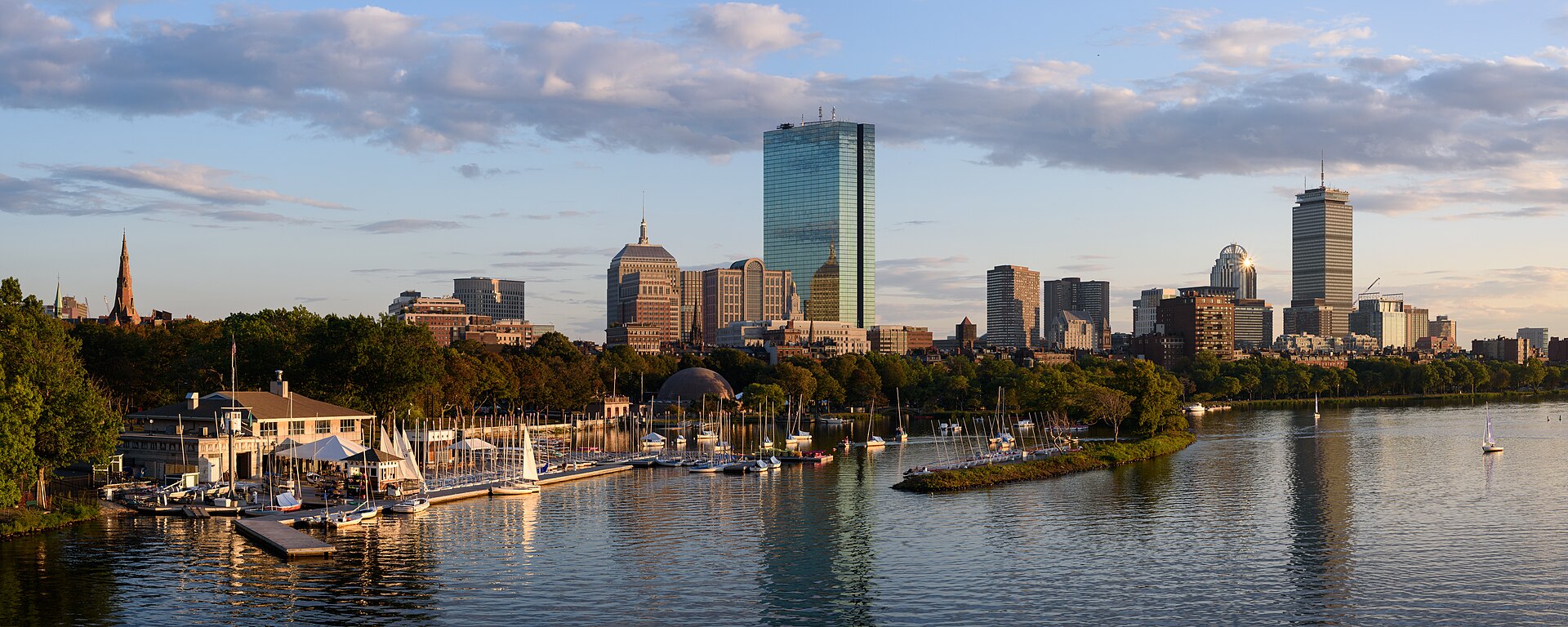
What Are the Best Things to Do in Boston?
The best things to do in Boston are walking the Freedom Trail, exploring Beacon Hill and Acorn Street, eating your way through the North End, strolling Boston Common and the Public Garden, visiting the Museum of Fine Arts, touring Fenway Park, seeing the USS Constitution, and taking a Boston Harbor cruise or ferry to the Harbor Islands. Most major sights are within walking distance or a short subway ride of each other, so 3 days is enough to see the highlights.
In This Guide
- Historic things to do in Boston
- Best Boston neighborhoods to explore
- Parks, gardens and time on the water
- Best museums in Boston
- Food experiences you shouldn’t miss
- Sports, views and nightlife
- Free things to do in Boston
- Attractions comparison table
- 1-, 2- and 3-day Boston itineraries
- Where to stay in Boston
- Getting around Boston
- FAQs
Historic Things to Do in Boston
Boston is where the American Revolution started, and the history isn’t tucked away in museums. It’s on the street corners. These are the places that bring it to life.
1. Walk the Freedom Trail
At a glance: free to walk · 2.5 miles · 2–3 hours without going inside sites, most of a day with stops
If you only do one thing in Boston, make it this. The Freedom Trail is a red line of brick and paint set into the sidewalk, and it links 16 historic sites from Boston Common all the way to the Bunker Hill Monument in Charlestown. Just follow the line.
Along the way you’ll pass the gold-domed State House, the Granary Burying Ground (where Paul Revere, Samuel Adams and John Hancock are buried), the Old State House, Faneuil Hall, Paul Revere’s house and the Old North Church. Walking it is free. A few sites charge small entry fees.
Tip: the trail is one-way, so plan to take the T or a water taxi back from Charlestown. A guided tour with a costumed guide adds a lot of stories you’d miss on your own. Pick up a free map at the visitor centers on Boston Common or in Faneuil Hall, or check the official Freedom Trail website.
2. Explore Boston Common
Established in 1634, Boston Common is the oldest public park in the United States and the starting point of the Freedom Trail. Cows once grazed here and British soldiers camped here before the Revolution. Today it’s where locals picnic, play frisbee and ice skate on the Frog Pond in winter. It’s free and open all day.
3. See Faneuil Hall and the Old State House
Faneuil Hall has been a meeting place since the 1740s. Revolutionaries, abolitionists and suffragists all spoke here, which is why it’s often called the “Cradle of Liberty.” The National Park Service runs a visitor center on the ground floor, and the upstairs Great Hall is open when it isn’t hosting events.
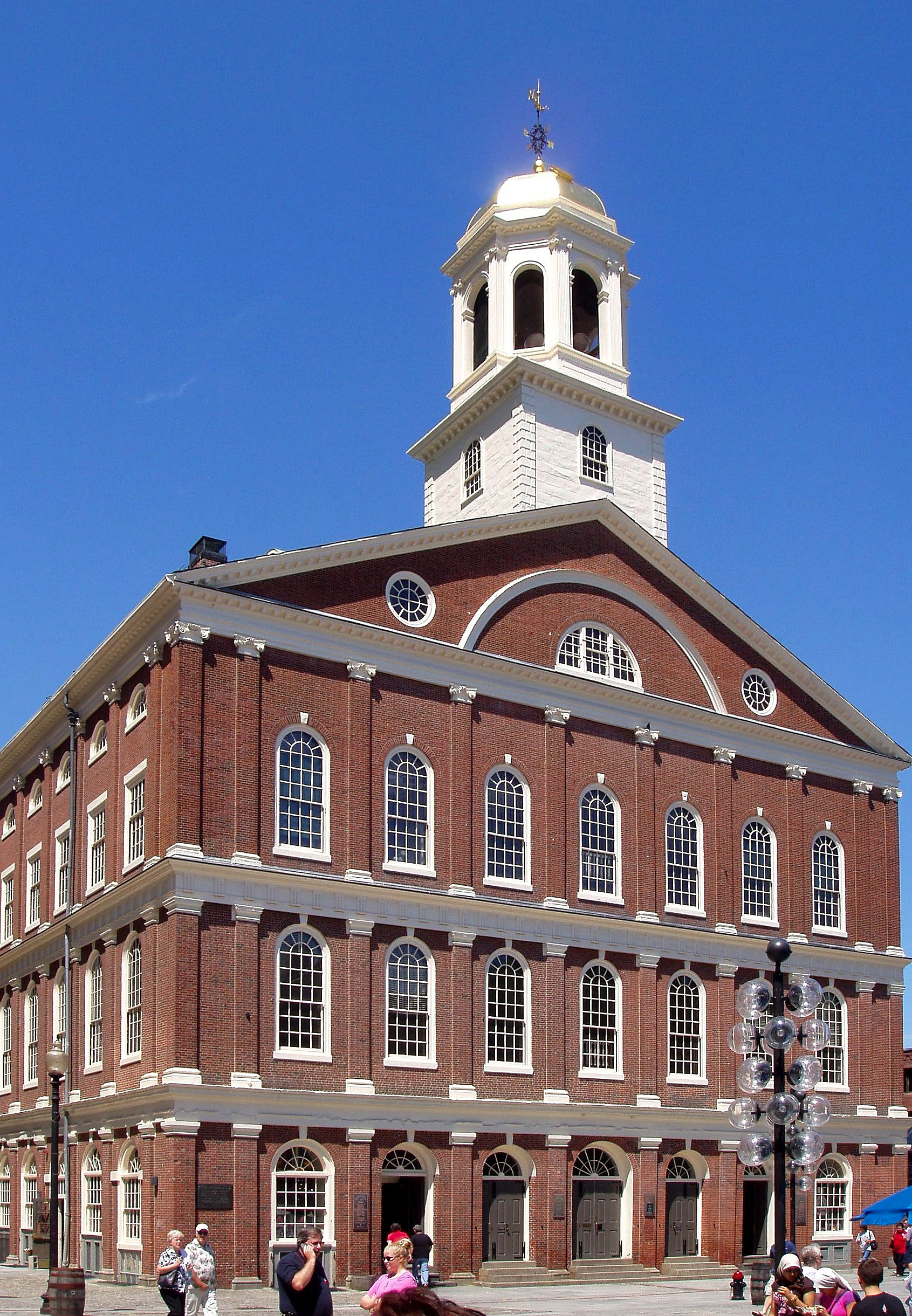
A few minutes away, the Old State House is the city’s oldest surviving public building. The Declaration of Independence was read to Bostonians from its balcony in 1776, and a circle of stones in the street outside marks the site of the Boston Massacre.
4. Paul Revere House and the Old North Church
Deep in the North End, the Paul Revere House dates to around 1680 and is the oldest building left in downtown Boston. A short walk away is the Old North Church, where two lanterns were hung in the steeple on the night of April 18, 1775, to signal “two if by sea.” Both charge a small admission and are worth the stop.
5. Board the USS Constitution and Climb Bunker Hill
Across the river in Charlestown, the USS Constitution is the oldest commissioned warship still afloat. It earned the nickname “Old Ironsides” in the War of 1812. Visiting the ship is free, but you’ll go through security, so adults should bring photo ID. Check open days before you go, as hours vary by season.
Up the hill, the Bunker Hill Monument marks one of the first major battles of the Revolution. You can climb its 294 steps for a view over the harbor and city, if your legs are up for it.
6. Boston Tea Party Ships & Museum
This is history made fun. Actors in colonial costume lead you through a town meeting, onto replica ships, and yes, you get to toss a crate of tea into the harbor. It’s ticketed, but it’s one of the best interactive museums in the city and a big hit with kids. Book ahead in summer.
7. Massachusetts State House
You can’t miss the gold dome on top of Beacon Hill. Free guided tours run on weekdays, showing the historic chambers and art inside. It’s a quick, free stop right on the Freedom Trail.
8. Black Heritage Trail
This walking trail through the north slope of Beacon Hill tells the story of Boston’s 19th-century free Black community and its role in the abolition movement. It includes the African Meeting House, the oldest surviving Black church building in the country. The National Park Service offers maps and ranger tours through the Boston African American National Historic Site.
9. John F. Kennedy Presidential Library and Museum
Set on the water in Dorchester, this striking I.M. Pei building tells the story of JFK’s life and presidency, and includes a replica of the Oval Office. It’s a short ride from downtown on the Red Line plus a free shuttle, and the harbor views alone are worth it.
Best Boston Neighborhoods to Explore
Some of the best things to do in Boston don’t have a ticket booth. You just pick a neighborhood and start walking.
10. Beacon Hill and Acorn Street
Beacon Hill is all brick sidewalks, gas lamps and Federal-style row houses with flower boxes. It’s the Boston you’ve seen on postcards. Tucked in the middle is Acorn Street, a tiny cobblestone lane often called one of the most photographed streets in America.
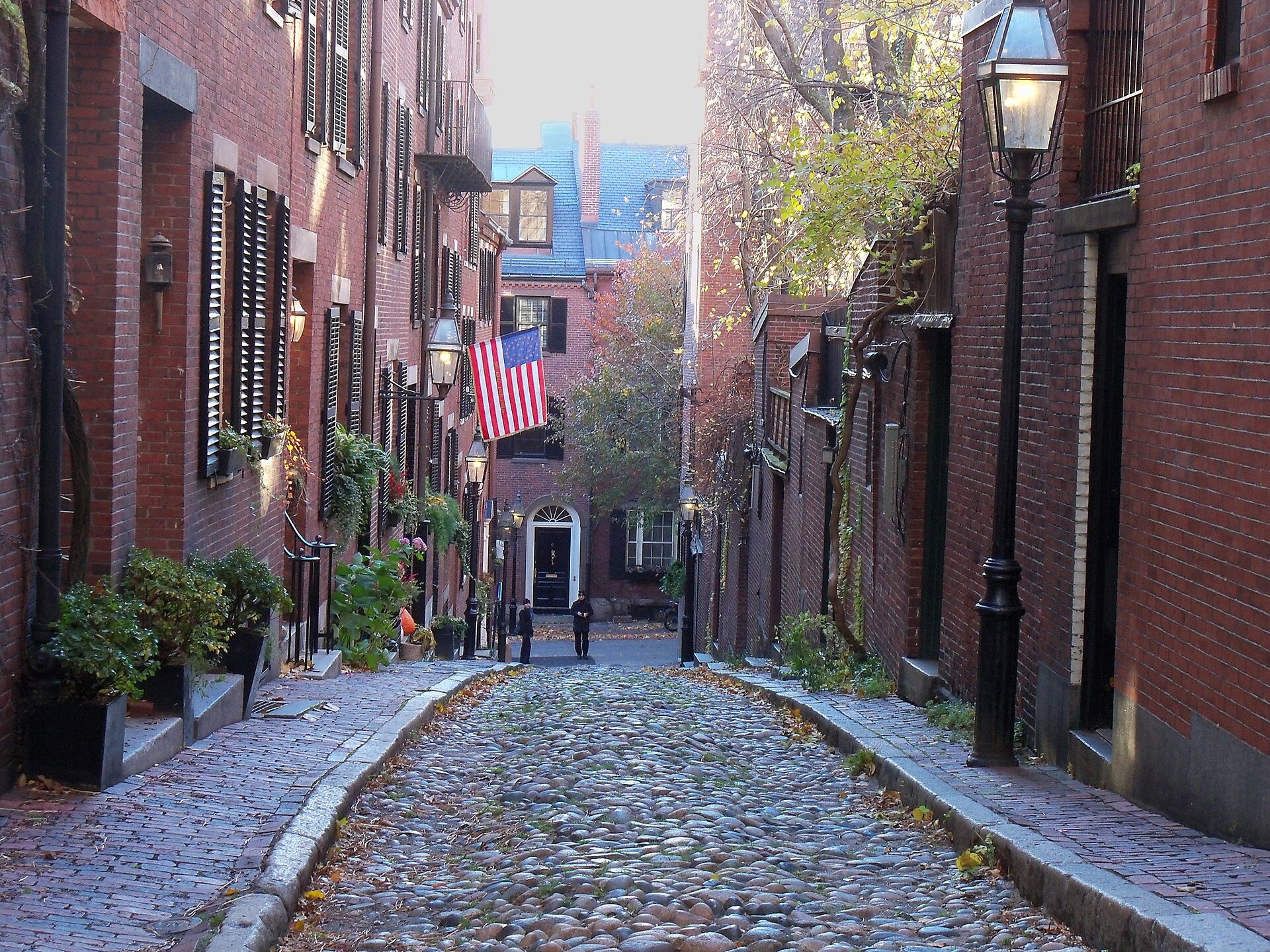
Go early in the morning for photos without a crowd. Remember that people actually live here, so keep your voice down and stay off the steps. Then wander down Charles Street for antique shops, cafés and bookstores.
11. The North End
Boston’s Little Italy is packed into narrow streets full of family-run restaurants, bakeries and cafés. Hanover Street is the main drag. Come hungry, grab a cannoli, and wander. It’s also home to the Paul Revere House and the Old North Church, so it fits neatly into a Freedom Trail day.
12. Back Bay and Newbury Street
Back Bay was built on filled-in marshland in the 1800s, and it’s full of grand brownstones and wide, tree-lined avenues. Walk down the Commonwealth Avenue Mall, then shop and people-watch along Newbury Street, about a mile of boutiques, galleries and cafés. Copley Square, with Trinity Church and the Boston Public Library, is right here too.
13. Seaport District
The Seaport is Boston’s newest neighborhood: glassy buildings, waterfront restaurants, rooftop bars and the Harborwalk. It’s a nice contrast to the historic parts of the city, and it’s home to the Institute of Contemporary Art and the Boston Tea Party Ships.
14. Cambridge: Harvard and MIT
Just across the river, Cambridge is technically its own city but easy to reach on the Red Line. Walk through Harvard Yard, browse the bookstores and cafés in Harvard Square, then head down to MIT to see its famously odd architecture. Student-led campus tours are fun and informative.
Parks, Gardens and Time on the Water
15. Boston Public Garden and the Swan Boats
Right next to Boston Common, the Public Garden was the first public botanical garden in America. It’s formal, flowery and peaceful, with weeping willows around a lagoon. From spring through late summer, the pedal-powered Swan Boats have been gliding around that lagoon since 1877. Don’t miss the Make Way for Ducklings statues, based on the classic children’s book.
16. The Charles River Esplanade
This long riverside park is where Bostonians run, bike and sunbathe. Walk along the water, watch the sailboats, and catch a free concert at the Hatch Shell in summer. For a different view, rent a kayak or paddleboard on the Charles, or take a sailing lesson.
17. Boston Harbor Islands
From mid-May to mid-October, ferries leave from Long Wharf for the Boston Harbor Islands, a group of 34 islands and peninsulas in the bay. Explore the Civil War-era Fort Warren on Georges Island, hike the trails on Spectacle Island, and enjoy small beaches and picnic spots with skyline views. Check ferry times on the Boston Harbor Islands website.
18. Take a Boston Harbor Cruise
Seeing the skyline from the water is a highlight for many visitors. Choose from sightseeing cruises, sunset sails, dinner cruises, and whale watching trips out to Stellwagen Bank, where humpbacks feed in summer and fall.
19. Castle Island and the Arnold Arboretum
Want to see Boston like a local? Head to Castle Island in South Boston, where a waterfront loop circles historic Fort Independence and planes glide into Logan Airport overhead. Or visit the Arnold Arboretum, part of the Emerald Necklace park system, especially in spring when the lilacs bloom. Both are free.
Best Museums in Boston
20. Museum of Fine Arts, Boston
The MFA is one of the largest art museums in the country, with a huge range of collections: Egyptian mummies, Japanese art, Impressionist paintings (including a large group of Monets) and a strong wing devoted to American art. Give yourself at least half a day. It’s also a great escape on a rainy or very hot afternoon.
21. Isabella Stewart Gardner Museum
Built to look like a Venetian palace around a flower-filled courtyard, the Gardner is one of the most beautiful museums anywhere. It’s also home to the biggest unsolved art theft in history: in 1990, thieves stole 13 works, and empty frames still hang where some of them used to be. Timed tickets are recommended.
22. Museum of Science and the New England Aquarium
Traveling with kids? The Museum of Science, perched on the Charles River, is packed with hands-on exhibits, a planetarium and live lightning demonstrations. On the waterfront, the New England Aquarium centers on a giant spiral ocean tank with sea turtles, sharks and colorful fish, plus a penguin colony.
23. Boston Public Library
Free and gorgeous. The main branch at Copley Square opened as the first large free municipal library in America, and its central building is a palace of books. Walk up to Bates Hall, the grand reading room with green lamps and a vaulted ceiling, then relax in the quiet courtyard. Book lovers can also visit the Boston Athenaeum, a historic private library that offers paid visitor access.
Food Experiences You Shouldn’t Miss
24. Quincy Market
Right behind Faneuil Hall, Quincy Market’s long food hall is lined with counters selling everything from chowder in bread bowls to lobster rolls. It’s touristy, but it’s fun and convenient, and street performers often gather outside.
25. Eat a Lobster Roll and Clam Chowder
You’re in New England, so seafood is a must. Try a lobster roll (warm with butter or cold with mayo, and locals have strong opinions about which is better) and a bowl of creamy New England clam chowder. The Seaport and North End have plenty of great spots, from casual shacks to upscale oyster bars.
26. Cannoli in the North End
The great Boston debate: Mike’s Pastry or Modern Pastry? Both are on Hanover Street, both have lines out the door on weekends, and both have loyal fans. Try one of each and decide for yourself.
27. Union Oyster House
Open since 1826, Union Oyster House claims to be the oldest continuously operating restaurant in the United States. JFK was a regular. Sit at the old oyster bar for fresh raw oysters, or just pop in to see the historic dining rooms.
Sports, Views and Nightlife
28. Catch a Game or Tour Fenway Park
Opened in 1912, Fenway Park is the oldest ballpark in Major League Baseball and home of the Boston Red Sox. Even if you’re not a baseball fan, the atmosphere at a game is electric, especially when the whole crowd sings “Sweet Caroline” in the eighth inning. Can’t make a game? Take a guided tour year-round and see the famous Green Monster wall up close.
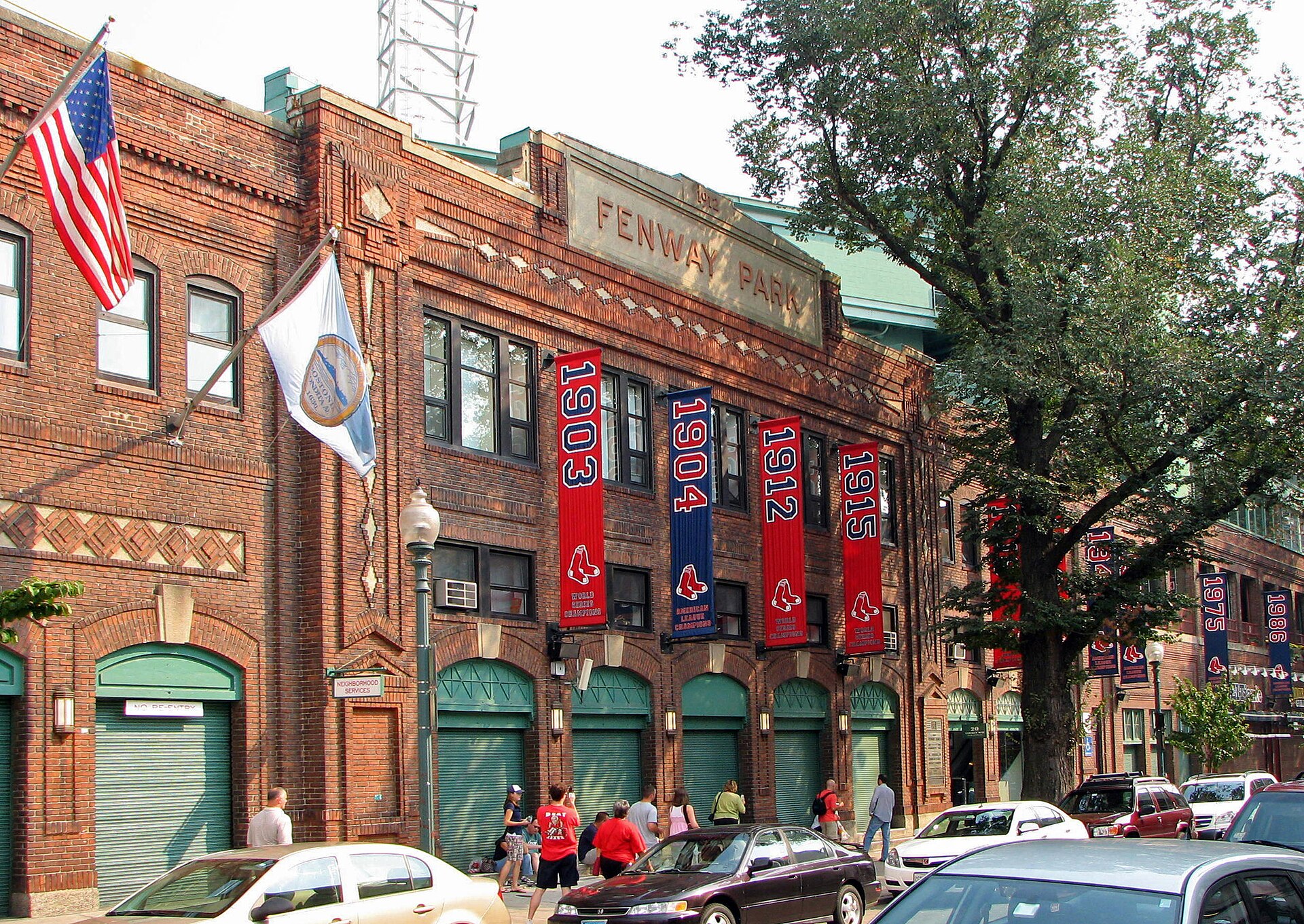
Boston is a huge sports city in general. Depending on the season, you can also see the Celtics or Bruins at TD Garden.
29. See the City From Above at View Boston
For the best views in town, head up the Prudential Tower to the View Boston observatory. You’ll get a 360-degree look over the city, the harbor and the Charles River. Sunset is the most popular time, so book ahead.
30. Go on a Ghost Tour or Pub Crawl
Boston has nearly 400 years of history, so of course it has ghost stories. Evening ghost tours and historic pub crawls are a fun way to see the old streets after dark. And yes, you can have a drink at the bar that inspired the TV show Cheers on Beacon Street.
Free Things to Do in Boston
Boston can be expensive, but many of its best experiences cost nothing. Here are the top free things to do in Boston:
- Walk the entire Freedom Trail on your own
- Explore Boston Common and the Public Garden
- Visit the USS Constitution and climb the Bunker Hill Monument
- Tour the Massachusetts State House on a weekday
- See Bates Hall at the Boston Public Library
- Wander Beacon Hill, Acorn Street and the North End
- Stroll the Harborwalk and Charles River Esplanade
- Walk around Harvard Yard and MIT
- Visit Castle Island and the Arnold Arboretum
Top Boston Attractions Compared
| Attraction | Time Needed | Cost | Best For |
|---|---|---|---|
| Freedom Trail | 3–6 hrs | Free (some sites paid) | History, first-timers |
| Beacon Hill & Acorn St | 1–2 hrs | Free | Photos, strolling |
| North End | 1–3 hrs | Free to wander | Food lovers |
| Public Garden & Swan Boats | 1 hr | Free (boats paid) | Families, couples |
| USS Constitution | 1–2 hrs | Free | History, kids |
| Boston Tea Party Ships | 1–1.5 hrs | Paid | Families |
| Museum of Fine Arts | 3–4 hrs | Paid | Art lovers, rainy days |
| Fenway Park | 1 hr tour / 3 hr game | Paid | Sports fans |
| Harbor Islands | Half day | Ferry fee | Outdoors, summer |
| Harvard & Cambridge | 2–3 hrs | Free | Students, culture |
How Many Days Do You Need in Boston?
Three days is ideal for a first trip to Boston. That gives you a day for the Freedom Trail and North End, a day for Beacon Hill, Back Bay and a museum, and a day for Fenway, Cambridge or the harbor. With two days you can cover the highlights at a brisk pace. Add a fourth day for a day trip to Salem, Concord or Cape Cod.
Boston Itinerary: 1, 2 and 3 Days
One Day in Boston
Morning: start at Boston Common and follow the Freedom Trail past the State House, the Granary Burying Ground and the Old State House to Faneuil Hall.
Lunch: grab chowder or a lobster roll at Quincy Market.
Afternoon: continue into the North End for the Paul Revere House and Old North Church, then stop for a cannoli. Walk back through the Public Garden and up to Acorn Street in Beacon Hill.
Evening: dinner in the North End or Back Bay, or catch a Red Sox game if one’s on.
Two Days in Boston
Day 1: follow the one-day plan above, but go all the way across to Charlestown to see the USS Constitution and Bunker Hill.
Day 2: spend the morning at the Museum of Fine Arts or the Isabella Stewart Gardner Museum. In the afternoon, stroll Newbury Street and the Boston Public Library, then head up to View Boston for sunset. End with a Fenway tour or game, or a harbor cruise.
Three Days in Boston
Days 1–2: as above.
Day 3: take the Red Line to Cambridge for Harvard Yard and Harvard Square, then walk to MIT. In the afternoon, head to the Seaport for the Boston Tea Party Ships and a waterfront dinner. In summer, swap in a ferry to the Harbor Islands or a whale watch.
Best Time to Visit Boston
The best time to visit Boston is September to October, or late May to June. Fall brings crisp weather, colorful leaves and fewer summer crowds. Late spring is warm and green, with outdoor dining back in full swing.
| Season | What to Expect | Good For |
|---|---|---|
| Spring (Mar–May) | Cool, sometimes rainy; flowers bloom by May | Public Garden, fewer crowds |
| Summer (Jun–Aug) | Warm and humid, busiest, highest hotel prices | Harbor Islands, whale watching, baseball |
| Fall (Sep–Nov) | Crisp, sunny, fall foliage; college move-in weekends are busy | Walking, day trips, Salem in October |
| Winter (Dec–Feb) | Cold and snowy, cheapest hotels | Museums, holiday lights, skating on Frog Pond |
Heads up: hotel prices spike during college graduation weekends in May, the Boston Marathon in April, and around Labor Day, when thousands of students move in. Book early if your dates overlap.
Where to Stay in Boston
Boston is compact, so almost anywhere central works. Here’s how the main neighborhoods compare:
| Neighborhood | Best For | Vibe |
|---|---|---|
| Back Bay | First-timers, shopping | Elegant, central, great transit |
| Beacon Hill | Couples, charm | Historic, quiet, walkable |
| Downtown / Faneuil Hall | Sightseeing | Busy, near the Freedom Trail |
| Seaport | Modern hotels, nightlife | Trendy, waterfront |
| North End | Food lovers | Lively, very few hotels |
| Cambridge | Budget and longer stays | Academic, relaxed, easy Red Line access |
Compare prices across the major hotel booking sites, and check recent reviews before you book. Staying near a T station saves a lot of time.
Save Money With Attraction Passes
If you plan to visit several paid attractions, such as the Tea Party Ships, the aquarium, a harbor cruise and a museum or two, a Boston sightseeing pass can save you money. Add up the ticket prices for what you actually want to see before you buy, since passes only pay off if you use them.
Getting Around Boston
Walk. Boston is one of the most walkable cities in the U.S. Most central sights are 10 to 30 minutes apart on foot.
Take the T. The MBTA subway (“the T”) has four color-coded lines (Red, Green, Orange and Blue) plus buses and ferries. You can tap a contactless card or phone to pay, or use a CharlieCard. Check routes and fares on the official MBTA website.
Skip the car. Downtown driving is confusing and parking is expensive. You only need a car for day trips outside the city.
From the airport: Logan Airport is very close to downtown. Take the Silver Line bus (free from the airport), the Blue Line subway via a free shuttle, or a water taxi across the harbor.
Best Day Trips From Boston
- Salem (about 30 minutes by train, or under an hour by ferry): witch trial history, the Peabody Essex Museum, and huge Halloween crowds in October. See our full day trip to Salem MA itinerary.
- Lexington and Concord (about 30–45 minutes by car): where the first shots of the Revolution were fired, plus Louisa May Alcott’s Orchard House and Walden Pond.
- Plymouth (about 1 hour): Plymouth Rock and a replica of the Mayflower.
- Cape Cod (1.5–2 hours, or a summer fast ferry to Provincetown): beaches, lighthouses and seafood shacks.
What to Pack for Boston
- Comfortable walking shoes for brick sidewalks and cobblestones
- Layers and a light rain jacket, because New England weather changes fast
- A warm coat, hat and gloves from November to March
- A small day bag (large bags aren’t allowed at Fenway)
- A portable phone charger for long days of maps and photos
Things to Do in Boston: FAQs
What is the number one thing to do in Boston?
Walking the Freedom Trail. The free 2.5-mile red-brick route connects 16 key historic sites and gives you a great introduction to the city.
How many days do you need in Boston?
Three days is ideal for first-time visitors. Two days covers the highlights, and a fourth day lets you add a day trip to Salem, Concord or Cape Cod.
What are the best free things to do in Boston?
Walking the Freedom Trail, exploring Boston Common and the Public Garden, visiting the USS Constitution, touring the State House, seeing the Boston Public Library, and wandering Beacon Hill and the North End are all free.
Is Boston a walkable city?
Yes. Boston is one of the most walkable cities in the U.S. Most central attractions are within a 30-minute walk of each other, and the T fills in the gaps.
What is the best month to visit Boston?
September and October are best for mild weather, fall colors and smaller crowds. Late May and June are also lovely.
What neighborhood should I stay in for my first trip?
Back Bay is the best all-around choice for first-timers. It’s central, walkable and well connected by the T. Beacon Hill and Downtown are also great for sightseeing.
Do you need a car in Boston?
No. Parking is expensive and traffic is heavy. Walking and the MBTA subway are the easiest ways to get around. Only rent a car for day trips.
What food is Boston famous for?
New England clam chowder, lobster rolls, fresh oysters, North End cannoli and Boston cream pie.
What is there to do in Boston with kids?
Kids love the Boston Tea Party Ships, the New England Aquarium, the Museum of Science, the Swan Boats, the Make Way for Ducklings statues and the USS Constitution.
What is there to do in Boston when it rains?
Head to the Museum of Fine Arts, the Isabella Stewart Gardner Museum, the Boston Public Library, the Museum of Science or the New England Aquarium, or grab lunch inside Quincy Market.
Final Thoughts: Start With the Red Line and Keep Walking
Boston rewards curiosity. Follow the red line of the Freedom Trail, then let yourself drift off it: down a cobblestone lane in Beacon Hill, into a North End bakery, or out along the harbor at sunset.
You won’t see everything in one trip, and that’s fine. Most people who visit Boston once end up coming back.
Planning a bigger East Coast trip? Check out our guides to the best things to do in Ellicott City in Maryland and the best hikes in Shenandoah National Park.