
South Carolina is a small state that doesn’t act like one.
In the morning you can stand on a mountain overlook in the Upstate, 3,000 feet above the valley. By lunch you’re in Columbia. By sunset you could be watching pelicans skim the waves on a barrier island, with a plate of shrimp and grits waiting in Charleston. Few states pack mountains, a national park swamp forest, 18th-century streets and 60 miles of beach into one easy road trip.
That’s what makes planning things to do in South Carolina fun, and a little overwhelming. This guide breaks it down: the 25 best places and experiences, what to do with kids (with a full guide to things to do in South Carolina with kids) or as a couple, free and unusual ideas (see our full list of free things to do in South Carolina), a month-by-month look at March, October, November and December, and simple 3-day and 7-day itineraries.
What Are the Best Things to Do in South Carolina?
The best things to do in South Carolina are exploring historic Charleston, taking the ferry to Fort Sumter, spending a few days at Myrtle Beach, hiking the boardwalk at Congaree National Park, visiting Hunting Island State Park, walking Brookgreen Gardens, relaxing on Hilton Head Island, and seeing waterfalls and mountain views in the Upstate around Greenville. Pick one or two regions per trip. The state is bigger on the road than it looks on a map.
South Carolina at a Glance
| Experience | Region | Best For | Time |
|---|---|---|---|
| Historic Charleston | Lowcountry | History, food, couples | 2–3 days |
| Myrtle Beach & Grand Strand | Coast | Families, beach, fun | 2–4 days |
| Congaree National Park | Midlands | Hiking, paddling | Half to full day |
| Hunting Island State Park | Beaufort | Wild beach, wildlife | Full day |
| Hilton Head Island | Lowcountry | Couples, biking, golf | 2–4 days |
| Brookgreen Gardens | Murrells Inlet | Art, gardens, families | Half to full day |
| Greenville & Falls Park | Upstate | Food, city break | 1–2 days |
| Caesars Head & Table Rock | Upstate | Views, waterfalls, hiking | Half to full day |
In This Guide
- South Carolina’s regions and drive times
- 25 best things to do in South Carolina
- Free things to do
- Things to do with kids
- Things to do for adults and couples
- Cool and unique things to do
- Things to do in March, October, November and December
- 3-day and 7-day itineraries
- FAQs
South Carolina’s Regions and Drive Times
It helps to think of South Carolina in three bands. The Upstate in the northwest holds the Blue Ridge foothills, waterfalls and Greenville. The Midlands in the middle has Columbia, the capital, and Congaree National Park. The coast runs from the Grand Strand and Myrtle Beach in the north, through Charleston, down to Beaufort and Hilton Head in the Lowcountry.
| Route | Distance | Drive Time |
|---|---|---|
| Charleston to Myrtle Beach | 100 miles | About 2 hrs |
| Charleston to Hilton Head | 95 miles | About 2 hrs |
| Charleston to Columbia | 115 miles | About 2 hrs |
| Columbia to Congaree National Park | 20 miles | About 30 min |
| Columbia to Greenville | 100 miles | About 1 hr 45 min |
| Greenville to Myrtle Beach | 250 miles | About 4 hrs |
25 Best Things to Do in South Carolina
1. Walk the Streets of Historic Charleston
Allow: 2–3 days · walkable · paid garages are easier than street parking
If this is your first trip, start in Charleston. It’s a city that slows you down without trying. Church steeples poke above the rooftops, gas lanterns flicker by front doors, and every other side street seems to hide a garden behind an iron gate. Driving from sight to sight misses the point. Park the car and walk.
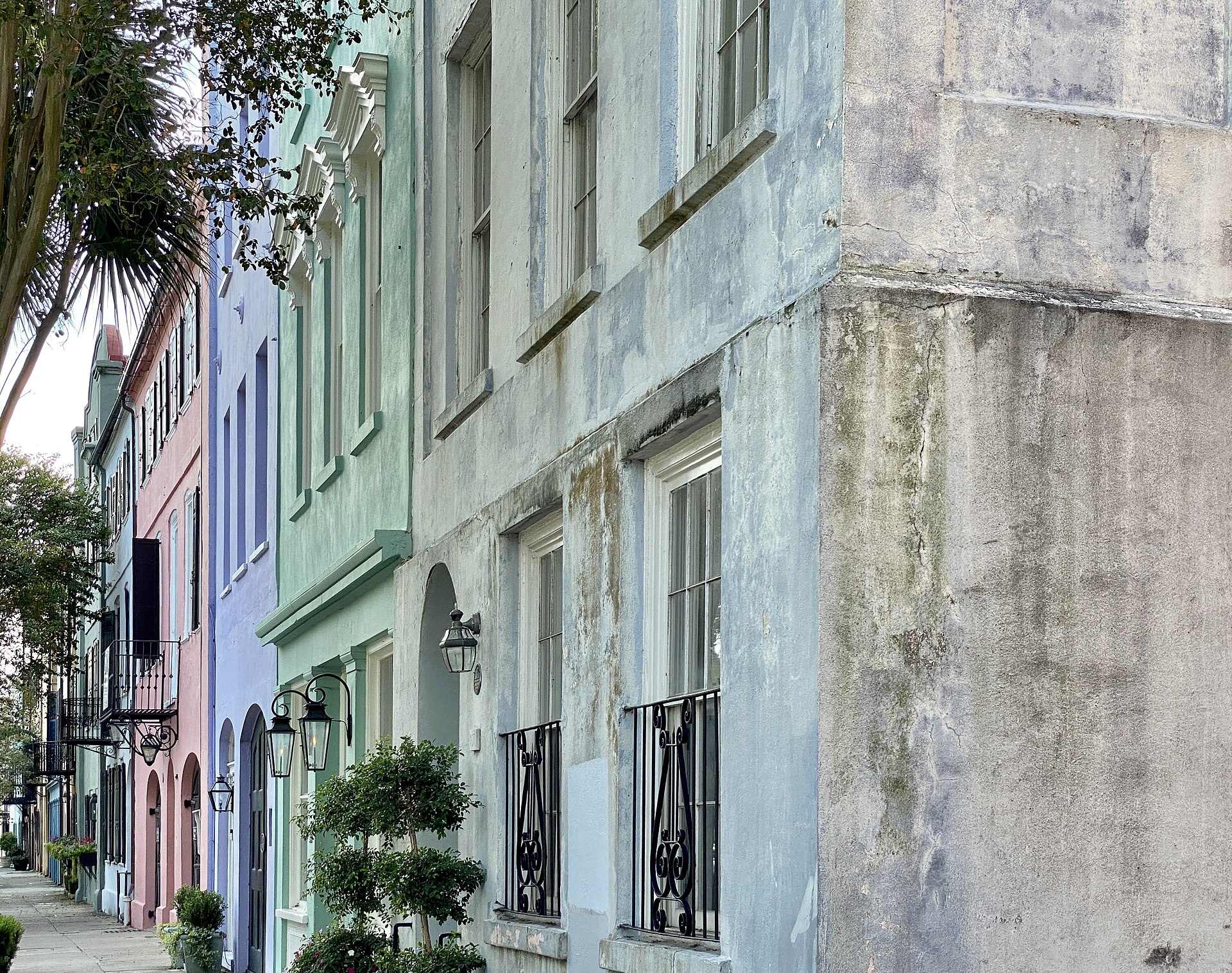
A good first day looks like this: stroll south of Broad Street, snap the pastel houses of Rainbow Row, walk out to the Battery and White Point Garden for harbor views, then wander up to the Charleston City Market, where Gullah artisans weave sweetgrass baskets by hand. Have a long lunch, visit one museum, and leave the afternoon loose.
Things to Do in South Carolina: Charleston Highlights
- Walk Rainbow Row, the Battery and the French Quarter
- Browse sweetgrass baskets at the City Market
- Visit the Charleston Museum, the Gibbes Museum of Art and the Old Slave Mart Museum
- Take a harbor cruise or guided walking tour
- Eat Lowcountry classics: shrimp and grits, she-crab soup and oysters
- Spend an afternoon at Folly Beach, Sullivan’s Island or Isle of Palms
One honest tip: Charleston isn’t cheap, and downtown parking can be a headache. Book a hotel you can walk from, or use a garage and forget about the car.
2. Take the Ferry to Fort Sumter
The first shots of the Civil War were fired at Fort Sumter in April 1861, and the fort still sits on its island at the mouth of Charleston Harbor. The only way there is by ferry, which leaves from Liberty Square downtown and from Patriots Point in Mount Pleasant. The boat ride itself is half the fun, with great views of the city skyline. Plan on about two and a half hours in total, and book ahead in spring and summer.
3. Face the Past at Charleston’s Historic Plantations
West of the city along the Ashley River are some of the South’s best-known plantation sites. Middleton Place has what are often called America’s oldest landscaped gardens, laid out in the 1740s. Magnolia Plantation is famous for its azaleas, and Boone Hall in Mount Pleasant has its long avenue of live oaks. Across the river, McLeod Plantation focuses squarely on the lives of the enslaved people who lived and worked there.
These places are beautiful, but they’re also sites of slavery. The best visits don’t skip that part. Choose tours that tell the full story, and give yourself time to take it in.
4. Stand Under the Angel Oak
On Johns Island, about 25 minutes from downtown Charleston, stands a live oak thought to be around 400 to 500 years old. Its limbs spread so wide that some rest on the ground before curving back up. Standing underneath it is one of the quietest, most memorable half-hours you’ll spend in the Lowcountry. The park is free, but it’s closed some days and has set hours, so check before you drive out.
5. Spend a Few Days at Myrtle Beach
Allow: 2–4 days · best for families and groups
Myrtle Beach is the opposite of Charleston, and that’s the fun of it. Where Charleston slows you down, Myrtle Beach throws options at you from every direction. The Grand Strand stretches about 60 miles along the coast, with wide sandy beaches, a boardwalk, piers, golf courses by the dozen and more mini-golf than seems possible.
You can keep it simple, with beach, dinner, sleep and repeat, or fill every hour. Neither is wrong.
Things to Do in South Carolina: Myrtle Beach Highlights
- Walk the boardwalk and ride the SkyWheel
- Spend an evening at Broadway at the Beach for shops, food and entertainment
- Visit Ripley’s Aquarium, great on a rainy day
- Catch a Myrtle Beach Pelicans baseball game or a live show
- Try parasailing, fishing charters or a dolphin cruise
- Eat seafood in the waterfront village of Murrells Inlet
Want quieter sand? Head south to Pawleys Island or Huntington Beach State Park, where you’ll find a wild beach, great birding and Atalaya, the Spanish-style winter home of the couple who founded Brookgreen Gardens.
6. Explore Brookgreen Gardens
Just across the highway from Huntington Beach, Brookgreen is far more than a flower garden. It mixes one of the country’s largest collections of American figurative sculpture with themed gardens, a small Lowcountry zoo and exhibits on the rice plantation history of the land it sits on. Grand old live oaks shade the whole place.
It works well for mixed groups. Art lovers get sculpture, gardeners get plants, kids get animals and history fans get context. Don’t squeeze it in as a 45-minute stop. General admission has been valid for several consecutive days, which tells you how much there is. Check the current ticket terms when you book.
7. Walk the Boardwalk at Congaree National Park
Allow: 1–2 hours for the boardwalk · no entrance fee · 30 minutes from Columbia
Congaree looks nothing like the South Carolina on beach postcards, which is exactly why it’s worth the detour. It protects the largest intact stretch of old-growth bottomland hardwood forest left in the Southeast. Some of the trees here are among the tallest in eastern North America.
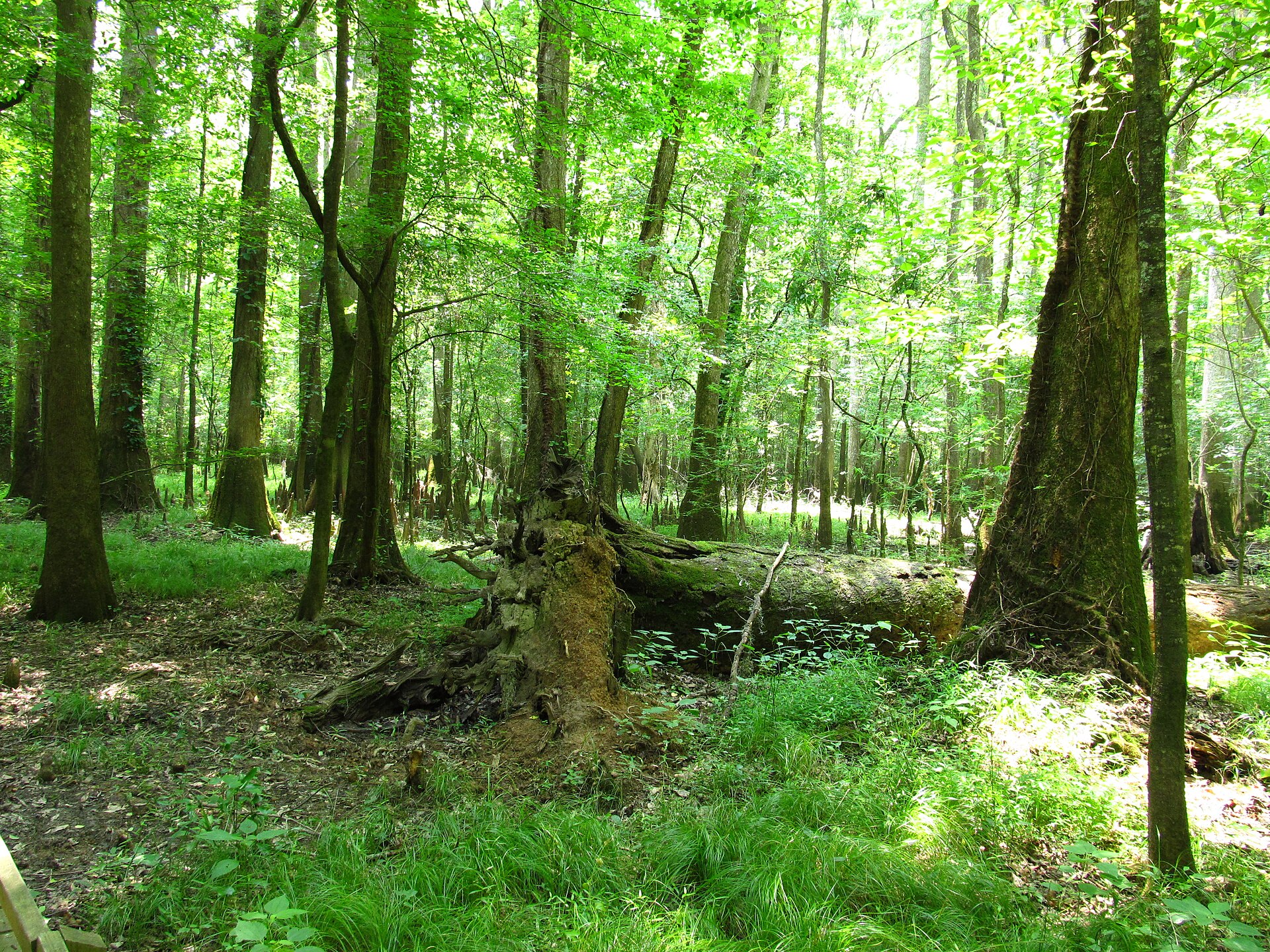
The easiest way in is the 2.6-mile Boardwalk Trail loop from the Harry Hampton Visitor Center. It’s flat, raised above the forest floor and good for most ages, passing huge bald cypress trees with their knobby “knees” poking out of the water. If you have more time, the park has more than 25 miles of trails.
Flooding is normal here, and it’s part of what keeps the forest alive, so trails and even parts of the boardwalk can close. Check conditions before you go, and bring bug spray from spring to fall. The mosquitoes are no joke.
8. Paddle Cedar Creek Through Congaree
Walking Congaree is good. Paddling it is something else. The Cedar Creek Canoe Trail winds for about 15 miles through the wilderness, under towering trees, with a chance of seeing turtles, otters, wading birds and the odd alligator. Most people paddle a short out-and-back section rather than the whole thing.
Don’t go in unprepared. Water levels change, fallen trees block the creek and it’s easy to lose your bearings. The park doesn’t usually rent boats, so book with a local outfitter or a ranger-led paddle, and bring water, a map and sun protection.
9. Spend a Day in Columbia
The state capital makes an easy base for Congaree, and it has a few big draws of its own. Riverbanks Zoo and Garden spreads over about 170 acres along the river, with animals on one side and a botanical garden on the other. It’s one of the best family days in the state. Add the South Carolina State House grounds, the State Museum and a walk along the Three Rivers Greenway, then have dinner in the Vista neighborhood.
10. Visit Hunting Island State Park
Not every South Carolina beach comes with hotels and T-shirt shops. Hunting Island, about 30 minutes past Beaufort, is wild and natural: roughly five miles of beach, a saltwater lagoon, marsh, maritime forest and a black-and-white lighthouse rising above the palmettos. It’s the most visited state park in South Carolina for good reason.
Spend the day beachcombing among the fallen “boneyard” trees, walk the trails, fish off the pier or visit the nature center. The lighthouse has been open for climbing at some times and closed for repairs at others, so check before you go if that’s the main reason for your visit. There’s a day-use fee.
11. Slow Down in Beaufort and the Lowcountry
Beaufort feels like Charleston with the volume turned down. Antebellum homes face the water, Spanish moss hangs off every oak and the waterfront park is made for an evening stroll. It’s the natural base for Hunting Island, and it’s close to St. Helena Island, where the Penn Center, founded in 1862 as one of the first schools for formerly enslaved people, tells the story of the Gullah Geechee culture that shaped this coast.
12. Relax on Hilton Head Island
Hilton Head moves at a gentler pace than Myrtle Beach. The island has about 12 miles of hard-packed beach you can ride a bike on at low tide, plus more than 60 miles of paved paths, top-rated golf, marshes full of birds and a long list of seafood restaurants. Rent bikes for your whole stay. It’s the best way to get around.
Don’t miss the red-and-white striped lighthouse at Harbour Town or sunset over the marsh. Hilton Head suits couples and families who’d rather relax than rush from one attraction to the next.
13. Spend a Day in Greenville
Greenville surprises a lot of first-time visitors. Its downtown centers on Falls Park on the Reedy, where a curved pedestrian suspension bridge, the Liberty Bridge, hangs over a waterfall right in the middle of the city. Main Street is lined with trees, outdoor patios and local restaurants, and the Swamp Rabbit Trail lets you walk or bike for miles out of town.
It’s also the best base for the mountains. You can have breakfast downtown, spend the day hiking and be back for dinner.
14. See the View From Caesars Head State Park
About 45 minutes north of Greenville, the overlook at Caesars Head sits 3,208 feet up on the edge of the Blue Ridge escarpment, with a huge view over the valley below. You can walk to it in minutes from the parking lot.
Hikers can go farther into the Mountain Bridge Wilderness. The big payoff is Raven Cliff Falls, the tallest waterfall in South Carolina. The trails here are rated for experienced hikers, so check distances and difficulty first. On October and November weekends the lot fills early and roadside parking isn’t allowed, so go early or on a weekday.
15. Hike or Picnic at Table Rock State Park
Table Rock’s big granite dome looms over a mountain lake, and it’s one of the most photographed views in the Upstate. The summit trail is steep and long, a serious climb that takes most of a day. But you don’t have to do it. A lakeside picnic, a shorter trail and the historic lodge can be just as rewarding.
16. Drive the Cherokee Foothills Scenic Highway
Highway 11 curves for more than 100 miles along the base of the Blue Ridge, linking Caesars Head, Table Rock, orchards, small towns and farm stands. It’s not a road to rush. Stop when something catches your eye, take a short walk and buy a bag of apples or boiled peanuts. In mid- to late autumn, when the leaves turn, it’s one of the prettiest drives in the Southeast.
17. Chase Waterfalls in the Upstate
If you think of South Carolina as all palm trees, the northwest corner will surprise you. The Jocassee Gorges area near Lake Jocassee has one of the highest concentrations of waterfalls in the eastern U.S. Some, like Issaqueena Falls near Walhalla, are a short walk from the parking lot. Others require long, steep hikes or a boat. Look up the trail length and difficulty before picking one from a photo.
18. Get Out on the Water
Some of the best views in South Carolina are from a boat. Kayak through salt marsh at sunrise near Charleston or Beaufort, take a dolphin tour out of Hilton Head, rent a pontoon on Lake Murray near Columbia, or swim in the clear, cold water of Lake Jocassee. Each one shows a completely different side of the state.
19. Learn the State’s History
South Carolina’s history is written on its streets as much as in its museums. You’ll find Native American heritage, colonial settlement, Revolutionary War battlefields, slavery, the Civil War and the Civil Rights era, often within a few miles of each other. The Old Slave Mart Museum in Charleston and the International African American Museum on the Charleston waterfront are both essential. Read the markers, take a guided tour when it adds context, and listen to more than one perspective.
20. Eat Your Way Across the State
Food alone is a good reason to visit. On the coast, try shrimp and grits, she-crab soup, Frogmore stew (also called Lowcountry boil) and fresh oysters. In the Midlands, look for barbecue with the state’s tangy yellow mustard sauce. Along the coast, Gullah cooking brings rice dishes and seafood with deep West African roots. Skip the chains for at least a few meals. It’s worth it.
21. Find Your Beach
South Carolina’s beaches aren’t all the same, so pick the one that fits your trip. Choose Myrtle Beach for action, Pawleys Island for a laid-back, old-school feel, Folly Beach for a surf town near Charleston, Sullivan’s Island and Isle of Palms for easy day trips, Hilton Head for resorts and bikes, and Hunting Island or Huntington Beach for wild, natural shoreline.
22. Camp in a State Park
South Carolina’s state parks run from mountain forests to ocean dunes, and many have campgrounds and cabins. You could wake up to the sound of waves at Hunting Island or Myrtle Beach State Park on one trip, and to mountain mist at Table Rock on the next. Popular parks book up on holiday weekends, so reserve early.
23. Watch for Wildlife
You’ll see dolphins in the Lowcountry creeks, ospreys over the marshes, loggerhead sea turtle nests roped off on summer beaches and alligators sunning themselves in freshwater ponds. In fall, the Hawk Watch at Caesars Head counts thousands of migrating raptors. Keep your distance, never feed wildlife (especially alligators) and follow the lights-out rules on nesting beaches.
24. Stop at the Peachoid
Driving I-85 through Gaffney? Look up. The Peachoid is a water tower painted to look like a giant peach, and it’s become a roadside legend. It’s also a reminder that South Carolina grows a lot of peaches. Stop at a farm stand nearby in summer and taste for yourself.
25. Leave Room for the Unexpected
This might sound odd at the end of a long list, but don’t try to do all 25. South Carolina hosts hundreds of festivals every year, celebrating oysters, shrimp, art, Gullah culture, music and more. You might stumble onto one. Or you’ll get a perfect beach day, or find a trail that deserves another hour. Trips here tend to get better when you stop trying to finish them.
Fun Things to Do in South Carolina
“Fun” means something different to everyone, and that’s where South Carolina shines. Some people want mini-golf, go-karts, the SkyWheel and a show at Myrtle Beach. Others want to bike Hilton Head’s beach at low tide, zipline in the Upstate, float Lake Jocassee, paddle Cedar Creek or catch a baseball game. Pick your version and build the trip around it.
Free Things to Do in South Carolina
The top free things to do in South Carolina include Congaree National Park (no entrance fee), walking Charleston’s historic streets and the Battery, the Angel Oak, public beaches, Falls Park in Greenville, the Cherokee Foothills Scenic Highway and free community festivals.
- Walk the boardwalk at Congaree National Park
- Stroll Rainbow Row, the Battery and White Point Garden in Charleston
- Visit the Angel Oak on Johns Island
- Cross the Liberty Bridge at Falls Park in Greenville
- Spend a day at a public beach
- Drive the Cherokee Foothills Scenic Highway
- Walk the Swamp Rabbit Trail or Columbia’s riverfront
- Browse the Charleston City Market
- Watch a sunrise over the Atlantic
- Go to a free local festival or concert
One catch: “free attraction” doesn’t always mean free parking. Beach towns in particular charge for parking, so check before you pull in.
Things to Do in South Carolina With Kids
A 250-year-old house doesn’t impress most seven-year-olds. When planning things to do in South Carolina with kids, mix grown-up stops with places where kids can move, touch and play.
Myrtle Beach is the easiest family base, with beach, aquarium, mini-golf, water parks and the boardwalk all close together. Riverbanks Zoo in Columbia is a full day of fun. Brookgreen Gardens has a small zoo and room to roam. Kids who can walk a couple of miles love spotting turtles from the Congaree boardwalk, and the Fort Sumter ferry feels like an adventure. On Hilton Head, family bike rides on the beach are hard to beat.
A simple rule: don’t plan three history stops in one day and expect the kids to thank you. Give them a beach, some animals and a trail, then fit the museum in between.
Things to Do in South Carolina for Adults and Couples
Traveling without kids opens things up. For things to do in South Carolina for adults, think of a food-focused Charleston weekend, a golf trip to Hilton Head or the Grand Strand, a hiking base in Greenville, a coastal road trip, or a brewery and restaurant crawl in Columbia’s and Greenville’s downtowns.
For things to do in South Carolina for couples, Charleston is the easy pick. Walk the old streets at dusk, linger over dinner and spend the next day on Sullivan’s Island. Hilton Head suits couples who want to slow down, with bike rides, spa time and sunset over Calibogue Sound. Pawleys Island is quieter still. Active couples can base themselves in Greenville for waterfalls by day and good food by night.
Cool and Unique Things to Do in South Carolina
Want something beyond beach-and-city? These cool things to do in South Carolina feel tied to this state specifically:
- See the synchronous fireflies at Congaree. For a couple of weeks in late spring, thousands of fireflies flash in unison. Access has sometimes required a lottery, so check the park’s rules early.
- Paddle blackwater creeks under old-growth trees at Congaree or on the Edisto River.
- Watch the fall Hawk Watch at Caesars Head.
- Explore Gullah Geechee culture at the Penn Center on St. Helena Island.
- Walk the Hunting Island boneyard beach at low tide, among bleached, fallen trees.
- Tour Atalaya, a Moorish-style castle on the beach at Huntington Beach State Park.
- Snap a photo of the Peachoid in Gaffney.
Things to Do in South Carolina This Weekend
Planning last-minute? Check local event calendars first, because food festivals, art walks, farmers markets, concerts and ranger programs happen year-round. Then choose one area and build the weekend around it.
| Weekend Base | Easy Plan |
|---|---|
| Charleston | Historic district, Fort Sumter, beach afternoon |
| Myrtle Beach | Beach, boardwalk, Brookgreen Gardens |
| Greenville | Falls Park, Caesars Head, Table Rock |
| Beaufort | Historic town, Hunting Island, Penn Center |
| Columbia | Congaree National Park, Riverbanks Zoo |
Things to Do in South Carolina by Month
Things to Do in South Carolina in March
March is when the Lowcountry starts to bloom. Azaleas and camellias light up the gardens at Magnolia, Middleton Place and Brookgreen, and walking around Charleston is comfortable before the summer heat arrives. It’s also a good month for state parks and Congaree before the mosquitoes get serious. Weather can swing between chilly and warm, especially in the mountains, so pack layers.
Things to Do in South Carolina in October
October might be the best month of all. The heat breaks, the Upstate trees start to turn, and the Cherokee Foothills Scenic Highway is at its best late in the month. The coast still feels like a milder summer, so beaches and outdoor dining are still in play. Calendars fill with harvest festivals, pumpkin patches, Oktoberfests and the Coastal Carolina Fair near Charleston. Just remember that Caesars Head parking fills fast on weekends.
Things to Do in South Carolina in November
November is a sweet spot. Some fall color hangs on in the Upstate, crowds thin out on the coast, and cool weather makes Charleston and Beaufort perfect for walking. It’s also oyster season. Look for a traditional oyster roast, where piles of oysters are steamed and dumped onto tables for everyone to shuck. By the end of the month, holiday lights start popping up across the state.
Things to Do in South Carolina in December
December is mild, with snow rare outside the mountains, and full of holiday events. The highlight for many is Nights of a Thousand Candles at Brookgreen Gardens, when thousands of candles and lights glow among the oaks. Charleston’s Holiday Festival of Lights at James Island County Park, candlelight tours at Boone Hall, and Greenville’s Poinsettia Christmas Parade are other favorites. Winter camellias keep the gardens colorful, and the beaches are peaceful for long walks.
Best Time to Visit South Carolina
The best time to visit South Carolina is spring (March to May) or fall (October to early November), when the weather is warm but comfortable. Summer is best for a classic beach trip, and winter is quiet and mild.
| Season | What to Expect |
|---|---|
| Spring (Mar–May) | Blooming gardens, pleasant city walks, great hiking |
| Summer (Jun–Aug) | Hot, humid and busy; best for beaches and water sports; afternoon storms |
| Fall (Sep–Nov) | Upstate foliage, festivals, warm coast; hurricane season runs into November |
| Winter (Dec–Feb) | Mild, quiet, holiday events and lower hotel prices |
How Many Days Do You Need in South Carolina?
A weekend is enough for one region, and a week is enough to see the state’s highlights. Give Charleston two or three days, Myrtle Beach three or four with kids, and Charleston plus the Lowcountry four or five. To cover the coast, Midlands and Upstate together, plan at least seven days. Trying to see Myrtle Beach, Charleston, Congaree and Greenville in three days only works if your favorite attraction is the inside of your car.
South Carolina Itineraries
3 Days in South Carolina: Charleston and the Lowcountry
Day 1: Walk the historic district, Rainbow Row and the Battery. Browse the City Market and have a Lowcountry dinner downtown.
Day 2: Take the morning ferry to Fort Sumter, then visit a plantation or the Angel Oak. Spend the late afternoon at Folly Beach or Sullivan’s Island.
Day 3: Drive to Beaufort for lunch by the water, then spend the afternoon at Hunting Island.
7-Day South Carolina Road Trip
| Day | Plan |
|---|---|
| Days 1–2 | Charleston: historic district, Fort Sumter, plantations, beach |
| Day 3 | Beaufort, Penn Center and Hunting Island |
| Day 4 | Drive to Columbia; Congaree National Park boardwalk |
| Day 5 | Riverbanks Zoo in the morning, then drive to Greenville |
| Day 6 | Caesars Head, Table Rock and the Cherokee Foothills Highway |
| Day 7 | Falls Park, Swamp Rabbit Trail, or a waterfall hike |
If beaches matter more than mountains, swap days 5 to 7 for Myrtle Beach, Brookgreen Gardens and Huntington Beach instead.
Travel Tips for South Carolina
- You’ll need a car. Public transport between regions is limited.
- Bring bug spray. Mosquitoes and no-see-ums are real on the coast and at Congaree.
- Watch the heat. Summer afternoons are hot and humid, so hike early and drink lots of water.
- Keep an eye on the tropics. Hurricane season runs June through November. Check forecasts and consider flexible bookings.
- Respect wildlife. Never feed alligators, and give nesting sea turtles and their beach areas plenty of space.
- Check official park pages before you go. Hours, trail closures and fees change, especially after storms and floods.
Plan Your South Carolina Trip
Ready to dig deeper? These guides cover each part of the state, and each kind of trip, in much more detail:
- Where to go: compare cities, beach towns, islands and mountain areas in our guide to the best places to visit in South Carolina.
- Charleston: history, food, beaches and day trips in our guide to things to do in Charleston, South Carolina, plus the best places to eat and drink in Charleston.
- Myrtle Beach: beaches, the Boardwalk and the Grand Strand in our guide to things to do in Myrtle Beach, South Carolina.
- When to go: month-by-month weather and events in our guide to the best time to visit South Carolina, with seasonal ideas for South Carolina in October and South Carolina in December.
- By type of trip: things to do in South Carolina with kids, things to do in South Carolina for couples, things to do in South Carolina for adults and free things to do in South Carolina.
Things to Do in South Carolina: FAQs
What is the number one attraction in South Carolina?
For most visitors it’s historic Charleston, with its streets, food and waterfront. Myrtle Beach draws the biggest crowds for a beach vacation, and Congaree is the top pick for nature lovers.
What are the top 20 things to do in South Carolina?
Highlights include Charleston’s historic district, Fort Sumter, Middleton Place, the Angel Oak, Myrtle Beach, Brookgreen Gardens, Huntington Beach, Congaree National Park, Cedar Creek, Riverbanks Zoo, Hunting Island, Beaufort, the Penn Center, Hilton Head, Greenville’s Falls Park, Caesars Head, Table Rock, the Cherokee Foothills Highway, Upstate waterfalls and a Lowcountry food tour.
What are fun things to do in South Carolina with kids?
Try Myrtle Beach’s boardwalk and aquarium, Riverbanks Zoo, Brookgreen’s zoo, the Congaree boardwalk, the Fort Sumter ferry and biking the beach on Hilton Head.
What are the best free things to do in South Carolina?
Congaree National Park, Charleston’s historic streets, the Angel Oak, Falls Park in Greenville, public beaches and scenic drives like the Cherokee Foothills Highway.
Is Charleston or Myrtle Beach better?
They’re very different trips. Charleston is better for history, architecture and food. Myrtle Beach is better for a classic beach vacation with lots of family entertainment.
Is South Carolina good for couples?
Yes. Charleston, Hilton Head, Pawleys Island, Beaufort and a mountain weekend near Greenville all make great couples’ getaways.
What should I do in South Carolina for a weekend?
Pick one base: Charleston, Myrtle Beach, Greenville, Beaufort or Columbia. Each makes a full, relaxed weekend on its own.
What is the best month to visit South Carolina?
October and April are hard to beat, with warm, comfortable weather. Summer is best for beaches, and December is great for holiday lights and quieter sightseeing.
Does Congaree National Park charge an entrance fee?
No. Congaree is free to enter, which makes it one of the best free things to do in South Carolina.
Final Thoughts: Pick a Region and Take Your Time
The hardest part about planning a South Carolina trip isn’t finding things to do. It’s deciding what to leave out. Charleston can fill a long weekend on its own. Myrtle Beach can keep a family busy for days. Congaree deserves more than a rushed stop, and the Upstate could be a whole trip of waterfalls and mountain roads.
So pick a region, choose a few things that genuinely excite you, and leave room for a long lunch, a festival you didn’t plan on or one more hour on the beach. South Carolina is much easier to enjoy when you’re not trying to finish it.
Heading north from the Upstate? The Blue Ridge Mountains continue into North Carolina. See our guide to the best things to do in Asheville, NC. Driving up I-95 instead? Stop in and explore the best things to do in Fayetteville NC, or browse all of our travel guides.