
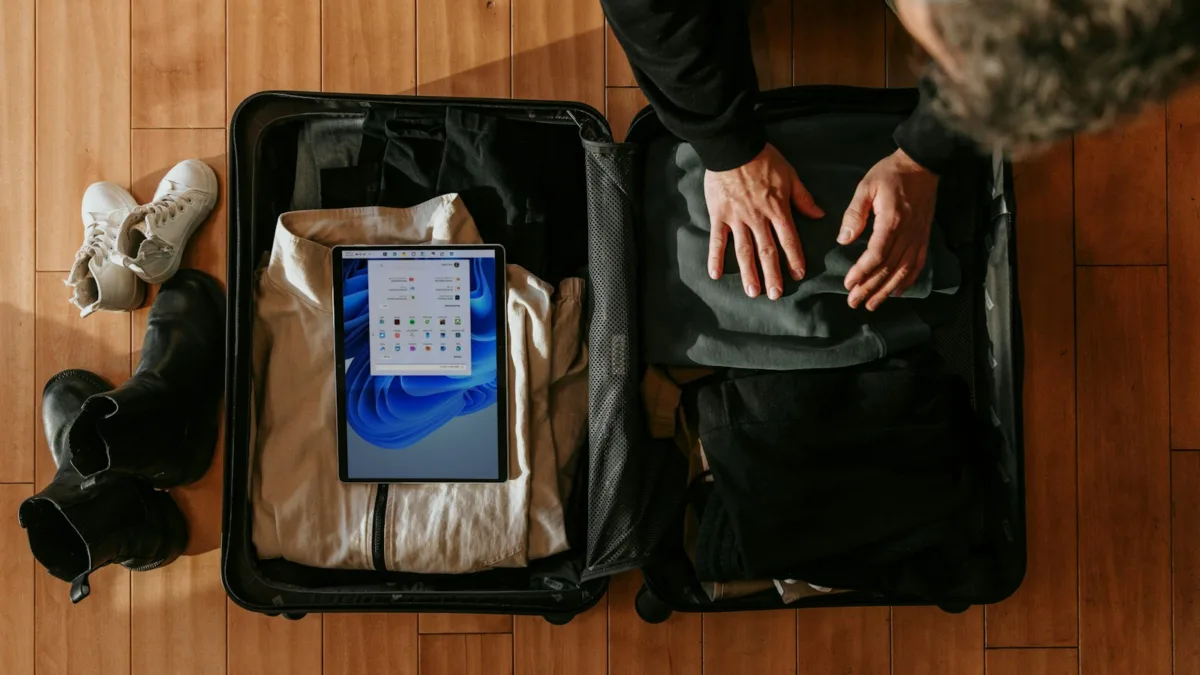
Picture opening your pack after the rain starts. Can you pull out the rain jacket without soaking the dry clothes underneath? Can you find your headlamp in the dark without unpacking half the bag?
This hiking pack checklist covers what goes in your backpack and, just as importantly, where it goes. Give everything you use often its own pocket and keep it there, trip after trip. To decide what this hike needs in the first place, start with the complete hiking checklist, then come back here to pack it.
Quick answer: Put water, snacks and your phone in side and hip-belt pockets; your headlamp, map, sunscreen and first-aid kit in the lid or top pocket; your rain jacket and warm layer at the top of the main section; heavy items like food, water and a stove in the middle, close to your back; and things you won’t need until camp, like a sleeping bag, at the bottom. Line the pack with a waterproof liner.
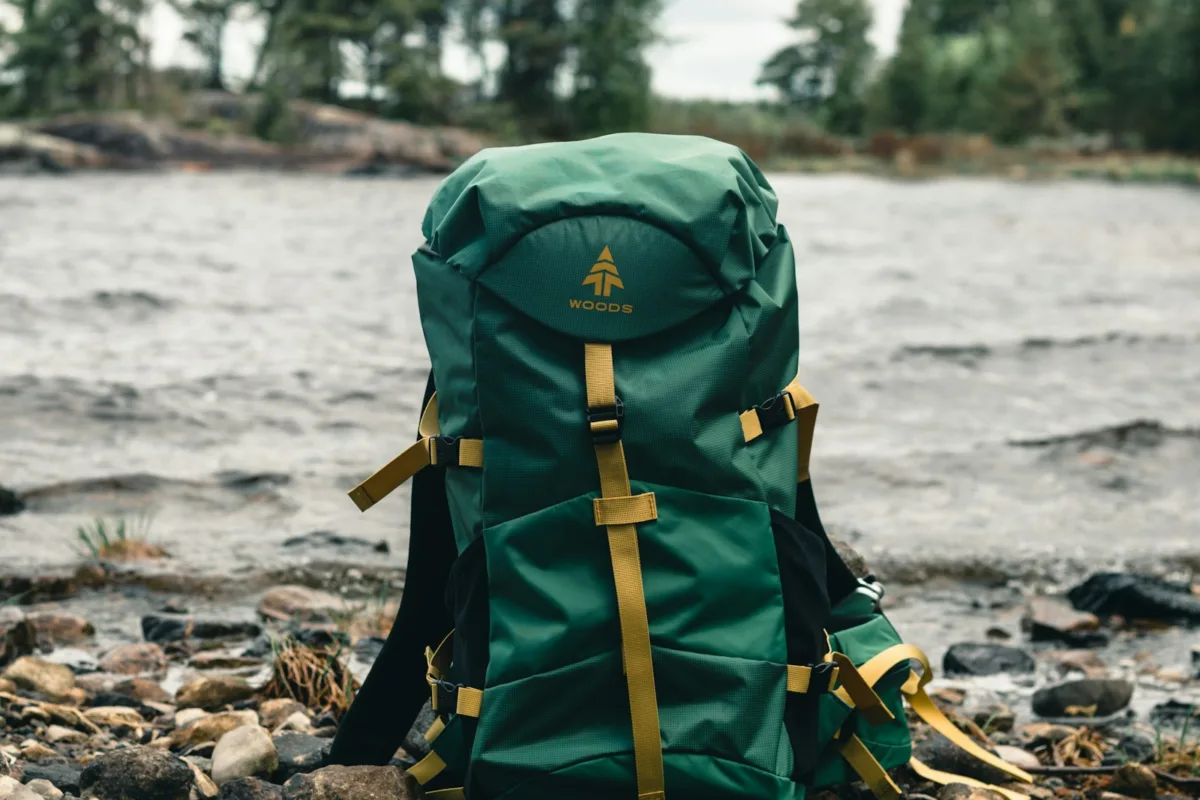
Where Everything Goes: The Pack Map
| Pack zone | What goes there |
|---|---|
| Hip-belt pockets | Snacks, phone, lip balm, small sunscreen |
| Side pockets | Water bottles, folded map, trekking poles when stowed |
| Lid or top pocket | Headlamp, first-aid kit, compass, keys, toilet kit |
| Front stretch pocket | Wet rain jacket, sit pad, trash bag |
| Top of main section | Warm layer, rain pants, lunch |
| Middle, close to your back | Heaviest items: water reservoir, food bag, stove, bear canister |
| Bottom | Sleeping bag, sleep clothes, spare clothes you won’t need until later |
What Size Hiking Pack Do You Need?
| Trip | Pack size |
|---|---|
| Short summer day hike | 15 to 20 liters |
| Full day or cool weather | 20 to 30 liters |
| Winter day hike | 25 to 35 liters (bulky layers take room) |
| Overnight or weekend | 40 to 55 liters, see our 48-liter backpack picks |
| 3 to 5 days | 50 to 65 liters |
👝 Pockets and Lid: Grab-and-Go Items
These are the things you reach for while walking. If you have to take your pack off to get them, they’re in the wrong spot.
- Water bottle or hydration hose
- Trail snacks
- Map, compass and phone with offline maps
- Headlamp
- First-aid kit and personal medication
- Sunscreen, sunglasses and lip balm
- Gloves and hat, if it’s cool
- Toilet paper, trowel and a pack-out bag
- Car keys clipped to a key clip
- Phone in a shoulder-strap holder
- Whistle (many packs have one built into the chest strap)
🎒 Inside the Pack
Keep heavy, dense items close to your back and around shoulder-blade height. That keeps the weight centered, so the pack doesn’t pull you backward on climbs.
- Rain jacket at the very top
- Warm layer near the top
- Dry spare layers and socks in a dry bag
- Lunch and extra food
- Extra water or a reservoir
- Emergency shelter and fire starter
- Multi tool, tape, cord and repair parts
- Power bank and cable in a zip bag
- Water filter, collection bag and spare bottle, if you’ll refill
- Hygiene and pack-out supplies in a separate sealed pouch
🌧️ Keep Your Gear Dry
Most hiking packs aren’t fully waterproof. Seams and zips leak, and a rain cover won’t stop water running down your back into the pack. A liner inside is what actually keeps your gear dry.
- Pack liner or a heavy trash bag inside the pack
- Dry bags for your sleeping bag, puffy jacket and electronics
- Pack rain cover
- Waterproof phone pouch
- Zip bags for maps and paperwork
- A separate bag for wet clothes
❄️⛺ Make Room for Winter and Overnight Gear
- Sleeping bag in a waterproof stuff sack at the bottom
- Dry sleep clothes packed with the sleeping bag
- Tent body, fly, poles and stakes packed together
- Sleeping pad inside, or strapped tightly outside
- Stove, fuel and food-storage container in the middle, close to your back
- Winter traction and spare gloves easy to reach
- Trekking poles strapped tightly when stowed
- Wet gear kept away from dry insulation
Fit and Adjust a Loaded Pack
Do this at home with everything inside, in this order:
- Hip belt: center it on your hip bones and tighten. Your hips should carry most of the weight.
- Shoulder straps: pull them snug, but not so tight that they take the load off your hips.
- Load lifters: pull them gently to bring the top of the pack toward your shoulders.
- Sternum strap: clip it about an inch below your collarbones.
- Compression straps: cinch them so nothing shifts or rattles.
Then walk for 10 minutes, up and down the stairs if you can. Fix any rubbing, swaying or pressure points now, not on the trail.
✅ Final Trailhead Check
- You can pull out your rain jacket without unpacking anything else
- No leaks from bottles or the reservoir
- Straps are tight and loose gear is secured
- Your partner knows where your first-aid kit and emergency gear are
- Your keys are clipped inside, not in a loose pocket
📋 Print the checklist
Pack with the free hiking checklist PDF, then use this page to put each item in the right spot.
Hiking Pack Checklist FAQs
What should be in my hiking pack?
The Ten Essentials (navigation, light, sun protection, first aid, a knife, fire, emergency shelter, and extra food, water and clothes), plus a rain jacket, snacks, hygiene supplies, your ID and keys. See the hiking essentials checklist for details.
Where should heavy items go?
In the middle of the pack, close to your back. Test whether the loaded pack feels stable when you walk.
Will a rain cover keep everything dry?
Not on its own. Use a pack liner or dry bags inside, especially for your sleeping bag, puffy jacket and electronics.
Where does the sleeping bag go?
At the bottom, in a waterproof stuff sack. You won’t need it until camp, and it makes a soft base for the heavier gear above.
What should I keep outside the pack?
Water bottles and small things you use often. Strap anything attached outside tightly so it doesn’t swing or snag on branches.
How do I pack wet clothes?
Keep them in a separate bag, away from dry clothes and your sleeping bag, and dry them as soon as you get the chance.
How heavy should my hiking pack be?
A day pack usually weighs 10 to 20 pounds. For overnight trips, many hikers aim to keep the loaded pack under about 20 percent of their body weight. If it feels heavy, see which shared gear you can split with your group.
More Hiking Checklists
🥾Day Hiking ChecklistShort loops to full-day trails.Open checklist →
❄️Winter Hiking ChecklistLayers, traction and dry spares for snow and ice.Open checklist →
⛺Overnight Hiking ChecklistShelter, sleep and kitchen for one night out.Open checklist →
🏔️3-Day Hiking ChecklistMeals, fuel and power for two nights.Open checklist →
🧭Ten Essentials ChecklistThe safety gear that goes on every hike.Open checklist →
🛠️Hiking Gear ChecklistEquipment to own, fit and test.Open checklist →
🥜Hiking Supplies ChecklistFood, water and refills to restock.Open checklist →
🩹First-Aid Kit ChecklistWhat to carry and restock.Open checklist →
1 thought on “Hiking Pack Checklist: What Goes Where in Your Backpack”