
Zion has a trail for almost every kind of hiker. You can stroll beside the Virgin River on a paved path, climb a mile to a cliff-top viewpoint, wade upstream between walls a thousand feet tall, or spend half a day hauling yourself up switchbacks to one of the most famous exposed ridges in America.
That variety is exactly why picking the best hikes in Zion National Park is harder than just choosing the most famous trail. Angels Landing gets the headlines. The Narrows is something else entirely. Scout Lookout gets you high above the canyon without a permit. And the quiet Kolob Canyons section feels like a different park.
This guide compares Zion’s best hikes by difficulty, scenery, time and permits, flags which trails are currently closed in 2026 (many older lists don’t), and helps you match each hike to the kind of trip you’re actually planning.
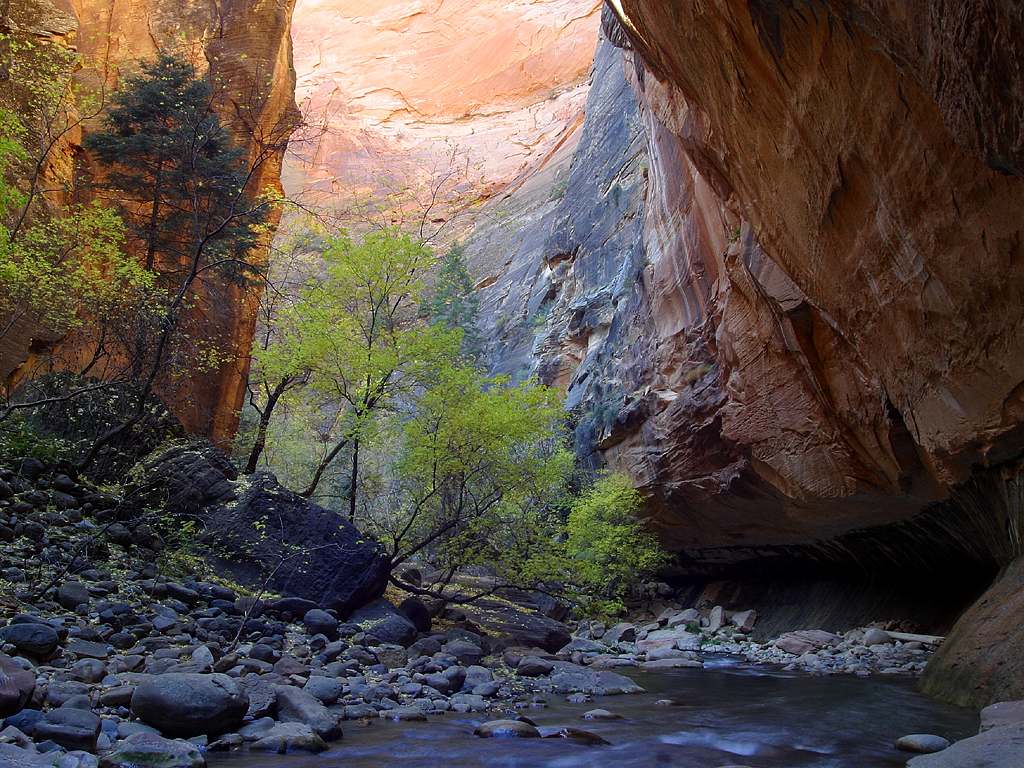
⚠️ October 2026 trail and road update: A large rockfall on September 30, 2026 closed the Zion-Mount Carmel Highway between Canyon Junction and the East Entrance, with no reopening date yet. That makes the Canyon Overlook Trail unreachable by the usual route for now. The Watchman Trail is also closed pending repairs, Hidden Canyon remains closed long-term, and Observation Point can only be reached from the east. Zion Canyon and its shuttle are open as normal. Always check the park’s current conditions before you go.
What Are the Best Hikes in Zion National Park?
The best hikes in Zion National Park are Angels Landing (permit required), The Narrows, Scout Lookout, Emerald Pools and the Riverside Walk. Canyon Overlook is the best short hike when its road is open, and Taylor Creek in Kolob Canyons is the best quiet hike. For a big view without a permit, hike to Scout Lookout. For an easy walk, try the Riverside Walk or Pa’rus Trail.
Zion Hikes at a Glance
| Hike | Distance | Difficulty | Permit? | Best For |
|---|---|---|---|---|
| Angels Landing | 5.4 mi RT | Strenuous | Yes | The iconic adventure |
| The Narrows (bottom-up) | Up to 10 mi RT | Moderate–strenuous | No | A one-of-a-kind river hike |
| Scout Lookout | About 4–4.5 mi RT | Strenuous | No | Big views without the chains |
| Emerald Pools | 1.2–3 mi RT | Easy–moderate | No | Waterfalls, families |
| Riverside Walk | 2.2 mi RT | Easy | No | Easy canyon scenery |
| Pa’rus Trail | 3.5 mi RT | Easy | No | Sunset, bikes, dogs |
| Canyon Overlook | 1 mi RT | Moderate | No | Best short hike (road currently closed) |
| Observation Point via East Mesa | About 6.8 mi RT | Moderate | No | The highest canyon view |
| Kayenta Trail | About 2 mi RT | Moderate | No | Quieter route to Emerald Pools |
| Taylor Creek | About 5 mi RT | Moderate | No | Kolob Canyons, fewer people |
| Timber Creek Overlook | About 1 mi RT | Easy | No | Short Kolob viewpoint |
| Northgate Peaks | About 4 mi RT | Easy | No | Quiet Kolob Terrace hike |
Quick picks: Best overall: Angels Landing, if you have a permit and are fine with heights. Best without a permit: Scout Lookout. Most unique: The Narrows. Best short hike: Canyon Overlook (once the road reopens). Best for families: Lower Emerald Pool or the Riverside Walk. Best for solitude: Taylor Creek.
In This Guide
- The 12 best hikes in Zion
- Trails that are closed right now
- Best easy, moderate and strenuous hikes
- Which hike should you choose?
- Shuttle stops for each trailhead
- Best time to hike and safety tips
- 1-day and 2-day hiking plans
- FAQs
The 12 Best Hikes in Zion National Park
1. Angels Landing: The Iconic Zion Hike
Distance: 5.4 miles round trip · Climb: about 1,500 feet · Time: about 4 hours · Difficulty: strenuous · Start: The Grotto (shuttle stop 6) · Permit: required
This is the hike most people picture when they think of Zion. From The Grotto, the West Rim Trail crosses the river and climbs paved switchbacks up the cliff, then cuts into the cool, shady slot of Refrigerator Canyon before zig-zagging up Walter’s Wiggles, 21 tight switchbacks stacked into the rock. At Scout Lookout, the permitted section begins: a half mile along a narrow sandstone fin with chains to hold and dramatic drop-offs on both sides, ending on a summit with a staggering view up and down Zion Canyon.
It’s thrilling, but it’s not for everyone. The final stretch is narrow, crowded and exposed, and mistakes have serious consequences. Choose it only if you’re comfortable with heights, have good balance and are happy to turn back if the conditions or your nerves say so. Never climb the chains in rain, ice, wind or thunderstorms.
The permit: Everyone on the chains section needs a permit every day of the year. You apply through a seasonal lottery a few months ahead, or the day-before lottery, which opens at 12:01 a.m. and closes at 3 p.m. Mountain Time the day before your hike. The winter seasonal lottery, for hikes from December to February, runs October 1 to 20. Download your permit before you go, because cell service is patchy in the canyon. For the full trail, permit and safety details, see our complete guide to Zion National Park Angels Landing.
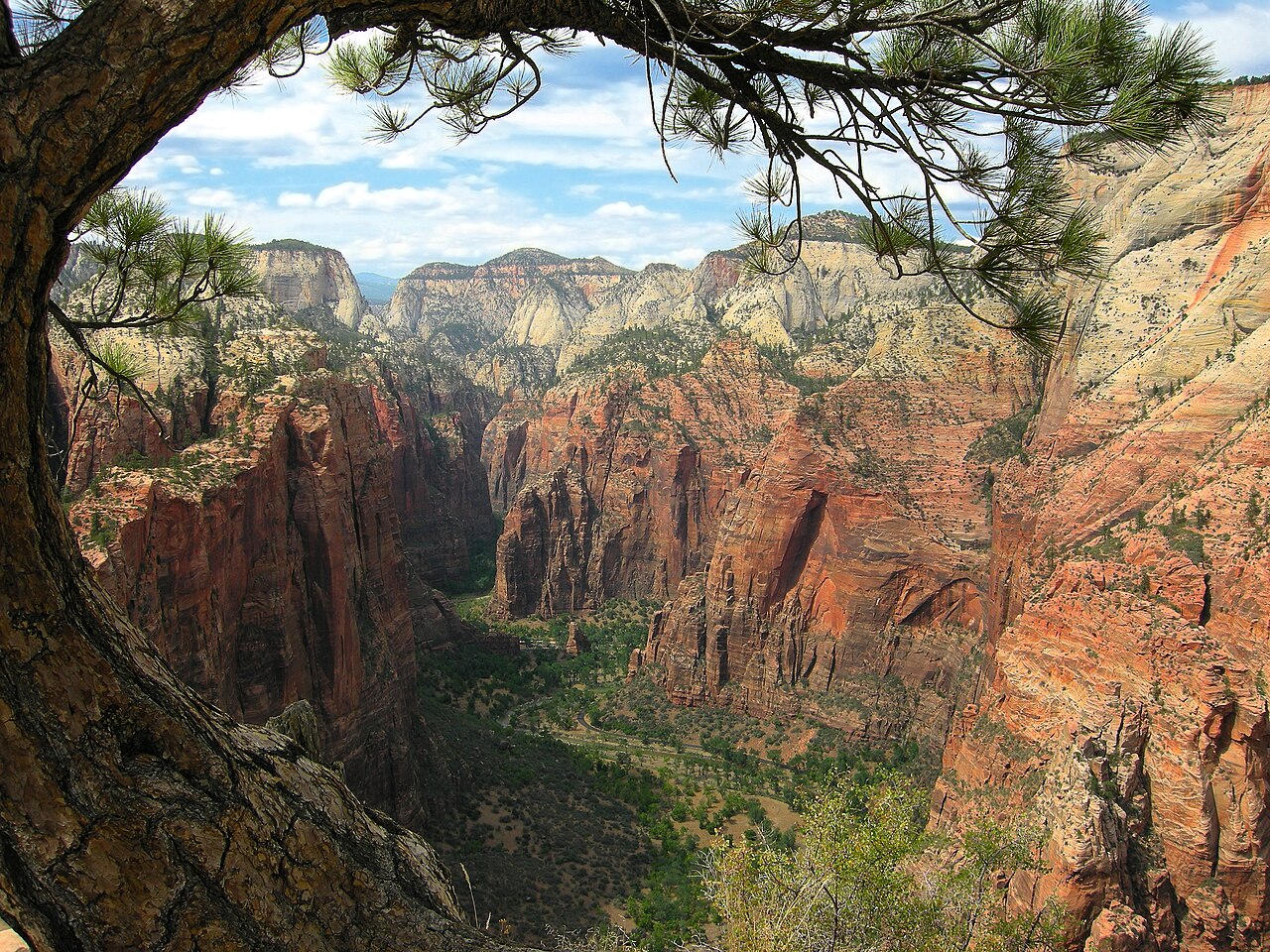
2. The Narrows: The Most Unique Hike
Distance: as far as you like, up to about 10 miles round trip · Time: 1 to 8 hours · Difficulty: moderate to strenuous · Start: Temple of Sinawava (shuttle stop 9) · Permit: not needed for the bottom-up hike
The Narrows isn’t really a trail. The Virgin River is the trail. From the last shuttle stop, walk the paved Riverside Walk for about a mile until the path ends at the water, then simply head upstream. The canyon walls rise higher and close in tighter the farther you go, until in the famous Wall Street section you’re walking between walls hundreds of feet tall and only a few dozen feet apart.
The beauty is that you set the distance. Wade for an hour and turn around, or push on for most of the day. No permit is needed to hike upstream as far as Big Spring. The full 16-mile top-down route from Chamberlain’s Ranch needs a wilderness permit.
The river decides, not your itinerary. The park closes The Narrows when the river flows above 150 cubic feet per second, common during spring snowmelt, and whenever there’s a flash flood warning, common in the July-to-September monsoon. Check the flow, weather and flash flood forecast the morning you go. The park also warns about toxic cyanobacteria in the river, so don’t drink the water or put your head under. Wear sturdy closed-toe shoes that can get wet and use a walking stick. Shops in Springdale rent both, plus dry suits for cold months. For the full route, river-flow levels, gear and safety, see our complete guide to The Narrows Zion National Park.
3. Scout Lookout: Best Big View Without a Permit
Distance: about 4 to 4.5 miles round trip · Climb: about 1,000 feet · Time: about 3 hours · Difficulty: strenuous · Start: The Grotto · Permit: not needed
Didn’t win the Angels Landing lottery? Don’t worry. You can still do most of the hike. The West Rim Trail to Scout Lookout covers the same climb, Refrigerator Canyon and Walter’s Wiggles, and ends at a saddle with sweeping views down Zion Canyon and a close look at the Angels Landing ridge. No permit is needed as long as you stop here.
For many people, Scout Lookout is actually the better choice: all the workout and big views, without the exposure of the chains. Strong hikers can keep going on the West Rim Trail beyond Scout Lookout for quieter views and far fewer people.
4. Emerald Pools: Best Waterfall and Family Trails
Distance: 1.2 to 3 miles round trip · Difficulty: easy to moderate · Start: Zion Lodge (shuttle stop 5)
Emerald Pools is a small network of trails rather than one hike, so you can choose how far to go. The footbridge from Zion Lodge reopened in 2025 after major reconstruction, restoring the classic start.
- Lower Emerald Pool: about 1.2 miles round trip and easy. A thin waterfall spills off an overhang into a small pool. Great for families.
- Middle Emerald Pools: about 2.2 miles round trip with roughly 330 feet of climbing, to a sandstone ledge with wider canyon views.
- Upper Emerald Pool: about 3 miles round trip on rockier, sandier trail, to a pool at the foot of a towering cliff, often the prettiest of the three.
Set your expectations: the pools are small, usually more green than emerald, and swimming isn’t allowed, since they’re fragile water sources for wildlife. Waterfalls are best in spring and after rain. For routes, loops and tips, see our full guide to Emerald Pool in Zion National Park.
5. Riverside Walk: Best Easy Hike in Zion Canyon
Distance: 2.2 miles round trip · Difficulty: easy, mostly paved · Start: Temple of Sinawava (shuttle stop 9)
Most people think of the Riverside Walk as just the way to The Narrows, but it’s a great hike in its own right. The paved path follows the Virgin River as the canyon walls close in, past hanging gardens of ferns and wildflowers dripping from the rock. Mule deer often graze along the bank, and the shade makes it a good pick on hot days. If The Narrows is closed, or you just don’t fancy wading, walk to the end and turn around. You’ll still get one of Zion’s best experiences.
6. Pa’rus Trail: Best for Sunset, Bikes and Dogs
Distance: about 3.5 miles round trip · Difficulty: easy, paved · Start: Zion Canyon Visitor Center
The Pa’rus Trail follows the Virgin River from the visitor center to Canyon Junction, with open views of the Watchman and the Towers of the Virgin. It’s the only trail in Zion where bikes and leashed dogs are allowed, and it’s perfect for a family walk, a recovery day after a big hike, or a sunset stroll when the cliffs turn orange. It’s also a good stargazing spot, right by the visitor center.
7. Canyon Overlook: Best Short Hike (Road Currently Closed)
Distance: 1 mile round trip · Climb: about 160 feet · Time: about 1 hour · Difficulty: moderate · Start: just east of the Zion-Mount Carmel Tunnel
For scenery per mile, Canyon Overlook is hard to beat. The trail hugs the cliffs on ledges and steps above Pine Creek Canyon and ends at a viewpoint looking straight down lower Zion Canyon and the switchbacks below. The park recommends it as a sunrise spot. It’s rocky with some drop-offs (mostly fenced), so keep kids close, and parking is tiny, so be ready to try more than once.
Right now: the trailhead sits on the Zion-Mount Carmel Highway, which has been closed between Canyon Junction and the East Entrance since the September 30, 2026 rockfall, with no reopening date announced. Check the park’s alerts before you plan around it. When the road reopens, put this hike near the top of your list.
8. Observation Point via East Mesa: The Highest Canyon View
Distance: about 6.8 miles round trip · Elevation change: about 300 feet · Time: about 3 hours · Difficulty: moderate · Start: East Mesa Trailhead, outside the east side of the park
Observation Point stands even higher than Angels Landing and looks straight down the length of Zion Canyon, with Angels Landing itself far below. The classic steep route from Weeping Rock has been closed for years because of a massive rockfall, so today you reach it from the east on the East Mesa Trail, a fairly gentle walk through ponderosa pines across the mesa top.
The hike is easy. Getting there isn’t. The trailhead is reached by dirt roads off North Fork Road that the park says need high clearance or four-wheel drive, and they can become impassable in winter, spring and after rain. Parking is limited, and you must not park on private land. Some local outfitters run shuttles to the trailhead.
9. Kayenta Trail: A Quieter Way to Emerald Pools
Distance: about 2 miles round trip to the pools · Difficulty: moderate · Start: The Grotto
From The Grotto, the Kayenta Trail climbs gently along the hillside above the river to the Emerald Pools, with lovely views across the canyon to the Court of the Patriarchs. It’s usually much quieter than the main Emerald Pools trail. A popular plan is to walk Kayenta to the pools and down to Zion Lodge, then catch the shuttle.
10. Taylor Creek: Best Hike in Kolob Canyons
Distance: about 5 miles round trip · Time: 3 to 4 hours · Difficulty: moderate · Start: Kolob Canyons Road, about an hour from Zion Canyon
Most first-time visitors never leave the main canyon, and they miss this. In Kolob Canyons, the Taylor Creek Trail follows a stream into a narrow box canyon with many creek crossings, passing two old homestead cabins on the way to Double Arch Alcove, a huge curved alcove streaked with color in the canyon wall. No shuttle, no chains, no crowds: just a quiet canyon hike with history and huge red walls. Kolob Canyons has its own entrance off Interstate 15, so it’s best if you have two or more days.
11. Timber Creek Overlook: Best Short Hike in Kolob
Distance: about 1 mile round trip · Time: 30 to 60 minutes · Difficulty: easy · Start: end of Kolob Canyons Road
At the end of the Kolob Canyons Road, this short ridge walk leads to a viewpoint over Timber Creek, the Kolob Terrace, Shuntavi Butte and, on clear days, the Pine Valley Mountains. It’s a perfect leg-stretcher after the scenic drive and a great sunset spot.
12. Northgate Peaks: A Hidden Gem on the Kolob Terrace
Distance: about 4 miles round trip · Difficulty: easy · Start: Wildcat Canyon Trailhead on Kolob Terrace Road
Up on the high Kolob Terrace, this gentle trail wanders through pine forest and meadows to a rocky viewpoint between two white sandstone domes, the North Guardian Angel rising beside you. It’s cooler than the main canyon in summer and rarely busy. The upper Kolob Terrace Road usually closes for several months in winter because of snow, so this is a late-spring to fall hike.
Zion Trails That Are Closed Right Now
Many older hiking guides still list these trails as open. As of October 2026, here’s the real situation:
| Trail or Road | Status | Try Instead |
|---|---|---|
| Watchman Trail | Closed pending repairs | Pa’rus Trail, Emerald Pools |
| Zion-Mount Carmel Highway (incl. Canyon Overlook) | Closed since Sept 30, 2026 rockfall, no reopening date | Riverside Walk, Scout Lookout |
| Hidden Canyon | Closed long-term (rockfall) | Kayenta Trail, Scout Lookout |
| Observation Point from Weeping Rock | Closed long-term (rockfall) | Observation Point via East Mesa |
The Watchman Trail is normally one of Zion’s best moderate hikes, a 3.3-mile climb from the visitor center to views over Springdale and the lower canyon. When it reopens, it’ll be back on this list. Conditions change often in Zion, so check the park’s alerts page before every hike.
Best Zion Hikes by Difficulty
Easy: Riverside Walk, Pa’rus Trail, Lower Emerald Pool, Timber Creek Overlook and Northgate Peaks. Great for families, recovery days and anyone who wants the scenery without a climb.
Moderate: Middle and Upper Emerald Pools, Kayenta Trail, Canyon Overlook (when open), Observation Point via East Mesa and Taylor Creek. In July, a 3-mile Zion hike can feel harder than a longer one in October, so factor in the heat.
Strenuous: Angels Landing, Scout Lookout and longer days in The Narrows. For these, planning matters as much as fitness: permits, an early start, enough water and a weather check.
Which Zion Hike Should You Choose?
| If You Want… | Hike |
|---|---|
| The famous adventure | Angels Landing (with a permit) |
| Something you can’t do anywhere else | The Narrows |
| Big views, no permit | Scout Lookout |
| A short hike with a huge view | Canyon Overlook (when open) |
| Waterfalls | Emerald Pools |
| An easy walk | Riverside Walk or Pa’rus Trail |
| To hike with a dog | Pa’rus Trail (the only option) |
| To escape the crowds | Taylor Creek, Kayenta Trail, Northgate Peaks |
| To hike with young kids | Riverside Walk, Lower Emerald Pool |
| To avoid heights | The Narrows, Riverside Walk, Emerald Pools |
Best Zion Hike With Kids
The Riverside Walk and Lower Emerald Pool are the easiest wins for young kids, and the Pa’rus Trail is great for biking families. Older kids often love splashing into the first part of The Narrows on a safe, warm day. Canyon Overlook suits active older kids when it’s open, but it has drop-offs. Being able to walk five miles doesn’t make a child ready for the Angels Landing chains. Exposure and judgment matter too. For a full family plan, see our guide to Zion National Park with kids.
Best Zion Hikes for Sunrise and Sunset
For sunrise, Canyon Overlook is the park’s top pick when the road is open, and since it isn’t on the shuttle route you don’t have to wait for the first bus. Otherwise, catch one of the first shuttles to The Grotto for an early start up the West Rim Trail. For sunset, walk the Pa’rus Trail as the Watchman glows, or stand on the Canyon Junction bridge for the classic view.
Zion Shuttle Stops for Each Trailhead
From early March to late November (March 7 to November 28 in 2026), private cars aren’t allowed on the Zion Canyon Scenic Drive, so you’ll ride the free shuttle to most trailheads. Buses run every 5 to 10 minutes, and no ticket is needed. Watch the last bus out of the Temple of Sinawava, or you could face a walk of 8 miles or more. See our Zion National Park map guide for every shuttle stop and entrance.
| Hike | How to Get There |
|---|---|
| Pa’rus Trail | Visitor center (stop 1) |
| Emerald Pools | Zion Lodge (stop 5) |
| Angels Landing, Scout Lookout, Kayenta Trail | The Grotto (stop 6) |
| Riverside Walk, The Narrows | Temple of Sinawava (stop 9) |
| Canyon Overlook | Car, on the Zion-Mount Carmel Highway (currently closed) |
| Observation Point via East Mesa | Car (high clearance) or outfitter shuttle |
| Taylor Creek, Timber Creek | Car, via Kolob Canyons exit off I-15 |
| Northgate Peaks | Car, via Kolob Terrace Road |
Best Time to Hike in Zion
The best months for hiking in Zion are April, May, October and early November. Temperatures are comfortable, and big exposed climbs like Scout Lookout and Angels Landing are far more pleasant than in summer, when the canyon regularly tops 100°F. Summer through early fall is usually best for The Narrows, once spring snowmelt has dropped the river. Winter is quiet and mild compared with Bryce, but shaded trails can hold ice, so pack traction, and the high country holds deep snow into late spring.
In summer, start strenuous hikes at sunrise, rest in the shade at midday and head back out in the evening. From July to September, check the flash flood forecast every morning. For month-by-month details, see our guide to the best time to visit Zion National Park.
Zion Hiking Safety Tips
- Carry more water than you think. Heat illness is one of the most common problems in Zion. Fill up at the visitor center, Zion Lodge and the Grotto.
- Don’t drink stream water or submerge your head, because of toxic cyanobacteria in the Virgin River.
- Respect flash floods. A storm miles upstream can flood a canyon under blue sky. Stay out of narrow canyons when the risk is “probable” or higher.
- Stay away from cliff edges, especially when taking photos, and never walk backward toward a drop.
- Turn back on Angels Landing if it’s wet, icy, windy or stormy, or if you feel unsure.
- Know the last shuttle time before you start a long hike.
- Download maps and permits before you go. Cell service is unreliable.
What to Bring
Bring plenty of water, salty snacks, sun protection, broken-in hiking shoes with good grip, a light layer, a headlamp, an offline map and your permit if needed. For The Narrows, add wet shoes, neoprene socks and a walking stick (rentable in Springdale), plus a dry bag for your phone. In winter, add microspikes.
Are Dogs Allowed on Zion Trails?
Only on the Pa’rus Trail, on a leash. Dogs aren’t allowed on any other trail, including Angels Landing, The Narrows, Emerald Pools, the Riverside Walk, Canyon Overlook and Taylor Creek, so plan pet care if hiking is the main point of your trip. Service animals are allowed.
Zion Hiking Plans for 1 or 2 Days
Realistically, one major hike plus one short hike is a full day in Zion. For complete hour-by-hour plans, see our Zion National Park itinerary. Trying to cram in three big trails usually makes for a worse trip.
One Day of Hiking in Zion
Morning: One big hike on an early shuttle: Angels Landing, Scout Lookout or The Narrows.
Midday: Lunch and a rest at Zion Lodge.
Afternoon: Emerald Pools or the Riverside Walk.
Evening: The Pa’rus Trail at sunset.
Two Days of Hiking in Zion
Day 1: Angels Landing or Scout Lookout in the morning, Kayenta Trail and Emerald Pools in the afternoon, Pa’rus at sunset.
Day 2: The Narrows in the morning, then drive to Kolob Canyons for Taylor Creek or Timber Creek in the afternoon. Once the Zion-Mount Carmel Highway reopens, Canyon Overlook is a great alternative.
For more ways to spend your time, including ranger programs, stargazing and where to stay, see our guide to the best things to do in Zion National Park. Heading on to Bryce afterward? Our Zion to Bryce Canyon road trip guide covers the route and current detours, and our guide to the best hikes in Bryce Canyon National Park covers the trails there.
Common Zion Hiking Mistakes
- Picking trails by social media instead of your own fitness and comfort with heights.
- Hiking exposed trails at midday in summer.
- Assuming Angels Landing doesn’t need a permit.
- Entering The Narrows without checking flow and flood forecasts.
- Trusting old trail lists that still include closed trails.
- Missing the last shuttle.
- Not having a backup. No permit? Scout Lookout. Narrows closed? Riverside Walk. Watchman closed? Pa’rus or Emerald Pools.
Related Guides
Still putting your plans together? You might also find these useful:
- Closest Airport to Zion National Park
- Las Vegas to Zion National Park
- Zion National Park Weather by Month
- Hotels Near Zion National Park
Best Hikes in Zion: FAQs
What are the best hikes in Zion National Park?
Angels Landing, The Narrows, Scout Lookout, Emerald Pools and the Riverside Walk. Canyon Overlook is the best short hike when its road is open, and Taylor Creek is the best quiet hike.
What is the most famous hike in Zion?
Angels Landing: 5.4 miles round trip with about 1,500 feet of climbing and a chain-assisted final ridge. A permit is required for the chains section.
What is the best Zion hike without a permit?
Scout Lookout. You get the West Rim Trail, Refrigerator Canyon, Walter’s Wiggles and huge views without needing a permit, as long as you stop before the chains.
What is the easiest hike in Zion?
The Pa’rus Trail and Riverside Walk are both easy and mostly paved. Lower Emerald Pool is another easy short option.
Do you need a permit for The Narrows?
Not for the bottom-up day hike from the Temple of Sinawava to Big Spring. The 16-mile top-down route needs a wilderness permit.
Is the Watchman Trail open?
Not as of October 2026. It’s closed pending repairs. Check the park’s alerts for updates.
Can you hike Canyon Overlook right now?
Its trailhead is on the Zion-Mount Carmel Highway, which has been closed between Canyon Junction and the East Entrance since a large rockfall on September 30, 2026. Check current park alerts for the reopening.
Is Observation Point open?
Yes, but only from the east via the East Mesa Trail. The old route from Weeping Rock remains closed due to rockfall.
How many hikes can you do in one day in Zion?
One major hike plus one or two short ones is plenty. Doing more usually means rushing and getting caught in the heat.
How many days do you need to hike Zion?
Two full days covers one or two big hikes plus several easy ones. Three days lets you add Kolob Canyons or the east side, and leaves a spare day if weather closes The Narrows.
Pick the Hike That Fits Your Trip
Don’t try to collect trail names. Choose one experience at a time. Want the famous ridge? Try for an Angels Landing permit. Want something truly unusual? Walk into The Narrows. Want the views without the chains? Climb to Scout Lookout. Want an easy day with the family? Spend it at Emerald Pools and the Riverside Walk. And if the main canyon feels too busy, head to Kolob and walk Taylor Creek.
There’s no single winner among the best hikes in Zion National Park. The best one is the hike that fits your ability, the weather, your permit luck and the kind of day you want. Check the conditions, start early, carry water, and Zion will take care of the rest.