
Zion isn’t a park where you can do everything. On a map the canyon looks compact, but between shuttle rides, summer heat, permit rules, river conditions and crowds, an overloaded plan quickly turns into a day of waiting and rushing.
A good Zion National Park itinerary gives each day one clear purpose. With one day, focus on Zion Canyon and choose one big hike. With two days, split the canyon’s two great experiences, a big climb and The Narrows, across separate mornings. With three, slow down and add quiet Kolob Canyons. This guide gives you realistic hour-by-hour plans for half a day to three days, plus versions for families, non-hikers, photographers and every season, all built around what’s open in October 2026.
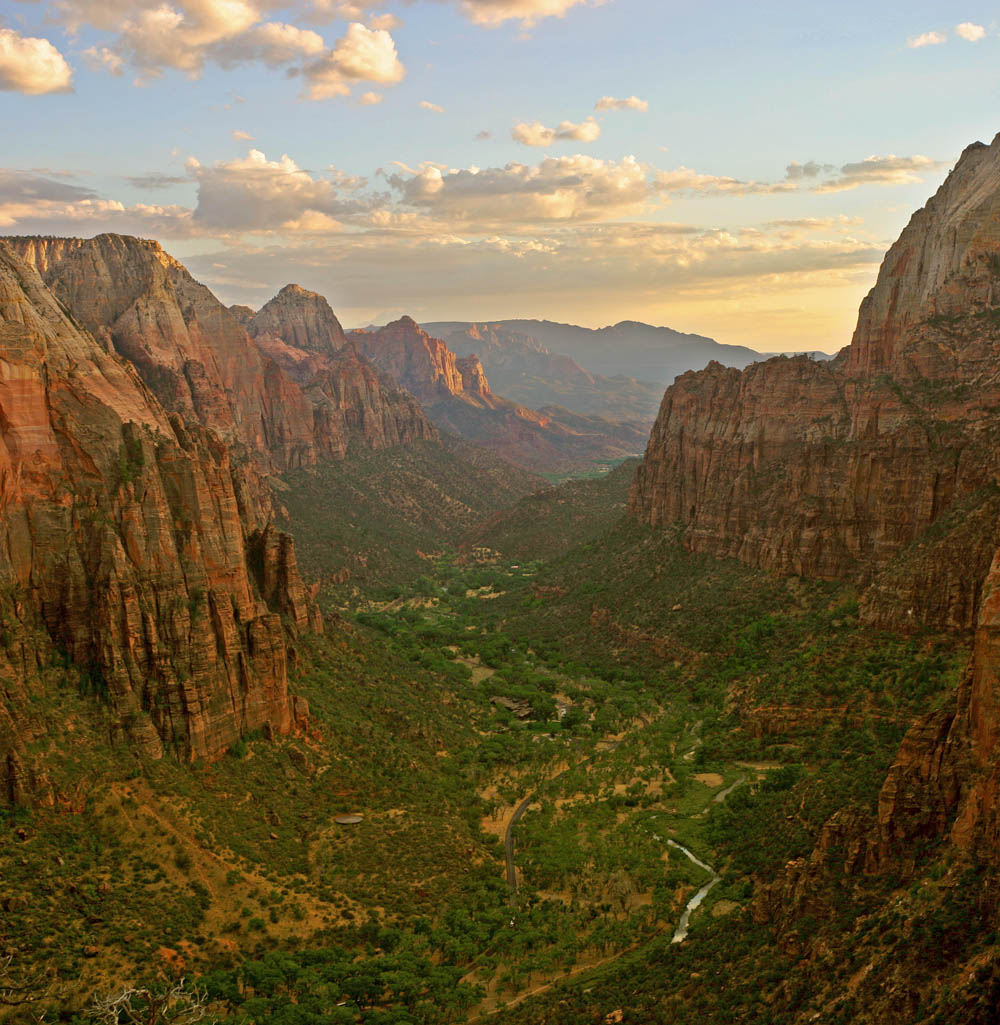
⚠️ October 2026 update: The Zion-Mount Carmel Highway between Canyon Junction and the East Entrance has been closed since a large rockfall on September 30, 2026, with no reopening date announced. That puts East Zion, Canyon Overlook and Checkerboard Mesa out of reach from the main canyon for now, so the plans below use Kolob Canyons instead and show East Zion as an option for when the road reopens. The Watchman Trail is also closed pending repairs. Zion Canyon, the shuttle, The Narrows and Kolob Canyons are open as normal.
How Many Days Do You Need in Zion National Park?
Two days is the best amount of time for most first-time visitors to Zion National Park. One full day is enough for Zion Canyon and one big hike. Two days lets you do both of Zion’s signature experiences, Angels Landing or Scout Lookout and The Narrows, on separate mornings. Three days adds Kolob Canyons or another long hike, plus a spare day in case weather closes The Narrows.
Zion Itinerary at a Glance
| Time You Have | Best For | What You Can Realistically Do |
|---|---|---|
| Half day | Road-trip stop | Shuttle ride, Riverside Walk or Lower Emerald Pool, Pa’rus Trail |
| 1 day | First visit | One big hike plus easy canyon highlights |
| 2 days | Most visitors | A big climb on day one, The Narrows on day two |
| 3 days | Hikers, slower travel | Both big hikes plus Kolob Canyons (or East Zion when open) |
| 4+ days | Keen hikers | Observation Point, Kolob Terrace, backcountry, rest days |
Best base: Springdale, right outside the south entrance. Best months: April to May and September to October. Your first big decision: Angels Landing or Scout Lookout, or The Narrows, for your main hiking day.
In This Guide
- Four things to know before you plan
- Half-day itinerary
- 1-day itinerary
- 2-day itinerary
- 3-day itinerary
- Itineraries for kids, non-hikers, photographers and backup plans
- How to adjust by season
- Shuttle, where to stay, Zion and Bryce
- FAQs
Four Things to Know Before You Plan
1. The shuttle runs Zion Canyon for most of the year. From March 7 to November 28 in 2026, and again from December 26 to January 2, private cars aren’t allowed on the Zion Canyon Scenic Drive, where most famous trails start. The shuttle is free with no ticket or reservation, and buses come every 5 to 10 minutes.
2. The shuttle takes time. It’s about 45 minutes one way from the visitor center to the last stop, the Temple of Sinawava, so a full round trip is about an hour and a half before you hike a step. Build that into every plan.
3. Angels Landing needs a permit. Everyone on the chains section needs a permit every day of the year, won through a seasonal lottery or a day-before lottery. You can hike to Scout Lookout, just below the chains, without one. The winter seasonal lottery (for December to February hikes) runs October 1 to 20.
4. The Narrows depends on the river. It closes when the Virgin River flows above 150 cubic feet per second, common in spring, or when there’s a flash flood warning, common from July to September. Always have a backup plan.
Zion Half-Day Itinerary
Passing through with just a few hours? Skip the long hikes and let the shuttle show you the canyon.
- Visitor center (15 minutes): Restrooms, water, a quick check of current conditions.
- Shuttle to the Temple of Sinawava (45 minutes): Just riding through the canyon under 2,000-foot walls is a highlight.
- Riverside Walk (1 to 1.5 hours): An easy, mostly paved 2.2-mile walk along the river to where The Narrows begins.
- Court of the Patriarchs (15 minutes): Hop off at stop 4 on the way back for the view of three towering peaks.
- Pa’rus Trail (30 to 60 minutes): Finish with an easy riverside stroll by the visitor center.
Zion National Park 1-Day Itinerary
With one day, don’t try to see every corner of the park. The winning formula is simple: one big morning hike, a real lunch break, easy afternoon stops and a sunset walk. One great experience beats six rushed ones.
| Time | Plan |
|---|---|
| 6:30–7:00 a.m. | Arrive and park, or park in Springdale |
| 7:00 a.m. | First shuttle into the canyon |
| Morning | Angels Landing, Scout Lookout or The Narrows |
| Noon | Lunch and rest at Zion Lodge |
| Early afternoon | Emerald Pools, or a relaxing shuttle ride |
| Late afternoon | Court of the Patriarchs, visitor center |
| Evening | Pa’rus Trail at sunset |
6:30 a.m.: Arrive Early
Parking inside the park fills early all year, and by about 9 a.m. in summer. If the lot is full, park in Springdale (most spots are paid) and ride the free Springdale shuttle to the pedestrian entrance. Before you board the canyon shuttle, use the restroom, fill your water, grab food for the day, download your permit if you have one, and check the day’s weather and flash flood forecast. The first canyon shuttle leaves at 7 a.m. for most of the season.
Morning Option A: Angels Landing or Scout Lookout
Ride to The Grotto (stop 6) and start up the West Rim Trail: paved switchbacks, the shady slot of Refrigerator Canyon, then the 21 tight switchbacks of Walter’s Wiggles to Scout Lookout, about 4 miles round trip with big views down the canyon. If you have a permit and are comfortable with heights, continue up the chains to Angels Landing, about 5.4 miles round trip in total. Allow 3 to 5 hours.
Morning Option B: The Narrows
If the river is open and The Narrows is your priority, ride all the way to the Temple of Sinawava (stop 9), walk the mile-long Riverside Walk to the water, then head upstream. No permit is needed for this bottom-up hike. Turn around whenever you like, based on time, water temperature, crowds and how your legs feel. You don’t need to go far for it to be unforgettable.
Which Should You Choose?
Pick Angels Landing or Scout Lookout for a big climb, a traditional trail and sweeping canyon views. Pick The Narrows for something you can’t do anywhere else and a hike you can make as short or long as you like. If neither sounds right, make Emerald Pools your main hike instead. For every trail compared side by side, see our guide to the best hikes in Zion National Park.
Noon: Lunch at Zion Lodge
Hop off at Zion Lodge (stop 5) for lunch at the lodge or a picnic on the big shady lawn. Take a real break. The biggest mistake on a one-day trip is treating rest as wasted time. It’s what lets you enjoy the afternoon, especially in summer heat.
Early Afternoon: Emerald Pools
From the lodge, cross the footbridge (rebuilt and reopened in 2025) to the Emerald Pools. Lower Emerald Pool, about 1.2 miles round trip, is easy and perfect if your legs are tired. Keep going to the Middle and Upper pools, about 3 miles in total, if you still have energy. If your morning hike was very tough, skip this and just ride the shuttle.
Late Afternoon: Let the Shuttle Do the Work
Ride back down the canyon and use it as sightseeing. Stop at Court of the Patriarchs (stop 4), where a short, steep path leads to a view of three massive sandstone peaks, or at Big Bend (stop 8) on the way up for views of the canyon walls and rock climbers. Then stop at the visitor center for maps, exhibits and a Junior Ranger booklet if you have kids.
Evening: Pa’rus Trail at Sunset
Finish on the paved, flat Pa’rus Trail, which starts at the visitor center, so no shuttle is needed. Walk along the Virgin River as the Watchman peak glows orange, or stand on the Canyon Junction bridge for the classic sunset photo. If you’re staying late, stick around for the stars. Zion is an International Dark Sky Park.
Zion National Park 2-Day Itinerary
Two days makes a huge difference. Instead of choosing between Zion’s two signature hikes, you get both, each on its own fresh morning. Doing Angels Landing and The Narrows on the same day is possible for very fit hikers, but most people enjoy both far more on separate days.
Day 1: The Big Climb
Morning: Angels Landing with a permit, or Scout Lookout without one. Catch the earliest shuttle you can.
Midday: Lunch and rest at Zion Lodge.
Afternoon: Emerald Pools via the Kayenta Trail from The Grotto, a quieter route with lovely views, then down to the lodge.
Evening: Pa’rus Trail at sunset, then dinner in Springdale.
Day 2: The Narrows
Early morning: Check the river flow, weather and flash flood forecast. Pick up rental shoes, socks and a walking stick in Springdale (most shops let you pick them up the evening before).
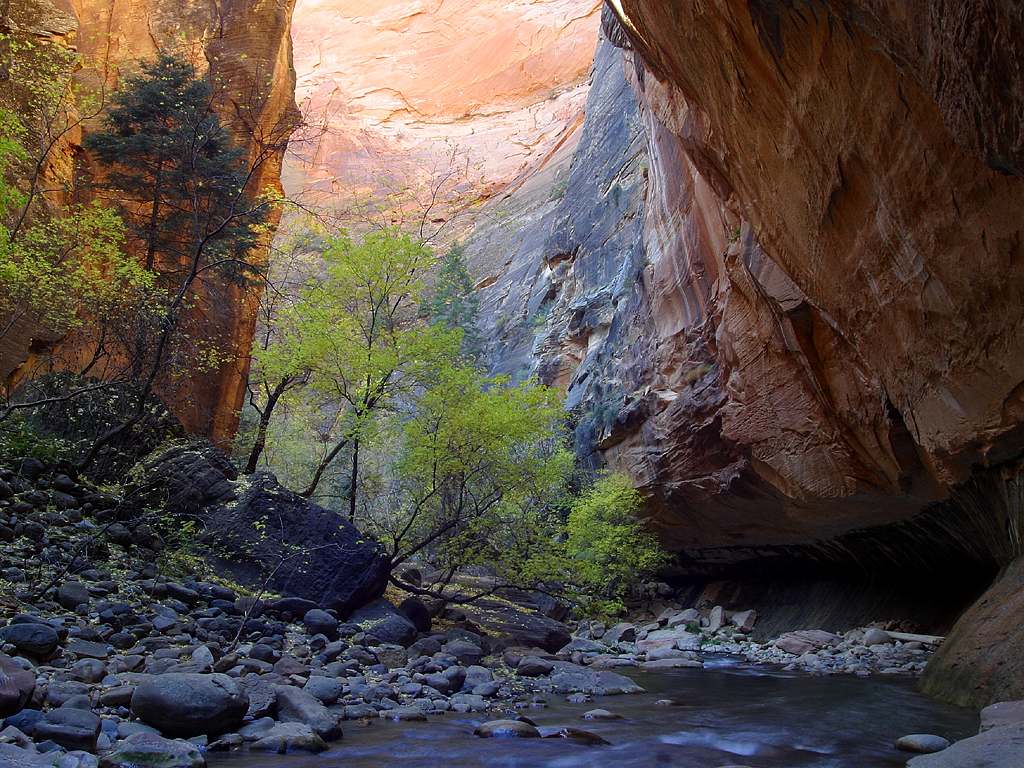
Morning: First shuttle to the Temple of Sinawava, the Riverside Walk, then upstream into The Narrows. Walking against moving water is tiring, so turn around before it stops being fun.
Afternoon: Lunch, rest and an easy afternoon. Visit the Zion Human History Museum (open spring to late November), catch a ranger talk or relax in Springdale.
Evening: Sunset from the Canyon Junction bridge.
If The Narrows is closed: Walk the Riverside Walk anyway, then spend the afternoon at Emerald Pools or drive to Kolob Canyons (see Day 3).
Zion National Park 3-Day Itinerary
Three days lets you see Zion at a relaxed pace, and gives you a spare day if a storm closes The Narrows. Follow the two-day plan, then pick a third day that feels completely different.
| Day | Morning | Afternoon | Evening |
|---|---|---|---|
| Day 1 | Angels Landing or Scout Lookout | Kayenta Trail and Emerald Pools | Pa’rus sunset |
| Day 2 | The Narrows | Rest, museum, ranger talk | Canyon Junction sunset |
| Day 3 | Kolob Canyons (Taylor Creek) | Timber Creek Overlook | Stargazing |
Day 3 Option A: Kolob Canyons
Most visitors never leave the main canyon, which is exactly why Kolob is so special. This northwest corner of the park has its own entrance off Interstate 15 at exit 40, about 45 minutes to an hour from Springdale. Hike the Taylor Creek Trail, about 5 miles round trip, with creek crossings and old homestead cabins, to the huge Double Arch Alcove. Then drive the 5-mile Kolob Canyons Road to the end for the short Timber Creek Overlook walk and views of the red “finger canyons.” It’s quiet, no shuttle is needed, and it feels like a different park. Kolob Canyons Road sometimes closes in winter storms.
Day 3 Option B: East Zion (When the Highway Reopens)
Normally, day three would be perfect for the east side: drive the Zion-Mount Carmel Highway up its switchbacks and through the 1.1-mile tunnel, hike the 1-mile Canyon Overlook Trail for one of Zion’s best views, then stop at Checkerboard Mesa and look for bighorn sheep among the slickrock. As of October 2026, this road is closed after the September 30 rockfall. Check the park’s alerts, and swap this back into your plan once it reopens.
Day 3 Option C: Observation Point via East Mesa
For the highest view over Zion Canyon, hike to Observation Point on the East Mesa Trail, about 6.8 miles round trip and fairly gentle. The old route from Weeping Rock has been closed for years. The trailhead is outside the park’s east side, reached on dirt roads that need high clearance or four-wheel drive and can be impassable after rain or snow. With the main highway closed, getting there from Springdale currently means a long drive around, so this is best if you’re staying east of the park.
Day 3 Option D: Kolob Terrace
From the town of Virgin, the Kolob Terrace Road climbs into high, cool forest. The easy Northgate Peaks Trail, about 4 miles round trip, leads through pines to a viewpoint between white sandstone domes. It’s lovely from late spring to fall, but the upper road closes for several months in winter.
Zion Itineraries for Different Travelers
Without an Angels Landing Permit
No permit? No problem. One day: Scout Lookout, Emerald Pools and the Pa’rus Trail. Two days: add The Narrows and the Riverside Walk on day two. You’ll still see Zion from above, from the river and from inside the canyon. And you can always enter the day-before lottery during your trip, up to 3 p.m. the day before.
When The Narrows Is Closed
The Narrows is special, but it isn’t required for a great trip. Swap in the Riverside Walk, Emerald Pools, Scout Lookout, Kolob Canyons or Northgate Peaks. If you have three days, keep the Narrows morning flexible and try again on another day if the river drops or the flood warning lifts.
Zion Itinerary With Kids
Lighten the hiking load. A great family day: the visitor center and Junior Ranger booklet, the Riverside Walk (and splashing in the very start of The Narrows on a safe, warm day), lunch on the Zion Lodge lawn, Lower Emerald Pool, and biking or walking the Pa’rus Trail in the evening. Active older kids often love Scout Lookout. Leave Angels Landing out of a family plan unless everyone is genuinely comfortable with big drop-offs.
Zion Itinerary for Non-Hikers
You can see a lot of Zion without hard hiking. Ride the full shuttle loop and hop off at Court of the Patriarchs, Zion Lodge, Big Bend and the Temple of Sinawava. Walk the paved Riverside Walk and Pa’rus Trail. Drive the Kolob Canyons Road. Add the museum, a ranger program and stargazing. That’s dramatic scenery with very little effort.
Zion Itinerary for Photographers
Plan around the light, not a checklist. Shoot the canyon early, rest or scout at midday when the light is flat, and return for late light on the Pa’rus Trail and the Watchman from the Canyon Junction bridge. On a second day, shoot reflected light in The Narrows, where the walls glow orange from bounced sunlight in late morning. Kolob’s finger canyons are best in late afternoon. When the east-side highway reopens, Canyon Overlook at sunrise is a must.
How to Adjust Your Itinerary by Season
Spring (March to May): Great for hiking, but snowmelt often closes The Narrows, and March brings spring-break crowds. Plan your big climb first and treat The Narrows as a bonus.
Summer (June to August): Plan around the heat, which regularly tops 100°F. Hike from sunrise to about 10 a.m., spend midday in the shade, the river or on the shuttle, and head back out in the evening. Parking fills by about 9 a.m. From July, check the flash flood forecast every morning.
Fall (September to November): The easiest season for this itinerary. October is ideal for every hike. Just watch the shorter days: after October 25, 2026, the last shuttle out of the Temple of Sinawava leaves at 6:15 p.m.
Winter (December to February): No shuttle from November 29 to December 25 and from early January to early March, so you can drive the scenic drive yourself, though parking can fill and the park may close the road when it does. Focus on lower-elevation walks, scenic drives and photography. Shady trails can be icy, so bring traction. The Narrows needs a dry suit.
For month-by-month temperatures and crowds, see our guide to the best time to visit Zion National Park.
Zion Trip Planning: Shuttle, Lodging and Getting There
How the Shuttle Shapes Your Day
The shuttle isn’t just transport. It sets the rhythm of your day. Don’t plan a 7:30 a.m. start at the Temple of Sinawava if you’re boarding at the visitor center at 7:20. And never plan around the very last bus. If it’s full or you miss it, you could face a walk of up to 8 miles or more. For every stop, entrance and area explained, see our Zion National Park map guide.
| Stop | Use It For |
|---|---|
| 1. Visitor Center | Parking, Pa’rus Trail, info |
| 2. Human History Museum | Exhibits, park film |
| 4. Court of the Patriarchs | Short viewpoint walk |
| 5. Zion Lodge | Food, Emerald Pools |
| 6. The Grotto | Angels Landing, Scout Lookout, Kayenta Trail |
| 8. Big Bend | Canyon views, climbers |
| 9. Temple of Sinawava | Riverside Walk, The Narrows |
Last shuttle out of the Temple of Sinawava in 2026: 7:15 p.m. (March 7 to May 16), 8:15 p.m. (May 17 to September 12), 7:15 p.m. (September 13 to October 24), 6:15 p.m. (October 25 to November 28) and 5:45 p.m. over the holidays.
Where to Stay
Springdale is the easiest base for any Zion itinerary. You’re steps from the entrance, you can walk to dinner, and the free Springdale shuttle means you can leave your car at the hotel. Zion Lodge, the only hotel inside the park, puts you right in the canyon, but it books up months ahead. Cheaper options in Hurricane, La Verkin or St. George add 30 to 60 minutes of driving each way. With the east-side highway closed, lodging near Mount Carmel Junction or Kanab is currently a long way round to Zion Canyon, so stay on the Springdale side for now. For hotel-by-hotel picks, see our guide to the best hotels near Zion National Park.
Getting There
Most visitors fly into Las Vegas (about 2.5 to 3 hours away; see our Las Vegas to Zion National Park road trip guide) or St. George (about an hour); see our guide to the closest airport to Zion National Park. Remember that Utah is an hour ahead of Las Vegas. If you fly in on the morning of day one, plan a light first afternoon and start the real itinerary the next day.
Fees, Permits and Reservations
There’s no reservation to enter Zion or ride the shuttle. Entry is $35 per vehicle for seven days in 2026, plus a $100 per-person nonresident fee for non-U.S. residents aged 16 and older. You need permits for Angels Landing, the top-down Narrows and overnight backpacking. Book Zion Lodge and campgrounds well ahead, as they’re full almost every night from mid-March to late November.
Adding Bryce Canyon
Bryce Canyon is the perfect next stop. Don’t commute between the parks from one hotel. Move to Bryce Canyon City after your Zion days. The usual route through the Zion tunnel takes about 2 hours, but while the Zion-Mount Carmel Highway is closed, plan on about 2.5 to 3 hours via Interstate 15 and Highway 20. See our Zion to Bryce Canyon road trip guide for the details, and our Bryce Canyon itinerary for your days there.
What to Pack
Plenty of water (more than you think), salty snacks, sun protection, broken-in hiking shoes, layers, a rain jacket, a headlamp, a power bank, offline maps and your permit. For The Narrows, add wet shoes, neoprene socks, a walking stick and a dry bag. Don’t drink river water or put your head under. The park warns about toxic cyanobacteria. In winter, add microspikes.
Common Zion Itinerary Mistakes
- Doing Angels Landing and The Narrows on the same day. Possible, but rarely enjoyable.
- Forgetting shuttle travel time. 45 minutes each way adds up.
- Arriving late and expecting to park.
- Planning The Narrows with no backup.
- Using old itineraries that include the Watchman Trail, Hidden Canyon or the Weeping Rock route to Observation Point, all currently closed, or that assume the east-side highway is open.
- Forgetting the Angels Landing permit.
- Cutting it close with the last shuttle.
- Treating every day like a race. Rest makes the trip better.
Related Guides
Here’s where to go next as you plan the rest of your trip:
- Zion National Park Angels Landing
- The Narrows Zion National Park
- Zion National Park Weather by Month
- Zion National Park With Kids
Zion Itinerary: FAQs
Is one day enough for Zion National Park?
Yes, if you focus on Zion Canyon and pick one big hike, either Angels Landing or Scout Lookout, or The Narrows, plus a few easy stops.
Is two days enough for Zion?
Yes. Two days is ideal for most first-time visitors, with a big climb on one day and The Narrows on the other.
Is three days too much for Zion?
Not at all. It gives you time for both big hikes, Kolob Canyons, and a spare day if the weather closes The Narrows.
What should I do on my first day in Zion?
One big morning hike, lunch at Zion Lodge, Emerald Pools or a relaxing shuttle ride in the afternoon, and the Pa’rus Trail at sunset.
Can I do Angels Landing and The Narrows in one day?
Very fit hikers can, but most people should split them. Both deserve a fresh morning, and the shuttle, heat and river conditions make combining them hard.
Do I need the Zion shuttle?
During shuttle season, yes, for any trail on the Zion Canyon Scenic Drive. It’s free and needs no reservation.
Can I visit East Zion and Canyon Overlook right now?
Not from Zion Canyon. The Zion-Mount Carmel Highway has been closed between Canyon Junction and the East Entrance since a September 30, 2026 rockfall. Check the park’s alerts for the reopening.
Where should I stay for a Zion itinerary?
Springdale, right outside the south entrance, with hotels, restaurants and a free shuttle to the park.
What is the best month for a Zion trip?
May and October, when hiking temperatures are comfortable and the shuttle is running.
What if The Narrows is closed?
Walk the Riverside Walk, hike Scout Lookout or Emerald Pools, or drive to Kolob Canyons for Taylor Creek.
The Best Zion Itinerary for Most People
For most first-time visitors, two days is the sweet spot: day one for the big climb to Scout Lookout or Angels Landing, day two for The Narrows. With a third day, head to Kolob Canyons, or to the east side once the highway reopens. That plan works because every day feels different. You’re not riding the same shuttle to the same kind of trail over and over.
A good Zion itinerary isn’t about seeing the most places. It’s about choosing the right big experience each day and leaving enough time to actually enjoy it. For more ideas, from ranger programs to stargazing, see our guide to the best things to do in Zion National Park.
1 thought on “Zion National Park Itinerary (2026): The Perfect 1, 2 or 3 Days”