
There’s no single perfect month for Zion. It depends on what you’re coming for.
Someone hiking Angels Landing wants cool air on a steep, exposed climb. Someone dreaming of The Narrows needs the Virgin River low and the sky free of storms. A family cares about shuttle access and keeping the kids out of 100-degree heat. A photographer might happily trade warm weather for an empty canyon dusted with snow. And a July visitor has to think about heat and flash floods in a way an October visitor mostly doesn’t.
So the best time to visit Zion National Park depends on your trip. This guide breaks it down by month, season, crowds, temperature, shuttle schedule and activity, using the park’s own data, so you can pick the right dates rather than guessing.
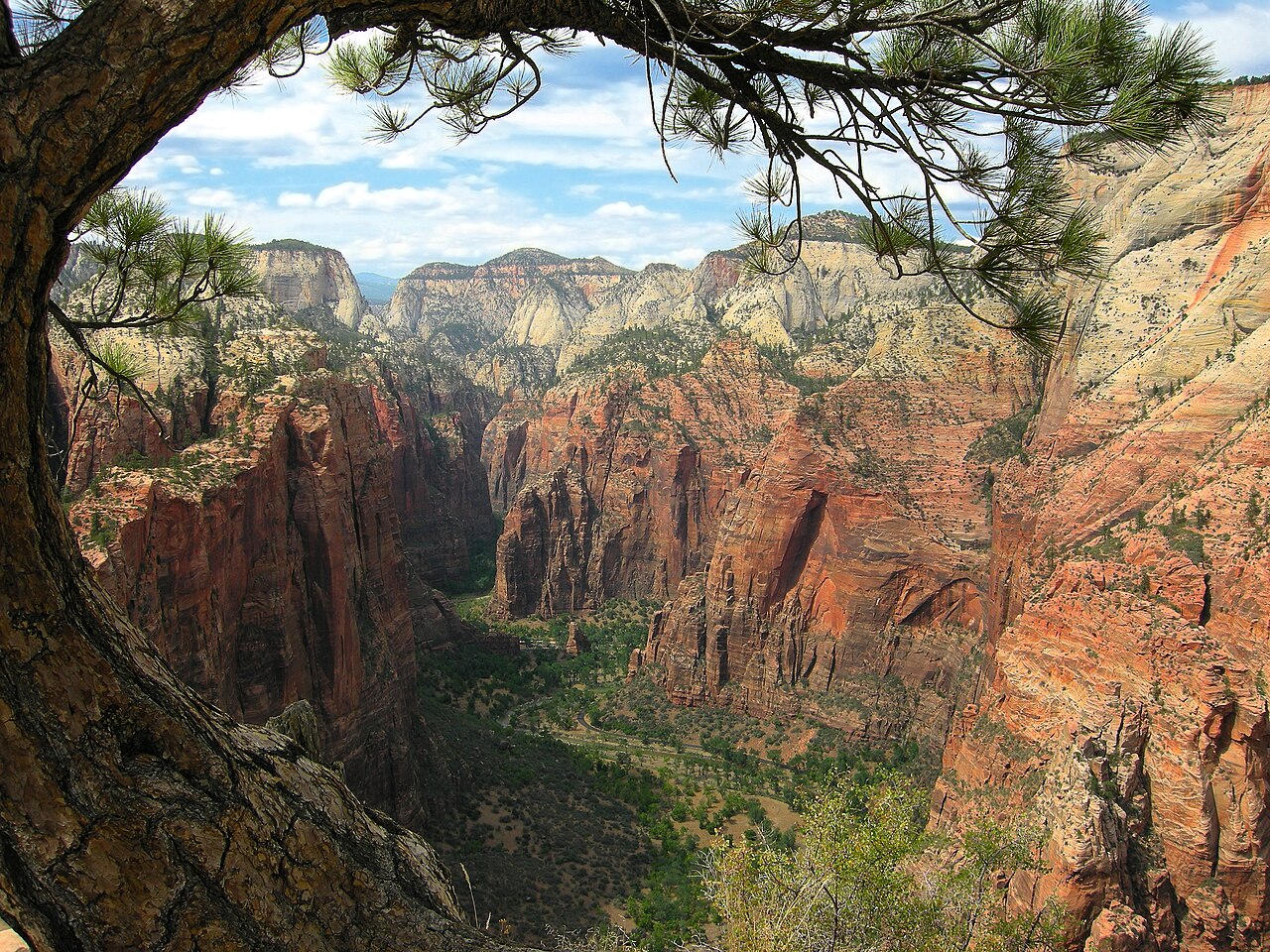
When Is the Best Time to Visit Zion National Park?
The best time to visit Zion National Park is late April through May and late September through October. These months give you comfortable hiking temperatures, the shuttle running and most of the park open, without the 100°F heat of midsummer. If you can only pick one month, October is hard to beat. For The Narrows, summer to early fall usually has the best river conditions, and for the fewest crowds, go from November to February.
Best Time to Visit Zion at a Glance
| Time of Year | Best For | Main Downside |
|---|---|---|
| March–April | Spring hiking, wildflowers | Spring-break crowds, Narrows often closed by snowmelt |
| May | First visits, hiking, long days | Crowds building, Narrows not guaranteed |
| June | Long days, dry weather | Very hot, busiest months begin |
| July–August | The Narrows, full services | 100°F heat, crowds, flash floods |
| September | Hiking and The Narrows | Still hot and busy early on |
| October | Best all-round balance | Shorter days, still popular |
| November | Quiet hiking, fall color | Cold mornings, short days |
| December–February | Solitude, winter scenery | Ice, cold Narrows, fewer services |
Quick picks: Best overall: May and October. Best for hiking: April, May and October. Best for The Narrows: summer to early fall. Best for Angels Landing: spring and fall. Fewest crowds: January and February. Best for fall color: late October to early November.
In This Guide
- Why timing matters so much at Zion
- Temperature, crowds and daylight by month
- Spring, summer, fall and winter month by month
- Best time for The Narrows, Angels Landing, hiking and more
- Best time to avoid crowds
- The 2026 shuttle schedule
- Which month to avoid
- FAQs
Why Timing Matters So Much at Zion
At most parks, the season mainly changes the temperature. At Zion, it changes almost everything about your trip: whether The Narrows is open, how dangerous flash floods are, whether you can drive the scenic road or have to take the shuttle, how hot an exposed climb will feel, whether trails are icy, how early the parking lots fill, and how hard it is to win an Angels Landing permit.
Zion also has a huge daily temperature swing. The park says highs and lows can differ by 30°F or more in a single day, so even in summer you’ll want a layer for early mornings, and even in winter a sunny afternoon can feel mild. Pack for the forecast, not just the monthly average. For rainfall, snow, monsoon storms and river temperatures in detail, see our Zion National Park weather guide.
Zion Temperature, Crowds and Daylight by Month
Temperatures below are long-term averages for Zion Canyon. Crowd figures are the park’s average share of yearly visitors from 2019 to 2023. Daylight is for mid-month, though the high canyon walls hide the actual sun for a while after sunrise and before sunset.
| Month | Avg High | Avg Low | Share of Visitors | Daylight |
|---|---|---|---|---|
| January | 54°F | 30°F | 3% | 9 h 53 m |
| February | 59°F | 34°F | 3% | 10 h 50 m |
| March | 66°F | 39°F | 8% | 11 h 56 m |
| April | 75°F | 45°F | 8% | 13 h 9 m |
| May | 86°F | 54°F | 11% | 14 h 10 m |
| June | 95°F | 63°F | 12% | 14 h 42 m |
| July | 100°F | 70°F | 12% | 14 h 27 m |
| August | 99°F | 68°F | 10% | 13 h 34 m |
| September | 91°F | 61°F | 11% | 12 h 24 m |
| October | 79°F | 48°F | 11% | 11 h 14 m |
| November | 64°F | 37°F | 6% | 10 h 10 m |
| December | 54°F | 30°F | 4% | 9 h 36 m |
Two things stand out. First, 65% of Zion’s visitors come between April and September, and June and July are the busiest months of all. Second, the jump from 3% of visitors in February to 8% in March is the spring-break rush. The park says March brings almost three times as many visitors as February.
Spring at Zion (March to May)
Spring is one of the best times for hiking in Zion. Temperatures climb quickly, the cottonwoods leaf out bright green, wildflowers and claret cup cactus bloom, and waterfalls run after wet winters. The one big catch is snowmelt. Melting snow from the high country raises the Virgin River, and in wet years The Narrows can stay closed for weeks.
Zion in March
With highs around 66°F and lows near 39°F, March is lovely hiking weather. But it isn’t quiet. Spring break brings a big jump in visitors, and the shuttle starts again (on March 7 in 2026), so you’ll ride it to reach the canyon trails. March is great for Emerald Pools, Canyon Overlook, the Watchman Trail and, with a permit, Angels Landing. It’s a poor bet for The Narrows, and higher areas like the upper Kolob Terrace may still hold snow.
Zion in April
April is one of the best hiking months. Highs average about 75°F and lows about 45°F, so days are warm without being punishing, and mornings are crisp. It’s a perfect month for longer, sunny climbs like Angels Landing, Scout Lookout and Observation Point routes, where summer heat would wear you out. Just don’t plan your whole trip around The Narrows in April, since high spring runoff often keeps it closed.
Zion in May
May is one of the best months to visit Zion. Highs reach the mid-80s, lows the mid-50s, and you get more than 14 hours of daylight. Almost everything is open, and it’s a great month for first-time visitors, families and Zion-Bryce road trips. The trade-off is crowds, since May is when Zion’s busy season really starts, and in some years snowmelt still affects The Narrows. Memorial Day weekend is one of the three busiest weekends of the year.
Summer at Zion (June to September)
Summer gives you the easiest access of the year, with the longest shuttle hours, the most services and, once runoff fades, the best shot at The Narrows. It also brings the hardest conditions: the park says temperatures regularly top 100°F, nearly half a million people visit each month, and parking is often full by 9 a.m. From July, the Southwest monsoon adds afternoon thunderstorms and flash floods.
Zion in June
June is hot, sunny and dry, with highs around 95°F, and it’s typically the driest month of the year. It has the longest days, and by mid to late June, The Narrows has often dropped low enough to open. Do your big hikes at first light, and spend the hottest hours on shady walks like the Riverside Walk, in the river, or at Zion Lodge and the visitor center.
Zion in July
July is the hottest month, averaging around 100°F in the afternoon and still about 70°F at night. It’s also when monsoon season begins, bringing sudden afternoon storms, lightning and flash floods through narrow canyons. July works best for river hikes on safe days, very early starts and travelers who handle heat well. It’s hard on long, exposed climbs and on families sensitive to heat. The Fourth of July weekend is another of the year’s busiest.
Zion in August
August is still very hot, with highs near 99°F, and the monsoon is in full swing. The big risk is flash flooding in The Narrows, slot canyons and drainages, where a storm miles upstream can send a wall of water through a canyon under clear blue sky. Check the park’s daily flash flood forecast every morning, and skip narrow canyons if the risk is “probable” or higher.
Zion in September
September is a transition month. Early September still feels like summer, with highs around 91°F and Labor Day weekend crowds, but by late September mornings turn pleasant and the monsoon fades. It’s one of the best months for The Narrows, with low river levels and still-warm water, and a great time to combine Zion with Bryce. Don’t expect empty trails, though. September brings about 11% of yearly visitors, the same as May and October.
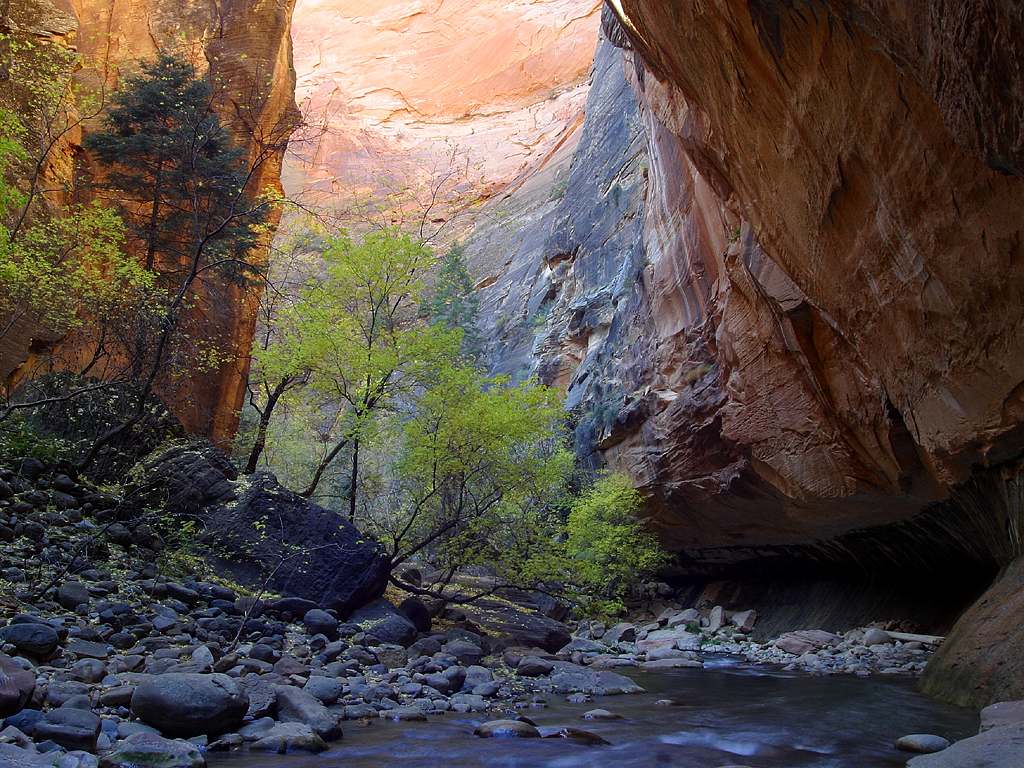
How to Handle a Summer Visit
Summer isn’t a mistake. You just need to organize your day around the heat. A good summer day looks like this: hike from sunrise to about 10 a.m., spend late morning to mid-afternoon in the shade, in the river or riding the shuttle, then head back out as it cools in the evening. Drink far more water than you think you need, watch for signs of heat illness, and get indoors or into your car if thunder starts. If you can, avoid Memorial Day, the Fourth of July and Labor Day weekends, which the park lists as the three busiest weekends of the year.
Fall at Zion (October and November)
For many people, fall is the best season of all. The park describes it as the same amazing scenery at a slightly calmer pace. Temperatures become comfortable again, the canyon stays open and accessible, fall color creeps down from the high country, and crowds ease, especially in November.
Zion in October
October may be the best all-round month to visit Zion. Highs average about 79°F and lows about 48°F, which is close to perfect hiking weather. Mornings are cool, afternoons are comfortable, the shuttle still runs, and fall color starts appearing at higher elevations before reaching Zion Canyon around the end of the month. It’s ideal for Angels Landing, Canyon Overlook, photography and Zion-Bryce road trips. Just know it isn’t empty. October still brings about 11% of yearly visitors, so it’s calmer than summer rather than quiet.
Zion in November
November is a hidden gem. Visitors drop to about 6% of the yearly total, highs are still in the mid-60s, and early November often brings the best fall color on the canyon floor, with golden cottonwoods along the river. Days are short, mornings are cold, and The Narrows water is chilly. The shuttle runs until late November (November 28 in 2026), and the Human History Museum closes after Thanksgiving. For crowd-shy hikers and photographers, it’s one of the best months of the year.
Winter at Zion (December to February)
Winter is Zion’s quiet season, and it surprises people who picture southern Utah as always warm. The park says winters are cold and often wet, with daytime highs of 50 to 60°F and nights well below freezing. Nearly half of Zion Canyon’s yearly precipitation falls between December and March. Snow on the canyon floor usually melts within hours, but it piles up higher in the park, and shady trails can hold ice.
Zion in December
Outside the holidays, December is peaceful. Highs average about 54°F and lows about 30°F. In 2026 there’s no shuttle from November 29 to December 25, which means you can usually drive your own car up the Zion Canyon Scenic Drive, a rare treat, though parking can still fill. The shuttle returns for the busy holiday week from December 26 to January 2.
Zion in January
January is the quietest month, with just 3% of yearly visitors. It’s mild compared with Bryce Canyon, with highs in the mid-50s, but shady trails can be icy, so pack traction for your boots. The Narrows is very cold, and you’ll likely need a dry suit. Some trails can close because of falling ice, the upper Kolob Terrace Road and Lava Point close for winter, and Kolob Canyons can close during storms. January is great for solitude, photography, scenic drives and shorter hikes on sunny days.
Zion in February
February is still quiet, with highs creeping toward 59°F. Days are getting longer, and you’ll often have popular trails nearly to yourself, especially on weekdays. It’s a good month for travelers who don’t mind cold mornings, possible ice and fewer services. Presidents’ Day weekend gets busier.
Is Zion Worth Visiting in Winter?
Yes, if scenery, photography and quiet trails matter more to you than warm river hikes. Red cliffs dusted with snow are spectacular, and you’ll see a side of Zion most visitors never do. Just plan around shorter days, icy shaded trails and seasonal closures. South Campground closes in winter, and the Human History Museum is closed, though the park film can be watched online for free.
Best Time for Each Zion Activity
Best Time to Hike The Narrows
Summer through early fall usually gives the best chance of hiking The Narrows, with lower river levels and warmer water. But there’s no guaranteed month, because two different hazards close it at opposite ends of the year. In spring, snowmelt can push the river above 150 cubic feet per second, when the park closes it. In summer, the monsoon brings flash floods, and the park closes The Narrows whenever a flash flood warning is in effect. In some years the river is open for much of the spring. In others, it stays closed into May or June.
If The Narrows is the main reason for your trip, late August through September is usually your best bet. Check the river flow and flash flood forecast the morning you go, and have a backup plan like the Riverside Walk.
Best Time to Hike Angels Landing
For weather, spring and fall are best. The climb gains about 1,500 feet with long, sunny stretches, and doing it at 75°F feels very different from doing it at 100°F. But you also need a permit, required every day of the year for the chains section. The park runs a seasonal lottery a few months ahead, with separate windows for spring, summer, fall and winter, plus a day-before lottery.
Timely tip: the seasonal lottery for winter hikes (December 1 to February 28) runs October 1 to 20, so if you’re thinking about a quiet winter trip, now is the time to apply. And if you don’t win a permit, you can still hike to Scout Lookout without one. It’s most of the climb and a huge view. Never climb the chains in rain, ice or thunderstorms.
Best Time for Hiking in General
For dry-land hiking, April, May, October and early November are the best months. They avoid the midsummer heat that makes exposed trails like the Watchman, Scout Lookout and Canyon Overlook draining by late morning. In summer, start at sunrise. In winter, start mid-morning, once any ice softens, and carry traction. For every trail compared, including current closures, see our guide to the best hikes in Zion National Park.
Best Time for Families
April to May and September to October are the easiest for families. You avoid the worst summer heat and the coldest winter days, the shuttle runs, and there are plenty of easy walks like the Riverside Walk, Pa’rus Trail and Lower Emerald Pool. If school holidays mean a July trip, plan outdoor time for the morning and give the kids river time in the afternoon.
Best Time for Fall Colors
Fall color starts at the highest elevations and slowly works its way down. It usually reaches Zion Canyon at the end of October and into early November, when the cottonwoods along the river turn gold and maples glow red in side canyons like Emerald Pools and The Narrows. Timing shifts each year with the weather, so don’t book a non-refundable trip around one exact week.
Best Time for Photography
Zion photographs well all year. Spring brings fresh green leaves and waterfalls. Summer brings huge monsoon clouds. Fall brings color and comfortable sunrise and sunset shoots. Winter brings snow on red cliffs and empty viewpoints. For the easiest combination of good weather and color, late October to early November is hard to beat.
Best Time for Stargazing
Zion is an International Dark Sky Park. Summer gives warm nights and the Milky Way at its brightest, but monsoon clouds can get in the way in July and August. Late spring and early fall offer clear skies with comfortable evenings. Whatever the month, plan around the new moon for the darkest skies.
Best Time for a Zion and Bryce Canyon Road Trip
May, late September and October work best. The two parks are only about two hours apart, but Bryce sits roughly 4,000 feet higher, so it’s much cooler. In summer, Zion bakes while Bryce stays mild. In winter, Zion is mild while Bryce is snowy. Shoulder season gives you comfortable weather in both. See our Zion to Bryce Canyon road trip guide for the route and stops, and our guide to the best time to visit Bryce Canyon National Park for the Bryce side.
Best Time to Visit Zion to Avoid Crowds
The quietest months at Zion are January and February, each with just 3% of yearly visitors, followed by December (4%) and November (6%). November is the best compromise, since you get fewer people without the coldest winter weather, plus fall color in early November.
Your choice of day matters almost as much as your month. The park says fewer people visit on weekdays than weekends. Avoid holiday weekends, especially Memorial Day, the Fourth of July and Labor Day. And in any season, arrive early. Parking inside the park fills early all year, and by around 9 a.m. in summer. If it’s full, park in Springdale and ride the town shuttle to the pedestrian entrance.
The Zion Shuttle Schedule for 2026
When the shuttle runs, private cars aren’t allowed on the Zion Canyon Scenic Drive, the road to most of the famous trailheads. The shuttle is free with no ticket or reservation, and buses come every 5 to 10 minutes. The Zion-Mount Carmel Highway, Kolob Terrace Road and Kolob Canyons normally stay open to cars. (October 2026: the Zion-Mount Carmel Highway is temporarily closed after a September 30 rockfall. Check park alerts for updates.)
| 2026 Dates | First Shuttle | Last Shuttle Into Canyon | Last Shuttle Out |
|---|---|---|---|
| Jan 4 – Mar 6 | No service (drive your own car) | ||
| Mar 7 – May 16 | 7 a.m. | 6 p.m. | 7:15 p.m. |
| May 17 – Sep 12 | 7 a.m. | 7 p.m. | 8:15 p.m. |
| Sep 13 – Oct 24 | 7 a.m. | 6 p.m. | 7:15 p.m. |
| Oct 25 – Nov 28 | 7 a.m. | 5 p.m. | 6:15 p.m. |
| Nov 29 – Dec 25 | No service (drive your own car) | ||
| Dec 26 – Jan 2 | 8 a.m. | 4:30 p.m. | 5:45 p.m. |
Watch that last shuttle out of the Temple of Sinawava. If you miss it, you could face a walk of 8 miles or more back to the visitor center. Schedules can change, so check the park’s website before your trip.
Do You Need a Reservation for Zion?
No. There’s no reservation or timed-entry ticket to enter Zion or ride the shuttle in any season. You just pay the entrance fee ($35 per vehicle for seven days in 2026, plus a $100 per-person nonresident fee for non-U.S. residents aged 16 and older). You do need permits for Angels Landing, the top-down Narrows, overnight backpacking and technical canyons, and you should book Zion Lodge and campgrounds well ahead for busy months.
Peak Season vs Shoulder Season
| Peak Summer (June–Aug) | Shoulder (Apr–May, late Sep–Oct) | |
|---|---|---|
| Temperature | Often 100°F+ | Mostly 70s and 80s |
| Crowds | Busiest | Busy, but easier |
| Daylight | Longest days | Shorter days |
| The Narrows | Often open, flash flood risk | Spring snowmelt can close it; fall is good |
| Big hikes | Sunrise starts only | Comfortable most of the day |
| Best for | River hiking, long days | Hiking, Angels Landing, most visitors |
For most hikers, shoulder season wins. For river hiking and maximum daylight, summer can win.
Which Month Should You Avoid?
No month is bad for everyone. Avoid the one that clashes with your priority:
- Skip July and August if you hate heat or crowds, or want long, exposed hikes.
- Skip March to May if The Narrows is the main reason for your trip.
- Skip December to February if you want warm hiking or don’t want to deal with ice.
- Skip holiday weekends if crowds are your biggest worry.
Best Month to Visit Zion by Traveler Type
| If You Are… | Go In |
|---|---|
| A first-time visitor | May or October |
| A hiker | April, May or October |
| Set on The Narrows | Late August to September |
| Hiking Angels Landing | April–May or October |
| A family | April–May or September–October |
| A photographer | Late October–November, or winter |
| Avoiding crowds | November to February |
| Heat-sensitive | March–April or October–November |
| Doing Zion + Bryce | May or late September–October |
| Chasing fall color | Late October to early November |
Common Mistakes When Choosing When to Visit Zion
- Assuming summer is best. It has the most access, but also extreme heat and the biggest crowds.
- Planning a spring trip around The Narrows. Snowmelt often closes it.
- Expecting October to be empty. It’s calmer than summer, not quiet.
- Hiking exposed trails at midday in summer. Start at sunrise.
- Ignoring the monsoon. July to September brings flash flood risk.
- Forgetting the shuttle. In season, you can’t drive up Zion Canyon yourself.
- Booking flights before thinking about the Angels Landing lottery. Permits are needed year-round.
Related Guides
Planning more of this trip? These guides pick up where this one leaves off:
- Zion National Park Map
- Emerald Pool Zion National Park
- Zion National Park Angels Landing
- The Narrows Zion National Park
Best Time to Visit Zion: FAQs
What is the best time to visit Zion National Park?
Late April through May and late September through October, when hiking weather is comfortable, the shuttle runs and the summer heat has eased.
What is the best month to visit Zion?
October. Highs average about 79°F, hiking is comfortable, fall color begins and it’s calmer than summer. May is a close second.
What is the least crowded time to visit Zion?
January and February, each with about 3% of yearly visitors. November is a good balance of fewer people and milder weather.
What is the hottest month at Zion?
July, with average highs around 100°F in Zion Canyon. June and August are close behind.
When is the best time to hike The Narrows?
Usually late summer to early fall, when the river is lower and warmer. It can close any time for high water or flash flood warnings, so check conditions the morning you go.
When should I hike Angels Landing?
Spring or fall for the most comfortable temperatures. You need a permit year-round, from a seasonal or day-before lottery.
Is May a good time to visit Zion?
Yes. Highs average in the mid-80s with long days and great hiking. It’s getting busy, and snowmelt can still close The Narrows some years.
Is Zion good in winter?
Yes, for quiet trails and snowy scenery. Expect cold nights, icy shaded trails and fewer services, but much milder weather than Bryce Canyon.
When does the Zion shuttle run?
In 2026, from March 7 to November 28, then again over the holidays from December 26 to January 2.
When is Zion’s monsoon season?
July through September. Afternoon thunderstorms can cause dangerous flash floods in The Narrows and slot canyons.
So, When Should You Go?
If your dates are flexible, keep it simple. Choose May for long days, warm weather and great hiking. Choose October for cooler trails and the best balance of comfort and crowds. Choose late summer if The Narrows is a must and you can handle heat. Choose winter if solitude matters more than having everything open.
There’s no perfect season for everyone. But for most travelers, the sweet spots are late spring and fall, with May and October standing out above the rest. Once you’ve picked your dates, map out each day with our Zion National Park itinerary, and find more ideas in our guide to the best things to do in Zion National Park.