
Grand Teton National Park looks manageable on a map. Then you arrive.
You stop at Mormon Row for what was supposed to be ten minutes, and the mountains look too good to leave. Later a moose wanders out near the road. Jenny Lake takes longer than you expected. By sunset, the simple sightseeing day you planned has quietly disappeared. That’s part of Grand Teton’s charm. It’s also why a good Grand Teton National Park itinerary matters.
You can see the big highlights in one day, but you’ll spend a lot of it in the car. Two days gives you room for Jenny Lake and a proper hike. Three days is the sweet spot for most first-time visitors. Four lets you slow down, explore Jackson Lake and Colter Bay, watch for wildlife and actually enjoy the park instead of racing through it. This guide gives you realistic day-by-day plans for 1, 2, 3 and 4 days, with drive times, where to stay and eat, sunrise and sunset spots, and how to work around the 2026 construction.
How Many Days Do You Need in Grand Teton National Park?
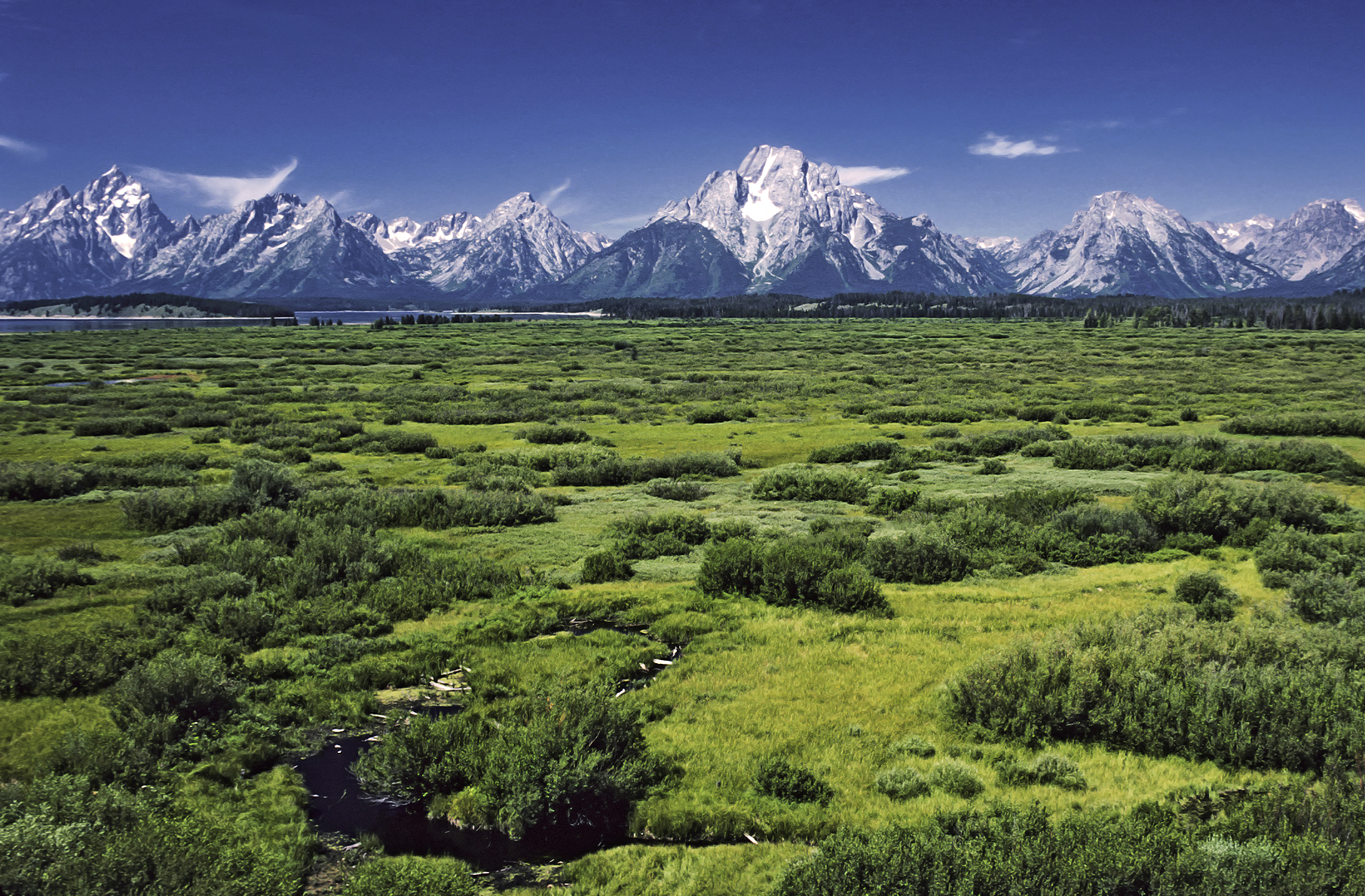
Three days is ideal for a first visit to Grand Teton National Park. That’s enough time to drive the main scenic loop, visit Jenny Lake, do one worthwhile hike, see Mormon Row and Oxbow Bend, look for wildlife and spend time around Jackson Lake without rushing. One day covers the highlights, two adds a real hike, and four lets you slow down.
| Time Available | What You Can Realistically Do | Best For |
|---|---|---|
| 1 day | Major viewpoints, Jenny Lake and a short hike | Road trips passing through |
| 2 days | Highlights plus one substantial hike | Short visits, Yellowstone combos |
| 3 days | Scenic drive, hiking, wildlife and lakes | Most first visits |
| 4 days | The full experience at a relaxed pace | Hikers, photographers, outdoor lovers |
If you love hiking, photography or wildlife, you could happily stay a week. But if this is your first trip and Yellowstone is also on the list, three days in Grand Teton is a very good target.
In This Guide
- Itinerary at a glance
- 2026 construction update
- Getting there, fees and drive times
- One day in Grand Teton
- Two days in Grand Teton
- Three days in Grand Teton
- Four days in Grand Teton
- Where to stay and eat
- Adjusting for spring, fall and winter
- Grand Teton and Yellowstone together
- FAQs
Grand Teton National Park Itinerary at a Glance
| Day | Route | Focus |
|---|---|---|
| Day 1 | Mormon Row → Moose → scenic turnouts → Jenny Lake → Jackson Lake → Oxbow Bend | Classic scenery |
| Day 2 | Jenny Lake → Hidden Falls → Inspiration Point → Cascade Canyon | Hiking |
| Day 3 | Wildlife drive → Oxbow Bend → Jackson Lake Lodge → Colter Bay | Wildlife and the north end |
| Day 4 | Your choice: another hike, cycling, paddling or a float trip | Personal adventure |
The key word here is flexible. Grand Teton isn’t a place where every hour should be scheduled. Wildlife shows up without warning, parking lots fill, the weather turns and construction adds delays. Leave yourself some breathing room.
Important 2026 Travel Update: Construction in Grand Teton
2026 is not a normal traffic year in Grand Teton. Several big infrastructure projects are affecting roads, trailheads and travel times through mid-November. Here’s what matters for your itinerary:
- Moose-Wilson Road: closed to cars and bikes between Moose and the Laurance S. Rockefeller Preserve from September 8 through November 15, 2026. You can still reach the preserve from the south through the Granite Canyon Entrance near Teton Village.
- Death Canyon Road and Trailhead: closed for construction, with reopening expected around June 2027. Don’t build a day around it.
- Taggart Lake: the trailhead and parking are open, but the northern part of the trail is closed through November 15, so hikers use the longer southern route. The nearby Cottonwood Creek Picnic Area is also closed.
- Teton Park Road near Moose: work on a new roundabout can add delays near the Moose entrance.
- North park road (Highway 89/191/287): road work between Leeks Marina and Lizard Creek Campground can bring nighttime delays of up to an hour.
- Mormon Row: open, though some spots may close temporarily during construction.
Practical tip: check the official NPS road and construction page the evening before each day of your trip. Don’t rely completely on any itinerary written weeks or months before your visit, including this one.
Before You Go: Getting There, Fees and Drive Times
How to Get to Grand Teton
The easiest way in is Jackson Hole Airport, which sits inside the park itself, just a few minutes from Moose. It’s the only commercial airport located within a U.S. national park, so you can literally land with the Tetons out the window. Flights here can be pricey, so many travelers fly into Idaho Falls (about 2 hours away), Salt Lake City (about 4.5–5 hours) or Bozeman (a long, scenic drive through Yellowstone) and rent a car. You’ll want a car either way, because the park has no internal shuttle system.
Entrance Fees and Passes in 2026
A standard private vehicle pass is $35 and covers seven days. No timed-entry reservation is needed. New in 2026: non-U.S. residents aged 16 and older pay an extra $100 per person to enter Grand Teton, on top of the standard fee. Grand Teton is one of 11 busy parks with this fee, and Yellowstone is another, so international visitors doing both parks pay it twice. A valid America the Beautiful pass covers the entrance fee and the nonresident fee for the pass holder and passengers in the same private vehicle. The pass costs $80 for U.S. residents and $250 for nonresidents, so for international visitors hitting two or more of these parks, it usually pays for itself quickly.
Grand Teton Drive Times
The park looks compact, but stops, wildlife jams, parking and 2026 construction all add up. These are approximate drive times with no stops:
| Route | Distance | Drive Time |
|---|---|---|
| Jackson to Moose (Craig Thomas Visitor Center) | About 13 mi | 20 min |
| Jackson to Mormon Row | About 20 mi | 30 min |
| Moose to South Jenny Lake | About 8 mi | 15 min |
| Jenny Lake to Signal Mountain Lodge | About 12 mi | 20 min |
| Signal Mountain to Jackson Lake Lodge | About 6 mi | 10 min |
| Jackson Lake Lodge to Colter Bay | About 5 mi | 10 min |
| Jackson to Colter Bay | About 40 mi | 50–60 min |
| Colter Bay to Yellowstone South Entrance | About 25 mi | 35 min |
The classic way to see the park is a roughly 42-mile loop: north on Teton Park Road past Jenny Lake to Jackson Lake Junction, then back south on Highway 89/191 past Oxbow Bend and the Snake River turnouts. Teton Park Road hugs the mountains, while the highway gives you wider views across the valley. This itinerary uses both.
Before you leave Jackson: fill your tank and grab groceries or picnic supplies. There are a few gas stations and stores inside the park, around Moose, Signal Mountain and Colter Bay, but choices are limited and prices are higher. Cell service is patchy away from the developed areas, so download offline maps before you go.
One Day in Grand Teton National Park
One day isn’t enough to know Grand Teton, but it’s enough to understand why people come back. Your goal shouldn’t be to see everything. It’s to see the places that give you the strongest feel for the park without spending the whole day behind the wheel.
Sunrise: Mormon Row
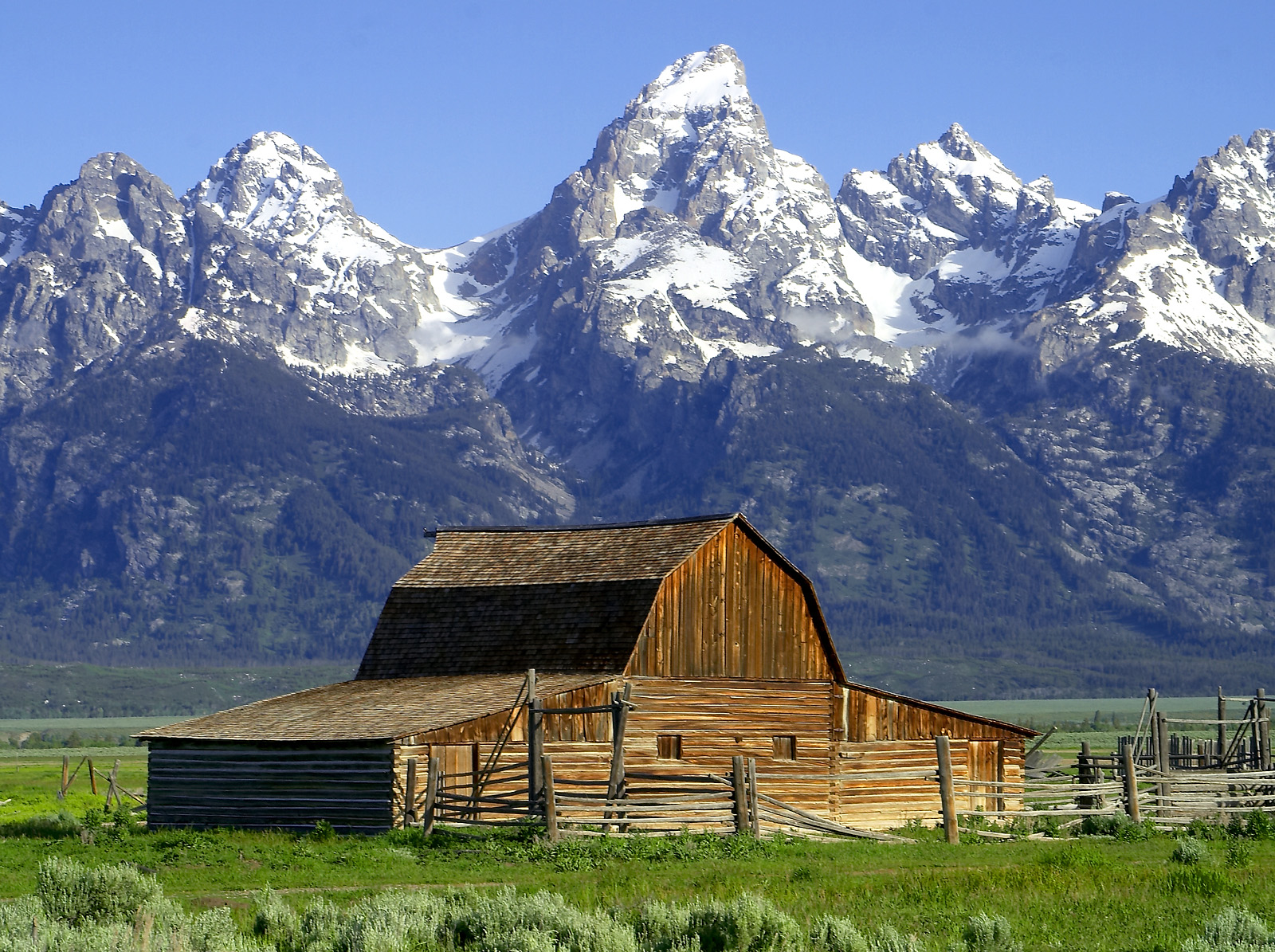
Start early. Very early, if you can live with the alarm. Mormon Row is one of the most famous photo spots in the park: weathered homestead barns sitting in open sagebrush with the Teton Range rising right behind them. The Moulton Barns get most of the attention, but take time to walk around rather than snapping one photo and leaving. Morning light hits the peaks beautifully here, and wildlife is more active at dawn. Bison and pronghorn often graze on nearby Antelope Flats. Keep your distance.
Morning: Moose, the Visitor Center and a Little History
From Mormon Row, head to Moose and stop at the Craig Thomas Discovery and Visitor Center. On your first morning, this is more useful than it sounds. Ask a ranger about current road closures, trail conditions, recent wildlife sightings, the weather and construction. Ten minutes of fresh information can save you an hour later.
While you’re in Moose, take the short walk to Menor’s Ferry and the Chapel of the Transfiguration. The little log chapel has a window framing the Tetons behind the altar, and the ferry site shows how early settlers crossed the Snake River. Both take less than half an hour and are some of the most overlooked stops in the park.
Late Morning: Scenic Drive Toward Jenny Lake
Now head north on Teton Park Road and don’t rush. This is where your plan can fall apart, in a good way, because there are viewpoints everywhere. Good ones include Glacier View Turnout, Teton Point Turnout and the Cathedral Group Turnout, where the Grand Teton, Mount Owen and Teewinot line up above you. You don’t need every turnout. After the fourth photo of the same range, you’ll get it. Pick a few and actually spend time at them.
Midday: Jenny Lake
If there’s one place first-time visitors picture when they think of Grand Teton, it’s Jenny Lake. The lake sits right at the foot of the mountains and is the starting point for several famous trails. Summer parking is tough around midday, and the park suggests coming early in the morning or after about 3 p.m. If the lot is full, keep driving north and come back later. Grand Teton rewards flexibility far more than stubbornness.
You’ve got three options here. For a quick visit, walk the paved lakeshore paths near the visitor center and enjoy the view. With a bit more time, ride the seasonal boat shuttle across the lake and walk to Hidden Falls, which cuts the hike to about 1.2 miles round trip. If you’re comfortable hiking, continue up to Inspiration Point for a big view back over the lake toward Jackson Hole. That’s one of the best add-ons for a one-day trip.
Afternoon: Jackson Lake
Keep heading north to Jackson Lake. The scenery shifts again. This lake is far bigger than Jenny Lake, and the north end of the park feels more open. Stop at Jackson Lake Dam, stretch your legs and look back across the water at Mount Moran. If you have time and the road is open, drive the short, winding road up Signal Mountain for a panoramic view over the whole valley.
Sunset: Oxbow Bend
Finish the day somewhere you can slow down. Oxbow Bend is a great choice. The Snake River curves lazily below Mount Moran, and it’s one of the best wildlife spots in the park, with moose, otters, beavers, pelicans and bald eagles all regulars. Then stop driving. Stay until the light changes. You’ve done enough moving for one day.
Two Days in Grand Teton National Park
Two days changes the trip a lot, because you no longer have to squeeze hiking into your sightseeing day. That’s exactly how to split it: Day 1 for scenery, Day 2 for hiking.
Day 1: Scenic Highlights
Follow the one-day route above, but without the Jenny Lake hike and without the pressure. Start at Mormon Row, visit Moose, drive north with a few good turnouts, then spend the middle of the day around Signal Mountain, Jackson Lake and Oxbow Bend. In the afternoon, explore Colter Bay or stop at Schwabacher Landing on your way south. Pick a west-facing viewpoint for sunset. Don’t worry about ticking every attraction off a list. Tomorrow is for hiking.
Day 2: Jenny Lake and Cascade Canyon
Set the alarm early. Today you walk into the mountains. Get to Jenny Lake as early as you can, because parking gets harder by the hour. From there, pick your level:
- Easy: take the boat across the lake and walk to Hidden Falls. Great for families or anyone who wants a short outing.
- Moderate: keep climbing past Hidden Falls to Inspiration Point. The view makes the hike feel complete.
- Best full day: continue past Inspiration Point into Cascade Canyon.
Cascade Canyon is where the day changes. Jenny Lake disappears behind you, the granite walls rise on both sides and the trail follows Cascade Creek deeper into the range. You stop looking at the mountains from viewpoints. You’re inside them. It’s about 9 miles round trip to the Forks with the boat, but you can turn around anywhere. Pack lunch, find a good rock by the creek and head back when you’re ready. It’s one of the best hikes in Grand Teton National Park for exactly that reason.
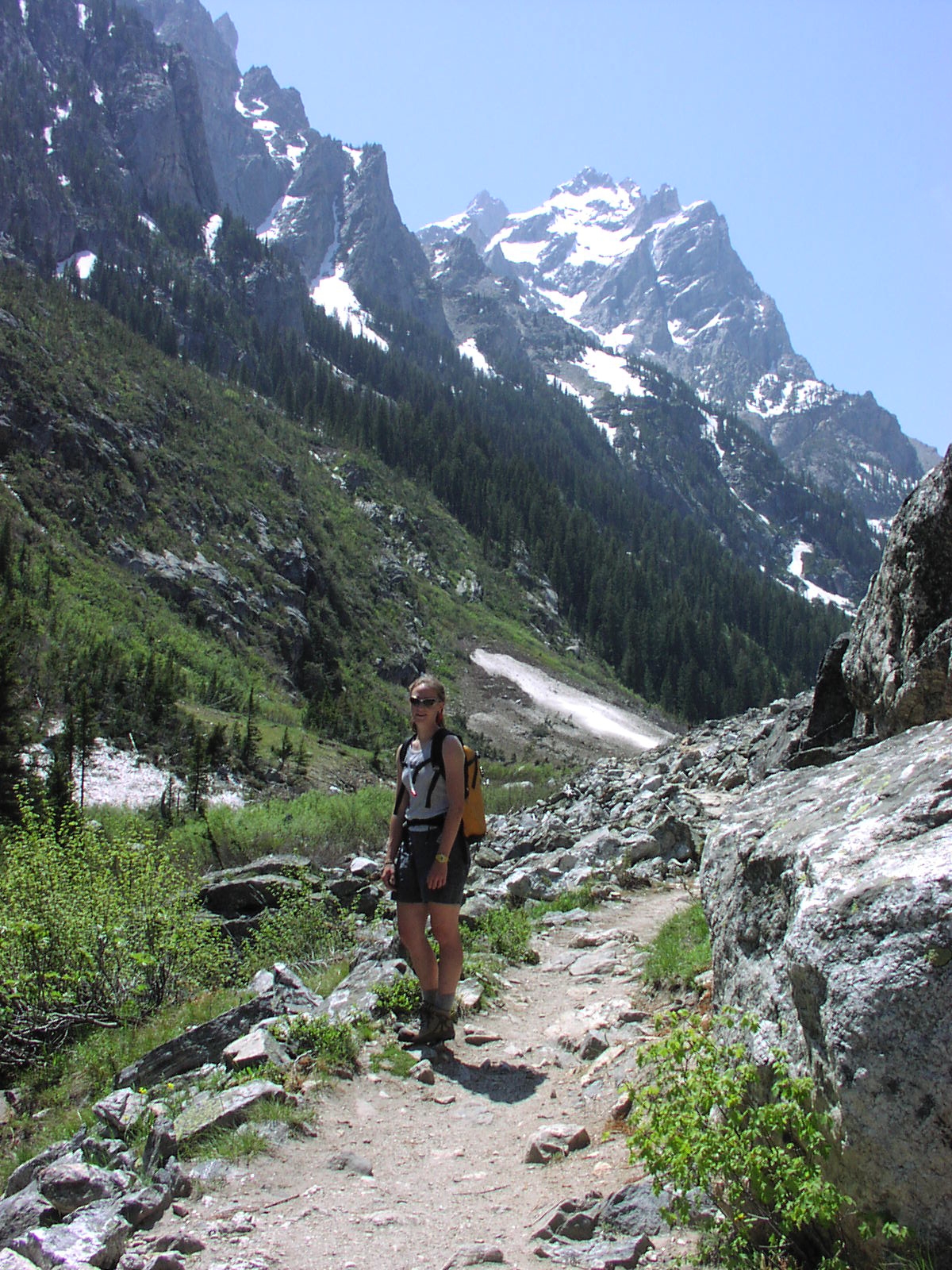
Boat shuttle tip: the Jenny Lake shuttle is seasonal and paid, usually running from late spring into early fall. Check the last-boat time before you set off up the canyon. Miss it and you’ve got about 2 extra miles around the lake to walk back.
Three Days in Grand Teton National Park
If someone asked me for the right length for a first trip, this is where I’d point them. Three days lets you stop treating Grand Teton like a checklist. Days 1 and 2 follow the two-day plan above. Day 3 adds wildlife and the northern side of the park, and it makes a bigger difference than you’d expect.
Day 3, Sunrise: Wildlife Drive
Wake up early again. Not because every travel guide says so, but because animals don’t plan their mornings around hotel checkout times. Drive slowly through the best wildlife areas: Oxbow Bend, Willow Flats, Elk Ranch Flats, Antelope Flats and the river bottoms around Moose. Nothing is guaranteed, and that’s the point. You might see elk, moose, bison or a bear. You might also spend twenty minutes staring through binoculars at something that turns out to be a stump. That’s part of the fun too. Our Grand Teton wildlife guide covers the best spots for each animal.
Wildlife safety: the park is home to both black bears and grizzlies. Park rules require you to stay at least 100 yards from bears and wolves and 25 yards from all other wildlife. Use binoculars or a zoom lens, pull fully off the road before stopping, and if an animal changes its behavior because of you, you’re already too close.
Day 3, Morning: Oxbow Bend
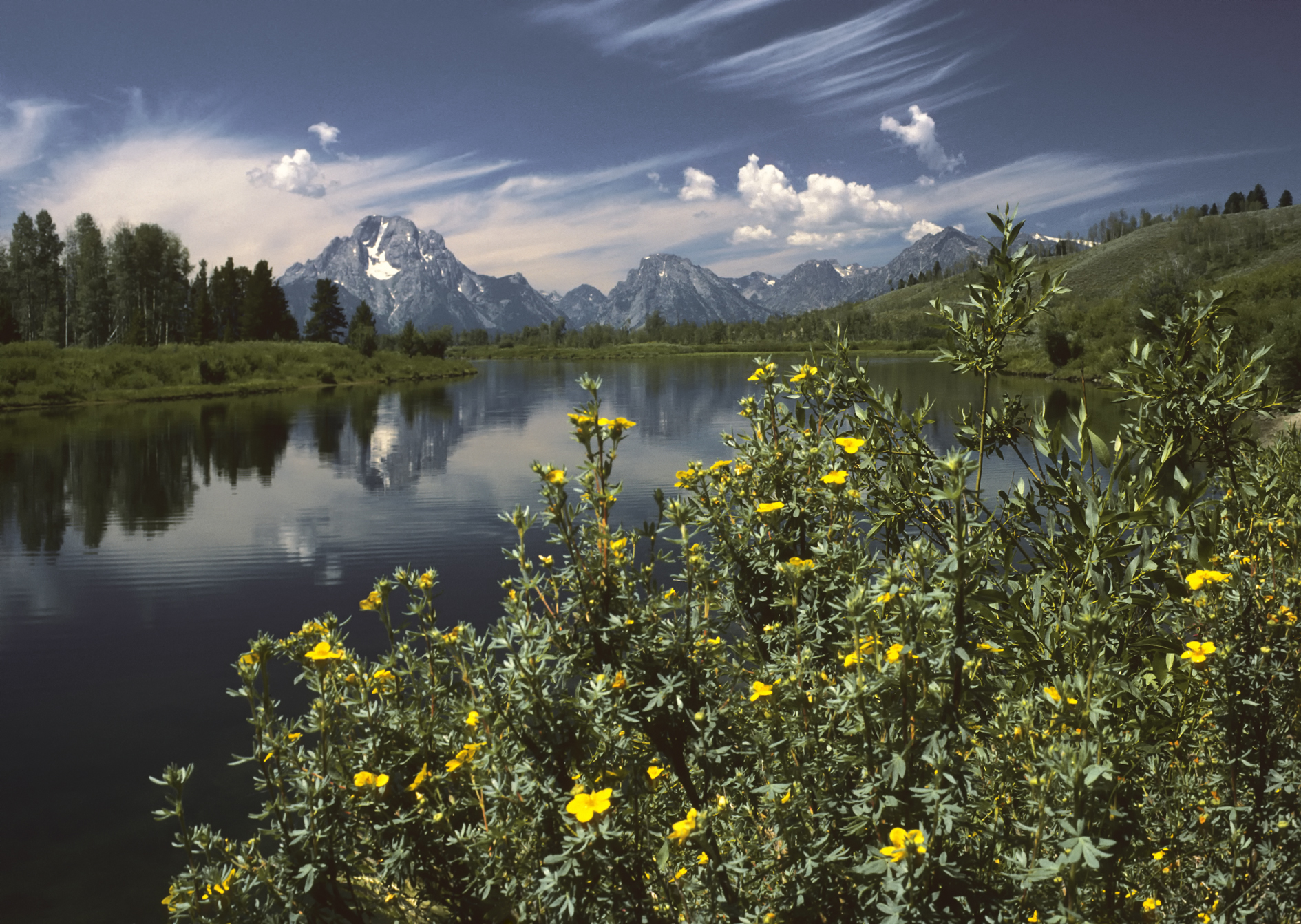
If you didn’t linger at Oxbow Bend on Day 1, give it time now. Mount Moran fills the background, the Snake River drifts slowly in the foreground, and on calm mornings the whole scene reflects in the water. Don’t just take the photo and go. Walk slowly along the bank, watch the water and listen.
Day 3, Late Morning: Jackson Lake Lodge
Carry on to Jackson Lake Lodge. Even if you aren’t staying, it’s worth a stop. Head to the huge picture windows in the main lounge or the terrace out back, where the Teton Range stretches across the horizon above Willow Flats. Moose often feed in the willows below. It’s also a good place for lunch. After two mornings of granola bars and trail snacks, a proper sit-down meal with a mountain view feels well earned.
Day 3, Afternoon: Colter Bay
Continue north to Colter Bay. It’s especially useful in 2026, since the park has pointed visitors here as a quieter alternative to the busy, construction-affected south end. How you spend the afternoon depends on your legs. Walk the easy Lakeshore Trail, do the Heron Pond and Swan Lake loop for a chance at moose and trumpeter swans, visit the Colter Bay Visitor Center, rent a kayak or canoe, take a scenic cruise on Jackson Lake, join a ranger program, or just picnic by the water. The Lakeshore Trail is perfect if yesterday’s hike left your legs asking questions.
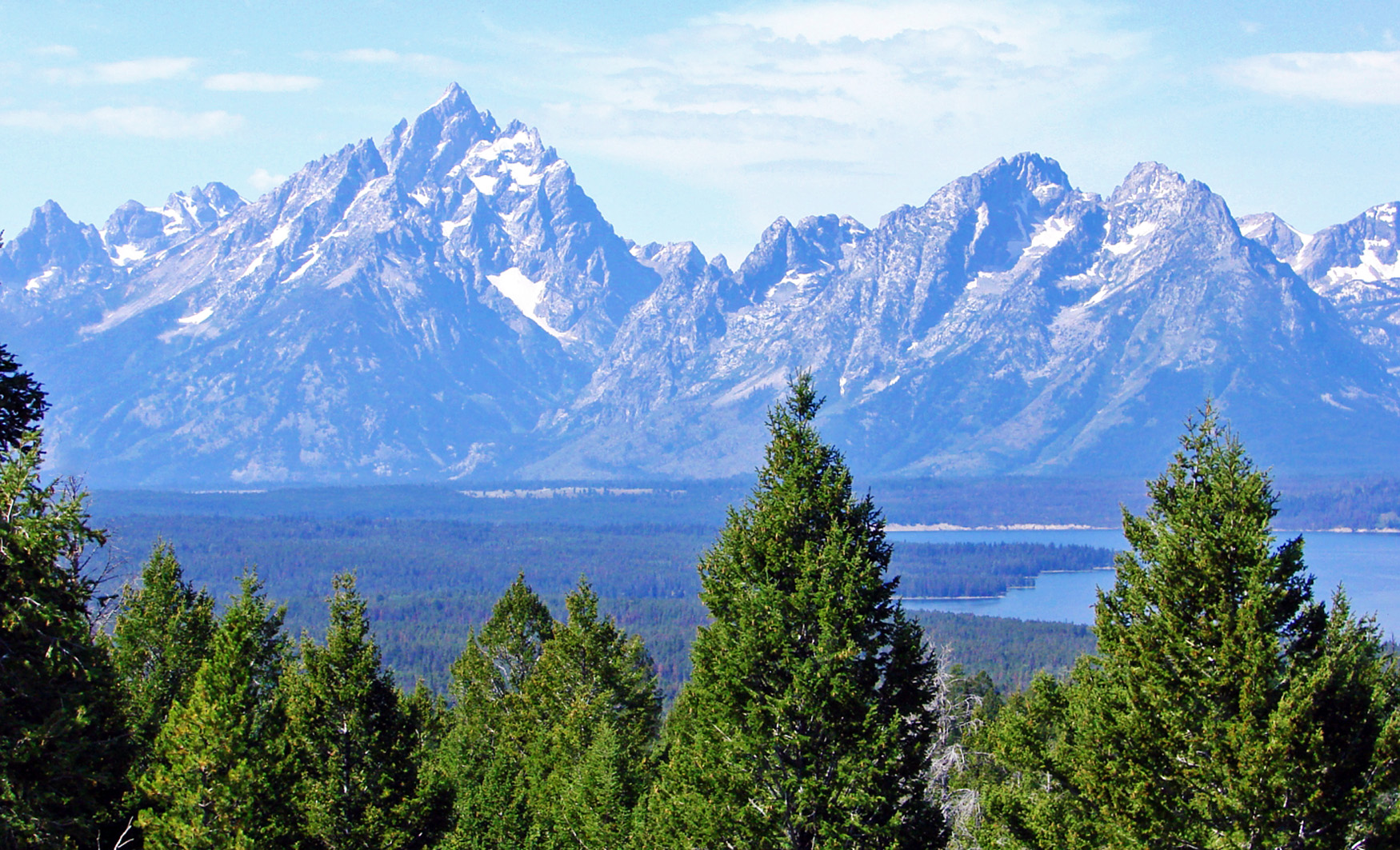
Day 3, Evening: Jackson Lake Sunset
Stay north for sunset if the sky looks promising. The Colter Bay shoreline and the Jackson Lake Dam area both work well. By now, something shifts. You stop trying to see Grand Teton and start actually being there. That’s the real advantage of a third day.
Four Days in Grand Teton National Park
Don’t use Day 4 for another scenic drive. By now you’ve seen the main viewpoints, walked beside Jenny Lake, hiked into the mountains and explored Jackson Lake. Use the last day to build the trip around whatever you’ve loved most.
Option 1: Another Big Hike
If hiking is why you came, spend the day on another trail. Taggart Lake is a shorter mountain-and-lake hike, though the 2026 route is longer than usual. Amphitheater Lake is a tough climb of about 3,000 feet from Lupine Meadows. Delta Lake leads to a stunning turquoise lake on a rough, unofficial route that isn’t for every hiker. Lake Solitude makes Cascade Canyon into a full day. And the Paintbrush Canyon–Cascade Canyon Loop is a 19-mile mountain day for experienced hikers only. Don’t add that one just because Day 4 has an empty box. For distances, difficulty and 2026 closures on each trail, see our Grand Teton hiking guide.
Option 2: Jenny Lake Without Rushing
Maybe Day 2 made you realize you wanted more time at Jenny Lake. Go back. Walk the full 7-mile loop, paddle String Lake next door, hike further into Cascade Canyon, or just sit by the water. Travel doesn’t always get better by adding new places.
Option 3: Cycle Through the Park
The paved multi-use pathway runs from Jackson through Moose to Jenny Lake, and riding from Moose to Jenny Lake is a great way to skip the parking battle entirely. You move slower than a car and faster than walking, and you’re outside the whole time. Bikes can be rented in Jackson and Moose. Follow any construction-zone rules near Moose.
Option 4: A Slow Day at Colter Bay
Colter Bay can easily fill another half or full day. Rent a kayak, take a cruise to Elk Island, hike to Hermitage Point, have a long lunch and sit by Jackson Lake. With the south end busier and slower in 2026, it’s a sensible choice.
Option 5: Snake River Float Trip
A scenic float gives you a completely different view of the park. Instead of looking down at the Snake River from an overlook, you’re drifting on it, with guides pointing out eagles, osprey and moose along the banks. Park-authorized companies run gentle scenic floats in summer. It’s perfect after a few hiking days: your legs get a break, but the scenery doesn’t.
Option 6: Explore the Quiet Northeast
Very few visitors make it to Two Ocean Lake and Grand View Point in the park’s northeast corner. The short climb to Grand View Point gives you a view over two lakes and the entire range, and Two Ocean Lake is one of the most peaceful spots in the park, especially when the aspens turn gold in late September.
Best Grand Teton Itinerary for Your Travel Style
| Traveler | Best Plan | Don’t Miss |
|---|---|---|
| First-time visitor | 3 days | Mormon Row, Jenny Lake, Cascade Canyon, Oxbow Bend |
| Photographer | 3–4 days | Sunrise at Mormon Row, Schwabacher Landing and Oxbow Bend |
| Serious hiker | 4+ days | Cascade Canyon, Amphitheater Lake, Paintbrush–Cascade Loop |
| Family with kids | 2–3 days | Jenny Lake boat and Hidden Falls, String Lake, Colter Bay |
| Yellowstone road trip | 2–3 days | Jenny Lake, Oxbow Bend, Jackson Lake |
| Wildlife lover | 3–4 days | Dawn and dusk drives, Oxbow Bend, Willow Flats, Antelope Flats |
| Couple | 3 days | Sunrise viewpoints, a canyon hike, dinner with a mountain view |
| Mostly scenic driving | 1–2 days | The 42-mile loop, Signal Mountain, Snake River Overlook |
| Limited mobility | 2 days | Scenic turnouts, Jenny Lake paved paths, Jackson Lake Lodge, Colter Bay |
Grand Teton Itinerary With Kids
Don’t build a family trip around how many attractions adults can physically squeeze into daylight. Leave space. A great family day might look like this: Mormon Row and a wildlife drive in the morning, Jenny Lake late morning, the boat across the lake around midday, Hidden Falls in the afternoon, then a picnic or early dinner. String Lake and Colter Bay are great for families too, since kids can play by the water without every activity turning into a serious hike. Ask at a visitor center about the Junior Ranger program. If the kids are happy skipping stones for half an hour, let them. The mountains will still be there. For kid-sized hikes, Junior Ranger tips and family-paced plans, see our guide to Grand Teton National Park with kids.
Rainy Day Ideas
Afternoon storms are common in summer, and sometimes a whole day turns gray. Have a backup plan: spend longer at the Craig Thomas Discovery and Visitor Center or the Colter Bay Visitor Center, visit the Chapel of the Transfiguration, or head into Jackson for the National Museum of Wildlife Art and the shops and restaurants around Town Square. Low clouds can also make for moody, unusual photos of the peaks, so don’t write the day off completely.
Where to Stay and Eat on Your Grand Teton Itinerary
Where you sleep decides how much time you spend driving. There are three main options:
- Inside the park: the most convenient choice, with lodges and campgrounds around Jenny Lake, Signal Mountain, Jackson Lake Lodge and Colter Bay. You’ll be close to sunrise spots and trailheads. The catch is availability, so book as early as you can, especially for July and August. Most in-park lodging is seasonal and closes by October.
- Jackson: far more hotels, restaurants and evening options, and a good base if you want some town time. But the drive into the park adds up, and with summer traffic and 2026 construction, a 6 a.m. departure starts to make sense.
- Teton Village: resort-style stays close to the southern end of the park and the Laurance S. Rockefeller Preserve. In fall 2026, remember that Moose-Wilson Road is closed north of the preserve, so reaching Moose means driving around through Jackson.
Where to eat: food options inside the park are limited and mostly seasonal. You’ll find casual meals and groceries in Moose, restaurants at Signal Mountain Lodge and Jackson Lake Lodge, and a grill and general store at Colter Bay. Jenny Lake Lodge offers a fancier sit-down dinner that needs reservations. On hiking days, the easiest plan is to pack a picnic from Jackson the night before.
Best Time for This Grand Teton Itinerary
This itinerary works best from mid-June through September. July and August give you the widest access and warmest weather, along with the biggest crowds. September can be even better: cooler days, elk bugling in the valley, golden aspens and thinner crowds, though nights get cold and early snow is possible on high trails. For the month-by-month details, see our guide to the best time to visit Grand Teton National Park.
Adjusting the Itinerary for Spring, Fall and Winter
Spring (May to early June): Teton Park Road usually reopens to cars on May 1, but higher trails stay snowy and some services open gradually. Swap Cascade Canyon for low hikes like Taggart Lake or the Colter Bay trails, and spend more time on wildlife, which is excellent in spring.
Late fall (October): the Jenny Lake boat shuttle, most in-park lodging and many restaurants have closed for the season, so base yourself in Jackson and plan longer walks instead of boat shortcuts. Teton Park Road closes to cars between Taggart Lake Trailhead and Signal Mountain Lodge on November 1.
Winter (December to March): this becomes a very different trip. Stay in Jackson, stick to the main highway, and swap hiking for snowshoeing, cross-country skiing on the closed Teton Park Road and winter wildlife watching. Bring proper winter tires and check road conditions daily.
Where Does Jenny Lake Fit Into Your Itinerary?
For most first-time visitors, Jenny Lake deserves at least half a day. If you’re hiking Cascade Canyon, give it most of a day. The key is timing. Make it the first stop of your hiking day, not the fourth. Park early, use the restrooms at the visitor center (there aren’t any on the west side of the lake), check the boat schedule and go. Our Jenny Lake guide has half-day and full-day plans.
Grand Teton Scenic Drive: Stops Worth Adding
You could stop at every turnout. You probably shouldn’t. Focus on places that give you a genuinely different view:
- Mormon Row: historic barns with the range behind them.
- Snake River Overlook: the high view over the river valley that Ansel Adams made famous in 1942.
- Schwabacher Landing: mountain reflections in beaver ponds on the Snake River, reached by a short gravel road that’s seasonal.
- Oxbow Bend: water, Mount Moran and some of the best wildlife viewing in the park.
- Jackson Lake Dam: wide views across the lake to the peaks.
- Willow Flats: open wetland below the mountains, great for moose and elk.
- Signal Mountain Summit: a 360-degree view of Jackson Hole when the summit road is open.
- Cunningham Cabin: a short walk to an 1880s homestead on the highway north of Moose, often with pronghorn nearby.
Don’t turn scenic driving into a scavenger hunt. Three good stops where you spend twenty minutes each beat ten stops where you barely leave the car.
Sunrise and Sunset in Grand Teton
The Tetons face east, so sunrise is the main event. The first light turns the peaks pink and gold while the valley is still in shadow. That’s why photographers set alarms at hours that normally seem unreasonable. The best sunrise spots are Mormon Row, Schwabacher Landing, Snake River Overlook and Oxbow Bend.
Sunset works differently. The sun drops behind the mountains, so it’s less about light on the peaks and more about silhouettes, colorful skies and reflections. Jackson Lake, Colter Bay and Oxbow Bend are all lovely. So is simply finding a quiet turnout and waiting. Not every sunset needs a famous GPS pin.
How to Avoid Crowds in Grand Teton
You don’t need a secret trail. You need a different clock. Visit the busy places before breakfast, be on the trail while everyone else is still entering the park, eat lunch when trailheads are at their busiest, and return to popular viewpoints late in the afternoon. The park itself recommends visiting heavily used spots like Jenny Lake and the Laurance S. Rockefeller Preserve early in the morning or after 3 p.m.
Avoid zigzagging, too. Don’t plan Jenny Lake to Colter Bay to Mormon Row to Oxbow Bend to Jackson and back just because a map app says it’s technically possible. That’s why this itinerary keeps Mormon Row, Moose and the scenic drive together, Jenny Lake and Cascade Canyon together, and Oxbow Bend, Jackson Lake and Colter Bay together. Less backtracking, more time outside.
Grand Teton and Yellowstone: How Many Days for Both?
The two parks are neighbors, joined by the John D. Rockefeller Jr. Memorial Parkway, and Yellowstone’s South Entrance is only about 35 minutes from Colter Bay. But that doesn’t mean you should squeeze both into two days. Plan roughly 2–3 days for Grand Teton and 3–4 or more for Yellowstone, which works out to about 5–7 days total.
| Day | Sample 7-Day Plan |
|---|---|
| Days 1–3 | Grand Teton: scenic loop, Jenny Lake and Cascade Canyon, wildlife and Colter Bay |
| Day 4 | Drive north into Yellowstone: West Thumb and Old Faithful |
| Day 5 | Upper, Midway and Lower geyser basins, including Grand Prismatic Spring |
| Day 6 | Grand Canyon of the Yellowstone and Hayden Valley wildlife |
| Day 7 | Lamar Valley at dawn or Mammoth Hot Springs, then depart |
Don’t treat Grand Teton as just the road you drive through to reach Yellowstone. It’s a completely different experience, and many people end up liking it more.
What to Pack for Grand Teton
Even summer mornings can be cold, so think in layers (our guide to Grand Teton weather by month has average temperatures for every month). For a typical summer trip, bring a warm fleece or puffy, a rain jacket, comfortable hiking shoes, a daypack, a refillable water bottle, sunscreen and a hat, binoculars, a camera, snacks, offline maps and a headlamp for early starts. If you’re hiking, carry bear spray where you can reach it instantly, not under everything else in your pack. You can’t fly with it, so buy or rent it in Jackson.
Tours and Rentals Worth Booking
A few bookings can really lift a Grand Teton trip: a guided wildlife safari at dawn or dusk (guides know where the animals have been showing up), a scenic Snake River float, a Jackson Lake cruise from Colter Bay, bike or kayak rentals, and bear spray rental if you’re flying in. Book popular summer tours a few weeks ahead.
Common Grand Teton Itinerary Mistakes
- Trying to see everything in one day. You can drive past a lot of sights. That’s different from experiencing them.
- Arriving at Jenny Lake late in the morning. Summer parking gets difficult fast. Go early.
- Ignoring construction. This matters more than usual in 2026. Routes that worked in past years may now involve closures or long delays.
- Scheduling every hour. Wildlife and mountain weather don’t care about your spreadsheet.
- Stacking long hikes back to back. Two big hiking days in a row sounds great at home. Your legs may disagree, especially at altitude.
- Skipping the north end. Jackson Lake and Colter Bay deserve time too.
- Forgetting the nonresident fee. International visitors should budget for the $100 per-person fee or buy the annual pass.
- Driving constantly. At some point, stop. Walk. Sit by a lake. Eat lunch with a mountain view. That’s why you came.
Adding Yellowstone? The two parks are only about an hour apart. Our Yellowstone and Grand Teton road trip guide has 5- and 7-day routes that combine both.
Related Guides
Planning more of this trip? These guides pick up where this one leaves off:
- Best Things to Do in Grand Teton National Park
- Cascade Canyon Trail Guide
- Where to Stay Near Grand Teton National Park
- Grand Teton in October
Grand Teton Itinerary FAQs
How many days do you need in Grand Teton National Park?
Three days is ideal for most first-time visitors. It gives you time for the scenic drive, Jenny Lake, one good hike, wildlife viewing and Jackson Lake without rushing.
Is one day enough for Grand Teton?
One day is enough to see the main highlights if you prioritize. Focus on Mormon Row, a few scenic turnouts, Jenny Lake, Jackson Lake and Oxbow Bend rather than trying to cover the whole park.
Is two days enough for Grand Teton National Park?
Yes. Spend one day on the main scenic areas and the second hiking around Jenny Lake or into Cascade Canyon.
Is four days too much in Grand Teton?
Not at all. Four days lets you add a longer hike, kayaking, cycling, a Snake River float or a slow day at Colter Bay without rushing.
What should I do on my first day in Grand Teton?
Start with the classic scenery: sunrise at Mormon Row, the visitor center in Moose, a few viewpoints, Jenny Lake and Jackson Lake, ending at Oxbow Bend. It gives you a feel for the park before you dedicate a day to hiking.
What shouldn’t I miss in Grand Teton?
For a first visit, don’t miss Mormon Row, Jenny Lake, Oxbow Bend, Jackson Lake, Schwabacher Landing or Snake River Overlook at sunrise, and at least one hike, ideally Cascade Canyon.
Should I stay in Jackson or inside Grand Teton?
Staying inside the park cuts driving and makes early starts easier. Jackson has more hotels, restaurants and nightlife. The right choice depends on your budget and what’s available.
How much does it cost to enter Grand Teton in 2026?
A private vehicle pass is $35 for seven days. Non-U.S. residents aged 16 and older also pay a $100 per-person fee, unless they enter with a valid America the Beautiful or annual pass.
Can you visit Grand Teton and Yellowstone on the same trip?
Yes. The parks are connected by a short parkway and pair perfectly. Plan about five to seven days for meaningful time in both.
Do you need reservations to enter Grand Teton National Park?
No timed-entry reservation is required. Lodging, campgrounds and popular tours should still be booked well ahead in summer.
Can you do Grand Teton without a car?
It’s hard. There’s no park shuttle, so most visitors drive. Without a car, you can combine guided tours from Jackson with cycling the pathway to Jenny Lake.
Which Grand Teton Itinerary Should You Choose?
With one day, see the big landscapes. With two, give one of them to hiking. With three, add wildlife and the north end. With four, stop following the checklist and do more of whatever you loved most. Hike further, rent a kayak, ride a bike, float the Snake River, go back to Jenny Lake, or sit beside Jackson Lake for an hour doing absolutely nothing.
Three days may be the practical sweet spot, but the best Grand Teton National Park itinerary isn’t the one with the most stops. It’s the one that gives you enough time to notice where you are. For more trip ideas, browse all of our travel guides.