
You don’t have to hike very far in Grand Teton National Park before the landscape starts showing off.
One minute you’re walking through sagebrush or a quiet patch of lodgepole pine. Then the trees open up and there it is: a cold blue lake, a wall of rock rising straight out of the water, and the jagged Teton Range looking a lot closer than it did from the road. That’s what makes hiking here so good. And you don’t need to be an expert backpacker to feel it.
Some of the best hikes in Grand Teton National Park take a couple of hours. Others climb deep into the mountains and eat most of a day. The hard part isn’t finding a good trail. It’s deciding which one deserves your limited time. This guide makes that easier. Every trail below comes with distance, elevation gain, time, trailhead and who it suits best, plus the 2026 closures that older guides and GPS files don’t know about yet.
2026 trail and road changes to know about: Death Canyon Road and Death Canyon Trailhead are closed for construction, with reopening expected around June 2027. The northern section of the Taggart Lake Trail is closed for rebuilding through November 15, 2026, so hikers use the longer southern (Beaver Creek) route. Taggart Trailhead parking is open. And since September 8, Moose-Wilson Road has been closed to cars and bikes between Moose and the Laurance S. Rockefeller Preserve through November 15. You can still reach the preserve from the Granite Canyon Entrance near Teton Village. Always check current NPS trail and road conditions before you go.
What Are the Best Hikes in Grand Teton National Park?
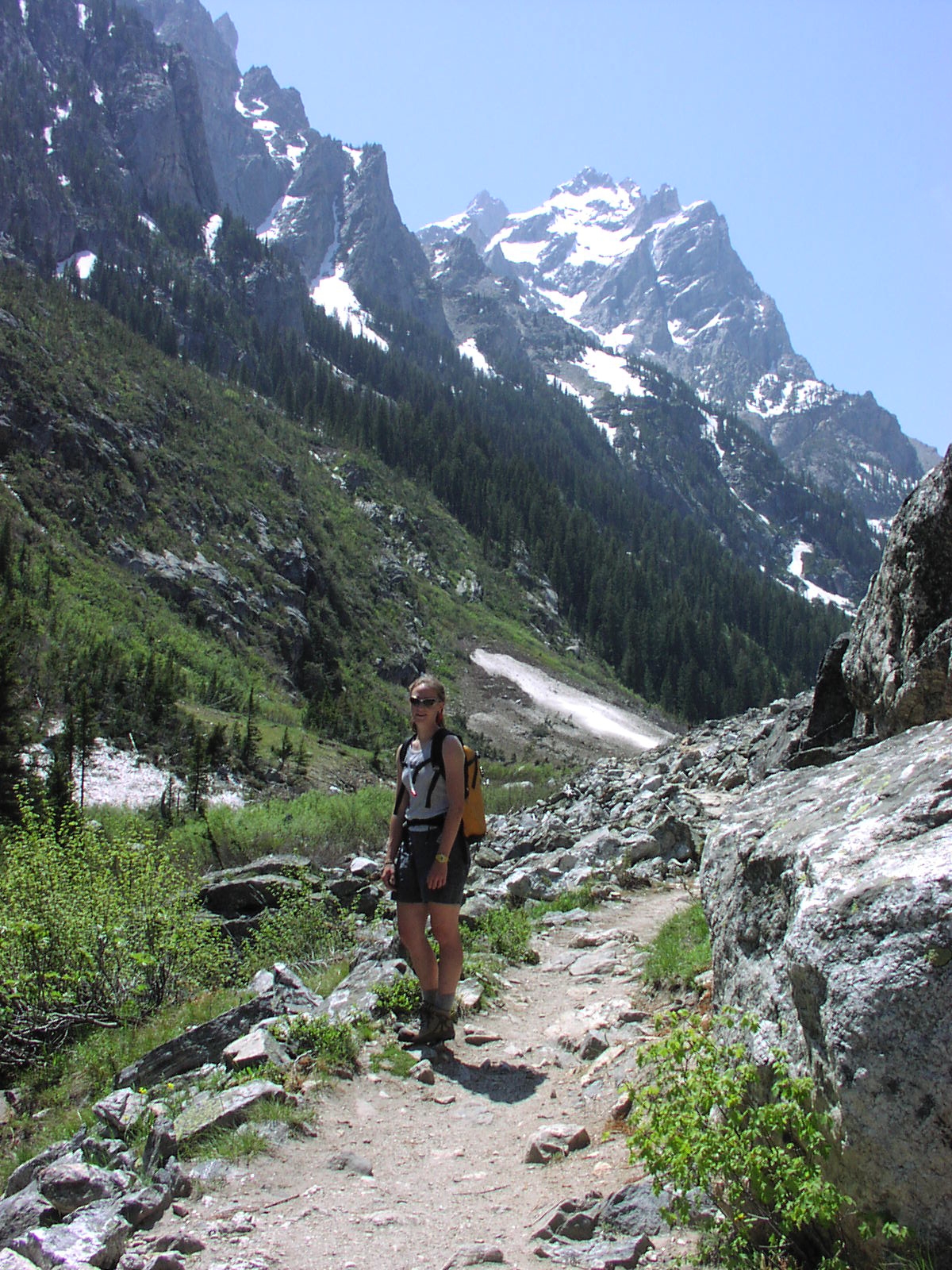
The best hikes in Grand Teton National Park include Taggart Lake, String Lake Loop, Hidden Falls and Inspiration Point, Cascade Canyon, Lake Solitude, Delta Lake, Amphitheater Lake and the Paintbrush Canyon–Cascade Canyon Loop. For a first visit, Cascade Canyon is the classic choice. For a short hike, pick Taggart Lake or String Lake.
Here’s every trail in this guide at a glance. Distances are approximate round trips.
| Hike | Distance | Elevation Gain | Difficulty | Best For |
|---|---|---|---|---|
| Taggart Lake | 3 mi (about 4.25 mi on the 2026 route) | 350–500 ft | Easy–Moderate | First-time visitors |
| String Lake Loop | 3.7 mi | 540 ft | Easy | Families, relaxed hiking |
| Leigh Lake | 2–7 mi (your choice) | Minimal | Easy | Quiet lake views |
| Hidden Falls | 1.2 mi with boat, about 5 mi without | 150–400 ft | Easy–Moderate | Short waterfall hike |
| Inspiration Point | 2 mi with boat, about 6 mi without | About 420 ft+ | Moderate | Jenny Lake views |
| Jenny Lake Loop | 7.1 mi | About 1,040 ft | Moderate | Lakeside scenery |
| Cascade Canyon | About 9 mi with boat | About 1,100 ft | Moderate | The classic Teton hike |
| Taggart + Bradley Lakes | 5.6–5.9 mi (longer in 2026) | About 860 ft | Moderate | Two lakes in one hike |
| Lake Solitude | About 14.4 mi with boat | About 2,300 ft | Strenuous | Alpine scenery |
| Delta Lake | About 7.5–8 mi | About 2,300 ft | Strenuous | Turquoise alpine lake |
| Surprise & Amphitheater Lakes | About 10 mi | About 3,000 ft | Strenuous | Sustained climbing |
| Garnet Canyon | About 8–9 mi | About 2,500 ft | Strenuous | Heart of the range |
| Paintbrush–Cascade Loop | About 19 mi | 4,000+ ft | Very Strenuous | Experienced hikers |
| Holly Lake | About 12.4 mi | About 2,500 ft | Strenuous | Paintbrush Canyon without the full loop |
| Phelps Lake | 3–7 mi | Varies | Easy–Moderate | Quiet forest and lake |
If this is your first trip and you only have time for one big hike, go with Cascade Canyon. Want something shorter? Taggart Lake. Hiking with kids or just want an easy morning? String Lake. And if you’re fit, experienced and want a serious mountain day, the Paintbrush Canyon–Cascade Canyon Loop is in another league entirely.
In This Guide
- Easy hikes
- Best Jenny Lake hikes
- Moderate hikes
- Strenuous hikes
- Hardest day hikes
- More hikes worth knowing (north end and quieter trails)
- Best hikes by type
- Best time to hike
- Parking, shuttles and dogs
- Hiking safety
- How many hiking days you need
- FAQs
Easy Hikes in Grand Teton National Park
Don’t write off the easy hikes here. This isn’t one of those parks where you have to climb 3,000 feet before the scenery gets interesting. Some of the best views in the park are surprisingly close to the car.
1. Taggart Lake Trail
Distance: 3 miles round trip normally, about 4.25 miles on the 2026 southern route
Elevation gain: About 350–500 feet
Difficulty: Easy to moderate
Time: 2–3 hours
Trailhead: Taggart Lake Trailhead, Teton Park Road, about 3.5 miles northwest of Moose Junction
Best for: First-time visitors, families and mountain reflections
Taggart Lake is one of those hikes that makes you wonder if you’ve done enough work to deserve the view. You leave the trailhead, cross open sagebrush, climb an aspen-covered glacial moraine and drop down to a lake sitting right under the Grand Teton at the mouth of Avalanche Canyon. On a calm morning, the peaks reflect in the water. That’s the moment most people come for.
What’s different in 2026: the northern section of the trail, between the first junction and the Bradley Lake trail, is closed for reconstruction through November 15, 2026. The trailhead and parking lot stay open. To reach the lake, you’ll follow the southern Beaver Creek route, which is longer and a little steeper, at about 4.25 miles round trip. The work will eventually bring a bigger paved lot, restrooms, a water bottle filling station and better accessibility, so short-term pain, long-term gain. The Cottonwood Creek Picnic Area next door is also closed for construction.
Is Taggart Lake worth it? Absolutely. If someone asked me for a short hike that still feels unmistakably like Grand Teton, this would be near the top of the list. It’s also open year-round, and in winter you can reach it on snowshoes or cross-country skis.
2. String Lake Loop
Distance: 3.7 miles
Elevation gain: About 540 feet
Difficulty: Easy
Time: 2–3 hours
Trailhead: String Lake Trailhead, north of Jenny Lake
Best for: Families, casual hikers and a slow morning
String Lake feels different from the park’s big dramatic trails. It’s quieter and more intimate. Instead of chasing one giant viewpoint, you’re walking beside clear, shallow water under the peaks of Mount Moran and Rockchuck Peak. The eastern side is flat and easy. The western side climbs a bit more and gives you views back over the lake.
It’s a great family pick because you can hike, have a picnic and splash around afterward. String Lake is shallow, so it warms up more than most lakes in the park by mid-summer, which makes it a favorite for paddling and wading. It’s also the jumping-off point for much harder trips, including Paintbrush Canyon. So don’t be surprised if the person with a tiny daypack turns around at the lake while someone with a full backpack disappears into the mountains.
Parking tip: an easy trail doesn’t mean easy parking. String Lake fills up on summer days. Get there before 9 a.m.
3. Leigh Lake Trail
Distance: About 2 miles round trip to the lakeshore, or 7.4 miles round trip to Bearpaw Lake
Elevation gain: Minimal
Difficulty: Easy
Trailhead: Leigh Lake Trailhead, at the north end of the String Lake area
Best for: Quiet lake views, families and groups who want flexibility
If String Lake feels busy, keep walking north. There’s no road to Leigh Lake. You get there on foot or by paddling, and that simple fact changes the whole mood. The further you go along the shore, the more of the crowd you leave behind, with Mount Moran looming over the water the entire time.
This is also the trail to pick when you’re not sure how far your group wants to walk. Go for an hour. Stay longer. Turn around when everyone’s had enough. Stronger walkers can carry on to Bearpaw Lake. Not every hike needs a summit. Sometimes walking beside a lake with the Tetons over your shoulder is plenty.
Best Jenny Lake Hikes
Jenny Lake is the place nearly everyone wants to see, and it earns it. The lake sits right against the mountains, and several of the park’s most famous hikes start here. But popularity has a price. Parking gets tight, trails get busy and the boat shuttle builds a line. The National Park Service suggests arriving before 9 a.m. or after 3 p.m. in busy season. For a long hike, earlier is better. For boat tips, parking and everything else to do there, see our full Jenny Lake guide.
How the Jenny Lake boat shuttle works: a concession-run boat crosses from the East Shore Boat Dock near the visitor center to the West Boat Dock at the base of Cascade Canyon. It saves you about 2 miles of walking each way. It’s seasonal, usually running from late spring into early fall, and there’s a fee. You can ride one way and hike back, which is a popular choice. Check this season’s dates and last-boat times before you rely on it. Missing the last boat means a long walk back.
4. Hidden Falls
Distance: About 1.2 miles round trip from the West Boat Dock, or about 5 miles round trip walking around the lake
Difficulty: Easy to moderate
Trailhead: Jenny Lake Visitor Center / East Shore Boat Dock
Best for: Families, short hikes and first-time visitors
Hidden Falls is the easiest way to turn a Jenny Lake visit into a real hike. The waterfall tumbles about 100 feet through the forest near the mouth of Cascade Canyon. You’ve got two options: walk around the south side of the lake, or take the boat and shave off most of the distance. The boat works well for families and anyone short on time. If you like to hike, walking in gives the outing more substance. Either way, Hidden Falls pairs naturally with the next stop.
5. Inspiration Point
Distance: About 2 miles round trip from the West Boat Dock, or about 6 miles walking the whole way
Elevation gain: About 420 feet from the boat dock
Difficulty: Moderate
Best for: Big Jenny Lake views
Don’t turn around at Hidden Falls unless you have to. Keep climbing toward Inspiration Point. The trail gets steeper and rockier, with some narrow ledges, and then the view opens up. Jenny Lake stretches out below you with Jackson Hole beyond it. It’s one of those places where people naturally stop talking for a minute. Not because they’re tired, although they might be. The view just takes over.
Hidden Falls and Inspiration Point together make an excellent half day. And if you still feel strong at the top, don’t head straight back. Keep going. You’re about to walk into Cascade Canyon.
6. Jenny Lake Loop
Distance: About 7.1 miles
Elevation gain: About 1,040 feet total climbing
Difficulty: Moderate
Time: Around 4 hours
Best for: Lake views and a steady half-day hike
The full loop around Jenny Lake gets overshadowed by Hidden Falls and Cascade Canyon, and that’s a shame. Walking all the way around gives you constantly changing angles on the mountains. Sometimes you’re right at the water’s edge. Other times the trail rises through forest and over glacial moraine. It suits people who enjoy the act of hiking rather than racing to one famous viewpoint, and it’s the obvious choice when the boat isn’t running or the line is long. You can also add the Hidden Falls and Inspiration Point spur along the way.
Moderate Hikes in Grand Teton National Park
This is where Grand Teton gets really interesting. The trails get longer, the mountains start closing in around you, and you’re no longer just looking at the Teton Range. You’re walking into it.
7. Cascade Canyon
Distance: About 9 miles round trip to the Forks with the boat shuttle, about 13 miles without
Elevation gain: About 1,100 feet
Difficulty: Moderate
Time: 5–7 hours
Trailhead: Jenny Lake
Best for: First-timers who want the classic Grand Teton hike
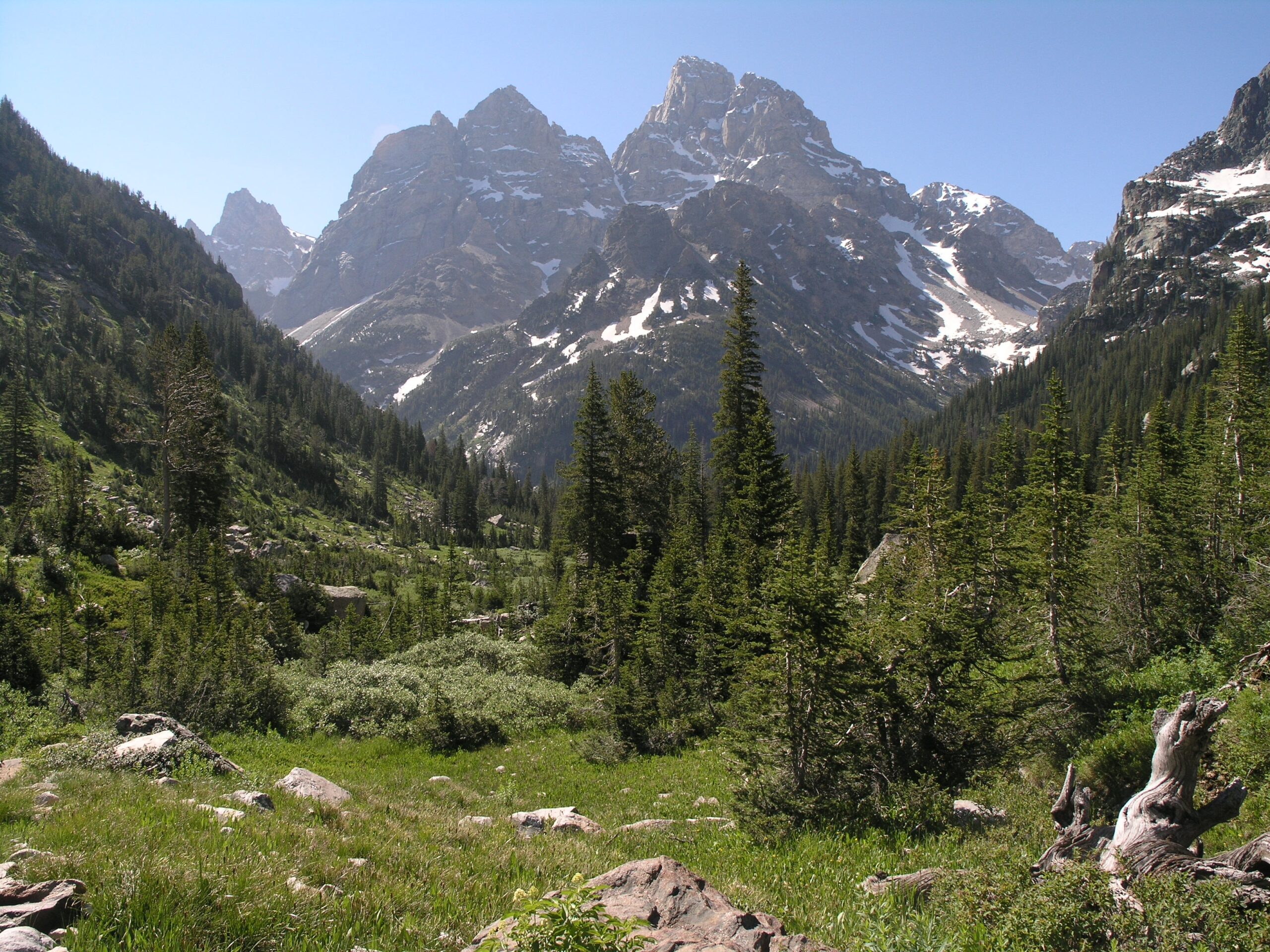
If you can handle a moderate full day, put Cascade Canyon near the top of your list. Start at Jenny Lake, take the boat if you want to cut the mileage, pass Hidden Falls and climb to Inspiration Point. Then something changes. The trail slips into the canyon and the busy feel of Jenny Lake fades behind you. Granite walls shoot up on both sides, Teewinot, Mount Owen and the Grand Teton tower to the south, and Cascade Creek runs alongside you. Moose are often seen browsing in the willows here, and it’s not unusual to spot a black bear on the slopes.
Here’s why Cascade Canyon works so well: you don’t need a summit or even a fixed turnaround point. Once you’re past Inspiration Point, the trail is fairly gentle. Walk until you feel surrounded by the Tetons, eat lunch somewhere with a view and head back. The Forks, where the canyon splits north and south, is a natural end point about 4.5 miles from the West Boat Dock. For stronger hikers, it’s also the way to Lake Solitude.
8. Taggart Lake and Bradley Lake
Distance: 5.6–5.9 miles as a normal loop, longer on the 2026 route
Elevation gain: About 860 feet
Difficulty: Moderate
Time: About 3–4 hours
Best for: Two lakes in one half-day hike
Taggart Lake gets the attention. Bradley Lake makes the hike feel complete. Normally the two link into a loop through forest and over glacial moraines, with the trail climbing and dropping a few times between lakes. Bradley sits at the mouth of Garnet Canyon and tends to be quieter than Taggart. It’s a great way to get more hiking in without committing to a tough alpine trail.
In 2026, the closed northern section changes the usual loop, but the park says both lakes are still reachable on alternate marked trails. Check the current map at the trailhead and don’t blindly follow an old GPX file or blog route.
Strenuous Hikes in Grand Teton National Park
Now the mountains start asking more of you. Longer miles, bigger climbs, higher altitude, snow that hangs on well into summer and weather that can turn fast. These aren’t just longer versions of the easy trails. Treat them differently: start early, pack more, and know when to turn around.
9. Lake Solitude
Distance: About 14.4 miles round trip with the boat shuttle, about 18–19 miles without
Elevation gain: About 2,300 feet
Difficulty: Strenuous
Time: 7–10 hours
Route: Jenny Lake → Cascade Canyon → North Fork Cascade Canyon
Best for: Strong hikers who want a big mountain day
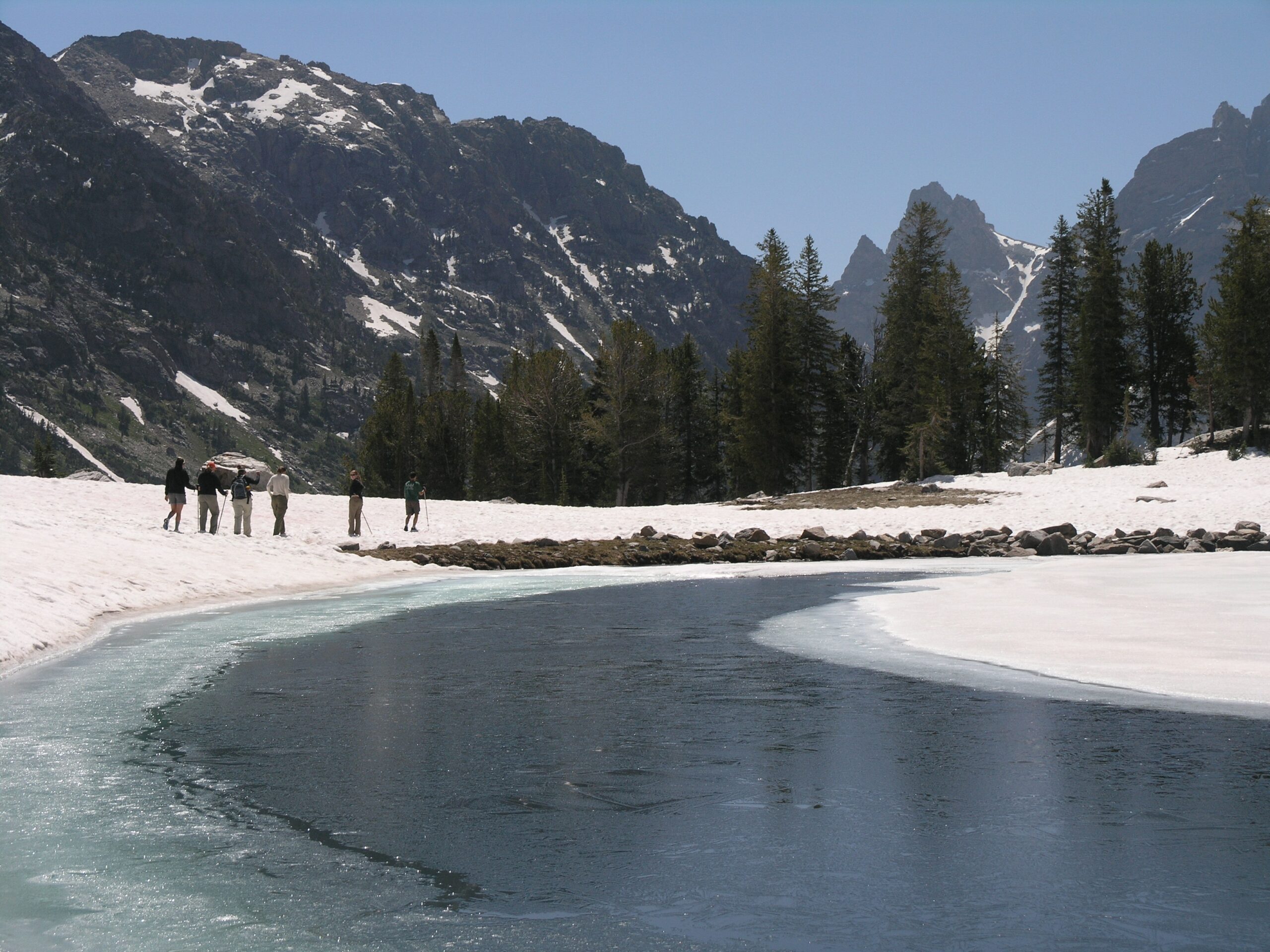
Lake Solitude is where Cascade Canyon stops being a great hike and becomes a full day out. You follow the canyon to the Forks, turn right up the North Fork and climb the last 2.5 miles through wildflower meadows to the lake. When you arrive, the name makes sense. Rock walls wrap around a cold alpine basin sitting at roughly 9,000 feet, far above the easy lakeside walks below. Look back down the canyon and you get one of the best views of the Grand Teton’s back side.
The boat shortens the day, but it doesn’t make Lake Solitude easy. Start early, bring plenty of food and water, and check snow conditions. The lake can stay partly frozen into July, and the route beyond it toward Paintbrush Divide can hold dangerous snow well into summer.
10. Delta Lake
Distance: About 7.5–8 miles round trip
Elevation gain: About 2,300 feet
Difficulty: Strenuous
Trailhead: Lupine Meadows
Best for: Experienced hikers comfortable on rough terrain
Delta Lake has become one of the most recognizable hikes in the park. The water glows an almost unreal turquoise, colored by glacial silt, directly under the east face of the Grand Teton. It’s gone viral on social media, and park data shows visits have jumped about 440% since 2016, with a few hundred people a day heading up in summer.
Here’s what the photos don’t show: Delta Lake has no official, maintained trail. You follow the Amphitheater Lake Trail from Lupine Meadows, then break off onto a steep, unofficial route with boulder fields and some route-finding. Years of heavy use left a mess of braided social trails, erosion and a rise in rescues. In summer 2026, trail crews from Access Fund and the park started a multi-year project to pull that tangle into one clearer, more sustainable route, adding subtle markers and steps in the loosest sections. The first phase wrapped up in early August. The park has been clear, though, that it’s keeping the route rugged on purpose.
So yes, Delta Lake is spectacular. But don’t pick it because you saw a photo. Pick it because you’re comfortable scrambling over boulders at altitude, and turn around if the route stops making sense.
11. Surprise and Amphitheater Lakes
Distance: About 10 miles round trip
Elevation gain: About 3,000 feet
Difficulty: Strenuous
Time: 6–8 hours
Trailhead: Lupine Meadows
Best for: Strong hikers who don’t mind a long climb
This one makes you earn it. The trail climbs steadily from Lupine Meadows through a long string of switchbacks, and with every turn the valley drops further away behind you. Then you reach Surprise Lake and, a short walk later, Amphitheater Lake, tucked into a rock bowl under Disappointment Peak and the Grand Teton. It feels nothing like Taggart or String Lake. You’re high enough now to really feel how big this range is.
Around 3,000 feet of gain makes this serious, especially if you’ve just arrived from somewhere near sea level. Start slow. The mountains aren’t going anywhere. This is also the same trail used to reach the Delta Lake turnoff, so you can compare the two and decide on the day.
12. Garnet Canyon
Distance: About 8–9 miles round trip to the end of the maintained trail
Elevation gain: About 2,500 feet
Difficulty: Strenuous
Trailhead: Lupine Meadows
Best for: Experienced hikers who want to feel the heart of the range
Garnet Canyon pulls you straight toward the core of the Teton Range. It’s the approach most climbers use for the Grand Teton, and you’ll likely share the trail with people carrying ropes and helmets. For day hikers, even walking part of the way in delivers a real mountain experience, with the Middle Teton filling the view ahead. Past the end of the maintained trail, the terrain turns into boulder fields and steep, often snowy ground. Don’t mistake popularity for simplicity. Check with a ranger before going high into the canyon.
Hardest and Most Rewarding Grand Teton Day Hikes
These aren’t trails to choose just because you have a free day. They’re for hikers who already know they can handle long miles, sustained climbing and high mountain conditions.
13. Paintbrush Canyon–Cascade Canyon Loop
Distance: About 19 miles
Elevation gain: More than 4,000 feet
Difficulty: Very strenuous
Time: 11–14 hours as a day hike
Trailhead: String Lake
Best for: Experienced hikers after a signature Grand Teton adventure
If Grand Teton has a signature big day, this is a strong contender. The loop links Paintbrush Canyon and Cascade Canyon over Paintbrush Divide, a pass at about 10,700 feet. You get alpine lakes, deep canyons, huge views, a high pass and Lake Solitude on the way down. Most people go clockwise, climbing Paintbrush first and descending Cascade. It’s also a very long day.
The Park Service rates it very strenuous. Paintbrush Divide can hold steep snow well into summer, and depending on conditions you may need an ice axe and the skills to use it. This isn’t the place to find out that 12 miles is your normal limit. Many people split it into an overnight backpacking trip instead, which needs a backcountry permit. Either way, check conditions first.
14. Holly Lake
Distance: About 12.4 miles round trip
Elevation gain: About 2,500 feet
Difficulty: Strenuous
Trailhead: String Lake, via Paintbrush Canyon
Best for: Alpine lake scenery without the full loop
Want Paintbrush Canyon without committing to 19 miles? Holly Lake is a great reason to turn around early. The trail climbs through the canyon, past wildflower slopes in midsummer, to a small alpine lake ringed by rock. It’s still demanding, but you skip the divide and the long descent through Cascade Canyon. That makes it a realistic big day for strong hikers who don’t want ultra-long mileage.
A Quieter Classic in the South End
15. Phelps Lake
Distance: About 3 miles round trip on the shortest preserve route, or about 6.6–7 miles for the full lake loop
Difficulty: Easy to moderate
Trailhead: Laurance S. Rockefeller Preserve
Best for: Forest walking, a swim spot and a quieter side of the park
Phelps Lake sits at the southern end of the Teton Range, and it feels different from Jenny Lake. It’s less about ticking off a famous viewpoint and more about slowing down. Trails from the Laurance S. Rockefeller Preserve wind through aspen, pine and creekside forest to the shore, where parking is limited on purpose to keep the area peaceful. On the lake’s north shore is a well-known jumping rock where brave (and cold-tolerant) swimmers leap into the water. If you do it, it’s entirely at your own risk: the water is cold and deep.
Important for 2026: the old approach from Death Canyon Trailhead isn’t available because that trailhead is closed through the season. From September 8 through November 15, Moose-Wilson Road is also closed between Moose and the preserve, so you’ll need to drive in from the south through the Granite Canyon Entrance near Teton Village. The preserve center itself closed for the season on September 20, but the trails remain accessible.
More Grand Teton Hikes Worth Knowing
Most visitors stick to the Jenny Lake area and the southern trailheads. That’s a mistake if you’re here more than a day or two, or if construction and crowds are wearing you down. The northern end of the park, around Colter Bay and Jackson Lake, has easy, quiet trails with some of the best wildlife watching in the park.
- Heron Pond and Swan Lake Loop (about 3 miles, easy): a flat walk from Colter Bay past two ponds where you might see moose, beavers, trumpeter swans and pelicans, with Mount Moran reflected in the water. A perfect swap if Taggart feels too busy.
- Colter Bay Lakeshore Trail (about 2 miles, easy): a short loop along Jackson Lake with wide-open views of the range. The NPS itself suggests it as an alternative while Taggart is under construction. Great at sunset.
- Hermitage Point (about 9.7 miles, moderate): a longer, quiet loop out to a peninsula on Jackson Lake through meadows, forest and ponds. Lots of mileage, not much climbing.
- Two Ocean Lake (about 6.4-mile loop, moderate): a peaceful lake in the park’s northeast corner with few people, good birdlife and brilliant aspens in late September. Bear activity is common here, so stay alert.
- Grand View Point (about 2 miles round trip, moderate): a short climb to a viewpoint over Two Ocean Lake, Emma Matilda Lake and the whole Teton Range. Big payoff for a short effort.
- Signal Mountain Summit Trail (about 7 miles round trip, moderate): climbs from near Signal Mountain Lodge to a summit with 360-degree views of Jackson Hole. You can also drive to the top when the summit road is open.
For backpackers: the Teton Crest Trail is the park’s famous multi-day route, roughly 40 miles through the high country along the spine of the range. It needs a backcountry permit, careful planning and snow-free conditions, usually from late July. It deserves its own guide, but it’s worth knowing it exists if you fall in love with Cascade and Paintbrush canyons.
Best Grand Teton Hikes by Type
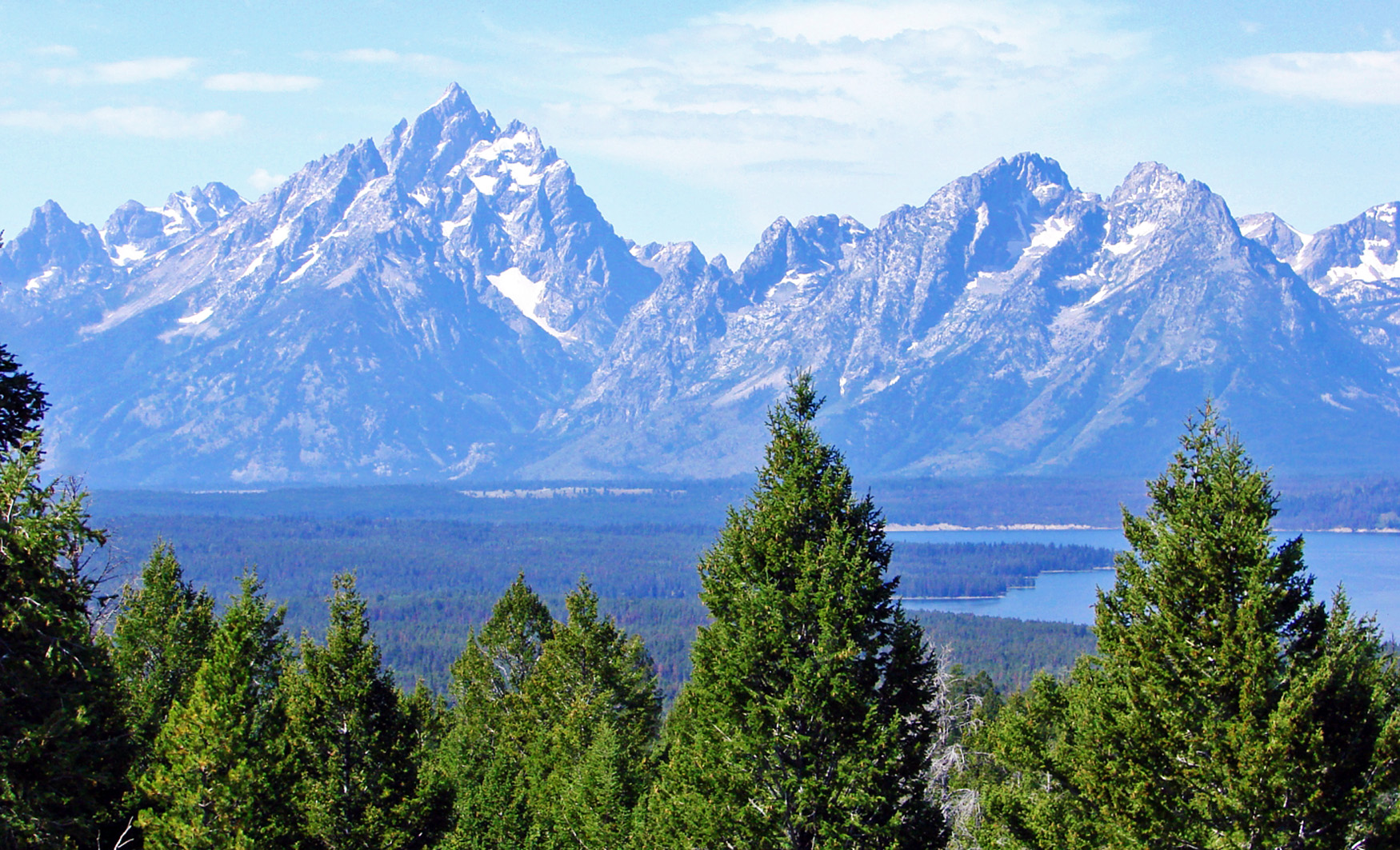
Still not sure? Think about the experience you want rather than the trail name.
| What You Want | Hike to Consider |
|---|---|
| Best easy hike | String Lake |
| Best short mountain-and-lake hike | Taggart Lake |
| Best family hike | String Lake, Taggart Lake, Heron Pond |
| Best waterfall hike | Hidden Falls |
| Best viewpoint | Inspiration Point, Grand View Point |
| Best first big hike | Cascade Canyon |
| Best lakeside hike | Jenny Lake Loop |
| Best alpine lake adventure | Delta Lake |
| Best strenuous lake hike | Amphitheater Lake |
| Best long hike | Lake Solitude |
| Best expert-level day | Paintbrush–Cascade Loop |
| Best two-lake outing | Taggart + Bradley Lakes |
| Best for wildlife | Cascade Canyon, Heron Pond and Swan Lake, Two Ocean Lake |
| Best for wildflowers (July) | Cascade Canyon, Paintbrush Canyon, Amphitheater Lake |
| Best for fall aspens | Taggart Lake, Two Ocean Lake, Phelps Lake |
| Best for a swim | String Lake, Phelps Lake |
| Best for escaping crowds | Leigh Lake, Hermitage Point, Two Ocean Lake |
| Best sunset hike | Colter Bay Lakeshore Trail |
Best Hikes in Grand Teton for Beginners
If you’re new to hiking, don’t pick a trail because of the most dramatic photo. Start with Taggart Lake, which is short but still delivers the classic mountain scenery. Try String Lake for easy terrain and the freedom to turn around whenever you like. Or take the boat across Jenny Lake to Hidden Falls. All three give you the real Grand Teton experience without a ten-hour mountain day.
Best Hikes in Grand Teton With Kids
With kids, plan for flexibility. Children don’t care that your itinerary says seven miles. String Lake works especially well because you can mix hiking, a picnic and time in the water. Taggart Lake is great for kids who already handle a few miles. Hidden Falls with the boat shuttle is a winner too, because the boat ride is half the fun. And if the kids are done after the waterfall? That’s fine. A good family hike doesn’t need to be an endurance test. For more family ideas, see our full guide to Grand Teton National Park with kids.
Best Hikes Near Jenny Lake
If you’re staying near Jenny Lake or only have one day in this part of the park, you’ve got a hike for every energy level: Hidden Falls (short), Inspiration Point (short to moderate), Jenny Lake Loop (moderate), Cascade Canyon (moderate to strenuous) and Lake Solitude (strenuous). That’s why Jenny Lake deserves a spot in any Grand Teton itinerary. One trailhead serves completely different hikers.
When Is the Best Time to Hike in Grand Teton National Park?
July through September offers the widest trail access in Grand Teton. Valley trails are often snow-free by mid-June, but high passes like Paintbrush Divide can hold snow into late July. August is best for high-elevation hikes, and September brings cooler weather, fall color and fewer crowds.
June is excellent for lower hikes like String Lake, Taggart Lake and the Colter Bay trails. July brings peak wildflowers in the canyons and the widest choice overall. September is wonderful for hiking, with golden aspens and elk bugling in the valley, although mornings turn cold and early snow is possible. For temperatures and snowmelt timing, see Grand Teton weather by month. For the full month-by-month picture, including weather averages and road closures, see our guide to the best time to visit Grand Teton National Park.
What Time Should You Start Hiking?
Earlier than you think. In summer, the lots at Jenny Lake, String Lake, Lupine Meadows and Taggart Lake can fill early. Aim to arrive before 9 a.m. for Jenny and String lakes, and even earlier for big all-day hikes. You’ll get easier parking, cooler temperatures and less exposure to afternoon thunderstorms on high trails.
There’s another benefit that doesn’t show up on a map. Mornings in Grand Teton are just better. The light is softer, the trails are quieter, wildlife is often more active, and starting up the trail while everyone else is still looking for coffee isn’t a bad feeling at all.
Parking, Shuttles, Dogs and Accessibility
Getting to trailheads: Grand Teton doesn’t have a park-wide shuttle system like some big parks, so most hikers drive. That’s why early starts matter so much. The paved multi-use pathway between Jackson, Moose and Jenny Lake is a handy option if you have a bike. Some private companies in Jackson run tours and drop-offs, which can help if you don’t have a car.
Can you bring your dog? Not on the trails. Pets are allowed where cars can go, like roads, parking lots, campgrounds and within 30 feet of roads, on a leash no longer than six feet. They aren’t allowed on hiking trails, the multi-use pathway or in visitor centers. If you’re traveling with a dog, plan for a sitter or kennel in Jackson on hiking days.
Accessibility: the Jenny Lake area has paved paths near the visitor center and lakeshore viewpoints, and the Colter Bay area has relatively flat, easy trails. The rebuilt Taggart Lake Trail is being designed with better access for visitors with mobility needs once work finishes. Check the NPS accessibility information for current details.
Grand Teton Hiking Safety
Grand Teton isn’t a theme park with mountains in the background. It’s real mountain country, and it helps to treat it that way.
- Carry bear spray where you can reach it. Black bears and grizzlies both live here. Keep the can on your hip or chest strap, not buried under your rain jacket. Make noise where visibility is limited, and hike in groups of three or more when you can. You can’t fly with bear spray, so buy or rent it in Jackson.
- Give wildlife space. Park rules require staying at least 100 yards from bears and wolves and 25 yards from other wildlife, including moose, which can be more dangerous than people expect.
- Watch the sky. A clear morning doesn’t promise a clear afternoon. Thunderstorms build fast in summer, and exposed high trails are the wrong place to be when they hit.
- Respect the altitude. Trailheads start around 6,700 feet and climb from there. Coming from sea level, a 10-mile hike here can feel much harder than at home. Drink water, slow down and give yourself a day to adjust before the big ones.
- Expect late snow. A warm July day at Jenny Lake doesn’t mean the passes are clear. If a route needs snow travel and you don’t have the skills or gear, pick another hike. There are hundreds of miles of trail here. Missing one won’t ruin your trip.
- Treat stream water and download your map. Filter or treat any water you take from lakes and creeks, and don’t count on cell service beyond the main developed areas.
Do You Need a Permit to Hike in Grand Teton?
Not for day hiking. You just pay the normal park entrance fee or use an annual pass. If you’re camping overnight in the backcountry, including on the Teton Crest Trail or an overnight Paintbrush–Cascade loop, you need a backcountry permit. Some areas have extra rules, so check current NPS requirements before your trip.
What to Bring on a Grand Teton Hike
Keep it simple, but don’t skip the basics. For a normal day hike, bring plenty of water and a filter, food and snacks, bear spray, a rain jacket, a warm layer, sun protection, sturdy shoes, an offline trail map, a small first-aid kit and a headlamp for long days. For strenuous or high-elevation routes, step it up accordingly, and add trekking poles for the steep descents. A phone battery and one granola bar aren’t a mountain safety plan.
How Many Hiking Days Do You Need in Grand Teton?
Two to three hiking days is the sweet spot for most visitors. With one day, choose one great hike. With two, pair something substantial with something short. With three, add a harder hike or explore a different corner of the park. To fit these hikes around sightseeing, wildlife and Jackson Lake, see our full Grand Teton National Park itinerary.
| Time | Suggested Hikes |
|---|---|
| 1 day | Cascade Canyon, or Taggart Lake plus Hidden Falls and Inspiration Point |
| 2 days | Day 1: Cascade Canyon. Day 2: Taggart Lake and String Lake |
| 3 days | Add Lake Solitude, Delta Lake or Amphitheater Lake, depending on your fitness |
| 4+ days | Add the north end: Heron Pond, Two Ocean Lake and Grand View Point |
Where to Stay for Hiking
If hiking is the priority, staying inside the park saves a lot of early-morning driving. The Jenny Lake area puts you close to the most popular trailheads, Signal Mountain and Jackson Lake Lodge sit in the middle of the park, and Colter Bay is ideal for the northern trails. Jackson and Teton Village have far more choice and are within a short drive of the southern trailheads. Book early for July and August, since in-park lodging and campgrounds fill fast.
Gear Worth Having
You don’t need to buy a whole new kit, but a few things make a real difference here: a can of bear spray with a holster, a good daypack with a rain cover, a lightweight water filter, supportive trail shoes or boots, and trekking poles for steep descents like Amphitheater Lake. If you’re flying in, renting bear spray and poles in Jackson is usually the easiest option.
Grand Teton Hiking Mistakes to Avoid
- Starting too late. You’ll fight for parking and could end up high on the mountain when afternoon storms roll in.
- Choosing a trail from Instagram. A pretty photo tells you nothing about elevation gain, route-finding or snow. Read the details.
- Ignoring the 2026 closures. Older articles and downloaded routes still show Death Canyon Trailhead and the old Taggart route as normal.
- Leaving bear spray in the car. Not much use when the bear is on the trail.
- Assuming July means snow-free. High passes hold snow much longer than valley trails.
- Trying to do too much. You don’t need 20 miles to experience Grand Teton. Taggart Lake can be more memorable than a huge hike you’re too tired to enjoy.
Related Guides
Keep planning with these related guides:
- Best Things to Do in Grand Teton National Park
- Yellowstone and Grand Teton Road Trip
- Grand Teton Fall Colors
- Taggart Lake Trail
Frequently Asked Questions About Hiking in Grand Teton
What is the best hike in Grand Teton National Park?
There’s no single best hike for everyone, but Cascade Canyon is one of the strongest choices for first-time visitors. It combines Jenny Lake, Hidden Falls, Inspiration Point, wildlife and a walk deep into the Teton Range, and you can turn around wherever you like.
What is the best easy hike in Grand Teton National Park?
String Lake Loop and Taggart Lake are two of the best. String Lake is especially good for families, while Taggart Lake gives you classic views of the Grand Teton. In the north end, Heron Pond and Swan Lake is another easy favorite.
What is the best short hike in Grand Teton?
Taggart Lake is one of the best short hikes for scenery. Hidden Falls is another great option, especially with the Jenny Lake boat shuttle. For a big view in little time, try Grand View Point.
What is the hardest hike in Grand Teton National Park?
Among popular day hikes, the roughly 19-mile Paintbrush Canyon–Cascade Canyon Loop is one of the hardest because of its distance, 4,000+ feet of climbing and the high crossing at Paintbrush Divide. Beyond that, the park has technical mountaineering routes that are in a different category entirely.
Is Delta Lake hard to hike?
Yes. It’s about 7.5–8 miles round trip with around 2,300 feet of gain, and the last section follows an unofficial route with steep ground and boulder fields. 2026 trail work made the route clearer, but it’s still best for experienced hikers.
Is Taggart Lake open in 2026?
Yes. The trailhead and parking lot are open, but the northern section of the trail is closed for reconstruction through November 15, 2026. Hikers reach the lake on the longer southern Beaver Creek route, about 4.25 miles round trip.
Can beginners hike in Grand Teton National Park?
Definitely. The park has everything from flat lakeside walks to serious mountain routes. Beginners can start with String Lake, Taggart Lake, Hidden Falls or the Colter Bay trails.
Is Cascade Canyon worth hiking?
Yes. It’s one of the park’s classic hikes because it takes you from Jenny Lake into the heart of the range, and the trail is fairly gentle once you pass Inspiration Point. You can choose your own turnaround.
Do I need bear spray while hiking in Grand Teton?
Yes, it’s strongly recommended. Black bears and grizzlies both live in the park. Keep bear spray within reach and know how to use it. Since you can’t fly with it, pick it up in Jackson.
Are dogs allowed on Grand Teton trails?
No. Dogs are allowed on roads, in parking areas and campgrounds, and within 30 feet of roads on a six-foot leash, but not on hiking trails or the multi-use pathway.
When is the best month for hiking in Grand Teton?
July through September generally gives the widest trail access. August is best for high trails, since snow can linger into July. September brings cooler temperatures and fall color, with a chance of early snow.
Can I hike Grand Teton without a car?
It’s possible but harder. There’s no park-wide shuttle, so most hikers drive. A bike on the multi-use pathway can get you from Jackson to Jenny Lake, and private tour companies offer drop-offs. Plan trailhead transportation before you arrive.
Are Grand Teton trails crowded?
Jenny Lake, String Lake, Lupine Meadows and Taggart Lake get very busy in summer. Starting early helps a lot, and the northern trails around Colter Bay and Two Ocean Lake are far quieter.
Which Grand Teton Hike Should You Choose?
If this is your first visit and you want one big hike, choose Cascade Canyon. If you want something shorter, start with Taggart Lake. Hiking with kids? Go for String Lake or Hidden Falls. Want a tough alpine-lake day? Look at Delta Lake or Amphitheater Lake. And if you’re an experienced hiker chasing a serious challenge, study the conditions for the Paintbrush Canyon–Cascade Canyon Loop.
Don’t pick the trail with the biggest number next to it. Pick the one that fits your experience, your time, the weather and current conditions. That’s the hike you’ll remember for the right reasons. And if you’re collecting national park trails, our guide to the best hikes in Shenandoah National Park is a good next read, or browse all of our travel guides.
1 thought on “15 Best Hikes in Grand Teton National Park (2026): Easy Lake Walks to Epic Alpine Days”