
You can spend a whole morning in Grand Teton staring at the mountains, then suddenly realize everyone around you is looking the other way.
There’s a moose in the willows. Or a herd of bison has drifted across the sagebrush. Maybe someone has spotted a bear far enough off that binoculars start passing from hand to hand. That’s what makes Grand Teton wildlife so special. You don’t visit one wildlife area, tick off the animals and leave. Wildlife is part of the whole park. Moose feed in the wetlands, bison and pronghorn cross the open flats, elk move between forest and meadow, eagles and ospreys patrol the rivers, and black and grizzly bears can show up near roads, trails and even buildings.
But watching wildlife here isn’t about getting as close as possible. It’s the opposite. The best encounters happen when the animal has enough room to keep doing whatever it was doing before you showed up. This guide covers the animals you might see, the best viewing spots, how things change through the seasons, the best times of day, how to tell a grizzly from a black bear, and how to watch without putting yourself or the animals at risk.
What Wildlife Can You See in Grand Teton National Park?
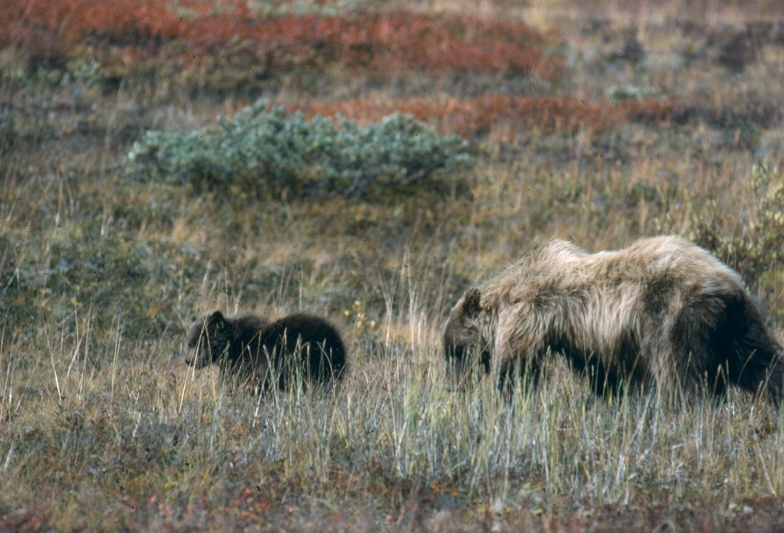
Grand Teton National Park is home to more than 60 species of mammals and over 300 species of birds. The animals visitors most often see are moose, elk, bison, pronghorn, mule deer, black bears, grizzly bears, coyotes, beavers, river otters, bald eagles and ospreys. Wolves and mountain lions live here too, but they’re rarely seen.
The park sits in the middle of the Greater Yellowstone Ecosystem, one of the largest nearly intact temperate ecosystems on Earth, which is why nearly all the large mammals that lived here before European settlement are still around. Some are fairly easy to spot. Others take patience. And a few may be nearby without you ever knowing. There are no guarantees, and that’s part of the thrill.
Grand Teton Wildlife at a Glance
| Animal | Where to Look | Best Time | How Likely |
|---|---|---|---|
| Moose | Willows, wetlands, river corridors | Dawn and dusk | Fairly common |
| Bison | Sagebrush flats, grasslands | Morning and evening | Common spring to fall |
| Elk | Meadows, forest edges | Dawn and dusk | Common |
| Pronghorn | Open sagebrush | Daytime | Common spring to fall |
| Grizzly bear | Meadows, forests, berry patches | Varies | Occasional |
| Black bear | Forest edges, wooded areas | Varies | Occasional |
| Wolf | Open country, distant valleys | Dawn and dusk | Rare |
| Mountain lion | Rocky, wooded terrain | Night | Very rare |
| Beaver | Ponds, rivers, wetlands | Early and late in the day | Occasional |
| River otter | Rivers, lakes, wetlands | Variable | Occasional |
| Bald eagle and osprey | Rivers and lakes | Daytime | Common |
| Marmot and pika | Rocky mountain slopes | Daytime in summer | Common on high trails |
Treat this as a starting point, not a timetable. The moose hasn’t read it.
In This Guide
- Best places to see wildlife
- Best time of day
- Wildlife by season and month
- Animal-by-animal guide
- Bears: grizzly vs black and what to do
- How close is too close?
- Wildlife photography tips
- FAQs
Best Places to See Wildlife in Grand Teton National Park
The best places to see wildlife in Grand Teton are Oxbow Bend, Mormon Row and Antelope Flats, Timbered Island, Willow Flats, Colter Bay, the Moose area and the Snake River corridor. Match the place to the animal: moose like willows and water, while bison and pronghorn prefer open sagebrush.
The most useful thing you can learn before you arrive is habitat. Instead of driving around asking where the animals are, ask what kind of place each animal needs. Once you start reading the landscape that way, wildlife watching gets a lot more interesting.
1. Oxbow Bend
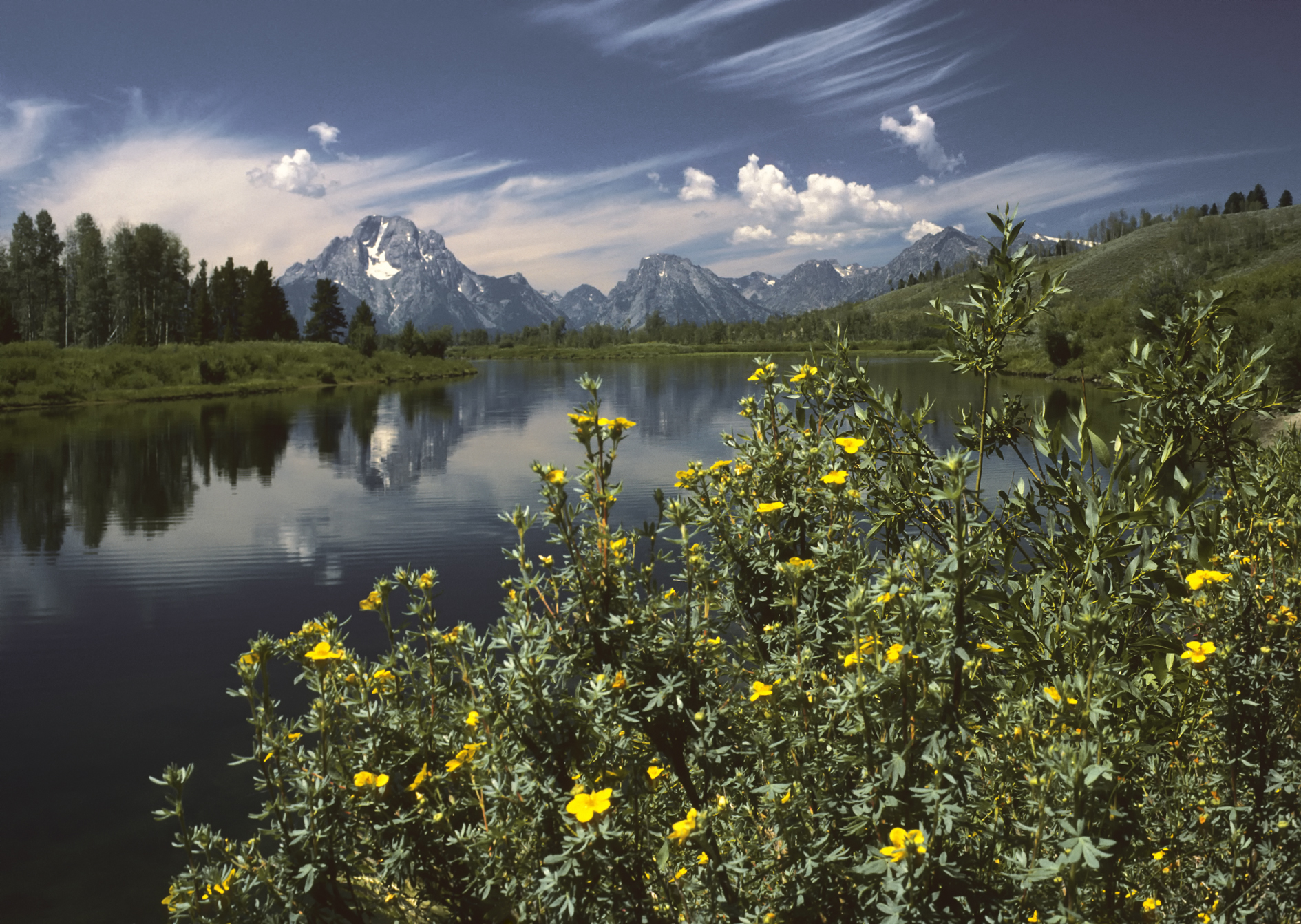
If you have several mornings in the park, give Oxbow Bend one of them. The slow water and surrounding wetlands support a long list of animals. The Park Service lists moose, beavers, muskrats, river otters, elk, ospreys, bald eagles, American white pelicans and common mergansers here. And then there’s the view. Mount Moran rises right behind the water, so even if the wildlife doesn’t cooperate, you haven’t exactly wasted your morning. Come early, bring binoculars and scan slowly. Don’t expect a big animal to walk up beside the road.
2. Mormon Row and Antelope Flats
Mormon Row is famous for its old barns and mountain views, but look beyond the barns. The open sagebrush around Mormon Row and Antelope Flats is prime habitat. Bison and pronghorn graze here in spring, summer and fall, and coyotes hunt across the flats. Look up now and then too: northern harriers and American kestrels hunt over the sagebrush. It’s one of those places where wildlife watching and sightseeing fit neatly into the same stop.
3. Timbered Island
Timbered Island is a forested ridge rising out of the sagebrush southeast of Jenny Lake. Small groups of pronghorn often graze nearby during the day, while elk tend to rest in the shady forest and come out at dawn and dusk to feed. That’s a useful lesson. Sometimes the animal isn’t gone. It’s just resting where you can’t see it. Come back when it cools off and the same spot can look completely different.
4. Willow Flats
The broad wetland below Jackson Lake Lodge is one of the park’s key wildlife areas. The willows feed moose, elk use the surrounding meadows, and predators including bears pass through. Willow Flats is also an important elk-calving area, so parts of it are closed seasonally to protect wildlife and visitors. Watch from the lodge terrace, the roads and legal overlooks. Don’t walk into a closed area because an animal is standing somewhere that would make a better photo. A closure isn’t an obstacle to work around. It’s part of protecting the animals you came to see.
5. Colter Bay and Jackson Lake
Colter Bay deserves more attention from wildlife watchers. The shoreline can turn up ospreys, mergansers and great blue herons, and the surrounding meadows and forest hold elk, deer, coyotes, owls, ground squirrels and bears. It’s easy to combine with a walk: scan the lake in the morning, then take the Lakeshore Trail or the Heron Pond and Swan Lake loop, where moose, beavers and trumpeter swans are regulars. Dawn and dusk are best here, since many animals get more active as it cools. It fits neatly into any Grand Teton National Park itinerary.
6. The Moose Area and Snake River
The name sets high expectations, and yes, moose live here. So do black and grizzly bears, elk and plenty of other animals, drawn by the Snake River and its willow bottoms. Wildlife regularly wanders into developed areas around Moose. A bear near buildings isn’t a tame bear, so give it the same space you would deep in the backcountry. Along the river, slow down and look for smaller animals too. A beaver is much easier to miss than a bison, and so is an otter. Watch the water’s surface, the willow edges and wherever birds are gathering. Sometimes the best sighting of the day isn’t the one you expected.
7. Moose-Wilson Corridor
The narrow Moose-Wilson Road winds through dense forest and wetland, and it’s well known for bears and moose, especially in late summer when berries ripen. It’s also a road where you can’t just pull over wherever you like. Visibility is limited, traffic backs up fast and animals need room to cross. Follow all signs and ranger instructions, and keep moving where stopping isn’t allowed. For fall 2026: the road is closed to cars and bikes between Moose and the Laurance S. Rockefeller Preserve from September 8 through November 15 for construction. Check current NPS road information before planning around it.
8. Elk Ranch Flats, Pacific Creek and the Northeast
Along the highway between Moran Junction and Moose, Elk Ranch Flats and the open country near Pacific Creek and Cunningham Cabin are good places to scan for elk, bison, pronghorn and occasionally wolves at a distance. Further north, the quiet trails around Two Ocean Lake pass through prime bear habitat, so hike there with extra awareness.
Best Time of Day to See Wildlife in Grand Teton
Dawn and dusk are the best times to see wildlife in Grand Teton National Park. Most large animals are most active when it’s cool, and on warm summer afternoons they rest in shade or thick vegetation.
Early starts also mean quieter roads and fewer people in popular spots. A simple rhythm works well: early morning at Oxbow Bend, Willow Flats, Moose or Antelope Flats; midday for lakes, birds, hiking or sightseeing; and evening back in the open meadows, wetlands or river corridors. You don’t need twelve hours of animal-hunting. Two patient hours at the right time beat an afternoon of driving around.
Grand Teton Wildlife by Season
Wildlife doesn’t disappear when the tourist season changes. Its behavior changes, and so does the landscape.
Spring (April to June)
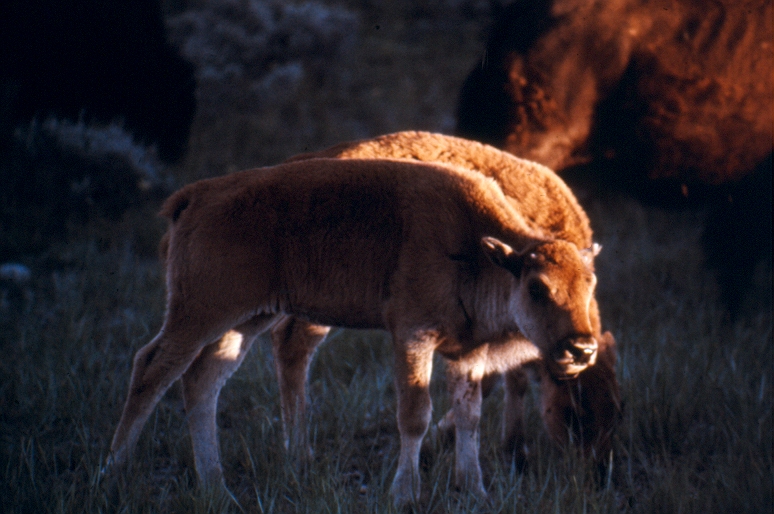
Spring feels like the park waking up. Bears come out of their dens, often hungry and searching lower slopes for food. Elk, mule deer and pronghorn migrate back into the valley. Pronghorn arrive via the famous Path of the Pronghorn, one of the longest land migrations in the lower 48, traveling well over 100 miles from Wyoming’s Upper Green River Basin. Late May and June is baby season, with elk calves, moose calves and bison calves appearing. It’s also a sensitive time. Mothers with young are especially defensive, and the parent may be close even when you can’t see it. If you spot a young animal alone, leave it alone.
Summer (July and August)
Summer brings long days, heat and crowds. Animals are most active early and late, then retreat to shade during the hottest hours. This is when that 5:30 a.m. alarm really pays off. Bison herds are easy to find on the flats, and August is the start of the bison rut, when bulls bellow, wallow and spar. Marmots and pikas are busy on high rocky trails. It’s also peak hiking season, so bear awareness matters most on the trail. For conditions month by month, see our guide to Grand Teton weather by month.
Fall (September and October)
Fall is many wildlife lovers’ favorite season. The elk rut peaks in September, and the bugling of bull elk echoes across the valley at dawn and dusk. Bull moose compete for cows, and bears feed almost around the clock to fatten up before winter. All of that is thrilling to watch, and it’s exactly why you need to give animals lots of room. A rutting elk or bull moose is not an animal to approach for a phone photo. Note that the park runs an elk reduction program in some eastern areas during fall, so you may see licensed hunters in certain zones. Pay attention to signs.
Winter (November to March)
Winter changes where both people and animals can go. Most bears hibernate, and deep snow pushes many animals to lower ground. Thousands of elk winter on the National Elk Refuge just north of Jackson, where horse-drawn sleigh rides take visitors among the herd. Moose browse the river bottoms, bighorn sheep hang on to windswept ridges in the Teton Range, and bison and wolves are sometimes seen from the highway. Animals are surviving on stored energy now, so making one move unnecessarily can cost it dearly. Several areas close in winter specifically to protect wildlife, including bighorn sheep range in the mountains. Respect those closures, and keep winter viewing quiet, patient and distant.
Grand Teton Wildlife Calendar
| Month | What’s Happening |
|---|---|
| January–February | Elk on the National Elk Refuge, moose in river bottoms, bighorn sheep on ridges |
| March–April | Bears emerge from dens, migrating animals start returning |
| May–June | Pronghorn arrive, elk, moose and bison calves are born |
| July | Animals active early and late, marmots and pikas on high trails |
| August | Bison rut, bears feeding on berries |
| September | Elk rut peaks with bugling, moose rut begins, bears feeding heavily |
| October | Pronghorn migrate south, elk head toward winter range |
| November–December | Bears enter dens, elk gather on the refuge |
Grand Teton Animals: What to Know About Each
Moose
Moose top most visitors’ wish lists. Look in willow-covered wetlands and along rivers, where their favorite food grows: Oxbow Bend, Willow Flats, the Moose area, the Gros Ventre River and the Moose-Wilson corridor are all good bets. A feeding moose can look almost sleepy. Don’t let that fool you. Moose are huge, fast and can turn aggressive when they feel threatened. A cow with a calf needs extra space, and so does a bull in the fall rut. Stay at least 25 yards away, and if the moose’s ears go back or its hackles rise, back off right away.
Bison
Bison fit the landscape so naturally that it’s easy to forget how big they are. Bulls can weigh around 2,000 pounds. Look for them on open sagebrush and grassland, especially around Antelope Flats, Mormon Row and Elk Ranch Flats. They may look slow. They aren’t. Bison can run faster than any person. Keep at least 25 yards away, never walk toward a herd, and never put yourself where an animal has to choose between walking toward you or changing direction. A raised tail is a warning sign.
Elk
Elk use forest edges, meadows and open sagebrush, and dawn and dusk are the best times to find them. Timbered Island, Willow Flats and the Moose-Wilson area are all reliable. Fall adds a whole new dimension. During the September rut, bull elk bugle, gather herds of cows and spar with rivals. It’s one of the great sounds of the Rockies. Enjoy it from a distance. Animals caught up in breeding behavior are unpredictable, and a bull that seems distracted can charge without much warning.
Pronghorn
Pronghorn suit the park’s wide-open country. Look for them on the sagebrush flats around Antelope Flats, Timbered Island and along the highway north of Moose from late spring to fall. They’re the fastest land mammals in North America, able to sprint around 55 miles an hour, and watching them run is a treat. They’re a good reminder that Grand Teton wildlife isn’t just about bears and moose.
Mule Deer, Coyotes and Wolves
Mule deer, with their big ears, are common around forest edges and developed areas. Coyotes are often seen trotting across the flats or pouncing on rodents in the meadows. Wolves returned to the ecosystem after being reintroduced in Yellowstone in the 1990s, and several packs use Grand Teton, but they’re much harder to see. Don’t build your day around a close wolf sighting. A spotting scope and a very early start give you the best chance. Stay at least 100 yards away.
Mountain Lions
Mountain lions live in the park but are secretive and mostly active at night, so sightings are very rare. If you ever meet one, don’t run. Stand tall, keep kids close, make yourself look big and back away slowly while facing it.
Birds of Grand Teton
It’s easy to get so focused on big mammals that you forget to look up. That’s a mistake. Around rivers and wetlands, look for bald eagles, ospreys, American white pelicans, trumpeter swans, sandhill cranes, great blue herons, mergansers and ducks. The sagebrush holds harriers, kestrels, greater sage-grouse and sparrows, while forests hide owls and woodpeckers. Birding is a great midday activity when large animals are resting. And unlike waiting for a grizzly, you can almost always find something.
Beavers, Otters and Smaller Animals
Big animals cause the traffic jams. Smaller ones often give you the quieter moments. Look for beaver lodges and dams, and ripples on the water at dusk. River otters play along the Snake River and around Oxbow Bend. Muskrats swim through the wetlands. On rocky high trails, yellow-bellied marmots sun themselves on boulders and pikas squeak from the rock piles. Ground squirrels and chipmunks are everywhere, and very tempting for kids to feed. Don’t. Feeding any wildlife is illegal, even when the animal is tiny and looks extremely convincing.
Bears in Grand Teton National Park
Grand Teton is home to both black bears and grizzly bears, and a bear sighting often becomes the moment everyone remembers from the trip. It can also bring out bad behavior fast. One car stops, then another. Someone gets out. Someone else walks closer because the first person did. Soon the bear is surrounded by people trying to improve their photos. Don’t be part of that. You must stay at least 100 yards from any bear. Use binoculars, a spotting scope or a long lens. A bear doesn’t need to be close to be unforgettable.
The park’s bears have become world famous. Grizzly 399, a mother bear who raised many cubs within sight of park roads and drew fans from around the world for decades, was killed by a vehicle on a highway south of Jackson in October 2024. Her story is a sad reminder of why drivers should slow down, especially at dawn, dusk and night.
Grizzly Bear vs Black Bear: How to Tell the Difference
Color isn’t a reliable clue. Black bears can be brown, cinnamon or even blond, and grizzlies range from dark brown to pale. Look at shape instead:
| Feature | Grizzly Bear | Black Bear |
|---|---|---|
| Shoulder | Prominent muscular hump | No hump; rump often higher than shoulders |
| Face profile | Dished or concave | Straight, “Roman nose” profile |
| Ears | Short and rounded | Taller and more pointed |
| Front claws | Long (2–4 in) and light-colored | Short, curved and dark |
| Size | Usually larger and bulkier | Usually smaller |
What to Do If You Encounter a Bear
If you meet a bear unexpectedly, don’t run. Running can trigger a chase, and bears are far faster than people. Stay calm, speak in a firm voice, keep your group together, and back away slowly if the bear hasn’t noticed you or isn’t approaching. Have your bear spray out and ready. Bear encounters are complicated, and the right response depends on the bear’s behavior, so read the Park Service’s current bear safety guidance before hiking.
On the trail, carry bear spray where you can grab it instantly and know how to use it. Hike in groups of three or more when you can, make noise around blind corners and dense brush, and never leave food, trash or scented items unattended. Store everything in bear boxes or a closed vehicle at campgrounds and picnic areas. You can’t fly with bear spray, so buy or rent it in Jackson.
Grand Teton Wildlife Safety: How Close Is Too Close?
In Grand Teton National Park, you must stay at least 100 yards (300 feet) from bears and wolves, about the length of a football field, and at least 25 yards (75 feet) from all other wildlife, including moose, bison, elk, pronghorn and deer.
Those are minimum distances. Sometimes you need more. If an animal stops feeding, changes direction, stares at you or otherwise changes its behavior because you’re there, you’re too close. Back away. The goal isn’t to stand exactly 25 yards from an animal. It’s to give it enough space. A handy trick: hold your arm out and give a thumbs up. If you can’t cover the whole animal with your thumb, you’re probably too close.
What If Wildlife Comes Toward You?
This is where people misunderstand the distance rule. You can be standing in the right place and an animal can walk toward you. That doesn’t make it okay to stay put. Move away and give it room, without blocking its path. Never help surround an animal with other visitors, and never stand between a mother and her young. If you’re near your car and an animal approaches, getting back inside is often the safest move.
Wildlife Jams and Driving
You’ll know a wildlife jam when you see one. Cars slow down, people point, someone parks badly, doors fly open, and nobody remembers they’re standing on a highway. If you come across one, don’t stop in the travel lane. Use a legal pullout with all four wheels off the road, follow directions from rangers and the park’s volunteer wildlife brigade, stay near your vehicle and don’t walk into the road with a camera. Animals may need to cross that same road. Sometimes the responsible choice is just to keep driving. Hundreds of animals are hit by vehicles in and around the park each year, so obey speed limits and slow down after dark.
Never Feed Wildlife
That goes for bears, and it goes for squirrels, birds and every cute little animal sitting by a picnic table looking like nobody has fed it in years. Feeding wildlife is illegal. It changes natural behavior, teaches animals to link people with food, and leads to poor nutrition, aggression and dangerous encounters. For bears, it’s often fatal. A fed bear is a dead bear. Keep human food for humans.
Ethical Wildlife Viewing
Good wildlife watching comes down to one standard: watch without changing what the animal is doing. If an elk stops eating and stares at you, pay attention. If a bird leaves its nest because you moved closer, you’re too close. If a moose changes direction to avoid you, give it more room. If a bear can’t cross a road because people have boxed it in, the situation has already gone wrong. No photo is worth changing an animal’s behavior.
Wildlife Photography Without Getting Too Close
The answer to distance isn’t walking closer. It’s better optics. Bring binoculars, a spotting scope if you have one, and a telephoto lens of at least 300mm, ideally 400–600mm for bears and wolves. If you’re shooting on a phone, some photos will show a small animal in a big landscape, and that’s fine. You’re photographing wildlife in a national park, not taking studio portraits. Often the wider shot tells the better story anyway. A moose standing in the willows with the Tetons behind says far more about where it lives.
Shoot from legal pullouts with your car fully off the road. If you’re the driver, drive, and let your passengers do the spotting. For the best light, time your wildlife sessions for the golden hours just after sunrise and before sunset, which also happen to be when animals are most active. A beanbag or window mount steadies a long lens from the car, which also doubles as a safe blind.
Wildlife Watching With Kids and on the Trail
With kids: wildlife watching is one of the easiest ways to get children excited about Grand Teton. Give them binoculars and let them do the searching instead of pointing everything out. But set the rules before an animal appears: don’t run toward wildlife, don’t feed anything, stay next to an adult, and never move closer for a photo. A squirrel is still wildlife, and a moose is not a giant friendly deer. For more family tips, see our guide to Grand Teton National Park with kids.
On the trail: wildlife isn’t just seen from roadside pullouts. Hikers can meet animals anywhere, and being on foot changes the safety picture. Carry bear spray where you can reach it, watch blind corners and dense brush, make noise when you can’t see far, keep kids close, and never follow an animal down a trail for another photo. Let it move away. Trails like Cascade Canyon and the Heron Pond loop are known for moose sightings. See our guide to the best hikes in Grand Teton National Park for trail details.
A Simple Grand Teton Wildlife Morning
You don’t need a complicated plan. Leave before sunrise with binoculars, warm layers and coffee. At sunrise, pick one good habitat, like Oxbow Bend, and stay a while. Don’t arrive, scan for thirty seconds and leave. Afterward, drive slowly through another area such as Willow Flats or Antelope Flats, using legal pullouts to scan the fields and wetland edges. By mid-morning, switch to something else: a hike, Jenny Lake or a late breakfast. Then head out again in the evening. That rhythm works far better than spending the whole day chasing sighting reports around the park.
Should You Take a Wildlife Tour?
If wildlife is a big reason for your trip, a guided tour is worth considering. Good guides know where animals have been showing up lately, carry quality spotting scopes, and can explain habitat and behavior in ways that make everything you see more meaningful. Still, no guide can guarantee a grizzly, wolf or moose. Be wary of any tour that promises sightings. The animals decide where they go. That’s the whole point.
What to Bring for Wildlife Watching
You don’t need much, but a few things make a big difference: binoculars (8×42 or 10×42 are ideal), warm layers and gloves for cold dawns, a rain jacket, water and snacks, a camera with a telephoto lens, a spotting scope for serious viewing, an offline map, bear spray for hiking, and patience. That last one weighs nothing, and you’ll use it constantly.
Common Wildlife Viewing Mistakes
- Only looking for bears. A bear sighting is exciting, but chasing only bears means missing most of what the park offers.
- Getting too close. Use optics instead of your feet.
- Sleeping through every morning. You don’t have to be up at dawn daily, but give yourself at least one early wildlife morning.
- Stopping in the road. Wildlife doesn’t cancel traffic rules. Use pullouts.
- Feeding small animals. The rule applies to squirrels and birds too.
- Following the crowd. A cluster of cameras doesn’t make a spot safe or legal. Make your own responsible call.
- Ignoring closures. Wildlife closures protect calving areas, winter range and nesting sites. Respect them.
- Expecting guaranteed sightings. This isn’t a zoo. Some mornings will be incredible and some will be quiet. Both are part of it.
Want to see wolves and big bison herds too? Yellowstone is just north of Grand Teton. Our Yellowstone and Grand Teton road trip guide covers the best wildlife areas in both parks.
Related Guides
Keep planning with these related guides:
- Best Things to Do in Grand Teton National Park
- Grand Teton Fall Colors
- Grand Teton in September
- Cascade Canyon Trail Guide
Grand Teton Wildlife FAQs
What wildlife can you see in Grand Teton National Park?
Moose, elk, bison, pronghorn, mule deer, black bears, grizzly bears, wolves, coyotes, beavers, river otters, bald eagles, ospreys and many smaller mammals and birds. The park has more than 60 mammal species and over 300 bird species.
Where is the best place to see wildlife in Grand Teton?
Oxbow Bend, Mormon Row and Antelope Flats, Timbered Island, Willow Flats, Colter Bay and the Moose area are among the best spots.
What is the best time to see wildlife in Grand Teton?
Dawn and dusk, when many animals are most active. Spring and fall are the most rewarding seasons.
Where can you see moose in Grand Teton?
Look in willow wetlands and along rivers: Oxbow Bend, Willow Flats, the Moose area, the Gros Ventre River and the Heron Pond trail near Colter Bay. Sightings are never guaranteed.
Where can you see bison in Grand Teton?
On the open sagebrush flats, especially Antelope Flats, Mormon Row and Elk Ranch Flats, from spring through fall.
Are there grizzly bears in Grand Teton National Park?
Yes. Both grizzly bears and black bears live throughout the park and can appear near roads, trails and developed areas.
Are there wolves in Grand Teton?
Yes. Wolves live in the park, but they’re far harder to see than bison or pronghorn. A spotting scope and early mornings give you the best chance.
How close can you get to wildlife in Grand Teton?
At least 100 yards from bears and wolves, and at least 25 yards from all other wildlife. Move further away if an animal reacts to you.
What is the best season for wildlife in Grand Teton?
Every season offers something. Spring has migration and newborns, summer has the widest access, fall brings the elk rut and busy bears, and winter offers elk on the National Elk Refuge and quiet, distant viewing.
When is the elk rut in Grand Teton?
Mostly September into early October, peaking in mid to late September. Listen for bugling at dawn and dusk.
Is Oxbow Bend good for wildlife?
Yes. It’s one of the best spots in the park, with moose, beavers, muskrats, river otters, elk, eagles, ospreys and pelicans all possible.
Do I need bear spray in Grand Teton?
Yes, if you’re hiking. The Park Service advises carrying it where you can reach it quickly and knowing how to use it.
The Best Wildlife Encounter Is the One You Don’t Force
It’s tempting to arrive with a checklist: moose, bison, bear, elk, wolf. Tick them all off and call it a successful trip. Wildlife doesn’t work that way. Some mornings you’ll see more animals before breakfast than you expected all week. Other mornings you’ll spend an hour at Oxbow Bend and mostly watch ducks. Don’t rush it. Watch the edges of the water, scan the sagebrush and listen. Give every animal room.
And when something finally does appear, resist the urge to move closer. A great Grand Teton wildlife experience isn’t measured by how close you stood. It’s measured by getting to watch a wild animal behave like a wild animal. That’s the experience worth protecting. For when to plan your trip around the seasons, see the best time to visit Grand Teton National Park, or browse all of our travel guides.