
There’s a moment in Grand Teton National Park that makes an early alarm feel completely reasonable.
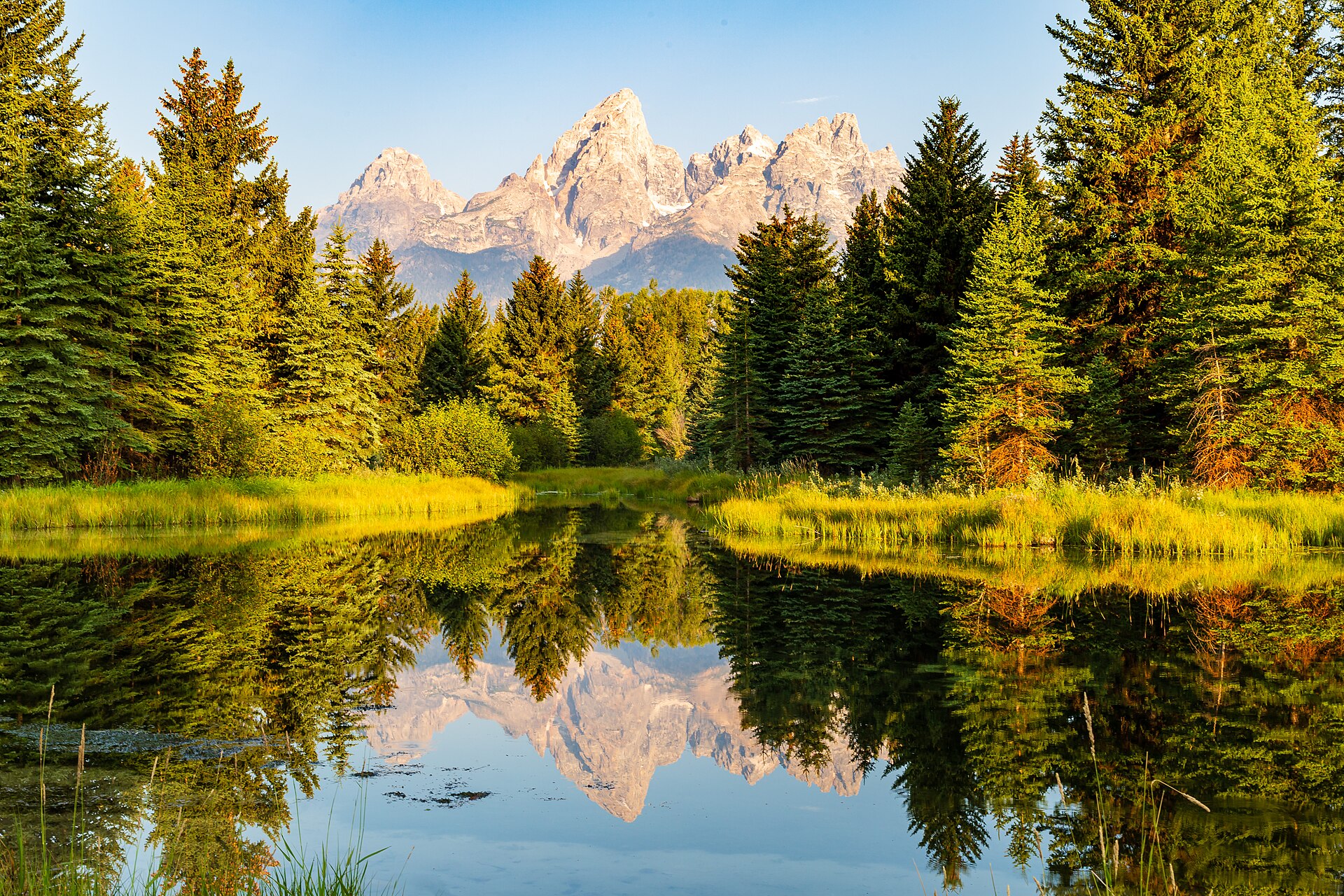
The sun hasn’t fully risen. The air is cold enough that your jacket stays zipped. The water at Schwabacher Landing is perfectly still, and the Teton Range starts catching the first light of the morning. Then you hear something moving in the sagebrush. Maybe it’s an elk. Maybe you’re about to spend five minutes staring at a bush. That’s Grand Teton.
And timing matters here. Visit in July and nearly everything is open, wildflowers brighten the trails and long days give you plenty of time to explore, but you’ll share the popular spots with a lot of other people. Come in September and the mornings turn colder, summer crowds ease off and wildlife makes early starts even more worthwhile. Arrive in January and you’ll meet a completely different park: deep snow, frigid temperatures and miles of roads that no longer work the way they did in summer.
So what is the best time to visit Grand Teton National Park? This guide breaks it down month by month, with real temperature and snowfall averages, road closure dates, and the best timing for hiking, wildlife, fall colors, photography and smaller crowds.
When Is the Best Time to Visit Grand Teton National Park?
The best time to visit Grand Teton National Park for most travelers is mid-June through September. July and August have the warmest weather and the widest access to roads, trails and services, while September brings cooler temperatures, fewer summer crowds, the elk rut and the first fall colors.
Spring is quieter, but snow can linger on trails and some roads and facilities stay closed. Winter turns Grand Teton into a snow destination rather than a road-trip park. Here’s the quick version:
| Season | Conditions | Crowds | Best For |
|---|---|---|---|
| Spring | Cool, wet, snow possible | Low | Wildlife, cycling, quiet visits |
| Summer | Warm days, cool nights | Highest | Hiking, lakes, families, first trips |
| Fall | Cool days, cold nights | Declining | Wildlife, photography, fall colors |
| Winter | Cold, deep snow | Low | Skiing, snowshoeing, winter scenery |
In This Guide
- Grand Teton weather by month
- Spring (April to early June)
- Summer (mid-June to August)
- Fall (September and October)
- Winter (November to March)
- Best time for hiking
- Best time for wildlife
- Best time for fall colors
- Road closures
- Grand Teton and Yellowstone together
- FAQs
My Short Answer: Choose the Month Based on Your Trip
For most first-time visitors, mid-June through September is the most practical window. But if I were helping someone pick one month rather than one season, September would get a very close look. The days are cooler, crowds start thinning, wildlife is active, fall color starts creeping in, and most major park experiences are still available, especially earlier in the month.
That doesn’t make September right for everyone. A family tied to school vacations may prefer July. A serious hiker may want August. A photographer may love late September. A skier will obviously choose winter. And someone who wants to cycle Teton Park Road before cars return may deliberately come in April.
- Easiest first visit: July or August.
- Best balance of access, weather and crowds: September.
- Hiking: July through early September is the safest planning window for higher trails.
- Fall color and photography: mid-to-late September into early October, knowing cold and snow become more likely.
- Fewer people: May, early June, September or October, with some seasonal limits.
- Snow: come in winter.
There isn’t one perfect month. There’s a month that better matches the trip you actually want.
Grand Teton Weather by Month: Why the Calendar Can Fool You
Before comparing months, understand one thing about Grand Teton weather: mountains don’t care what season your phone says it is. Snow and frost are possible in any month.
According to the National Park Service, Jackson Hole has long, cold winters, with heavy snow usually starting by November and lasting through April. Spring can bring mild days followed by rain or snow. July and August usually bring warm days, cool nights and common afternoon thunderstorms. Fall mixes sunny days and cold nights with occasional rain and snow. So pack for variation, not just averages.
Grand Teton Average Temperatures and Snowfall by Month
NPS weather data collected at Moose gives a useful picture of the year:
| Month | Avg. High | Avg. Low | Avg. Snowfall |
|---|---|---|---|
| January | 26.1°F | 0.9°F | 43.1 in |
| February | 31.0°F | 3.2°F | 28.7 in |
| March | 39.4°F | 12.1°F | 20.3 in |
| April | 49.3°F | 22.3°F | 9.5 in |
| May | 60.9°F | 30.8°F | 2.4 in |
| June | 70.7°F | 37.3°F | 0.1 in |
| July | 80.6°F | 41.6°F | 0 |
| August | 79.2°F | 39.7°F | 0 |
| September | 69.3°F | 32.1°F | 0.4 in |
| October | 55.7°F | 23.2°F | 4.7 in |
| November | 38.3°F | 13.6°F | 23.4 in |
| December | 26.5°F | 1.8°F | 39.5 in |
These are averages, not promises. A September morning can drop below freezing. A June trail can still hold snow. And an afternoon thunderstorm can turn a perfectly blue summer sky surprisingly fast. For rain, daylight, snowmelt timing and what to wear each month, see our full guide to Grand Teton National Park weather by month.
Grand Teton National Park in Spring: April to Early June
Spring in Grand Teton isn’t the soft, flower-filled season people sometimes picture. At least not at first. Winter takes its time leaving. Snow stays in the mountains and can linger on valley trails, lakes may still look wintry, and some facilities haven’t opened yet. But there’s something appealing about the transition. The park feels like it’s waking up.
Grand Teton in April: A Surprisingly Good Month for Cyclists
April isn’t the obvious month for a first Grand Teton road trip. That’s exactly what makes it interesting. The average high around Moose is only about 49°F, nights average around 22°F, and snow is still very much part of the landscape. Many normal summer activities aren’t available yet.
But April has one unusual advantage. After snow clearing and before regular vehicle traffic returns, a section of Teton Park Road can open for walking, running and cycling. It’s a rare chance to enjoy this beautiful road without the usual stream of summer cars. The timing depends on conditions, so check current NPS information before building a trip around it.
April is good for: cycling, quiet scenery, spring photography and visitors who are fine with limited services. It’s not ideal for: a classic first trip built around hiking, boating and full park access.
Grand Teton in May: Wildlife, Snowy Peaks and Fewer People
May is when Grand Teton starts getting easier. Just don’t mistake easier for summer. The average high rises to about 61°F, while nights still average close to 31°F. The National Park Service notes that valley trails are usually snow-covered until late May, and in some years snow hangs on even longer.
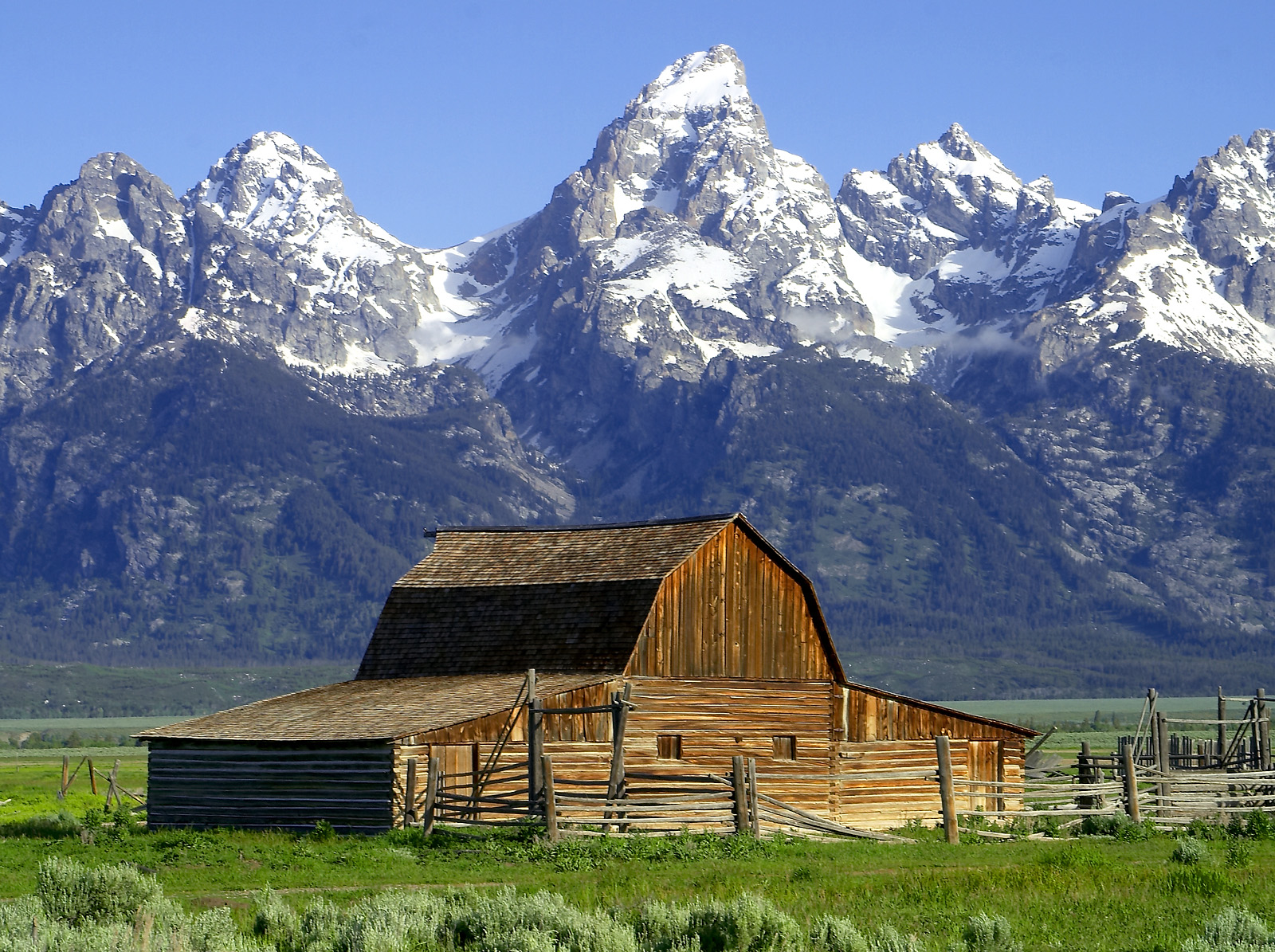
At the same time, spring brings wildlife activity. The valley starts greening while the peaks can stay brilliantly white, and that contrast is one of May’s biggest visual draws. Roads and facilities reopen through the month, so May works best for flexible travelers who check what’s actually open instead of assuming the whole park is running.
Choose May if you care about wildlife, love snow-capped mountains, want fewer visitors and are happy with scenic drives and shorter low-elevation walks. Skip May if your trip depends on high-elevation hiking or you want every boat, lodge, restaurant and visitor service open.
Grand Teton in Early June: The Park Is Open, but Summer Isn’t Fully Here
June can be deceptive. The calendar says summer is coming. The mountains may disagree. Daytime highs around Moose reach roughly 71°F, but nights average about 37°F, snow can still affect trails and higher routes may stay out of reach.
So early June is excellent for one kind of visitor and frustrating for another. If you’re here for scenic drives, wildlife, lakes, photography and lower-elevation hikes, it can be wonderful. If you’ve planned a list of high alpine trails because you saw them on Instagram, have a backup plan and always check current trail conditions.
Summer in Grand Teton: Mid-June Through August
This is the Grand Teton most travelers imagine. Blue lakes, green valleys, boats gliding across Jenny Lake, long daylight, mountain reflections and wildflowers. And parking lots that occasionally remind you that everyone else had the same idea. Summer gives you the most access. It also brings the most demand.
Late June: One of the Best Compromise Periods
Late June can be a sweet spot. Daytime temperatures are pleasant, the days are long, more trails open up and most seasonal services are running or coming online. The landscape still feels fresh from spring. Snow can remain at higher elevations, though, so late June works best if you want a broad park experience without making hard alpine hikes the whole point. Bring layers, bring rain gear and keep an eye on the afternoon sky.
Grand Teton in July: Best for Maximum Access
If you want the safest answer for a first trip and don’t mind crowds, July is hard to beat. Average highs around Moose reach about 81°F, nights sit around 42°F, and snow has melted off many trails, although high-elevation snow can hang on surprisingly late. Most roads and facilities are open, the lakes are accessible and your hiking options expand dramatically. This is Grand Teton in full summer mode.
The catch is that everybody knows July works. Jenny Lake isn’t a place to roll up late in the morning and expect your pick of parking. Shift your schedule instead: wake up early, catch sunrise, hike in the morning, take a slower afternoon and head back out in the evening. You’ll dodge some congestion and see the park in its best light.
Watch for thunderstorms. Afternoon storms are common in summer, which matters most for hikers. Start longer or exposed hikes early and keep watching the sky. Don’t treat a mountain forecast as background noise.
Grand Teton in August: Excellent for Hiking
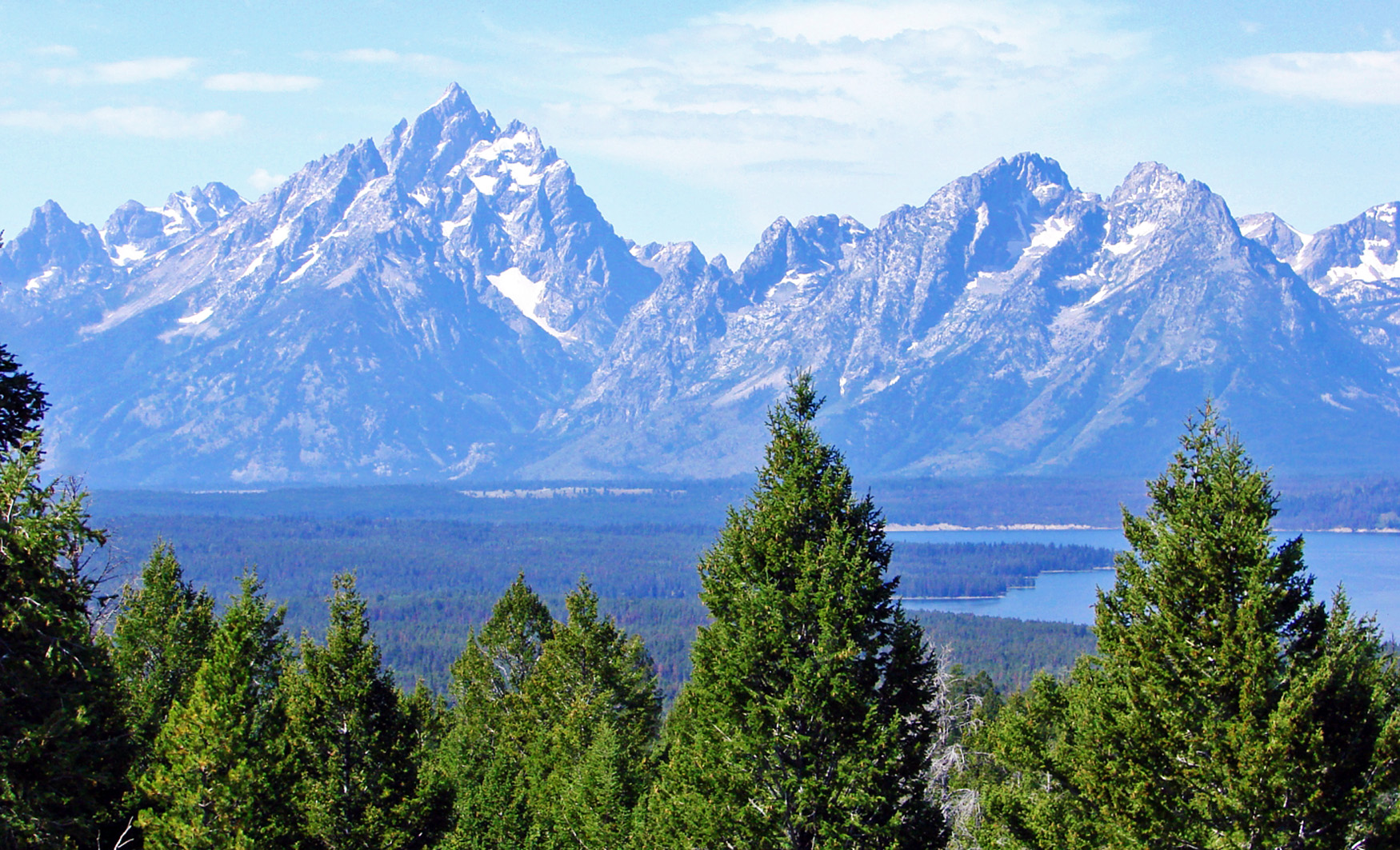
August is another strong month for hikers. Highs stay around 79°F with nights near 40°F, and high-elevation routes have had more time to melt out. That makes August especially attractive if your trip is built around trails like Jenny Lake, Cascade Canyon, Taggart Lake and routes into higher terrain rather than just scenic overlooks. It’s still summer, though, so start early. It changes the experience that much.
Keep an eye on wildfire smoke. Fires don’t need to be inside Grand Teton to affect it. Regional smoke can drift into Jackson Hole and hide the mountains. Check air quality and fire conditions close to your trip.
Fall in Grand Teton: September and October
Then September arrives. The light changes, mornings feel sharper and the valley starts drifting away from summer. The park enters one of its most interesting periods, and for many travelers, this is the best time to visit Grand Teton National Park.
Grand Teton in September: Possibly the Best All-Round Month
If you want good access, beautiful scenery, wildlife and a little less summer intensity, September belongs near the top of your list. The average high around Moose drops to about 69°F. The average low is around 32°F. Read that second number again. September days can feel comfortable while September mornings feel like winter is already knocking. Pack accordingly.
Early in the month, many summer services are still running and most major roads are open. Hiking can still be excellent, crowds change once the main summer holidays end, and wildlife gives you another reason to be out early. Then aspens and cottonwoods start turning yellow and gold with the Teton Range rising behind them. It’s hard to ask for a better combination.
Wildlife in September
Fall is a big wildlife season. Elk enter the rut, and their bugling becomes one of the signature sounds of autumn in the Greater Yellowstone Ecosystem. Moose, bison, bears and other animals may also be active. Sightings are never guaranteed, and that’s part of the point. You’re visiting wild animals, not exhibits. Bring binoculars, keep the required distance and never move closer for a photo.
Late September: Best for Fall Color?
Often, yes. But fall color doesn’t follow a booking schedule. Temperature, elevation and weather all affect timing, and late September into early October is the period most travelers watch for changing aspens. Some years move faster, some slower. If autumn photography is your main reason for going, build flexibility into your plans. And bring gloves, because that golden sunrise shot may mean standing outside near freezing.
Grand Teton in October: Beautiful, Quiet and Unpredictable
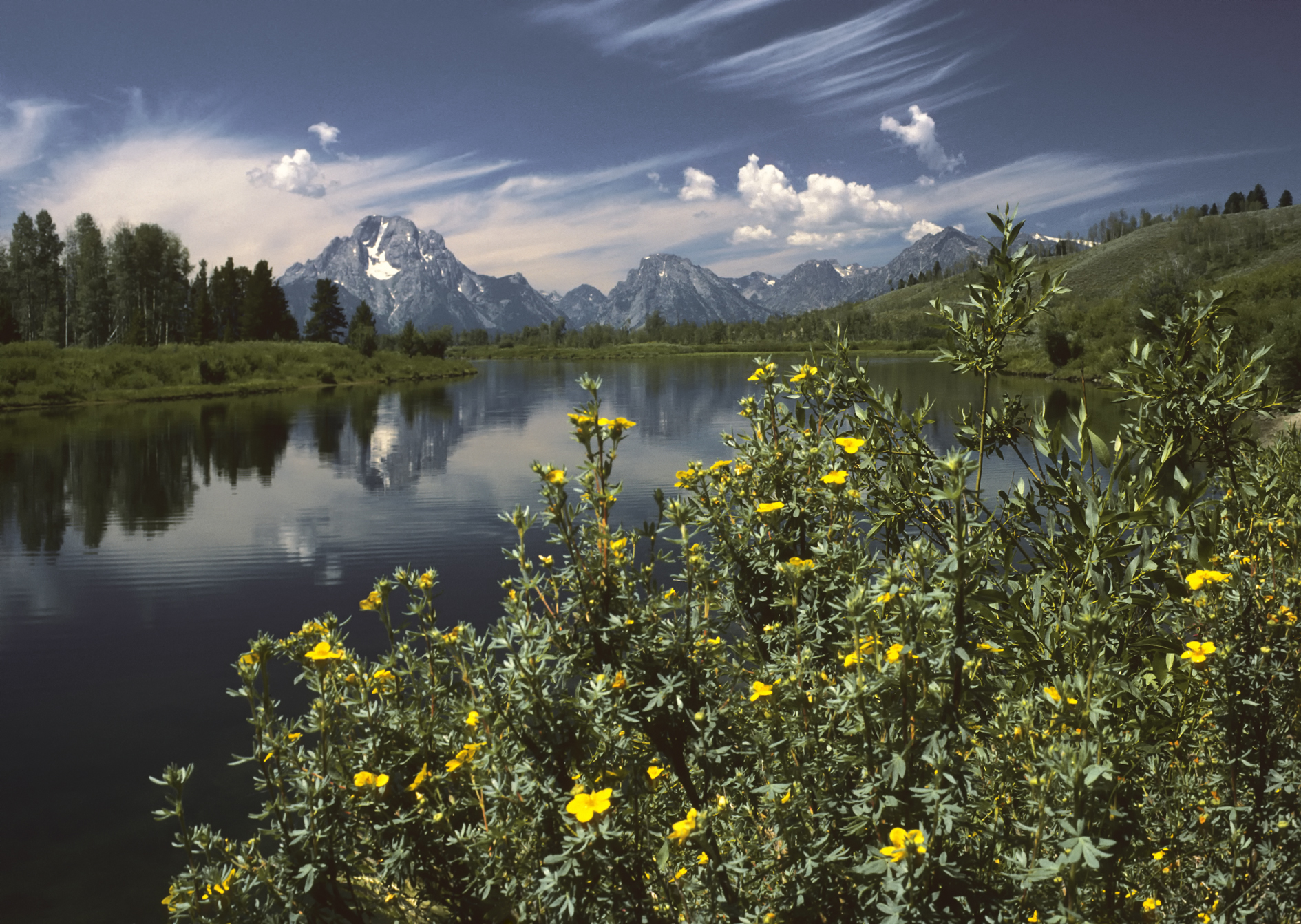
October strips away some of Grand Teton’s summer convenience. The average high drops to about 56°F, nights fall to around 23°F, snow becomes much more realistic, some seasonal services shut down and the days get shorter.
Yet on the right October day, the park is extraordinary: cool air, snow dusting the peaks, fewer visitors, wildlife in the valley and fall color lingering in places. The risk is weather. A storm can change road and trail conditions quickly, so October suits flexible travelers better than rigid itineraries. If your plan falls apart when one road closes or snow wipes out a hike, choose September instead.
Winter in Grand Teton: November Through March
Grand Teton in November: Winter Takes Over
By November, the park is moving firmly into winter. Teton Park Road closes to vehicles between Taggart Lake Trailhead and Signal Mountain Lodge from November 1 through April 30, and Moose-Wilson Road also closes for the season. Average highs drop to around 38°F, nights average roughly 14°F, and November snowfall around Moose tops 23 inches. This isn’t late fall anymore. It’s the start of the winter park.
Snow changes Grand Teton completely. Roads disappear beneath it, trails change purpose, lakes freeze, and the mountains somehow look even bigger above the white valley. The park stays open year-round, but that can be misleading if you’re picturing summer access. Many facilities, campgrounds and seasonal roads close, and visitor services are limited. Instead of hiking and boating, winter means cross-country skiing, snowshoeing and winter wildlife watching.
Grand Teton in December and January: Deep Winter
December averages about 26°F during the day and roughly 2°F at night around Moose. January is similar, with a high around 26°F and a low close to 1°F, plus heavy snowfall. This is serious winter. If you’re prepared, it’s beautiful. If you arrive expecting a normal national park road trip with a slightly warmer jacket, it’s not. The National Park Service recommends proper winter tires and warns that roads may be snowy or icy.
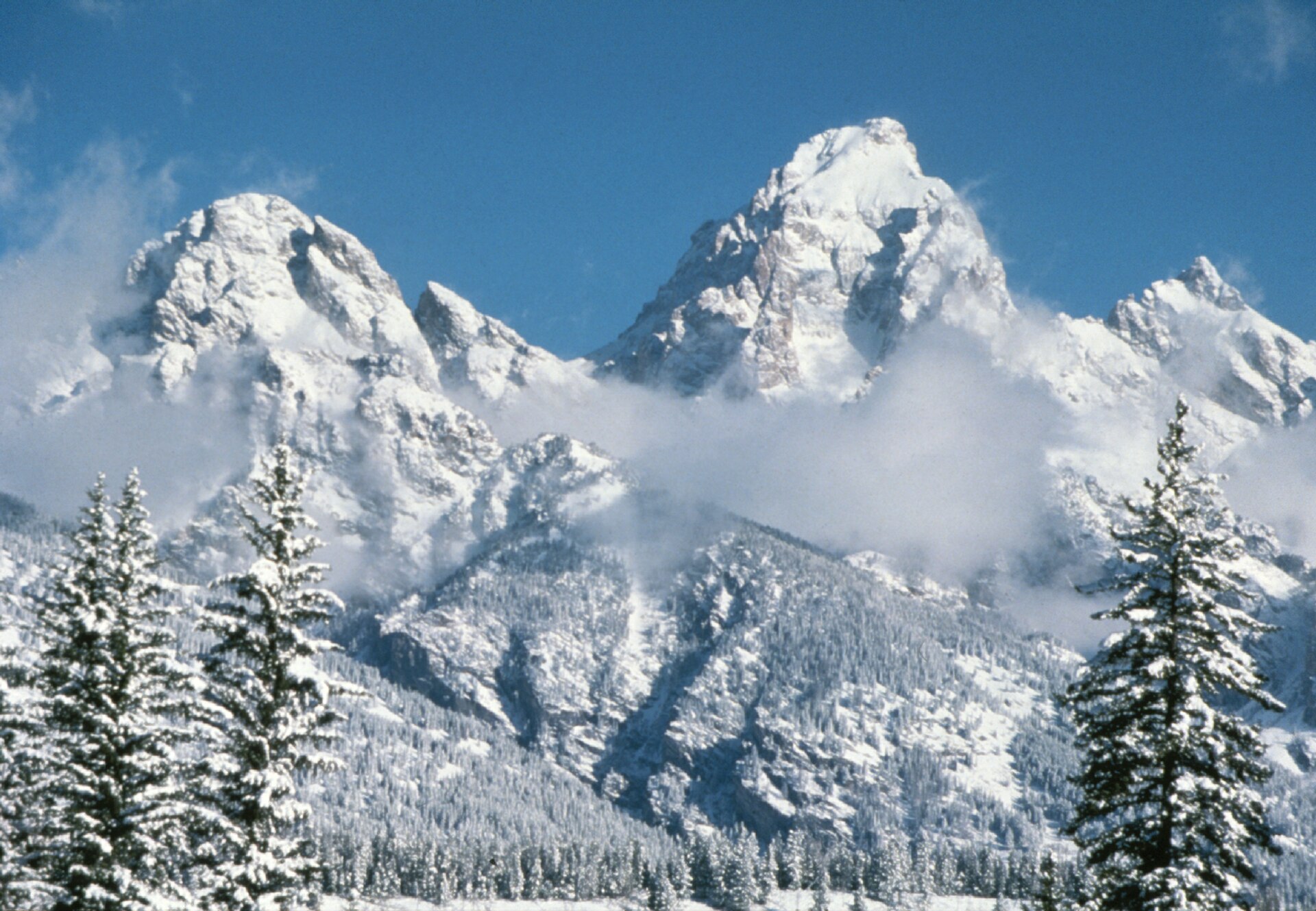
Grand Teton in February and March: Winter With Longer Days
February stays cold. March warms slowly, averaging around 39°F by day and 12°F at night, but winter still controls most of the landscape and the snow stays deep. With daylight increasing, it can be an excellent time for snow recreation. Check avalanche information and current conditions before heading into backcountry terrain.
Best Time to Visit Grand Teton National Park for Hiking
For most hikers, July through early September offers the broadest trail access in Grand Teton. July works for a wide range of hikes, August gives high-elevation snow more time to melt, and early September combines good trail access with cooler temperatures.
Don’t assume every trail is safe just because it’s August. Elevation changes everything. The National Park Service notes that the temperature can drop roughly 4°F for every 1,000 feet you climb, so a warm trailhead doesn’t guarantee a warm mountain pass. For trail-by-trail picks with distances and difficulty, see our guide to the best hikes in Grand Teton National Park.
Best Time to Visit Grand Teton for Wildlife
Spring and fall are the best seasons for wildlife in Grand Teton. May brings spring activity as the valley opens up, while September and October bring the elk rut and seasonal wildlife movement. Early morning and evening are usually better than midday.
Animals can be seen all year, though. The real trick is timing your day. Oxbow Bend, Willow Flats, Mormon Row and the Moose-Wilson area are all well known for wildlife viewing. Never create a traffic hazard because someone spotted an animal, and never approach wildlife. For animal-by-animal tips and a seasonal wildlife calendar, see our Grand Teton wildlife guide.
Best Time for Photography in Grand Teton
Ask photographers and you’ll get several answers, because Grand Teton doesn’t have one photographic season. Spring gives you snow-covered peaks above a greening valley. Summer adds wildflowers, blue lakes and more locations. September brings fall color, wildlife and crisp mornings, making it one of the strongest all-round periods. Winter transforms the landscape and strips away the visual clutter of summer.
Time of day matters just as much. The Teton Range sits west of many famous viewpoints, so morning light hits the peaks beautifully. Schwabacher Landing, Snake River Overlook, Oxbow Bend and Mormon Row are classic sunrise spots. Set the alarm. You can sleep later.
Best Time to Visit Jenny Lake
Summer through early fall gives you the full Jenny Lake experience. July and August bring warm weather and strong trail access, while September is cooler and can feel less intensely busy. If you plan to use the seasonal boat shuttle, check current operating dates before your trip rather than assuming it runs through spring and fall. And come early. That’s not just general advice. It’s a parking strategy. For hikes, boat tips and more, see our complete Jenny Lake Grand Teton guide.
Best Time for Families, Couples and Smaller Crowds
Best Time for Families
For most families, late June through August is easiest. School is out, roads and facilities are open, and you can mix scenic drives, easy walks, lakes, ranger programs and family-friendly trails. July and August are busy, so a family trip goes much better when you start early instead of forcing everyone into a crowded parking lot late in the morning. If your school calendar allows it, early September can be even better. For easy hikes, Junior Ranger tips and family itineraries, see our guide to Grand Teton National Park with kids.
Best Time for Couples
September is hard to beat: cool mornings, long scenic drives, sunrise viewpoints, a hike during the day and dinner in Jackson afterward, with enough seasonal access to build a varied trip. Late June is another strong choice if you prefer longer daylight and greener scenery.
Best Time to Avoid Crowds
Look at May, early June, September and October. The trade-off is that the further you move from July and August, the more you need to watch seasonal services, snow and road conditions. September is the easiest compromise. October is quieter but riskier for weather. May is peaceful, but trail access is limited.
One crowd strategy works even in July: get up early. A July sunrise can feel surprisingly peaceful. A July parking lot at 11 a.m. may not.
Best Time to See Fall Colors in Grand Teton
Fall colors in Grand Teton usually peak from mid-September through early October, when aspens and cottonwoods turn bright yellow and gold. Exact timing changes each year with weather and elevation.
Mormon Row, Oxbow Bend and other valley spots can be especially beautiful when autumn color lines up with clear mountain views. Check current fall conditions as your trip gets closer.
Best Time to Visit Grand Teton and Yellowstone Together
For a combined road trip, June through September is the most practical period, since both parks have more roads and facilities open. July and August give you the broadest access but the biggest crowds. September is especially appealing if you want cooler weather.
Yellowstone sits right next to Grand Teton, but driving between individual sights takes time. Don’t treat two enormous national parks like two stops in the same city. Give them several days each.
Grand Teton Road Closures: Why They Matter for Your Dates
This is one of the most important details to understand. Grand Teton is technically open 24 hours a day, year-round. That does not mean every road is open year-round.
- Teton Park Road closes to vehicles from November 1 through April 30 between Taggart Lake Trailhead and Signal Mountain Lodge.
- Moose-Wilson Road usually closes from November 1 until around mid-May, depending on conditions.
- Other secondary roads can close because of weather.
- Main highways stay open for winter travel, but winter driving can be serious.
2026 construction note: Moose-Wilson Road is closed to cars and bikes between Moose and the Laurance S. Rockefeller Preserve from September 8 through November 15, 2026 (the preserve is still reachable from the Granite Canyon Entrance near Teton Village), and Death Canyon Road and Trailhead are closed until around June 2027. Always check the official NPS road status right before your trip.
Do You Need a Reservation to Enter Grand Teton?
No timed-entry reservation is currently required to enter Grand Teton National Park, unlike some other busy U.S. parks. But don’t confuse “no reservation needed” with “nothing needs booking.” Lodging and campgrounds can fill months ahead, so if you’re planning a July or August trip, lock in accommodation early.
What About Wildfire Smoke?
This is a trip-planning detail many “best time” articles barely mention. Regional wildfires can affect Grand Teton even when the fire is nowhere near the park. Smoke can hide the mountains and make strenuous outdoor activity uncomfortable or unhealthy. Late summer is when to pay the most attention. You can’t predict smoke months ahead, so check fire activity and air quality close to your trip.
Grand Teton Month-by-Month at a Glance
| Month | Best For | Main Drawback |
|---|---|---|
| January | Snow scenery, skiing | Extreme cold, closures |
| February | Winter recreation | Limited services |
| March | Snow activities, longer days | Still full winter |
| April | Cycling Teton Park Road | Many summer services closed |
| May | Wildlife, snowy peaks | Snowy trails, partial access |
| June | Scenery, wildlife, long days | Higher trails may hold snow |
| July | Maximum access, hiking | Peak crowds |
| August | Hiking, lakes, alpine access | Crowds, possible smoke |
| September | Wildlife, hiking, fall transition | Freezing nights possible |
| October | Fall scenery, quiet visits | Snow and closures possible |
| November | Early winter scenery | Major seasonal closures |
| December | Winter sports, snow | Very cold |
Which Month Should You Choose?
| Your Priority | Best Period |
|---|---|
| First visit | July–September |
| Best overall balance | September |
| Hiking | July–early September |
| High-elevation hiking | August–early September |
| Wildlife | May and September–October |
| Fall colors | Mid-September–early October |
| Fewer crowds | May, early June, September, October |
| Families | Late June–August |
| Photography | May, September, winter |
| Cycling without car traffic | April, conditions permitting |
| Winter sports | December–March |
| Jenny Lake | June–September |
| Yellowstone + Grand Teton | June–September |
How Many Days Do You Need in Grand Teton?
Give yourself at least two full days in Grand Teton National Park, and three if you can. One day covers the highlights but turns the park into a scenic drive. Two days gives you time for the main viewpoints, Jenny Lake and a hike. Three lets you slow down for early mornings, wildlife and longer trails without watching the clock.
If you’re pairing Grand Teton with Yellowstone, don’t steal all of Grand Teton’s days just because Yellowstone looks bigger on the map. They’re different parks, and both deserve time. For day-by-day plans, see our Grand Teton National Park itinerary for 1 to 4 days.
A Simple 3-Day Grand Teton Itinerary
- Day 1, the classic views: start before sunrise at Mormon Row or Schwabacher Landing, drive through the park stopping at viewpoints, spend time around Jenny Lake and finish near Oxbow Bend or Jackson Lake.
- Day 2, hiking day: pick a hike that suits the season and current trail conditions. Taggart Lake is a more accessible outing, while Jenny Lake and Cascade Canyon make a bigger adventure. Start early, carry bear spray, know how to use it and check the weather first.
- Day 3, wildlife and a slower pace: spend the morning looking for wildlife, revisit somewhere you rushed past on Day 1, stop at a visitor center and have a picnic. Walk more, drive less, and stay for sunset. The mountains look different every hour.
What to Pack for Grand Teton
Even in summer, don’t pack like you’re heading to the beach. A summer morning can be cold, the afternoon hot and a thunderstorm can roll in later. For a typical summer or early-fall trip, bring:
- A warm layer or fleece and a waterproof jacket
- Comfortable hiking shoes and a daypack
- Sun protection and a refillable water bottle
- Binoculars and bear spray
- Offline maps and a headlamp for early starts
- Gloves and a warm hat in spring and fall
Cell service varies a lot across the park, so download anything important before heading in.
Mistakes to Avoid When Choosing When to Visit
- Assuming June means every trail is clear. Snow can stay at higher elevations well into summer.
- Assuming September is warm because it’s “still summer.” Nights around Moose average close to freezing.
- Ignoring road closures. A winter trip needs completely different planning from a summer one.
- Arriving late every morning in July. You’ll spend more time hunting for parking than looking at mountains.
- Forgetting about wildfire smoke. Late-summer views can disappear behind regional smoke.
- Trusting one forecast too early. Mountain forecasts change, so check again close to your trip.
Plan Your Grand Teton Trip
A few things are worth sorting out early. Book lodging in the park, Jackson or Teton Village as soon as your dates are set, especially for July and August. Carry bear spray on every hike; you can buy or rent it locally if you’re flying in. A good pair of binoculars makes a huge difference for wildlife, and guided wildlife tours or float trips on the Snake River are a great way to see more without doing all the driving yourself.
Planning to see Yellowstone on the same trip? The best months for both parks overlap, and our Yellowstone and Grand Teton road trip guide shows how to combine them.
Related Guides
Here’s where to go next as you plan the rest of your trip:
- Best Things to Do in Grand Teton National Park
- Grand Teton in September
- Cascade Canyon Trail Guide
- Where to Stay Near Grand Teton National Park
Best Time to Visit Grand Teton National Park: FAQs
What is the best time to visit Grand Teton National Park?
For most visitors, mid-June through September offers the best mix of road access, open facilities, hiking and comfortable daytime weather. September is especially appealing for cooler temperatures, wildlife and the start of fall color.
What is the best month to visit Grand Teton?
September offers one of the best balances of access, scenery, wildlife and lighter crowds. July and August are better if maximum trail and service access is your top priority.
When is Grand Teton National Park least crowded?
May, early June, late September and October generally feel less busy than peak summer, but seasonal closures and weather matter more during these periods.
Is September a good time to visit Grand Teton?
Yes. Average highs around Moose are about 69°F and nights average around 32°F. Hiking can still be excellent, wildlife is active and fall colors may start appearing.
Is October too late to visit Grand Teton?
Not necessarily. October can be beautiful and quieter, but temperatures drop sharply, snow becomes more likely and some seasonal services close, so flexibility is important.
Is June a good time to visit Grand Teton?
Yes, especially for scenery, wildlife and lower-elevation activities. Snow can remain on higher trails, particularly in early June.
Is July or August better for Grand Teton?
Both are excellent for maximum access. August gives better odds that high-elevation trails are snow-free, while July has very long days. Both are busy.
When can you see fall colors in Grand Teton?
Fall colors usually peak from mid-to-late September into early October, but exact timing varies with weather and elevation.
Can you visit Grand Teton in winter?
Yes. The park is open year-round, but many facilities and seasonal roads close. Winter visits focus on snowshoeing, skiing, winter scenery and wildlife rather than summer road-trip activities.
Do you need reservations for Grand Teton National Park?
No timed-entry or entrance reservation is currently required. Lodging and campgrounds should still be booked early, especially for summer.
So, When Should You Go?
If you want the simplest answer, come between mid-June and September. For the warmest weather and maximum access, choose July or August. For a more balanced trip with cooler days, wildlife and the first signs of autumn, choose September. For quiet roads, wildlife and snowy peaks, consider May, but expect limited trail access. If fall color matters more than predictable weather, look at late September and early October. And if the Tetons buried in snow sound better than hiking beside Jenny Lake, winter may be exactly what you’re after.
Grand Teton doesn’t really have one perfect month. The park changes too much. Summer gives you access. Fall gives you color and wildlife. Winter gives you silence and snow. Spring gives you transition. Choose the version of Grand Teton you actually want to see, then plan around it. For more trip ideas, browse all of our travel guides.