
Few road trips in America give you this much variety in so few miles. On a Yellowstone and Grand Teton road trip, you can watch the sun hit the Teton peaks over Jackson Hole one morning and stand beside an erupting geyser the next afternoon.
The two parks are neighbors, joined by the John D. Rockefeller, Jr. Memorial Parkway, but they feel nothing alike. Grand Teton is all jagged mountains, glacial lakes and hiking trails. Yellowstone is geysers, hot springs, waterfalls, huge wildlife valleys and a volcano under your feet. Put them together and you get one of the best national park trips in the country.
The tricky part is the planning: how many days you need, which park to visit first, where to sleep so you’re not driving all day, and which roads are actually open when you go. This guide covers all of it, with 5-day and 7-day itineraries, real driving times, where to stay, the best time to go, 2026 road dates and closures, fees and the mistakes that turn a great trip into hours behind the wheel.
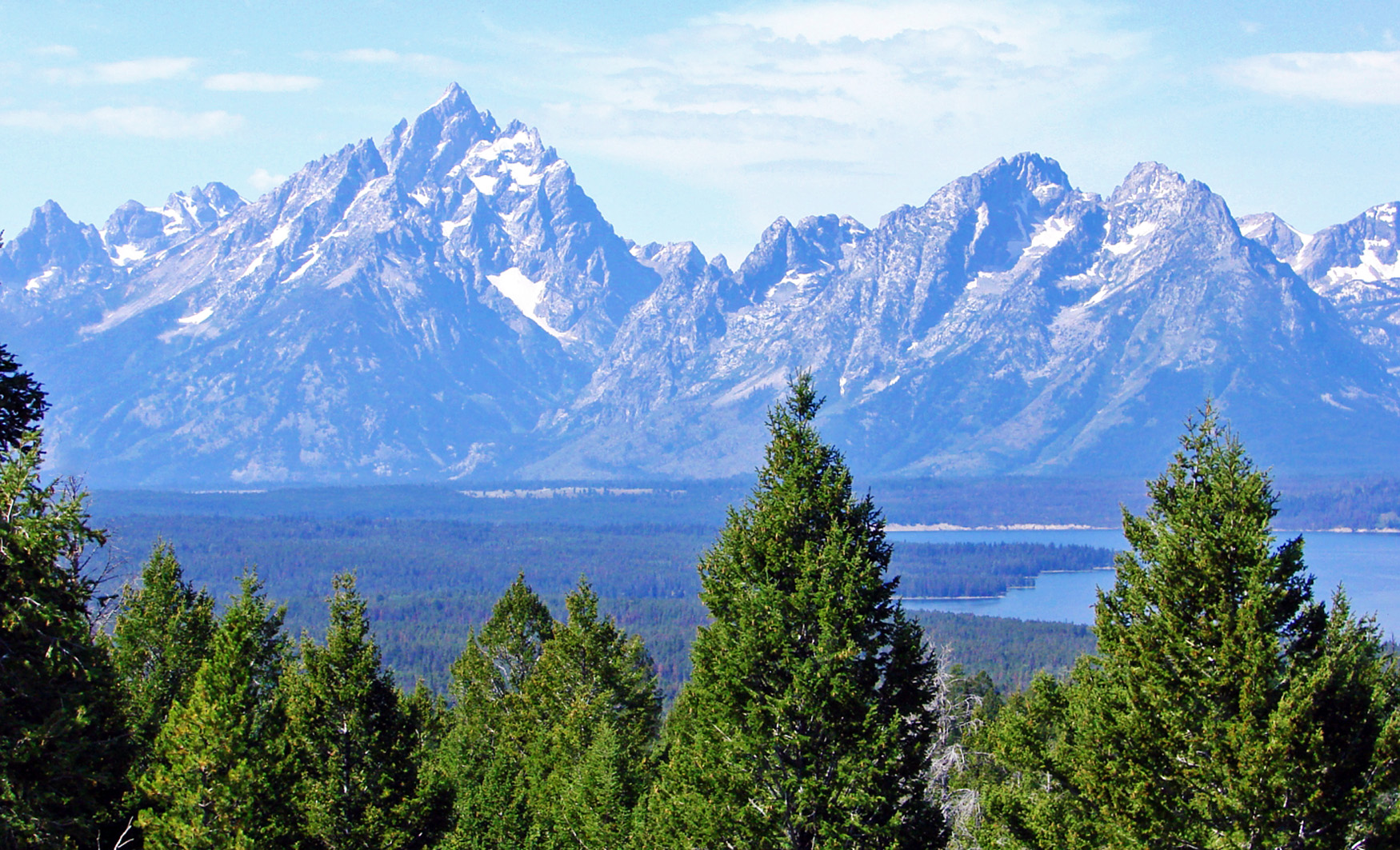
Yellowstone and Grand Teton Road Trip at a Glance
| Trip Detail | Recommendation |
|---|---|
| Ideal trip length | 7 days (3 in Grand Teton, 4 in Yellowstone) |
| Minimum | 5 days |
| Connecting route | US 89/191/287 through the John D. Rockefeller, Jr. Memorial Parkway to Yellowstone’s South Entrance |
| Jackson to South Entrance | About 57 miles, 1.5 hours |
| Jackson to Old Faithful | About 95–100 miles, 2.5–3 hours without stops |
| Best season | Mid-June to mid-September; September for fewer crowds |
| 2026 driving season (South Entrance) | May 8 to October 31, weather permitting |
| Best airports | Jackson Hole (JAC), Bozeman (BZN); Idaho Falls and Salt Lake City also work |
| Entrance fees | Charged separately at each park; the $80 annual pass covers both |
| Car needed? | Yes, for almost every independent itinerary |
| Main highlights | Jenny Lake, Oxbow Bend, Old Faithful, Grand Prismatic, Grand Canyon of the Yellowstone, Hayden and Lamar valleys |
Traveling in fall 2026? Yellowstone’s Dunraven Pass is scheduled to close October 12, and most other park roads, including the South Entrance route, close to regular vehicles after October 31. In Grand Teton, the Jenny Lake boat shuttle ended September 30 and the Moose-Wilson Road is closed from Moose through November 15. Details are in the best time and 2026 roads sections.
In This Guide
- How far apart are the parks?
- How many days you need
- Which park to visit first
- 7-day itinerary
- 5-day itinerary
- Where to stay
- Best time to go
- 2026 road dates and construction
- Entrance fees
- Driving, fuel, safety and packing tips
- FAQs
Can You Visit Yellowstone and Grand Teton on the Same Trip?
Yes. Yellowstone and Grand Teton are perfect for one road trip because they share a border. Grand Teton sits directly south of Yellowstone, and a single highway connects them through the John D. Rockefeller, Jr. Memorial Parkway to Yellowstone’s South Entrance.
The parkway is a 24,000-acre strip of protected land managed by the National Park Service between the two parks. From the north end of Grand Teton, you drive through it, pass Flagg Ranch, and enter Yellowstone. From there the road climbs past Lewis Falls and Lewis Lake to West Thumb on the shore of Yellowstone Lake, where you can turn west toward Old Faithful or north toward Lake Village and Canyon.
How Far Is Yellowstone From Grand Teton?
The parks touch, but the major sights are far apart. From Jackson, it’s about 57 miles (1.5 hours) to Yellowstone’s South Entrance and roughly 95–100 miles (2.5–3 hours) to Old Faithful without stops.
Reaching the South Entrance doesn’t mean you’ve reached Yellowstone’s highlights. Yellowstone covers about 2.2 million acres, and its main road, the Grand Loop, is about 142 miles long. Speed limits are mostly 45 mph or lower, and wildlife jams are common, so plan around areas, not a list of dots on a map.
| Drive | Distance | Typical Time (no stops) |
|---|---|---|
| Jackson to Jenny Lake | About 20 miles | 30–40 min |
| Jenny Lake to Yellowstone South Entrance | About 37 miles | About 1 hour |
| Jackson to Yellowstone South Entrance | About 57 miles | About 1.5 hours |
| South Entrance to West Thumb | About 22 miles | About 45 min |
| West Thumb to Old Faithful | About 17 miles | About 40 min |
| Old Faithful to Canyon Village (via Madison and Norris) | About 40 miles | About 1.25–1.5 hours |
| Canyon Village to Lamar Valley (via Dunraven Pass) | About 30–40 miles | About 1–1.5 hours |
| Lamar Valley to Mammoth Hot Springs | About 30 miles | About 1 hour |
| Mammoth to Bozeman, MT | About 80 miles | About 1.5 hours |
| Old Faithful to West Yellowstone | About 30 miles | About 45 min |
| Full Grand Loop | About 142 miles | 6+ hours of pure driving |
Treat these as minimums. Add time for parking, walking, photo stops and bison deciding to use the road.
Getting There: Airports and Starting Points
- Jackson Hole Airport (JAC): the only commercial airport inside a national park, right in Grand Teton. Ideal for starting in the Tetons. Flights and rental cars can be pricey, so book early.
- Bozeman Yellowstone International (BZN): about 1.5 hours from the North Entrance at Gardiner and a similar drive to West Yellowstone. Often cheaper, with more flights. Perfect for a one-way trip ending or starting in Yellowstone.
- Idaho Falls (IDA): about 2 hours from both Jackson and West Yellowstone, and sometimes a bargain.
- Salt Lake City (SLC): a major hub about 4.5–5 hours from Jackson. It works well for a longer loop and usually has the cheapest flights and cars.
- Cody, WY: about an hour from Yellowstone’s East Entrance, a good option if you want to add the scenic eastern approach.
The Best Route Between Yellowstone and Grand Teton
The classic route is US 89/191/287 north from Grand Teton through the Rockefeller Parkway to Yellowstone’s South Entrance. It’s the only direct road between the parks, and it’s beautiful, so treat it as part of the trip rather than transfer time.
Good stops along the way include Oxbow Bend, Jackson Lake Junction and Willow Flats, the Jackson Lake views around Colter Bay, Lewis Falls just inside Yellowstone, and Lewis Lake. When you reach West Thumb, walk the short boardwalk through the geyser basin on the edge of Yellowstone Lake before deciding which way to turn.
Heading the other way, you simply reverse it: drive south past Grant Village and continue about 20 miles to the South Entrance, then on through the parkway into Grand Teton.
How Many Days Do You Need for Yellowstone and Grand Teton?
Seven days is ideal for a first Yellowstone and Grand Teton road trip: about 3 days in Grand Teton and 4 in Yellowstone. Five days works for the highlights, but you’ll move quickly. With less than 4 days, you’ll spend more time driving than exploring.
| Total Days | Grand Teton | Yellowstone | Trip Style |
|---|---|---|---|
| 3–4 days | 1 | 2–3 | Very rushed, highlights only |
| 5 days | 2 | 3 | Good highlights trip |
| 6 days | 2 | 4 | Comfortable |
| 7 days | 3 | 4 | Ideal first trip |
| 8–9 days | 3 | 5–6 | Relaxed, with more hikes |
| 10+ days | 4 | 6+ | Hiking, photography and side trips |
Yellowstone usually gets more days because it’s far bigger and its sights are spread out. If hiking is your priority, shift a day toward Grand Teton. If wildlife watching is your focus, give Yellowstone’s Lamar and Hayden valleys extra time.
Should You Visit Yellowstone or Grand Teton First?
Either works. Start with Grand Teton if you fly into Jackson, and start with Yellowstone if you fly into Bozeman or drive in from the north or west. The goal is to avoid backtracking.
Grand Teton first gives the trip a nice build. You ease in with mountains, lakes and hiking, then head north into Yellowstone’s geysers and wildlife valleys. A one-way trip from Jackson ending in Bozeman flows perfectly.
Yellowstone first suits travelers arriving from Bozeman or West Yellowstone. You work your way south through the park, exit through the South Entrance and finish with a slower pace in the Tetons, which is a lovely way to wind down.
One more factor: in late spring, Grand Teton’s valley roads open earlier than some of Yellowstone’s high passes, and in fall, Yellowstone’s Dunraven Pass closes first. If you’re traveling at the edges of the season, do the more weather-exposed park first.
7-Day Yellowstone and Grand Teton Road Trip Itinerary
This plan starts in Jackson and ends near Mammoth Hot Springs, ready for a flight out of Bozeman. Reverse it if you’re flying into Bozeman.
| Day | Focus | Suggested Base |
|---|---|---|
| 1 | Grand Teton viewpoints and Jenny Lake | Jackson or inside Grand Teton |
| 2 | Grand Teton hiking day | Jackson or inside Grand Teton |
| 3 | Grand Teton wildlife morning, drive north | Colter Bay, Flagg Ranch or Grant Village |
| 4 | West Thumb, Old Faithful, Upper Geyser Basin | Old Faithful area |
| 5 | Grand Prismatic, Norris, Grand Canyon of the Yellowstone | Canyon Village |
| 6 | Hayden Valley and Yellowstone Lake | Canyon Village or Lake |
| 7 | Lamar Valley and Mammoth Hot Springs | Gardiner or on to Bozeman |
Day 1: Grand Teton’s Classic Viewpoints
Start at sunrise at Mormon Row or Schwabacher Landing, when the first light hits the peaks. Then drive north, stopping at Snake River Overlook, where Ansel Adams made his famous photograph. Spend the late morning and afternoon at Jenny Lake: walk to the shore and, in season, take the boat across to Hidden Falls and Inspiration Point. End the day with an evening drive to Oxbow Bend or Antelope Flats for wildlife. Don’t turn every stop into a five-minute photo. Grand Teton rewards you for lingering. Our Jenny Lake guide covers the boat, trails and parking.
Day 2: Grand Teton Hiking Day
Start early, both to find parking and to beat summer afternoon thunderstorms. For a moderate day, hike to Taggart Lake, which pairs forest, aspens and a glacial lake right below the Grand Teton. Our Taggart Lake Trail guide covers the 2026 construction detour. For a bigger day, hike deep into Cascade Canyon from Jenny Lake. The Cascade Canyon Trail is one of the best day hikes in the park. Spend the evening at a wildlife pullout or photography spot.
Day 3: Grand Teton Wildlife, Then North
Give Grand Teton one more sunrise before heading north. Oxbow Bend, Willow Flats and the Jackson Lake Dam area are great for moose, elk, bears and birds early in the day. After breakfast, drive through the Rockefeller Parkway into Yellowstone. Stop at Lewis Falls and walk the West Thumb Geyser Basin boardwalk, where hot springs steam right on the edge of Yellowstone Lake. Stay near Grant Village or Old Faithful if you can. Our Grand Teton wildlife guide has the best spots for each animal.
Day 4: Old Faithful and the Upper Geyser Basin
Check the eruption prediction for Old Faithful at the visitor center or in the NPS app. It usually erupts about every 60–110 minutes. After watching it, don’t just leave. Walk the boardwalks of the Upper Geyser Basin, which holds around 150 geysers in about one square mile, out to Castle Geyser, Grand Geyser (if it’s due), Morning Glory Pool and back. Visit the historic Old Faithful Inn, and if you have energy, see Old Faithful again from Observation Point above the basin. Late afternoon or evening is quieter and often more beautiful.
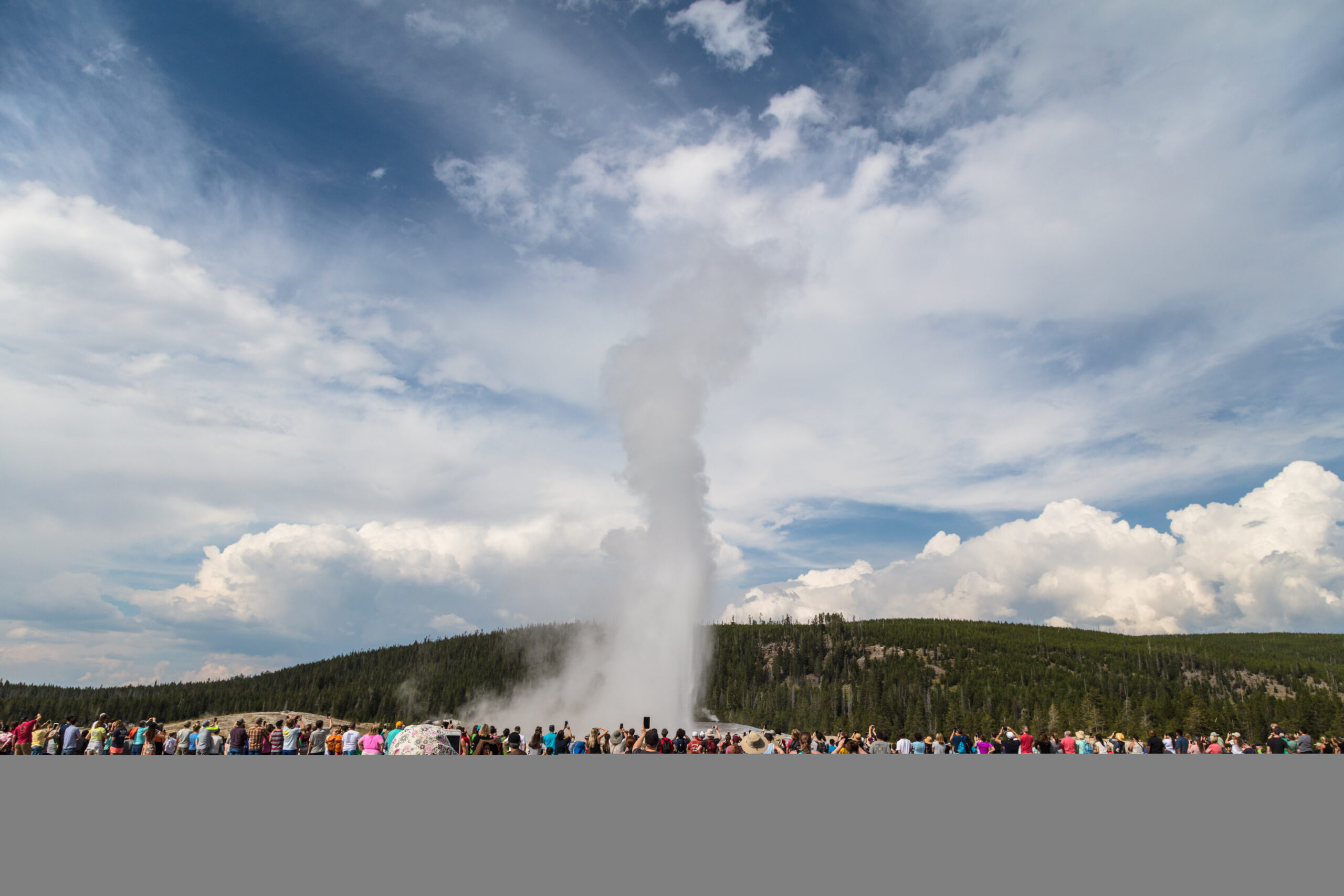
Day 5: Grand Prismatic, Norris and the Grand Canyon of the Yellowstone
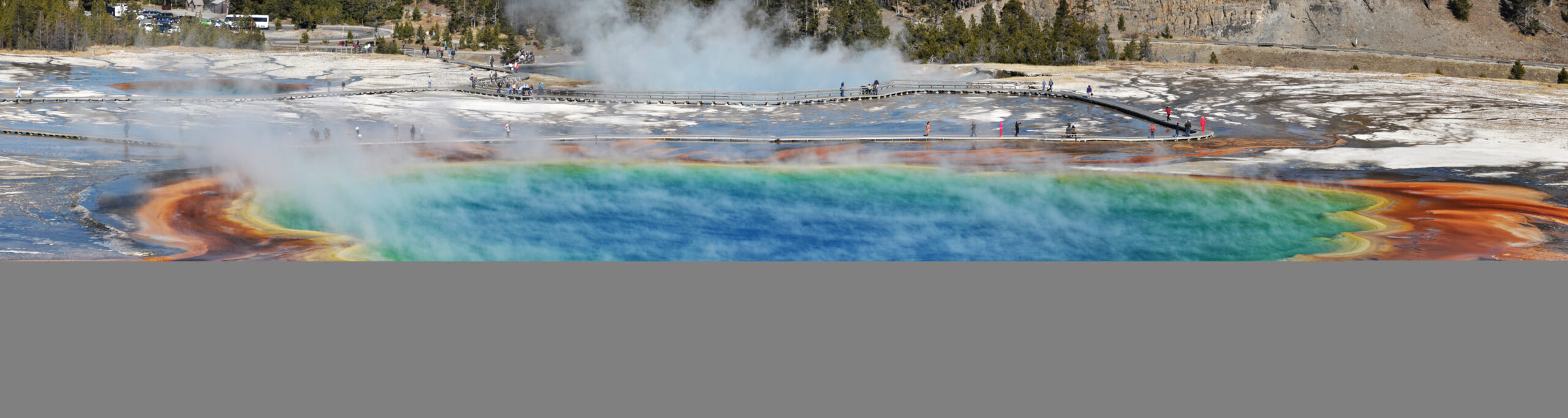
Drive north to Midway Geyser Basin and walk the boardwalk to Grand Prismatic Spring, Yellowstone’s largest hot spring. For the famous aerial view, hike the short trail to the Grand Prismatic overlook from the Fairy Falls Trailhead, roughly 1.2 miles round trip. Mid-morning, once the steam burns off, is usually best for color. If you have time, drive Firehole Lake Drive or stop at Fountain Paint Pot.
Continue through Madison to Norris Geyser Basin, the hottest and most changeable thermal area in the park, then on to Canyon Village. Finish at the Grand Canyon of the Yellowstone: see the Lower Falls from Artist Point, Lookout Point and the Brink of the Lower Falls. It’s a long day, so don’t pile on extra stops just because they look close on the map.
Day 6: Hayden Valley and Yellowstone Lake
Be in Hayden Valley at first light. Bison herds are almost guaranteed in summer, and you may see elk, wolves, grizzlies, coyotes and waterbirds along the Yellowstone River. Use the pullouts, stay in or beside your car near animals, and bring binoculars. Continue to the Mud Volcano area, then Yellowstone Lake, the largest high-elevation lake in North America. Visit Lake Village and the historic Lake Hotel, or relax at a lakeshore picnic area. After several busy days, a slower day here is welcome.
Day 7: Lamar Valley and Mammoth Hot Springs
Leave early for the northern range. Drive over Dunraven Pass (open late May to mid-October), stop at Tower Fall, and continue into Lamar Valley, often called America’s Serengeti. It’s one of the best places in the world to see wild wolves, usually at dawn and dusk with a spotting scope. You’ll also see bison, pronghorn and elk. In the afternoon, head west to Mammoth Hot Springs and walk the travertine terraces, which look completely different from the geyser basins. From here, it’s about 1.5 hours to Bozeman.
5-Day Yellowstone and Grand Teton Road Trip
Five days works if you’re disciplined. Don’t try to cram the 7-day plan into five. Cut the extras instead.
- Day 1, Grand Teton highlights: Mormon Row at sunrise, Snake River Overlook, Jenny Lake and Oxbow Bend at sunset.
- Day 2, Grand Teton hike and drive north: a morning hike (Taggart Lake or Hidden Falls and Inspiration Point), then drive to Yellowstone via the South Entrance. Stop at West Thumb and sleep near Old Faithful or Grant Village.
- Day 3, geysers: Old Faithful, the Upper Geyser Basin, Grand Prismatic Spring and the overlook.
- Day 4, canyon and wildlife: Norris, the Grand Canyon of the Yellowstone and Hayden Valley at dusk. Sleep at Canyon.
- Day 5, northern Yellowstone: Lamar Valley at dawn, then Mammoth Hot Springs, and out to Bozeman.
Five days gives you the highlights. Seven gives you time to actually enjoy them.
Only 3 or 4 Days?
Focus on one side of Yellowstone. Spend one day in Grand Teton (the viewpoints plus Jenny Lake), then two days on Yellowstone’s lower loop: West Thumb, Old Faithful, Grand Prismatic, the Grand Canyon of the Yellowstone and Hayden Valley. Skip Lamar and Mammoth, or save them for another trip.
Have 10 Days?
Add a fourth Grand Teton day for a bigger hike or a Snake River float, and spend extra Yellowstone days on longer hikes like Mount Washburn or Fairy Falls, a second dawn in Lamar Valley, or a scenic exit over the Beartooth Highway (open late May to mid-October) or through the East Entrance to Cody.
Where to Stay on a Yellowstone and Grand Teton Road Trip
Change bases as you go. Stay near Jackson or inside Grand Teton for the Teton days, then move to the Old Faithful or Grant Village area, then Canyon Village, and finally Mammoth or Gardiner if you’re exiting north. Using one hotel for the whole trip adds hours of driving.
| Base | Best For | Trade-Off |
|---|---|---|
| Jackson | Most choice of hotels, food, gas and groceries | 30–40 min drive into the park each day |
| Inside Grand Teton (Jackson Lake Lodge, Jenny Lake, Signal Mountain, Colter Bay) | Sunrise, hiking and wildlife on your doorstep | Books up early; seasonal |
| Headwaters Lodge at Flagg Ranch | A handy halfway stop between the parks | Limited services |
| Grant Village | West Thumb, Yellowstone Lake and the South Entrance | Less central for the north |
| Old Faithful area | Geyser basins early and late, without crowds | Far from Lamar and Mammoth |
| Canyon Village | The most central Yellowstone base | Books fast in summer |
| Lake Village | Yellowstone Lake and Hayden Valley | Far from the northern range |
| Mammoth or Gardiner | Lamar Valley, Mammoth, a Bozeman exit | Far from the geysers |
| West Yellowstone | Lots of hotels and restaurants | Daily drive into the park |
In-park lodges in both parks sell out months ahead, often close to a year out for summer. If you can’t get one, gateway towns work fine; just start your days earlier. For camping, most campgrounds in both parks now require reservations, and all of them are seasonal.
Best Time for a Yellowstone and Grand Teton Road Trip
The best time for a Yellowstone and Grand Teton road trip is mid-June through mid-September, when all roads, trails and services are open. September is the sweet spot for fewer crowds, active wildlife and fall color in the Tetons.
| Month | What to Expect |
|---|---|
| May | Roads open in stages (South Entrance on May 8 in 2026). Baby bison, snow on high trails, some services still closed. |
| June | Everything opening, waterfalls at full flow, long days. Snow lingers on higher trails early in the month. |
| July–August | Warmest and most reliable access. Busiest months, afternoon thunderstorms, early starts essential. |
| September | Fewer crowds, elk rut, cool days, fall color building in Grand Teton. Services start closing late in the month. |
| October | Quiet and dramatic, but cold. Dunraven Pass closes mid-month and most lodging closes early in the month. |
| November–April | Most Yellowstone roads closed to cars. Only the North Entrance to Cooke City road stays open year-round. Not a road-trip season. |
Yellowstone and Grand Teton in September
September might be the best month for this trip. After Labor Day, family crowds thin out, mornings turn crisp, the elk rut fills the valleys with bugling, and aspens start turning gold in Grand Teton, usually peaking in the last week of September. The trade-off is that services start closing in the second half of the month, including the Jenny Lake boat shuttle on September 30. See our Grand Teton in September guide and our guide to Grand Teton fall colors.
Yellowstone and Grand Teton in October
An October trip is possible, but plan it like an early-winter trip, not a summer one. In 2026, nearly all lodges and campgrounds in Grand Teton close between October 4 and 11, Yellowstone lodging winds down through the month, Dunraven Pass is scheduled to close October 12, and most Yellowstone roads close to regular vehicles after October 31. Grand Teton’s Teton Park Road closes to cars November 1. Early October is far easier than late October. Read our Grand Teton in October guide before booking a late-season trip, and see our overview of the best time to visit Grand Teton National Park.
2026 Road Dates, Construction and Closures
Yellowstone’s roads open in stages each spring and close each fall. These were the park’s projected 2026 dates for regular vehicles. All of them depend on the weather, so check current road status before you go.
| Yellowstone Road Segment | 2026 Projected Dates |
|---|---|
| North Entrance to Northeast Entrance (via Mammoth, Tower, Lamar) | Open year-round |
| West Entrance to Madison, Madison to Old Faithful, Madison to Norris, Mammoth to Norris, Norris to Canyon | April 17 – October 31 |
| East Entrance to Fishing Bridge (Sylvan Pass), Canyon to Bridge Bay | May 1 – October 31 |
| South Entrance to West Thumb, West Thumb to Old Faithful, West Thumb to Lake Village, Tower-Roosevelt to Tower Fall | May 8 – October 31 |
| Canyon to Tower Fall (Dunraven Pass) | May 22 – October 12 |
| Beartooth Highway and Chief Joseph Scenic Byway (outside the Northeast Entrance) | May 22 – October 12 |
Yellowstone construction in 2026: expect traffic delays for bridge work at Bridge Bay, the Firehole River Bridge near Old Faithful, the Gardner River High Bridge near Mammoth and the Yellowstone River Bridge, plus chip-sealing across the park.
Grand Teton in 2026: the Moose-Wilson Road is closed between Moose and the Laurance S. Rockefeller Preserve from September 8 to November 15, the northern section of the Taggart Lake Trail is closed through November 15 (use the southern route), Death Canyon Road is closed all season, and there are delays at the new roundabout near the Moose Entrance.
For live updates, check each park’s road status page, or text “82190” to 888-777 for Yellowstone road alerts. You can also call Yellowstone’s road line at 307-344-2117.
Do You Need Separate Entrance Passes?
Yes. Yellowstone and Grand Teton charge separate entrance fees. In 2026, each park charges $35 per private vehicle for 7 days. The $80 America the Beautiful annual pass covers both parks and every other national park for a year.
For U.S. residents, two 7-day passes cost $70, so the $80 annual pass is almost always worth it if you’ll visit any other park that year. Entrance stations in Grand Teton are card-only.
International visitors, take note: since January 1, 2026, non-U.S. residents pay an extra $100 per person at both Yellowstone and Grand Teton, on top of the vehicle fee. For a couple visiting both parks, that’s $400 in surcharges alone. The $250 non-resident annual pass waives those fees, so it usually pays for itself on this trip.
Neither park required timed-entry reservations for private vehicles at the time of writing, but check before you go, since policies can change.
Best Wildlife Stops on the Road Trip
| Park | Where to Look | What You Might See |
|---|---|---|
| Grand Teton | Oxbow Bend, Willow Flats, Antelope Flats, Mormon Row, Blacktail Ponds, Gros Ventre River | Moose, elk, bison, pronghorn, bears, otters, eagles |
| Yellowstone | Hayden Valley | Bison, elk, grizzlies, wolves, waterbirds |
| Yellowstone | Lamar Valley | Wolves, bison, pronghorn, elk, bears, coyotes |
| Yellowstone | Mammoth area | Elk wandering the village lawns |
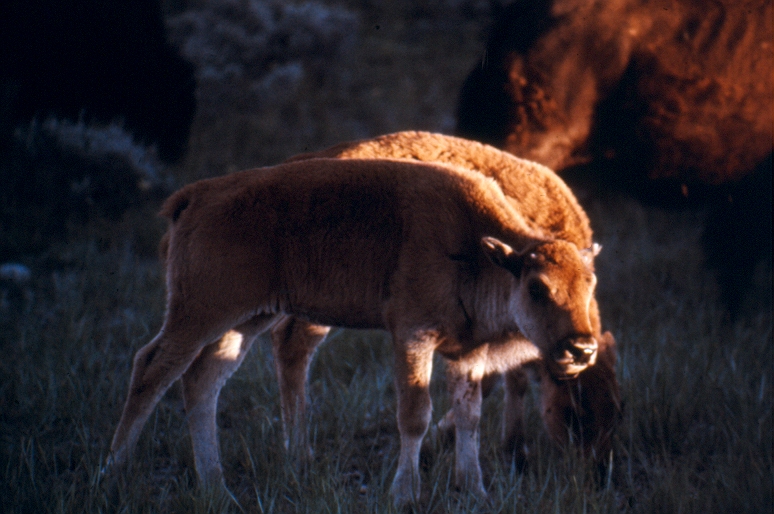
Dawn and dusk are best everywhere. Bring binoculars, and consider a spotting scope for Lamar Valley, where wolves are often a mile or more away. Both parks require you to stay at least 100 yards from bears and wolves and 25 yards from all other wildlife, including bison, which injure more Yellowstone visitors than any other animal. When you stop for wildlife, pull completely off the road. Never stop in a travel lane.
Best Hikes for the Road Trip
You don’t need to hike every day. Pick a few walks that add something different.
| Hike | Park | Distance | Why Go |
|---|---|---|---|
| Hidden Falls and Inspiration Point | Grand Teton | About 1.8 mi round trip with the boat | Waterfall and a big lake view |
| Taggart Lake | Grand Teton | About 3 mi normally (about 4.25 mi on the 2026 route) | Easy lake hike below the Grand Teton |
| Cascade Canyon | Grand Teton | About 9 mi round trip with the boat | Classic canyon walk, moose |
| String Lake Loop | Grand Teton | About 3.7 mi | Easy and family-friendly |
| Upper Geyser Basin boardwalks | Yellowstone | 2–5 mi, as far as you like | Hundreds of geysers and hot springs |
| Grand Prismatic Overlook | Yellowstone | About 1.2 mi round trip | The famous aerial view |
| Brink of the Lower Falls | Yellowstone | About 0.8 mi round trip, steep | Stand right above a 308-foot waterfall |
| Mount Washburn | Yellowstone | About 6 mi round trip | Panoramic views, bighorn sheep |
Remember that Yellowstone’s boardwalks add up. A day of geyser basins can easily mean 5–7 miles on foot. For more Teton trails, see our list of the best hikes in Grand Teton National Park.
Grand Teton vs. Yellowstone: What’s Different?
| Experience | Grand Teton | Yellowstone |
|---|---|---|
| Size | About 310,000 acres | About 2.2 million acres |
| Mountain scenery | The main event | Present, but not the focus |
| Geysers and hot springs | None to speak of | World-class; the main attraction |
| Lakes | Excellent, right below the peaks | Huge Yellowstone Lake |
| Waterfalls | Hidden Falls and a few others | Lower Falls, Tower Fall and many more |
| Wildlife | Excellent, especially moose | Excellent, especially bison and wolves |
| Hiking | Outstanding | Excellent, plus miles of boardwalks |
| Driving distances | Short and manageable | Long; plan by region |
Don’t think of Grand Teton as a smaller Yellowstone. They’re completely different landscapes, which is exactly why doing both works so well.
Driving, Fuel, Safety and Packing Tips
Driving Tips
Never estimate driving time from distance alone. Wildlife jams, construction, parking lots, scenic stops and weather all slow you down, and a 30-mile drive can easily take 90 minutes. Most park roads are 45 mph or slower. Drive carefully at dawn and dusk, when animals cross, and avoid driving long distances after dark. If you’re in an RV, note that some roads, like Grand Teton’s Signal Mountain Summit Road, don’t allow trailers or large RVs.
Fuel and Food
Both parks have seasonal gas stations, including at Old Faithful, Grant Village, Canyon, Fishing Bridge, Mammoth, Colter Bay, Signal Mountain and Flagg Ranch, but fill up whenever you’re below half a tank. Prices inside the parks are higher. Carry water, snacks and a picnic lunch every day. Restaurants are often busy in summer and closed in the shoulder seasons.
Cell Service and Navigation
Coverage is patchy in both parks, especially in Yellowstone’s backcountry and valleys. Before you arrive, download offline maps, the NPS app (with offline content for both parks), trail maps and your reservation details. A paper park map is still worth having.
Hydrothermal and Bear Safety
In Yellowstone’s geyser basins, always stay on the boardwalks and marked trails. The ground can be a thin crust over boiling water, and people are seriously injured every few years. Never touch or swim in hot springs, and keep children close. Both parks are grizzly and black bear country, so carry bear spray on every hike, keep it where you can reach it instantly, make noise in thick cover and never approach a bear. Drones are prohibited in both parks.
What to Pack
- Comfortable hiking shoes and warm layers (even summer mornings are cold)
- Waterproof jacket for afternoon storms
- Daypack, reusable water bottles and snacks
- Sunscreen, sunglasses and a hat
- Binoculars, and a spotting scope for Lamar Valley
- Camera with a telephoto lens
- Bear spray (rent it in Jackson or West Yellowstone if you’re flying)
- Car charger, portable battery and offline maps
- A cooler for picnic lunches
Gear and Bookings Worth Considering
The things that make this trip smoother are mostly bookings: a rental car reserved early (SUVs go fast in summer), in-park lodging booked as soon as it opens, a guided wildlife tour in Lamar or Hayden Valley if you want expert spotting, and a Snake River float in Grand Teton. Useful gear includes a bear spray holster, a spotting scope, a small cooler and a car phone mount for offline navigation.
Yellowstone and Grand Teton Road Trip With Kids
Both parks are fantastic for families if you don’t overload the days. Kids tend to love the boat ride across Jenny Lake, the short hike to Hidden Falls, watching Old Faithful erupt, the colors at Grand Prismatic and spotting bison from the car. Both parks run free Junior Ranger programs. Keep driving days short, plan snack and bathroom stops, and hold kids’ hands on geyser boardwalks. A shorter plan everyone enjoys beats seeing every famous viewpoint. Our guide to Grand Teton National Park with kids has more family ideas.
One-Way vs. Round-Trip Road Trip
A one-way trip saves the most time: Jackson → Grand Teton → Yellowstone → Bozeman, or the reverse. You never backtrack. The catch is that one-way rental car fees and open-jaw flights can cost more, so compare the total cost, not just airfare.
A round trip from Jackson works if you base yourself inside Yellowstone rather than driving back and forth. A longer loop from Salt Lake City (Salt Lake → Jackson → Yellowstone → West Yellowstone or Idaho Falls → Salt Lake) usually has the cheapest flights and cars, at the cost of an extra driving day each way.
Common Yellowstone and Grand Teton Road Trip Mistakes
- Trying to see both parks too fast. Sharing a border doesn’t make them a weekend trip. Five days is already fast.
- Staying in one hotel all week. Move bases when it saves meaningful driving.
- Underestimating Yellowstone’s size. Old Faithful, Lamar Valley and Mammoth are not neighbors.
- Ignoring seasonal dates. This is especially risky in May and October.
- Booking lodging too late. In-park rooms often sell out close to a year ahead.
- Getting too close to wildlife. Bison and elk are not tame, and the distance rules apply to you.
- Letting the tank run low. Stations are spread out and seasonal.
- Planning every minute. A bear sighting or a perfect sunrise will change your day, and that’s often the best part.
Is a Yellowstone and Grand Teton Road Trip Worth It?
Yes. Combining Yellowstone and Grand Teton is one of the easiest ways to experience two completely different national parks on a single trip, and for most first-time visitors, five days is workable and seven is ideal.
You can hike below the Tetons one morning and walk through a steaming geyser basin the next. One park gives you alpine lakes and a skyline that looks unreal. The other gives you geysers, hot springs, waterfalls and some of the best wildlife watching on the planet. The connection between them is short enough to make the combination easy, and different enough to make every day feel new.
Related Guides
Here’s where to go next as you plan the rest of your trip:
- Best Things to Do in Grand Teton National Park
- Where to Stay Near Grand Teton National Park
- Grand Teton National Park Weather by Month
Yellowstone and Grand Teton Road Trip FAQs
How many days do you need for Yellowstone and Grand Teton?
Seven days is ideal: about three in Grand Teton and four in Yellowstone. Five days is a practical minimum for the highlights.
How far is Yellowstone from Grand Teton?
The parks share a border. From Jackson, it’s about 57 miles (1.5 hours) to Yellowstone’s South Entrance and about 95–100 miles (2.5–3 hours) to Old Faithful.
Should you visit Yellowstone or Grand Teton first?
Start with Grand Teton if you fly into Jackson, and with Yellowstone if you fly into Bozeman. Plan the direction that avoids backtracking.
Can you drive directly from Grand Teton to Yellowstone?
Yes, during the driving season. Take US 89/191/287 north through the John D. Rockefeller, Jr. Memorial Parkway to the South Entrance. In 2026, that route was open to regular vehicles from May 8 to October 31, weather permitting.
Is the road between Yellowstone and Grand Teton open year-round?
No. The South Entrance road closes to regular vehicles from early November until spring. The only Yellowstone road open to cars year-round runs from the North Entrance to the Northeast Entrance.
What is the best month for a Yellowstone and Grand Teton road trip?
Mid-June through mid-September offers the most reliable access. September is often the best balance of fewer crowds, active wildlife and fall color.
Do Yellowstone and Grand Teton require separate entrance fees?
Yes. Each charges $35 per vehicle for 7 days in 2026. The $80 America the Beautiful pass covers both. Non-U.S. residents pay an extra $100 per person at each park unless they buy the $250 non-resident annual pass.
Where should you stay for a Yellowstone and Grand Teton trip?
Split your stay: Jackson or in-park lodging for Grand Teton, then the Old Faithful or Grant Village area and Canyon Village in Yellowstone, finishing at Mammoth or Gardiner if you’re exiting north.
Can you do Yellowstone and Grand Teton in 3 days?
Only at a rush. Spend one day in Grand Teton and two on Yellowstone’s lower loop, and skip Lamar Valley and Mammoth.
Is a Yellowstone and Grand Teton road trip good for kids?
Yes. Geysers, easy hikes, boat rides and wildlife keep kids engaged. Keep driving days short and hold hands on the geyser boardwalks.
Do you need reservations to enter Yellowstone or Grand Teton?
Neither park required timed-entry reservations for private vehicles at the time of writing, but lodging, campgrounds and tours need booking well ahead.
Final Thoughts on a Yellowstone and Grand Teton Road Trip
This road trip works because the parks are close without being anything alike. Grand Teton gives you sharp peaks, quiet lakes, aspen groves and wide views across Jackson Hole. Drive north and the landscape shifts. Soon you’re walking beside geysers, watching steam rise off hot springs, looking across Yellowstone Lake or waiting for a herd of bison to finish crossing the road.
Don’t rush the transition. Give Grand Teton at least two days and Yellowstone at least three, and stretch it to a full week if you can. Then leave a little empty space in the schedule. In these parks, the unplanned hour spent watching a wolf in Lamar Valley or waiting for clouds to lift off the Tetons is often the part of the trip you remember most. For more planning help, see our Grand Teton National Park itinerary or browse all of our travel guides.