
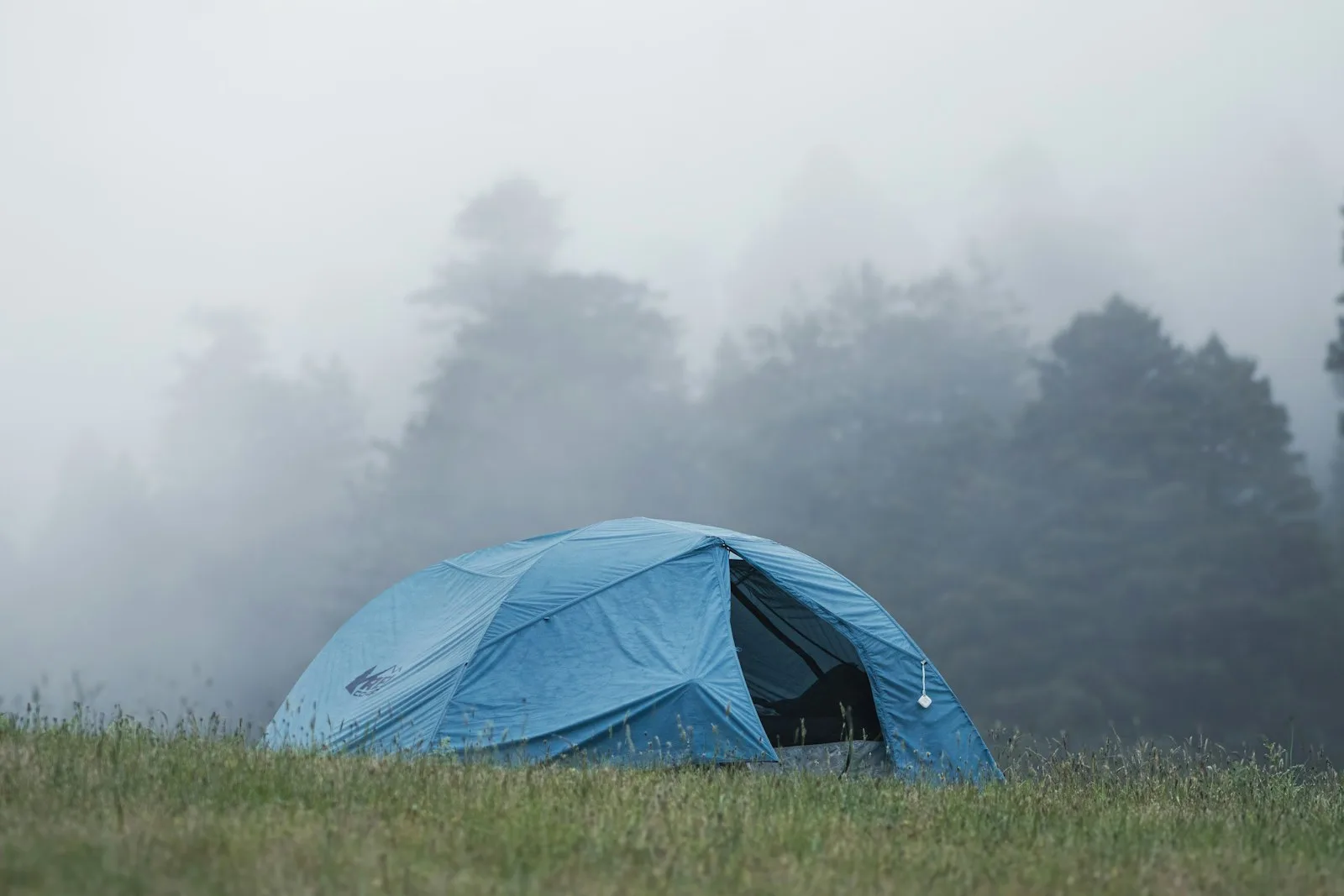
You unzip your sleeping bag in the morning and something cold drips on your face. The tent walls are covered in tiny beads of water. Your sleeping bag feels clammy at the feet. And it didn’t even rain last night.
So is your tent leaking? Probably not. What you’re looking at is almost always condensation: moisture from inside the tent, mostly from you, turning back into water on the cold fabric.
The good news is that you can control it. You won’t stop every single drop on every night, and nobody can promise that. But a few simple habits make a big difference. In this guide you’ll learn how to stop condensation in a tent, why it happens, how to tell it apart from a leak, and exactly what to do in winter, in rain and on humid summer nights.
Affiliate disclosure: As an Amazon Associate, JoinHikes earns from qualifying purchases. A few product links below are affiliate links, at no extra cost to you. This guide is based on outdoor-industry guidance (including REI and tent makers’ instructions) and common camping experience. No product testing is claimed.
Quick Answer: How Do You Stop Condensation in a Tent?
You stop tent condensation by letting moist air out and adding less moisture in. Open the vents, pitch the rainfly tight so it doesn’t touch the inner tent, camp on higher, airy ground away from water, keep wet gear outside your sleeping area, and never cook inside. Some condensation on cold or humid nights is normal, so the real goal is to keep it off you and your sleeping bag.
- Open roof vents and some door mesh, even when it’s cold.
- Pick a breezy, well-drained site, not a damp hollow or a lakeshore.
- Tension the rainfly and stake out the guylines.
- Leave wet boots and rain gear in the vestibule.
- Keep your sleeping bag off the tent walls.
- Wipe the walls with a small towel in the morning and dry the tent as soon as you can.
What Causes Condensation Inside a Tent?
Condensation happens when warm, moist air touches a colder surface. Air can only hold so much water vapor. When it cools down to a certain temperature, called the dew point, that vapor turns back into liquid water. It’s the same thing that happens to a cold glass of water on a summer day, or to your bathroom mirror after a hot shower.
Inside a tent, the warm moist air comes mostly from you. Every breath you exhale is full of water vapor, and you sweat a little all night. Outdoor guides often estimate that one adult can release around a pint of moisture overnight just through breathing and skin. Put two or three people in a small tent and that adds up fast.
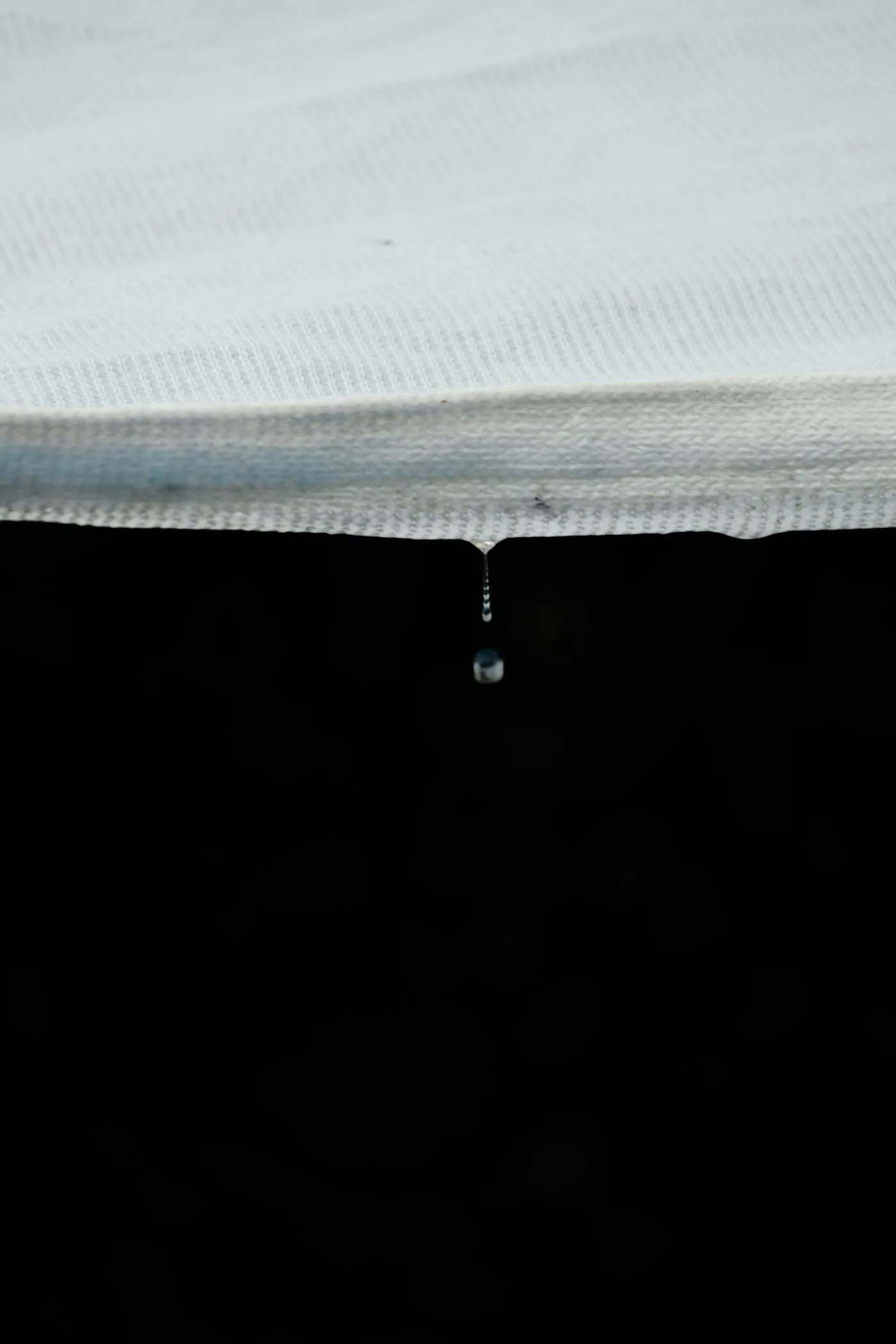
Meanwhile, the tent fabric is cooled by the night air outside. When your warm, damp air hits that cold fabric, droplets form. They gather, run down the walls, and sometimes drip back onto you.
Why Some Nights Are So Much Worse
Ever noticed your tent is soaked after a clear, still, cold night, but dry after a breezy one? That’s not bad luck. On clear nights, the tent fabric loses heat straight up to the open sky and gets colder than the air around it. With no wind to move the damp air out, it settles against that cold fabric and condenses. Clouds, a breeze or a tree canopy overhead all reduce that effect.
Common Causes of Tent Condensation
| Moisture source or cause | Why it matters | Easy fix |
|---|---|---|
| Breathing and sweating | The biggest source of moisture inside the tent | Ventilate; don’t breathe inside your sleeping bag |
| Closed vents | Damp air has nowhere to go | Open roof vents and some door mesh |
| Wet clothes, boots and rain gear | They release water into the tent air all night | Keep them in the vestibule or a dry bag |
| Humid air near lakes, rivers and marshes | The air is already close to saturated | Camp a little higher and farther from water |
| Wet ground and grass | Moisture rises from the ground into the tent space | Pick well-drained ground |
| Clear, calm, cold nights | Fabric gets colder than the air | Seek a breeze or light tree cover |
| Saggy rainfly touching the inner tent | Water passes straight through to the inside | Tension the fly and stake the guylines |
| Cooking or boiling water inside | Adds lots of steam (and is dangerous) | Always cook outside |
Good to know: even an expensive, fully waterproof tent can get condensation. Waterproof fabric keeps rain out, which also means it keeps your moisture in. That’s exactly why ventilation matters so much.
12 Practical Ways to Prevent Tent Condensation
Here’s what works, in rough order of how much difference it makes.
1Keep Your Tent Vents Open
Ventilation is the single most effective thing you can do. If warm, damp air can’t get out, it will condense on the walls. Open the roof vents on your rainfly, and if the weather allows, crack the door or open the mesh panel a little.
- Open vents high and low. Damp, warm air rises and escapes through high vents, while cooler, drier air comes in lower down. That flow is what keeps the walls drier.
- If your vents have little struts or kickstands, prop them open. A closed vent flap does almost nothing.
- In rain, use the vents that are covered by a hood, and keep doors closed on the windward side.
Camping tip: Even when it’s cold, some ventilation is almost always better than sealing the tent up. You’ll be warmer in a dry sleeping bag than in a damp one.
2Choose a Campsite With Good Airflow
Where you pitch matters almost as much as how you pitch. Cold, damp air sinks and pools in low spots, so hollows and valley bottoms are often the wettest places to sleep.
- Pick slightly higher, well-drained ground instead of the lowest flat spot.
- A light breeze is your friend. If there’s a steady wind, try pointing the door or the vents toward it so air flows through.
- Avoid exposed ridges in storms and always follow campground rules and Leave No Trace principles.
Camping tip: A sheltered spot with a gentle breeze usually beats both a wind-blasted ridge and a still, foggy hollow.
3Camp Under Light Tree Cover (Safely)
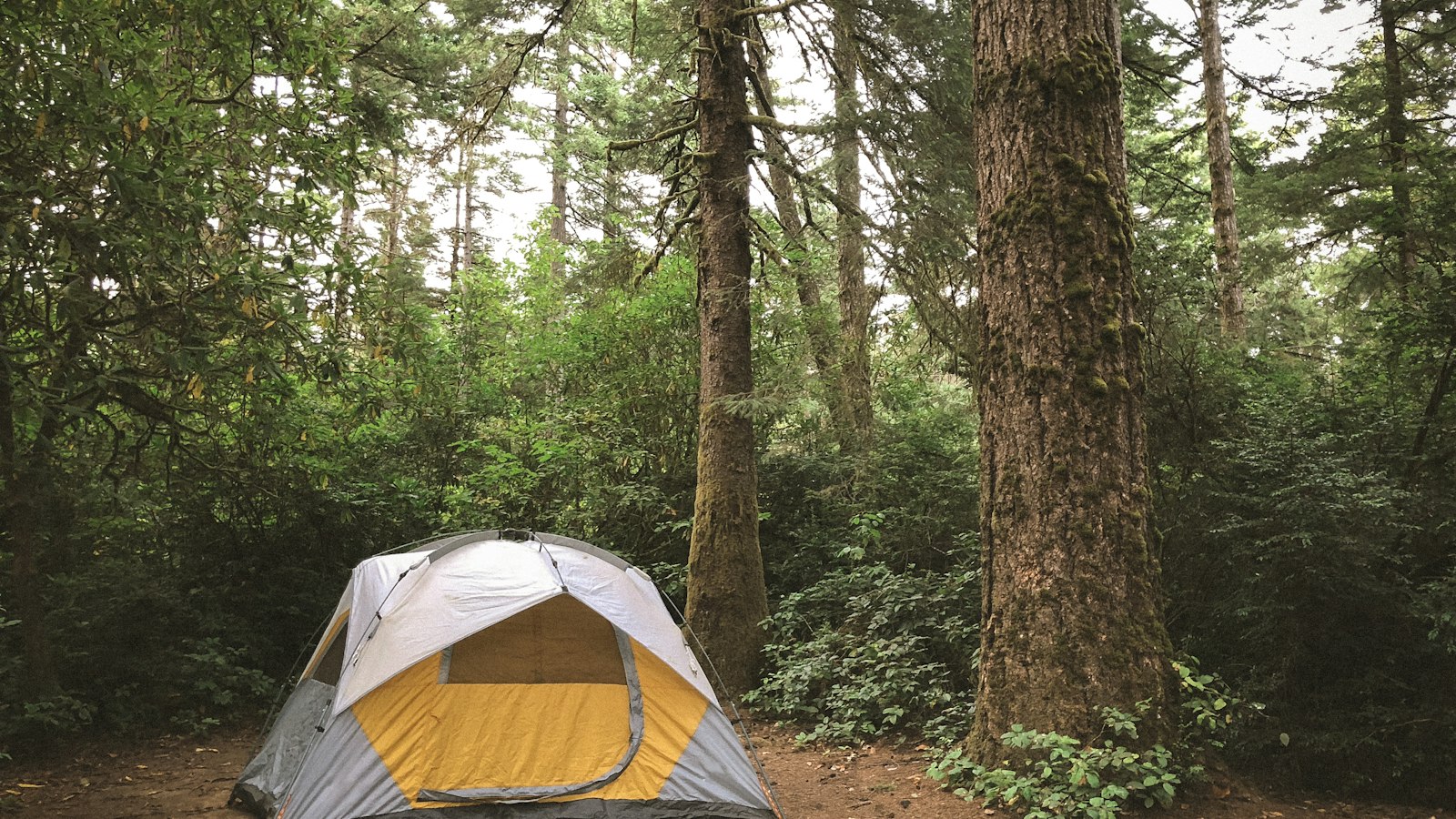
Pitching near trees, or under a light canopy, can noticeably cut condensation. The branches overhead block some of that heat loss to the open sky, so your tent fabric stays a little warmer and gathers less dew.
- Don’t pick a spot so thick with brush that no air moves at all.
- Look up before you pitch. Never camp under dead branches or leaning trees, sometimes called “widowmakers”.
- Under trees, rain can keep dripping long after a storm ends, so pitch your fly carefully.
4Keep Wet Clothes and Gear Out of Your Sleeping Area
Wet boots, socks and rain jackets release water into the air all night. Bring everything inside and the humidity climbs quickly.
- Leave wet gear in the vestibule, without blocking your exit or the vents.
- Put damp clothes in a stuff sack or waterproof bag so they don’t touch your sleeping bag.
- Shake rain and snow off your jacket before you crawl inside.
5Pitch Your Rainfly Tight
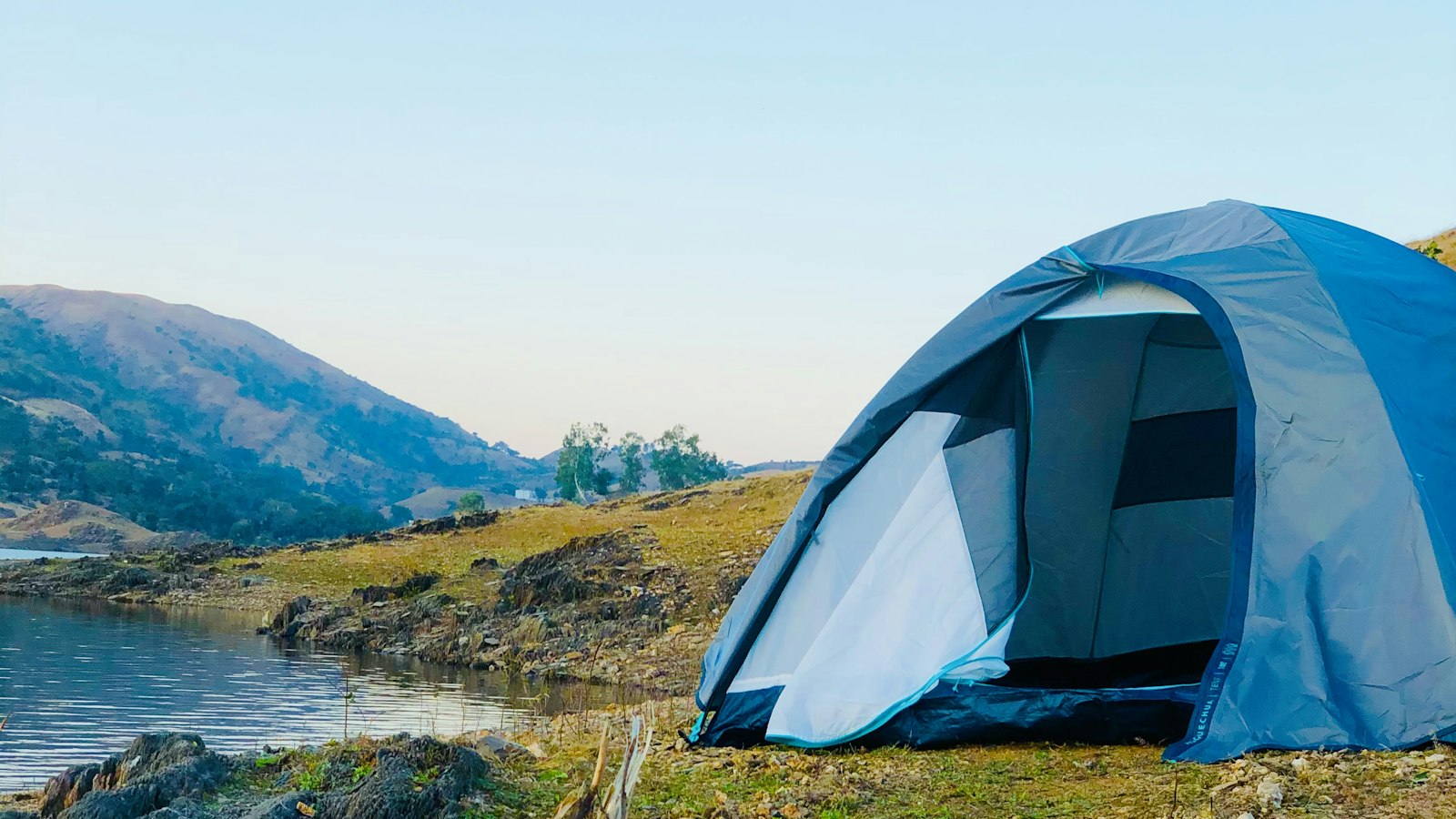
Most double-wall tents are designed with a gap between the inner tent and the rainfly. That gap lets air move and keeps the wet underside of the fly away from you.
- Pull the fly taut and stake out every guyline, especially the ones in the middle of the walls.
- Make sure the fly doesn’t touch the inner tent anywhere. Where it touches, water wicks straight through.
- Nylon fabric stretches when it gets cold and wet, so re-tighten the fly before bed and again in the night if it sags.
6Don’t Touch the Tent Walls
Wet walls are only a problem if something touches them. Your sleeping bag brushing the fabric soaks up moisture like a sponge, and every bump sends a shower of drops onto you.
- Leave a little gap between your sleeping bag and the walls, especially at your head and feet.
- If you keep touching the walls, the tent may be too small for you. One more person, or one more pack, inside the tent also means more moisture.
- A slightly roomier tent is one of the easiest long-term fixes.
7Never Cook Inside Your Tent
Boiling water and cooking create lots of steam, but the real reason is safety. Stoves, fuel heaters and lanterns that burn fuel can cause fires and deadly carbon monoxide build-up in a closed tent or vestibule.
- Cook outside in a safe spot, and follow your stove maker’s instructions.
- Let wet pots and hot drinks cool outside too, so their steam doesn’t fill the tent.
- Never run a fuel-burning heater in a tent to “dry it out”.
8Keep Your Sleeping Bag Dry
A damp sleeping bag loses warmth, especially if it’s filled with down. Keeping it dry is the whole point of controlling condensation.
- Carry your bag in a waterproof stuff sack or pack liner during the day.
- Don’t breathe inside your sleeping bag. Your breath wets the insulation from the inside. Breathe out of the hood instead.
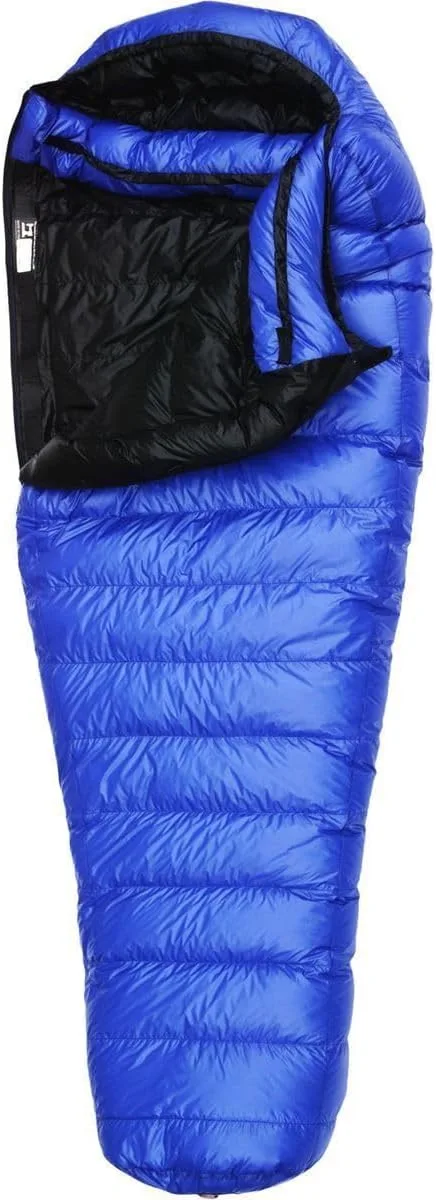
- In very wet places, a synthetic bag or a water-resistant shell copes better with damp. Our sleeping bag guide explains the trade-offs.
- Air the bag out in the morning sun if you can.

9Use a Properly Sized Footprint or Groundsheet
A footprint protects your tent floor from wear and keeps ground moisture away. But it won’t stop condensation that comes from the air.
- Make sure it doesn’t stick out past the tent floor. If it does, rain runs down the walls, lands on the footprint and pools right under you.
- Fold any extra edges underneath the footprint.
- Your sleeping pad also matters: a good insulated pad keeps you warm from below. See our sleeping pad R-value guide.
10Consider a Small Tent Fan
A small battery fan clipped to the roof can push damp air toward the vents. It’s most useful in big car-camping tents on still, muggy nights.
- A fan doesn’t remove moisture on its own. It only helps if the vents are open.
- For backpacking, the extra weight and batteries usually aren’t worth it.
11Wipe the Walls and Dry Your Tent
Even with good habits, you’ll sometimes wake up to wet walls. A quick wipe stops that water from dripping onto your gear.
- Use a small microfiber pack towel or a sponge to wipe the inside of the walls and ceiling. Wring it out outside.
- On a sunny morning, open the doors and vents and let the tent air out before you pack it.
- Shake water off the rainfly, and pack it separately from the dry inner tent if you can.
Camping tip: If you have to pack a wet tent, that’s fine for a day. Just dry it fully as soon as you get home or to the next camp.
12Choose a Tent With Good Ventilation
If condensation is a constant problem, your tent may be part of it. Tents differ a lot in how well they breathe.
- Look for roof vents you can prop open, big mesh panels on the inner tent, and a fly that sits clear of the inner tent with a gap at the bottom.
- A double-wall tent keeps condensation on the fly, away from you. Single-wall ultralight tents need more care.
- Compare designs in our best ultralight backpacking tents guide.
Camping tip: No tent is condensation-proof. Even the best-ventilated tent will be damp after a cold, still night by a lake.
Best Ways to Reduce Tent Condensation: Quick Comparison
| Method | How much it helps | Main benefit | Best for |
|---|---|---|---|
| Open vents (high and low) | Big | Lets damp air escape | Almost every night |
| Pick an airy, higher campsite | Big | Avoids cold, damp pockets of air | Valleys, lakes, rivers |
| Tight rainfly and guylines | Big | Keeps the wet fly off the inner tent | Double-wall tents |
| Wet gear in the vestibule | Medium | Adds less moisture inside | Rainy trips |
| Light tree cover | Medium | Keeps fabric a little warmer | Clear, cold nights |
| Stay off the walls | Medium | Keeps your bag dry | Small and single-wall tents |
| Wipe walls with a pack towel | Medium | Stops dripping | Mornings after a wet night |
| Small tent fan | Small | Moves air toward vents | Large car-camping tents |
| More ventilated tent | Big (long-term) | Better airflow by design | Frequent campers |
Does Tent Fabric Affect Condensation?
Yes. The material your tent is made of changes how much condensation you see and how it behaves.
| Tent fabric | Condensation | Good to know |
|---|---|---|
| Cotton or canvas | Low | Breathes and absorbs moisture, so you see fewer drops. Very heavy, slow to dry, best for car camping. |
| Polyester | Medium | Common in family and budget tents. Sags less than nylon when wet. |
| Nylon (PU or silicone coated) | Medium | Light and strong, but it stretches and sags when cold and wet. Re-tighten the fly at night. |
| Dyneema (DCF) | Higher | Ultralight and doesn’t sag, but it doesn’t breathe at all. Most DCF tents are single-wall, so ventilation is key. |
Single-Wall vs Double-Wall Tents: Which Has Less Condensation?
Both get condensation. The difference is where it ends up.
Single-wall tents
One layer of fabric does everything. They’re light and quick to pitch, but condensation forms on the same wall you can brush against. You’ll need to ventilate well and wipe the walls more often.
Double-wall tents
A breathable inner tent sits under a separate waterproof rainfly. Condensation mostly forms on the underside of the fly, and the inner tent keeps it away from you. Easier to live with on damp nights.
| Feature | Single-wall | Double-wall |
|---|---|---|
| Construction | One waterproof layer | Inner tent + rainfly |
| Weight | Usually lighter | Usually heavier |
| Where condensation forms | On the wall next to you | On the fly, away from you |
| Ventilation | Depends on design | Depends on design |
| Best for | Weight-conscious hikers | Campers who want a drier inside |
Neither design gives you a guaranteed dry night. A well-pitched double-wall tent is simply more forgiving.
How to Prevent Condensation in a Tent in Winter
Winter adds a twist: the condensation freezes. You may wake up to a layer of frost on the walls, and when the sun hits the tent or you start moving around, it melts and rains down on your gear.
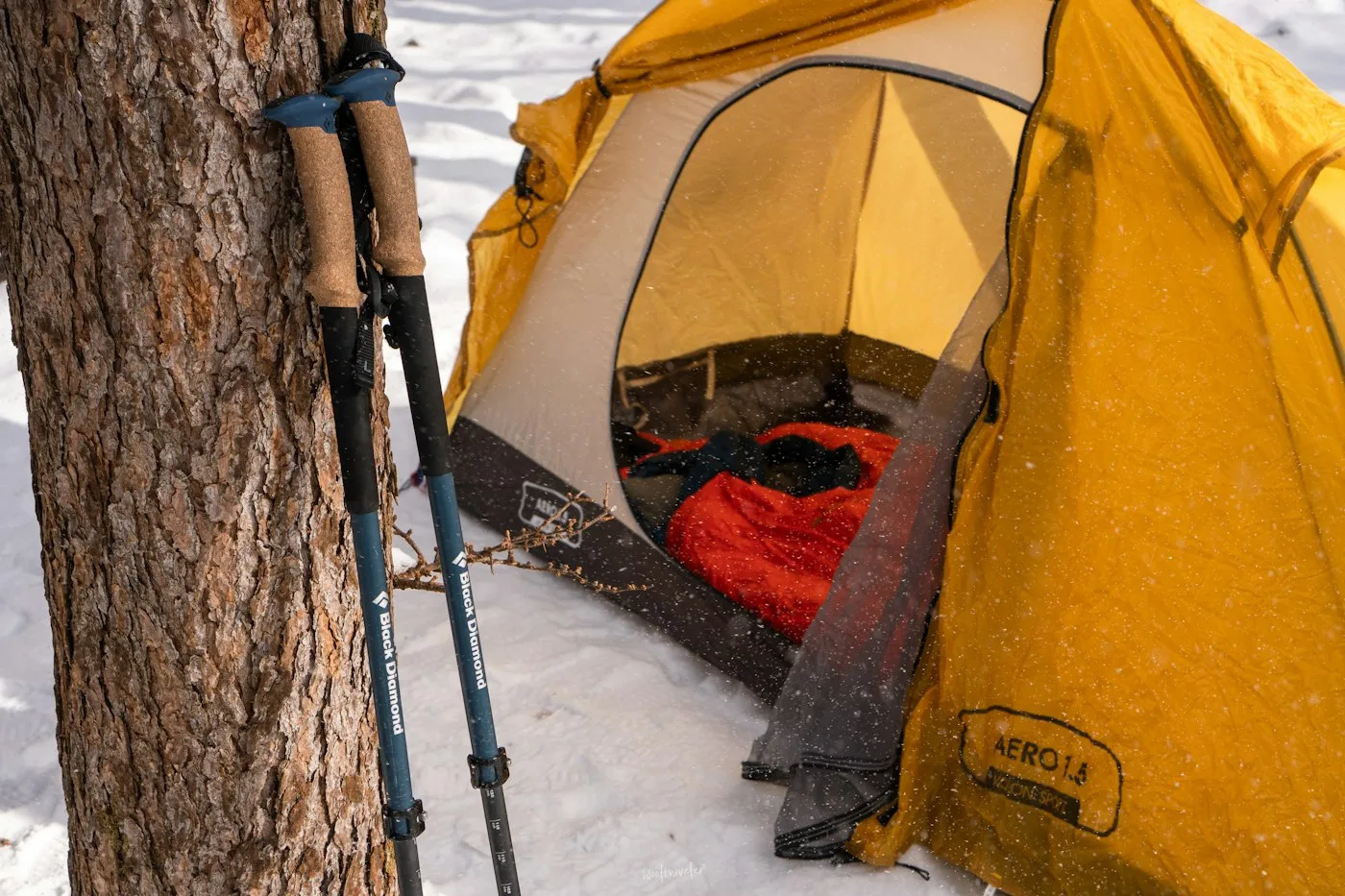
- Keep vents open. It feels wrong when it’s freezing, but sealing the tent makes the frost much worse.
- Brush off snow from your boots, pants and jacket before you get in.
- Knock frost off the walls in the morning before it melts, or gently brush it out the door.
- Keep your sleeping bag off frosty walls. A water-resistant bag shell helps.
- Don’t breathe into your bag, and keep your face near a vent if you can.
- Dig a little deeper. In snow, a slight pit around the tent can block wind while still leaving vents clear.
- Dry everything in the sun at lunchtime on multi-day trips.
Planning a cold-weather trip? See our best winter hiking trails and make sure your sleeping pad R-value is high enough for frozen ground.
Safety: never use a gas stove, fuel heater or charcoal inside a tent to warm it up or dry it out. Carbon monoxide can build up without any warning.
How to Reduce Tent Condensation When Camping in Rain
Rain makes condensation harder because the outside air is already wet, and you can’t just open every door. The trick is to keep air moving without letting water in.
- Use vents that have a hood or cover, and keep doors closed on the side the rain is coming from.
- Open the vestibule door on the sheltered side a little, if your tent design allows it.
- Pitch the fly tight and re-tension it as it gets wet and sags.
- Avoid low spots where water pools and puddles form.
- Keep wet rain gear in the vestibule, not next to your sleeping bag.
- If you hang a tarp, pitch it high above the tent so air can still flow underneath. A tarp draped low right on top of the tent traps moisture.
Be realistic: during long rainy spells, some condensation will happen no matter what. That’s normal, not a sign your tent is broken.
Condensation on Humid Summer Nights and Near Lakes
Hot, sticky nights and lakeside campsites are tricky because the air is already loaded with moisture. When it cools down overnight, it hits its dew point fast.
- On warm, dry nights with no rain in the forecast, consider leaving the rainfly off or rolled back, so you’re sleeping under mesh.
- Pitch a bit back from the water’s edge and on higher ground.
- Open both doors for cross-ventilation if bugs and privacy allow.
- Expect heavy dew in the morning. That’s outside moisture, not condensation, but it still needs drying.
Tent Condensation vs a Leak: How to Tell the Difference
It can be hard to tell if the water inside came from you or from the rain. These clues help:
- Tiny droplets spread evenly across the walls and ceiling.
- The tent is wet even though it didn’t rain.
- The underside of the rainfly is wet all over.
- It’s worse after a cold, clear or humid night.
- The fabric feels wet but there’s no single drip point.
- Water comes in at the same seam, corner or zipper every time it rains.
- There’s a steady drip in one spot during rain.
- Water pools around damaged fabric or peeling seam tape.
- The tent floor is wet from below after rain.
Easy test: on a dry day at home, pitch the tent and spray it gently with a garden hose for a few minutes. If water gets in at the seams or through the floor, you have a leak. If it stays dry inside, your wet mornings are condensation.
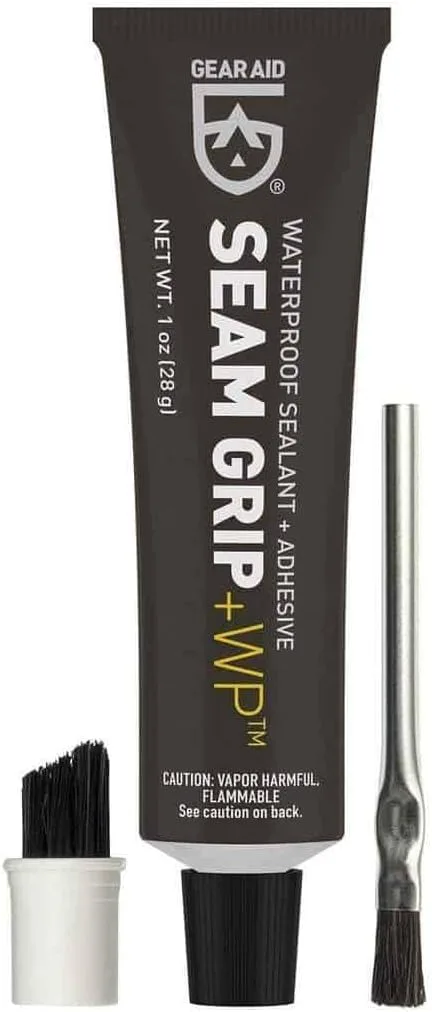
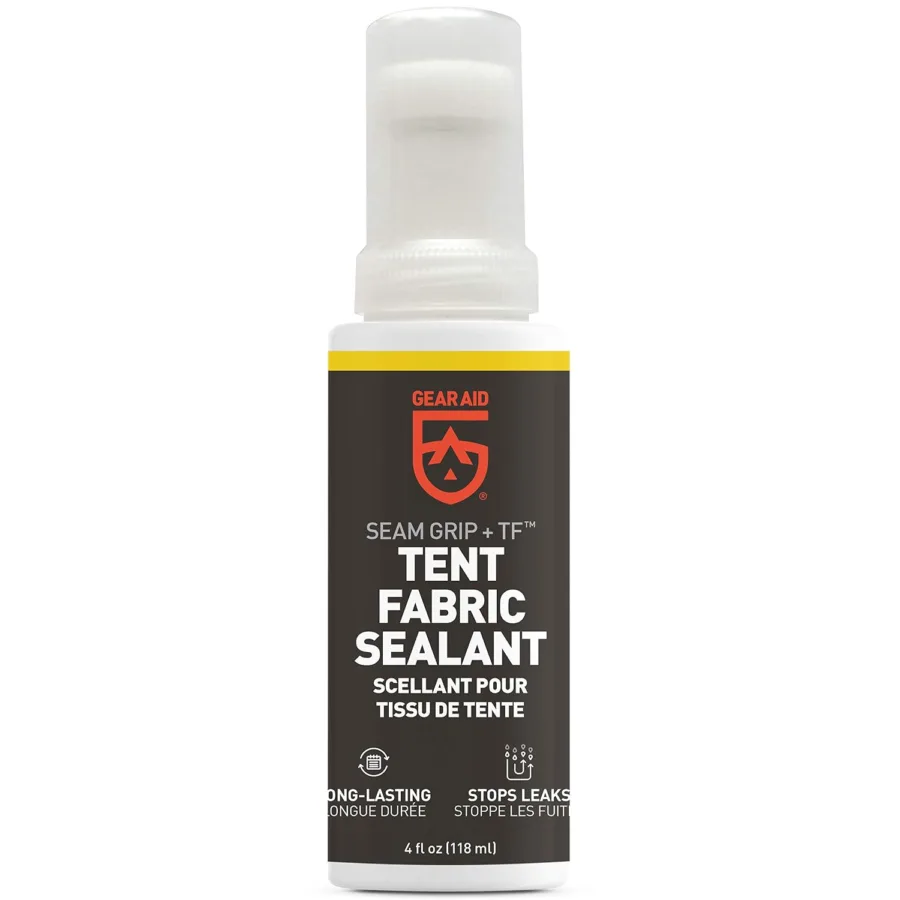
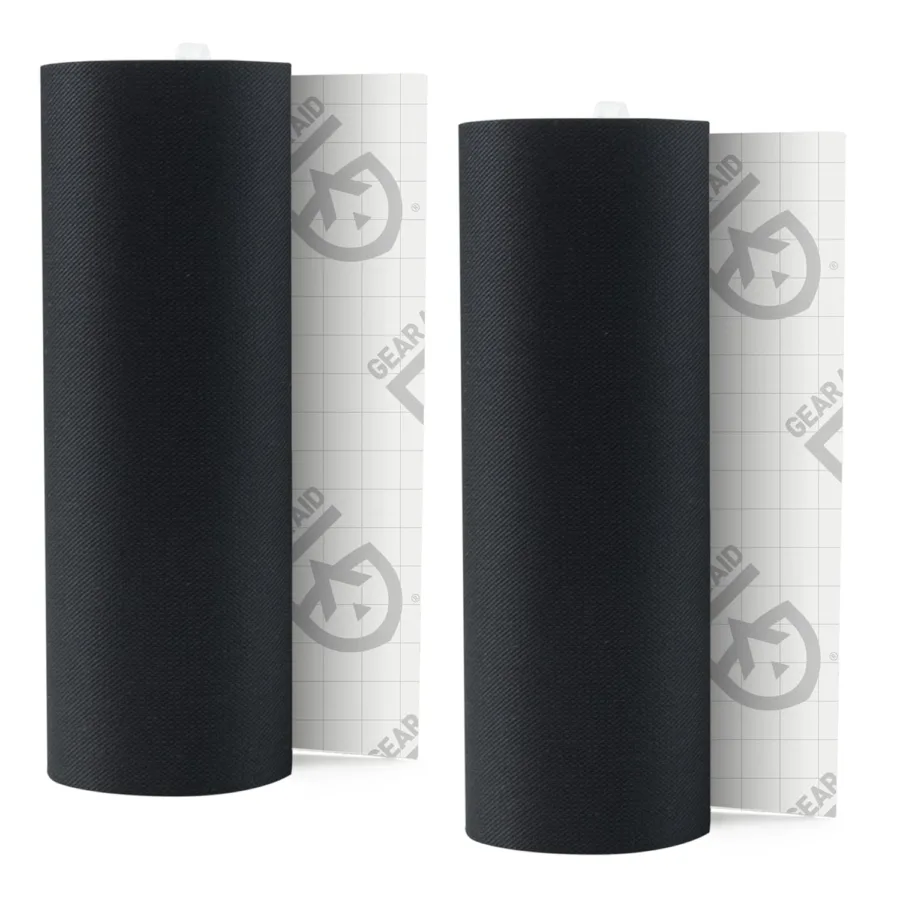
Both can happen at the same time. If you do find a leak, our best tent repair kits guide covers how to seal seams and patch holes. These are the fixes most campers need:
What to Do If Your Tent Is Already Wet Inside
- Don’t panic. A damp tent is normal and easy to fix.
- Open the vents (and doors, if it’s dry out) to get air moving.
- Wipe the walls with a pack towel or sponge, starting with the ceiling above your head.
- Move your sleeping bag and down jacket away from wet fabric and stuff them in a dry bag.
- Let it air out in the sun or wind before you pack, if you have time.
- Pack the wet fly separately from the dry inner tent and sleeping gear.
- Dry it fully at home before storing it (see below).
How to Dry and Store a Tent After a Damp Trip
A tent packed away wet can grow mildew within days. That leaves stains and a musty smell, and it can damage the waterproof coating.
- Set it up in the yard, a garage or a covered balcony, or hang it over a line or shower rail.
- Open all the doors and vents and turn it inside out if you can, so the floor dries too.
- Dry it out of strong, direct sunlight for long periods, since UV breaks down tent fabric over time.
- Store it loosely in a big breathable bag, not tightly compressed in its stuff sack.
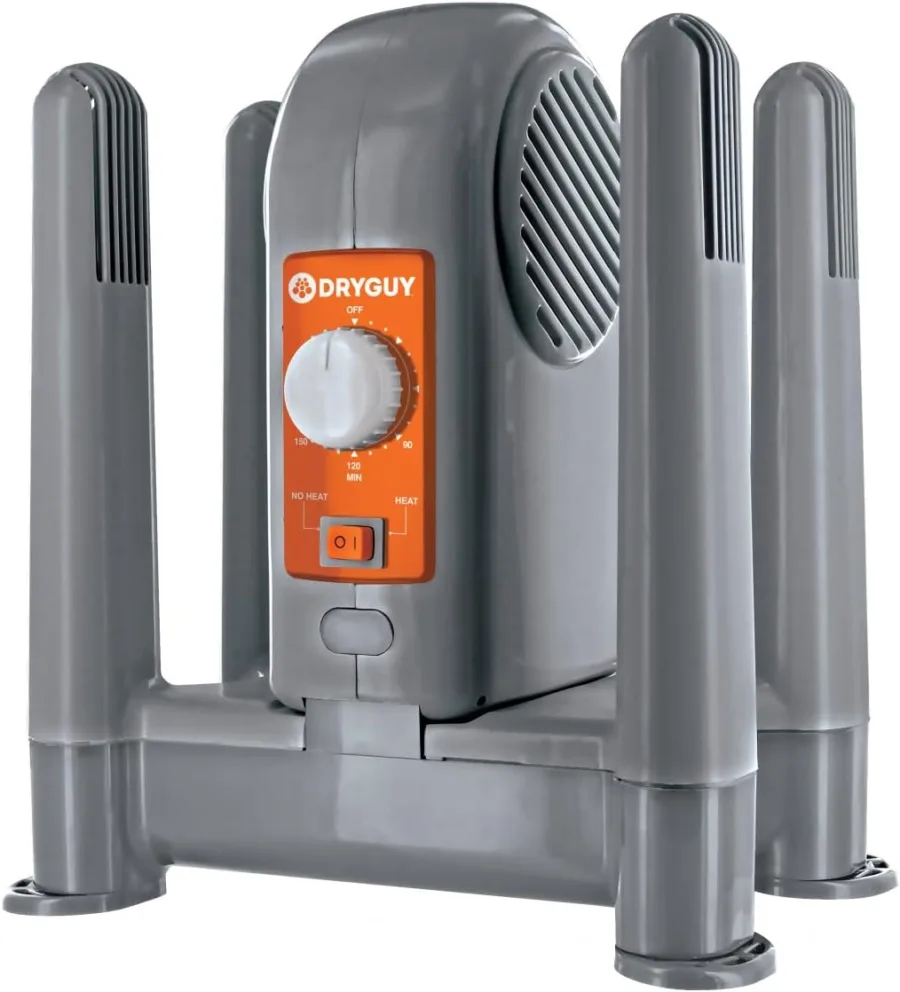
- Dry your boots and wet gear too. A boot dryer makes that quick.
Common Mistakes That Make Tent Condensation Worse
- Closing every vent to stay warm. It traps the moisture that makes you cold.
- Camping right beside water or in the lowest, dampest spot.
- Bringing wet boots and jackets inside the sleeping area.
- Letting the rainfly sag onto the inner tent.
- Breathing inside your sleeping bag on cold nights.
- Using a footprint that sticks out past the tent floor.
- Cooking or running a fuel heater inside.
- Packing the tent wet and forgetting about it at home.
- Assuming every wet tent is leaking and wasting money on a new one.
Simple Bedtime Checklist for a Drier Tent
Take one minute before you zip in for the night:
- Roof vents open and propped up?
- Some door mesh or a vestibule gap open (if the weather allows)?
- Rainfly tight, not touching the inner tent?
- Guylines staked out?
- Wet boots and rain gear in the vestibule?
- Sleeping bag clear of the walls?
- Pack towel within reach for the morning?
- Tent on well-drained ground, not in a dip?
Frequently Asked Questions
Why is my tent wet inside when it hasn’t rained?
It’s almost certainly condensation. Warm, damp air from your breath and body hits the cold tent fabric and turns back into water droplets. It’s most common on cold, clear, still or humid nights.
How do I stop condensation in my tent overnight?
Open the vents, pitch the rainfly tight so it doesn’t touch the inner tent, pick an airy, well-drained campsite away from water, keep wet gear in the vestibule and don’t cook inside. This cuts condensation a lot, but some on cold nights is normal.
Does opening tent vents really reduce condensation?
Yes. Vents let warm, moist air escape before it can condense on the walls. Opening vents both high and low creates a flow of air through the tent, which works best.
Should I close the tent vents when it’s cold or raining?
Usually no. Keep at least some vents open even when it’s cold. In rain, use vents with hoods or covers and close doors on the windward side, but don’t seal the tent completely.
Is condensation normal in a waterproof tent?
Yes. Waterproof fabric stops rain getting in, but it also stops your moisture getting out. That’s why even high-end tents get condensation and why ventilation matters.
Do double-wall tents prevent condensation?
Not completely. Condensation still forms, but mostly on the underside of the rainfly, and the inner tent keeps it away from you and your gear.
Why is my single-wall tent so wet inside?
In a single-wall tent, the only layer between you and the cold outside is the wall next to you, so condensation forms right there. Ventilate well, keep your bag off the walls and wipe the walls in the morning.
Why is condensation worse in winter?
The tent fabric is much colder, so moisture condenses faster and can freeze into frost. When it warms up, that frost melts onto your gear. Keep vents open and brush frost off before it melts.
Does a tent heater help with condensation?
Never use a fuel-burning heater inside a tent, because of fire and carbon monoxide risk. Even electric heaters at powered campsites don’t remove moisture. They warm the air, which can then condense on cold walls. Ventilation is still the real fix.
Can a camping fan prevent condensation?
A fan helps move air toward open vents, but it can’t remove moisture by itself. It’s most useful in larger car-camping tents on still, humid nights.
Does a groundsheet or footprint stop condensation?
No. A footprint protects the tent floor and helps with ground moisture, but condensation comes from the air inside the tent. Make sure the footprint doesn’t stick out past the floor.
Do moisture absorbers or desiccant packs work in a tent?
They’re unlikely to make much difference overnight. One person adds a lot of moisture, far more than a small absorber pack can soak up. Ventilation does far more.
Does putting a tarp over my tent help?
A tarp pitched high above the tent can keep rain off the fly and give you a dry place to cook and store gear. A tarp draped low directly on the tent blocks airflow and can make condensation worse.
How do I keep my sleeping bag dry in a tent?
Keep it away from the walls, don’t breathe into it, store wet gear elsewhere, ventilate the tent and air the bag out in the morning. A water-resistant bag or a synthetic fill handles damp better.
Can condensation damage my tent?
Normal overnight condensation won’t hurt it. The damage comes from storing a tent while it’s still damp, which can cause mildew, smells and a peeling waterproof coating.
Final Thoughts: Keep Your Tent Drier and Your Nights More Comfortable
Learning how to stop condensation in a tent doesn’t take expensive gear. For most campers, the biggest wins are simple: open the vents, pick an airy campsite, pitch the rainfly tight, keep wet gear out of your sleeping space and never cook inside.
Some condensation on cold, clear or humid nights is just part of camping. The goal isn’t a bone-dry tent. It’s a dry sleeping bag and a comfortable morning. With a pack towel in your pocket and a minute of setup before bed, you’ll get there.
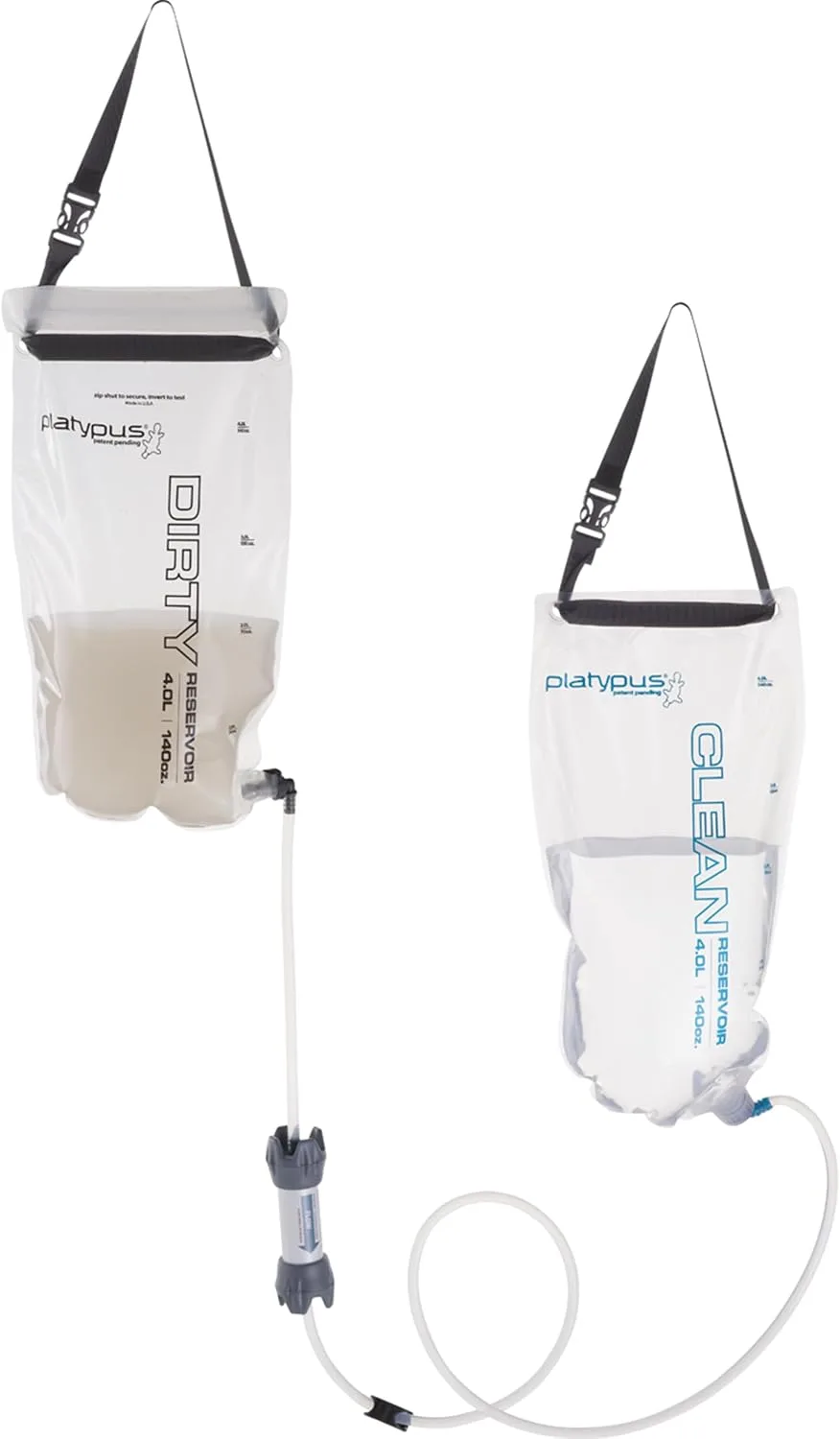
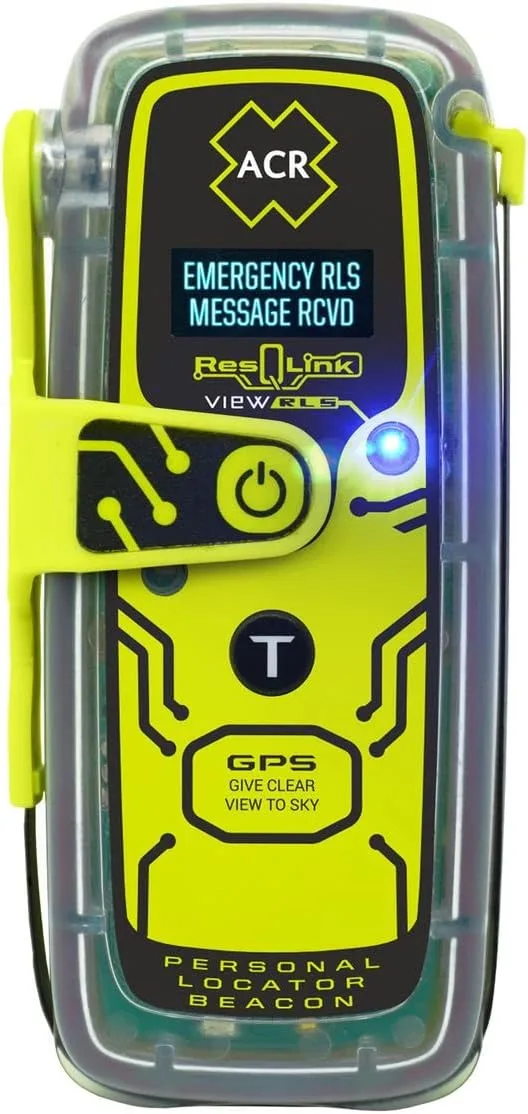
Readers’ Favorite Picks From Our Gear Guides
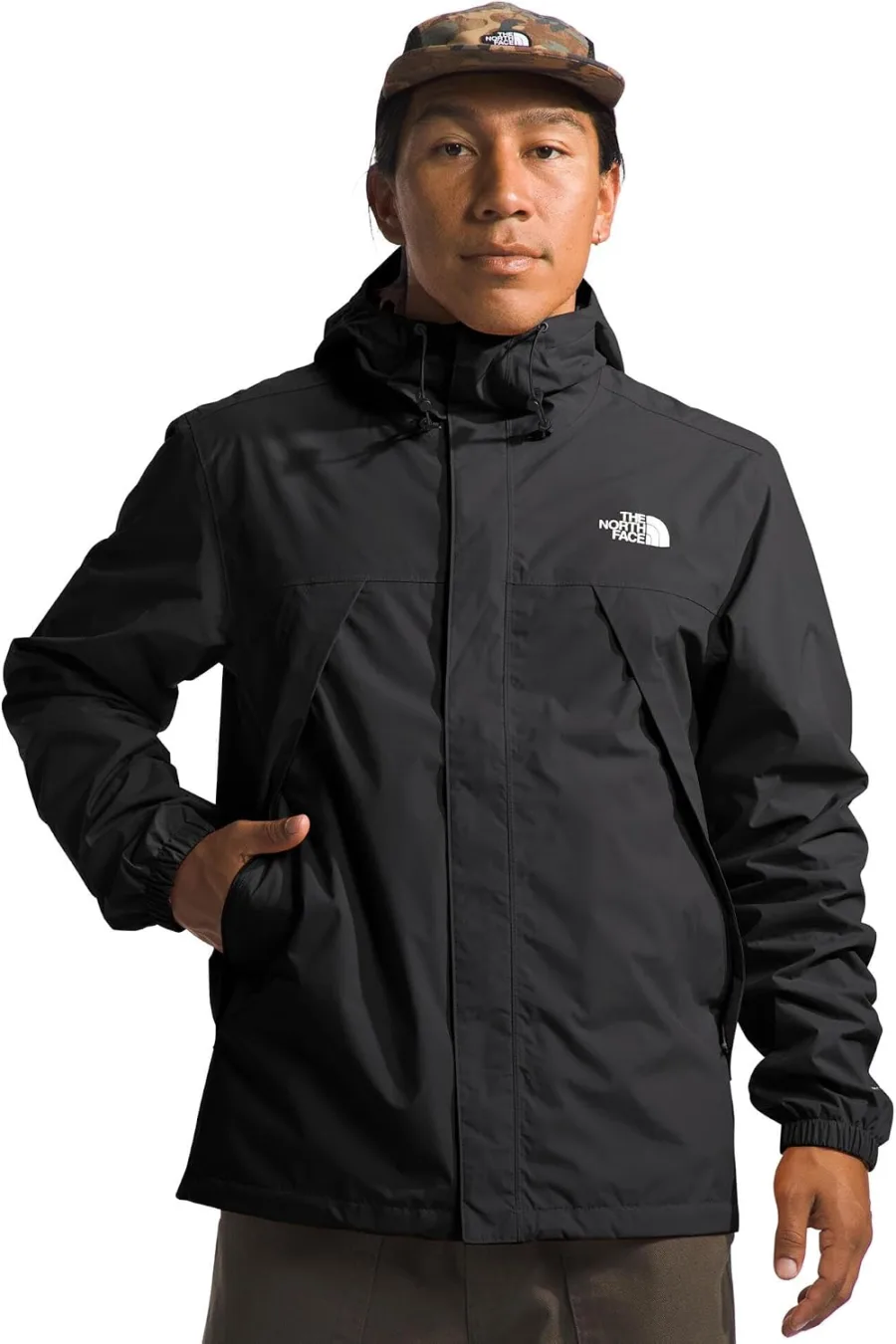
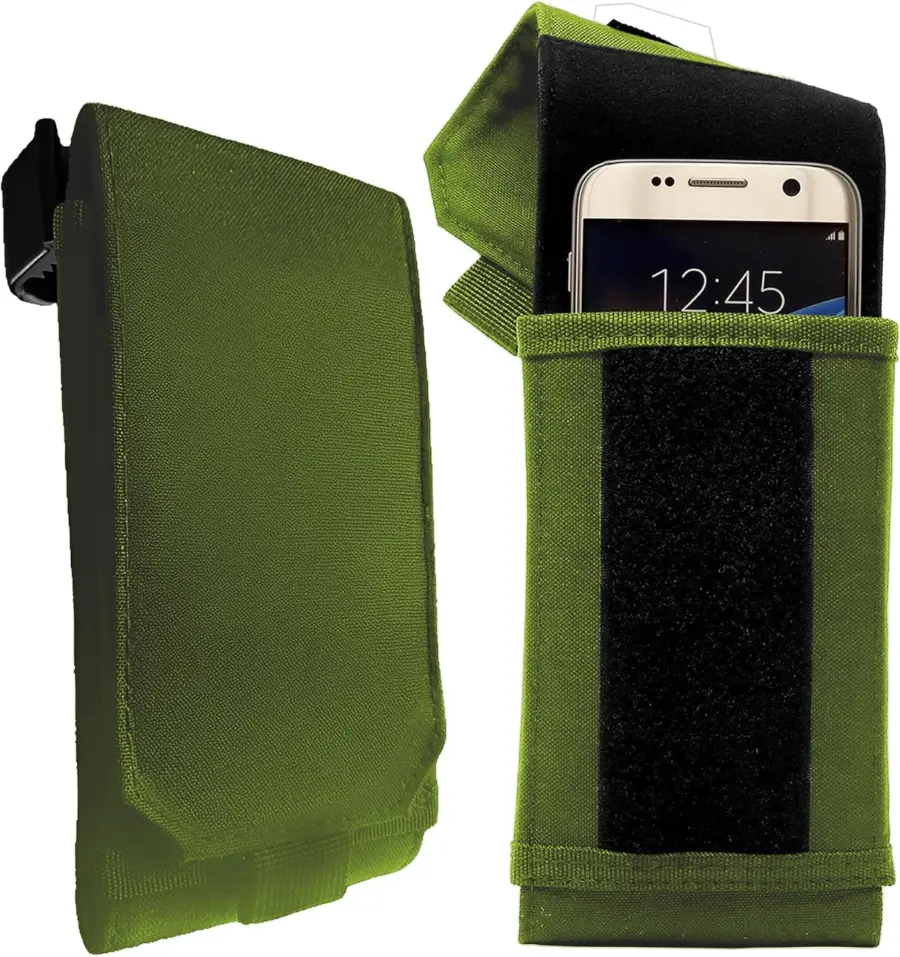
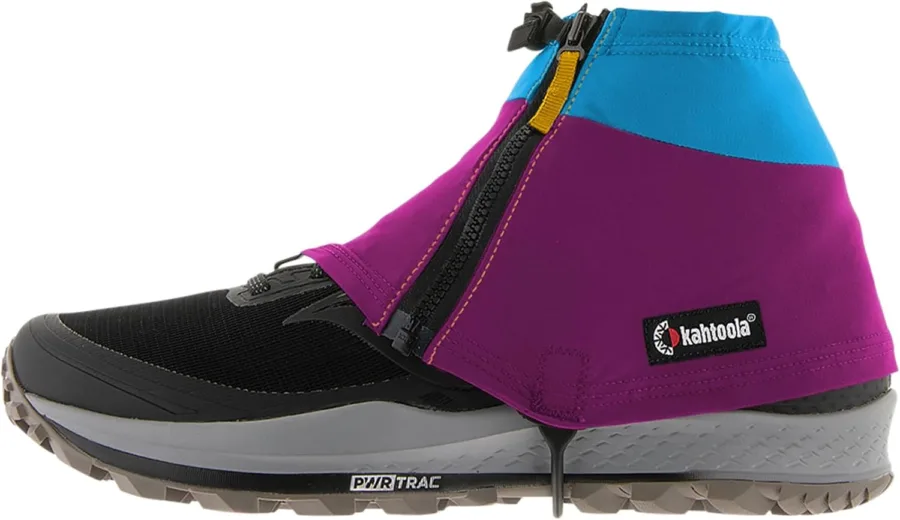
One top pick from each of our buying guides to help you camp drier, warmer and safer. Tap a photo to see it on Amazon.
More Camping & Tent Guides
Sources: general guidance from REI Expert Advice, tent manufacturers’ pitching and care instructions, and standard camping safety advice on stoves and carbon monoxide. Always follow your tent maker’s instructions.