
Dinosaurs? Yes. Giant pandas? Yes. Rockets, a real space shuttle, a 45-carat blue diamond, a carousel on the National Mall and a monument you can ride an elevator up? All here, and most of it is free.
Washington, DC might be the easiest big city in America to visit with children. But it still rewards a little planning. The National Mall is far bigger than it looks on a map, several “free” attractions need passes booked in advance, and trying to squeeze five museums into one day usually ends with tired feet, a meltdown, and nobody wanting to see another exhibit.
This guide to Washington DC with kids covers the 25 best family attractions, which ones need reservations, ideas by age (toddlers, school-age kids and teens), where to stay, getting around with a stroller, rainy-day backups, and realistic 2- and 3-day itineraries.
Is Washington DC Good for Kids?
Yes. Washington DC is one of the best U.S. cities for a family trip because most of its major museums, monuments, gardens and the National Zoo are free. It also works for every age. A toddler can watch pandas at the Zoo, an eight-year-old can stare up at a T. rex, and a teenager can stand where Martin Luther King Jr. gave his “I Have a Dream” speech.
The challenge isn’t finding enough to do. It’s deciding what to leave out.
Washington DC With Kids at a Glance
| Attraction | Best Ages | Time Needed | Cost / Booking |
|---|---|---|---|
| Natural History Museum | All ages | 2–3 hours | Free, walk in |
| Air and Space Museum | 5+ | 2–3 hours | Free, timed pass needed |
| National Zoo | All ages | Half day | Free, entry pass needed |
| Udvar-Hazy Center | 5+ | 2–3 hours | Free entry, paid parking |
| Lincoln Memorial | All ages | 30–60 min | Free, open 24 hours |
| Washington Monument | 6+ | 1 hour | Ticket needed (small fee online) |
| American History Museum | 7+ | 2 hours | Free, walk in |
| National Postal Museum | 5+ | 1–1.5 hours | Free, walk in |
| International Spy Museum | 8+ | 2–3 hours | Paid |
| National Children’s Museum | Under 9 | 2 hours | Paid |
| U.S. Botanic Garden | All ages | 1 hour | Free, walk in |
Free Doesn’t Always Mean Walk-In
This is the single most useful thing to know before a family trip. Several free attractions need passes for every visitor, including babies. Book these before you leave home:
- National Air and Space Museum: free timed-entry passes for all ages. Once you leave, you can’t re-enter on the same pass.
- National Zoo: free entry passes for every guest, infants included. A limited number of walk-up passes are released daily, but don’t count on them in busy seasons.
- National Museum of African American History and Culture: free timed passes for all ages, released 30 days ahead, plus a small batch of same-day passes online each morning.
- Washington Monument: timed tickets through the National Park Service’s booking site, with a small online fee.
- U.S. Capitol tour: free, but book ahead through the Capitol Visitor Center.
25 Best Things to Do in Washington DC With Kids
Don’t try to do all 25. Pick the handful your kids will actually get excited about, and build each day around one or two of them.
1. Smithsonian National Museum of Natural History
If you only visit one museum with younger kids, make it this one. You walk in under a giant African elephant in the rotunda, and it only gets better from there. The fossil hall is packed with dinosaur skeletons, including a T. rex. The Ocean Hall has a life-size model of a North Atlantic right whale hanging overhead. Upstairs, the Hope Diamond draws a crowd all day.
It’s free, there are no passes, and you can walk straight in. The building is huge, though, so pick your must-sees and leave the rest for another trip. Two to three hours is plenty for most families.
Best for: all ages, especially dinosaur fans and animal lovers.
2. National Air and Space Museum
Rockets solve the “museums are boring” problem fast. The flagship building on the National Mall has the 1903 Wright Flyer, the Apollo 11 command module, the Spirit of St. Louis and a moon rock kids can actually touch.
It’s also the best it has been in years. A long renovation of all 20 galleries is nearly finished. Five more galleries opened on July 1, 2026, including How Things Fly, a hands-on favorite with younger kids, and At Home in Space. The last two galleries are scheduled to open in late October and November 2026. There’s also a planetarium and an IMAX theater (both ticketed).
Book ahead: admission is free, but every visitor needs a timed-entry pass, regardless of age. One person can reserve up to nine. Plan at least two to three hours.
3. Steven F. Udvar-Hazy Center
Most family guides skip this, and it might be the most jaw-dropping stop of the whole trip. The Air and Space Museum’s second location, near Dulles Airport in Chantilly, Virginia, is a gigantic hangar holding the Space Shuttle Discovery, an SR-71 Blackbird spy plane and hundreds of aircraft hanging from the ceiling.
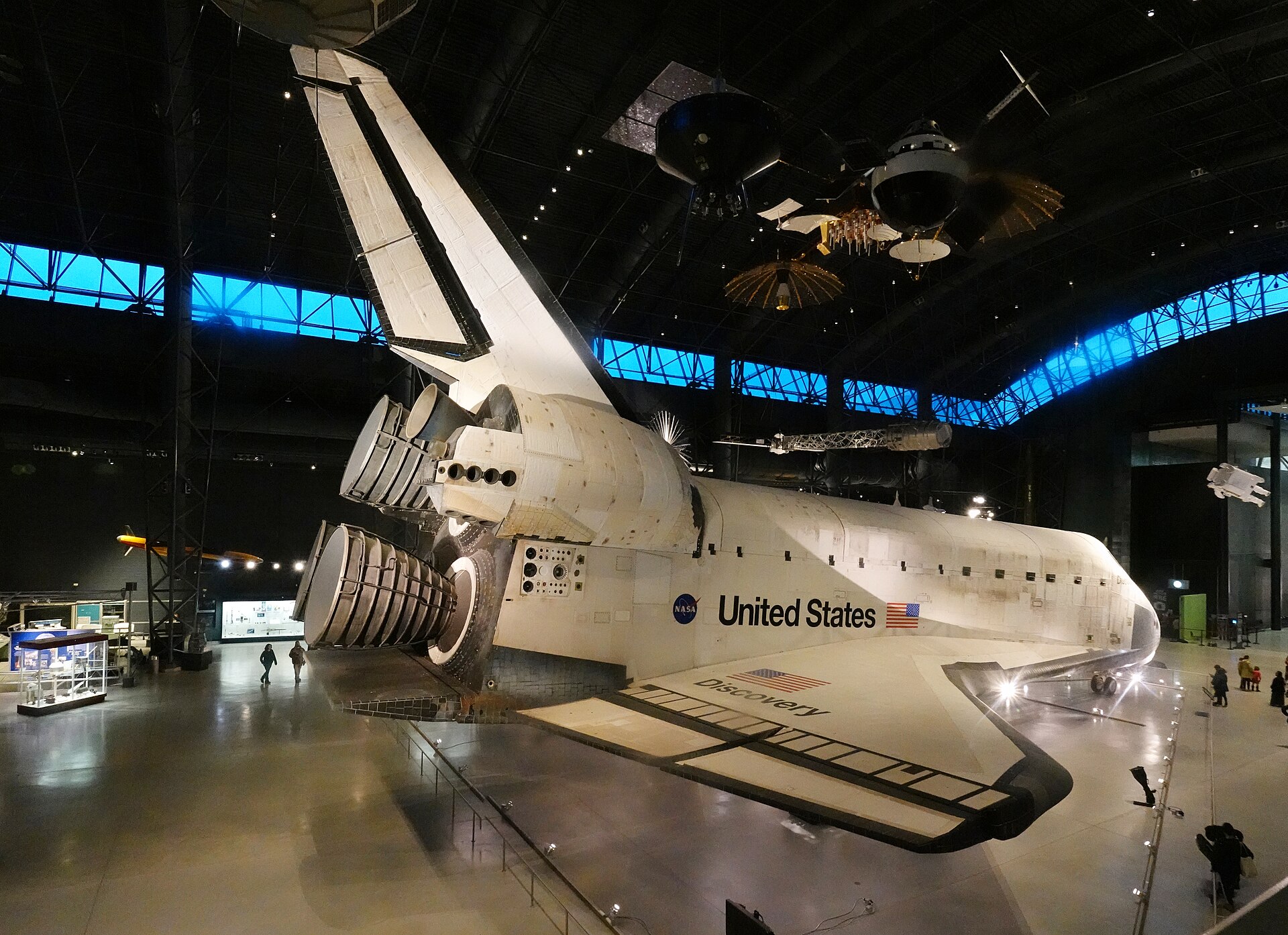
Entry is free, there are no timed passes, and parking is $15. It’s about 45 minutes from downtown by car, so it works best for families with a rental car or on the way to or from Dulles Airport.
4. Smithsonian’s National Zoo
The National Zoo spreads over 163 acres in Rock Creek Park and cares for more than 2,000 animals. And yes, the giant pandas are back. Bao Li and Qing Bao arrived from China in late 2024 and went on view in 2025. It’s the only place in the U.S. where you can see giant pandas for free.

Beyond the pandas, kids love the Asian elephants, the orangutans crossing overhead on the O Line cables, the lions, the sea lions and the reptile house. Some areas, like the Africa Trail, are under renovation, so check the Zoo’s map before you go.
Zoo tips for families:
- Every visitor needs a free entry pass, including infants. Book online in advance.
- Head to the pandas first. They’re most active early, and the panda line can close early on busy days.
- The Zoo is built on a hill. Enter at the top (Connecticut Avenue) and walk downhill, then take a bus or rideshare back instead of climbing up with tired kids.
- Hours change by season, with earlier closing from mid-September to mid-March. Last entry is an hour before closing.
- Parking is paid, limited and can sell out. The Woodley Park and Cleveland Park Metro stations are both a walk away.
Plan half a day, and don’t schedule anything ambitious right after. In winter, ZooLights turns the Zoo into a holiday light show in the evenings, and Boo at the Zoo runs around Halloween.
5. Run Around the National Mall (and Ride the Carousel)
After a couple of hours inside a museum, kids need space, and the Mall has plenty of grass to run, roll and picnic on. Right in front of the Smithsonian Castle, the vintage carousel on the National Mall is a cheap, easy reward between museums. Toddlers love it, and it doubles as a great bribe.
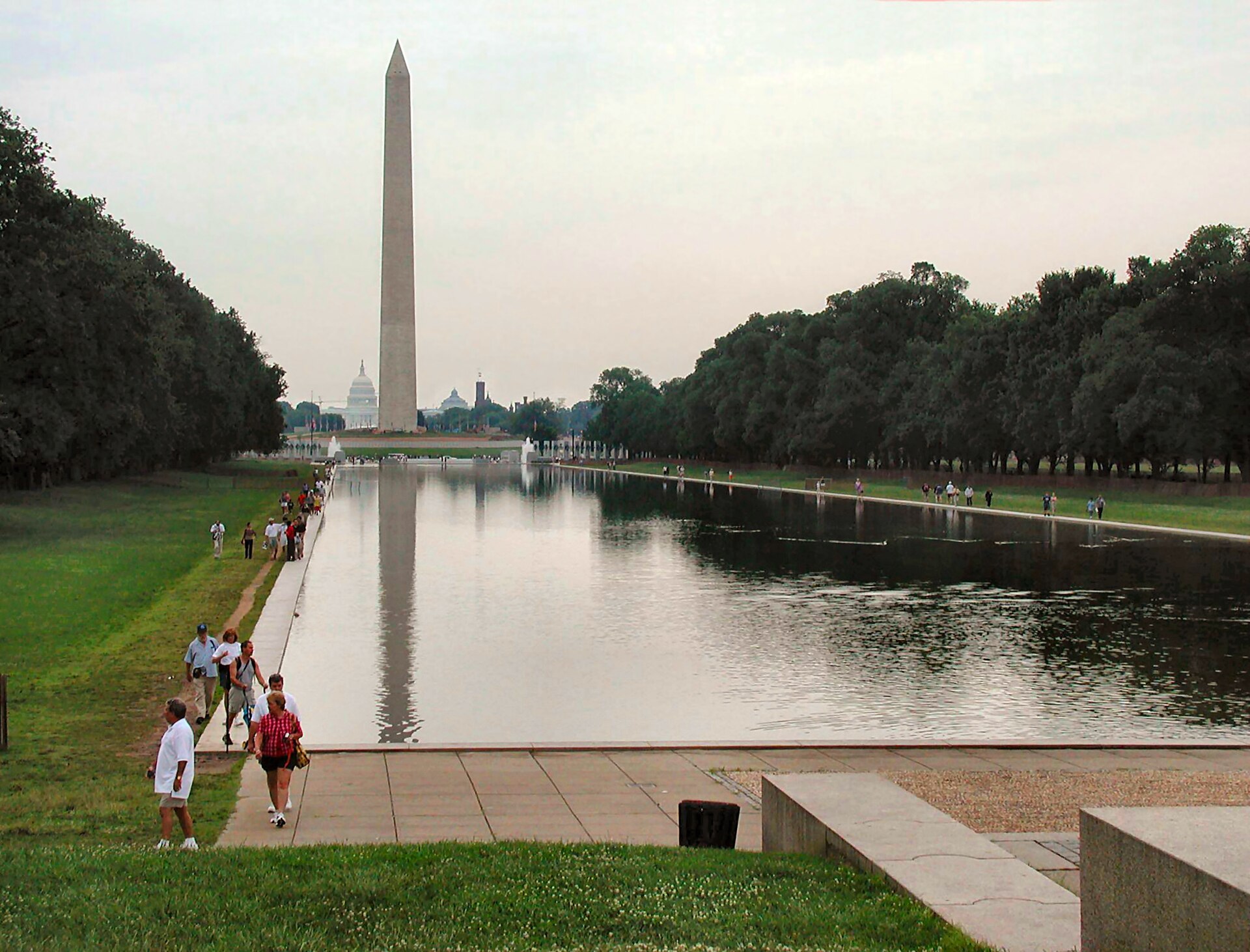
The warning: the Mall is about two miles from the Capitol to the Lincoln Memorial. Don’t try to walk the whole thing while stopping at every sight. Break it into sections: museums around the middle one day, monuments at the western end the next.
6. Lincoln Memorial
Some monuments are hard to “sell” to kids. This isn’t one of them. The giant seated Lincoln is impressive at any age, and climbing the steps is half the fun. Older kids can find the engraved spot where Martin Luther King Jr. stood during his “I Have a Dream” speech.
It’s open 24 hours. Come early to beat the crowds, or after dinner when it’s lit up and much cooler in summer.
7. Washington Monument
Kids will spot it from everywhere in the city, and riding the elevator to the top makes it unforgettable. The views from the observation level stretch across the whole Mall.
You need timed tickets, which are released online in advance, with a smaller batch the day before. They go fast in spring and summer. For very young kids, running around the base and looking up may be just as exciting.
8. National Museum of American History
Better for kids aged seven and up. They can see the original Star-Spangled Banner, Dorothy’s ruby slippers, a full-size locomotive and presidential artifacts. Instead of explaining centuries of history before the trip, let the objects do the work. A real thing in front of them sticks better than a textbook ever will. Free, no passes.
9. National Postal Museum
Quieter than the Mall museums, and that’s part of the appeal. Kids can climb into old mail trucks, see real airplanes hanging from the atrium ceiling and learn how mail crossed the country by Pony Express, train and plane. It’s next to Union Station, so it pairs well with a Capitol Hill day. Free.
10. International Spy Museum
One of the best paid attractions for older kids and teens. Visitors take on an undercover identity and test their spy skills through interactive challenges, then see real gadgets and learn true espionage stories. It’s near L’Enfant Plaza, a short walk from The Wharf.
It’s best for ages 8 and up. Since it’s ticketed, make sure your kids are actually interested before adding it to the budget.
11. U.S. Botanic Garden
A free, warm, green break near the Capitol. Kids can wander a jungle room with a catwalk overhead, see desert plants and carnivorous plants, and in the holiday season, check out the model trains and plant-made replicas of DC landmarks. It’s a great rainy-day or cold-day stop.
12. U.S. Capitol
For kids learning about government, a free tour of the Capitol, including the Rotunda, can bring civics class to life. Book through the Capitol Visitor Center. The tour is structured, so it’s better for children who can handle a guided walk; toddlers will be happier at the Botanic Garden next door.
13. Library of Congress
It sounds like an adult stop, but the Thomas Jefferson Building is so ornate that even younger kids look up in awe. Older kids can see the Gutenberg Bible and the Main Reading Room from the overlook. It’s connected to the Capitol by a tunnel, so combine the two.
14. National Museum of the American Indian
Free, near the Capitol end of the Mall, and housed in a striking curved building that looks nothing like its neighbors. It has a hands-on activity center for families. Its café, serving Native foods from across the Americas, is often called the best museum café on the Mall.
15. National Children’s Museum
After days of “don’t touch,” this is the place where touching is the whole point. It’s a play-based science and arts museum, best for kids under about eight, with climbing structures and interactive exhibits. It’s a paid attraction near Federal Triangle Metro, so check current admission and hours before you go.
16. National Museum of African American History and Culture
One of the most powerful museums in the country, and best for tweens and teens. The history galleries start deep underground and climb toward the present. They take about two hours and a mile of walking, so go in fed and rested. The upper floors on sports, music and culture are more energizing for younger visitors.
Free, but timed passes are required for everyone. Note that it opens at noon on most Mondays.
17. National Gallery of Art and Sculpture Garden
Art museums can be a hard sell, but the trick is to keep it short. Pick a room, play “find your favorite painting,” and get out before boredom hits. The outdoor Sculpture Garden next door is easy with kids, and in winter its fountain becomes an ice skating rink.
18. Planet Word
A free, hands-on museum all about words and language, inside the historic Franklin School near McPherson Square. Kids can sing karaoke, paint with words, and talk to a giant wall that responds to them. It’s a great pick for curious readers aged 7 and up, and a big change of pace from the Smithsonians. Check its website for current hours and reservation rules.
19. Paddle Boats on the Tidal Basin
From spring through fall, you can rent paddle boats and pedal around the Tidal Basin with views of the Jefferson Memorial. It’s a fun, low-effort break for the whole family, especially for kids tired of walking. It’s paid and seasonal, and busy during cherry blossom season.
20. Become a Junior Ranger
The National Park Service runs a free Junior Ranger program for the National Mall and Memorial Parks. Kids complete activities as they visit the monuments and earn a badge from a ranger. It turns a “boring” monument walk into a mission, and it’s free.
21. Georgetown and the C&O Canal
When the kids need a break from museums, Georgetown’s waterfront park has space to run, views of the Potomac and, in summer, splash fountains. You can walk along the old C&O Canal towpath and grab a cupcake on M Street. It’s a nice, slow afternoon rather than a “sight.”
22. Rock Creek Park and Nature Center
A huge forested park in the middle of the city, with easy trails, creeks and picnic spots. The Rock Creek Park Nature Center has live animals, a hands-on discovery room and a small planetarium run by park rangers. It’s a quiet, free half day, especially good for families who love being outdoors.
23. Yards Park and the Navy Yard Waterfront
On hot summer days, local families head to Yards Park near Navy Yard, where kids splash in a shallow fountain and wading area by the Anacostia River. Add a Nationals baseball game next door for an all-American afternoon.
24. Arlington National Cemetery
Better for older kids and teens. The Changing of the Guard at the Tomb of the Unknown Soldier is a solemn, unforgettable ceremony. The cemetery is large and hilly, and it’s a place for quiet and respect, so prepare kids for that before you go. It’s one Metro stop across the river.
25. Day Trip to George Washington’s Mount Vernon
With an extra day, Mount Vernon, about 30 to 40 minutes south, brings history to life with a working farm, animals, costumed interpreters and an interactive education center. It’s paid, but many families say it’s the most kid-friendly history site in the area.
Best Washington DC Museums for Kids
Let your kids’ interests decide.
| If Your Kids Love… | Go To |
|---|---|
| Dinosaurs, animals, gems | Natural History Museum |
| Planes, rockets, astronauts | Air and Space Museum, Udvar-Hazy Center |
| Real animals | National Zoo |
| Trains, trucks, mail | National Postal Museum |
| American history | American History Museum |
| Spies and gadgets | International Spy Museum |
| Words, reading, music | Planet Word |
| Art | National Gallery of Art |
| Hands-on play | National Children’s Museum |
| Plants and nature | U.S. Botanic Garden |
Which Smithsonian Museum Is Best for Kids?
For most families, the best Smithsonian museum for kids is either the National Museum of Natural History or the National Air and Space Museum. Choose Natural History for dinosaurs, animals and gems; choose Air and Space for planes, rockets and astronauts. If you have two museum days, do both. Natural History needs no passes, which makes it the easier one to fit in at the last minute.
Museum Survival Tips
Most Smithsonian museums open from 10 a.m. to 5:30 p.m. Arrive right at opening for the quietest hour. Every museum has bag screening at the door, so pack light. Strollers are welcome, but food isn’t allowed in the galleries; eat in the museum cafés or picnic on the Mall. And the most important rule: leave while everyone is still having fun. The museums are free, so you lose nothing by walking out after 90 happy minutes.
Washington DC With Kids by Age
Washington DC With Toddlers and Preschoolers
Slow everything down. One big attraction in the morning, a nap or playground break, and maybe one smaller stop in the afternoon is a full day. The best picks are the National Zoo, the Natural History Museum, the carousel, the Botanic Garden, the National Children’s Museum and the grass on the Mall. Snack breaks and running-around time aren’t wasted vacation hours. They’re what make the rest of the day possible.
Washington DC With School-Age Kids (6–12)
The sweet spot. They’re old enough to understand what they’re seeing, and still young enough to be thrilled by dinosaurs, pandas, rockets and spy gadgets. Try Air and Space, Natural History, the Zoo, the Washington Monument, the Spy Museum, the Postal Museum and the Junior Ranger program. Let each child choose one attraction themselves. A little ownership goes a long way.
Washington DC With Teenagers
Teens get more out of DC when it doesn’t feel like a school trip. Mix the big sights with the Spy Museum, the African American History Museum, the monuments at night, the Changing of the Guard at Arlington, Georgetown, The Wharf and a Nationals game. Give them some free time to pick lunch, take photos or wander a gallery on their own. Not every hour needs a plan.
Washington DC Itineraries With Kids
The golden rule: two major attractions per day is plenty. Add small stops in between, like the carousel, a monument or a playground, but don’t stack museum on museum. Natural History plus the Lincoln Memorial works. Natural History, Air and Space, the Capitol, the Washington Monument and the Lincoln Memorial in one day is technically possible. It’s not a good day with kids.
2 Days in Washington DC With Kids
Day 1: Natural History Museum in the morning, picnic and carousel on the Mall, then the Washington Monument, WWII Memorial and Lincoln Memorial in the late afternoon.
Day 2: Air and Space Museum in the morning (with your timed pass), lunch, then one of the Capitol, the Botanic Garden or the American Indian museum. If the Zoo is a must, swap it in as the main event of Day 2 instead.
3 Days in Washington DC With Kids
Day 1: Dinosaurs and monuments. Natural History Museum, lunch on the Mall, carousel, then the Washington Monument area and Lincoln Memorial. If the kids fade, head back and return to the memorials after dinner when they’re lit up.
Day 2: Space and Capitol Hill. Air and Space Museum in the morning, lunch, then pick one: the Capitol, the Library of Congress, the Botanic Garden or the American Indian museum. Don’t try all four unless your kids are older and genuinely interested.
Day 3: Pandas and a slow afternoon. National Zoo in the morning, a proper lunch, then keep the afternoon flexible: the Spy Museum or Children’s Museum, Georgetown’s waterfront, or back to the hotel pool for downtime. That’s a perfectly good choice too.
With a fourth day, add the Udvar-Hazy Center or Mount Vernon. For a more sightseeing-focused plan, see our full Washington DC 3-day itinerary.
Where to Stay in Washington DC With Kids
Location matters more with children. After walking all day, a 20-minute trek from the Metro to the hotel feels endless. The best family bases are:
- Downtown or Penn Quarter: the shortest walks to the Mall, with plenty of quick food nearby. Best for short trips.
- Capitol Hill: quieter, residential streets close to the Capitol and the eastern museums. The Capitol Hill Hotel’s suite-style rooms suit families.
- Woodley Park: the best pick if the Zoo is a priority. It’s calm and leafy, on the Red Line, and the Omni Shoreham has a summer pool.
- The Wharf / Southwest: open space by the water, casual food and apartment-style options like Hyatt House.
- Arlington, VA: often cheaper, with suites and easier parking, and Metro into the city.
Check room size carefully. A standard room that’s fine for two adults gets cramped fast with two kids, luggage and a stroller. Suites, connecting rooms or a kitchenette make a big difference, and a pool can save a hot afternoon. For a full breakdown of neighborhoods, read our guide on where to stay in Washington DC.
Getting Around Washington DC With Kids
You don’t need a car. Metro plus walking covers almost everything, and you’ll skip expensive downtown parking.
Metro with kids: up to two children aged 4 and under ride free with each paying adult. Kids 5 and older pay the regular fare and need their own SmarTrip card or contactless payment. Many kids think the trains themselves are an attraction. Hold hands on platforms and escalators, some of which are very long.
Strollers: a lightweight, quick-fold stroller is much easier than a big travel system. Every Metro station has elevators, though one is occasionally out of service, so check before you go if you depend on it. Even kids who normally walk well can run out of steam after hours on the Mall, so bring the stroller for kids up to about five.
Rideshares: sometimes paying for one short ride back to the hotel is worth far more than the money. Don’t feel guilty about it.
Make a lost-kid plan: crowds on the Mall can be thick. Pick a meeting spot at each stop, and write your phone number on younger kids’ arms or on a wristband.
Eating in Washington DC With Kids
Kids get hungry when kids get hungry, not when the famous restaurant has a table. Carry snacks, and plan to eat a little before the noon rush. The Smithsonian museums have cafés. The Mall is a great picnic spot, and you’ll find food trucks along its edges on most weekdays. Penn Quarter, Union Station, Capitol Hill’s Eastern Market and The Wharf all have easy, family-friendly options.
What to Do in Washington DC With Kids When It Rains
Rain is less of a problem in DC than almost anywhere, because the best attractions are indoors. Good rainy-day picks: Natural History, Air and Space, American History, the Postal Museum, the Botanic Garden, the National Gallery, Planet Word, the Spy Museum and the National Children’s Museum. Move the monuments to the driest part of the forecast. Our list of free things to do in DC has more indoor ideas.
Best Time to Visit Washington DC With Kids
Spring and fall offer the best walking weather, though spring brings cherry blossom crowds and school groups. Summer works around school holidays but is hot and humid. Plan monuments early, museums midday and outdoors again after 6 p.m. Winter has the smallest crowds, plus ice skating, ZooLights and holiday displays; just dress warmly for the wind on the Mall.
For month-by-month temperatures and packing advice, see our Washington DC weather by month guide. For crowds and prices, read about the best time to visit Washington DC.
What to Pack for Washington DC With Kids
Your daily bag should include refillable water bottles, snacks, sunscreen, hats, a small first-aid kit, hand sanitizer, a portable phone charger, a light rain layer and a spare outfit for little ones. Comfortable, broken-in shoes matter for everyone. Don’t send kids out in brand-new sneakers on a six-mile Mall day.
How Much Does a Washington DC Family Trip Cost?
Less than most big-city trips, because you could spend days at the Smithsonian museums, the Zoo, the monuments and the Capitol and pay almost nothing in admission. Your main costs will be the hotel, food, getting to DC, local transport and any paid extras like the Spy Museum, the Children’s Museum, paddle boats or Mount Vernon. Accommodation is usually the biggest expense, and staying near the Metro saves money on rideshares and parking.
Family Mistakes to Avoid
- Planning too much. Two major attractions per day is enough.
- Skipping reservations. Air and Space, the Zoo and the Washington Monument all need passes, even for babies at the Zoo.
- Underestimating the walking. The Mall is two miles long, and the Zoo is on a hill.
- Waiting until everyone’s starving. Feed kids before they melt down, not after.
- Ignoring the weather. Summer heat and winter wind change how much kids can handle.
- Treating every museum like school. Not every exhibit needs a lesson. Sometimes a dinosaur can just be a very big dinosaur.
Things to Do in Washington DC for the Grown-Ups
Traveling with kids doesn’t mean the adults can’t enjoy DC too. Slip in a visit to the National Archives to see the Constitution, a tour of the Capitol, or a quiet walk past the war memorials while the kids are still fresh. If one parent can step away for an evening, the memorials at night and dinner at The Wharf or on 14th Street are hard to beat. For every option, see our guide to the 30 best things to do in Washington DC.
Related Guides
Here’s where to go next as you plan the rest of your trip:
- Washington DC for Couples
- Free Museums in Washington DC
- Best Restaurants in Washington DC
- Things to Do in Georgetown Washington DC
FAQ: Washington DC With Kids
Is Washington DC a good family vacation?
Yes. DC has dozens of family-friendly museums, monuments, parks and the National Zoo, and most of the major attractions are free.
How many days do you need in Washington DC with kids?
Three to four days works well for a first family trip. Four or five days lets you slow down and add the Udvar-Hazy Center or Mount Vernon.
What is the best Smithsonian museum for kids?
Natural History or Air and Space. Choose based on whether your kids prefer dinosaurs and animals or planes and rockets.
Is the National Zoo free?
Yes. Admission is free, but every visitor, including infants, needs a free entry pass. Parking is paid.
Are the pandas back at the National Zoo?
Yes. Giant pandas Bao Li and Qing Bao arrived in late 2024 and went on view in 2025. Visit in the morning, when they’re most active.
Do kids need tickets for Smithsonian museums?
Most Smithsonian museums are free with no tickets. The exceptions are the Air and Space Museum, the National Zoo and the African American History Museum, which need free timed passes for all ages.
Do kids ride the DC Metro for free?
Up to two children aged 4 and under ride free with each paying adult. Kids 5 and older pay the regular fare.
Is Washington DC stroller friendly?
Mostly, yes. Museums and Metro stations have elevators, and the Mall is flat. A lightweight, folding stroller is easiest.
What can kids do in DC when it rains?
The Smithsonian museums, the Botanic Garden, Planet Word, the Spy Museum and the National Children’s Museum are all great indoor options.
Where should families stay in Washington DC?
Downtown or Penn Quarter for short trips, Capitol Hill for a quieter base, Woodley Park for the Zoo, and Arlington for better value and parking.
The Secret to a Great DC Trip With Kids
Do less than you think you can. Pick the museum your kids are actually excited about. Give them time to watch the pandas. Walk to the Lincoln Memorial, but don’t insist on six more memorials just because they’re nearby. Ride the carousel. Stop for ice cream. Sit on the grass.
Because so much of Washington is free, you can leave a museum after two hours without wasting a cent. Use that freedom. A great family trip isn’t the one where you check off the most attractions. It’s the one where your kids are still asking what you’re doing tomorrow.