
Washington, DC has a funny way of balancing the books.
First it takes your money. The hotel costs more than you hoped, lunch near the Mall isn’t cheap, and parking can feel like a second rent payment. Then, just when your budget starts to sweat, the city hands you the Lincoln Memorial, the Hope Diamond, the Wright Flyer and a Rembrandt, and doesn’t charge a cent for any of them.
That’s what makes searching for free things to do in DC so different from other big cities. The free stuff here isn’t the consolation prize. It’s the main event. Most of the reasons people travel to Washington in the first place cost nothing to see.
This guide covers more than 30 of the best free attractions in Washington, DC, from the monuments and Smithsonian museums to parks, neighborhoods and a brand-new museum hidden beneath the Lincoln Memorial. (Planning a museum-heavy trip? See our full guide to the free museums in Washington DC.) You’ll also find which free places still need a pass, simple one- and two-day itineraries, and ideas for kids, couples, rainy days and nights out.
What Are the Best Free Things to Do in DC?
The best free things to do in DC are walking the National Mall, visiting the Lincoln Memorial and its new undercroft museum, exploring the Smithsonian museums, seeing the National Gallery of Art, touring the Library of Congress, viewing the Declaration of Independence at the National Archives, visiting the National Zoo, walking the Tidal Basin and seeing the monuments lit up at night. Most are walk-in, but a few popular ones need a free timed pass.
Free DC Attractions at a Glance
| Free Attraction | Best For | Time | Free Pass Needed? |
|---|---|---|---|
| National Mall & memorials | First-timers | 2–4 hrs | No |
| Lincoln Memorial Undercroft | History fans | About 1 hr | Yes, timed ticket |
| Natural History Museum | Families | 2–3 hrs | No |
| American History Museum | History, families | 2–3 hrs | No |
| Air and Space Museum | Kids, aviation fans | 2–3 hrs | Yes, always |
| African American History and Culture Museum | History, culture | 3–4 hrs | Often, especially weekends |
| National Gallery of Art | Art lovers, couples | 2–3 hrs | No |
| National Archives | Founding documents | 1–2 hrs | Recommended in busy season |
| Library of Congress | Architecture | 1–2 hrs | Yes, timed pass |
| National Zoo | Families | 2–4 hrs | Yes, for everyone |
| Washington Monument | City views | About 1 hr | Yes, timed ticket |
| Tidal Basin | Walks, photos | 1–2 hrs | No |
| Rock Creek Park | Nature | 1–3 hrs | No |
In This Guide
- Free monuments and memorials
- Free Smithsonian and other museums
- Free government landmarks
- Free parks, gardens and neighborhoods
- Free things to do in DC at night
- Free places that need a pass
- Ideas for kids, couples and rainy days
- Free 1-day and 2-day itineraries
- How to keep a DC trip cheap
- FAQs
Why Are So Many Things in DC Free?
Because most of the big ones belong to the public. The Smithsonian Institution, the National Park Service, the National Gallery of Art, the National Archives and the Library of Congress are funded as national institutions, not as businesses that live off ticket sales. You’ve technically already paid for them, if you pay U.S. taxes.
One thing to keep in mind: since so many of these places are federally funded, a government shutdown can close some of them, including the Smithsonian museums, the Zoo and the National Gallery. The outdoor memorials usually stay open. If your trip lines up with a budget standoff in Congress, check the news before you go.
Free Monuments and Memorials in DC
1. Walk the National Mall
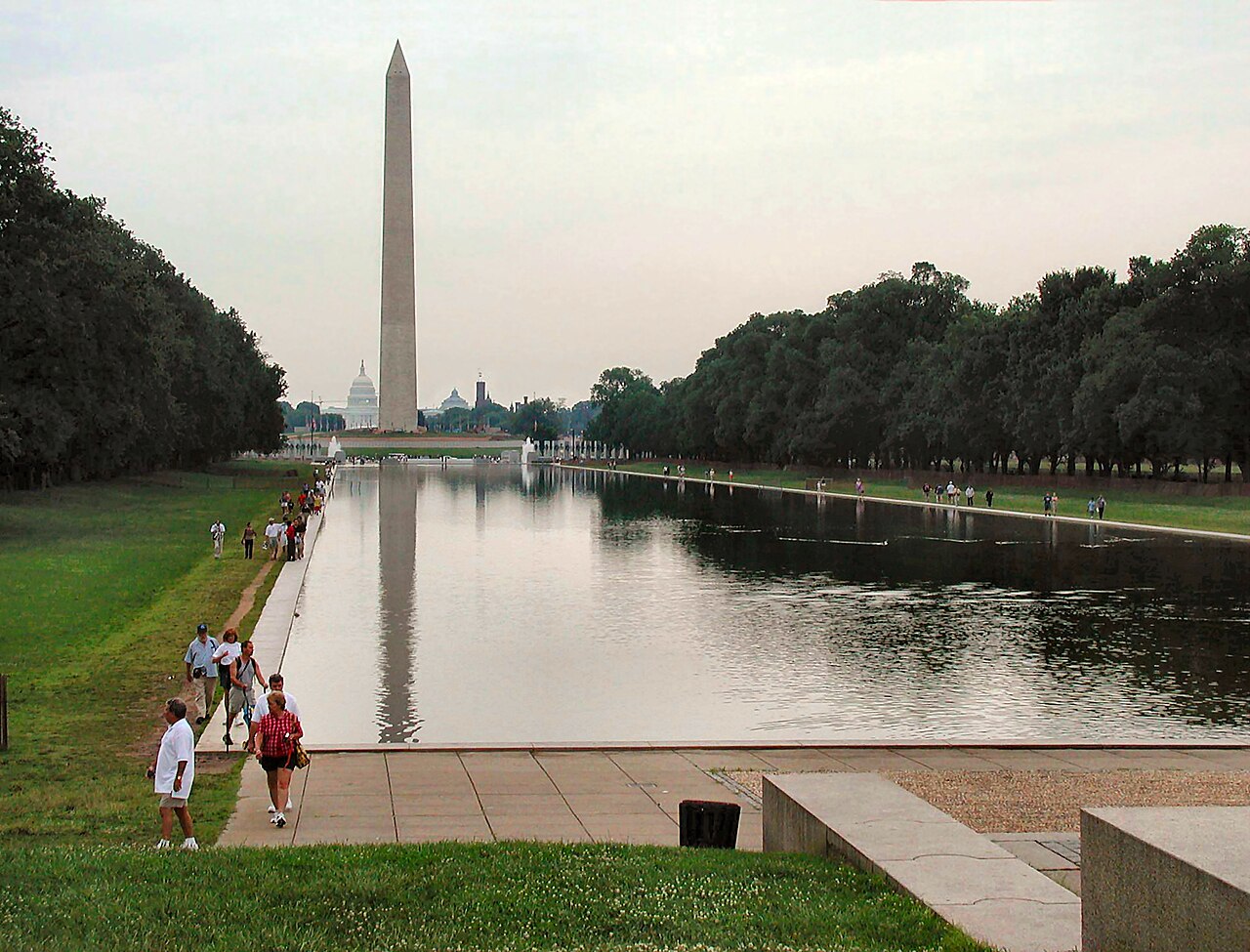
On your first morning, skip the museums and start outside. The National Mall is the city’s giant front yard, about two miles of lawns and paths with the Capitol at one end, the Lincoln Memorial at the other and the Washington Monument standing in the middle like a compass needle. Walk it once, and the rest of the city suddenly makes sense.
Here’s the mistake almost everyone makes: things look close on the map. They’re not. Capitol to Lincoln is a long walk, and you’ll zigzag far more than you expect. Wear your most comfortable shoes. You’ll thank yourself by lunchtime.
2. Stand on the Steps of the Lincoln Memorial
You already know what it looks like. You’ve seen it in textbooks, films and news footage your whole life. Standing in front of it is still different. The seated Lincoln is enormous, and the words of the Gettysburg Address carved into the wall hit harder in person.
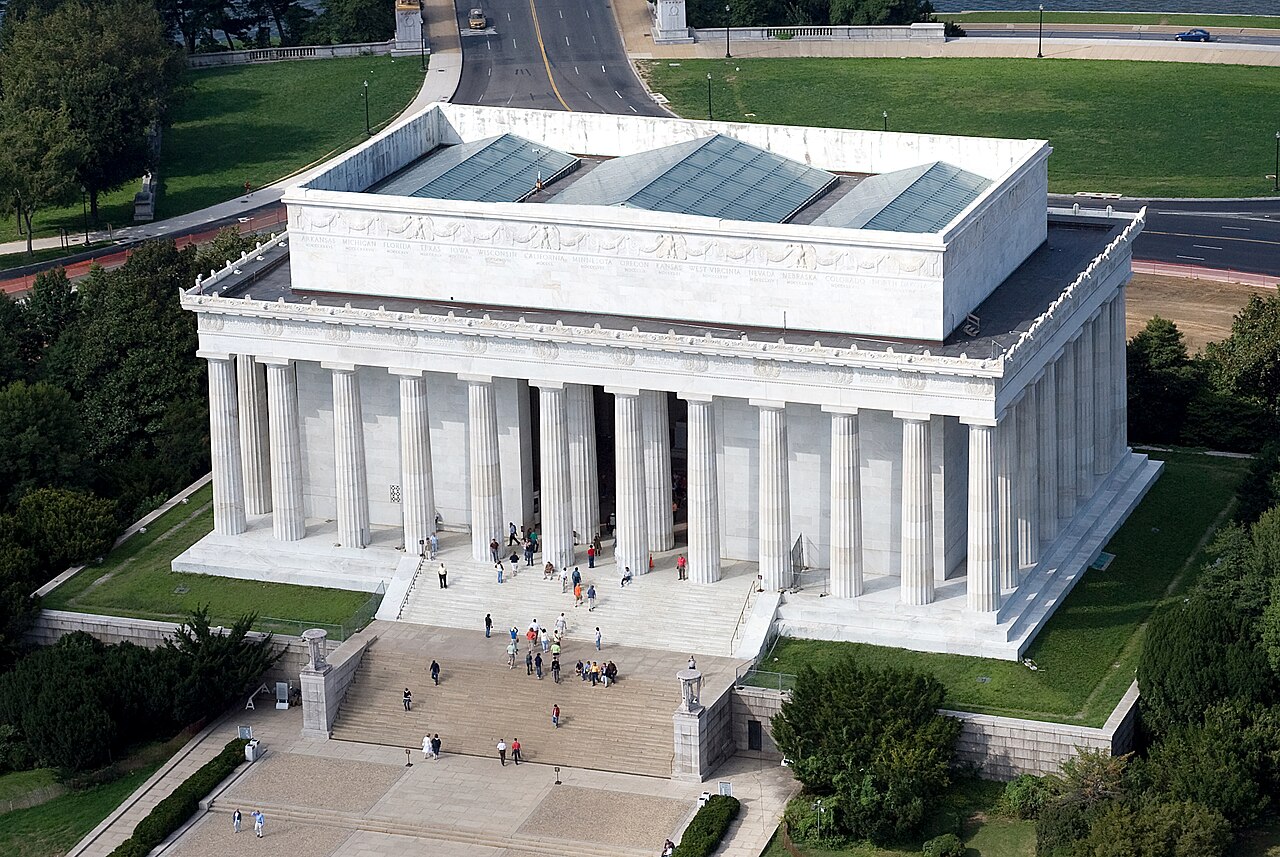
Find the spot on the steps where Martin Luther King Jr. stood to give his “I Have a Dream” speech in 1963. It’s marked with an engraving. Then turn around and look back down the Reflecting Pool to the Washington Monument. Early morning brings soft light and quiet. After dark, the whole place glows.
3. Go Beneath It: The New Lincoln Memorial Undercroft Museum
This is the newest free thing to do in DC, and most guides haven’t caught up yet. On June 25, 2026, the National Park Service opened a museum inside the huge hidden space beneath the Lincoln Memorial. For over a century, this forest of giant concrete columns holding up the monument was almost completely off-limits.
Now you can walk in and see how the memorial was built, and how it became the stage for so many moments in American history. Entry is free but limited. Reserve a timed ticket on Recreation.gov, or try for a same-day ticket at the kiosk near the Korean War Veterans Memorial.
4. Walk Along the Vietnam Veterans Memorial
This isn’t a place to rush. The black granite wall slowly rises as you walk along it, until more than 58,000 names tower over your head. People trace names onto paper, leave photos, letters and flowers, and speak quietly. You’ll notice your own voice drop without trying. Give it more time than your schedule says.
5. See the Korean War Veterans Memorial
Just across from the Vietnam memorial, 19 steel soldiers in rain ponchos move through a field of juniper as if on patrol. Walk all the way around them instead of snapping one photo from the front. On a misty day, the effect is haunting.
6. Visit the Martin Luther King Jr. Memorial
Walk toward the Tidal Basin and you’ll pass through a split mountain of granite to find Dr. King’s figure carved from the “Stone of Hope.” Quotes from his speeches and writings line the wall behind him. It’s a calm, powerful stop, and it connects easily with the Lincoln, Roosevelt and Jefferson memorials on one walk.
7. Loop the Tidal Basin to the Jefferson Memorial
The walk around the Tidal Basin is about two miles and takes you past the FDR Memorial, with its waterfalls and outdoor rooms, before reaching the domed Jefferson Memorial on the far side. In spring, the cherry blossoms turn this into the most crowded place in the city. The rest of the year it’s surprisingly peaceful, and the view of the Jefferson Memorial across the water is one of the best in DC.
8. Find the Quieter Memorials
Lincoln, Jefferson and MLK get the crowds, but the Mall is full of smaller memorials. The World War II Memorial, with its fountains and state pillars, sits right between the Washington Monument and the Reflecting Pool. The little round DC War Memorial hides among trees nearby, and Constitution Gardens has a quiet pond where many people never think to stop. Every one of them is free.
9. Go Up the Washington Monument
Walking around the base is free, of course. But the ride to the top is too. An elevator takes you up to the observation level about 500 feet above the Mall, with views stretching across the city and into Virginia. Tickets are free, though booking online adds a small service fee. A limited number of same-day tickets are released each morning for people who don’t mind getting there early.
Free Museums in Washington, DC
Eventually your feet will ask for a museum. Listen to them. Every Smithsonian museum in DC is free, and most you can simply walk into. Just don’t try to “do” five in one day because they cost nothing. Your wallet will survive. Your brain won’t.
10. National Museum of Natural History
Walk through the doors and an African bush elephant is waiting in the rotunda to greet you. From there it’s dinosaurs, a giant squid, the ocean hall, a hall of mammals, and upstairs, the Hope Diamond, glowing deep blue behind glass. It’s the easiest free museum to recommend for kids, and most adults end up staying longer than their kids do.
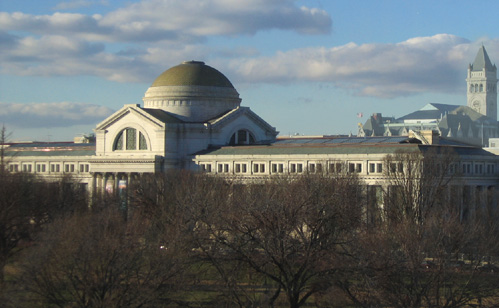
Pick the halls you care about most. Two happy hours beat four tired ones. (The live Butterfly Pavilion charges a small fee, but everything else is free.)
11. National Museum of American History
This is America told through things. The actual Star-Spangled Banner that inspired the national anthem. Dorothy’s ruby slippers. Julia Child’s kitchen. First ladies’ gowns. It’s the kind of museum where you go in to see one object and look up an hour later, still in the same wing.
12. National Air and Space Museum
The Wright Flyer. Amelia Earhart’s plane. The Apollo 11 command module that carried astronauts to the Moon and back. Kids love it, aviation fans love it, and plenty of people who thought they didn’t care about planes find themselves reading every sign.
The catch: A free timed-entry pass is required for every visitor at the Mall location, including children. Book it before your trip, because passes can run out. Have extra time and a car? The museum’s second site, the Udvar-Hazy Center near Dulles Airport, holds a Space Shuttle and the Enola Gay. Entry there is also free, but parking isn’t.
13. National Museum of African American History and Culture
Don’t squeeze this one in between lunch and another stop. The museum is designed as a journey. You start deep underground in the era of the slave trade and slowly rise, floor by floor, through emancipation, segregation and civil rights, until you reach the upper galleries full of music, sports and culture. The feeling of moving upward toward the light is deliberate, and it stays with you.
Admission is free, but it’s one of the most popular museums in the country. Timed passes are strongly recommended and are usually required on weekends and in busy seasons. Weekday walk-up entry is sometimes available. Plan at least three to four hours, or build a whole day around it.
14. National Gallery of Art
Had enough history for one day? Switch to art. The National Gallery is always free, and you don’t need a pass for its galleries or exhibitions. It holds the only painting by Leonardo da Vinci in the Americas, alongside Vermeer, Rembrandt, Monet, Van Gogh and a huge collection of American and modern art. It’s open daily from 10 a.m. to 5 p.m., except Christmas and New Year’s Day.
Tip: The Gallery has two buildings joined by an underground walkway with a glittering light tunnel. The West Building has the old masters, and the East Building holds modern art. Pick one instead of forcing yourself through both.
15. National Gallery Sculpture Garden
When museum fatigue hits, step outside into the Sculpture Garden next to the Gallery. There’s a big central fountain, shady paths, and giant pieces of art to wander between. Sit for a while and decide whether you actually want another museum today. In winter, the fountain becomes an ice rink. Skating costs money, but watching is free.
16. The National Archives (See the Declaration of Independence)
It’s hard to beat this for a free experience. In a dim, domed rotunda, the original Declaration of Independence, Constitution and Bill of Rights rest in glass cases. The ink on the Declaration has faded almost to a ghost, which somehow makes it more moving. Admission is free. You can usually walk in, but reserving a timed slot in the busy spring and summer months saves you from a long line.
17. The Smithsonian Art Museums
If you still want more art, the Smithsonian has several smaller, calmer museums, all free:
- Hirshhorn Museum: The round, doughnut-shaped building on the Mall is devoted to modern and contemporary art, with a sunken sculpture garden across the street.
- National Museum of Asian Art: A quiet escape with beautiful ceramics, paintings and the famous blue-and-gold Peacock Room.
- National Museum of African Art: Traditional and contemporary works from across the continent.
- National Portrait Gallery and American Art Museum: They share one grand building downtown, with the presidential portraits and a glass-roofed courtyard that’s perfect for a break.
18. National Museum of the American Indian
With its curving, sand-colored walls, this museum looks like it was shaped by wind and water. Inside, it tells the stories of Native peoples across the Americas, past and present. It’s also a good place to know about for lunch. Its café is one of the better museum food options on the Mall, though that part isn’t free.
19. United States Holocaust Memorial Museum
This museum is free, and it’s one of the most important in the city. It’s also heavy, and the main exhibition isn’t recommended for young children. Timed passes are needed for the permanent exhibition in the busiest months, so check before you go. Give yourself time afterward to sit outside and process what you’ve seen.
Free Government Landmarks
20. Step Inside the Library of Congress
If you think a library is just shelves of books, the Thomas Jefferson Building will change your mind. You walk into the Great Hall and your eyes go straight up: marble columns, painted ceilings, gold leaf, mosaics and grand staircases everywhere you look. It feels more like a palace than a library.
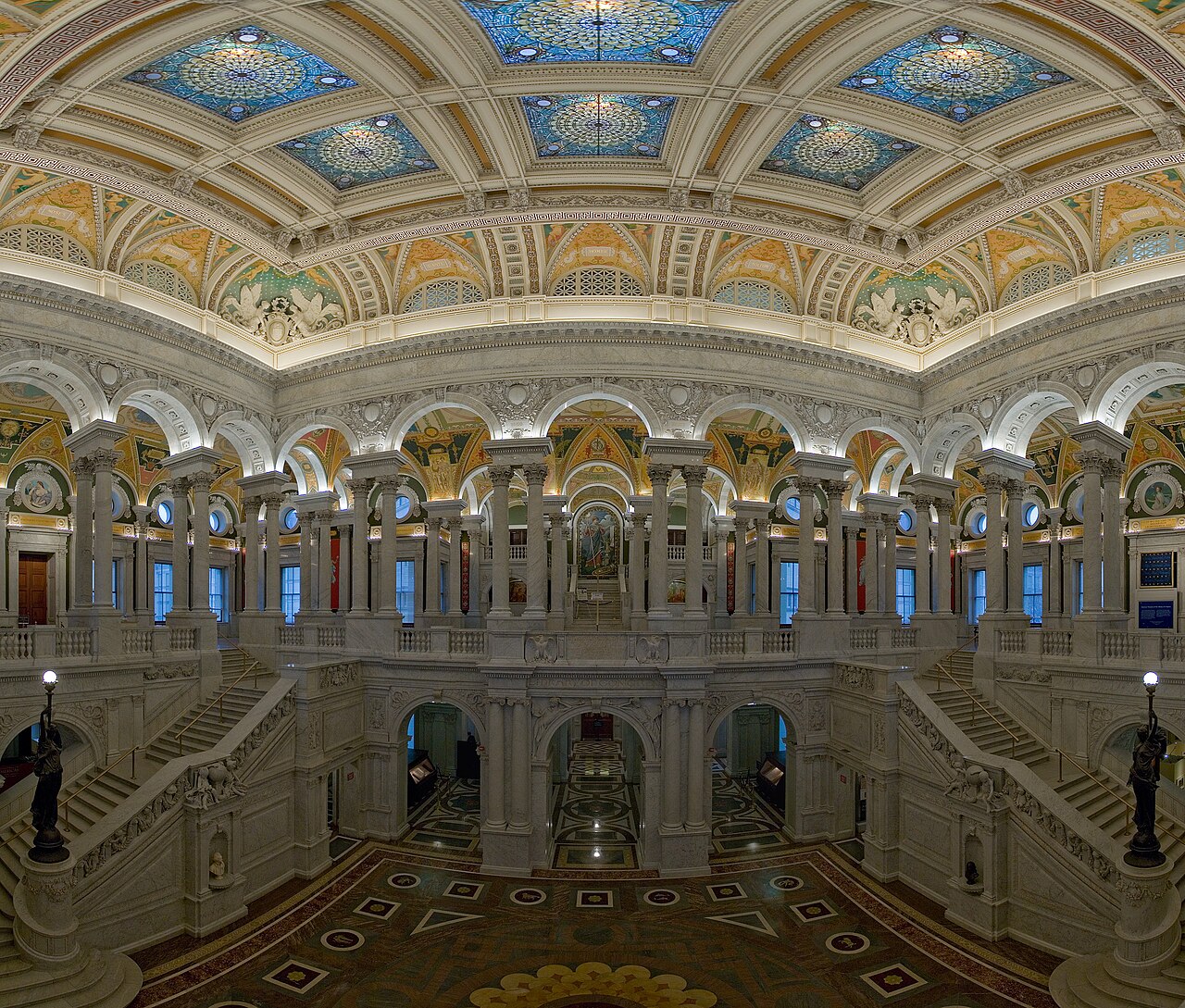
Look for the overlook into the domed Main Reading Room, and for Thomas Jefferson’s own library, a reconstructed collection of the books he sold to Congress after the British burned the original library in 1814. Entry is free, but every visitor needs a free timed-entry pass, so reserve it before you go.
21. Tour the U.S. Capitol
Walking the Capitol grounds is free, and so are guided tours of the building itself. Tours start at the Capitol Visitor Center and take you into the Rotunda and Statuary Hall. Book online ahead of time, or ask your senator or representative’s office, which can also arrange tours. Since it sits right across the street from the Library of Congress, pair the two.
22. Visit the Supreme Court
Right behind the Capitol, the Supreme Court building is open to the public on weekdays for free. You can see exhibits on the ground floor, and on days when the Court isn’t sitting, short lectures are sometimes held inside the courtroom itself. If you’re visiting on a day when the Court hears arguments, the public seating line forms very early.
23. See the White House
You can’t just wander inside, but looking costs nothing. See the north side from Lafayette Square and the south side from the Ellipse near the Mall. Public tours are free but must be requested through your member of Congress weeks in advance, so most visitors enjoy it from the fence. The nearby White House Visitor Center has free exhibits if you want more.
24. Arlington National Cemetery
Just across the Memorial Bridge in Virginia, Arlington National Cemetery is free to enter. Row after row of white headstones stretch over the hills. Many visitors come to see the eternal flame at President Kennedy’s grave and the Changing of the Guard at the Tomb of the Unknown Soldier, a precise, silent ceremony that’s hard to forget. It’s a long walk uphill, so bring water.
Free Parks, Gardens and Neighborhoods
25. Smithsonian’s National Zoo
The Zoo is free, and it’s one of the best free things to do in DC with kids. The famous giant pandas are back, and there are elephants, great apes, big cats and a lot more on the wooded hillside. Every visitor needs a free entry pass, even babies, so book ahead. Hours change by season, with shorter days in fall and winter.
Here’s the part that catches people out: admission is free, but parking isn’t. Take the Metro to Woodley Park or Cleveland Park and walk in to keep the day truly free.
26. U.S. Botanic Garden
After a morning of politics and history, this glass Conservatory at the foot of Capitol Hill feels like pressing a reset button. Step into warm, humid jungle air, orchids, desert plants and a jungle room with a catwalk up in the canopy. It’s free, it’s a nice break for kids and photographers, and it fits neatly into a Capitol Hill day.
27. Rock Creek Park and Theodore Roosevelt Island
After a day of monuments and security lines, trees feel wonderful. Rock Creek Park is a huge forested valley running through the city, with trails, a creek and picnic spots. It’s a real natural escape that happens to be inside a capital.
Want something smaller? Theodore Roosevelt Island, a wooded island in the Potomac reached by footbridge from Virginia, has easy loop trails and a hidden memorial to the president who loved the outdoors. Both are free. For hikers who want real mountains, the best hikes in Shenandoah National Park are only about 75 miles from DC.
28. Georgetown and the Waterfront
Georgetown can get expensive fast once the shops and restaurants start calling. Walking is free, though. Wander the cobbled side streets of old brick houses, follow the old C&O Canal towpath, then head down to Georgetown Waterfront Park to watch the boats on the Potomac. It’s a great half-day for couples.
29. Explore DC’s Neighborhoods on Foot
Not every free experience needs a museum label. Walk the tree-lined blocks of Capitol Hill, where Eastern Market has been selling food since 1873. Circle Dupont Circle and its fountain. Stroll the grand embassies along Massachusetts Avenue. You’ll see a side of Washington most visitors never reach.
Free Things to Do in DC at Night
30. See the Monuments at Night
Here’s a simple trick when your budget is zero: visit the same place twice. The museums close around 5:30, but the memorials stay open around the clock, and they look completely different lit up after dark. The Lincoln Memorial glows over the black Reflecting Pool. The World War II Memorial fountains shimmer. The Jefferson Memorial reflects across the Tidal Basin.
It’s cooler than a summer afternoon, calmer, and for many people the most memorable part of their DC trip. Bring a friend and just walk.
31. Catch Sunrise or Sunset on the Mall
No ticket, no reservation, no line. Sunrise from the steps of the Lincoln Memorial, with the sky turning pink behind the Washington Monument, is worth setting an alarm for. If that sounds terrible, sunset over the Tidal Basin works just as well.
32. Check the Free Events Calendar
The best answer to “what’s free to do in DC this weekend?” changes every weekend. Outdoor concerts, festivals, museum talks, military band performances and seasonal celebrations pop up all year, especially in summer and during the spring Cherry Blossom Festival. Look at official museum, park and tourism calendars a few days before your trip.
Free Places in Washington DC That Still Need a Pass
Free doesn’t always mean walk-in. This is the part most visitors miss. Book these first, then plan the rest of your trip around them:
| Attraction | What You Need |
|---|---|
| National Air and Space Museum (Mall) | Free timed pass for every visitor |
| National Zoo | Free entry pass for every visitor, including infants |
| African American History and Culture Museum | Free timed pass, usually required on weekends and busy days |
| Library of Congress | Free timed-entry pass |
| Lincoln Memorial Undercroft | Timed ticket on Recreation.gov, or same-day at the kiosk |
| Washington Monument | Timed ticket (small online booking fee) or same-day tickets |
| U.S. Capitol tour | Free advance reservation |
| Holocaust Memorial Museum | Free timed pass in the busiest months |
| Ford’s Theatre | Timed ticket; free same-day tickets at the box office, fee for online booking |
Everything else, including Natural History, American History, the National Gallery, the art museums and all the outdoor memorials, you can simply walk into.
Free Things to Do in DC for Kids, Couples and Rainy Days
Free Things to Do in DC With Kids
Start with Natural History for the dinosaurs and the Hope Diamond, then let them loose on the Mall lawns. Air and Space and the National Zoo are the other big wins, just book the passes first. Kids can also pick up free Junior Ranger activities for the memorials. A good family day looks like this: one museum in the morning, a picnic on the Mall, a couple of memorials in the afternoon and an ice cream break. That’s plenty.
Free Things to Do in DC for Couples
Walk Georgetown and the waterfront. Spend a slow afternoon at the National Gallery, then sit in the Sculpture Garden. Loop the Tidal Basin at sunset and see the Lincoln Memorial lit up after dark. You can actually talk the whole time, which is more than most expensive dates can say.
Free Things to Do in DC When It Rains
Rain is when DC’s free museum system really earns its keep. Head for Natural History, American History, the National Gallery, the Portrait Gallery, the National Archives or the Library of Congress. Keep two or three of these as backups instead of locking in every indoor stop ahead of time.
Free Washington DC Itinerary: 1 or 2 Days
One Free Day in DC
8:30 a.m.: Start at the Lincoln Memorial while it’s quiet, then walk past the Korean War and Vietnam memorials. If you have a ticket, visit the new undercroft museum.
10:30 a.m.: Walk east past the World War II Memorial and Washington Monument to the National Museum of Natural History. Spend about two hours inside.
12:30 p.m.: Lunch. Food isn’t free, obviously, so bring a picnic or grab something cheap from a food truck.
1:30 p.m.: National Gallery of Art, then a break in the Sculpture Garden.
3:30 p.m.: Walk to Capitol Hill and see the Library of Congress with your timed pass.
Evening: Head back west and see the monuments lit up after dark. Total admission for the whole day: $0.
Two Free Days in DC
Day 1: Monuments and museums. Follow the one-day plan above.
Day 2: Capitol Hill and history. Start with a Capitol tour or the Supreme Court, stop at the U.S. Botanic Garden, then spend the afternoon at the African American History and Culture Museum or Air and Space (passes booked ahead). See the Declaration of Independence at the National Archives before it closes, and finish with a walk around Georgetown or the Tidal Basin at sunset.
Only add the National Zoo if you have a third day. It’s a few Metro stops north and takes most of a morning on its own.
How to Keep a Washington DC Trip Cheap
Free admission only solves part of the budget. Transportation, parking and food add up fast. A few habits help:
- Skip the car. Parking near the Mall is scarce and pricey. The Metro and your own feet get you almost everywhere.
- Plan by geography, not by wish list. Group nearby places so you’re not crossing the city three times a day.
- Bring a refillable water bottle and snacks, especially in summer. The Mall has fountains, but not many cheap places to eat.
- Pack a picnic. Lunch on the Mall lawn is free and has the best view in town.
- Visit in the off-season. Winter and late fall bring cheaper hotels and shorter lines at the free attractions.
Planning to explore beyond the city? Historic Ellicott City, Maryland makes an easy day trip, and our Janes Island State Park guide covers a great weekend escape to the Chesapeake Bay.
Want to go deeper? See our full list of free museums in Washington DC, our National Mall guide for the monuments, and our Washington DC cherry blossoms guide for the city’s most beautiful free show each spring.
Paid Things to Do in Washington DC Worth the Money
Most of DC’s best sights are free, but a few paid extras are worth budgeting for: George Washington’s Mount Vernon estate, The Phillips Collection in Dupont Circle, a Potomac River cruise or water taxi to Old Town Alexandria, an evening monuments tour by trolley, a Nationals game, and a show at Ford’s Theatre. For the complete list, free and paid, see our guide to the 30 best things to do in Washington DC.
Related Guides
Here’s where to go next as you plan the rest of your trip:
- Best Restaurants in Washington DC
- Smith Island, Maryland Day Trip Guide
- Things to Do in Georgetown Washington DC
- Things to Do in Washington DC at Night
- Washington DC for Couples
Free Things to Do in DC: FAQs
What are the best free things to do in DC?
The National Mall and its memorials, the Smithsonian museums, the National Gallery of Art, the National Archives, the Library of Congress, the National Zoo, the Tidal Basin, the Capitol and the monuments at night are the top free picks.
Are Smithsonian museums free in Washington DC?
Yes, all of them. Most are walk-in, but Air and Space and the Zoo require free timed passes, and the African American History and Culture Museum often does too.
Is the National Zoo free?
Yes. Admission is free, but every visitor needs a free entry pass, including infants. Parking costs extra, so the Metro is the cheaper option.
Is the Lincoln Memorial free?
Yes, and it’s open 24 hours. The new undercroft museum beneath it, which opened in June 2026, is also free but needs a timed ticket.
Can you see the Declaration of Independence for free?
Yes. It’s on display at the National Archives with the Constitution and Bill of Rights. Entry is free, and reserving a time slot helps in busy seasons.
Is the Washington Monument free?
Yes. Tickets to the top are free, though booking online adds a small fee. Same-day tickets are also released each morning.
What are free things to do in DC at night?
Walk the National Mall after dark to see the Lincoln, World War II, Jefferson and MLK memorials lit up. They’re open around the clock.
What are free things to do in DC with kids?
The Natural History Museum, Air and Space, the National Zoo, the U.S. Botanic Garden, Junior Ranger programs at the memorials and running around the Mall lawns.
Can you spend a whole day in DC for free?
Yes, at least for admission. Combine the memorials, Smithsonian museums, National Gallery and Library of Congress. You’ll only pay for food and transportation.
Do free DC attractions close during a government shutdown?
Some can. Smithsonian museums, the Zoo and the National Gallery have closed during past shutdowns, while the outdoor memorials usually stay open. Check the news if your trip falls during one.
The Best Part About Seeing DC for Free
The funny thing about looking for free things to do in DC is how fast you forget you’re on a budget. You’re not standing outside the real attractions because you couldn’t afford a ticket. You’re inside them. You’re looking up at Lincoln, reading the Declaration of Independence, walking under a real Apollo capsule and standing in the Great Hall of the Library of Congress.
These aren’t compromises. They’re the reasons people come to Washington in the first place. So book the few places that need passes, group everything else by neighborhood, leave room to slow down, and let the city do what it does best: give you its greatest treasures for free.
Still deciding where to stay? See our guide to the best luxury hotels in Washington DC. Planning more trips? Browse our guides to the best things to do in Boston or explore all of our travel guides.