
Washington, DC doesn’t do one kind of weather. It does four, and it commits to each of them.
A January morning at the Lincoln Memorial can have you pulling your hat down against a wind that cuts straight across the Reflecting Pool. In April, the same steps might be warm enough for short sleeves by lunch and cold enough for a jacket by sunset. July brings heat that sticks to you the moment you leave an air-conditioned museum. And then October shows up, cool and clear, and suddenly walking five miles around the National Mall feels easy.
That’s why it helps to understand Washington DC weather by month before you book, and especially before you pack. This guide uses official 1991–2020 climate normals from the National Weather Service station at Reagan National Airport, then translates the numbers into what they actually feel like on a sightseeing day: what to wear, what to watch for, and how to plan around it.
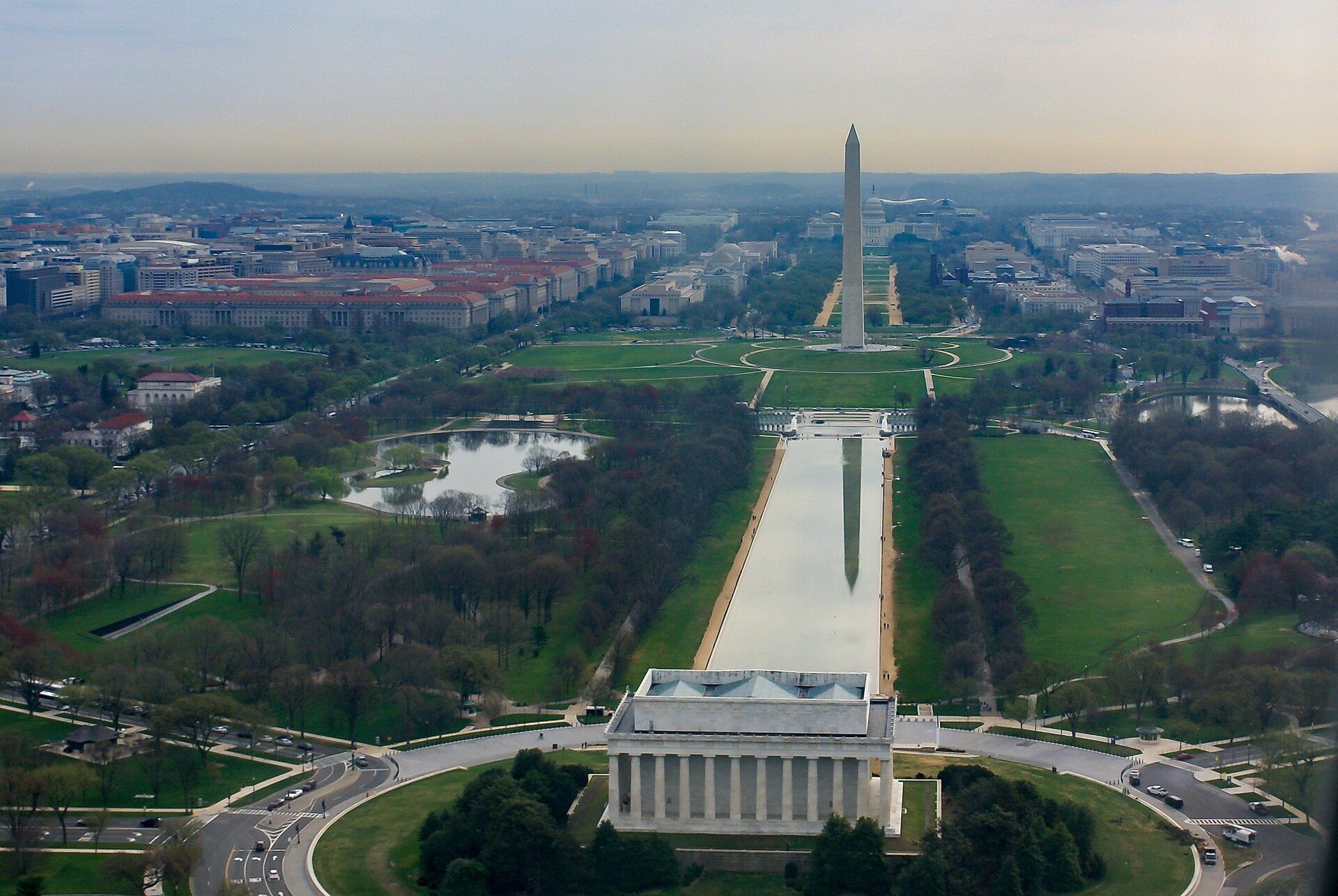
What Is the Weather Like in Washington DC?
Washington, DC has cold winters, changeable springs, hot and humid summers, and mild, pleasant autumns. January is the coldest month, with average highs around 45°F (7°C). July is the hottest, averaging about 90°F (32°C) with high humidity. The city gets roughly 42 inches of rain a year, spread fairly evenly across every month, and about 14 inches of snow in an average winter, mostly from December to March.
There’s no true dry season. That’s why a compact umbrella earns a spot in your bag whatever month you visit.
Washington DC Weather by Month at a Glance
| Month | Feels Like | Main Thing to Watch | Pack |
|---|---|---|---|
| January | Cold | Snow, ice, wind | Winter coat, hat, gloves |
| February | Cold | Snowiest month on average | Winter coat, waterproof shoes |
| March | Cool, swinging | Wild temperature swings | Layers, medium jacket |
| April | Mild | Showers, pollen | Light jacket, rain layer |
| May | Warm | Humidity building, storms | T-shirts, light layer |
| June | Hot | Thunderstorms, humidity | Breathable clothes, umbrella |
| July | Very hot, sticky | Heat index, storms | Lightest clothes, water bottle |
| August | Hot, sticky | Heat, heavy downpours | Summer clothes, sunscreen |
| September | Warm to pleasant | Lingering heat, tropical rain | Summer clothes plus a layer |
| October | Mild, crisp | Cool evenings | Light jacket, sweater |
| November | Cool to cold | Cold rain, early sunsets | Warm jacket, umbrella |
| December | Cold | Chance of snow, short days | Winter coat, layers |
In This Guide
- Average temperature, rain and snow by month
- Month-by-month weather guide
- Weather by season
- Rain, snow, humidity and storms explained
- Daylight and sunset times
- Packing guide and what to wear
- How to plan your days around the weather
- FAQs
Washington DC Average Temperature, Rain and Snow by Month
These figures are the official 1991–2020 normals for Reagan National Airport, which is where DC’s weather records are kept. They’re averages, not forecasts. Any given week can run well above or below them.
| Month | Avg High | Avg Low | Rain | Snow |
|---|---|---|---|---|
| January | 45°F (7°C) | 30°F (-1°C) | 2.9 in (73 mm) | 4.9 in |
| February | 48°F (9°C) | 32°F (0°C) | 2.6 in (67 mm) | 5.0 in |
| March | 57°F (14°C) | 39°F (4°C) | 3.5 in (89 mm) | 2.0 in |
| April | 68°F (20°C) | 48°F (9°C) | 3.2 in (82 mm) | 0 |
| May | 77°F (25°C) | 58°F (14°C) | 3.9 in (100 mm) | 0 |
| June | 85°F (30°C) | 68°F (20°C) | 4.2 in (107 mm) | 0 |
| July | 90°F (32°C) | 72°F (22°C) | 4.3 in (110 mm) | 0 |
| August | 88°F (31°C) | 71°F (22°C) | 3.3 in (83 mm) | 0 |
| September | 81°F (27°C) | 64°F (18°C) | 3.9 in (100 mm) | 0 |
| October | 69°F (21°C) | 52°F (11°C) | 3.7 in (93 mm) | 0 |
| November | 58°F (15°C) | 42°F (5°C) | 2.9 in (74 mm) | 0.1 in |
| December | 49°F (9°C) | 35°F (1°C) | 3.4 in (87 mm) | 1.7 in |
A few things jump out. July is both the hottest and the wettest month, thanks to heavy summer thunderstorms. February, not January, averages the most snow, although the two are almost tied. And the jump from March to May is huge: average highs climb 20 degrees in about eight weeks.
For the record books, Washington’s hottest recorded temperature is 106°F, reached in 1918 and again in 1930. The coldest is -15°F, set on February 11, 1899.
Washington DC Weather Month by Month
Washington DC Weather in January
Average: 45°F / 30°F (7°C / -1°C) · Rain: 2.9 in · Snow: 4.9 in · Daylight: about 9.5 to 10 hours
January is the coldest month of the year. Mornings often start near or below freezing, and afternoons usually reach the 40s°F. Cold snaps can keep the high stuck in the 20s for a few days, while a mild spell can push it into the 60s. That range is normal for DC in winter.
What catches visitors off guard is the wind. The National Mall is wide open, and a 38°F day with a steady breeze off the Potomac feels a lot colder than the number suggests.
Does it snow in DC in January? Yes, it can. January averages almost five inches, but that’s an average of very different winters. Some Januaries bring nothing more than a dusting. Others bring a storm that shuts schools and slows the whole city. When heavy snow hits, flights get delayed, sidewalks turn icy, and the federal government sometimes closes, which can mean Smithsonian museums close or open late too. Keep your plans flexible if the forecast turns wintry.
The upside: this is one of the quietest months for crowds. You can warm up inside a free, uncrowded museum between monuments, which makes winter sightseeing surprisingly comfortable.
What to pack: a warm winter coat, sweaters or fleece, gloves, a warm hat, a scarf, warm socks and waterproof shoes you can walk in all day.
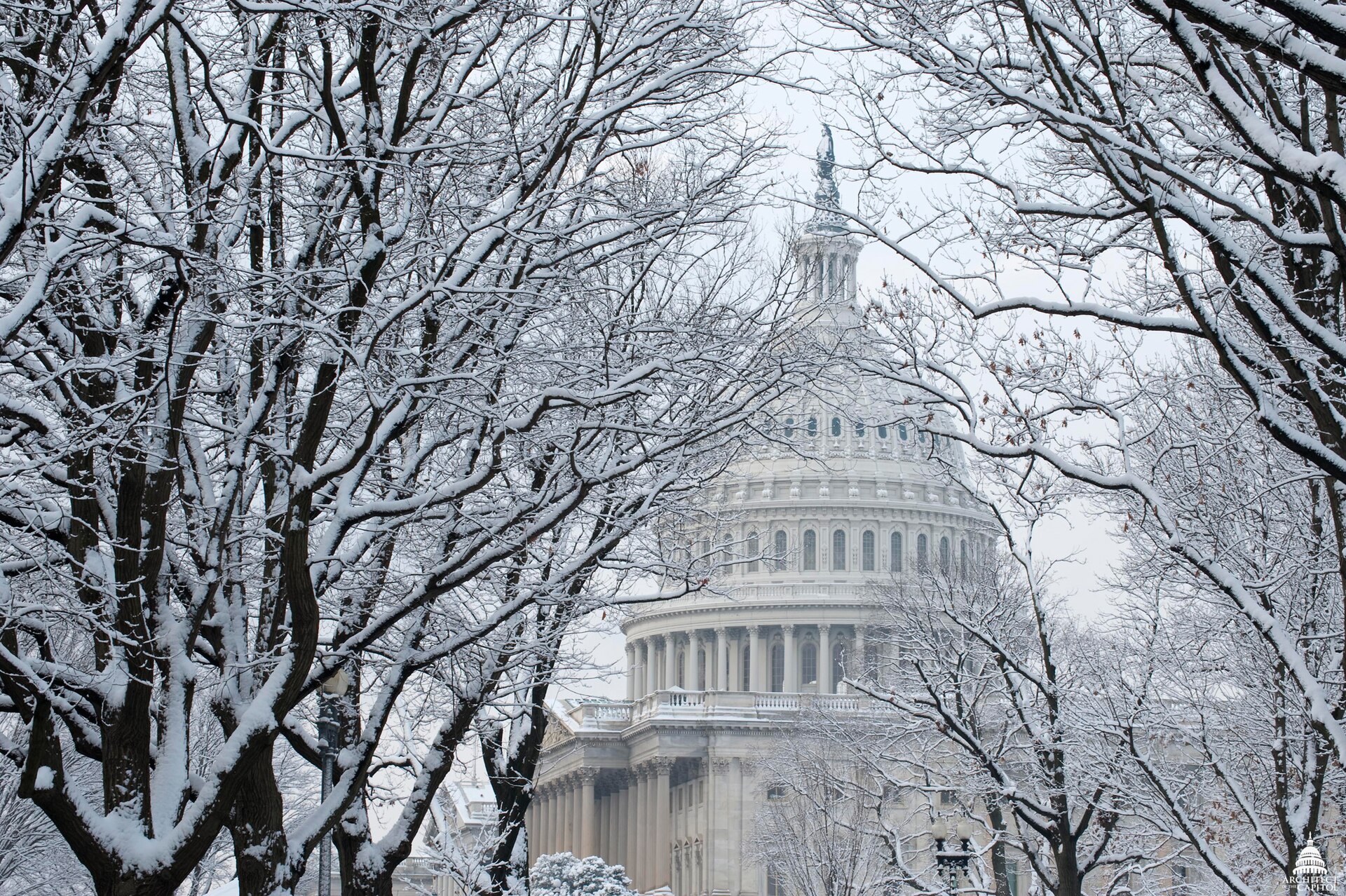
Washington DC Weather in February
Average: 48°F / 32°F (9°C / 0°C) · Rain: 2.6 in · Snow: 5.0 in · Daylight: about 10.5 to 11.5 hours
February is still winter, but it starts to wobble. You might get a 65°F afternoon that has people eating lunch outside, then a snowstorm four days later. On average it’s the driest month by total rainfall, yet it’s also the snowiest month on paper.
Some of DC’s biggest storms on record have hit in February, including the back-to-back blizzards of 2010. If you’re flying in during a winter storm warning, watch your airline’s updates as closely as the local forecast.
What to pack: the same as January: winter coat, layers, gloves, hat and waterproof shoes, plus a small umbrella for cold rain. By late February, you may get a lighter afternoon, but don’t pack as if spring has arrived.
Washington DC Weather in March
Average: 57°F / 39°F (14°C / 4°C) · Rain: 3.5 in · Snow: 2.0 in · Daylight: about 11.5 to 12.5 hours
March is DC’s mood-swing month. Early March averages highs around 52°F; by the end of the month it’s closer to 62°F. But the daily swings are what you’ll notice. A sunny 75°F afternoon can be followed by a raw, windy 42°F morning, and snow is still possible, especially in the first half of the month.
Daylight saving time begins on the second Sunday of March, so evenings suddenly get an extra hour of light. That’s great for sightseeing after the museums close.
Cherry blossoms in March: the famous Tidal Basin trees can reach peak bloom in late March, but the date moves every year. A warm February speeds things up; a cold snap slows them down. Don’t book a trip around one “usual” week without checking the National Park Service’s bloom forecast, which usually comes out in early March.
What to pack: layers are everything. Bring a medium-weight jacket, a sweater, long pants, comfortable walking shoes and a compact umbrella. Add light gloves if the forecast dips near freezing. Check the forecast the day before you leave, because averages don’t tell the full story this month.
Washington DC Weather in April
Average: 68°F / 48°F (20°C / 9°C) · Rain: 3.2 in · Snow: almost never · Daylight: about 12.5 to 13.5 hours
April is when DC finally feels like spring. Early in the month, highs average in the low 60s; by late April, the mid-70s are common. The city turns green almost overnight, and the parks and residential streets fill with blossoms and tulips.
It’s still changeable. You might see warm sunshine, a cool breeze, a passing shower and a sudden temperature drop all in one day. April showers tend to come in bursts rather than all-day washouts, so a rainy forecast rarely ruins a whole day.
Allergy warning: DC’s tree pollen season peaks in spring, and April is often the worst of it. If you have seasonal allergies, pack your usual medication. Cars and outdoor tables can turn yellow with pollen.
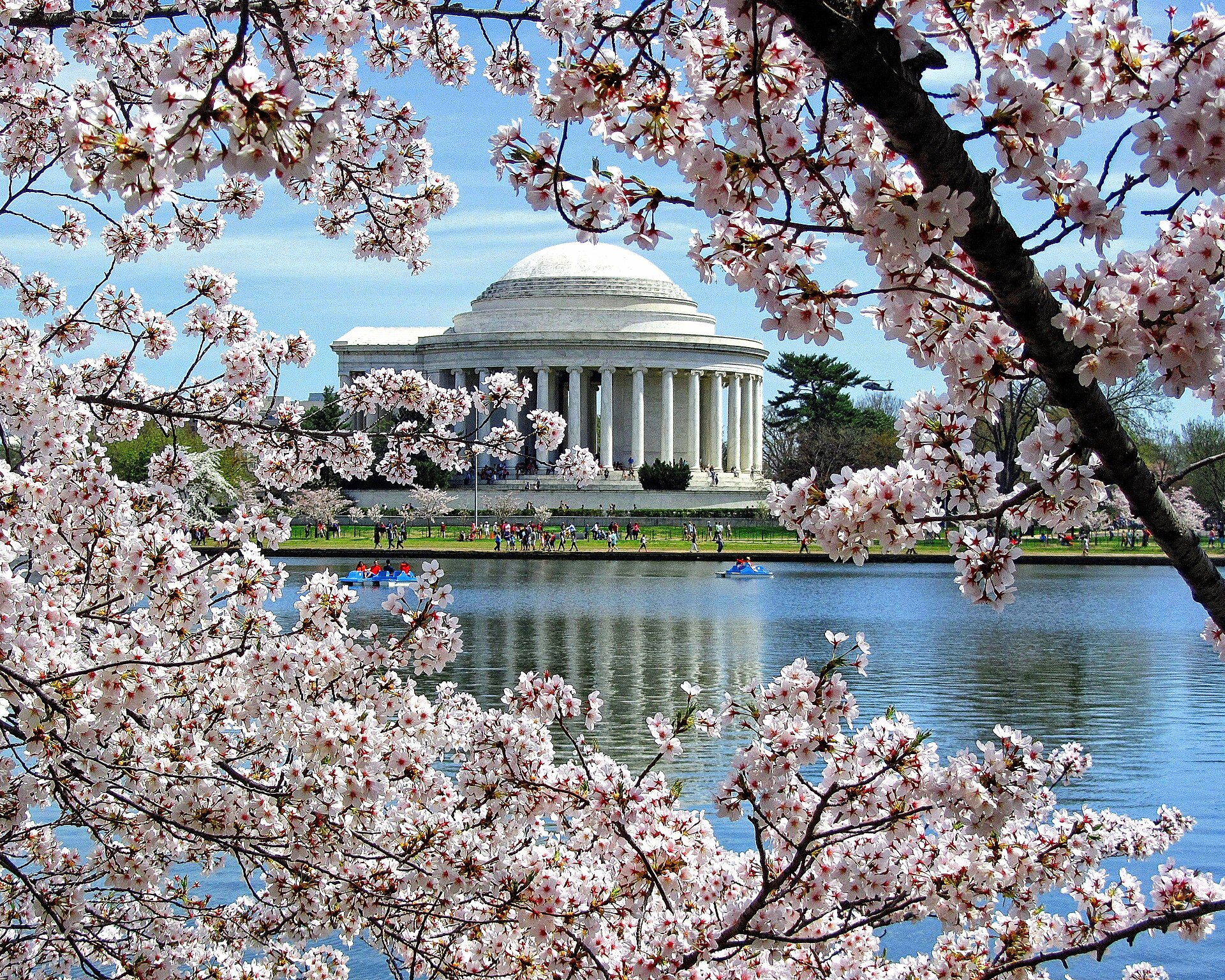
What to pack: a light jacket, a lightweight rain layer, a compact umbrella, water-resistant walking shoes, and both short- and long-sleeve tops. You’ll probably start the morning in the jacket and carry it by afternoon.
Washington DC Weather in May
Average: 77°F / 58°F (25°C / 14°C) · Rain: 3.9 in · Daylight: about 14 to 14.5 hours
May is warm, green and long-lit, and many days are close to perfect for walking. It’s also the month when DC’s famous humidity starts showing up. Late May can feel like early summer, with highs pushing into the 80s.
Rain comes more often as thunderstorms now. They can pop up in the afternoon, dump rain for half an hour, and clear out. Look at the hourly forecast instead of cancelling your whole day because there’s a rain icon on the app.
What to pack: T-shirts, lightweight pants, a light layer for evenings and air-conditioned museums, comfortable shoes, a rain jacket or umbrella, sunscreen and a reusable water bottle.
Washington DC Weather in June
Average: 85°F / 68°F (30°C / 20°C) · Rain: 4.2 in · Daylight: about 14.5 to 15 hours, the longest of the year
June is proper summer. Highs sit in the mid-80s, nights rarely cool below the upper 60s, and the humidity climbs through the month. An 85°F day in DC often feels closer to 90°F once the air turns sticky.
The good news is the daylight. Around the summer solstice, the sun doesn’t set until about 8:35 p.m., so you can enjoy the monuments in the cooler evening light.
Thunderstorms: hot, humid afternoons often build into storms by late afternoon or evening. They can arrive fast, with lightning and sudden downpours. If you hear thunder on the Mall, head inside a museum or building. Don’t shelter under a tree.
What to pack: lightweight breathable clothes, a hat, sunglasses, sunscreen, a water bottle, a small umbrella and a thin layer for chilly air conditioning indoors.
Washington DC Weather in July
Average: 90°F / 72°F (32°C / 22°C) · Rain: 4.3 in, the wettest month · Daylight: about 14.5 hours
July is DC’s hottest and most humid month. The average high is right around 90°F, and heat waves regularly push temperatures into the mid-90s or higher. With the humidity, the heat index, or how hot it actually feels, can pass 100°F. Nights stay warm, often in the 70s.
How hot is DC in July? Hot enough to change how you plan your day. Most of the Mall has little shade, and the walk between the Lincoln Memorial and the Capitol is about two miles. You’ll be sweating long before you get there.
The smart move is to start early, when it’s cooler. Spend the hottest hours, roughly noon to 4 p.m., inside the free Smithsonian museums. Then head back out for the monuments after 6 p.m. On the Fourth of July, pack extra water: you’ll be waiting outdoors for hours before the fireworks.
July is also the wettest month on average. That rain usually comes from short, heavy afternoon storms rather than grey, drizzly days.
What to pack: your lightest breathable clothes, shorts, a hat, sunglasses, strong sunscreen, a refillable water bottle, a small umbrella and broken-in shoes. Drink water before you feel thirsty.
Washington DC Weather in August
Average: 88°F / 71°F (31°C / 22°C) · Rain: 3.3 in · Daylight: about 13 to 14 hours
August feels a lot like July: hot, humid and stormy. Early in the month, the heat is usually at its peak. By the last week, you may notice slightly cooler mornings, though the afternoons still run hot.
This is also when hurricane season starts to matter. DC rarely takes a direct hit, but the remains of tropical storms can bring a day or two of very heavy rain and flash flooding between August and October. If a named storm is heading up the East Coast during your trip, keep an eye on the forecast.
What to pack: the same as July. Breathable shirts, shorts or light pants, a hat, sunscreen, a water bottle and an umbrella. If you’re sensitive to heat, plan more museum time in the afternoons.
Washington DC Weather in September
Average: 81°F / 64°F (27°C / 18°C) · Rain: 3.9 in · Daylight: about 12 to 13 hours
September starts as summer and ends as fall. The first week averages highs around 85°F, and 90-degree days aren’t unusual. By the end of the month, highs average about 75°F, and the mornings feel fresh again.
Don’t be fooled by the calendar. “September” doesn’t mean sweater weather in DC, at least not early on. Humidity eases gradually through the month, which makes the second half one of the nicest times of the year to walk around the city. Tropical storm remnants can still bring a heavy rain day.
What to pack: summer clothes for the first half, plus a light layer, a rain jacket, sunscreen and a water bottle. Late-September visitors will want something warmer for the evenings.
Washington DC Weather in October
Average: 69°F / 52°F (21°C / 11°C) · Rain: 3.7 in · Daylight: about 10.5 to 11.5 hours
If DC has a best weather month, many locals would pick October. The humidity is gone, the skies are often clear, and highs slide from the mid-70s at the start of the month to the mid-60s by the end. It’s the kind of weather where you can walk all day without thinking about it.
Mornings and evenings get crisp, especially late in the month. Fall color arrives gradually, usually peaking in the city from late October into early November. Rock Creek Park, the C&O Canal and the National Mall all turn gold and red. For bigger foliage views, the mountains of Shenandoah National Park peak a couple of weeks earlier and are about two hours away.
What to pack: a light jacket, a sweater, long pants, comfortable walking shoes, a light rain layer and a couple of T-shirts for warm afternoons. Layering works perfectly this month.
Washington DC Weather in November
Average: 58°F / 42°F (15°C / 5°C) · Rain: 2.9 in · Snow: rare · Daylight: about 9.5 to 10.5 hours
November is the slide back toward winter. Early in the month, you can still get mild, sunny afternoons in the 60s and some lingering fall color. By Thanksgiving, highs are closer to 50°F, and the first hard freezes arrive.
The bigger change is the light. Daylight saving time ends on the first Sunday of November, and suddenly the sun sets before 5 p.m. Plan your outdoor sightseeing for earlier in the day. Snow is uncommon; a cold, grey rain is the more likely nuisance.
What to pack: a warm jacket, sweaters, long pants, waterproof shoes, an umbrella and a scarf if the forecast looks cold. If you’re traveling over Thanksgiving, check the forecast often, because conditions can change fast.
Washington DC Weather in December
Average: 49°F / 35°F (9°C / 1°C) · Rain: 3.4 in · Snow: 1.7 in · Daylight: about 9.5 hours, the shortest of the year
December is cold but usually not brutal, especially compared with cities farther north. Highs average in the upper 40s and lows in the mid-30s, with occasional mild days in the 60s and colder snaps in the 20s.
Will there be snow in December? Maybe, but don’t count on it. December averages under two inches, and many years have none worth mentioning. A “white Christmas” in DC is the exception, not the rule. Around the winter solstice, the sun sets at about 4:50 p.m., so the holiday lights along the Mall and at the National Christmas Tree come on early.
What to pack: a winter coat, sweaters, warm socks, gloves, a hat, waterproof shoes and layers. If the forecast looks mild, you can always leave the heaviest layer at the hotel.
Washington DC Weather by Season
Winter (December to February)
Cold, often grey, with freezing nights and the chance of snow or ice. Daytime highs mostly sit in the 40s°F. Sightseeing is very doable in proper clothes, and because so many major attractions are indoors and free, winter can be one of the easiest times to see the city without crowds.
Spring (March to May)
The fastest-changing season. March can still feel like winter, April brings cherry blossoms and fresh greenery, and May is reliably warm. Rain is possible throughout, and temperature swings between morning and afternoon can be large. Layers win.
Summer (June to August)
Hot and humid, with highs in the upper 80s and 90s°F and warm nights. Afternoon thunderstorms are common. The trick is to sightsee outdoors in the morning and evening, and save the middle of the day for air-conditioned museums.
Fall (September to November)
September starts warm and humid, October is mild and clear, and November turns cool and grey. Fall color peaks in late October and early November. For many visitors, early to mid-fall is the sweet spot for walking-heavy trips.
Rain, Snow, Humidity and Storms in Washington DC
What Is the Rainiest Month in Washington DC?
July is the rainiest month in Washington DC by average total, with about 4.3 inches, followed closely by June. February is the driest, at about 2.6 inches. But the difference between months is small. DC doesn’t have a rainy season; it gets roughly three to four inches every month of the year.
What changes is the type of rain. Summer rain usually arrives as short, heavy thunderstorms. Spring and fall bring more on-and-off showers. Winter rain tends to be cold and steady. For sightseeing, the timing matters more than the total. A storm from 4 to 5 p.m. is barely an inconvenience; a cold all-day drizzle in November is a museum day.
When Does It Snow in Washington DC?
Snow is possible from December through March, with January and February the most likely months. Reagan National averages about 13.7 inches a season, but the swings from year to year are enormous. Some winters see less than an inch in total; the 2009–10 winter brought more than 50 inches, including the famous “Snowmageddon” storms.
DC isn’t built for heavy snow the way northern cities are. A few inches can slow traffic, delay buses and cause the federal government to close or open late. Metro sometimes limits service on its outdoor sections during big storms. If snow is forecast, keep your schedule loose and prioritize indoor sights near your hotel. If you’re still choosing a hotel, one close to a Metro station makes winter trips much easier. See our guide to where to stay in Washington DC.
When Is Washington DC Most Humid?
From June through August, with July usually the stickiest. DC’s humidity is real, not a myth. On summer mornings, the air can feel almost wet, and you may start sweating before you reach the end of the block. Winter, by contrast, is usually dry.
You don’t need to avoid summer. You just need to change your schedule: monuments early, museums midday, outdoors again at sunset.
Thunderstorms and Hurricane Season
Thunderstorms are most common from May through September, usually in the late afternoon or evening. Most pass within an hour. Take lightning seriously, though: the National Mall is wide and open, so move indoors when you hear thunder.
Atlantic hurricane season runs from June 1 to November 30. Direct hits on DC are rare, but the remnants of tropical systems can bring very heavy rain and flash flooding, most often from August to October.
Weather During Cherry Blossom Season
Cherry blossom season lands right in DC’s most unpredictable weather. In recent years, peak bloom at the Tidal Basin has fallen anywhere from mid-March to early April. You might get a warm, sunny afternoon in the 70s°F, or a cold, windy rain that knocks petals into the water.
Pack layers and a rain jacket rather than guessing from the calendar. For the best photos with fewer people, go at sunrise. The early morning can be chilly, so bring gloves if temperatures are in the 40s.
Daylight Hours and Sunset Times in Washington DC
Daylight shapes a sightseeing day more than most people expect, especially if you want to see the monuments after dark or catch sunset at the Lincoln Memorial.
| Time of Year | Daylight | Approx. Sunset |
|---|---|---|
| Late December | About 9.5 hours | 4:50 p.m. |
| Late March | About 12.5 hours | 7:25 p.m. |
| Late June | About 15 hours | 8:35 p.m. |
| Late September | About 12 hours | 7:00 p.m. |
In winter, the early sunset has a bright side: the illuminated monuments look stunning, and you can see them lit up without staying out late.
Which Month Has the Best Weather in Washington DC?
Purely for weather, the most comfortable months in Washington DC are late April, May, late September and October. These months usually bring mild temperatures, lower humidity and good walking conditions. October often edges out the rest because it’s both clear and less humid.
Still, averages can’t promise anything. April can be rainy, May can turn unexpectedly hot, September can hang on to summer, and October can bring chilly mornings. Weather is only one part of the decision. For crowds, events and hotel prices, read our guide to the best time of year to visit Washington DC.
Washington DC Packing Guide by Season
| Season | Must-Pack Items | Easy to Forget |
|---|---|---|
| Winter | Warm coat, gloves, hat, waterproof shoes | Scarf for the wind on the Mall |
| Spring | Layers, rain jacket, umbrella, walking shoes | Allergy medication |
| Summer | Breathable clothes, sunscreen, hat, water bottle | Light layer for cold air conditioning |
| Fall | Light jacket, sweater, comfortable shoes | Something warmer for evenings |
What to Wear for Walking Around the National Mall
Shoes matter more than anything else you pack. A single day covering the Capitol, a couple of Smithsonian museums, the Washington Monument, the WWII Memorial and the Lincoln Memorial can easily add up to six or seven miles. Wear shoes you’ve already broken in, not a new pair.
In summer, choose breathable fabrics and carry water; there are refill fountains in museums. In winter, focus on warm layers and protection from the wind. In spring and fall, bring layers that are easy to take off and carry. A small backpack helps, but keep it compact: museums and the Capitol screen bags, and large bags slow you down.
DC is fairly casual for tourists. Jeans and sneakers are fine almost everywhere, including most restaurants. Pack one smarter outfit only if you have a nice dinner or a Kennedy Center show planned.
How to Plan Your DC Itinerary Around the Weather
The best Washington itineraries bend with the forecast. Because the big museums are free, you don’t lose money by switching plans at the last minute.
On hot days: do the outdoor monuments early, move into the Smithsonian museums from late morning to late afternoon, and return outdoors near sunset. The memorials are open 24 hours and much more pleasant after dark.
On rainy days: lean on the indoor heavyweights, such as the Smithsonian museums, the National Gallery of Art, the National Archives, the Library of Congress and a Capitol tour. Save neighborhood walks for the clearest part of the day. Our list of free things to do in DC has plenty of indoor options.
On cold days: alternate outdoor and indoor stops so you’re never outside too long. For example, Lincoln Memorial, then a museum, then the Washington Monument area, then another museum.
On beautiful days: walk as much as you can. Explore Georgetown, Capitol Hill, Dupont Circle and the Tidal Basin, and save museum-heavy days for less comfortable weather if your schedule allows. Our Washington DC 3-day itinerary is built to be flexible this way.
Does Washington DC Weather Change Quickly?
Yes, especially in spring and fall, when the difference between morning and afternoon can be 20 degrees or more. Summer storms can also build in less than an hour. Layers and a reliable weather app are more useful than packing strictly by the averages. Check the forecast again every morning before you head out.
Late March and early April bring DC’s most famous weather event of all: the cherry blossoms. Our Washington DC cherry blossoms guide explains how weather affects peak bloom and where to see it.
Related Guides
Still putting your plans together? You might also find these useful:
- Best Things to Do in Washington DC
- Washington DC With Kids
- National Mall Guide
- Things to Do in Washington DC at Night
FAQ: Washington DC Weather by Month
What is the coldest month in Washington DC?
January is the coldest month, with average highs around 45°F (7°C) and average lows around 30°F (-1°C).
What is the hottest month in Washington DC?
July is the hottest month, with average highs around 90°F (32°C), warm nights in the low 70s, and high humidity that can make it feel over 100°F.
Does it snow in Washington DC?
Yes. DC averages about 14 inches of snow a winter, mostly from December to March, but the amount varies hugely from year to year. Some winters get barely any.
Does it snow every year in Washington DC?
Most winters see at least a little snow, but a significant snowfall isn’t guaranteed. Some winters bring less than an inch in total.
What is the rainiest month in Washington DC?
July, with about 4.3 inches on average, mostly from summer thunderstorms. June is a close second. February is the driest month.
Is Washington DC humid?
Very, in summer. June through August are hot and sticky, with July the most humid. Winters are much drier.
What is the weather like in Washington DC in March?
Changeable. Average highs are in the upper 50s°F, but warm spells in the 70s and cold snaps with snow are both possible. Pack layers.
What is the weather like during cherry blossom season?
Unpredictable. Expect anything from sunny 70-degree afternoons to cold wind and rain, often in the same week. Bring layers and a rain jacket.
What should I wear in Washington DC in summer?
Lightweight, breathable clothes and comfortable walking shoes, plus a hat, sunglasses, sunscreen and a water bottle. Add a thin layer for chilly air conditioning indoors.
What should I wear in Washington DC in winter?
A warm coat, layers, gloves, a hat, warm socks and comfortable waterproof shoes. A scarf helps a lot against the wind on the National Mall.
Do I need an umbrella in Washington DC?
Yes, in any month. DC gets three to four inches of rain every month of the year, so a compact umbrella or light rain jacket is always worth packing.
The Bottom Line on Washington DC Weather
The biggest thing to know about Washington DC weather by month is that the city really does change with the seasons.
January and February call for winter clothes and some flexibility around snow. March and April swing between chilly and surprisingly warm. May brings steady warmth. June, July and August turn hot and humid, so early starts and museum breaks make all the difference. September slowly lets go of summer, October brings the best walking weather of the year, and November and December ease the city back into winter.
Use the monthly averages to understand the season, then use the real forecast to pack. DC is a walking city, and the right clothes can be the difference between loving your day on the Mall and spending it hunting for the nearest air-conditioned, or heated, building.
Planning the rest of your trip? See the best time to visit Washington DC, find the right neighborhood in our guide on where to stay in Washington DC, or browse all our travel guides.