
Washington, DC has a strange way of feeling familiar before you’ve even arrived. You’ve seen the Lincoln Memorial in films, the Capitol dome on the news and the White House on a hundred postcards. Then you get there and realize the photos left out the best parts: the hush inside the Lincoln Memorial at night, the moment you look down into the Library of Congress reading room, the brick lanes of Georgetown, the Ethiopian restaurants on U Street.
It’s also one of the best-value cities in America, because most of its headline sights are free. This guide covers the 30 best things to do in Washington DC, grouped by area so you can actually plan with it. You’ll also find what to book ahead, what changed in 2026, how many days you need, and where to go next for more detail.
What Are the Best Things to Do in Washington DC?
The best things to do in Washington DC are walking the National Mall and its memorials, visiting the Lincoln Memorial at night, going up the Washington Monument, exploring free Smithsonian museums like Air and Space and Natural History, touring the U.S. Capitol and Library of Congress, seeing the Constitution at the National Archives, and spending an afternoon in Georgetown. With more time, add Arlington National Cemetery, the National Zoo, The Wharf and a day trip to Mount Vernon or Old Town Alexandria.
Top Things to Do in DC at a Glance
| Attraction | Area | Cost | Time | Book Ahead? |
|---|---|---|---|---|
| Lincoln Memorial | National Mall | Free | 30–45 min | No |
| Washington Monument | National Mall | Free ($1 online fee) | 1 hr | Yes |
| WWII, Vietnam and Korean memorials | National Mall | Free | 1–1.5 hrs | No |
| Tidal Basin memorials | Tidal Basin | Free | 1.5–2 hrs | No |
| National Air and Space Museum | National Mall | Free | 2–3 hrs | Yes, timed pass |
| National Museum of Natural History | National Mall | Free | 2–3 hrs | No |
| African American History and Culture Museum | National Mall | Free | 3–4 hrs | Yes, timed pass |
| U.S. Capitol tour | Capitol Hill | Free | 1–1.5 hrs | Recommended |
| Library of Congress | Capitol Hill | Free | 1 hr | Check site |
| National Archives | Penn Quarter | Free | 1 hr | Optional |
| Georgetown | Georgetown | Free to explore | Half day | No |
| Arlington National Cemetery | Virginia | Free | 3–4 hrs | No |
| National Zoo | Woodley Park | Free | 2–3 hrs | Check site |
In This Guide
- How DC is laid out
- What to book before you go
- National Mall and monuments (1–8)
- Museums (9–15)
- Capitol Hill and government (16–20)
- Neighborhoods and food (21–26)
- Beyond downtown and day trips (27–30)
- Best things to do by type of trip
- 2026 updates and closures
- FAQs
How Washington DC Is Laid Out
Most of what visitors come to see sits along the National Mall, a two-mile stretch of lawn with the U.S. Capitol at the east end and the Lincoln Memorial at the west. The Washington Monument stands in the middle, the Smithsonian museums line both sides, the White House is just north, and the Tidal Basin memorials are just south. Capitol Hill sits behind the Capitol, and Penn Quarter with the National Archives is just north of the Mall.
Beyond the federal core are the neighborhoods: Georgetown to the west, Dupont Circle, Adams Morgan and U Street to the north, and The Wharf and Navy Yard along the water to the south. Arlington National Cemetery is just across the Potomac in Virginia. Grouping your days by area is the single best way to save time and energy. For a full walking guide to the center, see our National Mall guide.
What to Book Before You Go
Free in DC doesn’t always mean walk-in. Book these first, then build the rest of your days around them:
- Washington Monument: tickets on Recreation.gov are released 30 days ahead at 10 a.m. Eastern ($1 fee), with a smaller release the day before and some free same-day tickets at the Monument Lodge from 8:45 a.m.
- National Air and Space Museum: free timed-entry pass for everyone, including children.
- National Museum of African American History and Culture: free timed-entry pass, with a few same-day passes online.
- U.S. Capitol tour: free, Monday to Saturday. Reserve through the Capitol Visitor Center or your representative.
- White House tour: request through your Member of Congress (or your embassy if you’re visiting from abroad), and check whether tours are currently running.
- U.S. Holocaust Memorial Museum: free timed passes in the busy spring and summer season.
National Mall and Monuments
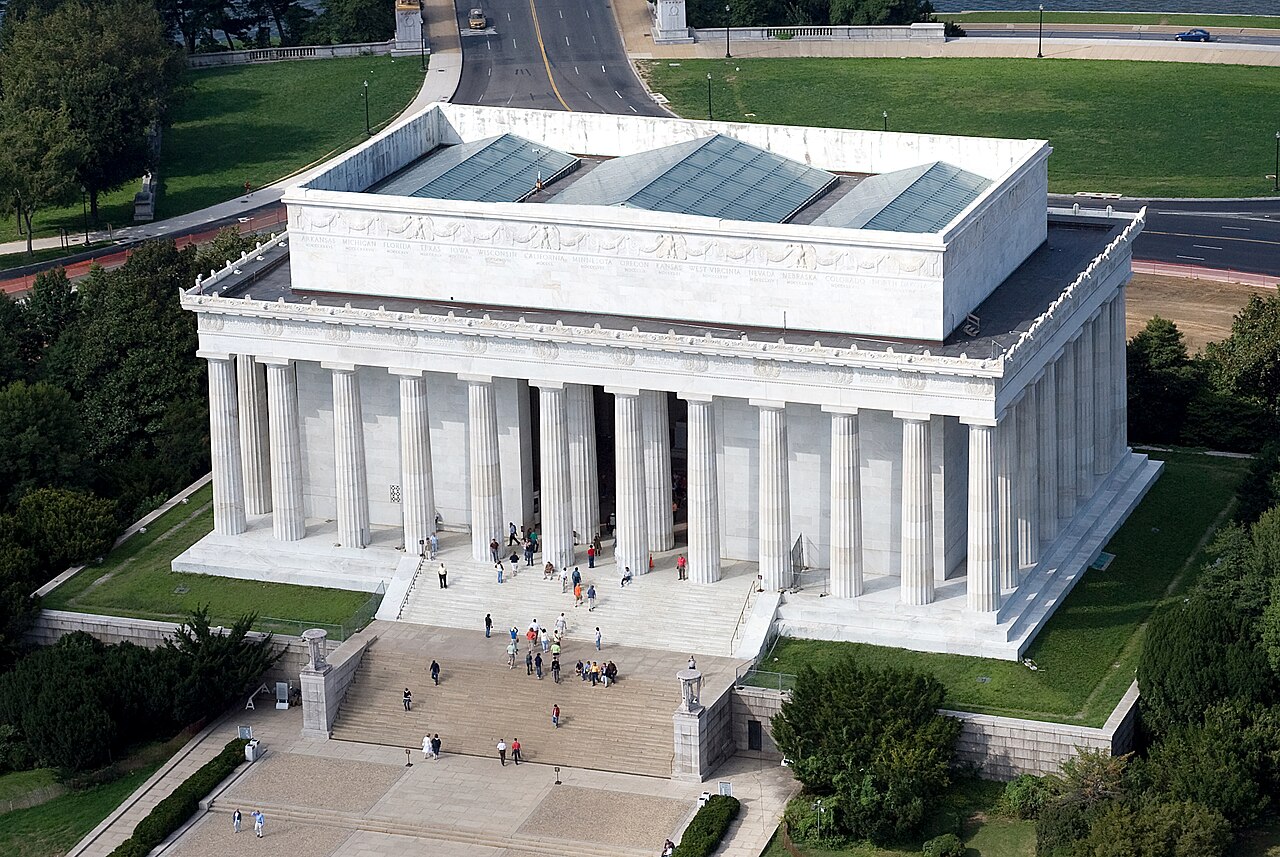
1. Stand at the Lincoln Memorial
This is the place most people picture when they think of Washington, and it lives up to it. Climb the steps, stand before the 19-foot marble Lincoln, and read the Gettysburg Address carved into the wall. Find the marker on the steps where Martin Luther King Jr. gave his “I Have a Dream” speech in 1963. Then turn around for the view down the Reflecting Pool to the Washington Monument and the Capitol. It’s free and open 24 hours a day.
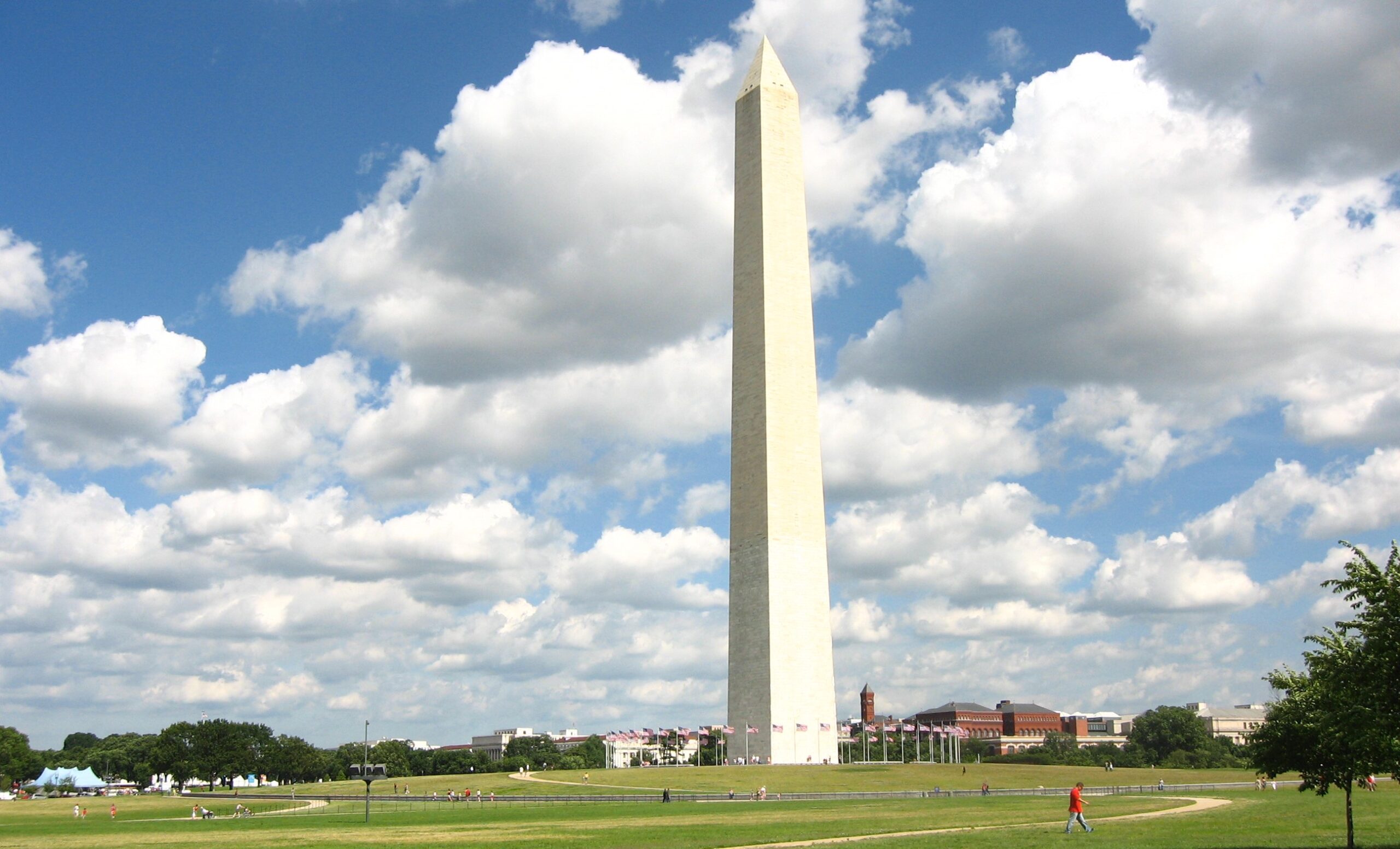
2. Go Up the Washington Monument
The 555-foot obelisk is the center of the city in every sense. An elevator whisks you to the observation level, about 500 feet up, where you can see the whole layout of DC at once: the Capitol, the White House, the memorials and across the river to Virginia. It takes about an hour, and you’ll need a timed ticket (see above). There are no restrooms inside, so plan ahead.
3. Walk Through the World War II Memorial
Between the Washington Monument and the Reflecting Pool, this oval plaza honors the 16 million Americans who served in World War II. There are 56 granite pillars, one for each state and territory of the time, and a Freedom Wall with 4,048 gold stars, each one standing for a hundred Americans who died. Walk through it, don’t just photograph it from the edge.
4. Visit the Vietnam and Korean War Memorials
Near the Lincoln Memorial, the black granite wall of the Vietnam Veterans Memorial carries more than 58,000 names, and visitors often leave letters, flowers and photos. On the other side, the Korean War Veterans Memorial’s 19 steel soldiers seem to move through the brush, and they’re especially haunting in rain or at dusk. Give each a quiet few minutes.
5. Loop the Tidal Basin Memorials
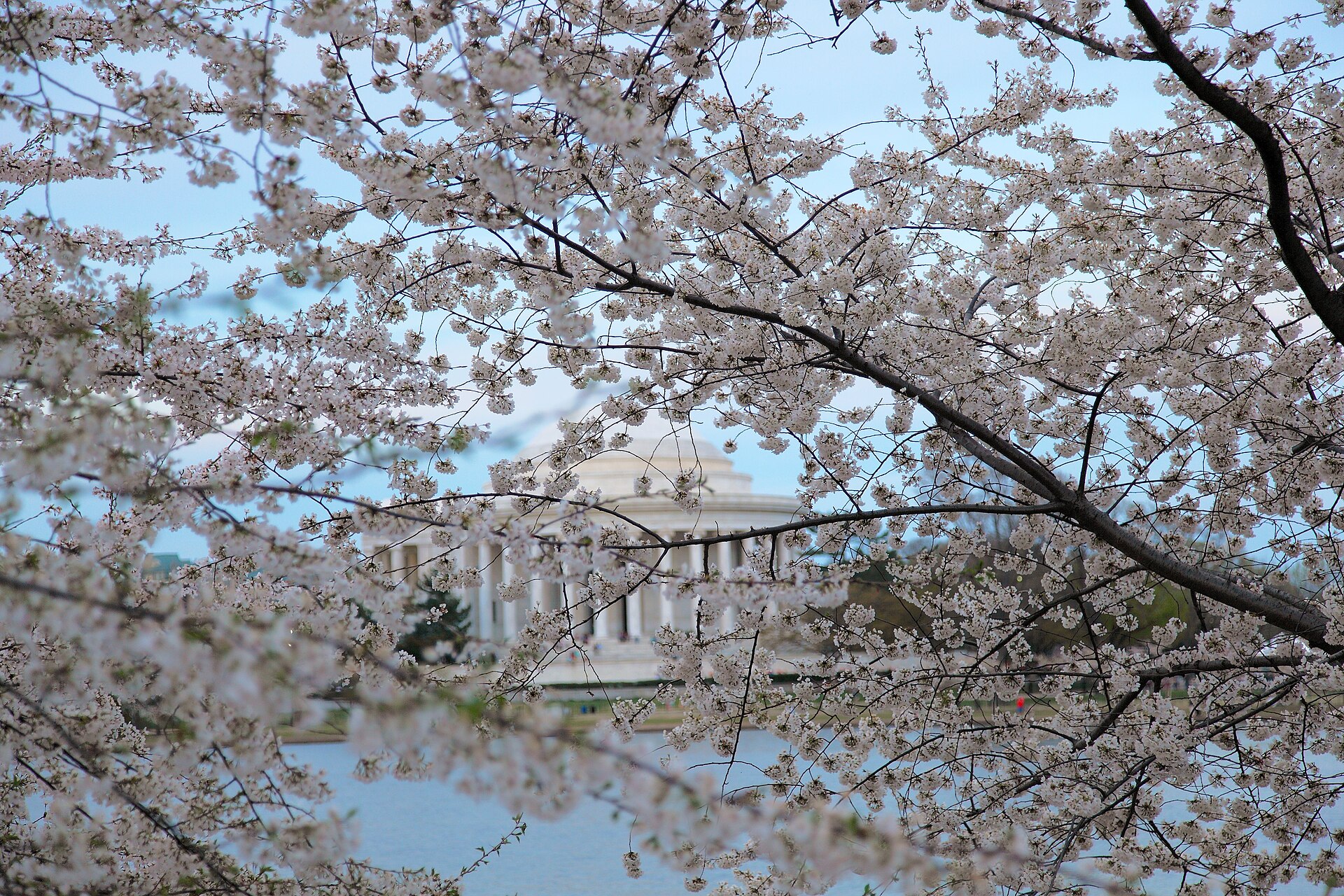
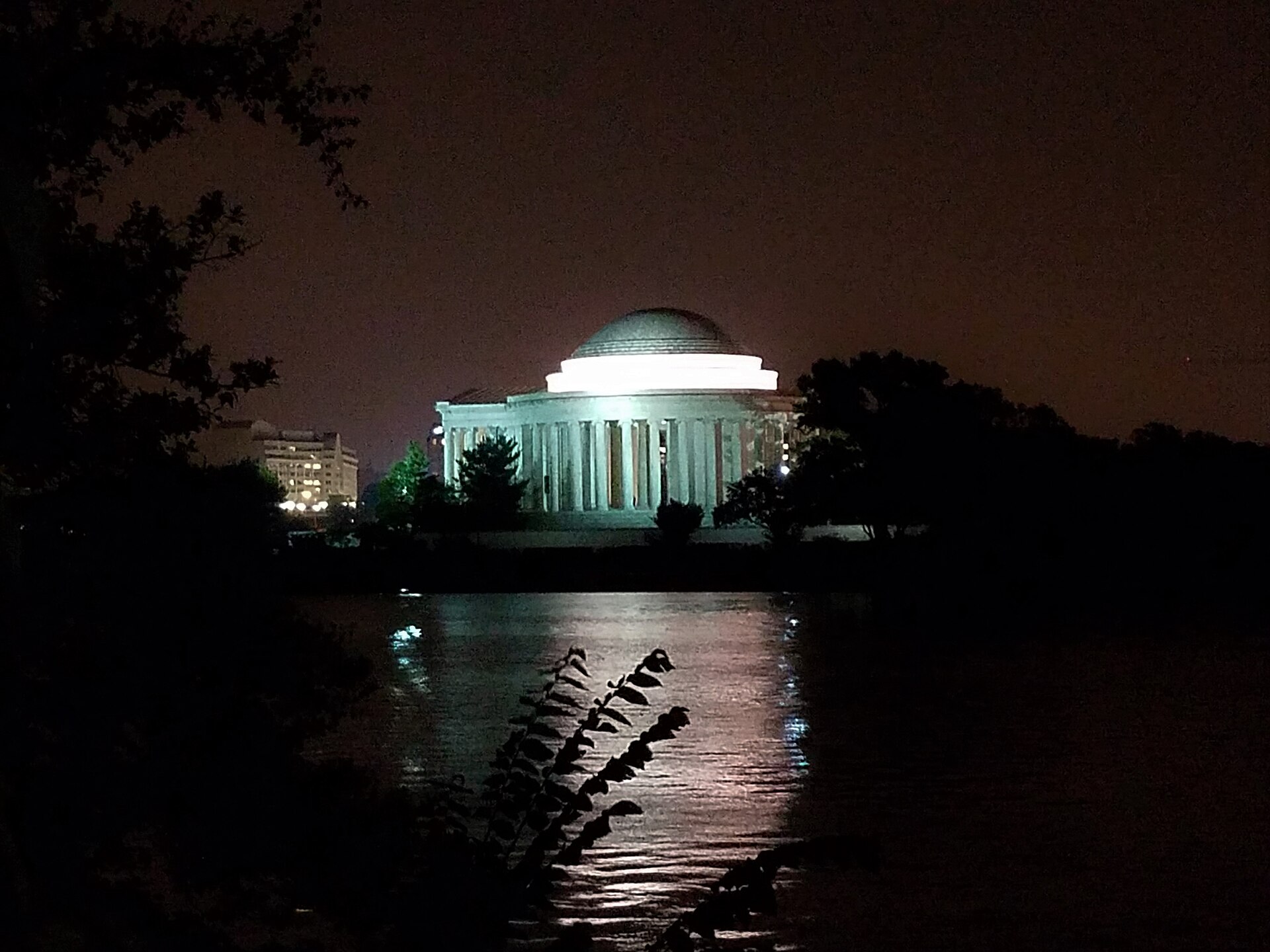
South of the Mall, a roughly 2-mile path around the Tidal Basin links three powerful memorials. The Martin Luther King Jr. Memorial has the “Stone of Hope” carved from granite. The Franklin Delano Roosevelt Memorial is a surprisingly large outdoor space of waterfalls, quotes and statues, including Eleanor Roosevelt. The domed Jefferson Memorial looks back across the water. The shoreline reopened in spring 2026 after a seawall rebuild, with wider walkways and hundreds of new trees.
6. See the Cherry Blossoms (in Spring)
For about two weeks each spring, usually from late March to early April, the Tidal Basin is ringed with pink and white cherry blossoms. It’s one of the most beautiful sights in the country, and one of the most crowded. Go at sunrise, and check the National Park Service’s bloom forecast rather than booking around an old date. Our Washington DC cherry blossoms guide covers peak bloom, the festival and quieter viewing spots.
7. See the White House
Most visitors see the White House from the outside: the north side from Lafayette Square and the south side from the Ellipse. That alone takes about 20–30 minutes. The White House Visitor Center nearby has free exhibits on the building, its rooms and the families who lived there. Public tours have been paused and resumed several times since ballroom construction began in 2025, so check with your representative’s office before counting on one.
8. Tour the Monuments at Night
If you do only one thing after dinner, make it this. The memorials glow gold and white after dark, the crowds thin out, and the Lincoln and Jefferson memorials feel completely different. You can walk, ride a bike-share, or take a guided evening trolley tour if your feet are done. Our guide to things to do in Washington DC at night has 30 more evening ideas.
Museums
The Smithsonian runs most of the big museums on the Mall, and they’re all free. Most are open from 10 a.m. to 5:30 p.m., and every one has security screening. Don’t try to see them all. Two good museums in a day is plenty. For the complete list, see our guide to free museums in Washington DC.
9. National Air and Space Museum
Home to the 1903 Wright Flyer, the Spirit of St. Louis, Apollo spacecraft and a moon rock you can touch. After a long renovation, more galleries reopened on July 1, 2026, for the museum’s 50th anniversary, with the last ones due in October 2026. Everyone needs a free timed pass. It’s a favorite with kids and adults alike.
10. National Museum of Natural History
Dinosaur skeletons, the 45-carat Hope Diamond, a giant ocean hall and a live insect zoo. It’s the easiest big museum to fit in because no pass is needed. Go early or late on weekends, when the rotunda gets packed.
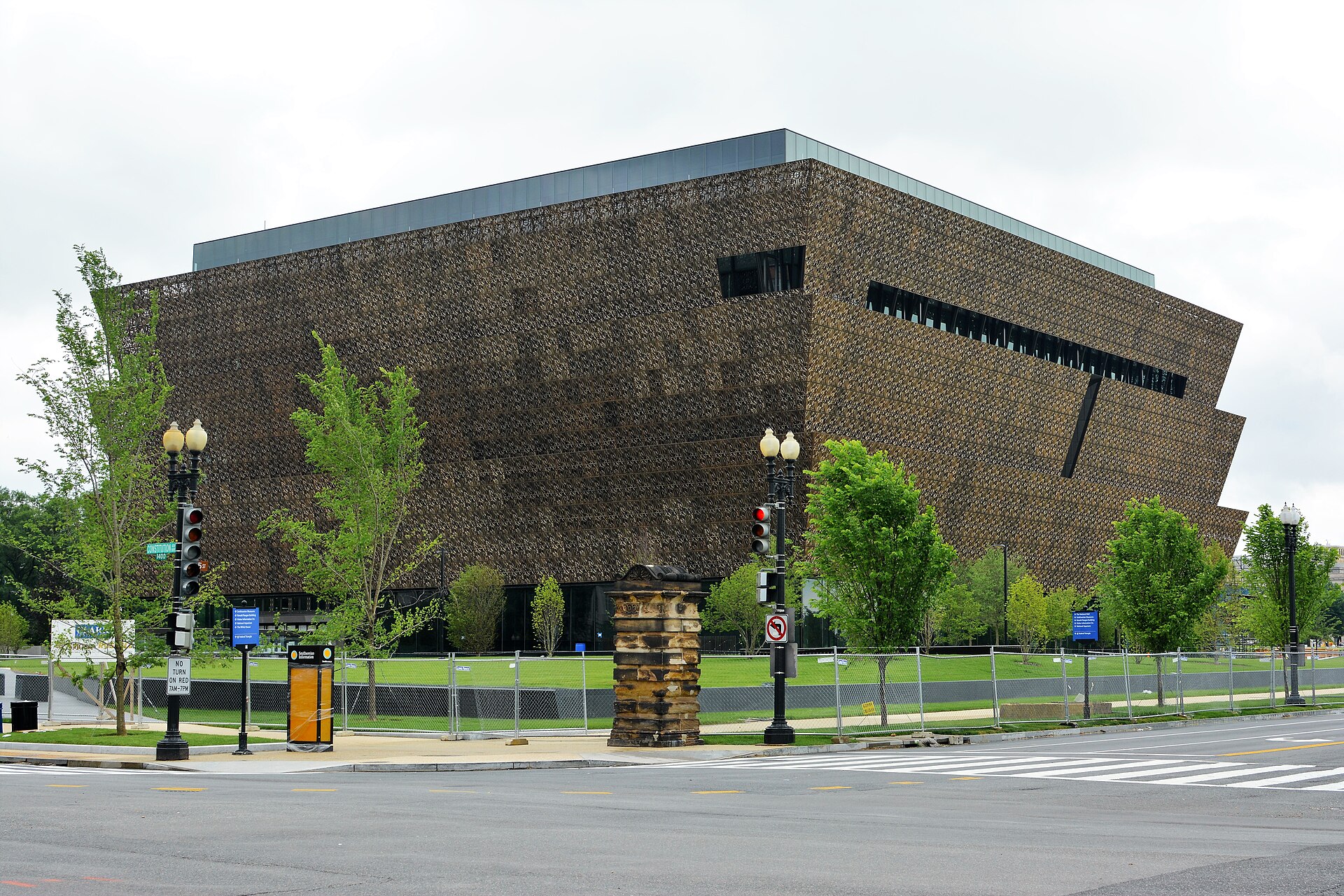
11. National Museum of African American History and Culture
Many visitors call this the most moving museum in Washington. The History Galleries start deep underground in the era of slavery and rise through the centuries to the present, and the upper floors celebrate music, sport and culture. Plan at least three to four hours, and get a free timed pass.
12. National Museum of American History
See the original Star-Spangled Banner that inspired the national anthem, the first ladies’ gowns, Dorothy’s ruby slippers and Julia Child’s kitchen. It’s a fun mix of serious history and pop culture, and no pass is needed.
13. National Gallery of Art
Technically not part of the Smithsonian, but just as free. The West Building holds the only Leonardo da Vinci painting in the Americas, plus Vermeer, Rembrandt, Monet and more. The modern East Building and the outdoor Sculpture Garden, which becomes an ice rink in winter, are easy add-ons.
14. U.S. Holocaust Memorial Museum
A powerful, difficult and important museum just off the Mall. The permanent exhibition follows the Holocaust in chronological order through personal stories and artifacts. It’s free, but you’ll need a timed pass in spring and summer. The main exhibit is recommended for ages 11 and up.
15. National Portrait Gallery and Smithsonian American Art Museum
Two museums share one beautiful old building in Penn Quarter. Don’t miss the Hall of Presidents, including the Obama portraits, and the glass-roofed Kogod Courtyard, a lovely place to rest. They stay open until 7 p.m., later than the Mall museums, so they make a good late-afternoon stop.
Capitol Hill and Government
16. Tour the U.S. Capitol
The free guided tour starts at the Capitol Visitor Center and takes you through the Crypt, the Rotunda under the great dome and National Statuary Hall. It’s open Monday to Saturday from 8:30 a.m. to 4:30 p.m., and closed on Sundays. Reserve ahead and arrive early for security. To watch Congress in session, request gallery passes from your representative or senators.
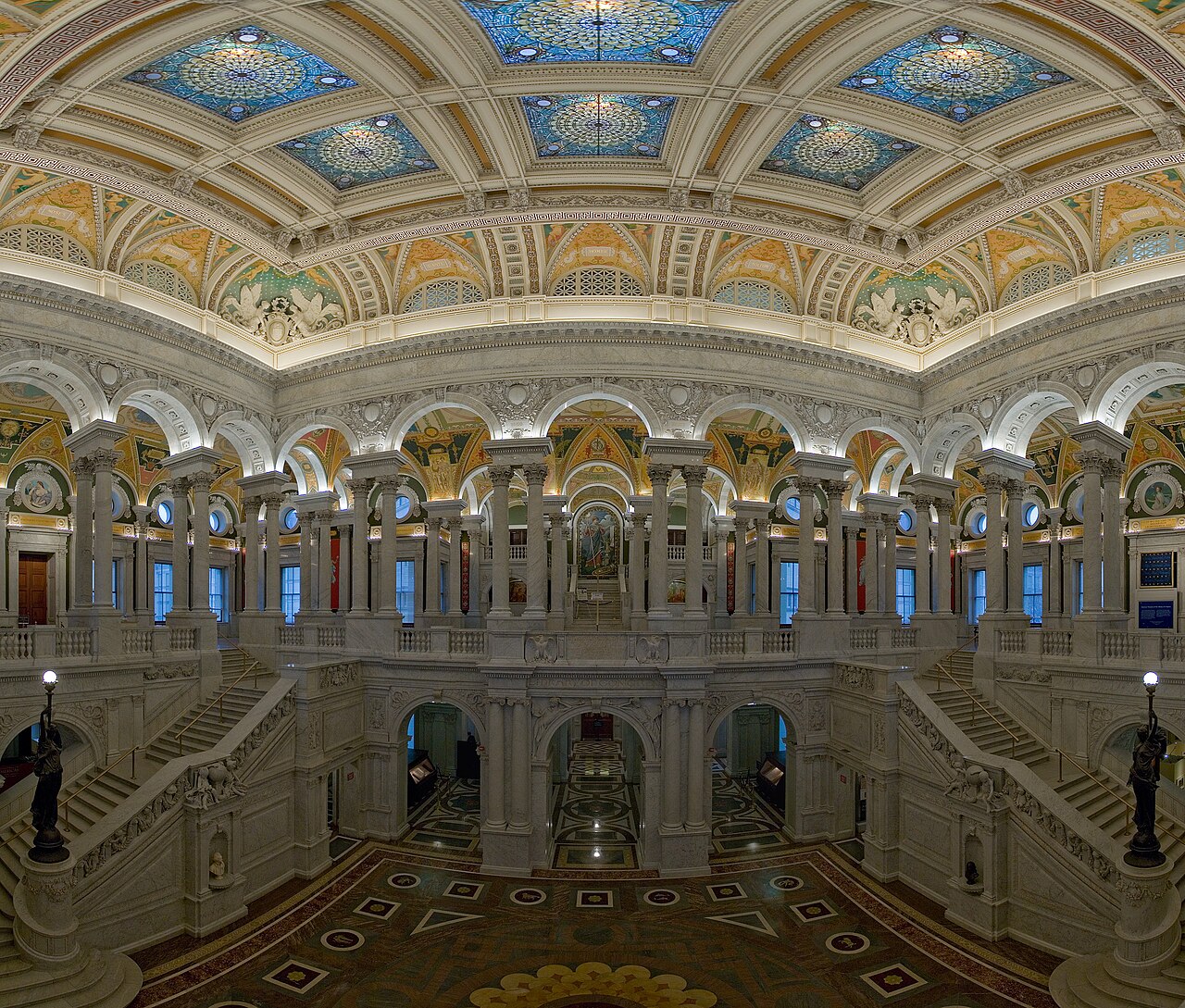
17. Explore the Library of Congress
An underground tunnel links the Capitol Visitor Center to the Library’s Thomas Jefferson Building, which might be the most beautiful interior in Washington. The Great Hall is covered in marble, mosaics and painted ceilings, and you can look down into the Main Reading Room from an overlook. It’s free, but it’s typically closed on Sundays and Mondays, so check the hours.
18. Visit the Supreme Court
Across the street from the Capitol, the Supreme Court building is usually open to visitors on weekdays, with exhibits, a short film and courtroom lectures on days the Court isn’t sitting. It’s a quick, worthwhile stop if your timing works.
19. See the Constitution at the National Archives
In the dim Rotunda for the Charters of Freedom, you can stand in front of the original Declaration of Independence, Constitution and Bill of Rights. It’s free and usually open until 5:30 p.m. Reservations aren’t required but help you skip the line in busy seasons.
20. Wander Capitol Hill and Eastern Market
Behind the Capitol is one of the city’s prettiest residential neighborhoods, with tree-lined streets of colorful row houses. Eastern Market, a historic public market, has a food hall all week and lively outdoor stalls of crafts, produce and antiques on weekends. Barracks Row on 8th Street is a good spot for dinner.
Neighborhoods, Food and Nightlife
21. Spend an Afternoon in Georgetown
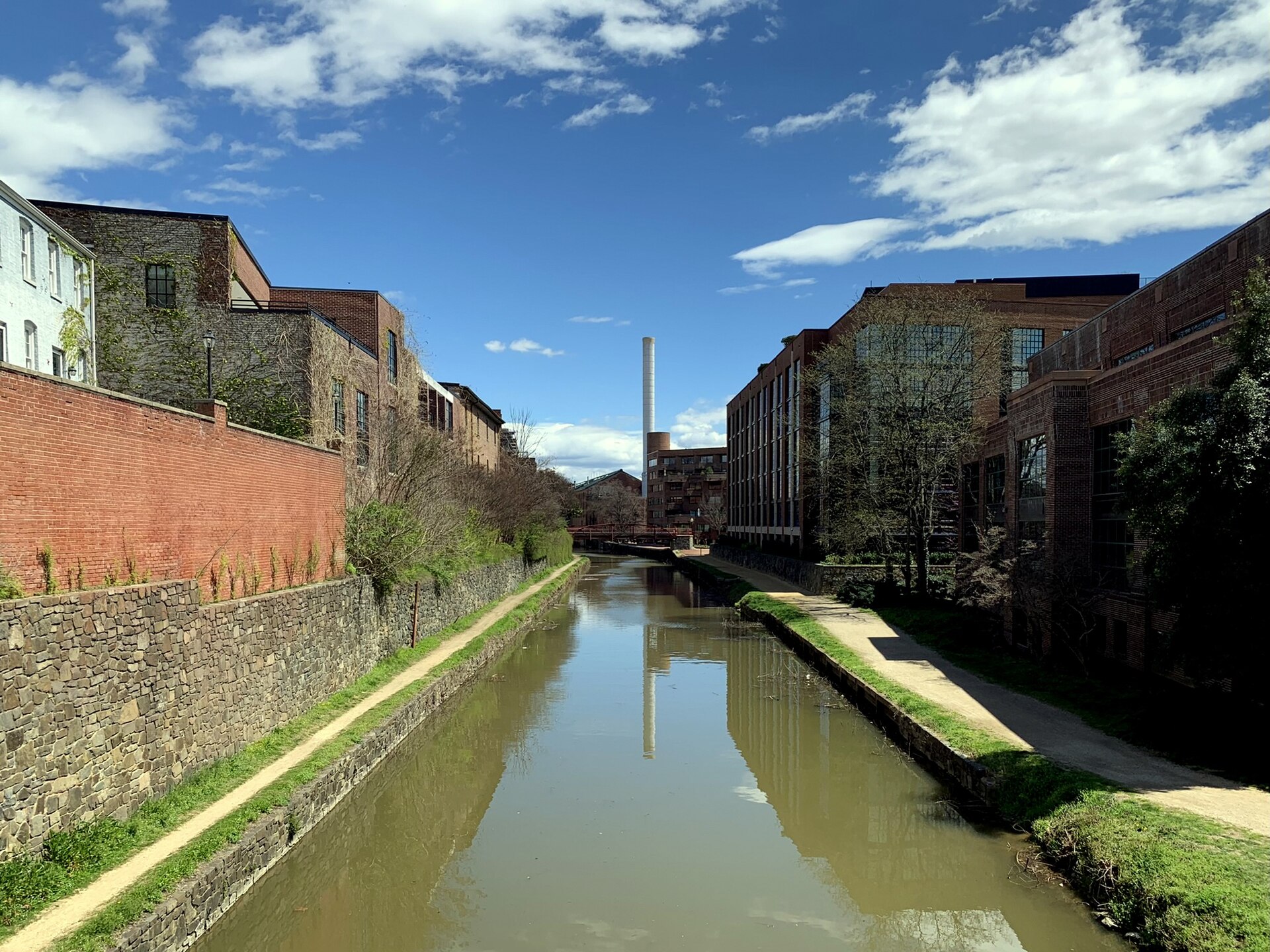
Georgetown is older than Washington itself. Wander its brick sidewalks and cobblestone side streets, see the Old Stone House (the oldest building still on its original foundation in DC), walk a stretch of the C&O Canal towpath, and end at Georgetown Waterfront Park on the Potomac. There’s no Metro station here, so walk from Foggy Bottom or take a bus or rideshare. Our guide to things to do in Georgetown Washington DC has 25 ideas.
22. Stroll Dupont Circle and Embassy Row
Dupont Circle is a lively neighborhood of grand townhouses, bookstores and cafés, with a marble fountain at its center. Walk northwest along Massachusetts Avenue, known as Embassy Row, past dozens of embassies in historic mansions. Art lovers should stop at The Phillips Collection, America’s first museum of modern art (admission charged). On Sunday mornings, the farmers market is one of the best in town.
23. Eat Your Way Around the City
DC’s food scene is much better than its reputation. Try Ethiopian food (the city has one of the largest Ethiopian communities in the U.S.), a half-smoke at Ben’s Chili Bowl on U Street, crab cakes, and some excellent fine dining. Union Market and Eastern Market are great for casual food halls. Our guide to the best restaurants in Washington DC covers everything from Michelin stars to cheap eats.
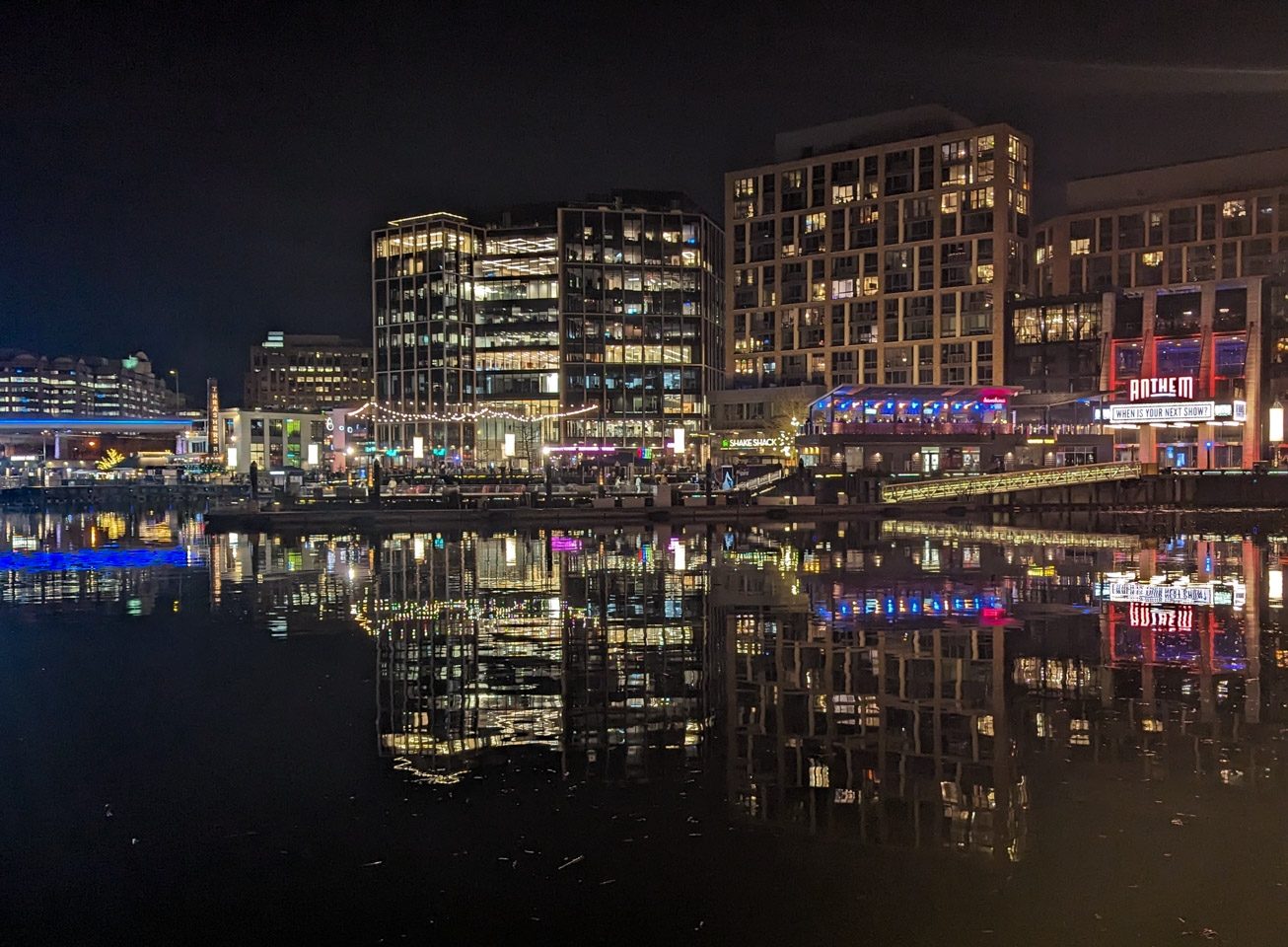
24. Spend an Evening at The Wharf
This waterfront district on the Washington Channel has piers, restaurants, rooftop bars, music venues and free outdoor events. It’s lovely at sunset, and in summer you can rent kayaks or take a water taxi to Old Town Alexandria. The historic Municipal Fish Market here is the oldest continuously operating open-air fish market in the country.
25. Go Out on U Street, 14th Street or Adams Morgan
U Street was once called “Black Broadway,” where Duke Ellington grew up. Today it’s still a great place for live music and jazz clubs. 14th Street has some of the city’s best restaurants and cocktail bars, and Adams Morgan is the late-night bar strip. Our guide to the best places to go out in Washington DC breaks it down by neighborhood.
26. Catch a Game or Show
Watch the Washington Nationals at Nationals Park in Navy Yard, with river views and a lively neighborhood around the stadium, or see a show at the historic Ford’s Theatre, where Lincoln was shot. Note that the Kennedy Center has been closed to visitors since September 2026 amid a legal dispute over its name, so check the latest before planning a show there.
Beyond Downtown and Day Trips
27. Arlington National Cemetery
Just across the Potomac, a short Metro ride away, Arlington is the resting place of more than 400,000 service members and their families. See the Changing of the Guard at the Tomb of the Unknown Soldier, the John F. Kennedy grave with its eternal flame, and the view back over the city from Arlington House. The cemetery is free, large and hilly, so allow 3–4 hours. A paid tram tour helps. The Marine Corps War Memorial (Iwo Jima) is nearby.
28. See the Pandas at the National Zoo
The Smithsonian’s National Zoo in Woodley Park is free, and the giant pandas are back. You’ll also see elephants, great apes, big cats and more across a large, hilly park in Rock Creek. Check the zoo’s website for current entry and parking rules before you go.

29. Visit the Udvar-Hazy Center
The Air and Space Museum’s giant second location near Dulles Airport holds the Space Shuttle Discovery, the SR-71 Blackbird and the Enola Gay, in hangars far bigger than the Mall museum. Entry is free, but parking costs money. It’s about 45 minutes from downtown, so it’s best with a car or as a half-day trip.
30. Take a Day Trip to Mount Vernon or Old Town Alexandria
George Washington’s home at Mount Vernon sits above the Potomac about 30 minutes south. It’s a paid visit, with the mansion, gardens, farm and his tomb. On the way, Old Town Alexandria has cobblestone streets, historic taverns, boutiques and a waterfront you can reach by Metro, bike path or water taxi from The Wharf. Further afield, our guides to Ellicott City, Maryland and the best hikes in Shenandoah National Park make good longer day trips.
Best Things to Do by Type of Trip
Free Things to Do in Washington DC
Almost everything in this guide is free: every memorial on the Mall, all the Smithsonian museums, the National Gallery, the Capitol and Library of Congress, the National Archives, the National Zoo and Arlington Cemetery. The main paid extras are Mount Vernon, The Phillips Collection, a few private museums, and tours. See our full list of free things to do in DC.
Things to Do in Washington DC With Kids
Kids usually love the Air and Space Museum, the dinosaurs and Hope Diamond at Natural History, the pandas at the National Zoo, the elevator ride up the Washington Monument, the carousel on the Mall and Junior Ranger programs at the memorials. Mix museums with outdoor breaks, and don’t plan two big museums back to back. Our guide to Washington DC with kids has family itineraries and tips.
Things to Do in Washington DC for Couples
Walk the memorials at night, watch the sunset from Georgetown Waterfront Park, share dinner on 14th Street, have a drink with a view at The Wharf, and spend a slow afternoon at the National Gallery’s Sculpture Garden. See our guide to Washington DC for couples for 25 date ideas.
Things to Do in Washington DC When It Rains
Rain is easy here. Swap the outdoor memorials for museums, the Library of Congress, the National Archives or Union Station, and save the monuments for the next dry evening. The National Portrait Gallery’s covered courtyard is a lovely rainy-day refuge.
Things to Do in Washington DC by Season
| Season | Weather | Best Things to Do |
|---|---|---|
| Spring (Mar–May) | Mild, 55–75°F | Cherry blossoms, gardens, walking the Mall |
| Summer (Jun–Aug) | Hot and humid, 85–95°F | Museums midday, Fourth of July, Nationals games, evenings at The Wharf |
| Fall (Sep–Nov) | Pleasant, 55–75°F | Long walks, fall color in Rock Creek Park, Georgetown |
| Winter (Dec–Feb) | Cold, 30s–40s°F | Museums, holiday lights, ice skating, lowest prices |
For a month-by-month breakdown, see the best time of year to visit Washington DC, and for what to pack, check our Washington DC weather by month guide.
How Many Days Do You Need in Washington DC?
Three days is ideal for a first visit. That gives you one day for the National Mall and monuments, one for the Capitol, Library of Congress and a Smithsonian museum or two, and one for Georgetown, Dupont Circle or Arlington. With 4–5 days, you can slow down and add the zoo, more museums and a day trip. Our Washington DC 3-day itinerary turns this list into a day-by-day plan.
Where to Stay in Washington DC
For first-time visitors, Downtown and Penn Quarter are the most convenient, within walking distance of the Mall and on several Metro lines. Dupont Circle and Capitol Hill have more neighborhood character, The Wharf and Navy Yard are newer and on the water, and Arlington across the river is often cheaper. A hotel near a Metro station matters more than one right next to a monument. See our guides to where to stay in Washington DC and the best luxury hotels in Washington DC.
Getting Around Washington DC
You don’t need a car. Parking is scarce and expensive. Walk the Mall, take the Metro for longer hops (tap a contactless card at the gate), and use Capital Bikeshare, buses or rideshare for Georgetown and late nights. From Reagan National Airport, the Metro reaches downtown in about 15–20 minutes. From Dulles, the Silver Line takes about 50–60 minutes. Note that the old DC Circulator buses stopped running at the end of 2024, so ignore older guides that recommend them.
2026 Updates and Closures to Know
- Tidal Basin: reopened in spring 2026 after a seawall rebuild, with new walkways and young replacement cherry trees.
- Lincoln Memorial Reflecting Pool: it has been drained for repairs more than once. Check before you plan that reflection photo.
- White House tours: on and off since 2025 ballroom construction, and the East Wing is no longer on the route.
- Air and Space Museum: more galleries reopened in July 2026, and the final ones are due in October 2026.
- Kennedy Center: closed to visitors since September 2026.
- Government funding: if there’s a federal shutdown, outdoor memorials usually stay open, but the Smithsonian, National Archives and National Zoo can close once their reserve funds run out.
Tips for Visiting Washington DC
- Wear broken-in shoes. You’ll walk 4–6 miles a day, even with Metro.
- Travel light. Every museum and government building has security, and large bags slow you down.
- Check the day of the week. The Capitol is closed Sundays, and the Library of Congress is usually closed Sundays and Mondays.
- Carry water and sunscreen. There’s little shade on the Mall.
- Watch the news. Protests, state visits and big events can close streets with little warning.
- Don’t try to see everything. DC rewards a slower pace and a second visit.
Things to Do in Washington DC: FAQs
What is the number one thing to do in Washington DC?
Walking the National Mall from the Capitol to the Lincoln Memorial, with stops at the Washington Monument and the war memorials. If you only do one thing, see the Lincoln Memorial at night.
What are the best free things to do in Washington DC?
The National Mall memorials, the Smithsonian museums, the National Gallery of Art, the Capitol tour, the Library of Congress, the National Archives, the National Zoo and Arlington National Cemetery are all free.
How many days do you need in Washington DC?
Three days is ideal for a first visit. Two days covers the Mall and one museum day, while four or five lets you add day trips and a slower pace.
Do you need tickets for the Smithsonian museums?
They’re all free. The National Air and Space Museum and the National Museum of African American History and Culture need free timed-entry passes, while most others are walk-in.
Can you go inside the White House?
Sometimes. Public tours have paused and resumed since construction began in 2025. When they run, U.S. citizens request them through their Member of Congress, and international visitors go through their embassy.
What is there to do in Washington DC at night?
See the lit-up memorials, have dinner at The Wharf or on 14th Street, catch live music on U Street, go to a Nationals game, or visit the National Portrait Gallery, which stays open until 7 p.m.
What is there to do in Washington DC with kids?
The Air and Space Museum, the Natural History Museum’s dinosaurs, the National Zoo’s pandas, the Washington Monument elevator, the carousel on the Mall and Junior Ranger programs are family favorites.
Do you need a car in Washington DC?
No. Walking, the Metro, buses, bike-share and the occasional rideshare are easier and cheaper than driving and parking.
What is the best month to visit Washington DC?
April, May, late September and October have the best weather. Late March to early April brings the cherry blossoms, and the biggest crowds.
Is Washington DC worth visiting?
Yes. Few cities pack this many landmarks, world-class museums and historic neighborhoods into such a walkable area, and nearly all of them are free.
Final Thoughts
You won’t see everything in Washington on one trip, and that’s fine. Pick the monuments and museums that matter most to you, book the few things that need tickets, and leave time for the moments that don’t show up on a checklist: the Lincoln Memorial after dark, a long lunch in Georgetown, an hour on a bench by the Tidal Basin.
Then come back. Most people who visit DC once end up planning a second trip before they’ve left. For more ideas, browse all of our travel guides.