
Washington is a different city depending on when you show up.
On a cool October morning, you can walk from the Capitol to the Lincoln Memorial and barely think about the weather. In late March, the same walk turns pink and white, beautiful and packed with people holding up their phones. Come in July and that two-mile stroll down the National Mall feels twice as long once the heat and humidity settle on your shoulders. And in January the trees are bare and the wind bites, but the museums are warm, the lines are short and your hotel might cost a lot less.
So there isn’t one perfect week. There’s a best time for your trip. This guide covers the best time of the year to visit Washington DC month by month, with real weather averages, when the cherry blossoms actually bloom, how crowds and hotel prices move through the year, and a few timing tricks most guides never mention.
What Is the Best Time of the Year to Visit Washington DC?
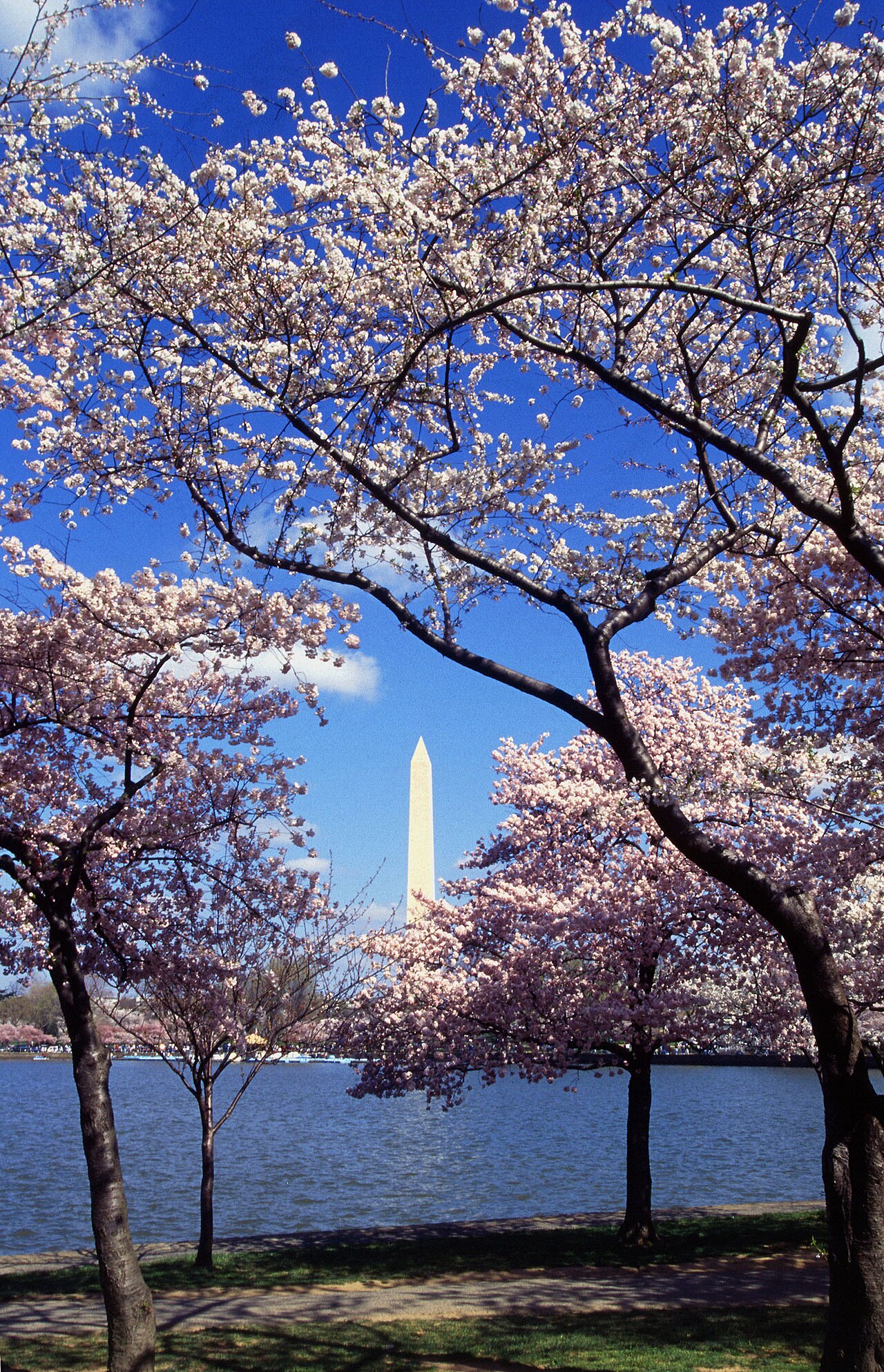
The best time of the year to visit Washington DC is April to May or late September through October. These months have comfortable walking weather, with average highs of about 68°F in April, 76°F in May and 69°F in October. Visit in late March or early April for the cherry blossoms, choose October for fall color and smaller crowds, and pick January or February for the lowest hotel prices.
| Time | Weather | Crowds | Best For |
|---|---|---|---|
| January–February | Cold | Low | Budget trips, museums |
| March | Cool, changeable | Rising fast | Early blossoms, spring break |
| April | Mild | High | Cherry blossoms, first visits |
| May | Warm | Medium to high | Walking, parks, embassy open houses |
| June | Warm to hot | High | Long days, family trips |
| July–August | Hot and humid | High, easing late August | Fourth of July, museums |
| September | Warm, then milder | Medium | Outdoor sightseeing |
| October | Mild, crisp | Medium | Fall color, long walks |
| November | Cool | Lower | Quiet sightseeing |
| December | Cold | Busy around holidays | Holiday lights and events |
In This Guide
- Washington DC weather by month
- Spring (March to May)
- When are the cherry blossoms?
- Summer (June to August)
- Fall (September to November)
- Winter (December to February)
- DC events calendar by month
- Fewer crowds and cheaper hotels
- Best time for families, couples and photographers
- What to pack by season
- FAQs
The Sweet Spot: April, May and October
If nothing specific is pulling you toward another month, start with April, May or October.
Here’s why. Washington is a walking city. The museums are indoors, but almost everything between them isn’t. The Mall, the memorials, the Tidal Basin, Georgetown, the Capitol grounds and the waterfronts are all outside, and most visitors walk far more than they expect. The Mall alone is about two miles from the Capitol to the Lincoln Memorial.
These three months give you the best walking weather. The difference between them is personality. April has the blossoms and the biggest crowds. May is warmer and green, with long, easy days. October is crisp and golden, and it’s the month many locals quietly call their favorite.
Washington DC Weather by Month
These averages come from NOAA’s 1991–2020 climate normals at Reagan National Airport. They’re averages, not forecasts, so check the actual forecast a few days before you pack.
| Month | Avg. High | Avg. Low | What It Feels Like for Sightseeing |
|---|---|---|---|
| January | 44.8°F | 30.1°F | Cold; great museum weather |
| February | 48.3°F | 31.8°F | Cold but fine with layers |
| March | 56.5°F | 38.6°F | Changeable early spring |
| April | 68.0°F | 48.4°F | Very comfortable |
| May | 76.5°F | 58.0°F | Warm and pleasant |
| June | 85.1°F | 67.5°F | Warm to hot |
| July | 89.6°F | 72.4°F | Hot and humid |
| August | 87.8°F | 71.0°F | Hot and humid |
| September | 80.7°F | 64.1°F | Warm, easing late in the month |
| October | 69.4°F | 52.2°F | Excellent walking weather |
| November | 58.2°F | 41.6°F | Cool, bring a jacket |
| December | 48.8°F | 34.5°F | Cold |
Two things the numbers don’t show. First, summer humidity makes 88°F feel much hotter, and afternoon thunderstorms roll in fast. Second, daylight changes a lot. In late June the sun sets around 8:30 p.m., so you can sightsee well into the evening. In December it’s dark before 5 p.m., which shortens your outdoor day by hours.
Spring in Washington DC: March to May
Spring gets most of the attention, and the reason is obvious: cherry blossoms. But March, April and May feel like three different trips.
Washington DC in March
March is a tug-of-war between winter and spring. The average high is about 56°F and the low about 39°F, but a single week can swing from a 75°F afternoon to a raw, windy morning. Pack layers.
Late March is when the city starts filling up. Blossom season can begin, spring-break families arrive, and school groups flood the museums on weekdays. Just remember that cherry trees don’t read travel itineraries. Booking March 25 months ahead doesn’t guarantee peak bloom.
Washington DC in April
If you had to pick one classic DC month, April would be hard to beat. Highs average around 68°F, tulips and dogwoods are out, and the blossom season often runs into the first week or two of the month.
The catch is that everyone else knows this too. Expect busy sidewalks, crowded viewpoints and higher hotel prices around festival weekends. If blossoms are the point of your trip, that trade-off is worth it. If they aren’t, May or October may suit you better.
Washington DC in May
May is underrated. The average high is about 76°F, the city is fully green, and the days are long enough to do monuments in the morning, a museum in the afternoon and Georgetown in the evening. It’s warm enough for patios without July’s heat.
May also has one of DC’s best-kept secrets: embassy open houses during the month-long Passport DC celebration, when many embassies open their doors to the public for food, music and culture. The one planning issue is graduation season, which pushes up hotel demand on certain weekends. Book early if your dates are fixed.
Who Should Visit DC in Spring?
Spring is great for first-time visitors, couples, photographers, garden lovers, spring-break families and anyone planning lots of walking. The only real downside is popularity. Spring isn’t Washington’s secret season.
When Are the Cherry Blossoms in Washington DC?
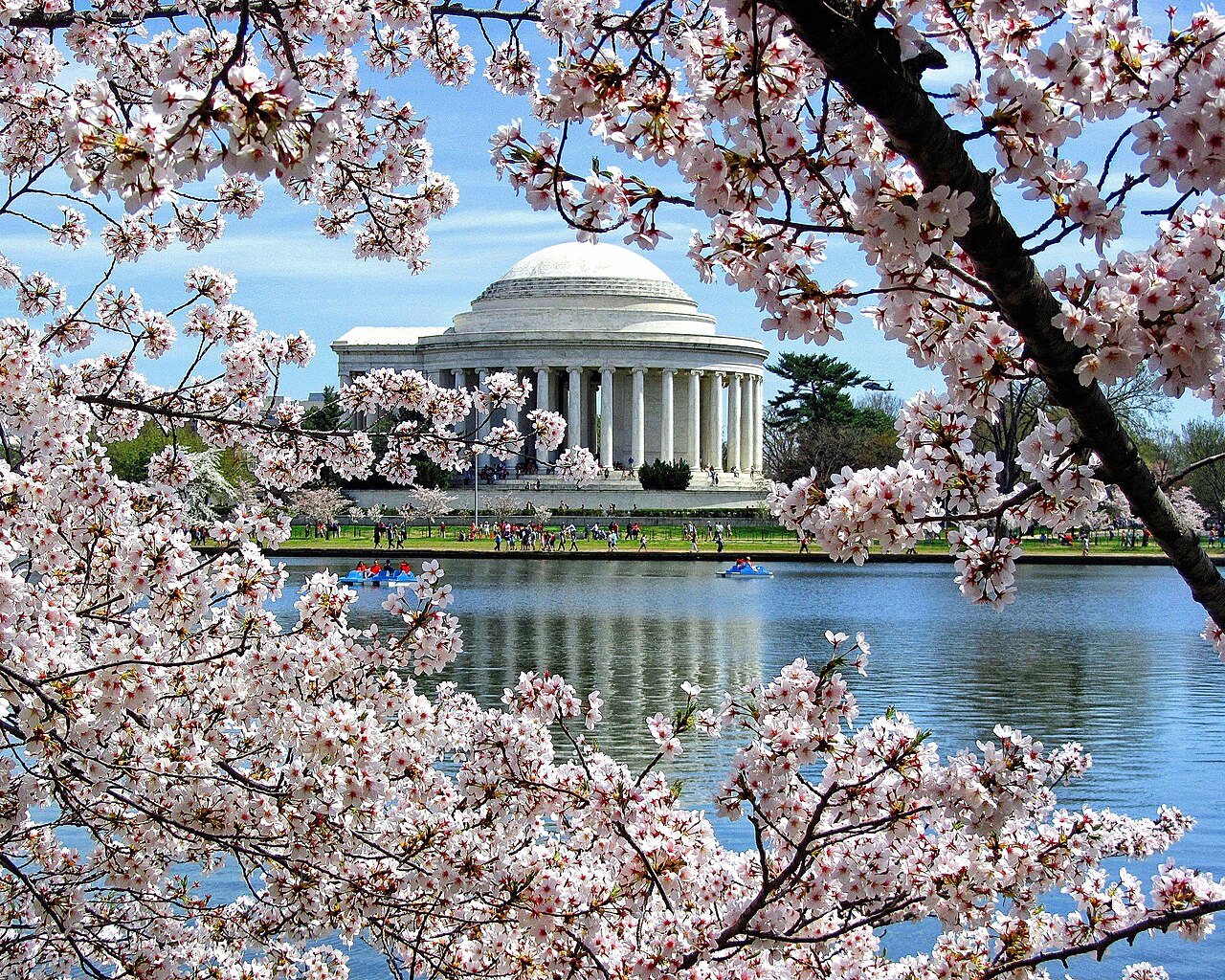
The cherry blossoms in Washington DC usually reach peak bloom between the last week of March and the first week of April. Peak bloom is when 70% of the Yoshino blossoms around the Tidal Basin are open, and the flowers typically last about 7 to 10 days after that, depending on weather.
The famous trees were a gift from the mayor of Tokyo in 1912. Today about 3,700 Yoshino cherry trees ring the Tidal Basin and the grounds around the Mall. The dates move around a lot. The earliest peak bloom on record was March 15, 1990, and the latest was April 18, 1958. The National Park Service says that forecasting peak bloom reliably more than about 10 days ahead is extremely difficult.
What Happened With the 2026 Cherry Blossoms?
2026 is a good lesson in flexibility. In early March, the Park Service forecast peak bloom for March 29 to April 1. After a long, cold winter, a few days in the 70s pushed the trees along quickly, and they hit peak bloom on March 26, a few days early. In 2025, peak bloom began March 28. The National Cherry Blossom Festival ran through April 12, 2026, with the parade on April 11, well after the blossoms had faded.
Three days sounds small. It isn’t if you booked a two-night trip just to see the trees.
How to Plan a Cherry Blossom Trip
- Book a window, not a date. Aim for about March 22 to April 8 and stay at least three or four nights. Pick a refundable hotel if you can.
- Watch the bloom stages. The Park Service tracks six stages, from green buds to “puffy white.” Once the trees reach puffy white, peak bloom is usually only days away.
- Go at sunrise. The Tidal Basin at 6:30 a.m. and at 1 p.m. on a Saturday are completely different experiences. Early morning also gives you the softest light for photos.
- Take the Metro. Parking near the Tidal Basin is almost impossible in bloom season. Smithsonian station is about a 15-minute walk away.
- Missed peak? You have a backup. The fluffy, deep-pink Kwanzan cherries bloom about two weeks after the Yoshinos. Look for them in East Potomac Park, where they often peak in mid-April.
- Check for construction closures. A multi-year project to rebuild the sinking Tidal Basin seawall has fenced off some sections of the walkway and replaced some trees, so check which paths are open before you go.
Summer in Washington DC: June to August
Summer looks great on paper: long days, school vacations, outdoor concerts and the Fourth of July. Then you step outside at 2 p.m. in July. DC summers are hot and sticky. That isn’t a reason to stay away. It just means you plan differently.
Washington DC in June
June is the bridge between spring and full summer, with average highs around 85°F. The big advantage is daylight. You can do outdoor sightseeing in the morning and evening and still have plenty of time. Late June brings the Smithsonian Folklife Festival on the Mall and Capital Pride. It’s a strong month for families once school lets out.
Washington DC in July
July is the hottest month, with an average high near 90°F and nights that stay in the low 70s. Humidity makes it feel worse. Don’t plan it like April. Walk the Mall early, spend the hottest hours in air-conditioned Smithsonian museums, rest at the hotel, then head back out around sunset.
July also brings the biggest day on the DC calendar: Independence Day. Fireworks over the Washington Monument are unforgettable, but expect huge crowds, security checkpoints and road closures. Arrive early, bring water and plan your route home.
Washington DC in August
August is still hot, with highs near 88°F. Use the same plan: morning outside, afternoon inside, evening outside again. Luckily DC is built for that. Heat feels a lot less annoying when your air-conditioned afternoon doesn’t cost another $30 ticket, because most Smithsonian museums are free.
Here’s a tip competitors rarely mention. Late August is one of the quietest times in the city. Congress is usually on its August recess, many locals are on vacation, and kids in the region go back to school before Labor Day. Fewer business travelers can also mean better hotel deals. Look for summer Restaurant Week deals around this time too.
Who Should Visit DC in Summer?
Summer works for families tied to school calendars, museum lovers, Fourth of July travelers and anyone who loves long evenings. It’s a poor fit if your dream trip is walking ten miles a day in cool air.
Fall in Washington DC: September to November
Spring gets the photos. Fall deserves more attention. If you want great weather without building the trip around blossoms, fall may be your answer.
Washington DC in September
September averages a high of about 81°F. The first half can still feel like summer, but after mid-month the air starts to soften. Summer crowds disappear after Labor Day, which makes late September one of the most underrated windows of the year. The H Street Festival and the Library of Congress National Book Festival usually land around this time.
Washington DC in October
October is our top pick if blossoms aren’t your priority. The average high is about 69°F with lows near 52°F, which is ideal for all-day walking. The Mall feels easier, Georgetown is perfect on foot, and Rock Creek Park starts to turn gold and red, usually peaking late in the month or in early November.
Fall is also the best time for a mountain day trip. The leaves in the Blue Ridge turn a week or two earlier than in the city, and our guide to the best hikes in Shenandoah National Park covers trails about 90 minutes west of DC. The Marine Corps Marathon, held in late October, is fun to watch but closes roads, so check the date if you’re driving.
Washington DC in November
November cools off quickly, with highs around 58°F and lows near 42°F. Pack a real jacket. In return you get a calmer city, with the spring and summer rush long gone and plenty of comfortable days for sightseeing. Late in the month, ZooLights and holiday markets start changing the mood. Thanksgiving week can be busy with travelers, but the rest of the month is often quiet.
Winter in Washington DC: December to February
Winter rarely wins a beauty contest against blossom season. But it can win on budget and patience. If you care more about museums, monuments and spending less than sitting at a Georgetown café, winter makes a lot of sense.
Washington DC in December
December mixes cold air (average high around 49°F) with holiday atmosphere. The National Christmas Tree lights up near the White House, the Downtown Holiday Market sets up in Penn Quarter, and ZooLights glows at the National Zoo. You’ll want a warm coat once the sun goes down. Christmas to New Year’s is busy again.
Washington DC in January
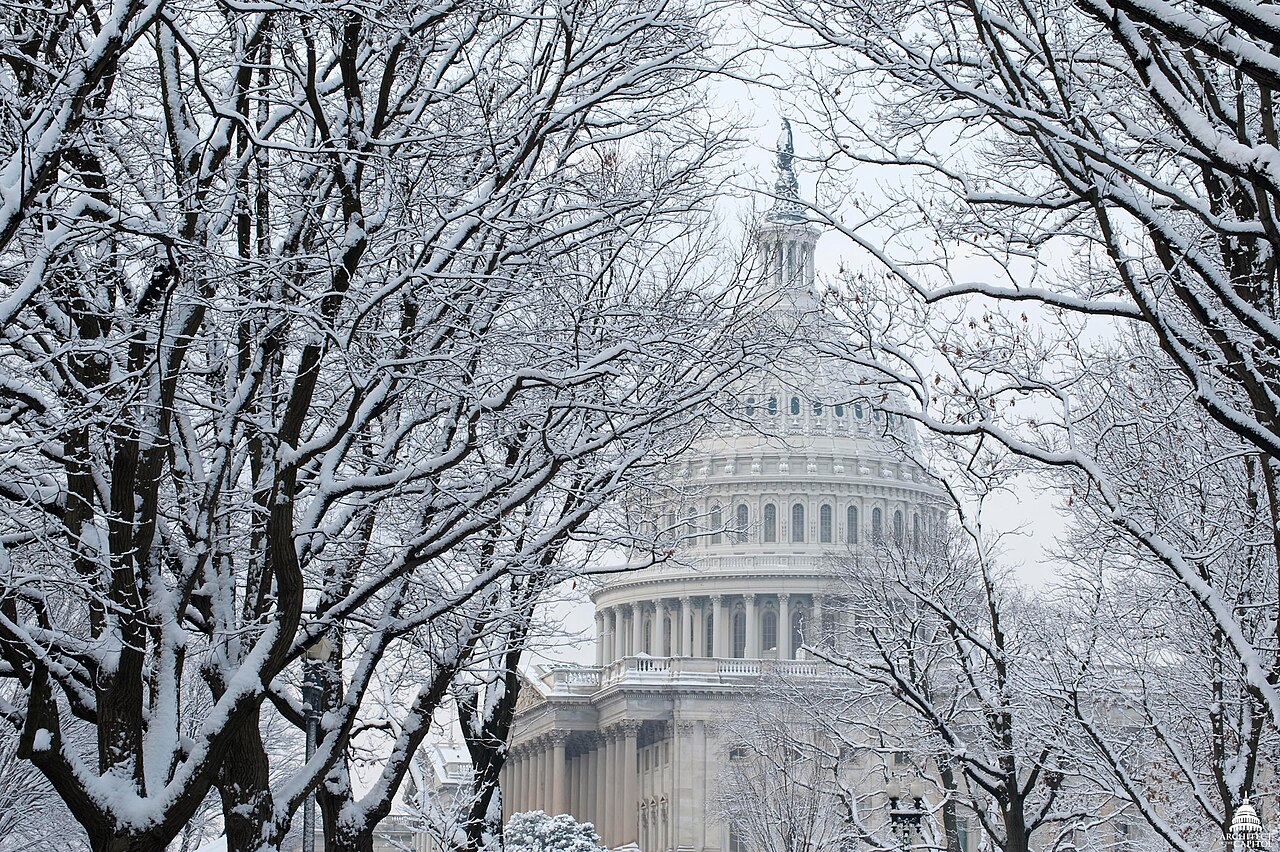
January is properly cold, with highs around 45°F and lows near 30°F. Snow is possible, though a lot of winters bring only a few light snowfalls and the occasional bigger storm. Just don’t plan six straight hours outdoors. Build your days around the Smithsonian, the National Gallery of Art, the Library of Congress and good restaurants, and keep outdoor stops short. The winter Restaurant Week usually falls in January, too.
Washington DC in February
February stays cold, with highs near 48°F and lows around 32°F. For budget travelers, it’s often the month to check first. The museums are all open, the Tidal Basin is peaceful, and hotel demand is usually softer outside Presidents’ Day weekend and big conferences.
The trade-off is plain: bare trees, short days and cold mornings. Some tour operators also scale back from December to March. If none of that bothers you, winter can be surprisingly practical. One more thing: a heavy snowstorm can shut down the federal government for a day, and some sites close with it, so keep your plans flexible.
Washington DC Events Calendar by Month
Events can make a trip, or make your hotel cost twice as much. Here’s what usually happens when. Exact dates change each year, so confirm before you book.
| Month | What’s Usually Happening |
|---|---|
| January | MLK Day events, winter Restaurant Week |
| February | Presidents’ Day weekend, Lunar New Year in Chinatown |
| March–April | Cherry blossoms, National Cherry Blossom Festival and parade, spring break crowds |
| May | Passport DC embassy open houses, graduations, Memorial Day events |
| June | Capital Pride, Smithsonian Folklife Festival (into early July) |
| July | Fourth of July parade and fireworks on the Mall |
| August | Congressional recess, summer Restaurant Week, quieter city |
| September | H Street Festival, National Book Festival, fall arts season begins |
| October | Fall foliage, Marine Corps Marathon |
| November | Veterans Day, ZooLights opens, holiday markets |
| December | National Christmas Tree lighting, Downtown Holiday Market, ice skating |
When Is Washington DC Least Crowded and Cheapest?
Washington DC is least crowded and usually cheapest in January and February, outside holiday weekends and big events. Late August and much of November are also quieter. The busiest times are cherry blossom season, spring break, the Fourth of July and graduation weekends in May.
DC’s hotel market works differently from most vacation cities. A lot of demand comes from government, lobbying and conference travel, not tourists. That creates a few useful patterns:
- Weekends can be cheaper than weekdays. Business travelers leave on Friday, so downtown hotels often drop prices on Friday and Saturday nights. It’s the opposite of most beach towns.
- Congress affects prices. When Congress is in session, midweek demand rises. During recesses, especially in August, the city empties out.
- A “cheap month” can still have expensive dates. One big convention can fill the city. Search your exact dates, then try shifting them a few days. That small change can save more than picking a whole different month.
- Time of day beats time of year. A popular museum at 10 a.m. opening and the same museum at noon feel completely different. In spring, school groups pack the museums on weekday mornings, so try weekday afternoons or a Sunday.
- Your sightseeing is mostly free. The Smithsonian museums, the National Zoo and the memorials cost nothing to enter, so even a pricier hotel month can still be an affordable trip overall.
Good to know: during a federal government shutdown, Smithsonian museums and the National Zoo can close once their reserve funds run out, as happened in October 2025. The outdoor memorials generally stay open. If there’s a funding deadline near your trip dates, keep an eye on the news.
Best Time to Visit Washington DC for Your Kind of Trip
| Your Priority | Best Time |
|---|---|
| Cherry blossoms | Late March to early April |
| Comfortable weather | April, May, October |
| Fall colors | Late October to early November |
| Fewest crowds | January, February, late August, November |
| Lowest hotel prices | January to February (date-dependent) |
| Family summer vacation | June to August, with a heat plan |
| Outdoor dining and rooftops | May, September, October |
| Photography | Blossom season, October, a snowy winter morning |
| Museums | Any month |
| Long daylight | June and July |
| Holiday atmosphere | December |
| Romantic trip | April, May, September, October |
| Lots of walking | April, May, October |
Best Time to Visit DC With Kids
There are two honest answers. The practical one is summer, because school is out. The comfortable one is spring break in April or a long weekend in October. In summer, don’t overplan. Kids wilt in the heat faster than adults. Do the monuments early, use museums like Natural History and Air and Space in the afternoon, and cool off in the fountains at Georgetown Waterfront Park or Yards Park.
Best Time to Visit DC for Couples
Try April, May, September or October. Couples usually want more than museums: a walk through Georgetown, dinner outside at The Wharf, the monuments lit up after dark. All of that is much nicer when the weather isn’t fighting you. For romance and scenery, blossom season is hard to beat. For a calmer trip, pick October. Our guide to the best places to go out in Washington DC has date-night ideas for every neighborhood.
Best Time for Photography
Blossom season is the obvious answer, but not the only one. October and early November bring fall color against white marble. A rare snowy morning turns the Capitol and Lincoln Memorial into postcards. Summer gives you long golden evenings. Whatever the season, light matters more than the month. The most photographed spots are far easier at sunrise, before the crowds and harsh midday sun.
Best Time for the Smithsonian Museums
Any month. That’s part of their appeal. Winter gives you shorter lines, and summer turns the museums into free, air-conditioned shelters. On a July afternoon, spending 1 p.m. to 4 p.m. in a Smithsonian isn’t a backup plan. It’s the smart plan.
Best Time for the National Mall, Georgetown and Rock Creek Park
For the Mall and monuments, choose April, May, late September or October, and in summer go early or after dinner. Georgetown and The Wharf are best in spring and fall, when you can mix walking, waterfront views and outdoor dining. Rock Creek Park is at its best in October and early November for the leaves, and in spring when everything turns green. In winter the trails are quiet but chilly.
April vs October and May vs September
Choose April if cherry blossoms and spring flowers matter to you and you don’t mind busier sidewalks. Choose October if you want crisp walking weather, fall color and a calmer city. Their average highs are almost the same, about 68°F and 69°F, so the real difference is scenery and crowds.
May is greener and slightly cooler, with highs around 76°F, but graduation weekends can raise hotel prices. September is warmer on average, around 81°F, and early September can still feel like summer. If you’re flexible, the last two weeks of September are a great compromise: warm evenings, thinner crowds and falling temperatures.
When Should You Avoid Washington DC?
No month is a total “avoid,” but some only make sense if they fit your priorities. Skip peak blossom week if you hate crowds, because you’ll share every view. Skip July and August if heat ruins trips for you, since a long Mall walk at 90°F with high humidity isn’t fun. Skip deep winter if hours of outdoor wandering is your dream. And in any month, check the event calendar before booking. A big convention, graduation or national event can sell out hotels citywide.
Best Time for a First Trip and How Many Days You Need
For a first visit, narrow it down to April, May or October. A first trip usually means the Mall, the Lincoln Memorial, the Washington Monument, the White House from outside, the Capitol and the Tidal Basin. That’s a lot of walking, so the weather matters.
Three days is a practical minimum, four is better, and five lets you slow down. A simple three-day plan:
- Day 1: the National Mall, the memorials and one Smithsonian museum.
- Day 2: the Capitol area, Library of Congress and more museums.
- Day 3: Georgetown, the National Zoo or a neighborhood like U Street or Dupont Circle.
A fourth day means you don’t have to rush, which really matters in summer heat or spring crowds. With a fifth, add a day trip. Historic Ellicott City, Maryland is under an hour away and lovely in fall.
What to Pack for Washington DC by Season
| Season | Pack |
|---|---|
| Spring | Layers, a light jacket, a compact umbrella, comfortable walking shoes. Blossom mornings are cooler than afternoons. |
| Summer | Light, breathable clothes, sunscreen, a hat, a refillable water bottle and a light layer for chilly museums. |
| Fall | Layers. September can be warm, October evenings are cool, and by November you’ll want a real jacket. |
| Winter | A warm coat, gloves, a hat and waterproof shoes, especially for nighttime monument walks. |
Whatever the season, your shoes matter most. It’s normal to walk 8 to 12 miles a day in DC without noticing until your feet remind you.
Plan Your DC Trip
A few bookings make the biggest difference. Reserve a refundable hotel for cherry blossom trips so you can shift dates as the forecast firms up. For winter trips, travel insurance can help if a snowstorm grounds your flight. Walking tours and evening monument tours by trolley or bike are a great way to see a lot in a short time, especially in spring and fall.
Thinking about a spring trip? Peak bloom is the busiest week of the year, so timing matters. Our Washington DC cherry blossoms guide covers bloom dates, the best viewing spots and how to beat the crowds. For a closer look at temperatures and what to pack each month, see Washington DC weather by month.
Related Guides
Still putting your plans together? You might also find these useful:
- Best Things to Do in Washington DC
- Things to Do in Washington DC at Night
- Washington DC for Couples
- Washington DC With Kids
Best Time to Visit Washington DC: FAQs
What is the best time of the year to visit Washington DC?
April, May and October are the best months for most visitors, thanks to comfortable walking weather. Go in late March or early April for the cherry blossoms.
What is the best time of year to visit DC for cherry blossoms?
Peak bloom most often happens between the last week of March and the first week of April. In 2026 it came on March 26. Book a flexible window and follow the National Park Service’s bloom updates.
What month has the best weather in Washington DC?
April, May and October, with average highs of about 68°F, 76°F and 69°F.
What is the cheapest month to visit Washington DC?
January and February usually have the lowest hotel demand, outside holiday weekends and major conferences. Late August can also be good value during the congressional recess.
When is Washington DC most crowded?
Cherry blossom season, spring break, the Fourth of July and graduation weekends in May are the busiest times.
Is Washington DC too hot in July?
It’s hot and humid, with average highs near 90°F. You can still have a great trip by sightseeing outdoors early and late and spending afternoons in museums.
Is October a good time to visit Washington DC?
Yes. It’s one of the best months, with average highs around 69°F, fall color and fewer crowds than spring.
Is December a good time to go to Washington DC?
Yes, if you enjoy holiday lights and don’t mind cold weather. Highs average about 49°F, and the week between Christmas and New Year’s gets busy.
How many days should I spend in Washington DC?
Three days covers the main highlights. Four to five days gives you time for more museums, Georgetown, the National Zoo and a slower pace.
Does it snow in Washington DC?
Sometimes. Most winters bring a few light snowfalls and occasionally a bigger storm, usually between December and February. Snow is rarely heavy for long, but a big storm can close federal offices and some attractions for a day.
So, When Should You Go?
If it’s your first trip and your dates are flexible, start with April, May or October. Want Washington at its most famous? Aim for the late-March-to-early-April blossom window, accept the crowds, and watch the bloom updates. Want comfortable weather without chasing flowers? May is excellent. Want crisp air and autumn color? October deserves a serious look. Care more about price than petals? Check January and February. Tied to school vacations? Summer still works, as long as you plan around the heat instead of pretending it isn’t there.
Decide what matters most, whether that’s weather, crowds, price, blossoms or events, and choosing the best time of the year to visit Washington DC gets much easier. For more trip ideas, browse all of our travel guides.