
You bought a warm sleeping bag. You packed the tent. Then, somewhere around 2 a.m., the cold starts creeping up from underneath. You curl into a ball, pull on another layer, and lie there waiting for sunrise.
Here’s the thing most people don’t realize: the problem usually isn’t the sleeping bag. It’s the ground. Cold dirt, rock and snow pull heat out of your body all night long, and the only thing standing in the way is your sleeping pad. How well it does that job is measured by one small number: its R-value.
This guide explains sleeping pad R-value in plain English. You’ll learn what R-2, R-4 and R-6 actually mean, what rating you need for summer, three-season and winter trips, how to stack pads to add warmth, and the mistakes that leave campers cold even with “good” gear.
Affiliate disclosure: As an Amazon Associate, JoinHikes earns from qualifying purchases. Some links below go to Amazon, and we may earn a commission at no extra cost to you.
About the numbers: temperature suggestions in this guide are planning starting points based on the ASTM F3340 test standard and common manufacturer guidance, not safety ratings. Your sleeping bag, the ground, wind, clothing and how warm you naturally sleep all change what you need.
Quick Answer: What Is Sleeping Pad R-Value?
R-value measures how well a sleeping pad resists heat flowing from your body into the ground. The higher the number, the warmer the pad. An R-2 pad is fine for warm summer nights, R-3 to R-4 suits most three-season camping, R-5 and up handles freezing nights, and R-6 or more is for winter and snow.
Two rules to remember: R-values of stacked pads add together (R-2 foam + R-4 air pad ≈ R-6), and thickness is not the same as warmth. Check the ASTM-tested R-value, not just the inches.
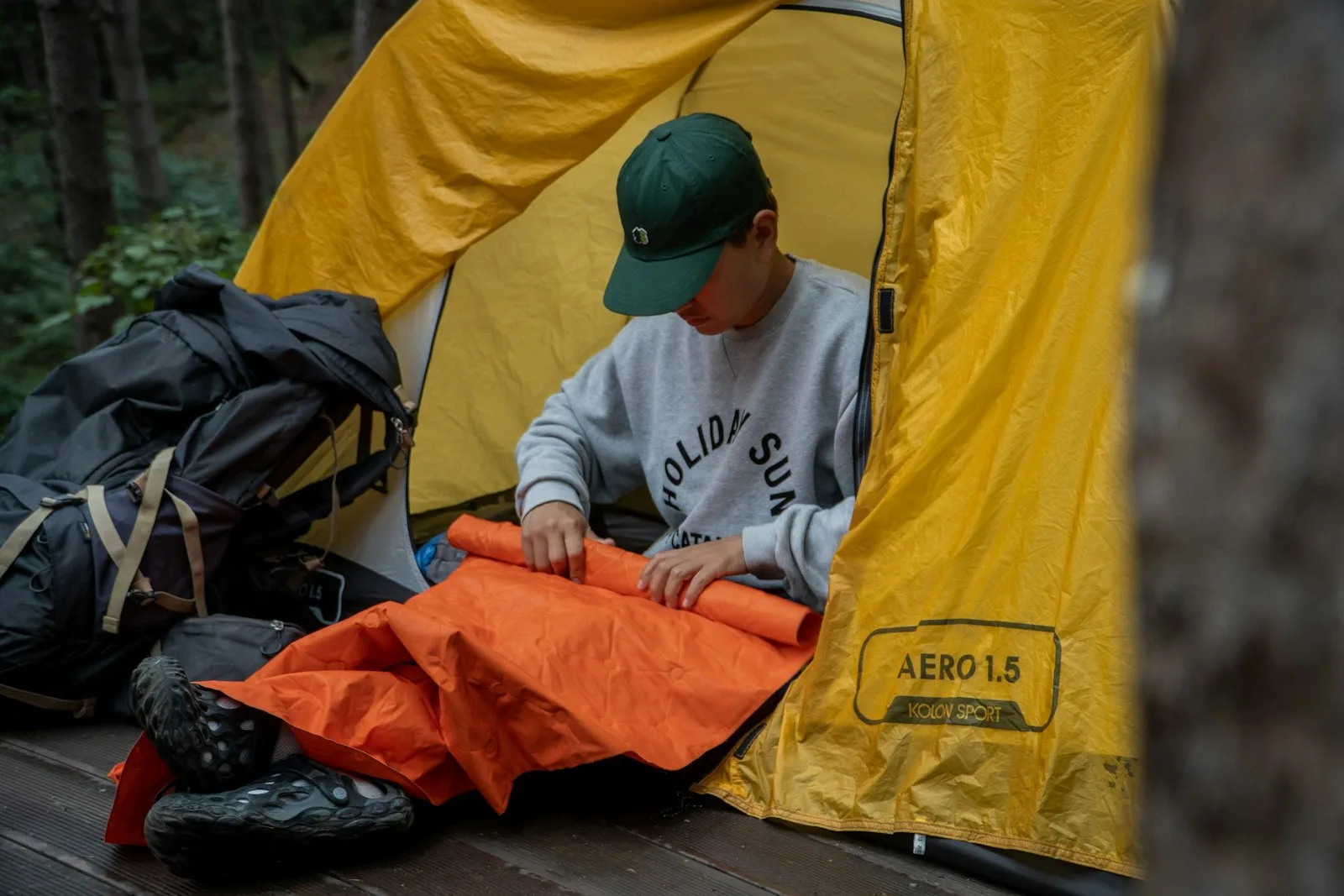
What Is Sleeping Pad R-Value?
R-value is a measure of thermal resistance. In simple terms, it tells you how hard it is for heat to pass through the pad. The “R” stands for resistance.
Your body is warm. The ground usually isn’t. Heat always moves from warm to cold, so all night long your body is trying to warm up the earth beneath you. A sleeping pad slows that down. It doesn’t create heat like an electric blanket. It just helps you keep the heat you already make.
A pad rated R-1 slows heat loss a little. A pad rated R-5 slows it a lot. That’s really all the number means. It says nothing about how soft or comfortable the pad feels, which is why a fat, cushy air mattress can still leave you freezing.
Why the ground steals so much heat
When you lie on a sleeping bag, your body weight crushes the insulation underneath you flat. Squashed down or synthetic fill traps almost no air, so it barely insulates. That means the bottom half of your sleeping bag does very little, and your pad has to do the job instead. The ground also pulls heat away much faster than still air does, which is why you can feel cold from below on a night that doesn’t feel cold at all.
Uninsulated air pads have another problem. The air inside them moves around in loops, carrying your heat down to the cold bottom of the pad. Insulated pads stop that with baffles, synthetic fill or reflective films, which is how a 3-inch air pad can be warmer than a 4-inch one.
Sleeping Pad R-Value Chart: What Rating Do You Need?
| R-value | Warmth level | Typical use | Rough night-time lows* |
|---|---|---|---|
| Under 2 | Low | Warm-weather camping, hammocks in summer, kids’ sleepovers | 50°F+ (10°C+) |
| 2 – 3.9 | Moderate | Spring, summer and early fall | About 35–50°F (2–10°C) |
| 4 – 5.4 | Warm | Three-season backpacking with frosty nights | About 20–35°F (-7–2°C) |
| 5.5 – 6.9 | Very warm | Freezing nights, cold ground, winter car camping | About 0–20°F (-18 to -7°C) |
| 7+ | Expedition | Snow camping, frozen ground, people who sleep very cold | Below 0°F (-18°C) |
*Rough guide for an average sleeper with a sleeping bag rated for the conditions. If you sleep cold, move up one row.
A good all-round starting point: if you only want to buy one pad for most US camping trips, aim for about R-4. It’s warm enough for frosty spring and fall nights, still comfortable in summer, and light enough for backpacking.
What R-Value Do You Need for Different Temperatures?
There’s no perfect formula that turns an R-value into a temperature, because the ground, wind, humidity and your own body all matter. But these examples will get you close.
Around 60°F (16°C)
Warm summer nights. An R-1 to R-2 pad is usually enough. Pick a little more if you sleep cold or camp on rock, which stays cool after sunset.
Around 40°F (4°C)
Typical mountain summer or fall night. Start at about R-3 to R-4, paired with a sleeping bag rated near 30°F.
Around 32°F (0°C)
Freezing. Look at R-4 to R-5 or higher. Dry clothes, a good tent and wind protection now matter as much as the pad.
Around 20°F (-7°C)
Cold-weather camping. Plan on R-5 to R-6 or more, or stack a foam pad under your air pad.
Around 0°F (-18°C)
Real winter camping. Use R-6 to R-8+, usually two pads together, plus proper winter gear and experience.
On snow
Snow and frozen ground pull heat fast. Most winter campers run R-6 or higher, with a foam pad as backup in case the air pad fails.
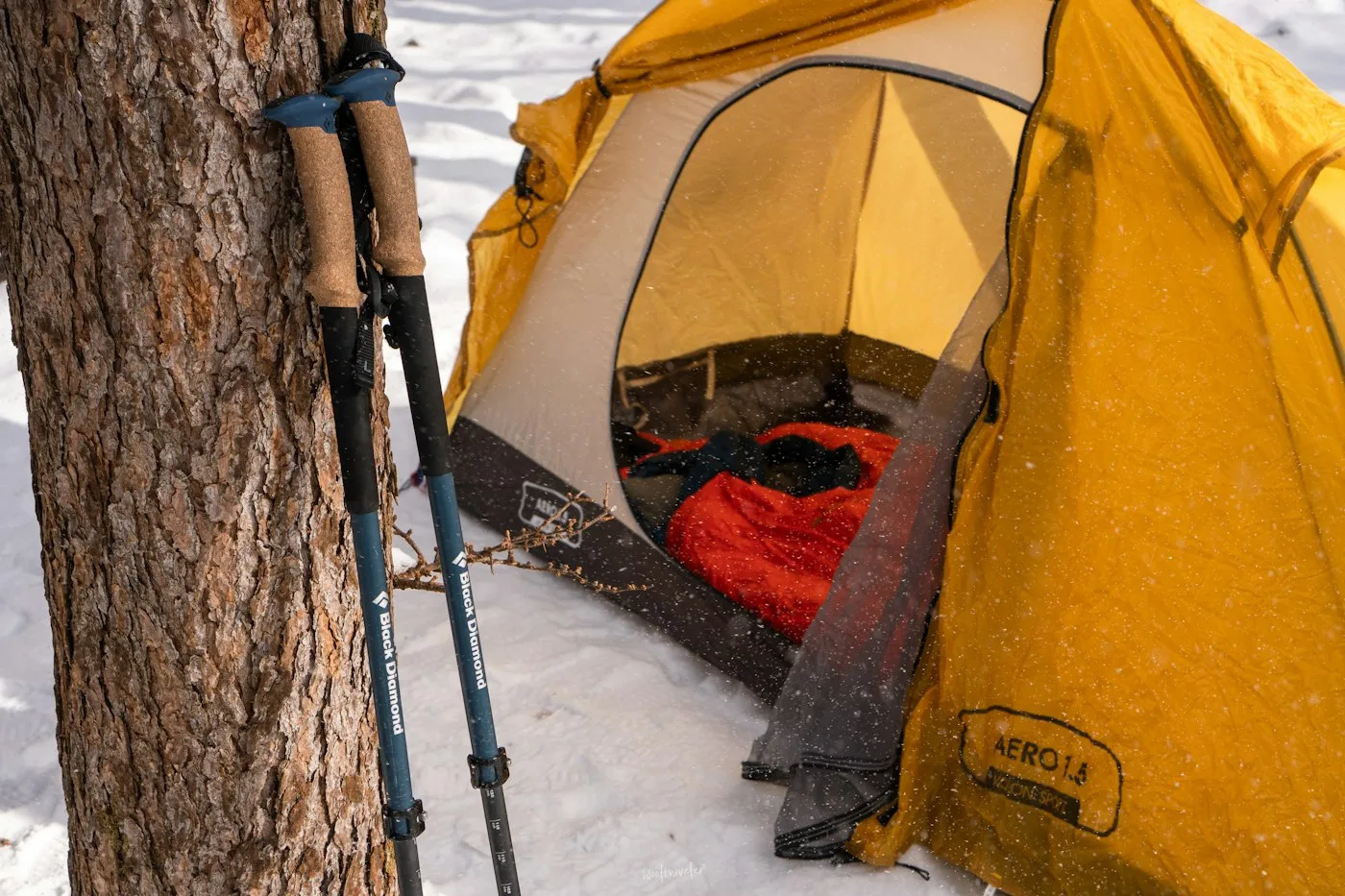
Why Your Sleeping Pad Matters as Much as Your Sleeping Bag
Your sleeping bag and pad have different jobs. The bag traps warm air around you. The pad stops heat escaping below you. When the two don’t match, you get cold, no matter how much you spent on one of them.
Example: it’s 30°F at camp. You bring a 20°F down bag but sleep on an R-1.5 pad. The bag is fine on top, yet you wake up cold along your hips and shoulders. Swap in an R-4.5 pad with the same bag, and the whole system finally works. A warm sleeping bag simply can’t make up for a thin pad.
| Sleeping bag rating | Pair it with | Good for |
|---|---|---|
| 40°F+ (summer bag) | R-1.5 to R-3 | Summer camping, low elevations |
| 30°F (three-season) | R-3 to R-4.5 | Most US camping and backpacking |
| 15–20°F (cold weather) | R-4.5 to R-6 | Late fall, high mountains, shoulder seasons |
| 0°F or below (winter) | R-6 to R-8+ | Winter and snow camping |
Use the bag’s EN/ISO “comfort” rating, not the “lower limit,” when you match it to a pad. See our best ultralight sleeping bags for matching bags.
Does a Higher R-Value Mean a Warmer Pad?
Yes. When pads are tested the same way, a higher R-value always means more resistance to heat loss, and the scale is linear: an R-4 pad has about twice the thermal resistance of an R-2 pad. That doesn’t mean you’ll feel twice as warm, because comfort also depends on your bag, your clothes and the night itself.
Is R-6 always better than R-4? For warmth, yes. For your trip, not always. Higher R-value pads usually cost more and can weigh more. If you only camp in summer, that extra warmth is just extra money. If you camp in the mountains or in winter, it’s worth every ounce.
How Sleeping Pad R-Values Are Tested (ASTM F3340)
For years, every brand measured warmth its own way, so an “R-4” from one company wasn’t the same as an “R-4” from another. That changed in 2020 when the outdoor industry adopted a common lab test, ASTM F3340. Most major brands, including Therm-a-Rest, NEMO, Sea to Summit, Big Agnes, Exped and REI, now publish R-values using it.
The test puts the pad between a heated plate and a cold plate and measures how much power it takes to keep the warm side at temperature. Less power means better insulation. Because everyone uses the same setup, you can finally compare pads across brands.
Shopping tip: look for “ASTM F3340” or “ASTM-tested R-value” in the specs. Be careful with cheap pads that list a big R-value with no test standard, and with older pads rated before 2020, which may not compare directly.
Can You Stack Sleeping Pads to Add R-Value?
Yes, and it’s one of the best tricks in camping. Under the ASTM test, R-values of stacked pads add together. That lets you build a winter-warm system from gear you may already own.
| Bottom pad | Top pad | Combined R-value | Good for |
|---|---|---|---|
| Foam pad R-2 | Air pad R-4 | ≈ R-6 | Freezing nights, winter car camping |
| Foam pad R-1.5 | Air pad R-2.5 | ≈ R-4 | Three-season upgrade on a budget |
| Foam pad R-2 | Winter air pad R-5.5 | ≈ R-7.5 | Snow camping, very cold sleepers |
| Z Lite R-1.7 | XLite NXT R-4.5 | ≈ R-6.2 | Cold shoulder-season backpacking |
Simple R-value calculator:
Total R-value = Pad 1 + Pad 2
Example: your R-3.2 pad plus an R-2 foam pad gives you about R-5.2. Treat the total as a planning number, not a guaranteed temperature rating.
How to stack pads the right way
- Foam on the bottom. It protects the air pad from thorns and sharp rocks and still works if the air pad goes flat.
- Keep them lined up. Gaps at your hips or shoulders let cold in. A strap or a dab of silicone grip helps stop sliding.
- Match the length. A short foam pad still helps under your torso, where you lose the most heat.

Inflatable vs Foam vs Self-Inflating: Which Is Warmest?
No type is automatically warmer. Each one comes in low and high R-values, so always compare the number.
Inflatable air pads
Packed small, very comfortable, and available from R-1 to R-7+. Best for backpackers. Watch for punctures and don’t assume thick means warm.
Closed-cell foam pads
Cheap, light, indestructible and never go flat. Usually R-1.5 to R-2 on their own. Firm and bulky, but perfect under an air pad.
Self-inflating pads
Open-cell foam plus air. Very comfortable and stable, with a wide range of R-values. Heavier and bulkier, so great for car camping.
| Pad type | Warmth range | Comfort | Packability | Durability |
|---|---|---|---|---|
| Inflatable | Low to very high | Excellent | Very compact | Can puncture |
| Closed-cell foam | Modest per pad | Firm | Light but bulky | Nearly indestructible |
| Self-inflating | Low to very high | Very good | Bulkier | Good |
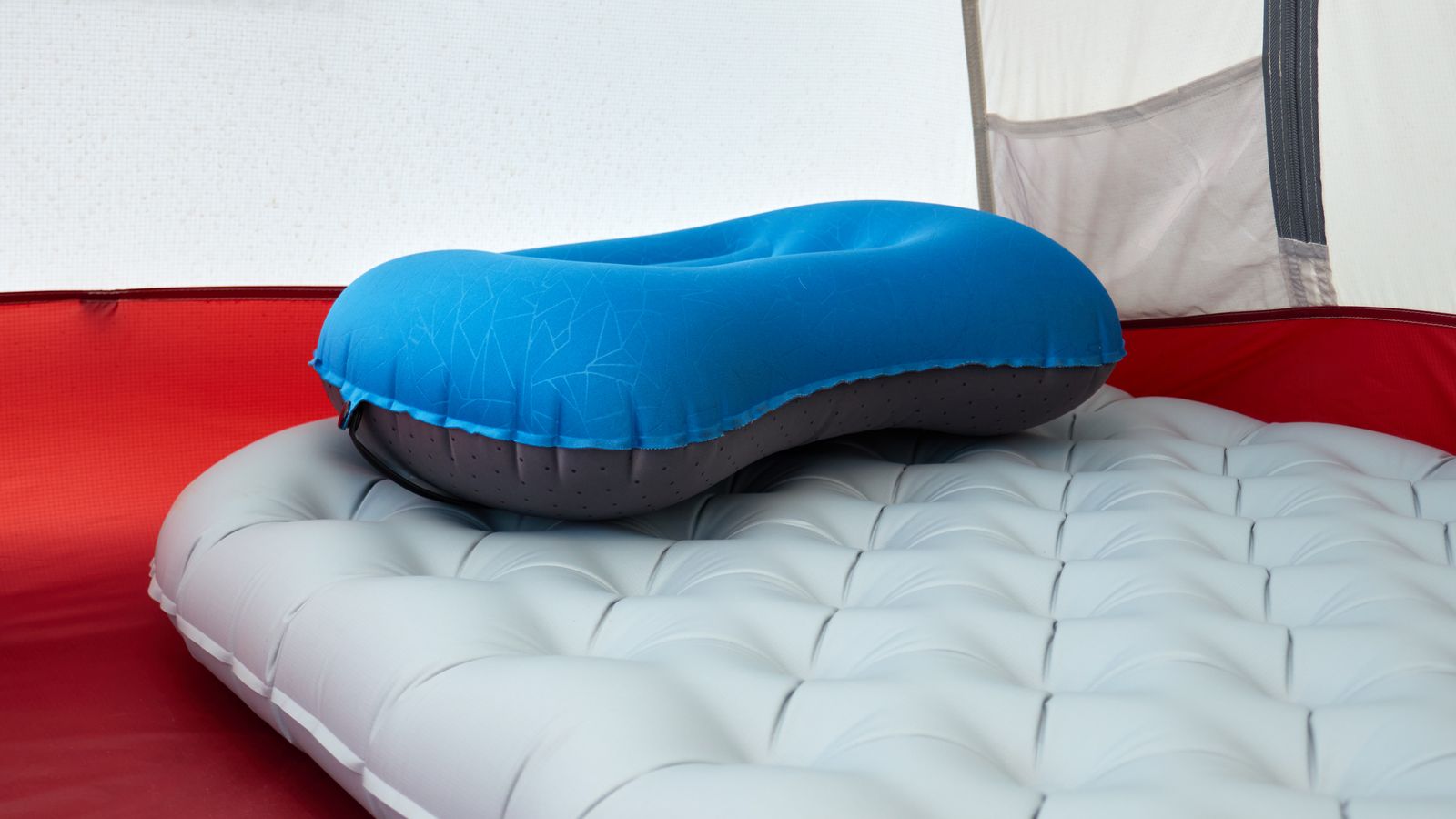
Real Sleeping Pads and Their R-Values
Here’s how the numbers look on real pads. These are popular Therm-a-Rest models we compare in our best ultralight sleeping pad guide, all with ASTM-tested R-values.
| Pad | R-value | Type | Weight | Best use | Shop |
|---|---|---|---|---|---|
| Therm-a-Rest Z Lite | R-1.7 | Closed-cell foam | 14 oz | Summer, or under an air pad | 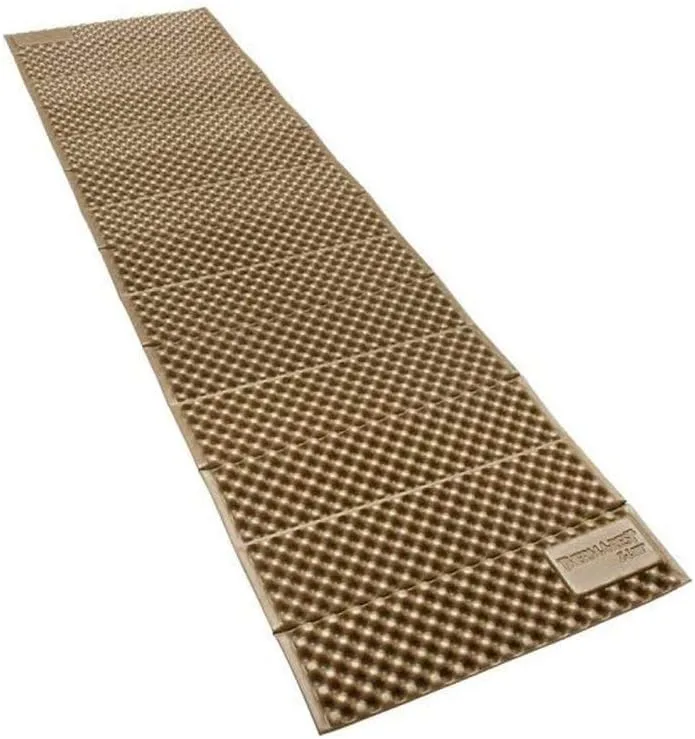 Check Price |
| Therm-a-Rest NeoAir XLite NXT | R-4.5 | Insulated air pad | 13 oz | Three-season backpacking | 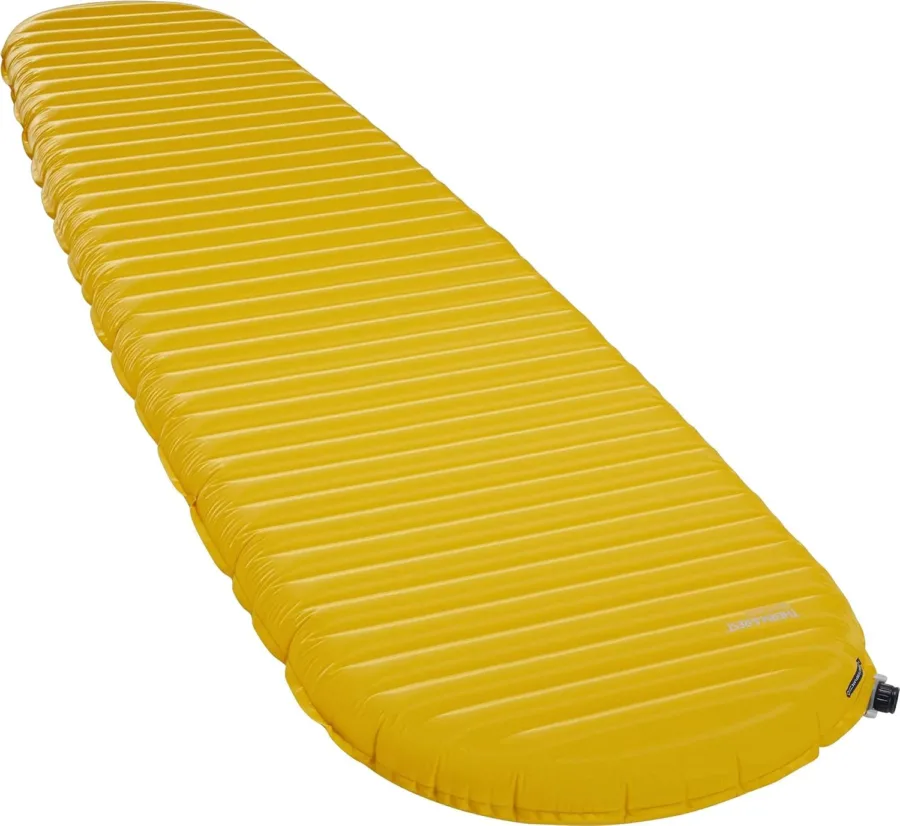 Check Price |
| Therm-a-Rest NeoAir XLite NXT MAX | R-4.5 | Wide insulated air pad | 19 oz | Side sleepers, restless sleepers | 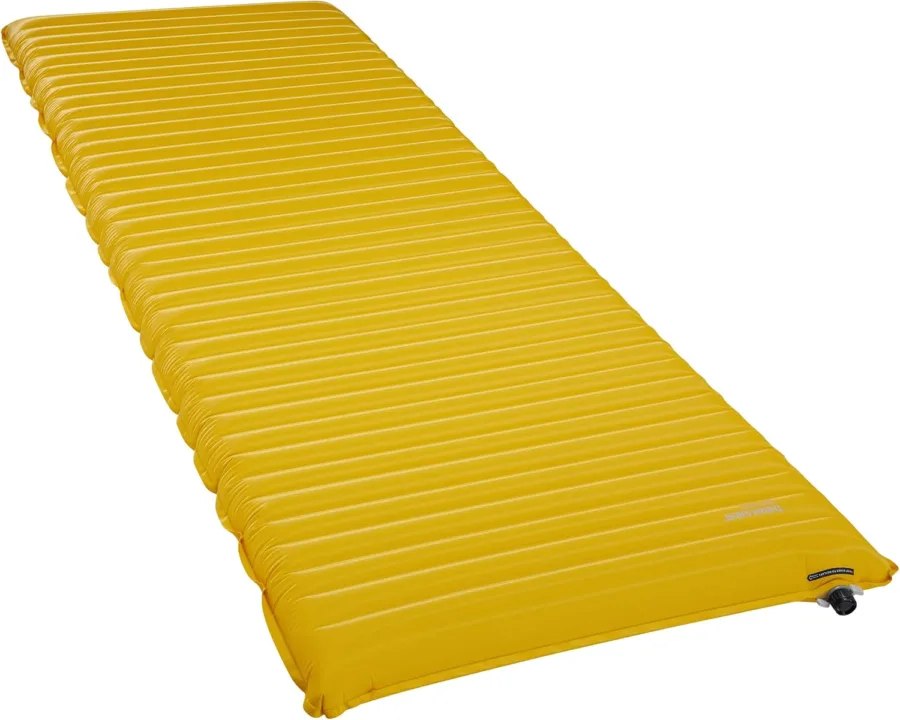 Check Price |
| Therm-a-Rest NeoAir XTherm NXT | R-7.3 | Winter air pad | 15.5 oz | Winter and snow camping | 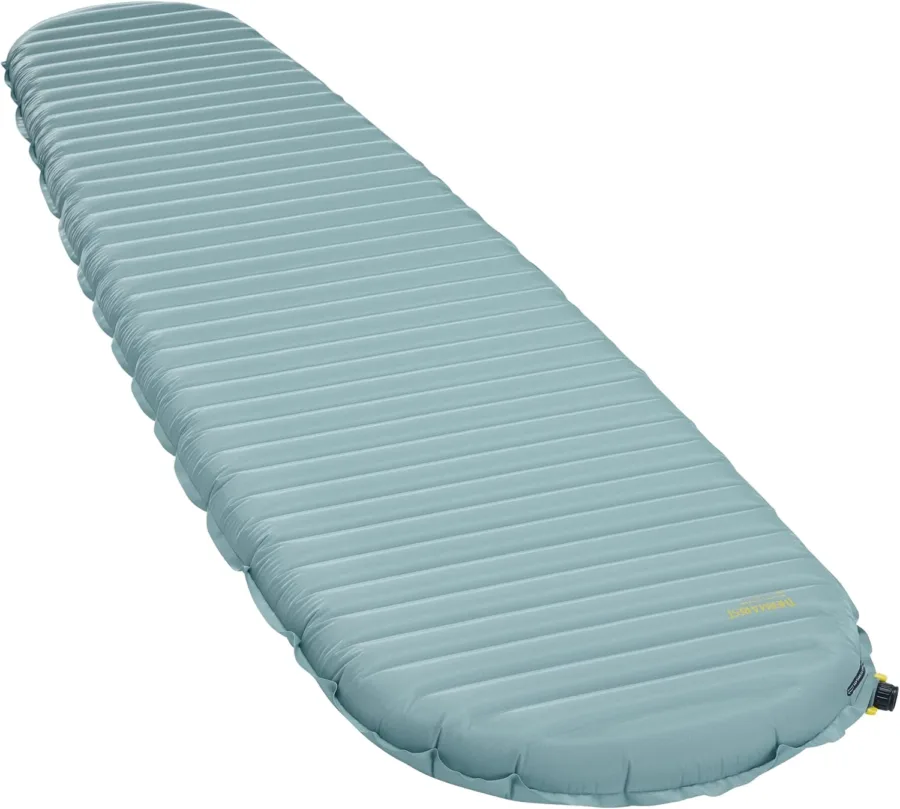 Check Price |
R-values and weights from Therm-a-Rest (regular sizes). The Z Lite plus XLite NXT together make about R-6.2.
What R-Value Is Best for Three-Season Camping?
For most people, R-3 to R-5 covers spring, summer and fall. Where you camp matters, though. A summer night in the desert near Zion feels nothing like a summer night at 9,000 feet in Grand Teton, where frost is common even in August. If your trips often touch freezing, start at R-4 or a little higher.
What R-Value Is Best for Winter Camping?
For winter, start at R-5.5 or higher, and for snow camping aim for R-6 to R-8. Most experienced winter campers use two pads: an insulated air pad for comfort and a closed-cell foam pad underneath for extra warmth and backup. Winter is unforgiving, so plan for the coldest likely night, not the forecast average. Looking for cold-weather trips? See our best winter hiking trails.
What R-Value Is Best for Side Sleepers?
Side sleepers press their hips and shoulders deep into the pad, so they often shop for thickness. That makes sense for comfort, but thickness and R-value are different things. Look for both: an ASTM R-value that fits your trips, and at least 3 inches of cushion so your hip doesn’t touch the ground. A wider pad like the 25-inch XLite NXT MAX helps if you roll around. Pair it with a good camping pillow for side sleepers.
Does Pad Thickness Affect R-Value?
Sometimes, but not in a way you can predict. A thicker pad has more room for insulation, but an uninsulated air mattress can still lose heat quickly because the air inside moves around. A guest air bed from a big-box store might be 8 inches thick and still leave you shivering on a 40°F night. Thickness tells you about comfort. R-value tells you about warmth. Check both.
Can You Use a High R-Value Pad in Summer?
Yes. A pad doesn’t heat you up, it only slows heat loss to the ground, so an R-6 pad won’t make you sweaty on a warm night the way a heavy sleeping bag would. The only downsides are the extra cost and, for backpackers, sometimes extra weight. For car campers, one warm pad for every season is a great choice.
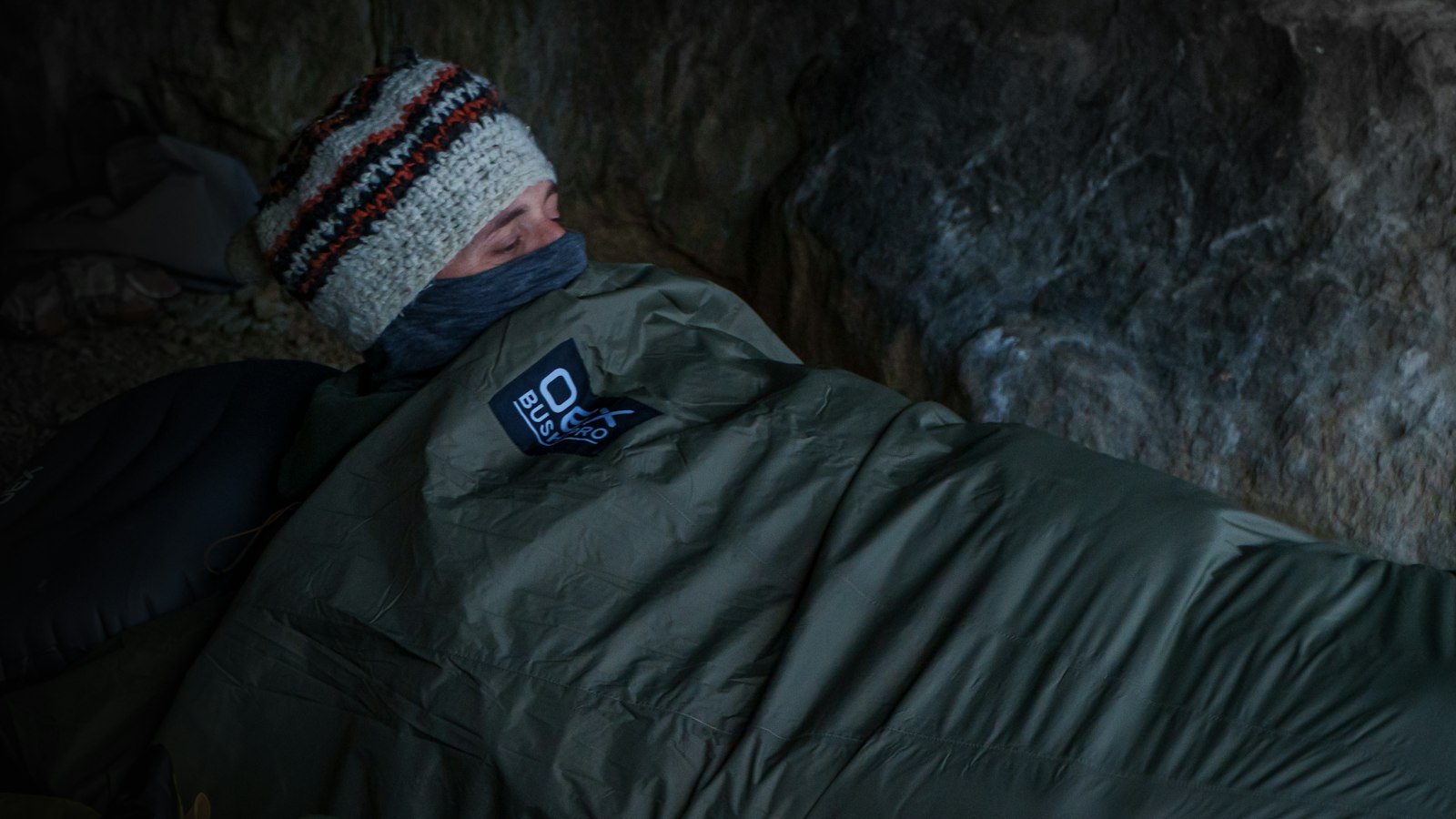
Why Do You Still Feel Cold With a High R-Value Pad?
Your sleeping bag isn’t warm enough
The pad only protects you from below. Check that your bag’s comfort rating fits the night.
Your gear is damp
Moisture from sweat, breath and tent condensation steals warmth. Vent the tent and keep your bag dry.
Your pad is too narrow
Arms and knees that slide off a 20-inch pad touch the cold ground. A wide pad fixes it.
Your air pad lost pressure
Air shrinks as it cools, and slow leaks are common. Top it off before bed. Our tent repair kit guide covers patches that work on pads too.
You went to bed cold
Eat a snack, do a few squats, and pee before bed. Your body warms the bag, not the other way around.
The setup doesn’t match the night
An R-4 pad can handle a lot, but not every winter night. Look at the whole system: pad, bag, clothes and shelter.
7 Common Sleeping Pad R-Value Mistakes
- Buying on thickness alone. A thick pad isn’t necessarily a warm pad.
- Ignoring the ground. Frozen soil, snow and cold rock need more insulation than the air temperature suggests.
- Thinking a warm sleeping bag is enough. Squashed insulation under you does almost nothing.
- Going too light to save ounces. A few saved ounces aren’t worth a sleepless, shivering night.
- Comparing untested numbers. Stick to ASTM F3340 R-values when comparing brands.
- Forgetting coverage. A short or narrow pad leaves knees, feet or elbows on the cold ground.
- Overbuying without reason. If you only camp in July, you don’t need an R-7 expedition pad.
How to Choose the Right Sleeping Pad R-Value
Answer these five questions and you’ll know your number:
- What’s the coldest night you’ll camp in? Check realistic overnight lows, not daytime highs. Higher elevation means colder nights.
- What will you sleep on? Warm soil, cold rock, frozen ground or snow?
- Do you sleep warm or cold? If you’re always the cold one, add about R-1.
- What sleeping bag will you use? Match the pad to the bag (see the table above).
- Backpacking or car camping? Backpackers trade warmth against weight. Car campers can simply go warmer.
When in doubt, choose a little more insulation. It’s much easier to unzip your bag on a warm night than to fix a cold pad at midnight. Building your full kit? Start with our ultralight backpacking gear list and best ultralight backpacking tents, and don’t forget a good camping water filter.
Frequently Asked Questions About Sleeping Pad R-Value
What does R-value mean on a sleeping pad?
It measures the pad’s resistance to heat flow, so how well it stops your body heat from escaping into the ground. Higher numbers mean better insulation.
Is an R-value of 2 good for camping?
For warm summer nights, yes. On cool or freezing nights, or on cold ground, R-2 usually isn’t enough by itself.
Is R-3 enough for three-season camping?
It works for many mild three-season trips. If you expect frost or you sleep cold, R-4 or higher is a safer choice.
Is R-4 enough for winter camping?
For mild cold snaps, sometimes. For real winter conditions, most campers want R-5.5 or more, often by stacking a foam pad under an R-4 air pad.
Is an R-value of 5 good for backpacking?
Yes. R-5 is warm enough for cold three-season trips and many shoulder-season nights. Just compare the weight and packed size.
What R-value do I need for 20-degree weather?
Around 20°F (-7°C), plan on about R-5 to R-6 or higher, with a sleeping bag rated for the conditions.
What R-value do I need for snow camping?
Most snow campers use R-6 or more, usually an insulated air pad plus a closed-cell foam pad as backup.
Can I stack two sleeping pads to increase R-value?
Yes. Under the ASTM F3340 standard, R-values add together. An R-2 foam pad plus an R-4 air pad gives about R-6.
Is a higher R-value always better?
It’s always warmer, but not always better for you. Weigh warmth against cost, weight, packed size and comfort.
Does R-value tell me a temperature rating?
No. R-value measures insulation, not a guaranteed temperature. Your sleeping bag, clothes, the ground and the weather all change how warm you’ll be.
What is ASTM F3340?
It’s the standard lab test for sleeping pad R-value that most major outdoor brands adopted in 2020. It lets you compare pads fairly across brands.
Does a sleeping pad lose R-value over time?
Foam pads can slowly compress after years of use, which reduces warmth a little. Air pads keep their insulation but can lose warmth if they leak or lose pressure overnight.
Is sleeping pad R-value the same as house insulation R-value?
The idea is the same (resistance to heat flow), but the numbers aren’t directly comparable, so don’t mix the two.
Final Thoughts: Choose Warmth Before You Need It
The higher the R-value, the better your pad protects you from the cold ground. For warm summer trips, R-2 is often enough. For most three-season camping, aim for R-3 to R-5. For winter, go R-5.5 and up, and stack a foam pad underneath.
Don’t pick a pad on thickness or price alone. Think about where you camp, how cold the ground gets, and which sleeping bag you’ll use. That small number on the label decides more of your night’s sleep than almost anything else in your pack.
See our best sleeping pads by R-valueMore Sleep System & Camping Guides
Editorial note: This guide uses the ASTM F3340 standard, manufacturer specifications and common outdoor-industry guidance. Temperature ranges are planning estimates, not safety guarantees. Always plan for the coldest likely conditions.
1 thought on “Sleeping Pad R-Value Explained: What R-2, R-4 and R-6 Mean (and How Much Warmth You Need)”