
The best camping tents for cold weather aren’t all built for the same night. A frosty evening at a wooded campground and a windy night on an exposed ridge can share the same forecast low, yet they ask completely different things of your shelter. At the campground you mostly want a dry, draft-free place to pull off your boots. Up on the ridge, the frame, the guylines and how well you anchor the tent decide whether you sleep at all.
Quick answer: for most cold-weather campers, start with the GEERTOP 2-Person 4-Season Tent. It has a snow skirt, a double wall, two vestibules and more than 2,500 reviews behind it. On a tight budget, the Clostnature 4-Season 2P gives you most of the same features for less. If you carry your tent for miles, the OneTigris Stella is the lightest pick here. And if you want real heat at a drive-in winter camp, the Afitdon inflatable hot tent has a stove jack and sets up in minutes.

Disclosure: JoinHikes is reader-supported. As an Amazon Associate we earn from qualifying purchases, at no extra cost to you. Prices, star ratings and review counts were checked on Amazon on November 21, 2026, during Black Friday sales, and they change often.
Quick Picks: Best Camping Tents for Cold Weather
 GEERTOP 2-Person 4-Season
Snow skirt, double wall and two vestibules. 4.6 stars from 2,560 reviews.
 Clostnature 4-Season 2P
Two doors, aluminum poles and sealed seams at 6.28 lb total.
 OneTigris Stella
20D silicone-coated nylon and only 4.4 lb for two people.
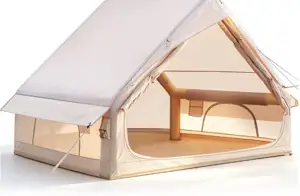 Afitdon Inflatable Hot Tent
Air-beam frame, stove jack and skylight. 4.5 stars from 385 reviews.
First, Which Cold-Weather Trip Are You Planning?
Before you compare a single spec on the best camping tents for cold weather, decide which of these three trips sounds most like yours. It’s the fastest way to avoid overspending on a tent you don’t need, or underspending on one that can’t cope.
There’s a fourth option many campers overlook: a hot tent with a stove jack. If you drive to camp and want to sit around in a T-shirt while it snows outside, a properly used wood stove changes winter camping completely. We cover three of them below.

Cold-Weather Tent Comparison Table
All 21 tents side by side, from true winter shelters to budget domes that are popular in cold-weather searches. “Mild cold only” means the tent is really a three-season design: fine for cool fall nights at a sheltered site, but not what you want in snow or strong winter wind.
| Tent | Type | Best for | Amazon rating | Price (approx.) | Shop |
|---|---|---|---|---|---|
| GEERTOP 2P 4-Season | Double-wall dome, snow skirt | Best overall | 4.6 (2,560) | $95–$100 | Check Price |
| Clostnature 4-Season 2P | Double-layer dome | Best budget 4-season | 4.6 (575) | $72 | Check Price |
| BISINNA 4-Season 2P | Double-layer dome | Budget alternative | 4.4 (80) | $76 | 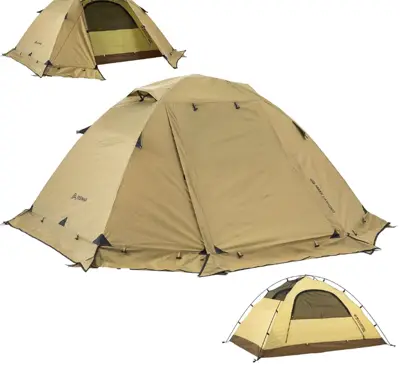 Check Price |
| Naturehike 4-Season 2P | 4-season backpacking | Mid-price winter backpacking | 4.5 (74) | $139 | 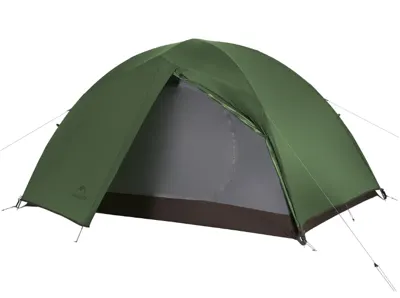 Check Price |
| OneTigris Stella | Lightweight 2P | Lightest pick | 4.6 (509) | $178 | Check Price |
| camppal 1-Person 4-Season | Solo 4-season | Solo winter hikers | 4.3 (1,199) | $63–$65 | 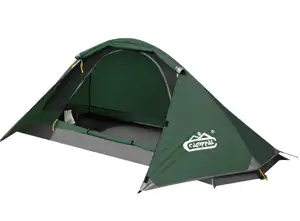 Check Price |
| OneTigris Bastion | 4-pole dome | Small groups in wind | 4.1 (13) | $221 |  Check Price |
| ALPS Mountaineering Lynx 4 | 3-season dome | Shoulder-season family camping | 4.6 (234) | $190 |  Check Price |
| Afitdon Inflatable Hot Tent | Air tent, stove jack | Best hot tent | 4.5 (385) | $151 | Check Price |
| Glonerle 8–12P Inflatable Hot Tent | Air tent, 2 rooms, stove jack | Big family winter camps | 4.2 (45) | $310 | 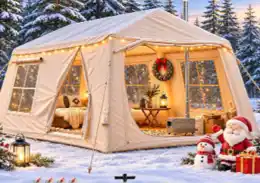 Check Price |
| OneTigris Barrack 8–10P | Freestanding hot tent | Group winter basecamp | 4.5 (2) | $400 |  Check Price |
| Clostnature Lightweight 2P | 3-season backpacking | Cool fall nights | 4.5 (3,037) | $65 |  Check Price |
| BISINNA 2/4 Person | 3-season, double layer | Budget shoulder season | 4.6 (2,363) | $73 |  Check Price |
| Forceatt 2/3/4 Person | 3-season backpacking | Budget, wind-minded | 4.5 (1,507) | $56 | 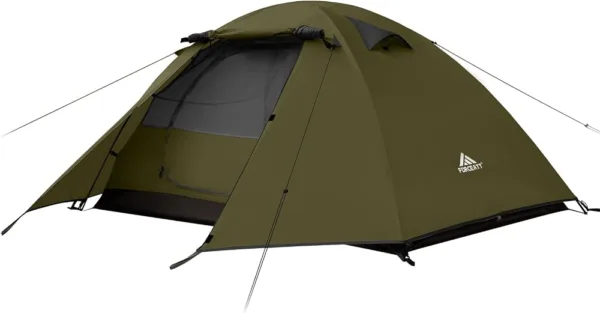 Check Price |
| Night Cat 2P Aluminum | 3-season, double layer | Cheapest double-wall | 4.5 (360) | $55 | 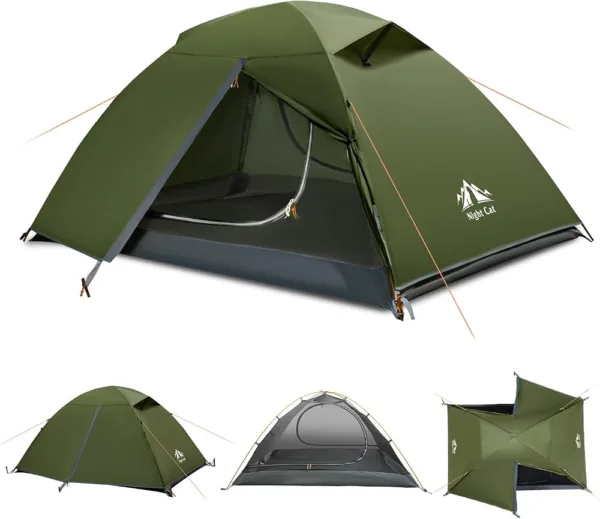 Check Price |
| Night Cat 1P Cot Tent | Cot tent | Sleeping off frozen ground | 4.3 (61) | $96 | 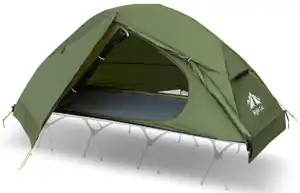 Check Price |
| Coleman Sundome | Family dome | Mild cold only | 4.6 (23,203) | $107 | 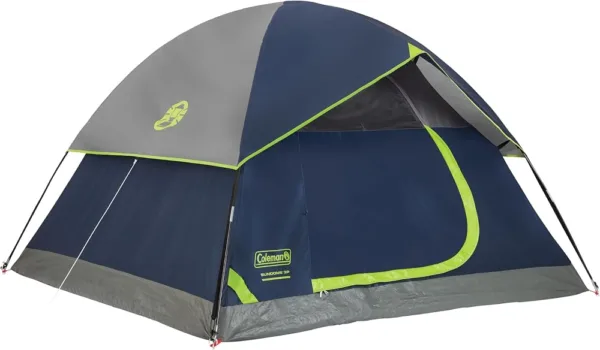 Check Price |
| UNP 2-Person Dome | Budget dome | Mild cold only | 4.4 (3,900+) | $55 |  Check Price |
| Night Cat 1–2P Single Layer | Single-wall dome | Mild cold only | 4.3 (4,012) | $40 | 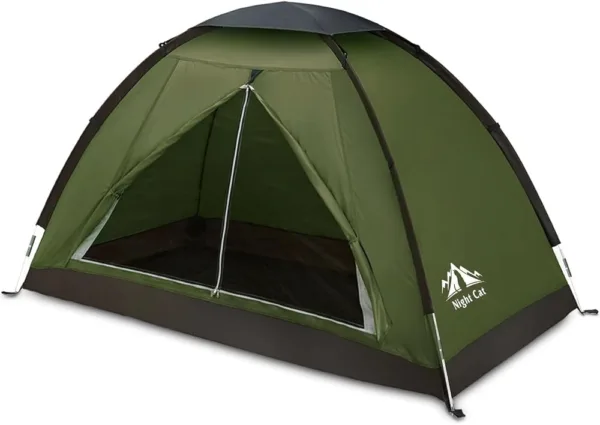 Check Price |
| CAMEL CROWN Dome | Budget dome | Mild cold only | 4.3 (3,086) | $30 |  Check Price |
| Golabs CT3 Pop-Up | Instant pop-up | Mild cold only | 4.3 (379) | $32 |  Check Price |
Best 4-Season Tents for Winter Backpacking and Cold Campsites
These are the best camping tents for cold weather if your nights will hover near or below freezing. Each one has features aimed at cold, wet and windy weather, and most of them are light enough to carry.
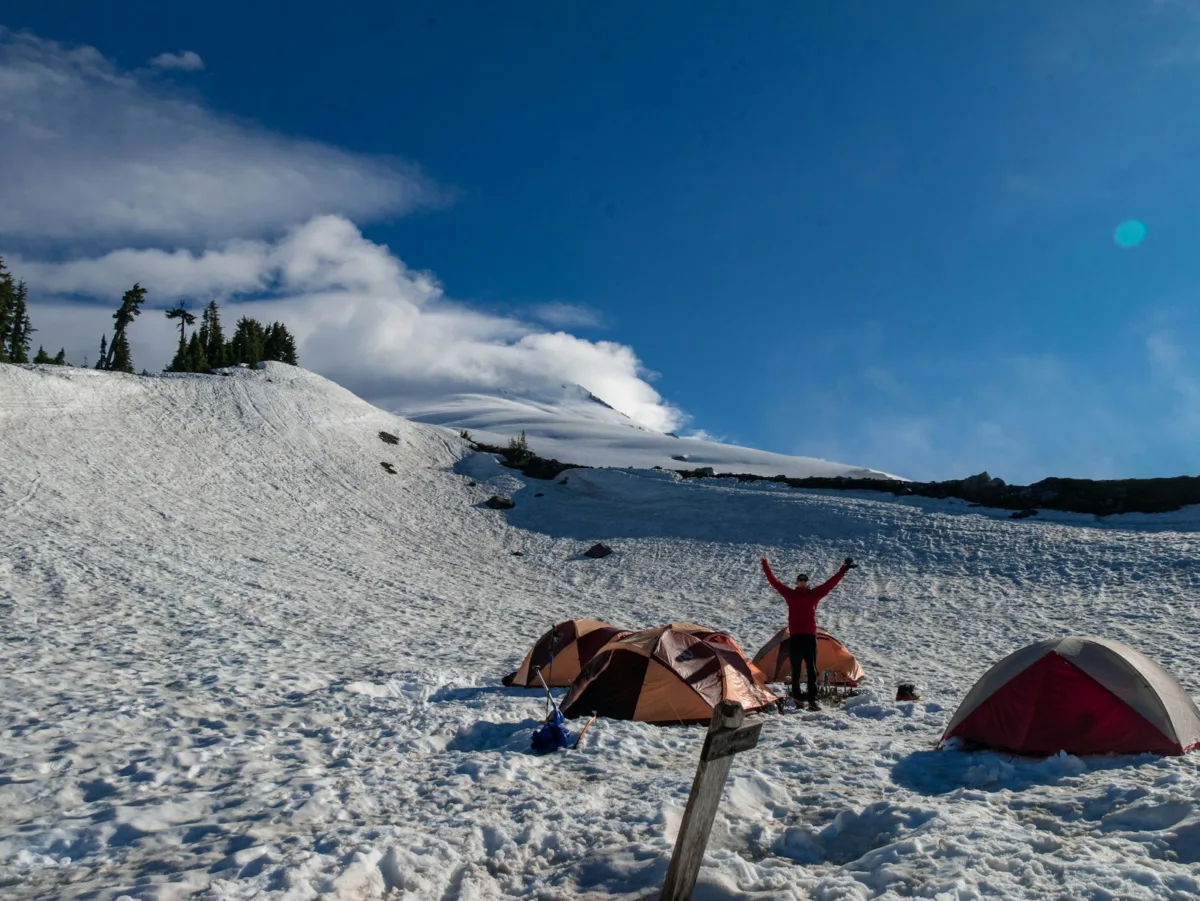
1. GEERTOP 2-Person 4-Season Backpacking Tent
- Design: freestanding, double-wall, aluminum poles
- Rainfly: ripstop polyester with PU3000mm coating and taped seams
- Winter features: snow skirt, two doors and two vestibules
- Interior: 82.6 × 55 × 45 in
- Weight: 6.9 lb; packs to about 17 × 7 × 7 in
- Setup: 5–8 minutes, per the seller
- Amazon rating: 4.6 stars from 2,560 reviews
- Price when checked: about $100 (the Night Blue listing was about $95)
GEERTOP’s two-person tent (the company also sells this design as the Toproad2) ticks the boxes that matter once the temperature drops, without the price tag of a mountaineering tent. The snow skirt stops wind from whipping under the fly. The taped seams and PU3000 coating handle wet snow and sleet. And because each person gets their own door and vestibule, nobody climbs over anyone at 2 a.m., and wet boots have somewhere to live that isn’t your sleeping bag.
At 6.9 lb it isn’t light, but split between two hikers it’s very manageable. The 55-inch width fits two wide winter pads, which many cheaper “2-person” tents can’t manage. More than 2,500 owner reviews averaging 4.6 stars is about as much reassurance as you’ll get at this price.
Buy it if: you winter camp at sheltered sites, backpack in the shoulder seasons, or want one dependable cold-weather tent for car camping and trail use. Skip it if: you’re heading to exposed alpine camps in storm season. The two-pole frame is simpler than a true mountaineering design.
- Snow skirt and double-wall design
- Two doors, two vestibules
- Freestanding and quick to pitch
- Huge, highly rated owner base
- Simpler frame than expedition tents
- Heavy for solo hikers
2. Clostnature 4-Season 2-Person Backpacking Tent
- Interior: 7’3″ × 4’11” × 3’10” (220 × 150 × 115 cm)
- Weight: 6.28 lb total; 5.33 lb minimum trail weight
- Packed length: about 16.5 in
- Build: factory-sealed seams, aluminum poles, freestanding
- Doors: two, so neither camper climbs over the other
- Sizes: 1-person and 2-person
- Amazon rating: 4.6 stars (575 reviews)
- Price when checked: about $72
Clostnature built this one specifically for cold weather, and the numbers are impressive for the money. The 5.33 lb trail weight (fly, inner and poles only) is lighter than the GEERTOP, and the inner is long enough for most adults. Two doors make a real difference on cold mornings when one person is up early and the other wants another hour in the bag.
The listing doesn’t call out a snow skirt, so on open snow you’ll want to bank snow against the fly edges yourself. For sheltered winter sites, cold fall weekends and budget backpacking, it’s the tent we’d buy with our own money at this price.
- Great value
- Light for a 4-season design
- Two doors
- Strong review base
- No snow skirt listed
- Waterproof rating not stated in the bullets
3. BISINNA 4-Season 2-Person Winter Tent
- Design: double-layer, freestanding dome
- Poles: aluminum alloy
- Capacity: 2 person
- Marketed for: cold weather and all-season use
- Amazon rating: 4.4 stars (80 reviews), Amazon’s Choice
- Price when checked: about $76 (list price $89.99)
BISINNA’s regular backpacking tents have thousands of reviews, and this is the brand’s dedicated winter version. The listing confirms the basics you want (double wall, aluminum poles, freestanding), but it publishes fewer hard numbers than GEERTOP or Clostnature. Check the weight, floor size and whether a snow skirt is included on the current listing before you order. With only 80 reviews so far, there’s less owner feedback on how it handles real winter weather.
- Low price for a 4-season design
- Aluminum poles
- Established budget brand
- Fewer published specs
- Small review count
4. Naturehike 4-Season 2-Person Backpacking Tent
- Type: 4-season, 2-person backpacking tent
- Fabric: 20D silicone-coated nylon, PU3000mm+ waterproof rating
- Layout: two doors and two vestibules
- Marketed for: cold weather and winter camping
- Color: forest green
- Amazon rating: 4.5 stars (74 reviews)
- Price when checked: about $139
Naturehike has a long track record in affordable lightweight shelters, and this is its dedicated four-season model for two people. It sits in the price gap between the budget domes and the OneTigris Stella. If you backpack in winter a few times a year and want a brand that focuses on carried weight, it’s a sensible middle ground. As always, confirm the exact weight, vestibule size and inner fabric on the listing, since Naturehike sells several similar-looking models.
- Dedicated 4-season design
- Backpacking-focused brand
- Good early reviews
- Pricier than the budget picks
- Several similar models; check the variant
5. OneTigris Stella 4-Season 2-Person Tent
- Fabric: 20D nylon with silicone coating; 40D nylon floor
- Weight: 4.4 lb (2 kg)
- Waterproof rating: 3000mm
- Inner: mesh inner tent for airflow
- Capacity: 2 person
- Amazon rating: 4.6 stars (509 reviews)
- Price when checked: about $178
Silicone-coated nylon is what premium backpacking tents use, because it’s strong for its weight and sheds water well. At 4.4 lb, the Stella saves about 2.5 lb over the GEERTOP, and you’ll feel that on every climb. The trade-off is the mesh inner. It breathes beautifully and cuts condensation, but it’s draftier than a solid inner on bitter nights. That makes it a better match for shoulder-season and milder winter trips than for deep cold on open snow.
- Only 4.4 lb
- Premium silicone-coated nylon
- Tougher 40D floor
- Strong reviews
- Mesh inner lets in more cold air
- Pricier than the budget domes
6. camppal 1-Person 4-Season Backpacking Tent
- Capacity: 1 person
- Marketed for: 4-season use; windproof, rainproof and waterproof
- Uses: hiking, mountain trips, hunting, backpacking
- Colors: green and orange
- Amazon rating: 4.3 stars (1,199 reviews), Amazon’s Choice
- Price when checked: about $63–$65
Solo winter campers get overlooked, and most “4-season” tents are two-person designs. The camppal gives you a smaller, cheaper footprint, which is easier to tuck behind a boulder or into a stand of trees out of the wind. A small tent also warms up a little faster from body heat. The orange version is easier to spot in snow, which is a small but real safety plus. With nearly 1,200 reviews, it’s a well-tested budget option for one person.
- Solo-sized and affordable
- Large review base
- High-visibility orange option
- Tight for gear inside
- Fewer published specs than the GEERTOP
Best Cold-Weather Tents for Small Groups and Car Camping
If you drive to camp with family or friends, you can trade weight for room. These two give you more floor space and headroom for long, dark evenings.
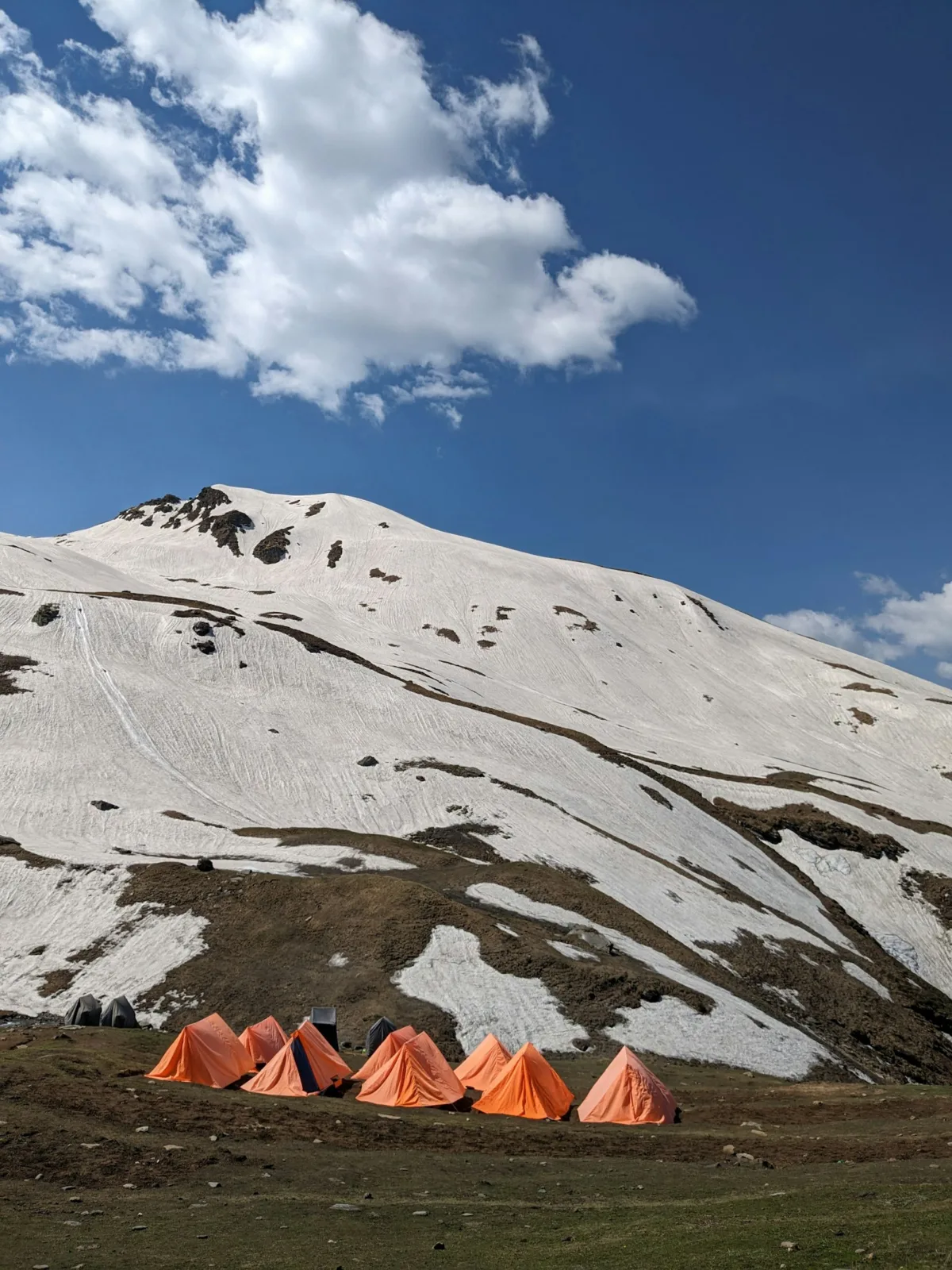
7. OneTigris Bastion 4-Season Tent (2P/4P)
- Frame: 4-pole crossing structure for wind stability
- Fabric: 75D polyester, 3000mm waterproof, UV protection
- Capacity: 4-person size fits 3–4 people
- Layout: two doors and two windows
- Amazon rating: 4.1 stars (13 reviews)
- Price when checked: about $221 (typical $260)
Four crossing poles is the classic recipe for a stable winter dome: the more places the poles cross, the better the tent spreads wind and snow load. Pair that with heavier 75D fabric and space for three or four people, and the Bastion makes sense for small groups who camp at breezy sites. It’s still a newer listing with only a handful of reviews, so expect less owner feedback than the GEERTOP.
- 4-pole crossing frame
- Heavier 75D fabric
- Two doors
- Few reviews
- Weight not listed in the bullets
8. ALPS Mountaineering Lynx 4-Person Tent
- Type: freestanding 3-season dome
- Capacity: 4 person (other sizes available)
- Marketed as: weatherproof, spacious and ventilated, with simple assembly
- Color: gray/navy
- Amazon rating: 4.6 stars (234 reviews), Amazon’s Choice
- Price when checked: about $190 (list $249.99)
ALPS Mountaineering is a respected name in mid-priced camping gear, and the Lynx is a popular, roomy dome. We include it because many families shopping for a “cold weather” tent really need a sturdy, spacious three-season tent for chilly campground nights in April or October, not a winter shelter. Pair it with warm sleeping bags and insulated pads, close the fly vents partway on cold nights, and it’ll serve a family well. Skip it for snow camping.
- Trusted brand
- Roomy for four
- Strong rating
- Three-season design
- More mesh than a winter tent
Best Hot Tents for Cold Weather (With Stove Jacks)
A hot tent has a fire-resistant stove jack, the ring your chimney pipe passes through, so you can run a small wood stove inside. It’s the warmest way to camp in winter, but it’s a system: the tent, the stove and the pipe have to be made to work together, and you have to follow both manuals exactly.
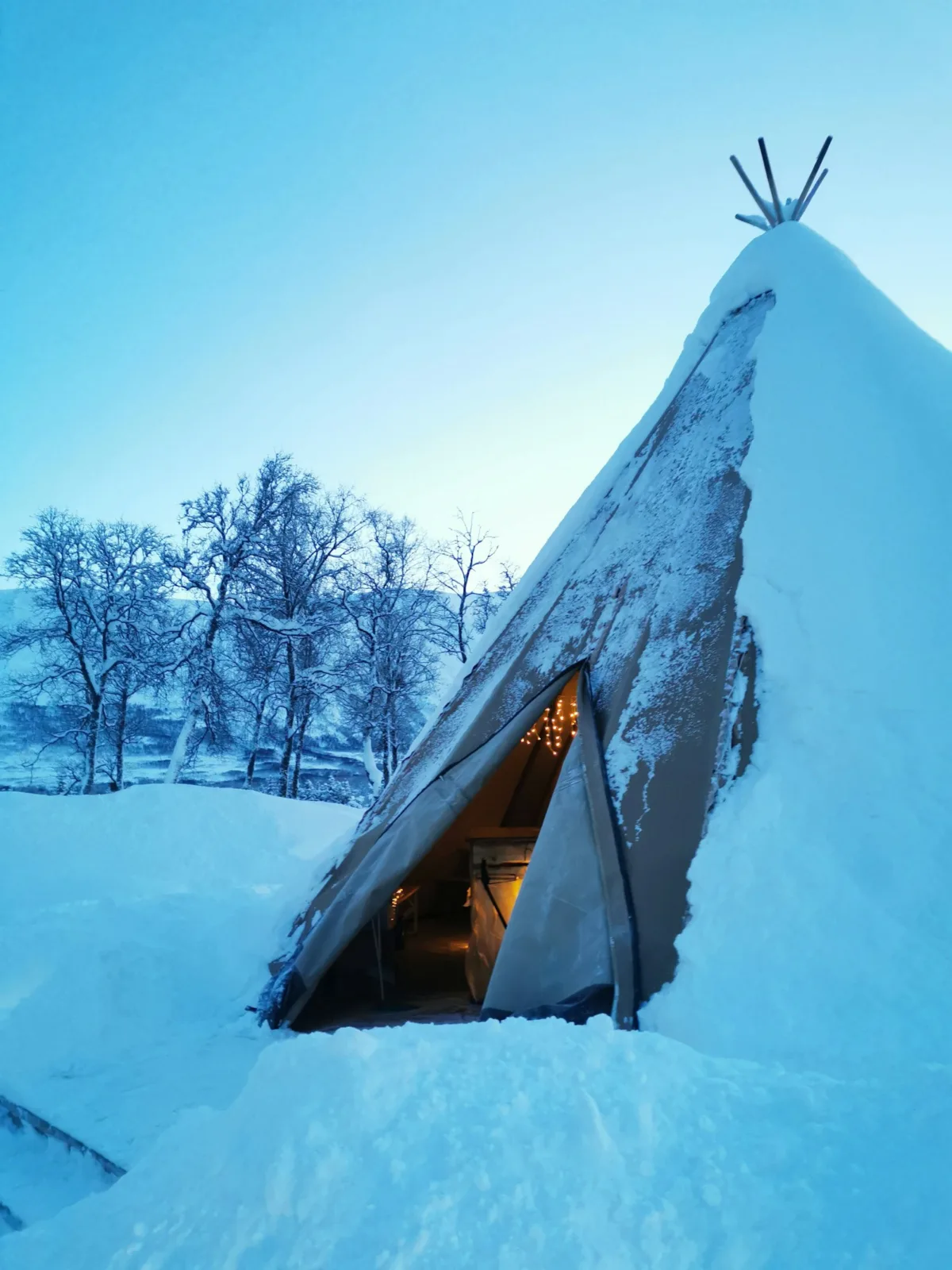
9. Afitdon Inflatable Hot Tent with Stove Jack and Skylight
- Frame: inflatable air beams; hand pump included
- Fabric: waterproof Oxford
- Winter features: stove jack and skylight
- Sizes: family sizes from 2 to 8 people
- Setup: about 5 minutes, per the seller
- Amazon rating: 4.5 stars (385 reviews)
- Price when checked: about $151 (typical $189)
Air tents swap poles for inflatable beams, so you stake out the floor, pump, and you’re done. That’s a big deal when it’s 20°F and getting dark. The stove jack lets you run a tent-rated wood stove (sold separately) for real heat, and the skylight brings in light on short winter days. With nearly 400 reviews at 4.5 stars, it’s also the best-tested hot tent in this guide. Keep the hand pump handy: air beams can lose a little pressure as the temperature drops overnight.
- Fast, pole-free setup
- Stove jack and skylight
- Good review base
- Several sizes
- Stove not included
- Car camping only
- Air beams need occasional top-ups in deep cold
10. Glonerle 8–12 Person Inflatable Hot Tent (2 Rooms)
- Frame: inflatable; pump included
- Fabric: waterproof 300D Oxford
- Layout: two divider rooms; skylight
- Winter features: stove jack
- Capacity: 8, 10 or 12 person sizes
- Amazon rating: 4.2 stars (45 reviews)
- Price when checked: about $310 (typical $360)
Heavier 300D Oxford fabric and two rooms make this a true family basecamp: kids in one room, adults and the stove area in the other. The inflatable frame keeps setup fast for a tent this size. It’s heavy and bulky, so it’s strictly a drive-up shelter, and with 45 reviews there’s moderate owner feedback so far. Plan where the stove and pipe will sit relative to the sleeping room before your first trip.
- Two separate rooms
- Tough 300D fabric
- Stove jack
- Bulky and heavy
- Needs a large, flat site
11. OneTigris Barrack 8–10 Person 4-Season Tent with Stove Jack
- Design: freestanding, 4-season
- Winter features: stove jack; waterproof and windproof
- Floor: floor mat included
- Capacity: 8–10 people
- Amazon rating: 4.5 stars (2 reviews); new on Amazon
- Price when checked: about $400 (list $499.98)
If you’d rather trust poles than air beams in wind, the Barrack is the freestanding alternative. It’s sized for a group or a large family and built for four-season use with a stove jack and an included floor mat. OneTigris has a good reputation for its smaller tents, but this model has only two reviews so far, so buy from a seller with a clear return policy and test-pitch it at home first.
- Freestanding pole frame
- Stove jack and floor mat
- Room for 8–10
- Almost no reviews yet
- Most expensive Amazon pick here
Budget Tents for Cool Shoulder-Season Nights
These are good, well-reviewed three-season tents with features that help on chilly nights: double walls, aluminum poles, two doors. They’re a smart buy if your “cold weather” means frosty fall mornings at a sheltered campsite. They aren’t built for snow load or strong winter wind.
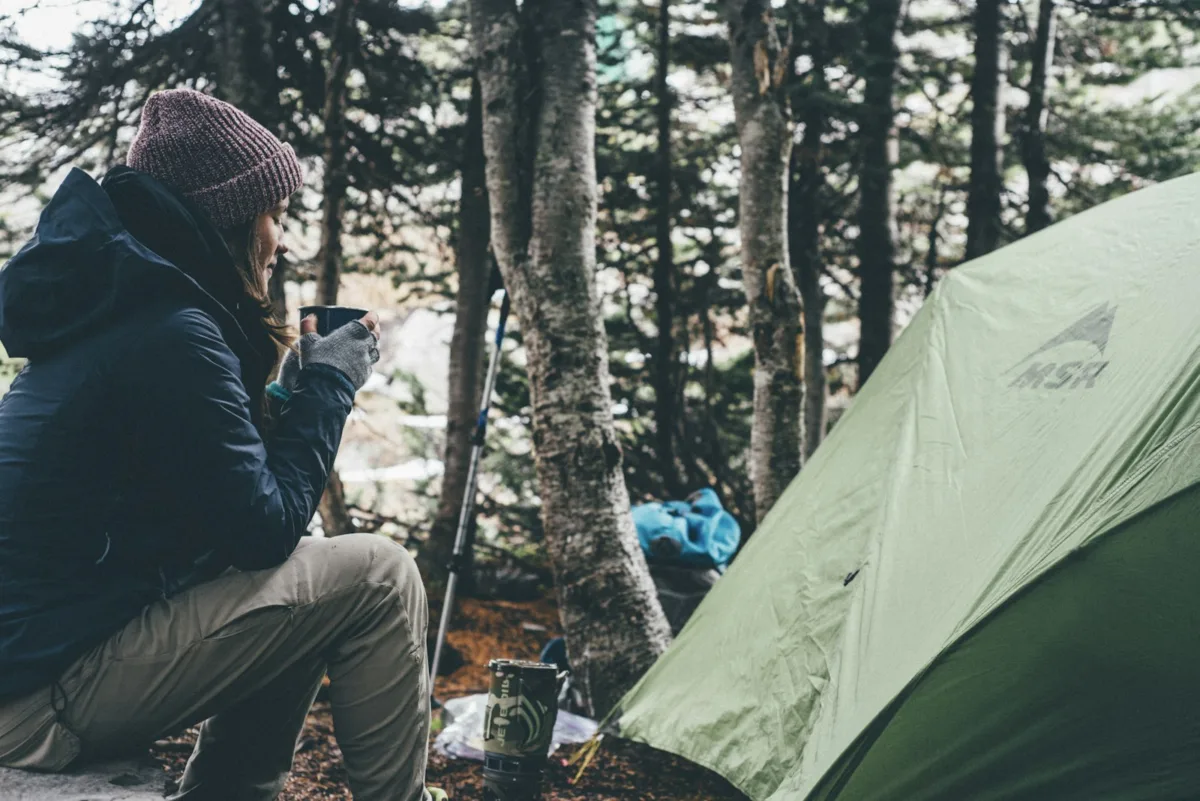
12. Clostnature Lightweight 2-Person Backpacking Tent
- Weight: about 5.3 lb
- Design: freestanding, aluminum poles
- Doors: two
- Sizes: 1, 1.5, 2, 3, 4 and 6 person
- Amazon rating: 4.5 stars (3,037 reviews)
- Price when checked: about $65 (2-person)
Clostnature’s popular three-season tent is light, easy to pitch and has a huge review base. It’s a great shoulder-season backpacking tent, but it has more mesh than the brand’s 4-season model, so it lets more cold air in. If you expect frost rather than snow, it’s excellent value.
13. BISINNA 2/4 Person Backpacking Tent
- Fly: 190T polyester, PU2000mm; floor 210D Oxford, PU3000mm
- Poles: 7001-series aluminum
- Weight: 4.72 lb (2P) or 7.72 lb (4P), with accessories
- Size: 55 × 82.7 × 47.2 in (2P); 92.5 × 86.6 × 51.1 in (4P)
- Doors: two D-shaped doors
- Amazon rating: 4.6 stars (2,363 reviews)
- Price when checked: about $73
BISINNA rates this tent for spring, summer and autumn, and we agree. It’s a double-wall tent with quality 7001 aluminum poles and a tough floor, which is more than most tents at this price offer. Owners report it holding up through days of rain. On cold nights, the large mesh sections mean you’ll rely on your sleeping bag for warmth.
14. Forceatt 2/3/4 Person Backpacking Tent
- Marketed as: waterproof, windproof and lightweight
- Sizes: 2, 3 and 4 person
- Uses: hiking, camping and mountaineering
- Amazon rating: 4.5 stars (1,507 reviews), Amazon’s Choice
- Price when checked: about $56
Forceatt has built a strong reputation for budget backpacking tents with good poles and sensible layouts. This family of tents is a reliable pick for cool spring and fall trips. For snow, step up to the GEERTOP or Clostnature 4-Season.
15. Night Cat 2-Person Aluminum-Pole Backpacking Tent
- Design: double layer with aluminum poles
- Doors: two
- Floor: about 2.2 × 1.4 m
- Amazon rating: 4.5 stars (360 reviews), Amazon’s Choice
- Price when checked: about $55
One of the cheapest ways to get a double-wall tent with aluminum poles and two doors. The double wall keeps condensation off your bag better than a single-layer tent, which matters on cold, damp nights.
16. Night Cat 1-Person Cot Tent
- Design: 1-person tent sized to sit on a camping cot (cot not included)
- Size: 87 × 32 in
- Marketed as: lightweight and waterproof
- Amazon rating: 4.3 stars (61 reviews)
- Price when checked: about $96
Cold ground pulls heat out of you all night. A cot tent lifts you off frozen or wet ground, which is handy for hunters and car campers. Remember that cold air circulates under a cot too, so you’ll still want an insulated pad on top of it. See our best camping cots if you need one.
Popular “Cold Weather” Tents That Are Really for Mild Weather
These tents show up all over cold-weather searches. They’re affordable and well reviewed, but in our view they’re not built for snow or strong winter wind. They’re great for summer and mild fall nights. We include them so you can compare honestly before you buy.
17. Coleman Sundome Camping Tent
- Sizes: 2, 3, 4 and 6 person
- Setup: about 10 minutes
- Amazon rating: 4.6 stars from 23,203 reviews; #1 Best Seller in Camping Tents
- Price when checked: about $107
One of the most popular tents on Amazon, and for good reason: it’s simple, dependable and easy to pitch. It’s a classic three-season family dome, though, with fiberglass poles and plenty of ventilation. Keep it for summer, fall and mild spring weekends.
18. UNP 2-Person Waterproof Dome Tent
- Size: 7 × 5 ft, 45 in tall; fits a full air mattress
- Weight: 4.8 lb
- Setup: about 3 minutes, one person
- Amazon rating: 4.4 stars from 3,900+ reviews
- Price when checked: about $55
Light, quick and very popular. It’s a basic three-season dome, so it’s fine for a mild autumn night but not a frozen one.
19. Night Cat 1–2 Person Single-Layer Backpacking Tent
- Design: single layer; fiberglass poles with protective covers
- Weight: about 4.4 lb
- Size: 2.2 × 1.2 m (1P) or 2.2 × 1.4 m (2P)
- Amazon rating: 4.3 stars (4,012 reviews)
- Price when checked: about $40
A very cheap, very popular starter tent. Single-wall tents collect more condensation on cold nights, and fiberglass poles get brittle in freezing temperatures, so treat this as a warm-weather tent.
20. CAMEL CROWN Camping Dome Tent (2–5 Person)
- Sizes: 2, 3, 4 and 5 person
- Marketed as: waterproof, spacious and lightweight
- Amazon rating: 4.3 stars (3,086 reviews), Amazon’s Choice
- Price when checked: about $30 (2-person)
The cheapest tent in this guide. Good for backyard campouts, festivals and summer trips. On a cold night, its warmth will come almost entirely from your sleeping bag and pad.
21. Golabs CT3 Instant Pop-Up Tent
- Setup: about 1 minute with pre-attached poles
- Ventilation: mesh on all four sides
- Weight: 4.8 lb
- Capacity: 2–3 person
- Amazon rating: 4.3 stars (379 reviews), Amazon’s Choice
- Price when checked: about $32
Pops up in a minute, which is lovely at a park or festival. Four sides of mesh means great airflow and very little protection from cold wind, so don’t count on it for winter.
For Exposed Alpine Camps: Expedition Tents Worth Knowing
If you’re heading somewhere exposed, with high wind and heavy snow and nowhere to shelter, look at dedicated mountaineering tents from established brands. They aren’t in our Amazon lineup, and they cost several times more, but they’re the benchmark for extreme cold. Compare the current specs on each brand’s site before you buy.

| Tent | Published packed weight | Doors / vestibules | Best for |
|---|---|---|---|
| Mountain Hardwear Trango 2 | 9 lb 7 oz | 2 / 2 | Exposed winter basecamp for two; room to wait out storms |
| MSR Remote 2 | Check MSR’s listing | 2 / 2 | Two-person mountaineering with good livability |
| Hilleberg Jannu | 7 lb 1 oz | 1 / 1 | Carried winter and alpine trips where weight matters |
| NEMO Kunai 2P | Check NEMO’s listing | Check listing | Hikers who want one 3–4 season tent for several seasons |
| REI Co-op Arete ASL 2 | Check REI’s listing | Check listing | A mid-priced step toward true four-season use |
The Trango 2’s two vestibules give each climber space for wet boots and packs, and reviewers consistently praise its stability. It’s heavy and bulky, though. The Jannu saves weight with a single entrance, which is fine if you can live with sharing one door. The NEMO Kunai is the most versatile of the group, positioned as a 3–4 season backpacking tent. If you’re not sure you need one of these, you probably don’t: a well-pitched winter-capable tent at a sheltered site is enough for most US winter camping.
How to Choose the Best Camping Tent for Cold Weather
Shopping for the best camping tents for cold weather gets much easier once you know which features actually change your night. Here they are, in order of importance.
1. Buy for wind and snow first, temperature second
Your sleeping bag and pad handle most of your warmth. What the tent really has to handle is wind and snow. A sheltered site with little snow is a very different job from an exposed campsite with high winds and heavy snowfall. For the second kind of trip, compare dedicated four-season shelters and plan how you’ll anchor them. A “4-season” label alone doesn’t tell you what wind speed or snow load a tent can handle.
| Tent type | Built for | Typical trade-off |
|---|---|---|
| 3-season | Spring, summer and fall; lots of mesh | Drafty and weak under snow |
| Extended-season / budget “4-season” | Shoulder seasons, light snow, sheltered winter sites | Not built for exposed alpine storms |
| Mountaineering 4-season | High wind, heavy snow, exposed camps | Heavy, expensive and stuffy in summer |
| Hot tent | Drive-in winter basecamp with a wood stove | Bulky; needs stove-safety know-how |
2. Size the tent with your actual winter gear
Winter pads and lofty sleeping bags take up much more room than summer gear. Lay your pads side by side and measure them at their widest point, then compare that with the tent floor. Check both ends, because many floors taper at the feet. Then decide where wet boots and packs will go. Read our guide on what size tent you need if you’re between sizes. If you’re driving in, a bigger tent buys you more comfort than lighter fabric ever will.
3. Check the frame and poles
More pole crossings spread wind and snow load better. Two crossing poles is basic; three or four, like the OneTigris Bastion, is better. Aluminum poles (especially 7001-series) are the standard for cold weather. Fiberglass poles can become brittle in freezing temperatures.
4. Look for a snow skirt and less mesh
A snow skirt is a fabric flap around the base of the fly that you bury in snow to stop wind blowing under the tent. Solid inner panels cut drafts and keep spindrift (blowing snow) out. If a tent’s inner is mostly mesh, it’s better suited to milder conditions.
5. Choose a double wall and keep the vents open
Every breath you exhale adds moisture. In the cold it freezes on the walls and drips back on you. A double-wall tent keeps that moisture on the fly, away from your sleeping bag, and adjustable vents give it somewhere to go. Our guide on how to stop condensation in a tent walks through it.
6. Count doors and vestibules
Two doors and two vestibules mean nobody climbs over anybody, and each person gets a dry spot for boots and packs. Over a long winter night, this is one of the most useful features you can have.
7. Check floor waterproofing and seams
Melting snow and wet ground push water up through a thin floor. Higher numbers like PU3000 or PU5000 on the floor resist that better. Taped or factory-sealed seams are a must. A tent footprint adds protection from ice and rocks, and our guide to waterproofing a tent helps with older tents.
8. Pay for the upgrade your trip actually needs
9. Budget for warmth and ventilation
Choose a sleeping bag and insulated pad rated for the expected overnight low. Keep the tent’s vents usable so moisture can escape. Keep portable fuel-burning heaters, lanterns and camp stoves outside any sleeping tent that isn’t a purpose-built hot tent, because of the carbon monoxide risk.
How to Pitch a Tent in Snow and Wind
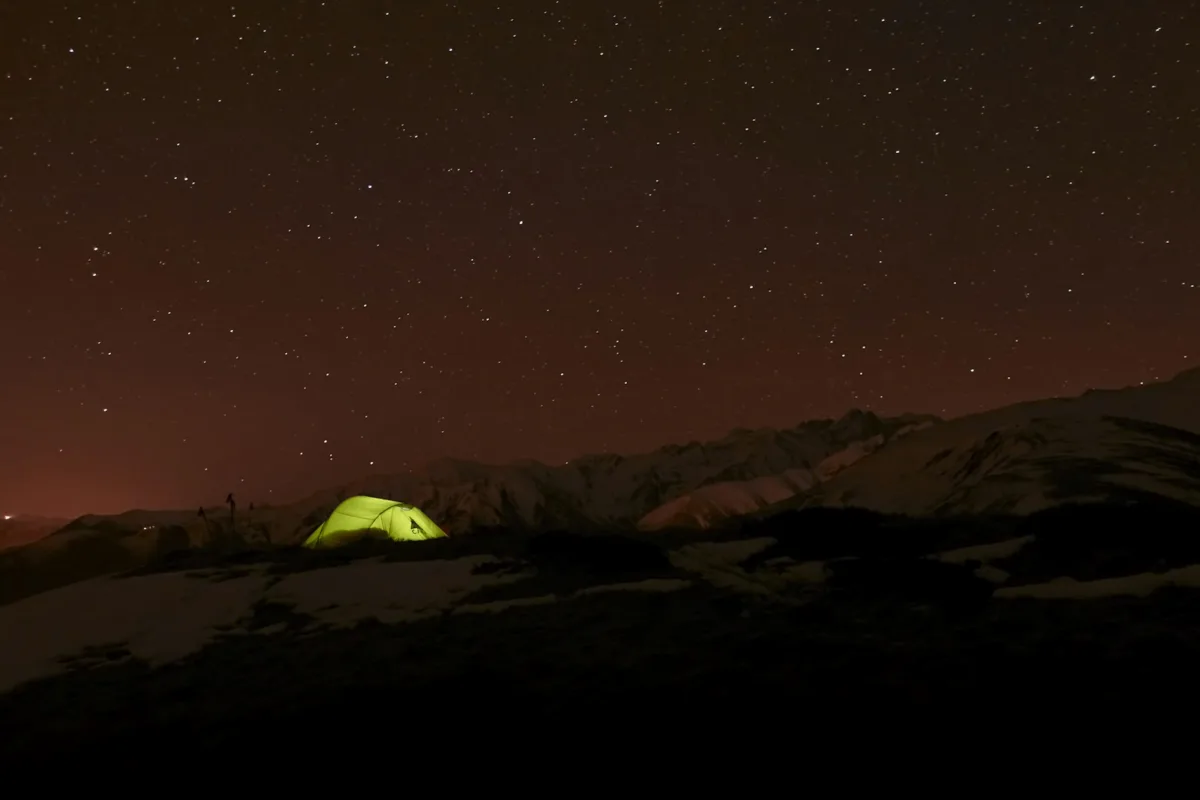
- Pick a sheltered spot away from avalanche terrain, cornices and dead trees. Trees and rocks break the wind. Our guide on how to choose a campsite has a full checklist.
- Stamp down a platform. Pack the snow with boots or snowshoes and let it firm up for a few minutes before you pitch.
- Point the narrow end into the wind and keep the door on the sheltered side.
- Use snow anchors. Regular stakes pull out of snow. Use snow stakes, or fill stuff sacks with snow and bury them as “deadman” anchors. On frozen ground, sturdy heavy-duty tent stakes help.
- Guy out every point and keep the fly taut so it sheds snow and doesn’t flap all night.
- Bury the snow skirt, or bank snow around the fly edges if your tent doesn’t have one.
- Knock snow off overnight during heavy snowfall so it doesn’t load the poles.
- Carry a repair kit. A pole splint and repair tape can save a trip. See our best tent repair kits.
Your Tent Doesn’t Keep You Warm. Your Sleep System Does
Even the best camping tents for cold weather don’t make heat. They block wind and snow. Your sleeping bag and pad are what keep you warm overnight, so match your bag’s comfort rating to the forecast low and use a pad with enough R-value for frozen ground. These guides help:
- Best sleeping bags for camping, including cold-weather picks
- Sleeping pad R-value explained
- Best sleeping bag liners for a cheap warmth boost
- How to keep a tent warm at night
- Why sleeping bags feel colder at 3 AM
Complete Your Cold-Weather Camp
Frequently Asked Questions
What is the best camping tent for cold weather?
For most people, the GEERTOP 2-Person 4-Season tent: it has a snow skirt, a double wall, two vestibules and thousands of strong reviews. On a budget, the Clostnature 4-Season 2P is the best value. For the lightest carry, choose the OneTigris Stella. For exposed mountaineering trips, compare the Mountain Hardwear Trango 2, MSR Remote 2 and Hilleberg Jannu.
Do I need a four-season tent when it’s below freezing?
Not always. Look at wind, snowfall and how exposed your campsite is, not just the temperature. Your bag and pad provide most of your warmth. At a sheltered site with no snow, a good three-season tent and a warm sleep system can be fine. Once wind and snow start loading the tent, a four-season design becomes much more important.
What’s the difference between a 3-season and a 4-season tent?
Three-season tents use lots of mesh and lighter frames for airflow. Four-season tents use stronger frames, more solid fabric, snow skirts and more guy-out points to handle wind and snow.
Is a snow skirt worth paying for?
Yes, if you camp on snow or in windy places. A skirt cuts drafts and keeps blowing snow out from under the fly. Weigh it alongside the pole structure, anchoring and ventilation, especially on cheaper tents.
Is a double-wall tent better for winter camping?
For most campers, yes. A double-wall design keeps the inner sleeping space separate from the fly, where condensation and frost collect. That means less moisture dripping onto your sleeping bag.
Should two people buy a two-person or three-person winter tent?
Test the floor against both of your pads and check where wet gear will go. If you’re driving in, a three-person tent makes getting dressed and sorting gear much easier. If you’re hiking in, weigh that space against the extra weight and packed size.
Are cold-weather tents warmer?
They feel warmer because they block wind and drafts, but they don’t make heat. The exception is a hot tent with a wood stove, like the Afitdon, Glonerle or OneTigris Barrack.
Is a hot tent safe?
It can be, when the tent and stove are designed to work together and you follow both manuals: a proper stove jack, safe clearances, ventilation and a battery-powered CO alarm. Never put a stove or fuel-burning heater in an ordinary tent.
Is a waterproof camping tent the same as a winter tent?
No. A waterproof fly keeps rain out, but winter shelter also depends on the frame, anchoring, ventilation and how well the tent handles snow and wind. If heavy rain is your main concern, see our best waterproof camping tents.
Can I use a 4-season tent in summer?
Yes, but many feel stuffy in warm weather because they have less mesh. Tents with a mesh inner, like the OneTigris Stella, are more comfortable year-round.
How do I keep my tent from collapsing under snow?
Pitch it tight, guy out every point and gently knock snow off the fly during heavy snowfall. A tent with more crossing poles handles snow load better.
How much does a good cold-weather tent cost?
Winter-capable backpacking tents start around $70–$100. Lightweight and mid-range models run about $140–$230. Hot tents range from about $150 to $400, and true mountaineering tents cost several times more.
Do I need a footprint for winter camping?
It’s a good idea. A footprint protects the floor from ice, rock and abrasion and adds a layer between you and the wet ground. Compare options in our best tent footprints guide.
Are budget tents among the best camping tents for cold weather?
Some are. The Clostnature 4-Season and BISINNA 4-Season cost well under $100 and include the cold-weather basics: double walls, aluminum poles and solid fly coverage. The cheapest domes on Amazon are usually three-season tents, so check for those features before you buy.
Is a cheap tent okay for one cold night?
At a sheltered campground with no snow, often yes, as long as your sleeping bag and pad are rated for the low. Pitch out of the wind, close the fly vents partway and bring an extra blanket. For snow or wind, borrow or rent a proper four-season tent.
Final Recommendation
Choose the GEERTOP 2-Person 4-Season if you want one dependable tent for sheltered winter sites and shoulder-season backpacking. Pick the Clostnature 4-Season 2P if budget matters most, or the OneTigris Stella if every ounce counts. Small groups at breezy sites should look at the OneTigris Bastion. For a warm, drive-in winter basecamp, the Afitdon inflatable hot tent is the easiest place to start. And if exposed alpine camps are in your plans, step up to a true mountaineering tent like the Mountain Hardwear Trango 2.
Whichever you choose, check the floor plan against your winter pads and the packed size against your car or pack, then practice the pitch at home before your first cold night.
4 thoughts on “Best Camping Tents for Cold Weather (2026): 21 Tents Compared for Winter Backpacking, Campgrounds & Hot-Tent Camps”