
Five miles in, you feel it: a hot spot on your heel. You ignore it. Two miles later it’s a full blister, your friend has a scraped shin from a slip on wet roots, and the only first aid you packed is two old bandages stuck to the bottom of your pack.
Most trail injuries are small. Blisters, cuts, scrapes, bug bites, a twisted ankle. But on a trail, small problems get big fast because you still have to walk out. A good first aid kit for hiking is light enough to carry every time, organized so you can find things quickly, and stocked for the problems hikers actually have.
We compared 12 first aid kits, from trusted Adventure Medical Kits hiking kits to big 520-piece group kits, waterproof kits, family kits and a trauma add-on. Below you’ll find which one fits your trips, what’s really inside, and what to add so your kit is truly ready.
Affiliate disclosure: As an Amazon Associate, JoinHikes earns from qualifying purchases. If you buy through Amazon links in this article, we may earn a commission at no extra cost to you. It never changes our rankings.
How we researched this: We compared manufacturer specs, contents lists and current Amazon listings, plus REI and owner reviews and published hands-on tests. We haven’t field-tested these kits ourselves, and we never invent results. Prices and ratings were checked on November 8, 2026. This guide is general information, not medical advice.
Quick Answer: What Is the Best First Aid Kit for Hiking?
The Adventure Medical Kits Mountain Series Backpacker is the best first aid kit for most hikers and backpackers. It covers two people for up to four days, sorts everything by injury in labeled pockets, and includes a trauma pad, plenty of blister care and a 160-page wilderness first aid book. It costs more than generic kits, and it’s worth it.
For day hikes, the smaller AMK Mountain Series Hiker (about 7 oz) does the job for less. If you count ounces or hike in the rain, the AMK Ultralight/Watertight .7 weighs about 5.8 oz and has a truly waterproof inner bag. Families should look at the Welly 130-Count, and the General Medi Mini is the best kit under $10.
Quick rule: pick a kit made for hiking, not for a kitchen drawer. Piece count means little; blister care, wound dressings, tape, gloves and tweezers mean a lot.

Quick Comparison: Best First Aid Kits for Hiking 2026
Tap a photo or button to see the current price on Amazon.
| Kit | Best for | Group & trip | Weight | Water | Price* | Shop |
|---|---|---|---|---|---|---|
| Best overall AMK Backpacker | Weekend backpacking | 2 people · 4 days | ~15 oz | Water-resistant | ~$57 list | 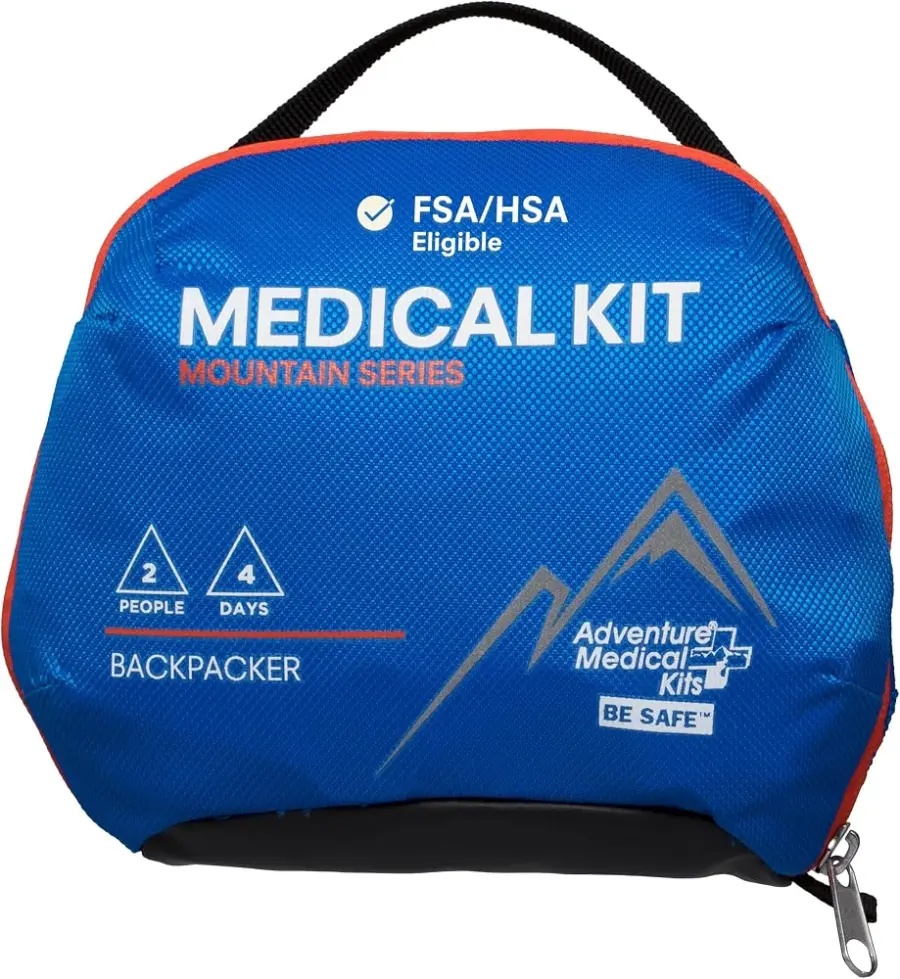 Check Price |
| Best for day hikes AMK Hiker | Day hikes | 2 people · 2 days | 7.2 oz | Water-resistant | ~$34 |  Check Price |
| Best ultralight & waterproof AMK Ultralight/Watertight .7 | Ultralight & wet trips | Up to 3 people · 3 days | 5.8 oz | Waterproof inner bag | ~$45 | 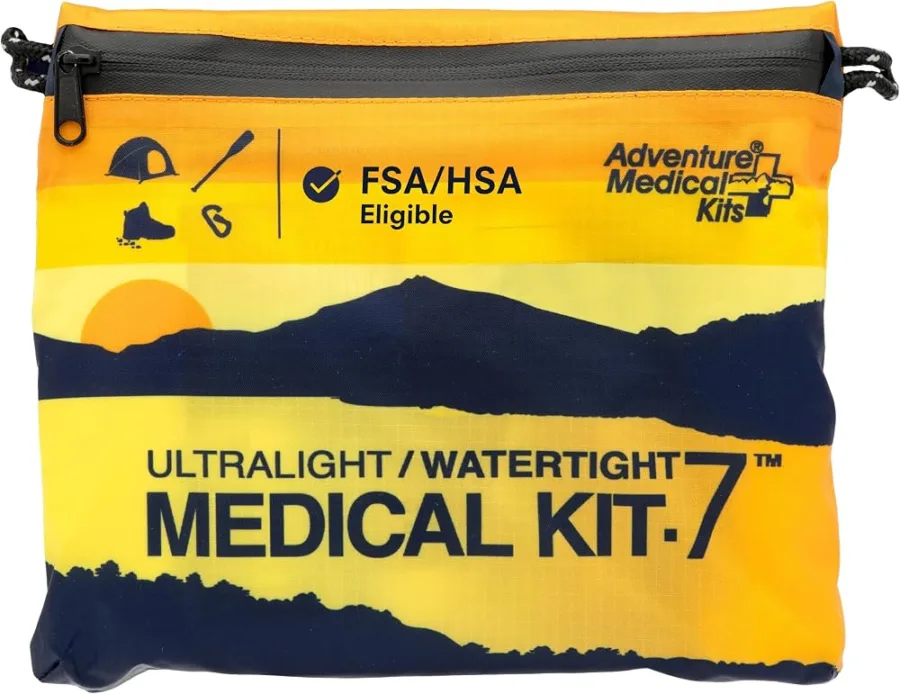 Check Price |
| Best survival combo RHINO RESCUE (Green) | Hiking + survival | Small group | Heavier | Not stated | See price |  Check Price |
| Best for car & group trips Rapid Care 211-Piece | Car camping, groups | Group | Heavy | Not stated | ~$70 |  Check Price |
| Best budget waterproof 211-Piece Waterproof Kit | Paddling, rain | 1–2 people | Light | IPX7 pouch (claim) | ~$30 |  Check Price |
| Best for basecamp 520-Piece Kit | Basecamp supply | Large group | Heavy | Not stated | ~$50 |  Check Price |
| Best for families Welly 130-Count | Kids & short walks | Family day trips | Light | Waterproof bandages | ~$25 | 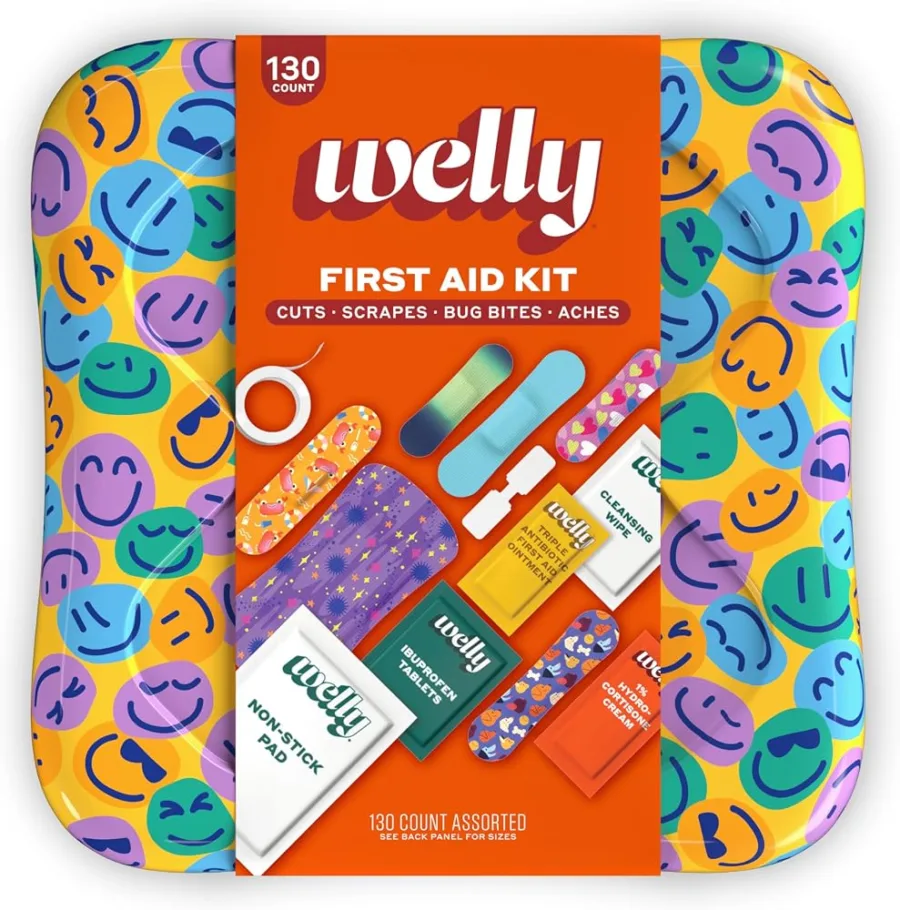 Check Price |
| Best multi-pack EVERLIT Mini 3-Pack | One kit per pack | 1 person each | 6.7 oz each | Water-resistant | ~$30 (3) | 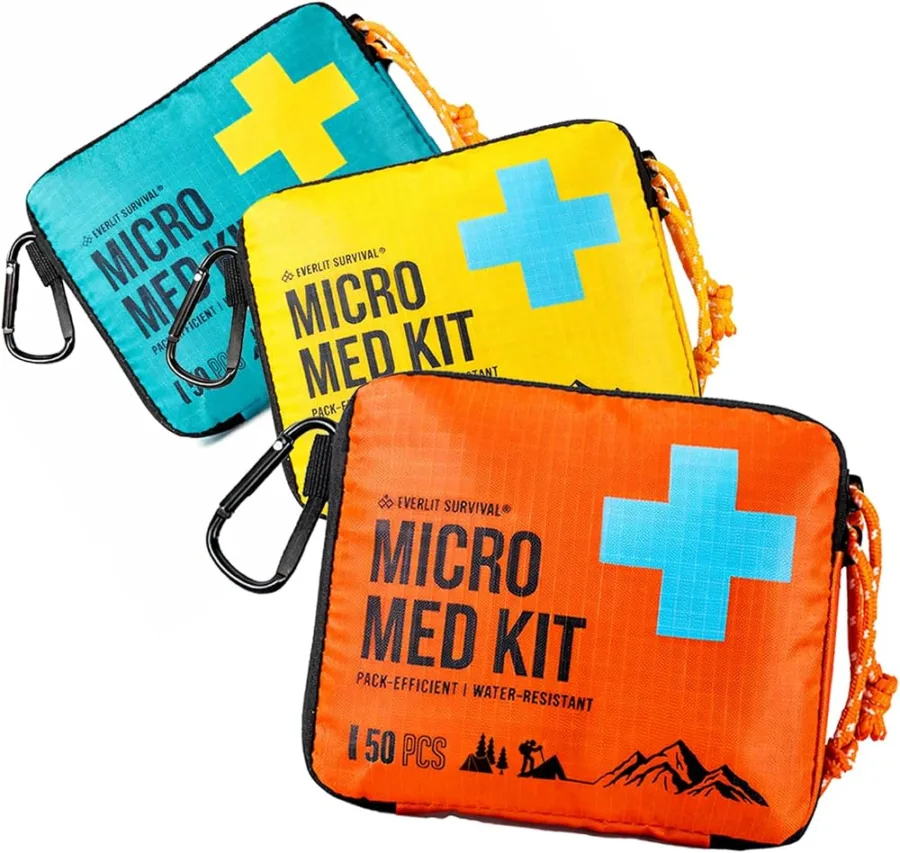 Check Price |
| Best under $10 General Medi Mini | Budget base kit | 1–2 people | ~5.6 oz | Not stated | ~$8 |  Check Price |
| Best for car or travel PTEROMY 150-Piece | Glove box, travel | 1–2 people | Light | Not stated | ~$9 |  Check Price |
| Best trauma add-on YChoolco IFAK | Serious injuries | Add-on | Moderate | Not stated | ~$40 |  Check Price |
*Approximate Amazon or list prices on November 8, 2026. Weights are manufacturer or retailer figures where published; “Heavier” means the seller doesn’t list a reliable figure. Tap through for today’s price.
What Size First Aid Kit Do You Need?
The right kit depends on how long you’re out, how many people you’re looking after, and how far you are from help. Use this as a starting point:
| Your trip | What you need | Good picks |
|---|---|---|
| Short day hike on a busy trail | Small kit: bandages, blister care, wipes, tape, pain relief | AMK Hiker, General Medi |
| Long day hike or overnight | Add more gauze, an elastic wrap, tweezers, gloves | AMK Hiker, AMK .7 |
| Multi-day backpacking (2 people) | Fuller kit with trauma pad, more blister care, a first aid guide | AMK Backpacker |
| Rainy trips, rivers, kayaking | Waterproof inner bag or IPX7 pouch | AMK .7, 211-Piece Waterproof |
| Family hikes with kids | Lots of small bandages, ointments, wipes | Welly |
| Groups, scout trips, basecamp, car | Big supply kit plus a light kit for the trail | 520-Piece, Rapid Care |
The Best First Aid Kits for Hiking, Reviewed
We ranked these on how useful the contents are for real trail problems, organization, weight, water protection, build quality and value. Kits built for hiking ranked higher than general home or car kits, even when those had bigger piece counts.
1. Adventure Medical Kits Mountain Series Backpacker
Best for: Backpackers, couples and anyone heading out for a long weekend or more.
This is the kit we’d hand a friend heading into the backcountry. Adventure Medical Kits builds it for two people on trips of up to four days, and it’s one of the most recommended hiking first aid kits around. CleverHiker named it their best kit for backpacking.
Everything sits in clearly labeled pockets sorted by problem: bleeding, wound care, blisters, medications and so on. When someone is hurt and you’re stressed, that matters. Inside you’ll find a large trauma pad, sterile gauze and non-stick dressings, a wound irrigation syringe, butterfly closures, 14 pieces of pre-cut moleskin, tape, an elastic wrap, quality forceps and EMT shears, plus common medications. There’s also a 160-page wilderness first aid book by Dr. Eric Weiss.
Why pay more? Compared with a cheap 300-piece kit, you get fewer filler bandages and more of what actually helps on the trail, in a durable bag that keeps working for years. It’s also easy to refill.
The catch: the bag is water-resistant, not waterproof, so put it in a zip bag or dry bag on wet trips. It weighs about 15 ounces (AMK lists 0.95 lb; OutdoorGearLab measured 13.6 oz). Some reviewers wish it had more gloves, and it doesn’t include a tourniquet.
| Group & trip | 1–2 people, 1–4 days |
|---|---|
| Weight | About 15 oz (0.95 lb listed) |
| Size | 7.5 x 6 x 3.5 in |
| Bag | Durable nylon, water-resistant |
| Amazon rating | 4.6 stars (392 ratings) |
| Price | ~$57 list (check Amazon) |
- Excellent organization.
- Hiking-focused contents.
- Great blister care.
- Trusted brand, easy refills.
- Includes a real first aid book.
- Not waterproof.
- Heavier than day kits.
- Could use more gloves.
- No tourniquet.
Who should buy it?
Weekend backpackers, couples, trip leaders of small groups and anyone who wants one solid kit for most hikes.
Who should skip it?
Ultralight hikers on short day trips. The Hiker or .7 is lighter.
2. Adventure Medical Kits Mountain Series Hiker
Best for: Day hikers and overnight trips for one or two people.
The Hiker is the Backpacker’s little sibling. AMK designs it for two people for up to two days, and at about 7.2 ounces it disappears into a daypack. It uses the same injury-sorted pockets, so you’re not digging through a jumble of wrappers.
You get a trauma pad, gauze, tape, an elastic bandage, moleskin, tick-and-splinter forceps, EMT shears and a few basic medications, plus the wilderness first aid guide. It’s the right size for most day hikes in US national and state parks.
The catch: quantities are small, so add extra blister care and bandages if you hike often. Like its big brother, the bag is water-resistant rather than waterproof.
| Group & trip | 1–2 people, 1–2 days |
|---|---|
| Weight | About 7.2 oz |
| Size | 6.5 x 5.5 x 3 in |
| Bag | Water-resistant nylon |
| Amazon rating | 4.6 stars (973 ratings) |
| Price | ~$34 on Amazon |
- Light and compact.
- Same smart organization.
- Good value for a quality kit.
- Includes a first aid guide.
- Small quantities.
- Not waterproof.
- Not enough for multi-day trips.
Who should buy it?
Day hikers, trail runners who want a real kit, and couples on overnights.
Who should skip it?
Groups or anyone out for three days or more.
3. Adventure Medical Kits Ultralight/Watertight .7
Best for: Ultralight backpackers, rainy-climate hikers, paddlers and trail runners.
If you count every ounce, this is the one. The current Ultralight/Watertight .7 is rated for up to three people for up to three days and weighs about 5.8 ounces. The trick is AMK’s two-layer system: a reusable, waterproof DryFlex inner bag inside a water-resistant outer bag.
Inside are bandages, gauze, medications, moleskin for blisters and supplies to help immobilize an injury. Many hikers find the flat, flexible shape easy to slide into a pack’s side pocket.
Why pick it? It’s one of the few kits here that’s truly waterproof and still very light. On a soggy trail or a river trip, dry dressings make a big difference.
The catch: it’s less organized than the Mountain Series (no labeled pockets), and the quantities are lean for a group. You pay a bit more for the weight savings.
| Group & trip | Up to 3 people, up to 3 days |
|---|---|
| Weight | About 5.8 oz |
| Bag | Waterproof DryFlex inner + water-resistant outer |
| Amazon rating | 4.7 stars (763 ratings) |
| Price | ~$45 on Amazon |
- Truly waterproof inner bag.
- Very light.
- Packs flat into side pockets.
- Quality AMK supplies.
- Less organized inside.
- Lean quantities.
- Pricier than generic kits.
Who should buy it?
Solo and ultralight hikers, thru-hikers and anyone who hikes in wet weather.
Who should skip it?
Groups or anyone who wants labeled pockets and lots of supplies.
4. RHINO RESCUE Survival First Aid Kit
Best for: Hikers and campers who want first aid and survival basics in one tough pouch.
RHINO RESCUE is known for tactical and EMS-style gear, and this kit shows it. It combines 100+ first aid supplies with 20+ survival items in a rugged 600D nylon MOLLE pouch you can strap to a pack. The brand says it’s HSA/FSA eligible.
It’s a good choice if you want one grab-and-go bag for hiking, hunting or the truck. The MOLLE straps make it easy to mount on a backpack or vehicle.
The catch: survival tools add weight and bulk that most day hikers don’t need, and the listing doesn’t give a clear weight. Some included items only help if you know how to use them, so read through the contents at home.
| Contents | 100+ first aid + 20+ survival items |
|---|---|
| Bag | 600D coated nylon MOLLE pouch |
| Colors | Ranger Green, Black |
| Amazon rating | 4.7 stars (717 ratings) |
| Price | Check Amazon |
- First aid and survival in one.
- Tough, MOLLE-ready pouch.
- Strong ratings.
- Two colors.
- Heavier than hiking-only kits.
- No clear weight listed.
- Some items need know-how.
Who should buy it?
Hunters, campers, overlanders and hikers who also want survival basics.
Who should skip it?
Ultralight hikers and anyone who just needs blister and cut care.
Choose your color:

5. Rapid Care 211-Piece Outdoor Adventure First Aid & Survival Kit
Best for: Families, scout leaders and car campers who want a big, well-labeled kit.
The Rapid Care kit packs 211 pieces of first aid and survival gear into a heavy-duty 600D MOLLE bag. Its best feature is organization: items are color-coded and labeled, so anyone in your group can find what they need fast.
The brand says it exceeds OSHA guidelines and ANSI 2009 standards. It’s a premium-priced kit, and it suits a car, a camp or a group leader’s pack better than a solo hiker’s daypack.
The catch: it’s big and heavy for hiking, and at around $70 it costs more than the AMK Backpacker, which is better suited to the trail itself.
| Contents | 211 first aid and survival pieces |
|---|---|
| Bag | 600D MOLLE bag |
| Standards | Brand claims OSHA & ANSI 2009 |
| Price | ~$70 on Amazon |
- Excellent labeling.
- Durable bag.
- Lots of supplies for groups.
- Heavy for hiking.
- Expensive.
- Few owner reviews so far.
Who should buy it?
Group leaders, families and car campers.
Who should skip it?
Solo hikers and anyone watching pack weight.
6. 211-Piece IPX7 Waterproof First Aid Kit
Best for: Kayakers, rainy-day hikers and anyone who wants a waterproof pouch on a budget.
This kit’s selling point is its pouch: the seller says it’s IPX7 waterproof, with a three-layer material and an airtight zipper, which should handle rain, splashes and brief dunks. Inside are 211 supplies including bandages, gloves, iodine pads, scissors and an emergency blanket.
It clips on with a carabiner, has a reflective strip for low light, and prints the item list on the back. That last detail is handy when you need to check what’s left.
The catch: the waterproof rating is the seller’s claim, and the kit has only a few dozen reviews so far. Contents lean toward small bandages, so add blister care.
| Contents | 211 supplies |
|---|---|
| Pouch | IPX7 airtight zipper (seller claim) |
| Amazon rating | 4.6 stars (55 ratings) |
| Price | ~$30 on Amazon |
- Waterproof pouch for the price.
- Easy to clip on.
- Item list on the back.
- Waterproofing not independently tested.
- Few reviews.
- Needs more blister care.
Who should buy it?
Paddlers and hikers in wet climates on a budget.
Who should skip it?
Anyone who wants a proven, hiking-specific kit.
7. 520-Piece Premium First Aid Kit
Best for: Group campsites, vehicles, scout troops and home base for refilling smaller kits.
With 520 pieces in labeled compartments and a tough 1680D polyester case with MOLLE straps, this is a supply depot rather than a trail kit. It’s ideal for keeping in the car or at a group campsite, and for restocking your hiking kit after each trip.
The catch: it’s far too big for a daypack, and hundreds of pieces include many small adhesive bandages. Carry a light kit on the trail and leave this one at camp.
| Contents | 520 pieces |
|---|---|
| Case | 1680D polyester, MOLLE-compatible |
| Amazon rating | 4.7 stars (553 ratings) |
| Price | ~$50 on Amazon |
- Huge supply.
- Well organized.
- Great for refilling other kits.
- Too big for hiking.
- Lots of filler bandages.
Who should buy it?
Groups, families and car campers.
Who should skip it?
Anyone looking for a kit to carry on the trail.
8. Welly First Aid Kit (130 Count)
Best for: Families, casual walkers and short hikes with kids.
Welly makes first aid fun, and kids notice. This 130-count kit includes flexible fabric bandages that stick for up to 24 hours, waterproof bandages, butterfly strips, non-stick pads, tape, cleansing wipes, triple antibiotic and hydrocortisone ointments, and ibuprofen. It’s FSA eligible.
For short family hikes, where most problems are scraped knees and small cuts, it’s hard to beat. CleverHiker picked it as their best kit for car camping with kids.
The catch: it’s an everyday kit. There’s little for blisters, sprains or bigger wounds, so pair it with moleskin and an elastic wrap for longer hikes.
| Contents | 130 pieces incl. 90 bandages, ointments, ibuprofen |
|---|---|
| Amazon rating | 4.8 stars (2,100 ratings) |
| Price | ~$25 on Amazon |
- Kids love it.
- Great bandage quality.
- Ointments and wipes included.
- Highly rated.
- Not built for the backcountry.
- Little blister or sprain care.
Who should buy it?
Parents and families on short hikes and park walks.
Who should skip it?
Backpackers or anyone hiking far from help.
9. EVERLIT Mini First Aid Kit (3-Pack)
Best for: Families or hiking groups who want one small kit per person or per pack.
You get three mini kits for about the price of one. Each measures 5 x 4.5 x 1 inches, weighs about 6.7 ounces, and holds 50 supplies plus a Mylar emergency blanket, in a water-resistant ripstop pouch with a carabiner. EVERLIT says they’re TSA-friendly too.
Toss one in each daypack, one in the car and one in your travel bag. Ratings are excellent so far, though from a small number of buyers.
The catch: each kit covers cuts, scrapes and minor burns. You’ll want to add blister care and an elastic wrap for longer hikes.
| Contents | 50 supplies + Mylar blanket (each) |
|---|---|
| Size & weight | 5 x 4.5 x 1 in, 6.7 oz each |
| Amazon rating | 4.9 stars (48 ratings) |
| Price | ~$30 for 3 |
- Great value for three kits.
- Compact.
- Emergency blanket included.
- Basic contents.
- Few reviews so far.
Who should buy it?
Families, hiking groups and anyone who wants backup kits.
Who should skip it?
Backpackers who need one complete kit.
10. General Medi Mini First Aid Kit (110 Piece)
Best for: Budget day hikers and anyone building their own kit from a cheap base.
For under $10 you get 110 pieces in a small red pouch that weighs about 0.35 lb, including an emergency foil blanket and scissors. With nearly 10,000 Amazon ratings averaging 4.7 stars, it’s one of the most popular small kits around, and CleverHiker liked how well-stocked it is for the price.
It makes a great starting point: keep the basics, then add moleskin, an elastic wrap and your own meds.
The catch: the tools are basic and there’s no hiking-specific organization. Don’t expect AMK quality.
| Contents | 110 pieces |
|---|---|
| Weight | About 0.35 lb (5.6 oz) |
| Amazon rating | 4.7 stars (9,709 ratings) |
| Price | ~$8 on Amazon |
- Very cheap.
- Light.
- Huge number of happy buyers.
- Basic tools.
- Needs blister care added.
- No organization by injury.
Who should buy it?
Budget hikers and DIY kit builders.
Who should skip it?
Anyone heading deep into the backcountry.
11. PTEROMY 150-Piece Mini Travel First Aid Kit
Best for: Glove boxes, travel bags and very short walks.
PTEROMY’s 150-piece mini kit comes in a portable bag and covers minor cuts, burns, scrapes and bruises. The listing mentions bandages, burn dressings, emergency blankets, scissors and even a tourniquet.
The catch: it’s a general travel kit, not a hiking kit. Budget tourniquets in cheap kits are not a substitute for a proper, trained-use tourniquet, so don’t rely on it for serious bleeding.
| Contents | 150 pieces |
|---|---|
| Amazon rating | 4.7 stars (1,142 ratings) |
| Price | ~$9 on Amazon |
- Cheap.
- Good for the car.
- Lots of small supplies.
- Not hiking-specific.
- Basic quality.
Who should buy it?
Travelers and drivers who want a small kit everywhere.
Who should skip it?
Hikers who want a dependable trail kit.
12. YChoolco IFAK Trauma Kit
Best for: Trained hikers, hunters and group leaders adding serious-injury supplies to a regular kit.
This is an IFAK (individual first aid kit) focused on serious injuries, not a regular first aid kit. It includes an emergency compression bandage, a 6-inch bandage, a 36-inch moldable splint, triangular bandages, elastic wraps and an emergency blanket, all in a MOLLE bag.
The catch: it doesn’t replace basic supplies for blisters and cuts, and it’s only useful if you know how to use it. It also has very few reviews so far.
| Contents | Compression bandage, splint, wraps, blanket |
|---|---|
| Amazon rating | 4.3 stars (20 ratings) |
| Price | ~$40 on Amazon |
- Adds serious-injury supplies.
- Splint included.
- MOLLE mount.
- Not a full first aid kit.
- Needs training.
- Few reviews.
Who should buy it?
Wilderness First Aid-trained hikers and group leaders.
Who should skip it?
Casual hikers who just need a basic kit.
Which First Aid Kit Should You Buy?
| If you… | Choose | Why |
|---|---|---|
| Want one kit for most hikes | AMK Mountain Backpacker | 2 people, 4 days, organized |
| Mostly do day hikes | AMK Mountain Hiker | 7.2 oz, quality supplies |
| Count every ounce or hike in rain | AMK Ultralight/Watertight .7 | 5.8 oz, waterproof inner bag |
| Want survival gear too | RHINO RESCUE | First aid + survival in one pouch |
| Lead a group or car camp | Rapid Care 211-Piece | Color-coded and labeled |
| Paddle or hike in wet weather on a budget | 211-Piece Waterproof Kit | IPX7 pouch (claim) |
| Need a basecamp supply | 520-Piece Kit | Huge supply, great for refills |
| Hike with kids | Welly 130-Count | Kid-friendly, ointments included |
| Want a kit for every pack | EVERLIT 3-Pack | Three kits for ~$30 |
| Have under $10 | General Medi Mini | 110 pieces, highly rated |
| Want trauma supplies | YChoolco IFAK | Compression bandage and splint |
Head-to-Head Comparisons
AMK Backpacker VS AMK Hiker
| Feature | AMK Backpacker | AMK Hiker |
|---|---|---|
| Photo | | |
| Group & trip | 2 people, 4 days More | 2 people, 2 days |
| Weight | ~15 oz | 7.2 oz Lighter |
| Blister care | 14 moleskin pieces More | Moleskin |
| Organization | Labeled pockets | Labeled pockets |
| Price | ~$57 list | ~$34 Cheaper |
| Shop | Check Price | Check Price |
AMK Hiker VS AMK Ultralight/Watertight .7
| Feature | AMK Hiker | AMK Ultralight/Watertight .7 |
|---|---|---|
| Photo | | |
| Weight | 7.2 oz | 5.8 oz Lighter |
| Waterproof | No | Yes, inner bag Better |
| Organization | Labeled pockets Better | Simple pouch |
| Group & trip | 2 people, 2 days | Up to 3 people, 3 days |
| Price | ~$34 Cheaper | ~$45 |
| Shop | Check Price | Check Price |
RHINO RESCUE (Green) VS Rapid Care 211-Piece
| Feature | RHINO RESCUE (Green) | Rapid Care 211-Piece |
|---|---|---|
| Photo | | |
| Contents | 100+ first aid + 20+ survival | 211 first aid + survival |
| Labels | Standard | Color-coded Better |
| Rating | 4.7 (717) More reviews | Few reviews yet |
| Bag | 600D MOLLE | 600D MOLLE |
| Best use | Hiking & hunting | Car & groups |
| Shop | Check Price | Check Price |
Welly 130-Count VS General Medi Mini
| Feature | Welly 130-Count | General Medi Mini |
|---|---|---|
| Photo | | |
| Pieces | 130 | 110 |
| Kid appeal | High Better | Low |
| Ointments | Antibiotic + hydrocortisone More | Basic |
| Emergency blanket | No | Yes Better |
| Price | ~$25 | ~$8 Cheaper |
| Shop | Check Price | Check Price |
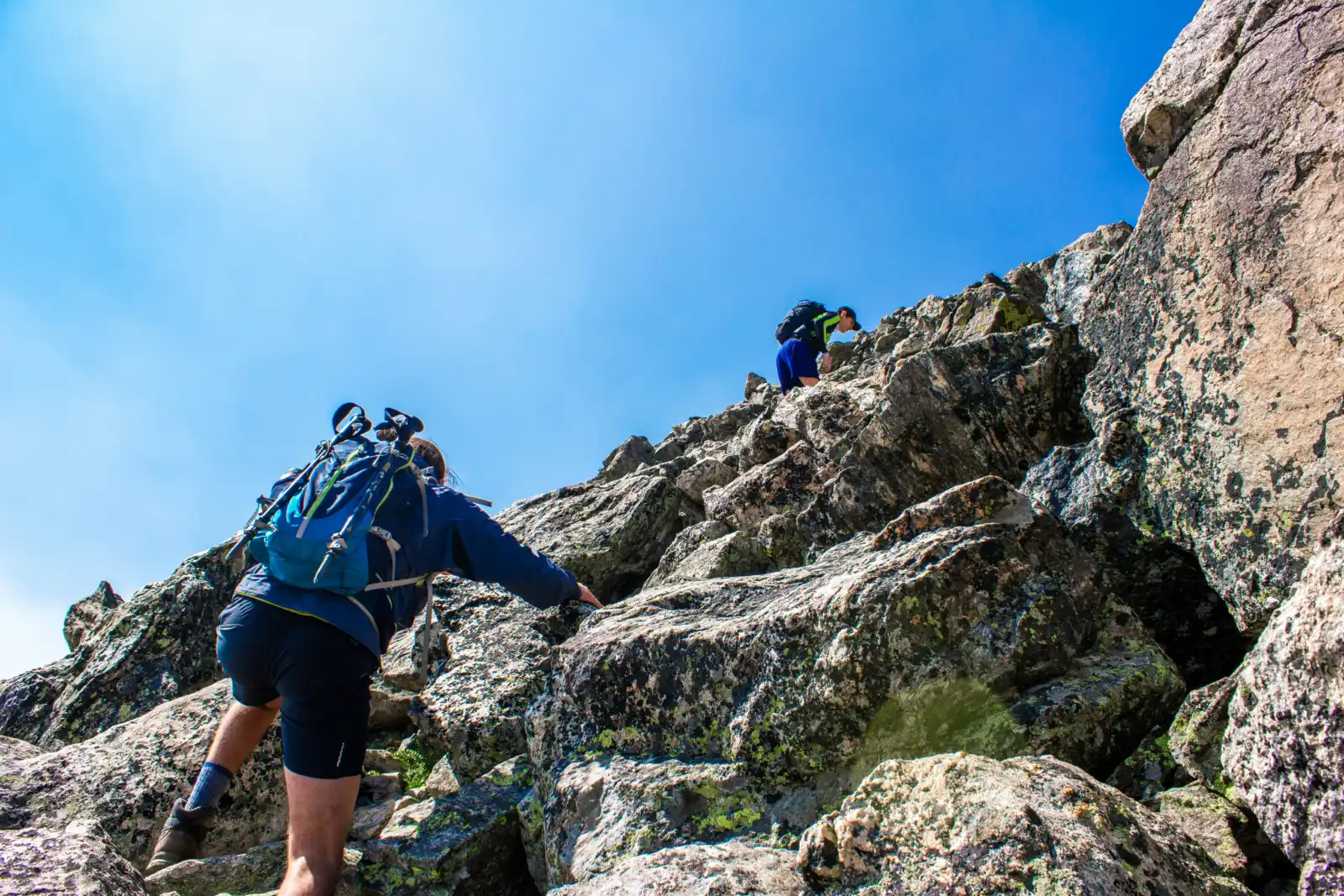
Buying Guide: How to Choose a Hiking First Aid Kit
1. Match it to your trip
Trip length, group size and how far you are from help decide how much you need. A day hike near town and a four-day trip in the backcountry need very different kits.
2. Ignore the piece count
A 500-piece kit is usually 400 tiny bandages. Look for gauze, non-stick pads, tape, blister care, an elastic wrap, gloves and tweezers instead.
3. Look for organization
Labeled pockets by injury, like Adventure Medical Kits uses, help you find things fast when someone is hurt.
4. Check the weight
Under 8 oz is great for day hikes. Around 1 lb is fine for a multi-day kit shared by two people.
5. Think about water
Water-resistant only handles light rain. For wet trips, choose a waterproof inner bag or put your kit in a dry bag.
6. Blister care is a must
Blisters are the most common trail problem. Moleskin or blister pads and good tape should be in every hiking kit.
7. Medications
Many kits include pain relievers and antihistamines. Check dates, and add any personal medicine you need.
8. A first aid guide helps
A small printed guide, like the one in AMK kits, helps when you’re stressed. Training helps even more.
Hiking First Aid Kit Checklist
Whatever kit you buy, make sure these basics are in it:
| Item | Why you need it |
|---|---|
| Adhesive bandages (assorted) | Small cuts and scrapes |
| Moleskin or blister pads | Hot spots and blisters |
| Medical or athletic tape | Holding dressings, taping hot spots |
| Sterile gauze and non-stick pads | Bigger wounds |
| Elastic wrap bandage | Supporting a sprained ankle or knee |
| Antiseptic wipes | Cleaning skin around a wound |
| Antibiotic ointment | Covering small wounds |
| Tweezers or tick remover | Splinters and ticks |
| Nitrile gloves | Protecting you and the injured person |
| Small scissors or shears | Cutting tape, gauze and clothing |
| Pain reliever and antihistamine | Headaches, swelling, allergic reactions |
| Emergency blanket | Keeping an injured person warm |
| Whistle | Calling for help |
| Personal medications | Your own needs, like an inhaler or prescribed epinephrine |
How to Upgrade Any Kit: What to Add
No ready-made kit is perfect. Spend 10 minutes customizing yours:
- Extra blister care. Add more moleskin or blister pads and a roll of good athletic tape.
- A real tick tool if you hike in tick country like the Northeast or Midwest.
- Electrolyte packets for hot desert hikes.
- Your own medicine, plus any prescribed allergy medicine.
- A small headlamp so you can treat injuries after dark.
- A zip bag or small dry bag if your kit isn’t waterproof.
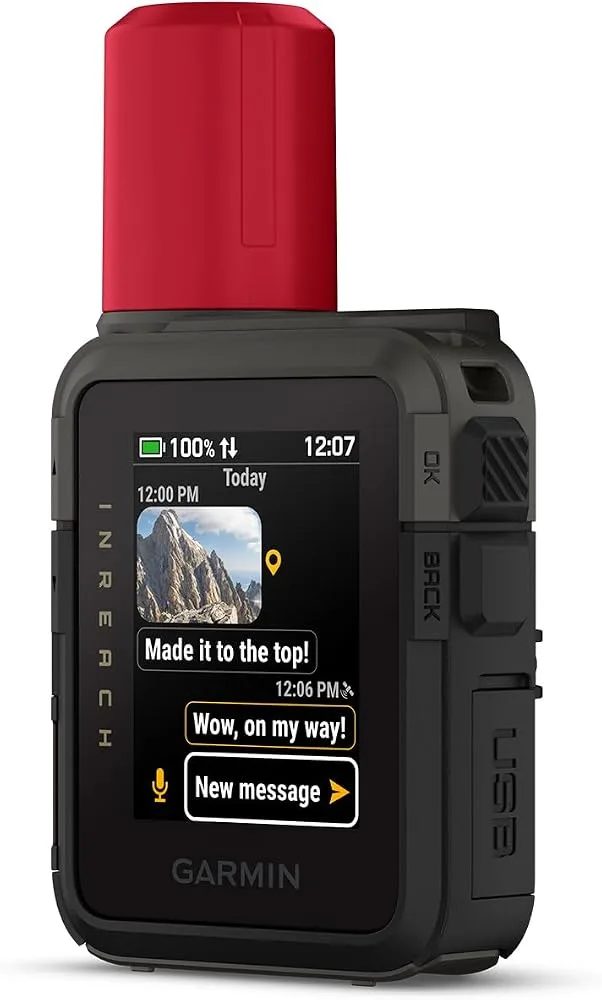
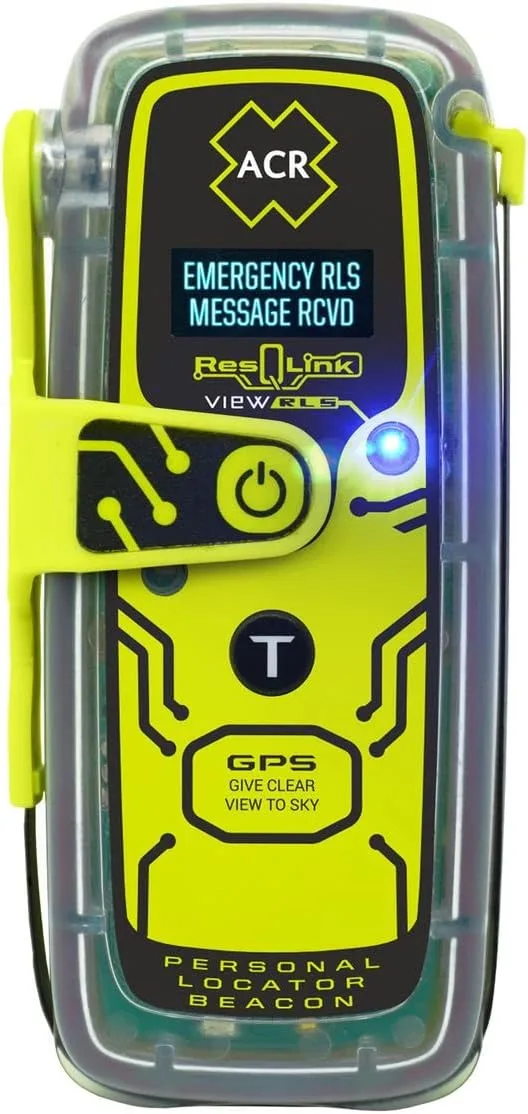
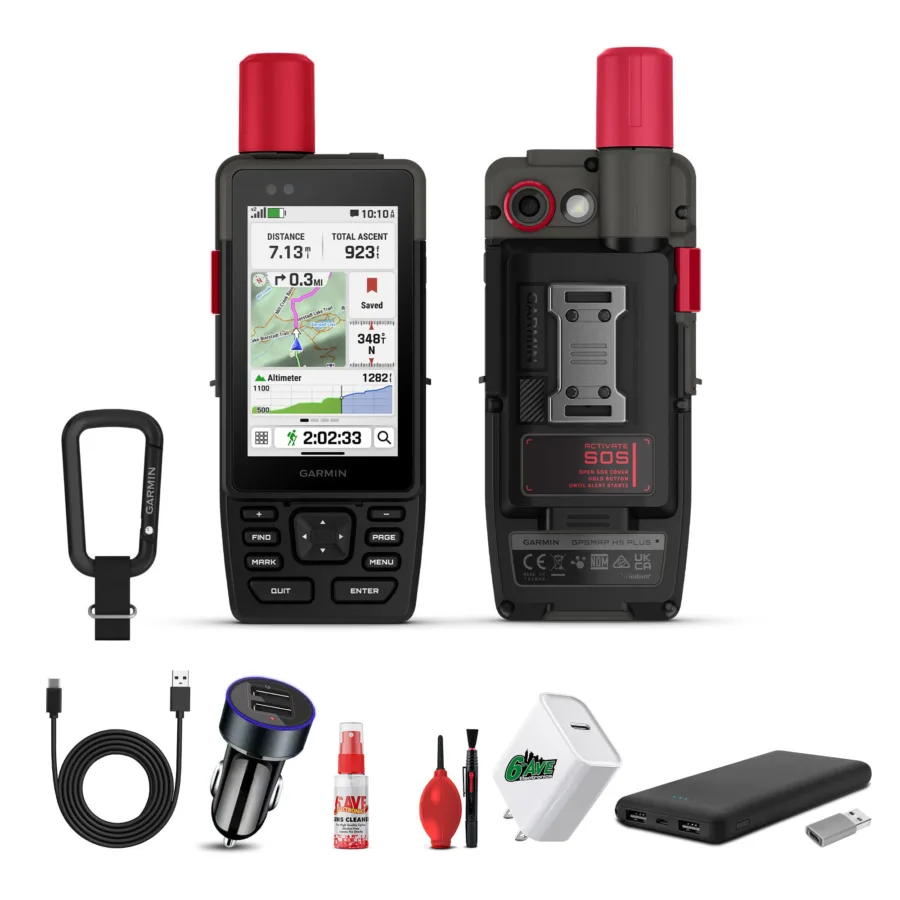
- A way to call for help. On remote trails, carry a satellite communicator or a personal locator beacon.

Quick Guide to Common Trail Injuries
General information only, not medical advice. For anything serious, get help right away.
Blisters
Stop as soon as you feel a hot spot. Clean and dry the skin, then cover it with moleskin, a blister pad or tape. Don’t keep walking on it.
Cuts and scrapes
Rinse with clean water, clean around the wound, apply ointment if you have it, and cover with a bandage or non-stick pad and tape.
Sprained ankle
Rest, wrap it with an elastic bandage for support, and raise it if you can. If you can’t put weight on it, get help.
Ticks
Use fine tweezers or a tick tool to grab the tick close to the skin and pull straight out. Clean the area and watch for a rash or fever later.
Bee stings and bites
Remove a stinger by scraping, clean the area, and use an antihistamine for itching. Signs of a severe allergic reaction need emergency help.
Serious injuries
Bleeding that won’t stop, trouble breathing, head injuries or broken bones are emergencies. Call 911 if you have signal, or use a satellite SOS device.
The single best upgrade isn’t gear. It’s a Wilderness First Aid (WFA) class. Organizations like NOLS and the American Red Cross offer outdoor first aid courses, and most take just a weekend.
How to Care for Your Kit
- Check it before every trip and replace anything you used.
- Look at expiration dates on medications and ointments once or twice a year.
- Replace wet or torn packaging, because sterile items aren’t sterile once they’re opened or soaked.
- Keep it in the same spot in your pack so everyone knows where it is.
- Tell your group where the kit is before you start hiking.
6 Common First Aid Kit Mistakes
- Buying by piece count. More pieces usually just means more tiny bandages.
- Never opening the kit until someone is hurt.
- Forgetting blister care, the problem you’re most likely to have.
- Leaving it in the car because it’s too heavy to carry.
- Ignoring expired medicine and used-up supplies.
- Relying on a kit without training for remote trips.
Frequently Asked Questions
What is the best first aid kit for hiking?
The Adventure Medical Kits Mountain Series Backpacker is our top pick for most hikers. It covers two people for up to four days and is organized by injury. For day hikes, the AMK Hiker is a lighter, cheaper choice.
What is the best lightweight first aid kit for backpacking?
The AMK Ultralight/Watertight .7 weighs about 5.8 oz, has a waterproof inner bag and covers up to three people for up to three days.
What should be in a hiking first aid kit?
Bandages, blister care, tape, gauze and non-stick pads, an elastic wrap, antiseptic wipes, ointment, tweezers, gloves, scissors, basic medications, an emergency blanket and your own medicine.
Are expensive first aid kits worth it?
Often, yes. Kits like the AMK Mountain Series cost more but contain more useful trail supplies, better tools and smart organization. A cheap kit with hundreds of tiny bandages may not help much on a trail.
How many pieces should a hiking first aid kit have?
There’s no magic number. A 70-piece kit with the right items beats a 500-piece kit full of small bandages. Focus on what’s inside.
Do I need a waterproof first aid kit?
If you hike in rain, cross rivers or paddle, yes. Otherwise a water-resistant kit inside a zip bag works fine.
Should I build my own first aid kit?
Many hikers start with a ready-made kit like the AMK Hiker and then add personal items. That gives you a solid, organized base plus what you need.
How much does a hiking first aid kit weigh?
Good day kits weigh about 5–8 oz. Multi-day kits for two people are around 13–16 oz.
How often should I replace my first aid kit?
You rarely need a new kit, just refills. Check it before each trip and replace used, wet or expired items.
Is a first aid kit enough for hiking safety?
No. Also carry navigation, water, food, layers, a headlamp and a way to call for help, and tell someone your plans.
Which first aid kit is best for kids?
The Welly 130-Count is a family favorite for scrapes and small cuts. Add blister care and an elastic wrap for longer family hikes.
Do I need first aid training for hiking?
It’s strongly recommended, especially for remote trips. A weekend Wilderness First Aid course teaches you how to handle injuries far from help.
Shop All First Aid Kits: Tap Any Photo
Every kit and option from this guide in one place. Tap a photo or button to check the current price on Amazon.
Final Verdict: Best First Aid Kit for Hiking
For most hikers, the Adventure Medical Kits Mountain Series Backpacker is the kit to buy. It’s organized, built for real trail injuries and big enough for two people on a long weekend. That’s why it’s worth paying a little more.
Day hikers can save weight and money with the AMK Hiker, and ultralight or wet-weather hikers should grab the AMK Ultralight/Watertight .7. Whatever you choose, add extra blister care, check it before every trip, and consider a weekend first aid course.
Our winner: Check the AMK Mountain Backpacker on AmazonComplete Your Safety Kit: Readers’ Favorite Picks From Our Other Gear Guides
A first aid kit handles injuries. These top picks from our other buying guides help you call for help, find your way and stay dry. Tap a photo to see it on Amazon.
More Hiking Safety & Gear Guides
Editorial and medical disclosure: This guide is based on manufacturer specifications and contents lists, Amazon and REI listings, owner reviews and published hands-on reviews. No field test is claimed. It’s general information, not medical advice. A first aid kit is not a substitute for training or emergency care; in an emergency, call 911 or use your SOS device.
3 thoughts on “12 Best First Aid Kits for Hiking (2026): Adventure Medical Kits, Waterproof & Family Kits Compared”