
Rain on a tent can be one of the best sounds in camping. Or it can be the start of a long, cold, soggy night. What makes the difference usually isn’t luck or expensive gear. It’s a handful of simple decisions you make before the first drop falls.
Pick the wrong spot and water pools under your tent. Pack your sleeping bag loose and it gets damp. Let wet jackets into the tent and the whole inside turns clammy. Get those few things right, though, and camping in the rain can be cozy, quiet and even fun.
This guide walks you through the whole trip: before you go, choosing a campsite, pitching your tent in the rain, staying dry and warm overnight, cooking, car camping, thunderstorms, and packing up wet. There’s also a checklist you can use before your next trip.
Affiliate disclosure: As an Amazon Associate, JoinHikes earns from qualifying purchases. A few product links below are affiliate links, at no extra cost to you. This guide is based on outdoor-industry advice (including REI), National Weather Service safety guidance, Leave No Trace principles and common camping experience. No product testing is claimed.
Quick Answer: How Do You Stay Dry Camping in the Rain?
Pick higher, well-drained ground, pitch your tent with a tight rainfly and a footprint tucked under the floor, and string a tarp so you have a dry place to cook and hang out. Keep your sleeping bag and sleep clothes in dry bags, leave wet gear in the vestibule, open the vents to cut condensation, and wear synthetic or wool layers under a rain jacket. If thunderstorms, flash floods or strong winds are forecast, change your plans.
- Check the forecast for your exact campsite.
- Camp on higher ground, never in a dip or dry creek bed.
- Pitch a tarp first, then the tent underneath or beside it.
- Keep sleeping gear in dry bags; wet gear stays outside the sleeping area.
- Vent the tent and change into dry clothes before bed.
- Head to a car or building if you hear thunder.

Key Takeaways
- Your campsite matters more than your gear. High, well-drained ground beats an expensive tent in a puddle.
- A tarp is the best upgrade for rainy camping. It gives you a dry “living room” outside the tent.
- Protect three things at all costs: your sleeping bag, your sleep clothes and your spare socks.
- Not every drop inside is a leak. Most of it is condensation, so keep vents open.
- Rain is fine; lightning, floods and high wind are not. Know when to leave.
Is Camping in the Rain a Good Idea?
Usually, yes. Light or steady rain is very manageable with the right setup, and campgrounds are often quieter and greener on wet weekends. But rain comes in different flavors, and some of them mean you should change your plans.
| Forecast | What to do |
|---|---|
| Light rain or drizzle, mild temperatures | Go. Bring a tarp and good rain gear. |
| Steady rain all weekend | Go if you’re prepared, but pick a well-drained site and plan indoor-ish activities. |
| Cold rain near freezing | Only if you have warm, dry layers and a good sleeping system. Hypothermia risk is real. |
| Strong winds or gusts | Avoid sites under trees; consider postponing. Tents and tarps can fail in high wind. |
| Thunderstorms | Have a plan to get to a car or building. A tent gives no lightning protection. |
| Flash flood watch or warning | Don’t camp near rivers, washes or canyon bottoms. Postpone or move to high ground. |
Before You Go: How to Prepare for a Rainy Camping Trip
- Check the forecast for your actual campsite, not the nearest city. Look at timing, amount, wind, overnight low, and thunderstorm or flood alerts. Mountains can be very different from the valley.
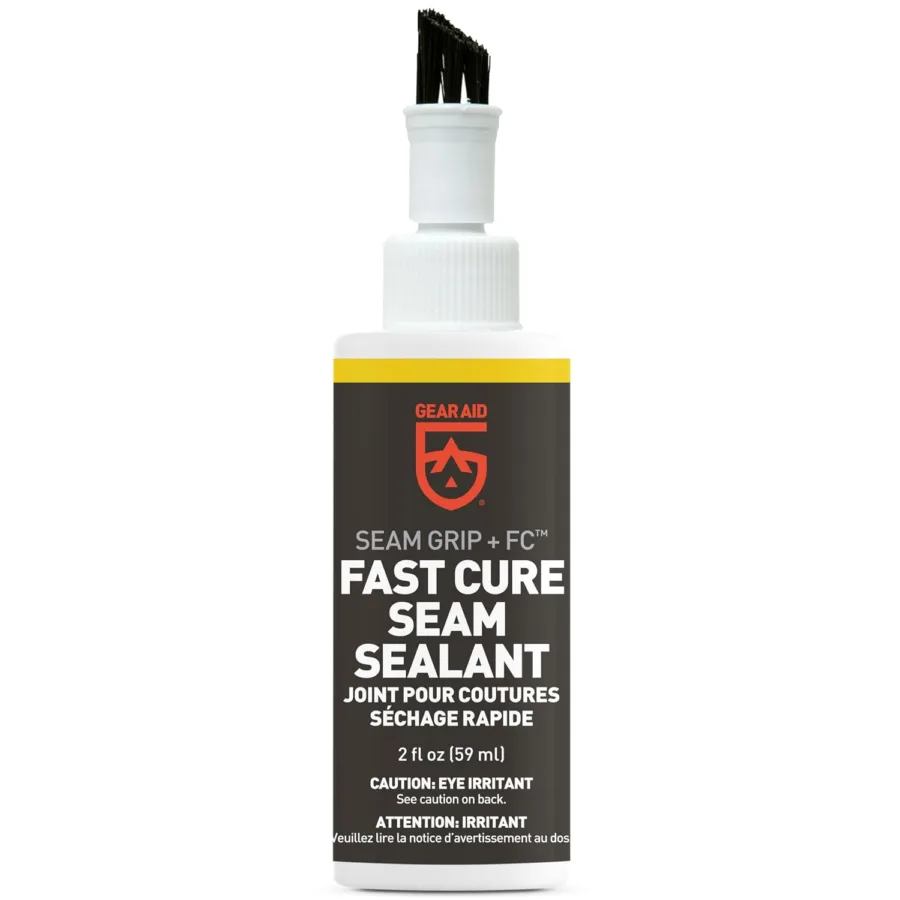
- Test your tent at home. Pitch it in the yard and spray it with a hose. If seams leak or the fly soaks through, fix it first: see our guide on how to waterproof a tent.
- Practice pitching until you can do it fast, ideally in under 10 minutes.
- Line your pack with a heavy trash-compactor bag or pack liner, and use dry bags for your sleeping bag and clothes.
- Swap cotton for synthetic or wool. Cotton stays wet and stops keeping you warm.
- Pack a tarp, extra cord and spare stakes.
- Bring dry fire starters and kindling in a sealed bag if fires are allowed.
- Save offline maps and the campground’s phone number, and tell someone your plans.
15 Essential Tips for Camping in the Rain
1Choose a Campsite That Won’t Flood
This one decision matters more than any piece of gear. Water always runs downhill and collects in low spots, so you want to be slightly above everything around you.
- Look for slightly raised, level ground with soil, gravel or pine needles that drain fast. A campground tent pad is usually built for this.
- Avoid dips, valley bottoms, dry creek beds, washes and the base of slopes.
- Look up. Never pitch under dead branches or leaning trees; wet, heavy branches fall in wind.
- Stay at least 200 feet from lakes and streams in the backcountry, following Leave No Trace guidance.
- Don’t dig trenches around your tent. It damages the site and rarely works as well as simply choosing better ground.
2Set Up a Tarp First
If it’s already raining when you arrive, put up the tarp before anything else. Then you can pitch your tent, unpack and organize underneath it without everything getting soaked. It also becomes your outdoor living room for the rest of the trip. (See the tarp setups below.)

3Pitch Your Tent Fast and Tight
Get the tent up quickly, keep the inner tent as dry as possible, and pull the rainfly tight so it doesn’t touch the inner walls. Step-by-step instructions are in How to pitch a tent in the rain.
4Tuck Your Footprint Under the Tent
A footprint protects your floor from mud and sharp stones. But if it sticks out past the tent floor, it catches rain and channels it right under you. Fold any extra edge underneath so it’s completely hidden. Our best tent footprints guide shows how to pick the right size.
5Stake Out Every Guyline
Guylines pull the rainfly away from the inner tent and keep it stable in wind. Stake out all of them, and re-tighten before bed, because nylon stretches when it gets wet. On hard or rocky ground, strong heavy duty tent stakes hold far better than the thin ones that come with most tents.
6Create a Wet Zone and a Dry Zone
Decide where wet things live, and stick to it. Muddy boots, rain jackets and wet packs stay in the vestibule (or the car). Sleeping bags, pillows, electronics and dry clothes stay inside, away from the walls. Take your rain jacket off under the vestibule or tarp, not inside the tent.

7Keep Your Sleeping Bag and Sleep Clothes Bone Dry
- Pack your sleeping bag in a waterproof stuff sack or dry bag, inside a lined pack.
- Keep one complete set of dry sleep clothes, including socks, that you only wear in the tent.
- Change into them as soon as you’re inside for the night.
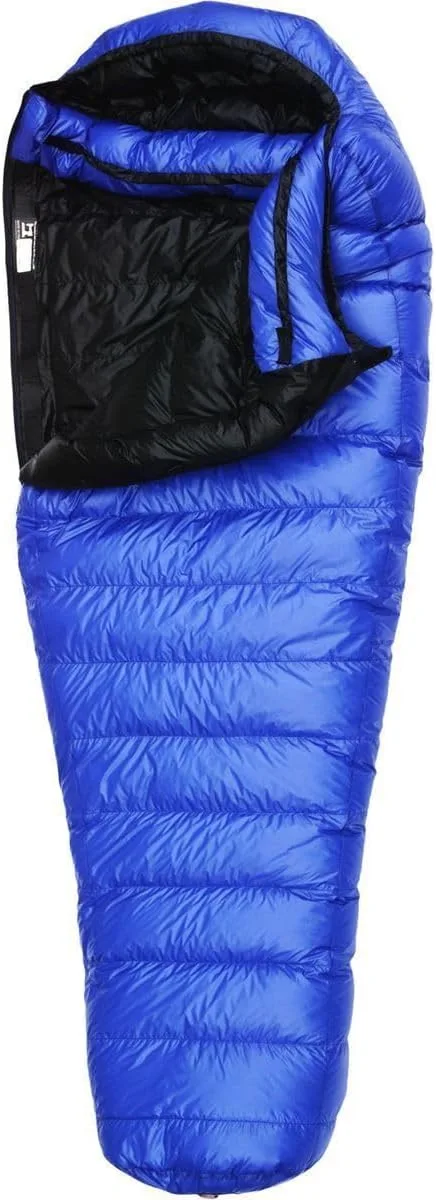
- In very wet places, a synthetic sleeping bag keeps more warmth when damp than down. Our sleeping bag guide explains the trade-offs.
8Dress in Layers That Work When Wet
Wear a synthetic or merino wool base layer, an insulating layer like fleece or a synthetic puffy, and a waterproof rain jacket and rain pants on top. Skip cotton jeans and hoodies; once wet, they stay wet and cold. Pack more socks than you think you need.
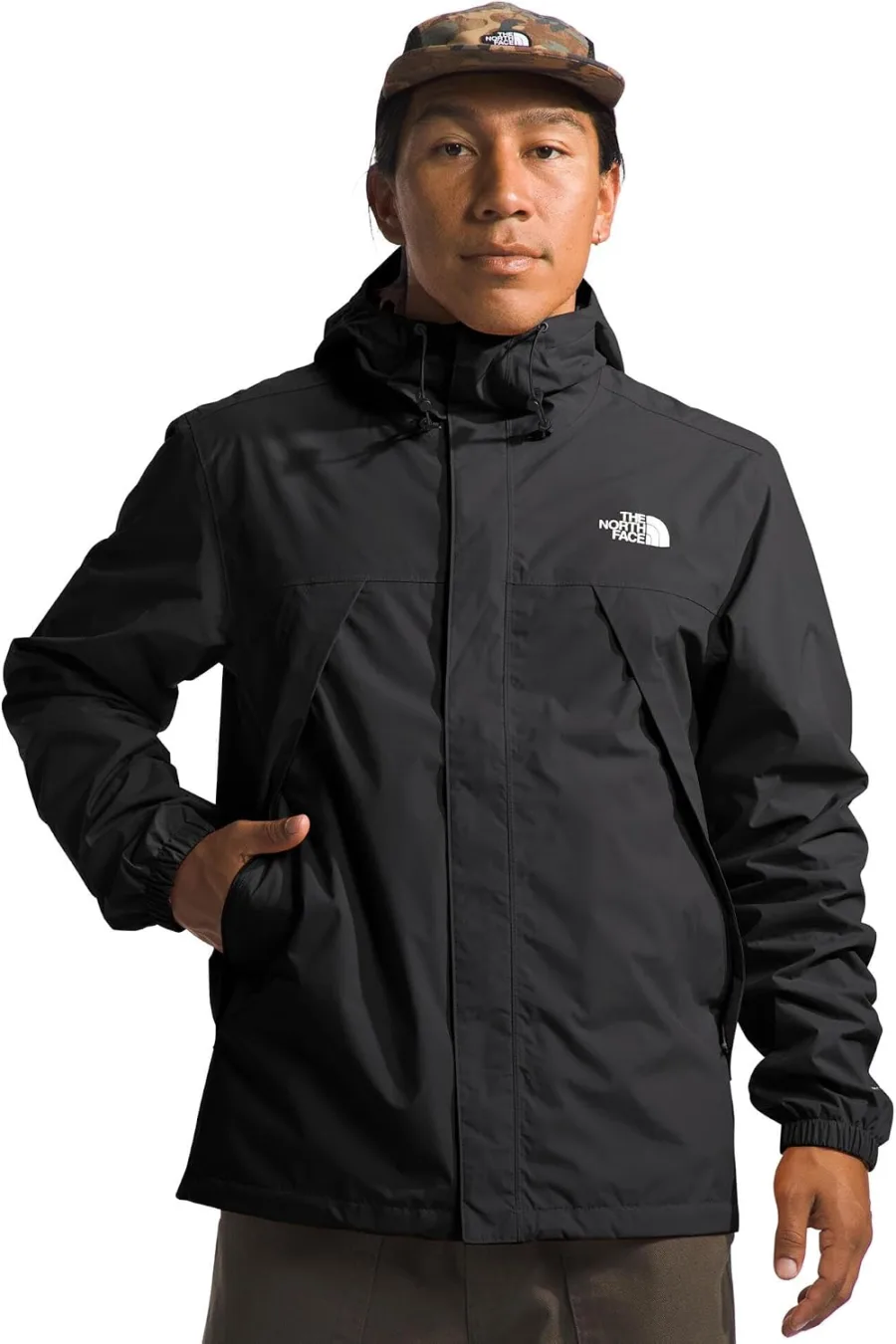
Open your jacket’s pit zips or vents when you’re moving so you don’t soak yourself with sweat. See our waterproof hiking jackets, rain pants and hiking ponchos guides.

9Fight Condensation With Airflow
On rainy nights, a lot of the water inside your tent isn’t rain at all. It’s your own breath condensing on the cold fabric. Open the hooded vents, keep the fly tight so it doesn’t touch the inner tent, and keep wet gear out. A small pack towel wipes the walls in the morning. Our full guide on how to prevent condensation in a tent explains more.
10Bring Light, and Plenty of It
Rainy days get dark early. A lightweight headlamp for everyone, spare batteries or a power bank, and a lantern under the tarp make camp far more pleasant and safer. String lights under the tarp are a cheap morale boost.
11Keep Food Dry and Meals Simple
Pack food in sealed containers or zip bags. Plan easy, warm meals: one-pot pasta, soup, chili, oatmeal and hot drinks. A hot meal and a hot drink do more for morale on a wet evening than almost anything else. Store food according to local wildlife rules, never in your sleeping tent.
12Stay Warm Before You Get Cold
Wet and wind can make 55°F (13°C) feel much colder. Eat regularly, drink warm fluids, put on your warm layer before you start shivering, and change out of damp clothes as soon as you stop moving. More tricks in How to stay warm.
13Use Your Car as a Dry Locker
If you’re car camping, your vehicle is your best friend. Keep spare clothes, towels and dry bins there, and use it as a warm, dry place to wait out a heavy shower. See car camping in the rain for more.
14Plan Rainy-Day Fun
Some of the best camping memories happen under a tarp. Bring a deck of cards, a small board game, a book, a journal or downloaded movies. With kids, pack a few rain-friendly games and let them splash in rain gear (away from thunder). Puddle walks, spotting mushrooms and listening to the rain are part of the fun.
15Dry Everything When You Get Home
Even a tent that looks dry has moisture hiding in the seams and folds. Set it up or hang it to dry within a day or two, along with the footprint, sleeping bags and boots. Packing gear away damp leads to mildew, smells and a peeling waterproof coating.
How to Pitch a Tent in the Rain (Step by Step)
- Arrive prepared. Pack the tent so the fly or footprint comes out first, and keep the inner tent in its bag until the last moment.
- Put up your tarp over the tent spot if you can, so you’re pitching in the dry.
- Lay the footprint and tuck in any edges that would stick out.
- Pitch fly-first if your tent allows it. Some tents let you set up the fly and poles first, then clip the inner tent in underneath. Check your manual.
- If it’s a standard tent, pitch the inner as fast as you can and throw the fly on straight away.
- Tension the fly and guylines so water runs off and the fly doesn’t touch the inner.
- Wipe up any water inside with a pack towel before you bring in your sleeping gear.
- Move in from the vestibule, taking off wet layers there first.
Wind and rain together? Pitch with the narrow end or the back of the tent facing the wind, and stake the windward side first so it can’t blow away while you work.
Best Tarp Setups for Rain
A-frame
Tie a ridgeline between two trees and drape the tarp over it like a roof, staking both sides down at an angle. The classic rain shelter: sheds water well and covers a cooking or sitting area.
Lean-to
Tie one long edge high and stake the other low, with the low side facing the wind. Great for blocking blowing rain while you sit underneath.
Over the tent
Pitch the tarp high above the tent so air can still flow underneath. It catches the worst of the rain and gives a dry entry.
With poles
No trees? Adjustable tarp poles or trekking poles plus guylines let you pitch a tarp almost anywhere at a car campsite.
- Always give it slope. A flat tarp collects water and sags. One corner lower than the others makes water run off in one place.
- Add drip lines: tie a short piece of cord around your ridgeline near each tree so water drips off there instead of running along the line onto you.
- Re-tighten often. Wet nylon and cord stretch.
- Size matters. Bigger tarps (around 10 x 10 ft or more) give a group room to cook and sit.
How to Stay Warm and Dry at Night
- Change into dry sleep clothes the moment you’re in for the night.
- Use an insulated sleeping pad. Cold, wet ground pulls heat out of you fast. Our sleeping pad R-value guide shows how much you need, and a camping cot lifts you off a soggy floor at car campsites.
- Make a hot water bottle. Fill a hard, leak-proof bottle with hot (not boiling) water, close it tightly, put it in a sock and tuck it into your sleeping bag.
- Dry small items overnight. Slightly damp socks or a base layer tucked inside your sleeping bag (not soaking wet) can dry from body heat by morning.
- Warm tomorrow’s clothes. Put the next day’s layers in the foot of your bag so they’re not cold in the morning.
- Eat a snack before bed and keep one nearby. Your body makes heat digesting food.
- Use hand or toe warmers on very cold, wet nights.
Watch for hypothermia: uncontrollable shivering, confusion, clumsiness, slurred speech or unusual tiredness are warning signs. Get the person into dry clothes and insulation, give warm sweet drinks if they’re alert, and get help if symptoms are serious.
Cooking and Campfires in the Rain
- Cook under a tarp, outside the tent. Keep the stove in the open air with plenty of ventilation and well away from tarp fabric.
- Never cook or run a heater inside a tent, vestibule or car. Fuel stoves, grills and heaters can cause fires and deadly carbon monoxide build-up.
- Keep fuel and lighters dry. Pack a backup lighter and waterproof matches.
- Want a fire? Bring dry kindling and fire starters from home in a sealed bag, use the campground fire ring, and split wet wood to get to the dry center. Only build a fire where it’s allowed and safe, and never under a low tarp.
Car Camping in the Rain

- Park on firm ground in a permitted spot, away from low areas that could flood or get muddy enough to trap your car.
- Pack in bins so you can grab what you need without emptying the trunk in the rain.
- Keep a “dry kit” in the car: spare clothes, towels, socks and shoes.
- Use the car as a refuge during heavy rain or thunder, but never run the engine for heat while sleeping or in an enclosed space.
- Sleeping in the car? Crack the windows a little for ventilation; condensation builds up fast.
| Factor | Car camping | Backpacking |
|---|---|---|
| Dry storage | Car, bins | Pack liner and dry bags only |
| Spare clothes | Plenty | One dry set, guarded carefully |
| Shelter options | Big tarp, canopy, car | Tent and a light tarp |
| Escape plan | Drive out | Walk out, so plan routes |
| Main challenge | Keeping camp organized | Keeping the sleep system dry |
Backpacking, Hammock and Solo Camping in the Rain
Backpacking
Line your pack, keep your sleep kit in dry bags, and pack the wet rainfly separately from the dry inner tent. Hike in your rain shell but don’t overheat.
Hammock camping
Use a tarp longer than your hammock, tie drip lines on the straps, and keep an underquilt dry. See our best camping hammock guide.
Solo camping
Share your location and return time, pick a tent you can pitch alone, and carry backup light and a way to call for help, like a satellite messenger.
With kids and dogs
Full rain suits for kids, an old towel for the dog, and a designated “muddy paws” spot in the vestibule keep the tent clean.
Thunderstorms, Flash Floods and Heavy Rain: When to Leave
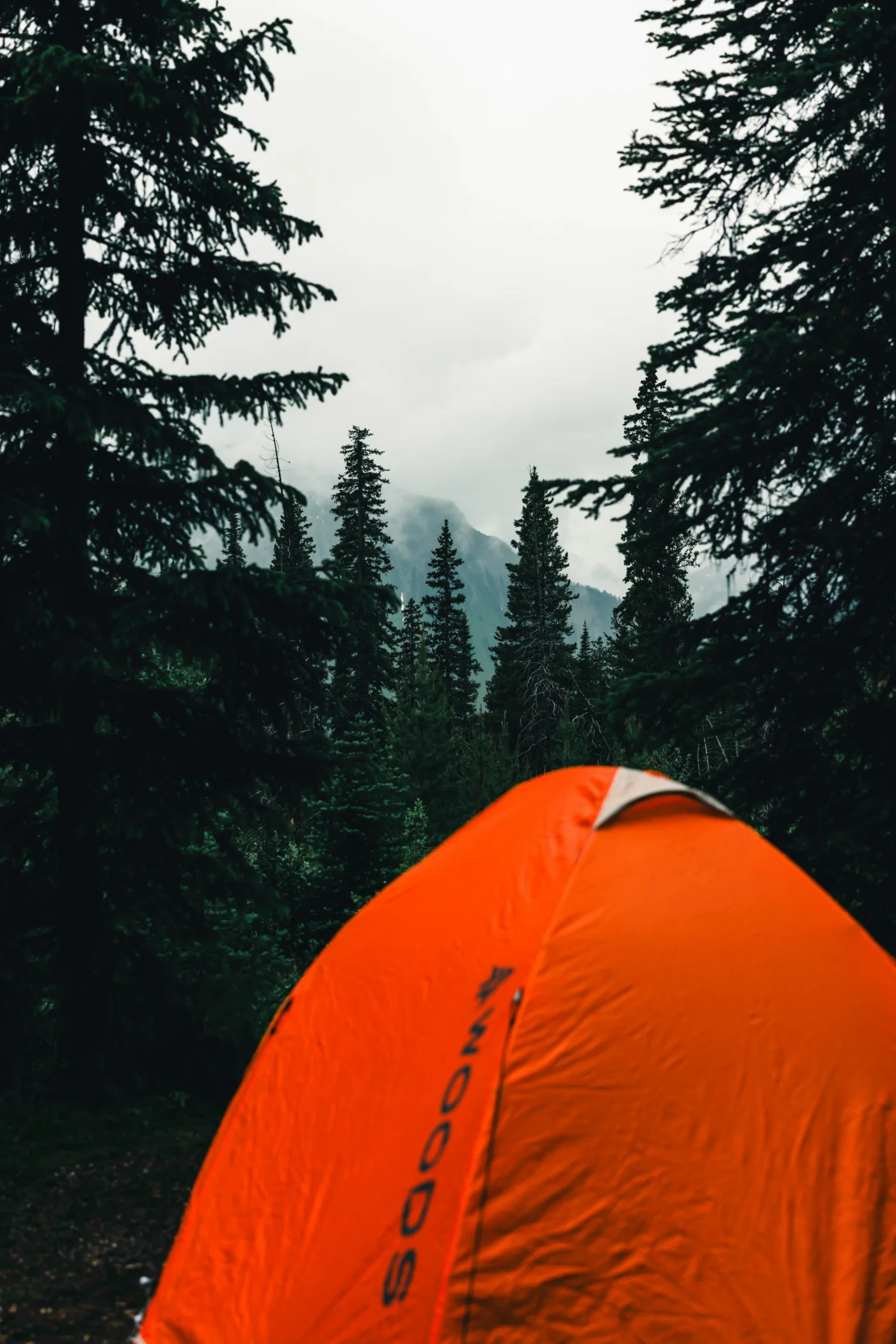
- Lightning: a tent offers no protection. If you hear thunder, get into a hard-topped vehicle or a substantial building. The National Weather Service advises waiting 30 minutes after the last thunder before going back outside.
- No car or building nearby? Avoid peaks, ridges, open fields, isolated tall trees and water. Keep moving toward lower, safer ground.
- Flash floods: if water is rising around camp or running through it, move to higher ground right away. Leave gear if you must.
- Never drive or walk through flooded roads or streams. Water depth and currents are very hard to judge.
- High winds: watch for falling branches, and drop tarps that are catching too much wind.
- Keep essentials packed in heavy weather so you can leave quickly.
Get alerts: turn on emergency alerts on your phone, or carry a NOAA weather radio where there’s no signal. Our emergency radio guide covers good options.
How to Pack Up a Wet Tent
- Pack everything else first, while the tent is still standing as a dry room.
- Take down the inner tent from under the fly if your tent allows it, and keep it separate.
- Shake off the rainfly and wipe off the worst of the water.
- Pack the wet fly and footprint in their own bag or a trash bag, away from the dry inner tent and sleeping gear.
- Dry everything at home within a day or two.
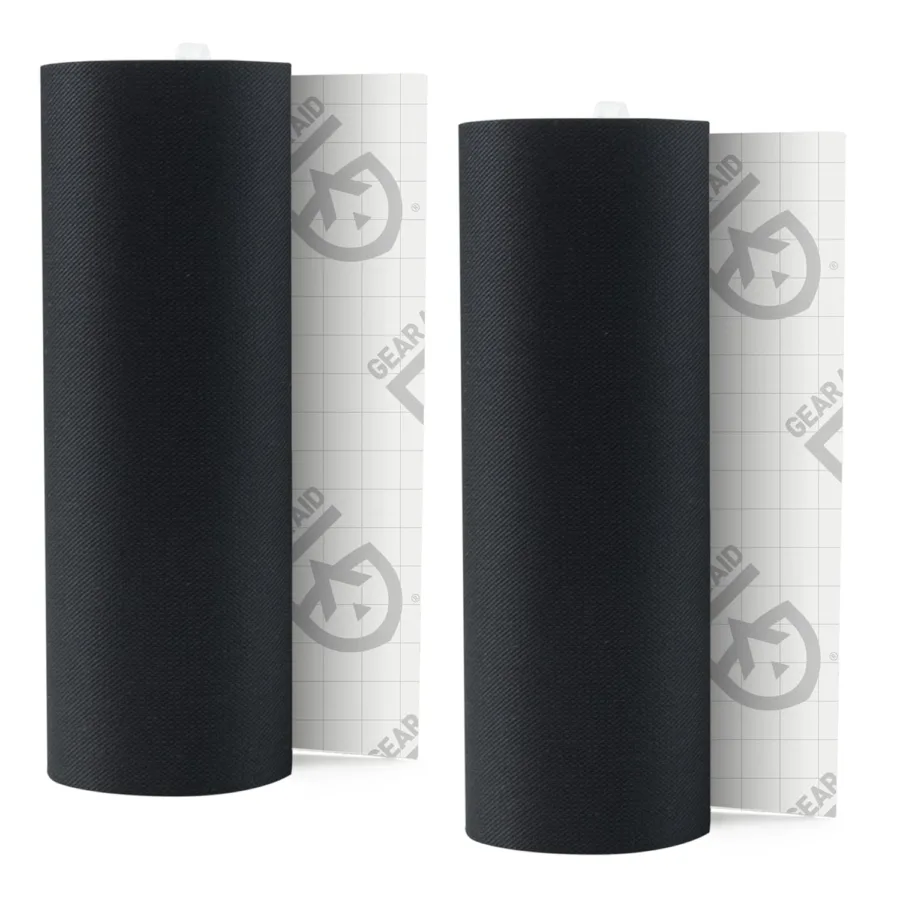
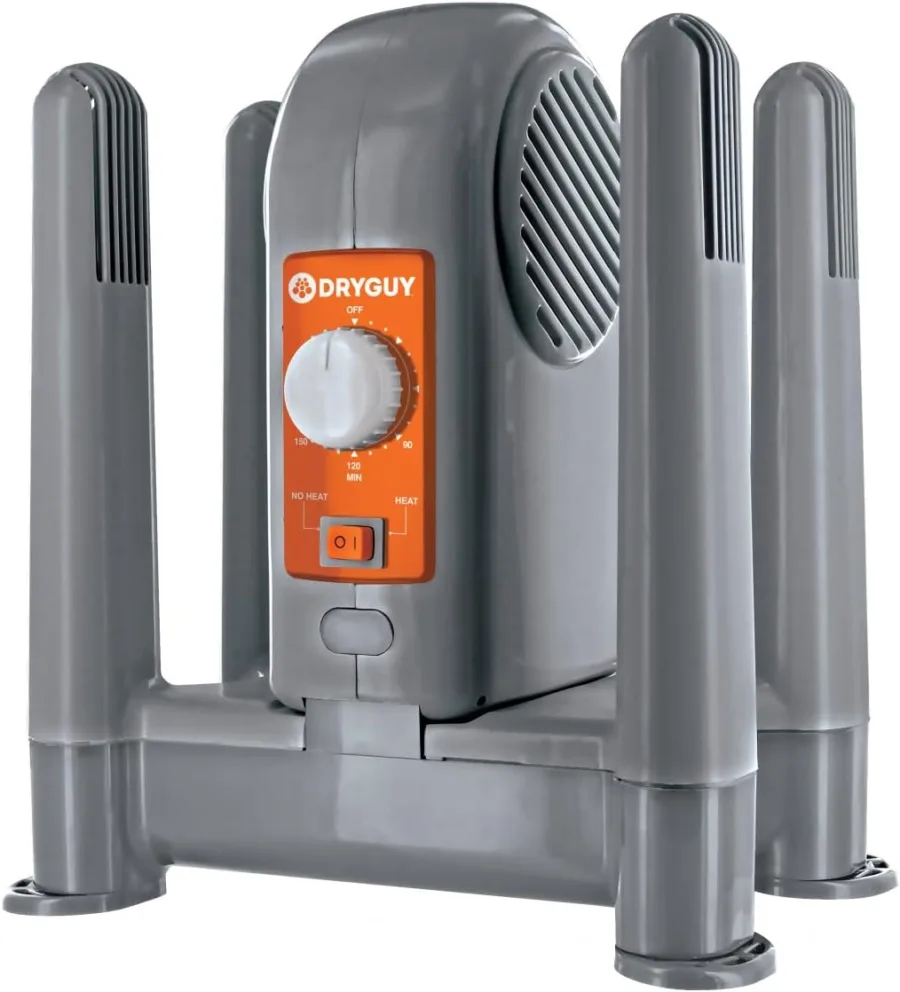
When it’s dry, check the seams and coating. If you find a leak or tear, our tent repair kits guide and waterproofing guide show how to fix it before your next trip. A boot dryer gets soaked boots ready again overnight.
What Makes a Good Tent for Camping in the Rain?
| Feature | Why it matters |
|---|---|
| Full-coverage rainfly | Covers walls and doors, not just the roof |
| Bathtub floor | Floor fabric runs a few inches up the walls, so splashes and puddles stay out |
| Taped or sealed seams | Stops water creeping in along stitching |
| Vestibules | Dry space for boots and wet gear |
| Good vents | Less condensation |
| Strong poles and guy points | Stays stable in wind and rain |
| Fly-first pitching | Lets you keep the inner tent dry while setting up |
| Room to spare | Keeps sleeping bags off wet walls |
An expensive tent won’t save you from a bad campsite, and a well-pitched mid-range tent on good ground handles most rain just fine. For ultralight options, see our best ultralight backpacking tents.
Rain Camping Gear That Makes the Biggest Difference
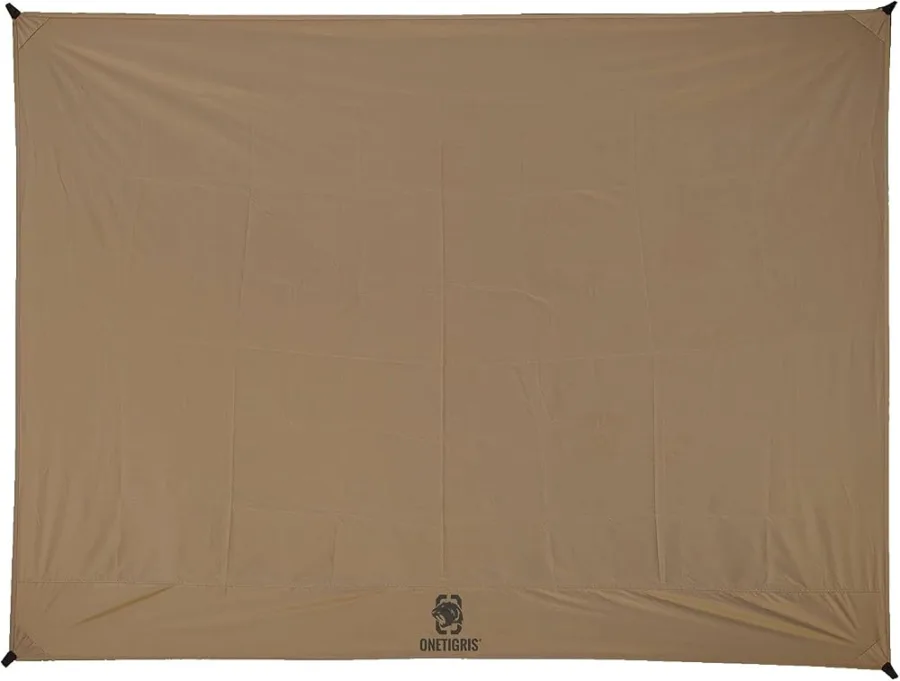
Popular picks from our gear guides. Tap a photo to check today’s price.

Camping in the Rain Packing Checklist
Shelter
- Seam-sealed tent + rainfly
- Footprint (smaller than floor)
- Tarp (10 x 10 ft or larger)
- Extra cord and guylines
- Spare heavy-duty stakes
- Pack towel for wiping walls
Clothing
- Rain jacket
- Rain pants
- Synthetic or wool base layers
- Fleece or synthetic puffy
- Extra socks (lots)
- Dry sleep clothes in a dry bag
- Waterproof boots or camp shoes
Sleeping
- Sleeping bag in a dry bag
- Insulated sleeping pad
- Hard water bottle for hot water
- Hand warmers
Camp & safety
- Headlamps + spare batteries
- Lantern
- Stove, fuel, backup lighter
- Dry fire starters
- Trash bags and zip bags
- First-aid kit
- Phone in a waterproof case
- Offline maps, weather alerts
- Cards, book or games
Car camping? Add waterproof bins, extra towels, a second pair of shoes and a full change of clothes kept in the car. A first-aid kit and waterproof bags are worth carrying on every trip.
Common Mistakes When Camping in the Rain
- Pitching in a low spot because it looks flat.
- Letting the footprint stick out past the tent floor.
- Closing every vent and then blaming the tent for “leaking.”
- Bringing wet gear into the sleeping area.
- Wearing cotton.
- Packing the sleeping bag without a dry bag.
- Cooking in the tent or vestibule.
- Ignoring thunder or flood alerts.
- Storing the tent wet after the trip.
Frequently Asked Questions
Is it safe to camp in the rain?
Yes, light to moderate rain is safe with the right gear and a well-drained campsite. Thunderstorms, flash floods, very strong winds and cold rain near freezing need a different plan or a postponed trip.
How do you keep a tent dry in the rain?
Pitch on higher, well-drained ground, keep the footprint tucked under the floor, pull the rainfly tight with every guyline staked out, keep wet gear in the vestibule and open the vents to reduce condensation.
Should you put a tarp under or over your tent?
Both can help. A tarp or footprint under the tent protects the floor, but it must be smaller than the floor. A tarp over the tent, pitched high with a slope, keeps rain off and gives you a dry area.
Can you camp in a tent during heavy rain?
A good, well-pitched tent can handle heavy rain. The bigger risks are flooding, falling branches, wind and lightning, so watch alerts and be ready to move.
What should I do if my tent starts leaking?
Find where the water comes in, move sleeping gear away from it, and wipe it up. Tighten the fly, tuck in the footprint, and patch holes with repair tape. If you can’t stay dry, move to your car or a shelter, and fix the tent at home.
Why is my tent wet inside when it isn’t leaking?
That’s usually condensation from your breath. Open the vents, keep the fly off the inner tent and keep wet gear outside.
How do you stay warm camping in the rain?
Stay dry first: synthetic or wool layers, a rain shell, and a change into dry sleep clothes at night. Use an insulated pad, a warm sleeping bag, a hot water bottle and eat a snack before bed.
Is a tent safe in a thunderstorm?
No. A tent offers no protection from lightning. Go to a hard-topped car or a substantial building, and wait 30 minutes after the last thunder before going back out.
How do you set up a tent in the rain?
Put up a tarp first if you can, lay the footprint, pitch fly-first if your tent allows it, or pitch the inner fast and get the fly on immediately. Tension everything and wipe the floor before moving in.
What do you do when camping in the rain?
Hang out under a tarp with cards, games, books, hot drinks and good food. Go for short walks in rain gear when there’s no thunder.
Can you have a campfire in the rain?
Often, yes, if fires are allowed. Bring dry kindling and fire starters, use an established fire ring and split wet wood to reach the dry inside. Never build a fire under a low tarp.
Is car camping better in the rain?
It’s easier, because you can store dry clothes and gear in the car and use it as a shelter. It doesn’t protect you from flooding or unsafe parking spots, though.
How do you pack up a wet tent?
Pack everything else first, keep the wet fly separate from the dry inner tent, and dry everything fully at home within a day or two.
How do you dry a tent after camping in the rain?
Set it up in the yard or hang it in a garage or over a shower rail, open all doors and vents, and let every part dry completely before storage.
What are the most important items for camping in the rain?
A reliable waterproof tent with a full rainfly, a tarp, a rain jacket and pants, dry bags for your sleeping gear, extra socks and a headlamp.
Should you cancel a camping trip because of rain?
Not for ordinary rain. Do cancel or change plans for severe thunderstorms, flash flood warnings, damaging winds or cold rain you’re not equipped for.
Final Thoughts: Rain Doesn’t Have to Ruin the Trip
Camping in the rain gets much easier once you plan for water instead of hoping it won’t come. Pick high, well-drained ground, put up a tarp, pitch the tent tight, keep your sleep kit bone dry, and know when the weather is too dangerous.
Do that, and a wet weekend can turn into one of your favorite trips: the sound of rain on the tarp, a hot drink in your hands, and everyone warm and dry.
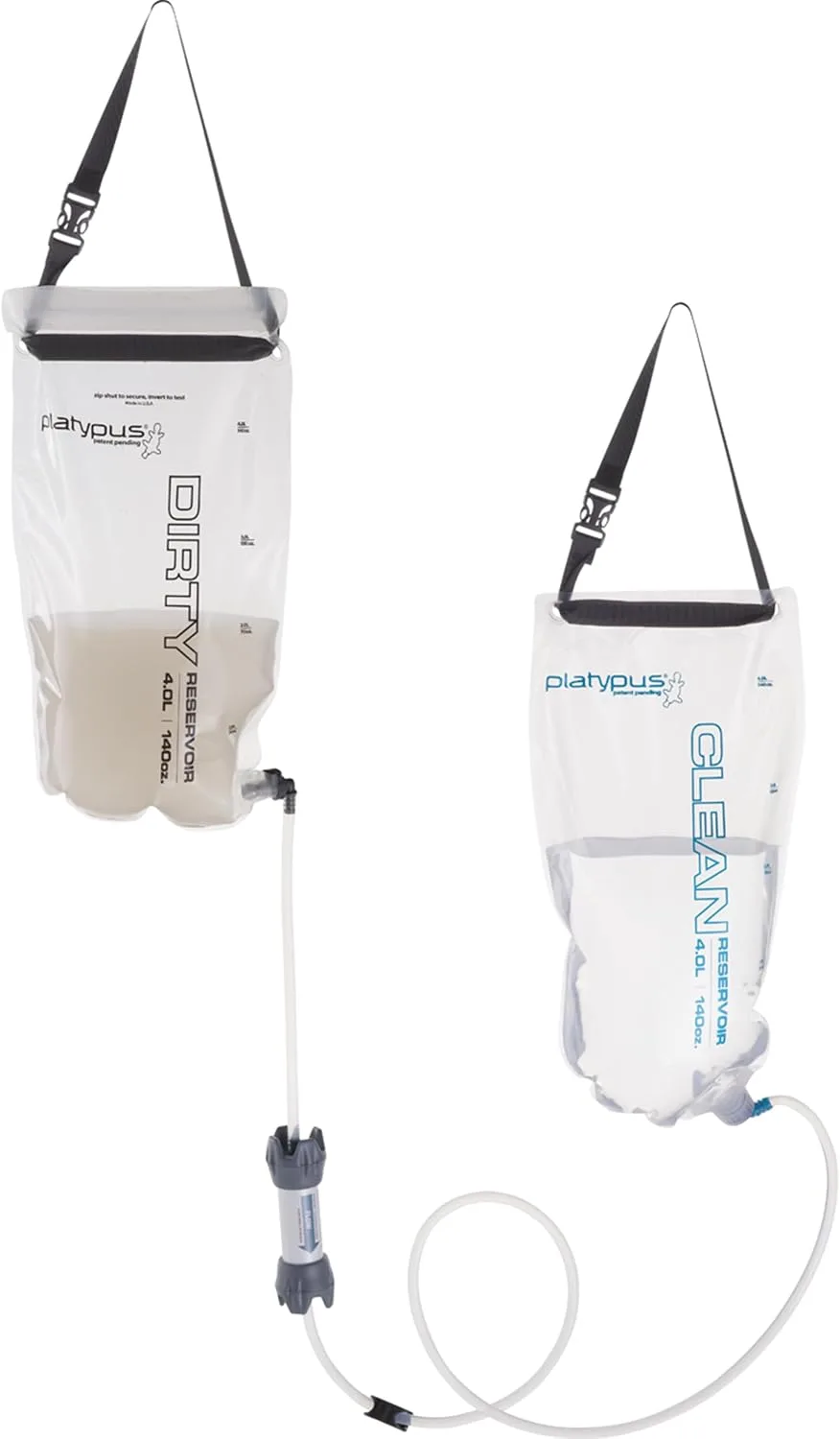
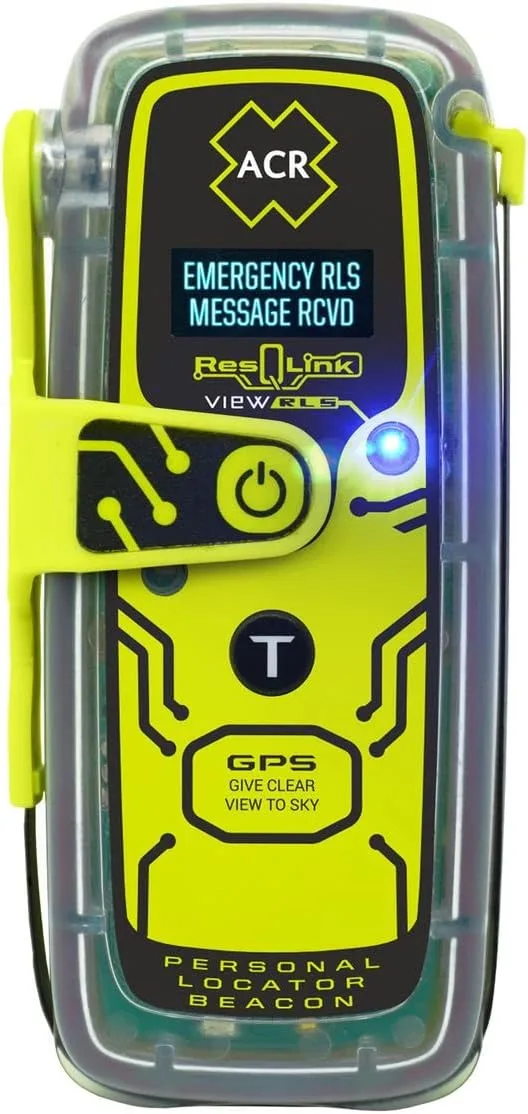
Readers’ Favorite Picks From Our Gear Guides
One top pick from each of our buying guides. Tap a photo to see it on Amazon.


More Wet-Weather Camping Guides
Sources: general guidance from REI, National Weather Service lightning safety, and Leave No Trace. Always follow local rules, campground guidance and official weather warnings.
10 thoughts on “Camping in the Rain: 15 Essential Tips to Stay Dry, Warm & Safe (2026)”