
You told your family you’d text them from camp tonight. Then the trail drops into a canyon, the last bar of signal disappears, and your phone becomes a camera with a flashlight. If plans change, or something goes wrong, nobody back home will know.
A satellite communicator fixes that. It talks to satellites instead of cell towers, so you can send texts, share your location, check the weather and, in an emergency, press SOS and reach a 24/7 rescue center from almost anywhere in the US backcountry.
The hard part is choosing. Garmin alone now sells the inReach Mini 3 Plus, Messenger Plus, Mini 2 and Messenger, and they all need a monthly plan. ZOLEO, ACR and SPOT do things differently again. In this guide we compare 8 satellite communicators for hiking side by side, explain the subscription costs in plain English, and tell you which one is worth paying more for and which one you can skip.
Affiliate disclosure: As an Amazon Associate, JoinHikes earns from qualifying purchases. If you buy through Amazon links in this article, we may earn a commission at no extra cost to you. It never changes which device we rank first.
How we researched this: We compared manufacturer specs and plan pages from Garmin, ZOLEO, ACR and SPOT, current Amazon listings, long-term owner reviews and published hands-on reviews. We haven’t field-tested these devices ourselves and we never make up test results. Prices and plans were checked on November 8, 2026 and change often.
Quick Answer: What Is the Best Satellite Communicator for Hiking?
The Garmin inReach Mini 3 Plus is the best satellite communicator for most serious hikers in 2026. It adds a color touchscreen, photo and voice messaging, and multi-band GPS to the proven inReach Mini design, so you can type a real message even if your phone dies. It’s also the most expensive pick here.
If you mostly message through your phone, the Garmin inReach Messenger Plus gives you the same photo and voice features with a bigger antenna and longer battery, for less money. On a budget, the ZOLEO is the best value two-way messenger, and the Garmin inReach Mini 2 is still the lightest Garmin with on-device navigation.
Quick rule: want the best device and don’t mind paying for it? Mini 3 Plus. Phone-first and want the best battery? Messenger Plus. Want two-way texting for the lowest upfront price? ZOLEO.

Quick Comparison: Best Satellite Communicators for Hiking 2026
Tap a photo or button to see the current price on Amazon. Every device here needs a paid satellite plan for messaging and SOS.
| Device | Network | Weight | Battery | Works without phone? | Price** | Shop |
|---|---|---|---|---|---|---|
| Best overall inReach Mini 3 Plus | Iridium | 4.4 oz | Up to 350 hr* | Color touchscreen | ~$446 | 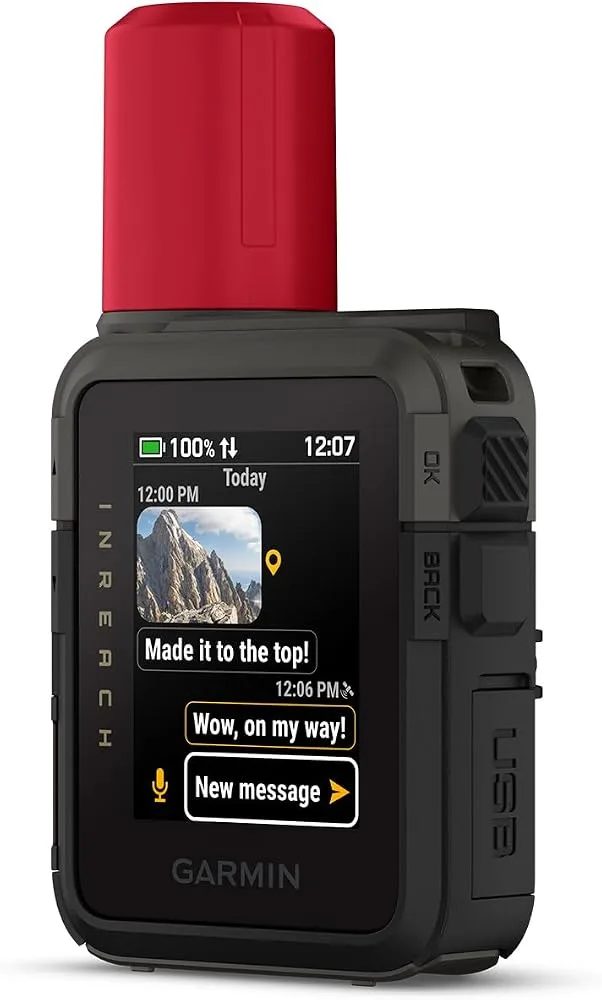 Check Price |
| Best premium messenger inReach Messenger Plus | Iridium | 4.1 oz | Weeks (low-power mode) | Small mono screen | ~$400 list |  Check Price |
| Best lightweight inReach Mini 2 | Iridium | 3.5 oz | Up to 14 days* | Small mono screen | ~$299–$400 | 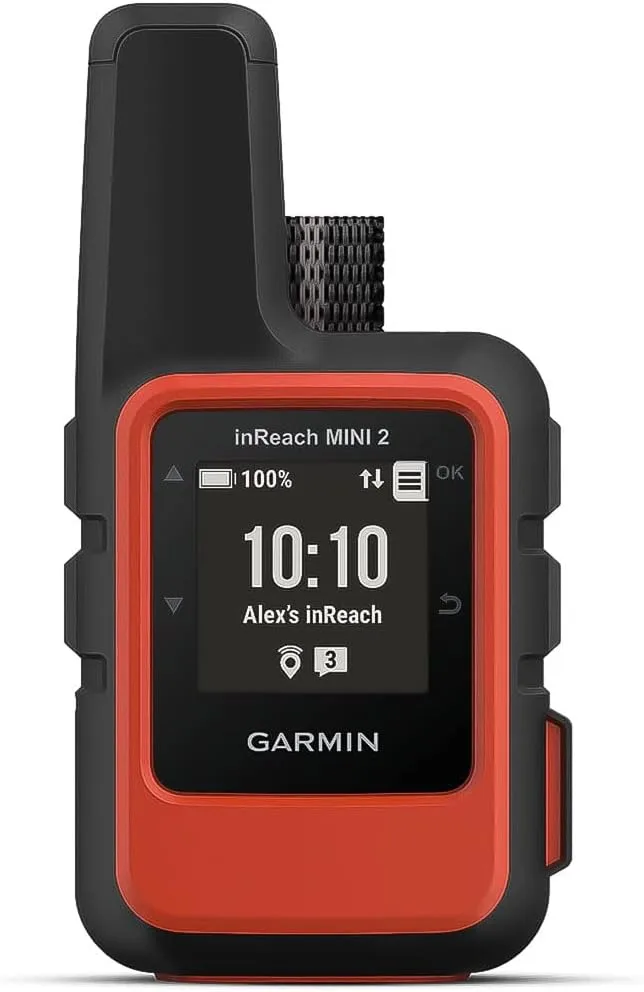 Check Price |
| Best battery for the price inReach Messenger | Iridium | 4 oz | Up to 28 days* | Small mono screen | ~$300 list |  Check Price |
| Best budget ZOLEO ZL1500 | Iridium | 5.3 oz | 200+ hr | None (phone app) | ~$199 | 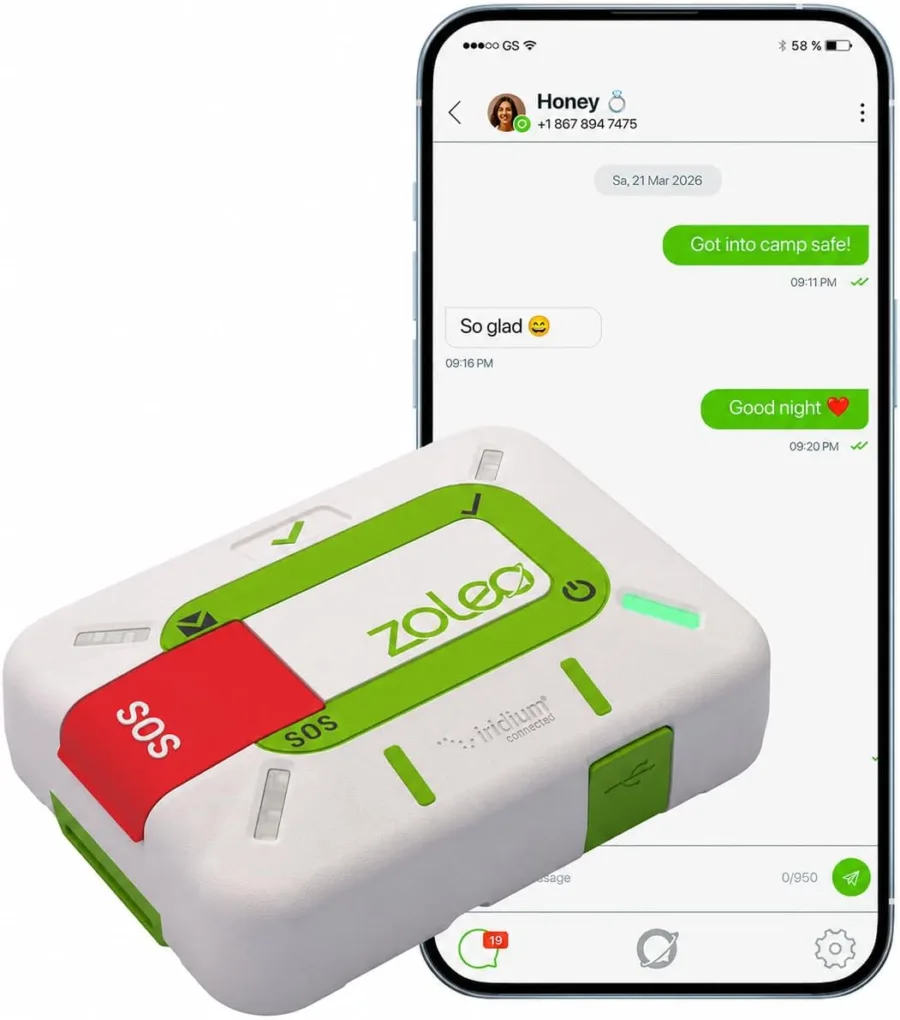 Check Price |
| Lightest phone-based ACR Bivy Stick | Iridium | 3.35 oz | Up to 120 hr | None (phone app) | ~$200 | 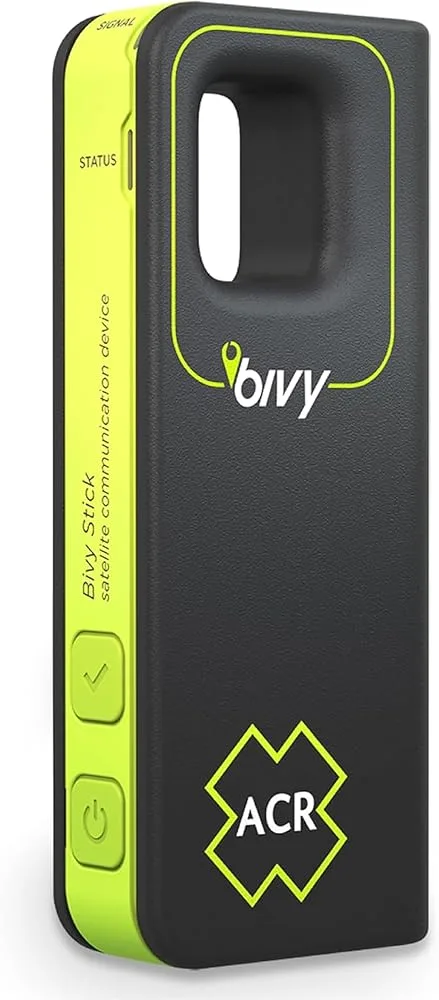 Check Price |
| Best physical keyboard SPOT X | Globalstar | 7 oz | Up to 240 hr* | Screen + keyboard | ~$200 | 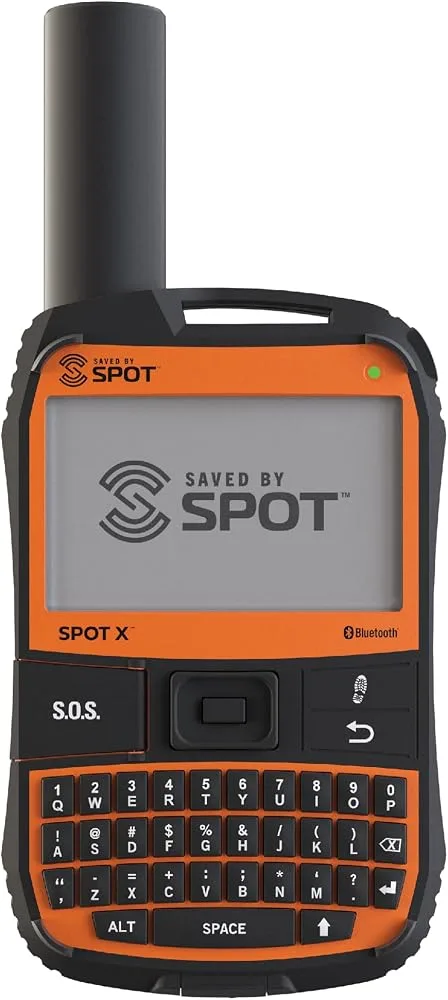 Check Price |
| Older model with maps inReach Explorer+ | Iridium | 7.5 oz | Varies | Large screen + maps | Varies |  Check Price |
*Battery figures are manufacturer claims at a 10-minute tracking interval with a clear view of the sky. Tree cover, cold and heavy messaging cut them down a lot. **Approximate Amazon or list prices on November 8, 2026. Prices change daily, so tap through for today’s price.
What a Satellite Communicator Does (and Doesn’t Do)
A satellite communicator is a small, rugged device that sends short messages through satellites. With an active plan, most of them let you:
- Text anyone by SMS or email, and get replies, from places with zero cell service. (To talk with your own group on the trail, a pair of walkie talkies for mountain hiking is a cheaper partner.)
- Send an SOS to a 24/7 emergency response center that can text back and forth with you and alert local search and rescue.
- Share your location on a live map so family can follow your hike.
- Get weather forecasts for where you are or where you’re going.
- Send free check-ins like “Made it to camp, all good” with your GPS location.
What it doesn’t do: make phone calls, browse the internet or replace a proper map. Messages can take anywhere from a few seconds to several minutes to go through, especially under trees or in deep canyons.
Satellite communicator
Two-way texting, tracking, weather and interactive SOS. Needs a monthly plan and regular charging. Best for most hikers who want to stay in touch.
Personal locator beacon (PLB)
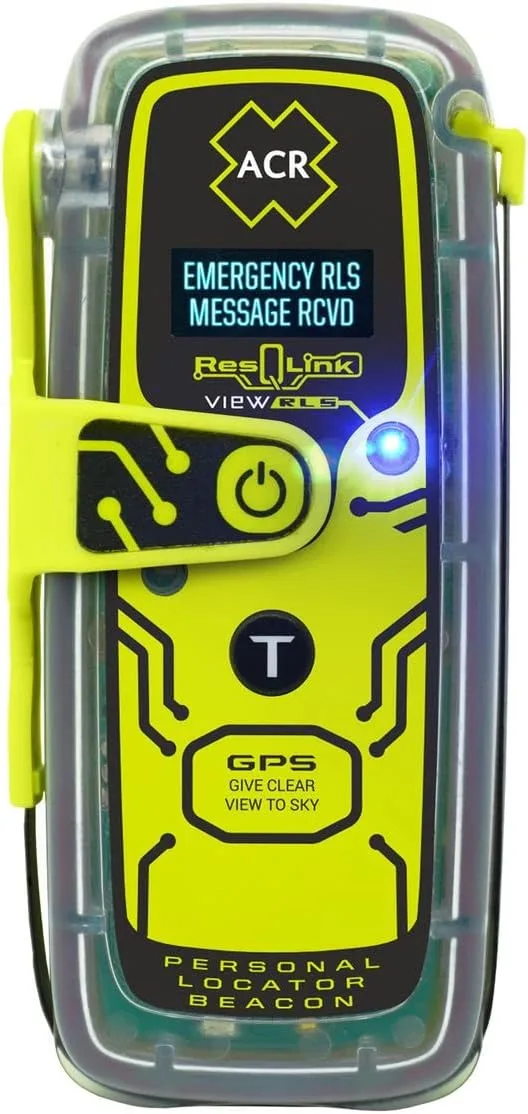
One job only: send a powerful distress signal to government rescue satellites. No texting, but also no subscription. Compare them in our best personal locator beacons for hiking guide.
The Best Satellite Communicators for Hiking, Reviewed
We ranked these on emergency reliability, messaging, battery, weight, ease of use and total cost, then gave extra credit to devices whose higher price buys real, useful features.
1. Garmin inReach Mini 3 Plus
Best for: Backpackers, thru-hikers and solo hikers who want the most capable pocket-size communicator and are happy to pay for it.
The Mini 3 Plus is Garmin’s newest flagship pocket communicator, released in late 2025. It keeps everything people loved about the Mini 2 (Iridium coverage, interactive SOS to Garmin Response, tracking, weather) and fixes its biggest weakness: the tiny screen. You now get a 1.9-inch color touchscreen, so typing a custom message on the device itself is finally practical.
The “Plus” also adds a speaker and microphone. That means you can send and receive voice messages and photos over satellite (photos go through the Garmin Messenger app on your phone). Garmin also added multi-band GPS for better location accuracy, more storage, an IP67 rating against dust and water, and LiveTrack alongside MapShare. Garmin rates the battery at up to 350 hours with 10-minute tracking.
Why pay more? The touchscreen is the real upgrade. If your phone breaks, gets wet or runs flat, the Mini 3 Plus can still text home properly on its own. Photo and voice messages also help you explain a problem much faster than 160 characters can.
The catch: it grew. At about 4.4 ounces it’s roughly an ounce heavier than the Mini 2, and some reviewers note its antenna is still smaller than the Messenger Plus, which has a bigger battery too. Several owners also say the default performance mode drains the battery in a few days, so switch power modes before a long trip. And like every inReach, it needs an active Garmin plan.
| Network | Iridium (global) |
|---|---|
| Weight | About 4.4 oz (125 g) |
| Screen | 1.9″ color touchscreen |
| Battery (claim) | Up to 350 hr at 10-min tracking |
| Water/dust | IP67 |
| Price | ~$446 on Amazon (list $499.99) |
- Best on-device typing of any pocket communicator.
- Photo and voice messaging.
- Works well without a phone.
- Multi-band GPS accuracy.
- Proven Garmin Response SOS.
- Most expensive pick here.
- Heavier than the Mini 2.
- Default mode uses battery fast.
- Subscription required.
Who should buy it?
Solo and long-distance hikers, trip leaders, parents of adventurous kids and anyone who wants one device that does it all without relying on a phone.
Who should skip it?
Ultralight hikers counting every gram, or anyone who will only ever press SOS and never message.
Want accessories included? The bundle adds a carry kit:

2. Garmin inReach Messenger Plus
Best for: Hikers who message mostly through their phone and want photo and voice messages plus the longest-lasting battery.
The Messenger Plus is built for one thing: staying in touch. It pairs with the Garmin Messenger app so you type, send photos and record 30-second voice messages on your phone, and the device beams them out over Iridium. Texts can be up to 1,600 characters, far longer than the old 160-character limit, and Garmin can transcribe your voice messages for the person receiving them.
It has a small monochrome screen and buttons, so you can still read and send messages if your phone dies. It also has interactive SOS, live tracking, weather and a reverse-charging feature that can top up your phone a little in an emergency. It weighs about 4.1 ounces and is rated IPX7.
Why pick it over the Mini 3 Plus? OutdoorGearLab’s testers actually preferred it: it has a larger antenna and a bigger battery, and it usually costs less. You give up the touchscreen and on-device navigation.
The catch: on-device typing is slow, photos only go through your phone, and photo or voice messages count against your plan allowance. List price is about $400, though it’s often on sale.
| Network | Iridium (global) |
|---|---|
| Weight | About 4.1 oz (117 g) |
| Screen | Small monochrome display |
| Battery (claim) | Weeks in low-power messaging mode |
| Water | IPX7 |
| Price | ~$400 list, often on sale |
- Photo and voice messages.
- Long battery life.
- Large antenna for its size.
- Can charge your phone in a pinch.
- Usually cheaper than the Mini 3 Plus.
- Phone needed for photos and easy typing.
- No real on-device maps.
- Media messages use plan allowance.
- Subscription required.
Who should buy it?
Backpackers, thru-hikers and travelers who live in their phone and want the richest messaging with the best battery.
Who should skip it?
Hikers who want to navigate or type comfortably on the device itself (choose the Mini 3 Plus) or who only need basic texts (choose the Messenger).
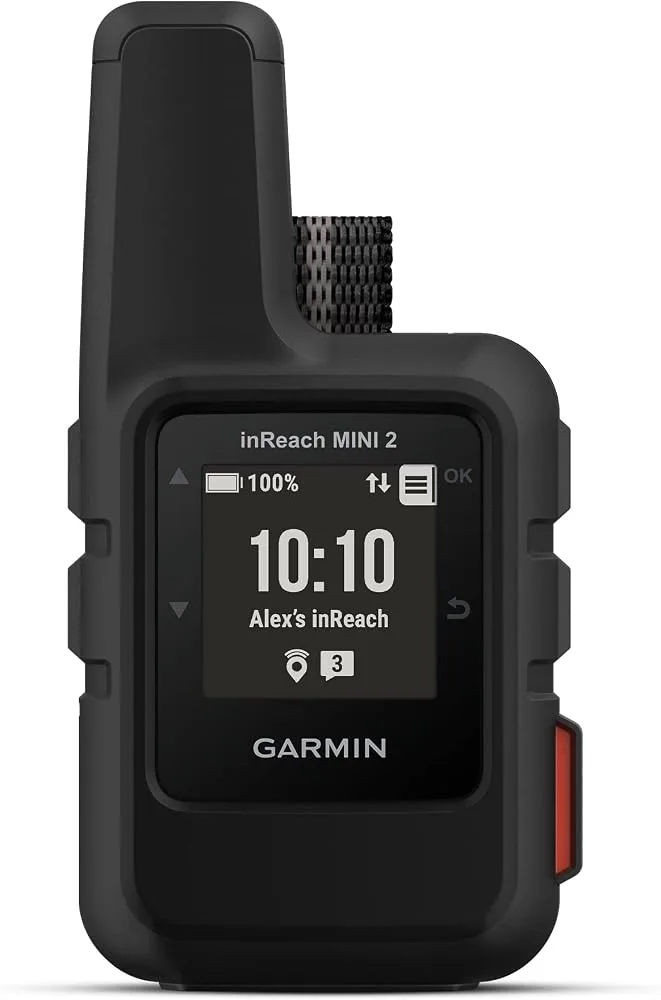
3. Garmin inReach Mini 2
Best for: Ultralight backpackers and trail runners who want a proven Garmin with SOS, TracBack and the lowest weight.
The Mini 2 has been the go-to satellite communicator for thru-hikers for years, and it’s still a great buy. It weighs just 3.5 ounces, runs on the Iridium network, and gives you interactive SOS, two-way texting, tracking, weather and TracBack, which guides you back the way you came if you get lost.
Garmin rates the battery at up to 14 days with 10-minute tracking (much less under heavy tree cover). It’s rated IPX7 and built to the MIL-STD-810 standard for toughness. Pair it with the Garmin Messenger app to type on your phone, which is much easier than using its small screen.
Mini 2 or Mini 3 Plus? The Mini 3 Plus is better in almost every way, but the Mini 2 is lighter and usually costs much less, especially renewed. If you mostly type on your phone anyway, the Mini 2 does the important jobs just as well.
The catch: the 0.9-inch screen makes on-device typing slow, there’s no photo or voice messaging, and it needs a Garmin plan.
| Network | Iridium (global) |
|---|---|
| Weight | 3.5 oz (100 g) |
| Screen | 0.9″ monochrome |
| Battery (claim) | Up to 14 days at 10-min tracking |
| Water | IPX7, MIL-STD-810 |
| Price | ~$299–$400 new; renewed ~$200 |
- Lightest Garmin inReach.
- Proven and reliable.
- TracBack navigation.
- Lots of color and bundle options.
- Tiny screen.
- No photo or voice messages.
- Shorter battery than the Messenger.
- Subscription required.
Who should buy it?
Thru-hikers, trail runners and anyone who wants a light, proven SOS device and types on their phone.
Who should skip it?
Hikers who want to write long messages without a phone, or want photos and voice.
Choose your color, condition or bundle:

4. Garmin inReach Messenger
Best for: Budget-minded hikers who want Garmin’s network and SOS service with the longest battery life.
The original inReach Messenger is the simpler sibling of the Messenger Plus. It does two-way texting (no photos or voice), interactive SOS, tracking and weather, and it pairs with the Garmin Messenger app on your phone.
Its big strength is battery: Garmin rates it at up to 28 days with 10-minute tracking in open sky, about double the Mini 2. It weighs about 4 ounces, charges by USB-C, is rated IPX7 and can give your phone a small emergency charge.
The catch: the small screen makes typing on the device slow, there are no maps, and it still needs a Garmin plan. If you can stretch your budget, the Messenger Plus adds photo and voice messages.
| Network | Iridium (global) |
|---|---|
| Weight | About 4 oz (114 g) |
| Screen | Small monochrome display |
| Battery (claim) | Up to 28 days at 10-min tracking |
| Water | IPX7 |
| Price | ~$300 list; bundle ~$320 |
- Excellent battery life.
- Lower price than other Garmins.
- Same Garmin Response SOS.
- Can charge your phone.
- Text only.
- Clunky on-device typing.
- No maps.
- Subscription required.
Who should buy it?
Hikers who want Garmin reliability and long battery life without paying for premium features.
Who should skip it?
Anyone who wants photos and voice (Messenger Plus) or the lowest weight (Mini 2).
Prefer a bundle with accessories?

5. ZOLEO Satellite Communicator (ZL1500)
Best for: Hikers who already navigate with their phone and want two-way texting for the lowest upfront cost.
ZOLEO takes a phone-first approach. You pair it with the ZOLEO app and text from your phone. The clever part: ZOLEO gives you your own phone number and email address, and messages move automatically between cell, Wi-Fi and the Iridium satellite network. Friends just text your ZOLEO number, and you get it wherever you are.
The new ZL1500 model (the Limestone color) adds USB-C charging, updated Bluetooth and better buttons. It weighs 5.3 ounces, has 200+ hours of battery, and has an IP68 rating. It has dedicated SOS and check-in buttons, so you can still call for help if your phone dies.
Plans changed in 2026: ZOLEO now offers two US plans: Prepare ($19.99/month, 50 satellite messages) and Protect ($34.99/month, unlimited), plus a $19.99 activation fee and a 3-month minimum term. Check ZOLEO’s plan page before you buy.
The catch: you can’t type custom messages on the device, so a dead phone means SOS and check-ins only. It’s also heavier than the Garmins.
| Network | Iridium + cell + Wi-Fi |
|---|---|
| Weight | 5.3 oz (150 g) |
| Screen | None (uses phone app) |
| Battery (claim) | 200+ hours |
| Water/dust | IP68 |
| Price | ~$199 on Amazon |
- Lowest upfront price.
- Your own number and email.
- Seamless cell/Wi-Fi/satellite switching.
- Tough IP68 build.
- No on-device typing.
- Heavier than Garmin options.
- 3-month minimum plan.
- Phone dependent for messaging.
Who should buy it?
Day hikers, weekend backpackers and families who want simple, affordable two-way texting.
Who should skip it?
Anyone who wants to message without a phone, or counts every ounce.
6. ACR Bivy Stick
Best for: Ultralight hikers who are happy doing everything through a phone app.
The ACR Bivy Stick is one of the lightest two-way satellite communicators you can buy at about 3.35 ounces. It uses the Iridium network, comes with its own phone number, and pairs with the Bivy app for texting, tracking, weather and offline maps. SOS can be sent from the device or the app, and is monitored by Global Rescue.
ACR (a long-time maker of PLBs) rates the battery at up to 120 hours with standard settings. It’s rated IPX7 and charges via USB-C.
The catch: there’s no screen at all, so messaging depends completely on your phone. Owner reviews are mixed, and REI shoppers in particular complained about plan changes. ACR plans often require several months of commitment at activation, so read the terms on ACR’s site first.
| Network | Iridium (global) |
|---|---|
| Weight | About 3.35 oz (100 g) |
| Screen | None (uses phone app) |
| Battery (claim) | Up to 120 hours |
| Water | IPX7 |
| Price | ~$200 on Amazon |
- Very light.
- Own phone number.
- Offline maps in the app.
- Lower device price.
- No screen.
- Shorter battery than Garmin.
- Mixed owner reviews on plans.
- Minimum commitment on many plans.
Who should buy it?
Weight-focused backpackers who rarely message and are comfortable with an app-only device.
Who should skip it?
Anyone who wants a device that still works fully if the phone dies.
7. SPOT X 2-Way Satellite Messenger
Best for: Hikers in North America who want to type messages on the device itself without a phone.
The SPOT X is the only device here with a physical QWERTY keyboard and a backlit screen, so you can write messages without pairing a phone. You get your own phone number, two-way texting, SOS, tracking and a built-in compass.
It uses the Globalstar network instead of Iridium. Coverage is good across most of the continental US, Canada and Europe, but there are gaps in polar regions and some remote areas, so check the SPOT coverage map for your destinations. SPOT plans start around $11.95/month on an annual contract, with flexible month-to-month plans available.
The catch: at about 7 ounces it’s twice the weight of the Mini 2, it still charges by micro-USB, and Globalstar coverage isn’t truly global.
| Network | Globalstar (regional) |
|---|---|
| Weight | About 7 oz (198 g) |
| Screen | 2.7″ backlit screen + keyboard |
| Battery (claim) | Up to 240 hr at 10-min tracking |
| Water | IP67 |
| Price | ~$200 on Amazon |
- Real keyboard, no phone needed.
- Cheaper plans.
- Own phone number.
- Good battery.
- Heavy and bulky.
- Coverage gaps outside core areas.
- Micro-USB charging.
- Interface feels dated.
Who should buy it?
Hunters, campers and car-based adventurers in North America who want standalone typing on a budget.
Who should skip it?
Ultralight hikers or anyone traveling far north, overseas or to remote oceans.
8. Garmin inReach Explorer+
Best for: Hikers who specifically want an inReach with a big screen and onboard topo maps and can find a good deal.
The inReach Explorer+ was Garmin’s original “maps plus messaging” handheld. It has a larger screen, preloaded topo maps, a digital compass and barometric altimeter alongside two-way inReach texting and SOS.
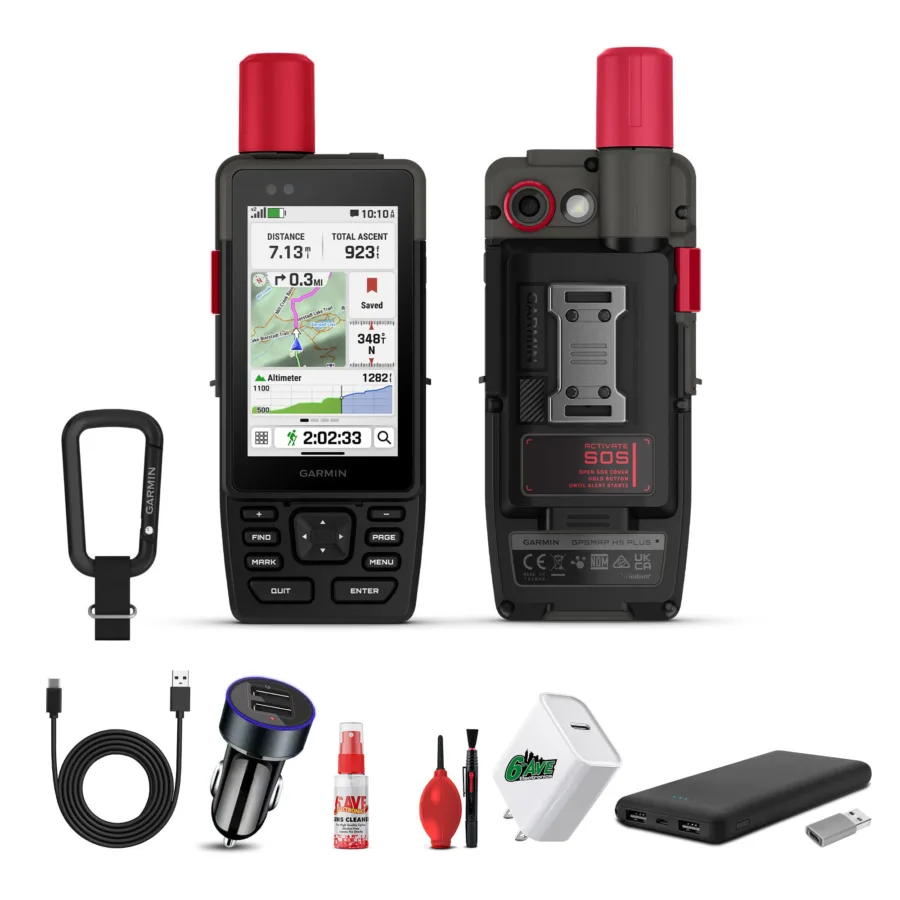
Important: several retailers list the Explorer+ as discontinued by Garmin. It’s heavier (about 7.5 oz), older technology, and availability depends on the seller. If you want maps and messaging in one device today, Garmin’s newer GPSMAP 67i and GPSMAP H1i Plus are better choices. See our best handheld GPS for hiking guide.
| Network | Iridium (global) |
|---|---|
| Weight | About 7.5 oz (213 g) |
| Screen | Larger color screen with maps |
| Status | Listed as discontinued by several retailers |
| Water | IPX7 |
| Price | Varies by seller |
- Maps and messaging in one.
- Bigger screen.
- Same Iridium coverage.
- Older, discontinued model.
- Heavy.
- Newer options are better.
- Subscription required.
Who should buy it?
Buyers who find one at a clearly lower price than newer models and want an all-in-one device.
Who should skip it?
Most hikers. A Mini 3 Plus, or a GPSMAP 67i if you need maps, is the smarter buy.
Which Satellite Communicator Should You Buy?
| If you… | Choose | Why |
|---|---|---|
| Want the best device, money no object | Garmin inReach Mini 3 Plus | Touchscreen, photo & voice, works without phone |
| Message on your phone and want photos | Garmin inReach Messenger Plus | Photo & voice, big battery |
| Count every ounce | Garmin inReach Mini 2 | 3.5 oz with TracBack |
| Want long battery for less | Garmin inReach Messenger | Up to 28 days |
| Want the lowest upfront price | ZOLEO ZL1500 | $199 with own phone number |
| Want the lightest app-only device | ACR Bivy Stick | About 3.35 oz |
| Want a real keyboard | SPOT X | Type without a phone |
| Need maps and messaging in one | Garmin inReach Explorer+ (or GPSMAP 67i) | Big screen with topo maps |
Head-to-Head Comparisons
inReach Mini 3 Plus VS inReach Messenger Plus
| Feature | inReach Mini 3 Plus | inReach Messenger Plus |
|---|---|---|
| Photo | | |
| Screen | Color touchscreen Better | Small mono screen |
| Photo & voice | Yes | Yes |
| Typing without phone | Easy Better | Slow |
| Battery | Up to 350 hr | Weeks in low-power mode Longer |
| Weight | 4.4 oz | 4.1 oz Lighter |
| Price | ~$446 | ~$400 list Cheaper |
| Shop | Check Price | Check Price |
inReach Mini 3 Plus VS inReach Mini 2
| Feature | inReach Mini 3 Plus | inReach Mini 2 |
|---|---|---|
| Photo | | |
| Screen | 1.9″ color touch Better | 0.9″ mono |
| Photo & voice | Yes Better | No |
| GPS | Multi-band Better | Standard |
| Weight | 4.4 oz | 3.5 oz Lighter |
| Water rating | IP67 | IPX7 |
| Price | ~$446 | ~$299–$400 Cheaper |
| Shop | Check Price | Check Price |
inReach Messenger VS ZOLEO ZL1500
| Feature | inReach Messenger | ZOLEO ZL1500 |
|---|---|---|
| Photo | | |
| Device price | ~$300 list | ~$199 Cheaper |
| On-device typing | Yes (slow) Better | No |
| Battery | Up to 28 days Longer | 200+ hr |
| Own phone number | No | Yes Better |
| Weight | 4 oz Lighter | 5.3 oz |
| Entry plan | Garmin Enabled $7.99/mo | Prepare $19.99/mo |
| Shop | Check Price | Check Price |
ZOLEO ZL1500 VS SPOT X
| Feature | ZOLEO ZL1500 | SPOT X |
|---|---|---|
| Photo | | |
| Network | Iridium (global) Better | Globalstar (regional) |
| Keyboard | Phone app | Physical QWERTY Better |
| Weight | 5.3 oz Lighter | 7 oz |
| Battery | 200+ hr | Up to 240 hr |
| Charging | USB-C Better | Micro-USB |
| Price | ~$199 | ~$200 |
| Shop | Check Price | Check Price |
Subscription Plans and the Real Cost of Owning One
Every device here needs a satellite plan, and over two years the plan usually costs more than the device. Here are the current US plans we found on November 8, 2026:
| Brand & plan | Monthly | What you get |
|---|---|---|
| Garmin Enabled | $7.99 | SOS included; texts, tracking and weather pay-as-you-go |
| Garmin Essential | $14.99 | SOS, 50 texts/weather requests, unlimited check-ins |
| Garmin Standard | $29.99 | SOS, 150 texts, unlimited tracking |
| Garmin Premium | $49.99 | SOS, unlimited texts and tracking |
| ZOLEO Prepare | $19.99 | SOS, 50 satellite messages, unlimited check-ins |
| ZOLEO Protect | $34.99 | SOS, unlimited satellite messages (fair use) |
| SPOT X Basic (annual) | From $11.95 | SOS, messaging allowance, 12-month term |
Garmin charges a one-time activation fee (about $39.99), ZOLEO charges $19.99 with a 3-month minimum, and SPOT contract plans have an activation fee too. Garmin plans are month-to-month. ACR Bivy Stick plans vary and often require a multi-month commitment. Plans change often, so always confirm on the brand’s website.
Good news for seasonal hikers: in June 2026 Garmin started keeping SOS active on suspended plans for up to 12 months on compatible devices, including the Mini 2 and Mini 3 series. After 12 months the device moves to the Enabled plan for a month to keep SOS working. Make sure your device has the latest firmware and confirm SOS status in your Garmin account before you rely on it.
Example: total cost over two years of year-round use
| Device + plan | Device | Activation | 24 months of plan | 2-year total |
|---|---|---|---|---|
| Mini 3 Plus + Garmin Standard | $446 | $39.99 | $719.76 | $1,206 |
| Mini 3 Plus + Garmin Enabled | $446 | $39.99 | $191.76 | $678 |
| Messenger Plus + Garmin Standard | $400 | $39.99 | $719.76 | $1,160 |
| Mini 2 + Garmin Essential | $299 | $39.99 | $359.76 | $699 |
| Messenger + Garmin Essential | $300 | $39.99 | $359.76 | $700 |
| ZOLEO + Prepare | $199 | $19.99 | $479.76 | $699 |
| ZOLEO + Protect | $199 | $19.99 | $839.76 | $1,059 |
| SPOT X + Basic annual | $200 | $29.95 | $286.80 | $517 |
Our own example math using the device prices and plan rates above. It ignores sales tax, extra messages beyond your allowance and any sale prices. If you only hike part of the year, suspending your plan between trips can cut these totals a lot.
Iridium vs Globalstar: Why the Network Matters
Iridium (Garmin, ZOLEO, ACR)
A network of low-orbit satellites that covers the whole planet, including the poles and oceans. It’s the safe choice if you travel anywhere remote or abroad. Six of the eight devices in this guide use it.
Globalstar (SPOT X)
Strong coverage across most of North America, Europe and other populated regions, but with gaps at high latitudes and over some oceans. Fine for most lower-48 hiking, but check the coverage map first.
Whatever the network, satellites need a view of the sky. Dense forest, slot canyons and steep valleys can delay messages by several minutes. If a message is stuck, move to an open spot, hold the device with the antenna pointing up, and wait.
Buying Guide: How to Choose a Satellite Communicator
1. Do you want to type without your phone?
If yes, choose the Mini 3 Plus (touchscreen) or SPOT X (keyboard). Phone-first devices like ZOLEO and Bivy Stick are cheaper but limited when your phone dies.
2. Check the network
Iridium covers the whole planet. Globalstar covers most populated areas. Remote, international or far-north trips call for Iridium.
3. Compare total cost, not sticker price
Add the activation fee and at least a year of your likely plan. A cheap device with an expensive plan can cost more overall.
4. Battery life
Long trips favor the Messenger and Messenger Plus. Remember claims assume open sky; plan for less under trees and in cold weather.
5. Weight and size
Ultralight hikers should look at the Mini 2 (3.5 oz) or Bivy Stick (3.35 oz). The SPOT X and Explorer+ are much heavier.
6. Photo and voice messages
Only the Mini 3 Plus and Messenger Plus send photos and voice notes. Great for explaining a problem; not essential for simple check-ins.
7. SOS service
Garmin uses its own Garmin Response center. ZOLEO and ACR use professional monitoring partners. All offer two-way SOS conversations with rescuers.
8. Durability
Look for IPX7 or better. ZOLEO is IP68 and the Mini 3 Plus is IP67, which adds dust protection.
Before Your Trip: Set It Up the Right Way
- Activate your plan a few days early and send a test message from home.
- Update the firmware and app so you have the latest features and SOS fixes.
- Add emergency contacts and write your preset messages (“Running late, all OK”).
- Share your tracking page (MapShare, LiveTrack or the ZOLEO/Bivy app) with someone at home.
- Charge it fully and pack a small power bank for longer trips.
- Carry it on your body, on a shoulder strap or hip belt, not buried in your pack. If you fall, you need to reach it.
- Never test SOS for fun. If you press it by accident, cancel it and message the response center right away.
Can Your Phone’s Satellite SOS Replace a Communicator?
iPhone 14 and newer (and some recent Android phones) can text emergency services and send messages by satellite. That’s a fantastic backup, and for short, popular day hikes it may be enough.
For remote trips, a dedicated device is still the safer choice. Phone satellite messaging usually needs you to point the phone at the sky, has limited tracking, and depends on your phone’s battery, which is often low after a day of navigation and photos. A satellite communicator has its own battery, a dedicated SOS button and continuous tracking. Our advice: use both.
7 Common Satellite Communicator Mistakes
- Forgetting to activate the plan before leaving cell coverage.
- Leaving it in the pack where it can’t see the sky or be reached in a fall.
- Trusting battery claims without testing them in your real settings.
- Buying on sticker price alone and ignoring two years of plan costs.
- Choosing Globalstar for a trip outside its coverage.
- Never practicing sending a message before you actually need it.
- Skipping the basics. A communicator doesn’t replace a map, extra layers, water treatment or a trip plan left with someone at home.
Frequently Asked Questions
What is the best satellite communicator for hiking?
The Garmin inReach Mini 3 Plus is the best overall in 2026 thanks to its touchscreen, photo and voice messaging and proven Garmin Response SOS. The Messenger Plus is the best premium choice for phone-first hikers, and ZOLEO is the best budget pick.
Do satellite communicators work without cell service?
Yes. That’s their whole purpose. They send messages through satellites, so they work where phones don’t, as long as you have an active plan and a reasonable view of the sky.
Do I need a subscription for a satellite communicator?
Yes. Every two-way satellite communicator needs a paid plan for messaging and SOS. Garmin plans start at $7.99/month (Enabled) and ZOLEO at $19.99/month. A personal locator beacon is the only no-subscription option.
Is the Garmin inReach Mini 3 Plus worth it over the Mini 2?
If you want to type on the device or send voice and photo messages, yes. If you mostly type on your phone and care about weight and price, the Mini 2 still does the essential jobs well.
Garmin inReach or ZOLEO: which is better?
Garmin devices can message without a phone and some have longer battery life. ZOLEO costs less upfront, gives you your own phone number and switches automatically between cell, Wi-Fi and satellite. Both use the Iridium network.
What happens when I press SOS?
Your device sends an emergency alert with your GPS location to a 24/7 response center. Staff can message you to learn what happened and then contact the right local search and rescue team. Keep the device on and with you until help arrives.
Can I use a satellite communicator in national parks?
Yes. Satellite communicators work in US national parks, including deep wilderness areas without cell coverage. Deep canyons and heavy forest may slow messages.
How long does it take to send a message by satellite?
Often under a minute with a clear sky, but it can take several minutes under trees, in canyons or in bad weather.
Can I suspend my plan in the off-season?
Garmin lets you suspend for free, and since June 2026 keeps SOS working on suspended plans for up to 12 months on compatible devices. ZOLEO and SPOT also offer pause or seasonal options; check each brand’s terms.
Is a satellite communicator better than a PLB?
It depends. A PLB has a stronger distress signal and no monthly fee but can’t text. A communicator lets you text family and talk to rescuers but needs a plan and charging. See our PLB guide for a full comparison.
Can my iPhone replace a satellite communicator?
For short, popular trails it’s a useful backup. For remote trips we recommend a dedicated device because it has its own battery, an SOS button and continuous tracking.
Which satellite communicator has the longest battery life?
Among the devices here, Garmin’s Messenger (up to 28 days at 10-minute tracking) and Messenger Plus lead for battery life, according to Garmin’s ratings.
Shop All Satellite Communicators: Tap Any Photo
Every device and option from this guide in one place. Tap a photo or button to check the current price on Amazon.
Final Verdict: Best Satellite Communicator for Hiking
For most hikers who head into remote country, the Garmin inReach Mini 3 Plus is the one to buy. Its touchscreen, photo and voice messaging and strong SOS service make it the most complete pocket communicator available, and that’s what justifies the premium price.
If you always carry your phone, the Garmin inReach Messenger Plus gives you photo and voice for less money and better battery life. Want to keep costs down? The ZOLEO is the best value, and the Mini 2 is still the lightest Garmin you can buy. Whichever you choose, activate it before you go, keep it on your body, and share your trip plan with someone at home.
Our winner: Check the Garmin inReach Mini 3 Plus on AmazonComplete Your Safety Kit: Readers’ Favorite Picks From Our Other Gear Guides
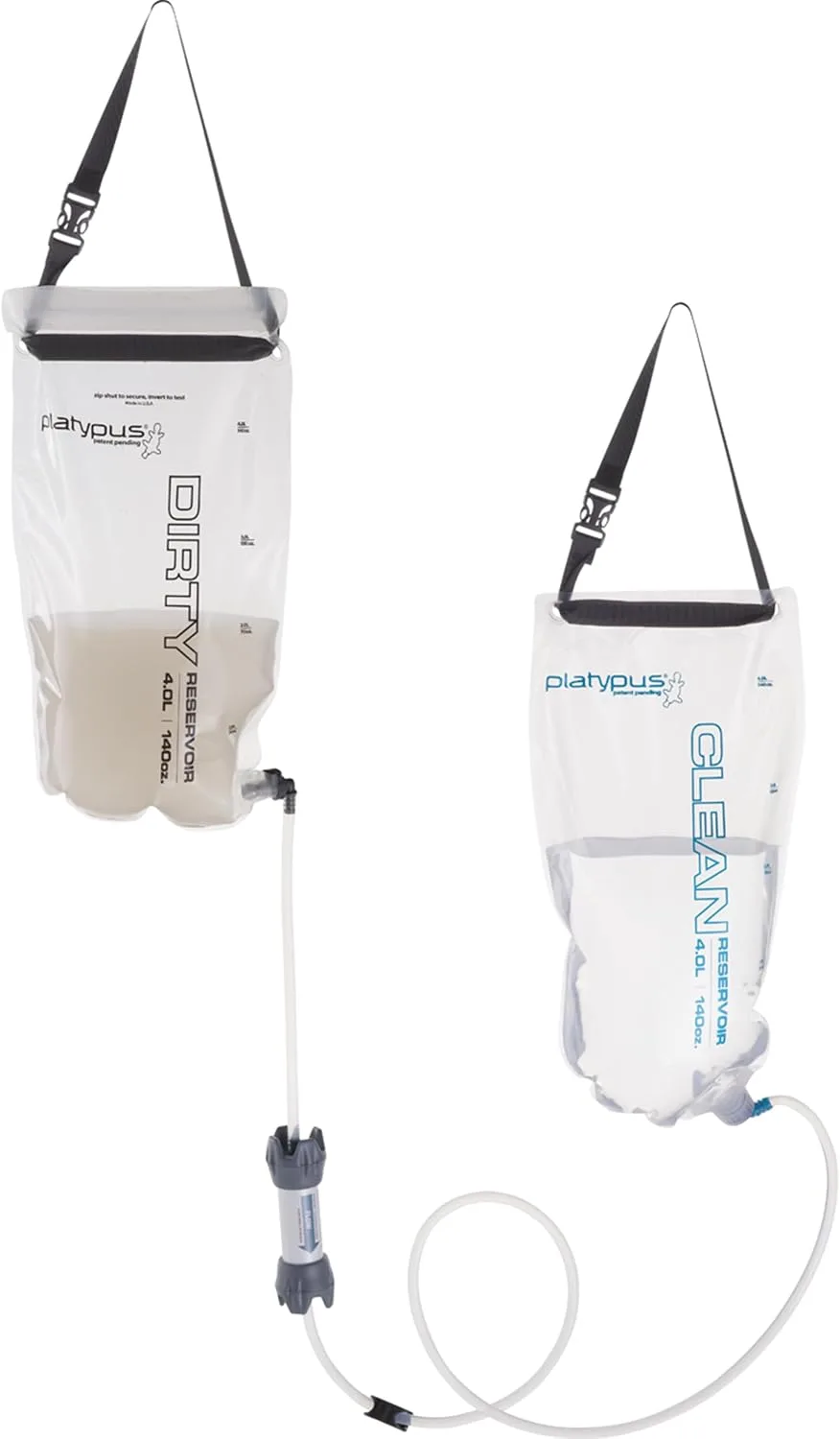
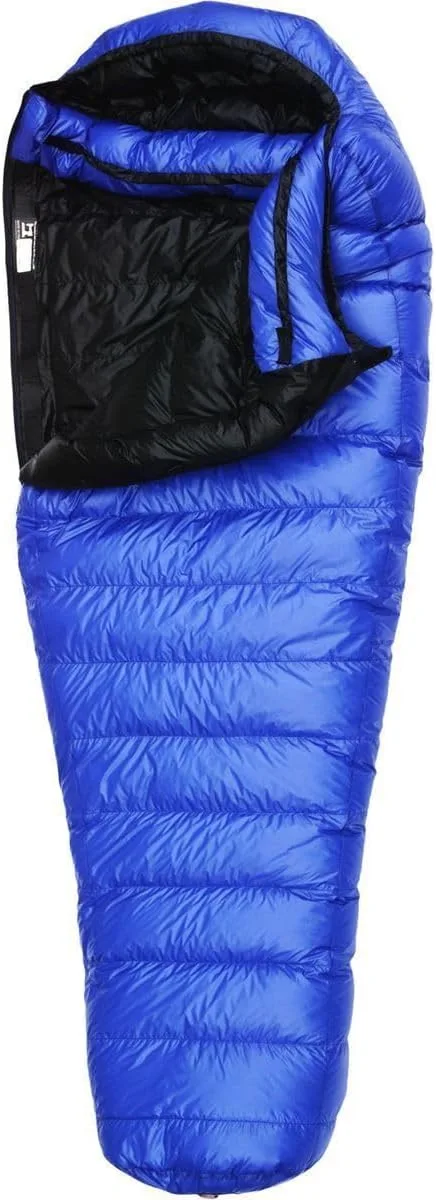
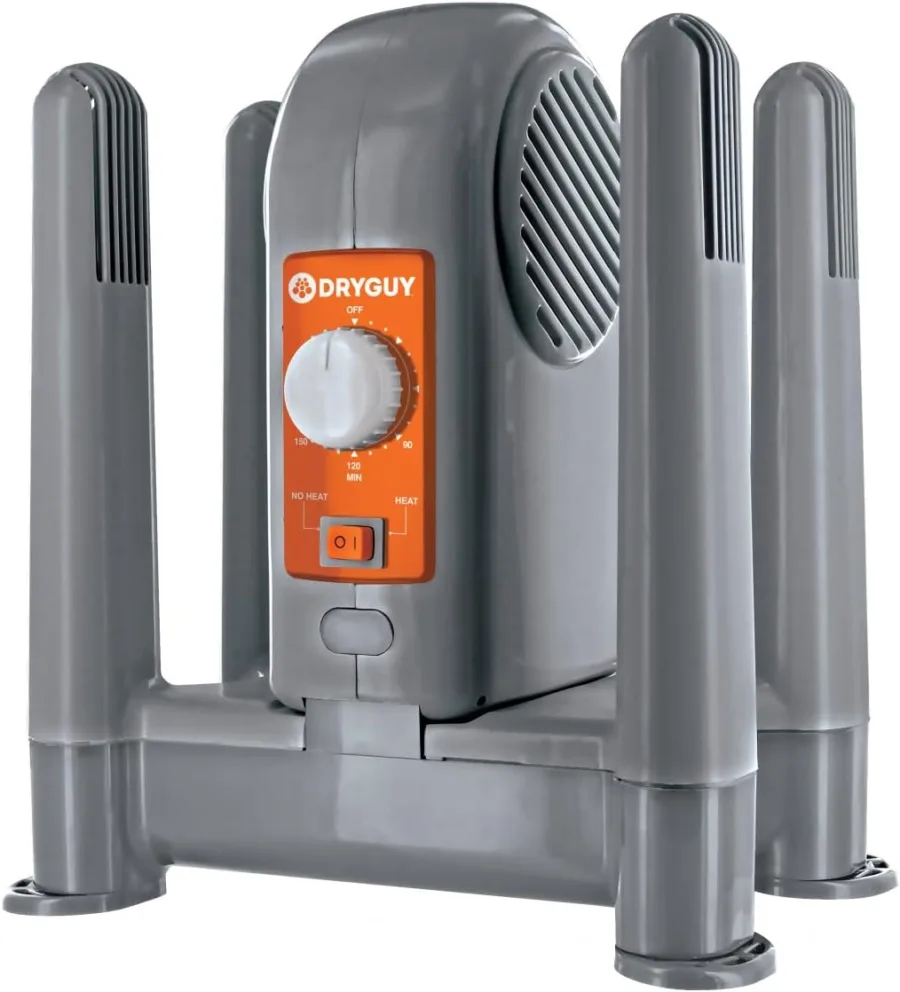
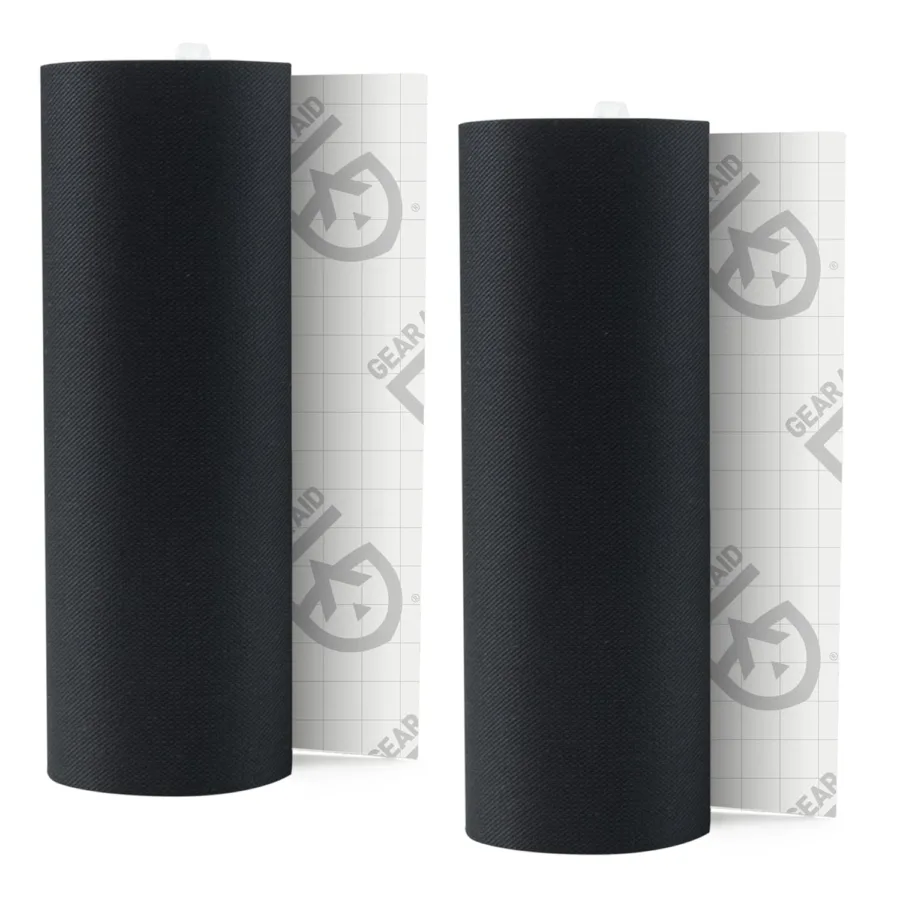
A communicator keeps you connected. These top picks from our other buying guides help you stay safe, dry and on route. Tap a photo to see it on Amazon.

More Hiking Safety & Gear Guides
Editorial disclosure: This guide is based on manufacturer specifications and plan pages from Garmin, ZOLEO, ACR and SPOT, Amazon listings, owner reviews and published hands-on reviews. No field test is claimed. Satellite devices can’t guarantee rescue. Always follow the manufacturer’s instructions.
3 thoughts on “8 Best Satellite Communicators for Hiking (2026): Garmin inReach Mini 3 Plus, Messenger Plus, ZOLEO & More Compared”