
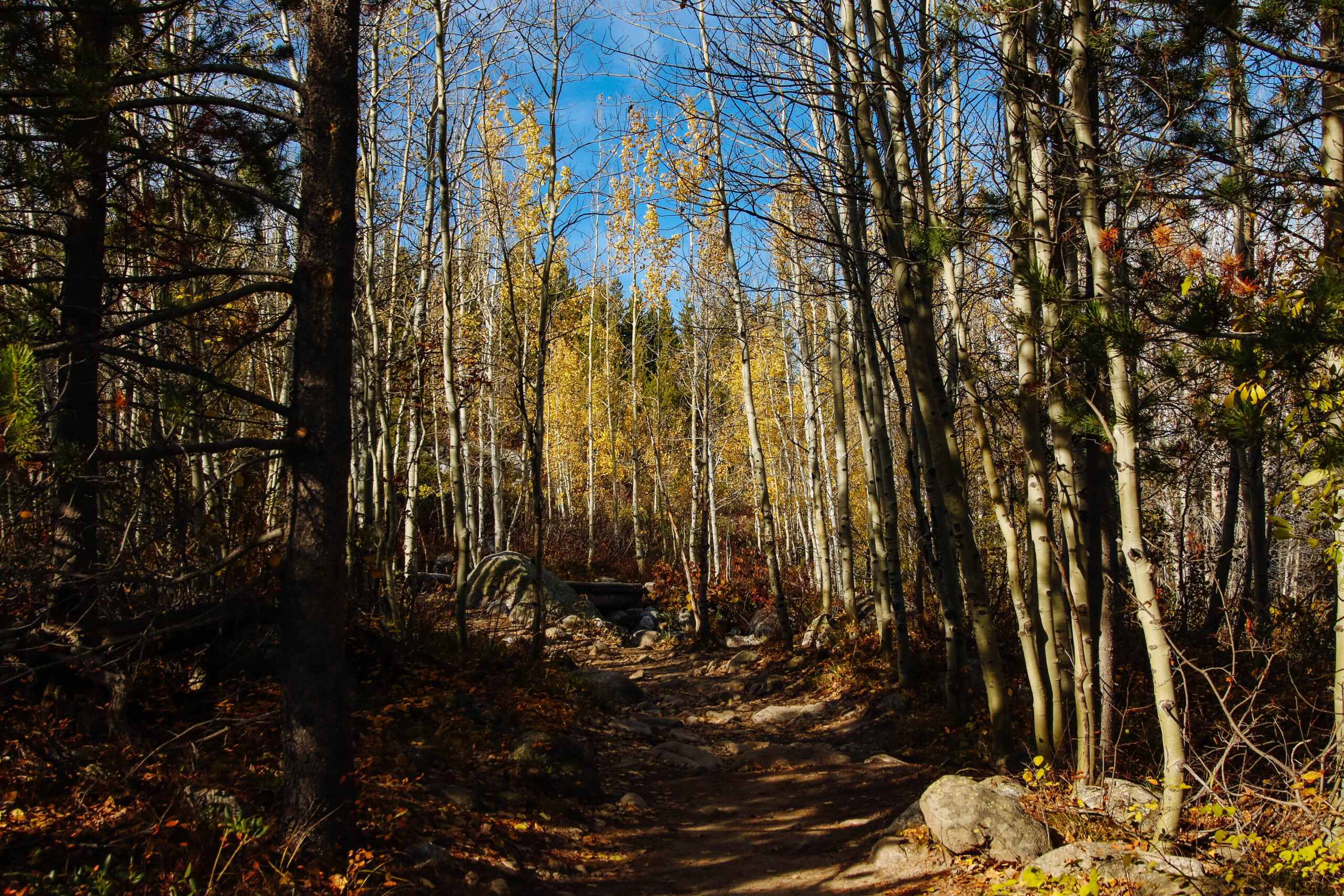
For a few short weeks each year, Grand Teton National Park turns gold. Aspens light up the hillsides, cottonwoods line the Snake River in yellow, and willows paint the wetlands orange. Behind all of it, the Teton Range rises gray and jagged, sometimes already dusted with the season’s first snow.
That contrast is what makes Grand Teton fall colors so special for photographers and road-trippers. The catch is timing. Fall here is short, it shifts from year to year, and there’s no guaranteed peak date.
This guide explains when the colors usually peak, which trees change, the best places and scenic drives for foliage, the top fall hikes and photo spots, and the 2026 road and trail closures that can quietly derail a leaf-peeping plan.
Grand Teton Fall Colors at a Glance
| Planning Detail | What to Know |
|---|---|
| Color starts | Early September, often first along the Gros Ventre River and higher slopes |
| Usual peak | Last week of September into the first week of October |
| Colors fade | Mid-October, sooner after wind or a hard freeze |
| Main color | Yellow and gold, with patches of orange and red |
| Key trees and shrubs | Quaking aspen, cottonwood, willow, black hawthorn, mountain ash, serviceberry |
| Top spots | Oxbow Bend, Schwabacher Landing, Gros Ventre River, Willow Flats, Two Ocean Lake |
| Best time of day | Sunrise for reflections, late afternoon for backlit aspens |
| Weather | Frosty mornings, mild afternoons, snow possible on the peaks |
| Ideal trip length | 2–3 days, with at least one flexible day |
| Bonus | The elk rut, active moose and bears feeding before winter |
Fall 2026 alert: the Moose-Wilson Road is closed between Moose and the Laurance S. Rockefeller Preserve from September 8 to November 15, and the northern part of the Taggart Lake Trail is closed through November 15. Both are classic foliage spots, so read the 2026 closures section before you plan your route.
In This Guide
- When do fall colors peak?
- Which trees change color
- Best places to see fall colors
- Best fall scenic drives
- Best fall hikes
- Fall photography guide
- 2026 closures and what’s open
- 1-day and 2-day fall itineraries
- FAQs
When Do Fall Colors Peak in Grand Teton?
Grand Teton fall colors usually peak from the last week of September into the first week of October. Color starts appearing in early September, builds through the middle of the month and fades by mid-October, but exact timing changes every year with temperature, rainfall, wind and frost.
The park’s high elevation keeps the season short. The National Park Service notes that fall color can vary not only by year but even by week, so it’s smarter to plan around a color window than a single “peak day.”
| Period | What You’ll Usually See |
|---|---|
| Early September | First scattered yellow, mostly higher up and along the Gros Ventre River |
| Mid-September | Color spreading through aspen groves, willows and river corridors |
| Late September | Often the best, most widespread color across the valley |
| First week of October | Strong color can hang on; Oxbow Bend often peaks around now |
| Mid-to-late October | Increasing leaf drop, cold weather and possible valley snow |
What Makes a Good (or Bad) Fall Color Year?
The best seasons usually follow a wet growing season, then sunny fall days and cool nights that stay above freezing. A hard early freeze can turn leaves brown before they ever go gold. A windstorm can strip a whole grove in an afternoon. Drought can dull the colors, and healthy aspen stands tend to show brighter color and hold their leaves longer than stressed ones.
The takeaway: if foliage is the main reason for your trip, aim for the second half of September, build in a couple of flexible days, and check recent photos and park updates right before you go.
Why Do the Leaves Change Color?
As days get shorter, trees stop making chlorophyll, the green pigment that powers photosynthesis. Once the green fades, yellow and orange pigments that were in the leaf all summer finally show through. Red and purple tones come from different pigments that some plants produce in fall, which is why shrubs like hawthorn and mountain ash turn red while the aspens go gold.
Why Grand Teton Fall Colors Are So Striking
Grand Teton doesn’t have the endless red maples of New England, and it doesn’t need them. The magic here is contrast. Gold aspens glow against dark pines. Yellow cottonwoods trace the Snake River through the valley. Orange willows fill the wetlands, and the gray granite peaks rise thousands of feet straight above, with no foothills in between.
The landscape is also wide open. Instead of seeing fall color only from inside a forest, you can take in whole bands of it with mountains, rivers and lakes behind. Add fresh snow on the peaks and elk bugling in the meadows, and you have one of the best autumn scenes in the American West.
What Trees Change Color in Grand Teton?
Quaking Aspen
Aspens are the stars of the show. Their leaves turn bright yellow, occasionally orange or even red, and their pale trunks stand out against darker conifers. A single aspen grove is often one connected organism, with many trunks growing from the same root system. That’s why one grove can turn gold all at once while the grove next to it is still green. Look for them at Willow Flats, Snake River Overlook, Oxbow Bend, Two Ocean Lake and along the Taggart Lake Trail.
Cottonwoods
Narrowleaf cottonwoods grow along rivers and creeks, especially the Snake and Gros Ventre rivers. In fall they form long golden ribbons across the valley, which is why river viewpoints like Schwabacher Landing and Snake River Overlook are so good in autumn.
Willows
Willows grow in dense thickets in wet, low-lying areas around ponds, springs and streams. Their leaves turn yellow and orange, and from above they look like a bright carpet across the valley floor. They’re also key food for moose and elk. The park recommends Blacktail Ponds Overlook, Willow Flats Overlook and Christian Pond for seeing them.
Hawthorn, Mountain Ash and Other Shrubs
Don’t only look up. Black hawthorn, mountain ash, serviceberry and huckleberry add reds, oranges and rusty tones closer to the ground, especially along lake and canyon trails. Hawthorn berries are a big draw for bears in fall, so if you find a red, berry-heavy thicket, stay alert.
Best Places to See Fall Colors in Grand Teton
You don’t need to hunt randomly for color. These spots reliably mix fall foliage with big mountain scenery.
1. Oxbow Bend
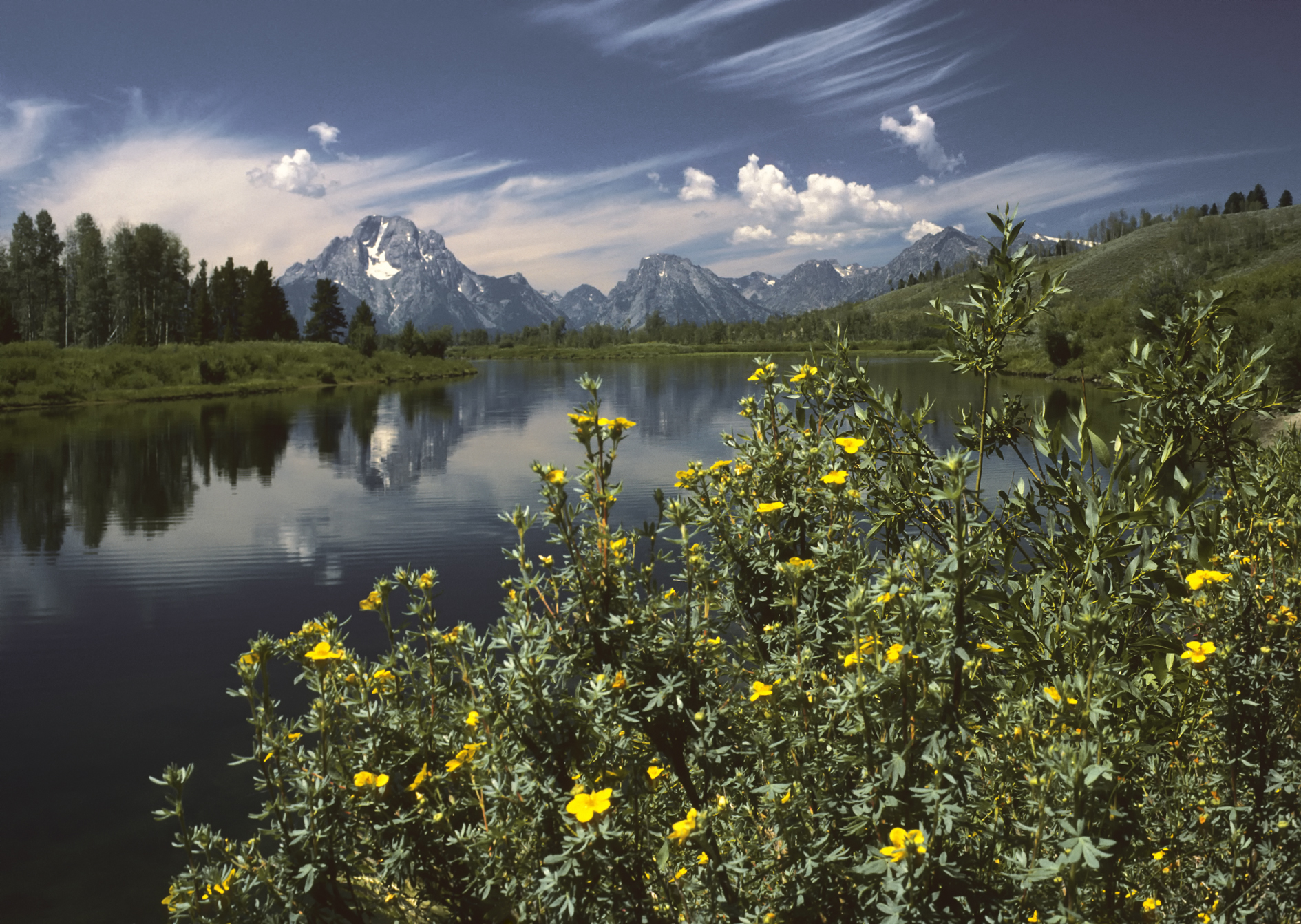
If you only see one fall spot, make it Oxbow Bend. A slow curve of the Snake River mirrors Mount Moran, while aspens and cottonwoods on the far bank turn gold. On a calm morning, the reflection doubles everything. It’s also a wildlife hotspot, with moose, otters, pelicans, eagles and the occasional grizzly. Oxbow Bend often peaks right at the very end of September or the first week of October. Don’t miss the Upper Oxbow turnout just east, where aspen hillsides frame the view.
Best for: sunrise, reflections, Mount Moran, wildlife.
2. Schwabacher Landing
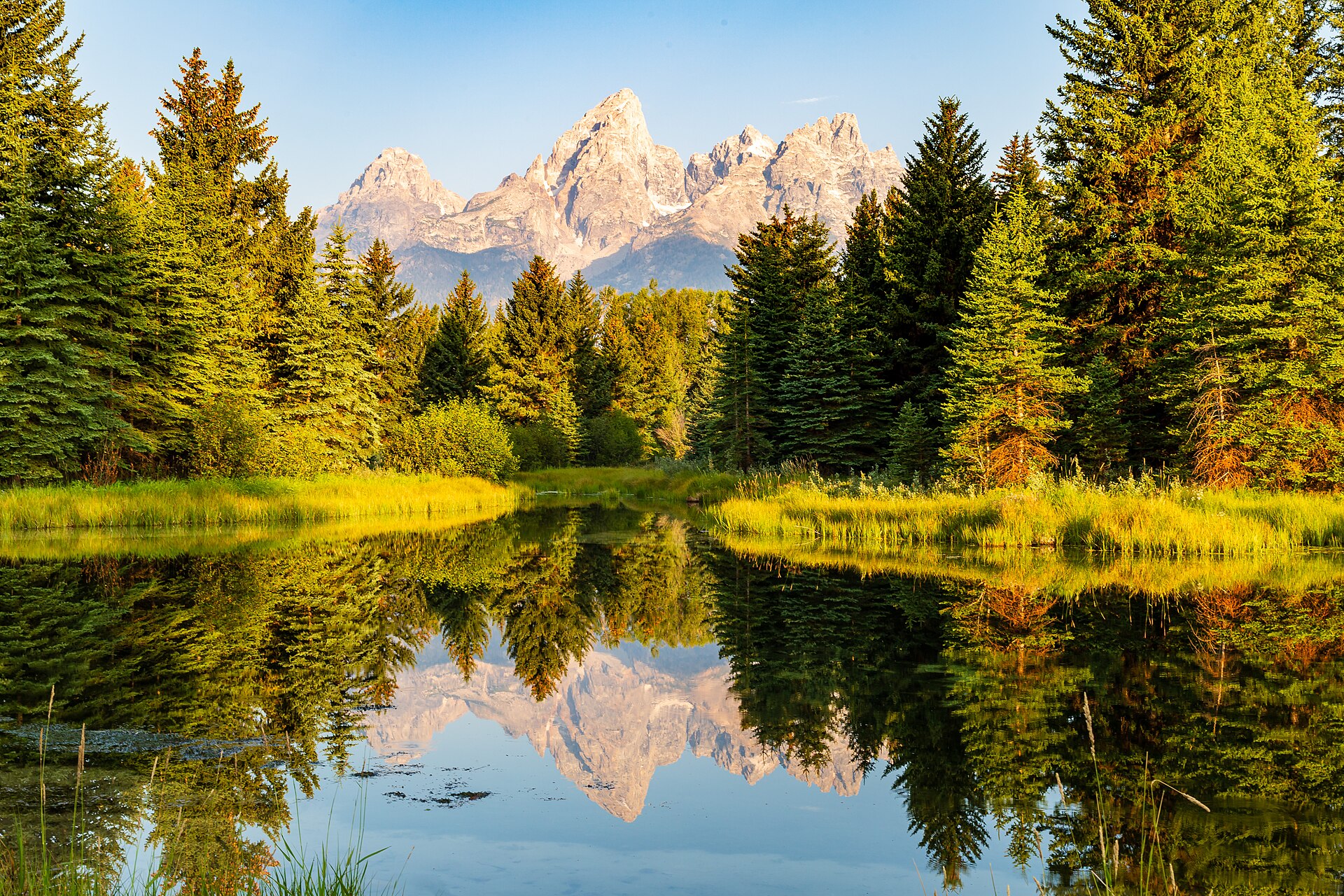
A short gravel road drops to a quiet side channel of the Snake River, where beaver ponds reflect the Tetons. In fall, cottonwoods and willows line the water in gold. Walk the path upstream to find space away from the tripod line. Moose often browse the banks.
Best for: sunrise reflections, cottonwoods, classic Teton photos.
3. Gros Ventre River and Kelly
This is the spot many guides skip, and it’s often the first to turn. The Gros Ventre River winds east of the main valley, lined with cottonwoods, willows and aspens, with the Tetons on the western horizon. The Gros Ventre Road and the area around Kelly and the Gros Ventre Campground are great for early color, moose and bison. Head a bit farther up Gros Ventre Road and the hillsides fill with aspens.
Best for: early-season color, moose, quieter viewing.
4. Snake River Overlook
This is where Ansel Adams made his famous 1942 photo. Trees have grown since, but the view of the river bending below the full range is still stunning when the cottonwoods turn. It’s a roadside stop, so it’s easy for anyone.
Best for: wide, layered landscapes and sunrise.
5. Willow Flats Overlook
North of Jackson Lake Dam, huge willow thickets spread across wet meadows with Mount Moran and the northern Tetons behind. In fall the whole flat turns yellow and orange. Moose, elk and sometimes grizzlies move through, so keep binoculars or a long lens handy.
Best for: willows, wildlife, broad valley views.
6. Blacktail Ponds Overlook
Easy to drive past, which is a mistake in fall. Old beaver ponds have become wetland meadows full of willows, with the Tetons lined up behind. Elk graze here in the cooler parts of the day, and moose browse along the river.
Best for: wetland color, elk and moose.
7. Mormon Row and Antelope Flats
The famous homestead barns sit in open sagebrush, not forest, but in fall the grasses turn gold, cottonwoods around the old homesteads turn yellow, and bison and pronghorn graze nearby. Sunrise light on the peaks behind the Moulton Barns is a classic autumn shot.
Best for: historic barns, bison, sunrise.
8. Jenny Lake and String Lake
Fall adds warmth to the shoreline below Teewinot and the Cathedral Group. Walk the paved Discovery Trail to the shore, or stroll along String Lake, where aspens and shrubs color the edges of calm, shallow water. Early morning brings softer light and stiller water. Note that the Jenny Lake boat shuttle ended its 2026 season on September 30. Our Jenny Lake guide covers every option.
Best for: lake scenery and easy walks.
9. Two Ocean Lake and Pacific Creek Road
In the quieter northeast corner of the park, big quaking aspen groves ring Two Ocean Lake, and the drive along Pacific Creek Road is lined with gold in a good year. It’s one of the best places to find color without crowds. This is serious bear country, so carry bear spray and make noise.
Best for: aspen groves and solitude.
10. Signal Mountain Summit Road
This narrow, winding road climbs about 5 miles through forest and aspen groves to viewpoints over Jackson Hole, Jackson Lake and the whole range. From up top, the colored patches across the valley look like a quilt. Trailers and large RVs aren’t allowed, and the road closes to vehicles for winter, usually at the end of October.
Best for: panoramic views and a scenic drive.
11. Moose-Wilson Road and the Laurance S. Rockefeller Preserve
In a normal fall, this narrow road through forest and wetland is one of the best color drives in the park, with red hawthorns, golden aspens and frequent bears and moose. The preserve’s trails around Phelps Lake are lovely in autumn. In fall 2026, though, the road is closed between Moose and the preserve from September 8 to November 15. You can still reach the preserve from the south via Teton Village and the Granite Canyon Entrance.
Best for: forest color, hawthorns, wildlife (with 2026 access limits).
12. Taggart Lake Trail
The park specifically highlights this trail for its aspen stands, and it’s one of the easiest ways to walk through fall color with the Tetons ahead. In 2026 the northern section is closed, so you’ll take the longer southern route, about 4.25 miles round trip. Read our Taggart Lake Trail guide before you go.
Best for: hiking through aspens.
Best Grand Teton Fall Color Spots Compared
| Location | Best For | Best Light | Walking |
|---|---|---|---|
| Oxbow Bend | Reflections, Mount Moran | Sunrise | Minimal |
| Schwabacher Landing | River, cottonwoods, Tetons | Sunrise | Short walk |
| Gros Ventre River | Early color, moose | Morning or evening | Minimal |
| Snake River Overlook | Wide landscapes | Sunrise | Minimal |
| Willow Flats | Willows, wildlife | Morning or evening | Minimal |
| Blacktail Ponds | Wetlands, elk | Morning | Minimal |
| Mormon Row | Barns, bison | Sunrise | Minimal |
| Jenny and String Lakes | Lakes and peaks | Morning | Easy |
| Two Ocean Lake | Aspens, solitude | Morning or afternoon | Hike |
| Signal Mountain | Panoramas | Morning or evening | Minimal |
| Taggart Lake | Aspen hike | Morning | Hike |
| LSR Preserve | Forest, Phelps Lake | Morning | Hike (2026 access via Teton Village) |
Best Scenic Drives for Grand Teton Fall Foliage
Driving is the easiest way to see a lot of color in one day, and many of the best views are right beside the road.
- The park loop (Teton Park Road and Highway 89/191): about 40 miles that pass Snake River Overlook, Oxbow Bend, Willow Flats, Jackson Lake Dam and Jenny Lake. Give it a full day, not two hours.
- Gros Ventre Road to Kelly: river cottonwoods, aspen hillsides, bison and moose, often with the earliest color.
- Antelope Flats Road and Mormon Row: golden grasslands, homesteads and wildlife.
- Signal Mountain Summit Road: aspen forest on the way up and huge views at the top.
- Pacific Creek Road: quiet, aspen-lined and good for spotting bears from the car.
- Moose-Wilson Road: normally superb, but closed from Moose to the preserve in fall 2026.
Drive slowly, especially at dawn and dusk when animals cross. Pull fully off the pavement before you stop for a photo, and never stop in the middle of the road, even if everyone else is.
Best Fall Hikes for Color in Grand Teton
The best fall hikes in Grand Teton are low-elevation trails near lakes and streams, where aspens, cottonwoods and shrubs grow. Taggart Lake, Two Ocean Lake, String Lake, Jenny Lake and the Phelps Lake area are all excellent in late September.
| Hike | Distance | Difficulty | Why Go in Fall |
|---|---|---|---|
| Taggart Lake (2026 southern route) | About 4.25 mi round trip | Easy to moderate | Aspen stands and a glacial lake under the Grand Teton |
| Two Ocean Lake Loop | About 6.4 mi | Moderate | Big aspen groves and very few people |
| String Lake Loop | About 3.7 mi | Easy | Gentle, pretty lakeshore walking |
| Jenny Lake Loop | About 7.1 mi | Moderate | Lake views and fall color, no boat needed |
| Aspen Ridge–Boulder Ridge Loop (LSR Preserve) | About 5.8 mi | Moderate | Aspen groves near Phelps Lake (access via Teton Village in 2026) |
| Heron Pond and Swan Lake | About 3 mi | Easy | Waterfowl, willows and Jackson Lake views |
| Cascade Canyon | About 9+ mi round trip | Moderate to strenuous | Shrubs turning red and gold, moose in the willows |
Fall is a great hiking season, with cooler temperatures and fewer bugs. Mountain snowstorms are common, though, and high trails can become icy or snowy quickly. Stick to lower routes late in the season, check the forecast every morning and tell someone your plan. If you want a longer day, the Cascade Canyon Trail is a fall favorite, but after September 30 you’ll need to walk around Jenny Lake to reach it. For more options, see our list of the best hikes in Grand Teton National Park.
Grand Teton Fall Photography Guide
Grand Teton is one of the most photographed mountain landscapes in the country, and fall is its best season. The trick isn’t finding the brightest tree. It’s finding a composition where the color works with water, mountains and light.
Shoot Sunrise, and Arrive Early
The Tetons face east, so first light hits the peaks while the valley is still in shadow. In late September, sunrise is around 7–7:30 a.m. Arrive at least 30–45 minutes early to find a spot and set up, because Oxbow Bend and Schwabacher Landing can fill with tripods before dawn during peak color. The pink alpenglow on the peaks lasts only a few minutes.
Chase Calm Water for Reflections
Reflections at Oxbow Bend, Schwabacher Landing, String Lake and Jenny Lake are usually best in the stillness right after sunrise, before the wind picks up. Wind matters more than expensive gear here. If the water is glassy, work fast.
Use Afternoon Backlight on Aspens
Midday light is harsh for big landscapes, but it’s fine for close-ups inside an aspen grove. In the late afternoon, shoot toward the sun through the leaves and the whole grove seems to glow. A polarizing filter helps cut glare on leaves and deepens the blue sky.
Use Fall Color as Foreground
Don’t point the camera only at the mountains. A branch of yellow leaves, a patch of red hawthorn or orange willows in the foreground adds depth and tells the viewer it’s autumn.
Bring a Telephoto Lens
A long lens lets you isolate a single gold grove against dark pines or stack layers of color and peaks. It’s also the only right tool for wildlife, since it keeps you at a legal, safe distance.
Don’t Put the Camera Away in Bad Weather
Dark clouds, yellow aspens and freshly snow-dusted peaks often make better photos than a flat blue sky. Colors look richest right after rain, when leaves and bark are wet. Protect your gear, keep spare batteries warm in an inside pocket, and wait for gaps in the clouds.
Note for drone pilots: launching or flying drones is prohibited in national parks, including Grand Teton.
Grand Teton Fall Colors in September vs. October
September is the main month for fall color trips, especially the second half. Services are mostly still running, trails are open, the weather is milder and wildlife is very active. The trade-off is more people at the famous photo spots. Our full Grand Teton in September guide covers weather, crowds and closing dates in detail.
Early October can still be excellent, and Oxbow Bend often peaks then. Crowds drop sharply, with far fewer visitors than in summer. But it’s colder, snow is more likely, and most in-park lodges, campgrounds and restaurants close by mid-October. Teton Park Road between the Taggart Lake Trailhead and Signal Mountain Lodge normally closes to vehicles on November 1. If you go in October, base yourself in Jackson and pack lunch into the park. Our Grand Teton in October guide covers closing dates, road closures and October hikes.
| Late September | Early October | |
|---|---|---|
| Color | Often at or near peak | Can still be great, fading in windy spots |
| Weather | Frosty mornings, mild afternoons | Colder, snow more likely |
| Crowds | Busy at famous photo spots | Much quieter |
| Services | Many still open, some closing | Most in-park services closed |
| Wildlife | Elk rut in full swing | Rut winding down, migrations starting |
Comparing all seasons? See our guide to the best time to visit Grand Teton National Park.
Fall 2026: Closures That Affect Leaf-Peeping
2026 is a big construction year in Grand Teton. None of it closes the whole park, but a few closures hit popular fall color spots:
- Moose-Wilson Road: closed to cars and bikes between Moose and the Laurance S. Rockefeller Preserve from September 8 to November 15. Reach the preserve from the south through Teton Village and the Granite Canyon Entrance. The preserve’s visitor center closed for the season on September 20.
- Taggart Lake Trail: the northern section is closed through November 15. The southern route is open, about 4.25 miles round trip.
- Death Canyon Road and Trailhead: closed all season.
- Cottonwood Creek Picnic Area: closed for construction.
- Jenny Lake boat shuttle: the 2026 season ended September 30, so you’ll need to walk around the lake to reach Hidden Falls and Cascade Canyon.
- Construction near Moose: expect delays at the new roundabout near the Moose Entrance Station.
Plans change with the weather, so check the park’s current road and trail conditions the night before and again in the morning. If you’re reading this for a future fall trip, don’t assume these closures still apply.
Wildlife During Fall Color Season
Fall color season lines up with one of the best wildlife periods of the year. Bull elk bugle across the meadows during the rut, bull moose are at their most impressive, bison and pronghorn start moving toward winter ranges, and bears feed almost nonstop before denning, often in berry patches near roads and trails.
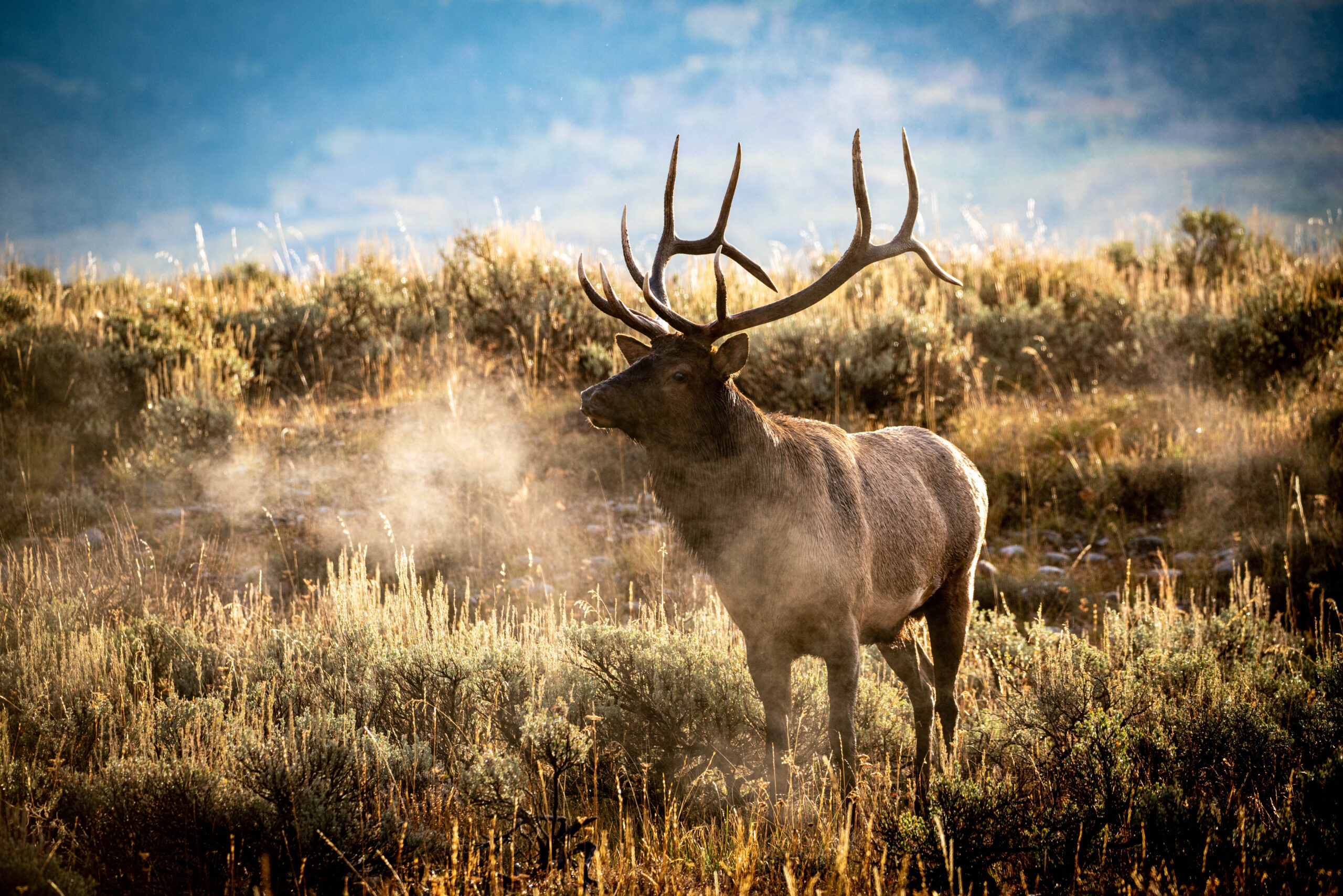
That makes fall great for wildlife photos, and it also calls for extra care. Rutting elk and moose can charge, and a bear focused on berries may not notice you. Stay at least 100 yards from bears and wolves and 25 yards from all other wildlife, never walk closer because an animal is standing in pretty foliage, and carry bear spray on every hike. Our Grand Teton wildlife guide shows where to look for each species.
Weather and What to Pack
Fall weather changes fast. Late-September mornings often start around freezing, afternoons can reach the 50s or 60s°F, and rain, frost and mountain snow are all possible. A warm afternoon says nothing about tomorrow’s sunrise. Wildfire smoke from elsewhere in the West can also haze the views some years, and it often clears after a storm. For the full picture, see Grand Teton weather by month.
- Warm base layer and a fleece or light puffy
- Waterproof, windproof jacket
- Warm hat and gloves (you’ll want them at sunrise)
- Broken-in hiking shoes and warm socks
- Bear spray in an easy-reach holster
- Binoculars, headlamp, water and snacks
- Sunscreen and sunglasses
- Offline maps, since cell service is patchy
- Rain cover for camera gear and spare batteries
Gear Worth Considering
For a fall photography trip, a sturdy tripod, a circular polarizer, a telephoto zoom, hand warmers and a thermos make those cold sunrise sessions far more pleasant. If you’re flying in, rent bear spray in Jackson, since you can’t take it on a plane.
Grand Teton Fall Colors Itineraries
One Day of Fall Color
Before sunrise: Schwabacher Landing or Oxbow Bend for reflections. Early morning: Willow Flats for color and wildlife, then Jackson Lake Dam. Late morning: drive up Signal Mountain for the panorama. Midday: walk the String Lake shore or a short trail at Jenny Lake, where aspens look great even in harsh light. Afternoon: Gros Ventre Road toward Kelly for cottonwoods and moose. Sunset: Mormon Row or Antelope Flats as the light turns gold on the peaks.
Two Days of Fall Color
Day 1, the classic viewpoints: sunrise at Oxbow Bend, then Willow Flats, Snake River Overlook and Schwabacher Landing. Spend the afternoon around Jenny and String Lakes and finish at Mormon Row.
Day 2, hiking and aspens: hike Taggart Lake or Two Ocean Lake in the morning. After lunch, drive Gros Ventre Road and Antelope Flats. For sunset, go back to whichever spot had the best color. Revisiting the strongest location usually beats trying to see everything.
Don’t make it rigid. Clouds, wildlife and changing light can be reasons to stay longer in one place. For more trip plans, see our Grand Teton National Park itinerary.
Where to Stay for Fall Colors
Staying inside the park puts you close to sunrise spots, but in-park lodges and campgrounds close in stages through late September and early October. In 2026, Signal Mountain Lodge runs until October 11 and Gros Ventre Campground until October 10, while Jackson Lake Lodge and Jenny Lake Lodge close October 4. Jackson has the most options and stays open year-round, about 20–30 minutes from the main viewpoints. Book early for late September, which is one of the busiest times for photographers.
Tips for Planning Around Peak Fall Colors
- Plan a window, not a date. Aim for roughly September 20 to October 5 and stay flexible.
- Give yourself several days. One area may be peaking while another is still green or already bare.
- Check recent conditions. Look at current photos, park updates and the forecast a few days out.
- Watch the wind. A strong windstorm can change the landscape overnight.
- Go early on weekends. Popular photo spots are busiest on late-September weekends.
- Leave no trace. Stay on trails, don’t trample willows for a shot, and never carve aspen bark.
Are Grand Teton Fall Colors Worth It?
Yes. Grand Teton’s fall colors are worth planning a trip around, especially for photographers. The foliage is lovely on its own, but the setting makes it unforgettable: gold aspens below jagged peaks, cottonwoods along the Snake River and elk bugling in the meadows.
The season is short, and that’s part of what makes it special. You can photograph yellow aspens below the peaks in the morning, follow gold cottonwoods along the river in the afternoon, and watch wildlife cross the valley as evening falls.
Related Guides
Planning more of this trip? These guides pick up where this one leaves off:
- Best Things to Do in Grand Teton National Park
- Where to Stay Near Grand Teton National Park
- Yellowstone and Grand Teton Road Trip
- Grand Teton National Park With Kids
Grand Teton Fall Colors FAQs
When is peak fall color in Grand Teton National Park?
Usually from the last week of September into the first week of October. Timing shifts every year with weather, so plan around a window rather than one date.
When do fall colors start in Grand Teton?
Color often starts appearing in early September, usually first at higher elevations and along the Gros Ventre River.
Is September a good time to see Grand Teton fall colors?
Yes, especially the second half of the month, when color is building or peaking and most services are still open.
Is October too late for fall colors in Grand Teton?
Not usually in the first week, when Oxbow Bend often peaks. By mid-October, wind, frost and snow have stripped many trees and most in-park services are closed.
Where is the best place to see fall colors in Grand Teton?
Oxbow Bend is the most famous. Schwabacher Landing, the Gros Ventre River, Willow Flats, Snake River Overlook, Two Ocean Lake and Taggart Lake are also excellent.
What trees turn yellow in Grand Teton?
Mainly quaking aspens and cottonwoods. Willows add yellow and orange, while hawthorn, mountain ash and other shrubs add red.
What is the best fall hike in Grand Teton?
Taggart Lake is the classic aspen hike, and Two Ocean Lake is the best choice if you want color without crowds.
Can you see fall colors from the car?
Yes. Oxbow Bend, Snake River Overlook, Willow Flats, Blacktail Ponds, Mormon Row and Signal Mountain are all right beside the road, so the season works well for travelers with limited mobility too.
Can it snow during fall color season?
Yes. Snow is common on the peaks and possible in the valley later in the season. Fresh snow above gold aspens is one of the best sights of the year.
Is fall good for wildlife in Grand Teton?
Yes. The elk rut, moose rut and bears feeding before winter make fall one of the best wildlife seasons. Keep your distance and use a telephoto lens.
Is Moose-Wilson Road open for fall colors in 2026?
Only partly. It’s closed between Moose and the Laurance S. Rockefeller Preserve from September 8 to November 15, 2026. You can still reach the preserve from Teton Village.
Final Thoughts on Grand Teton Fall Colors
Timing Grand Teton fall colors perfectly is hard, and that shouldn’t stop you. Give yourself a window, ideally the second half of September into early October, and stay flexible once you’re there.
Spend your mornings by rivers and lakes. Walk through the aspens later in the day. Keep an eye on the sky and a long lens ready for wildlife. And if fresh snow shows up on the Tetons while the aspens are still gold, don’t complain about the weather. Grab the camera. That might be the photo you came for. For more ideas, browse all of our travel guides.