
September in Grand Teton starts with frost on the windshield. By lunch you’re hiking in a T-shirt. By sunset you’ve pulled the jacket back on and you’re standing in a turnout, listening to a bull elk bugle somewhere out in the sagebrush.
That’s the month in a nutshell. It’s a hinge between two seasons. The summer rush eases after Labor Day, the aspens start turning gold, and the whole valley feels like it’s getting ready for winter. Animals are on the move. The light gets softer. And the weather can flip from shorts to snow in a single day.
If you’re planning Grand Teton in September, this guide covers what you actually need to know: real temperatures, when the fall colors usually peak, what the elk rut is like, which hikes make sense, what closes and when, where to stay, and the 2026 construction closures that can quietly wreck an itinerary if you don’t know about them.
Grand Teton in September at a Glance
| Planning Detail | What to Expect in September |
|---|---|
| Daytime highs | Often upper 60s°F early in the month, dropping toward the 50s by late September |
| Overnight lows | Around freezing (about 32°F), sometimes into the 20s |
| Snow | Possible in the mountains any time; light valley snow can happen late in the month |
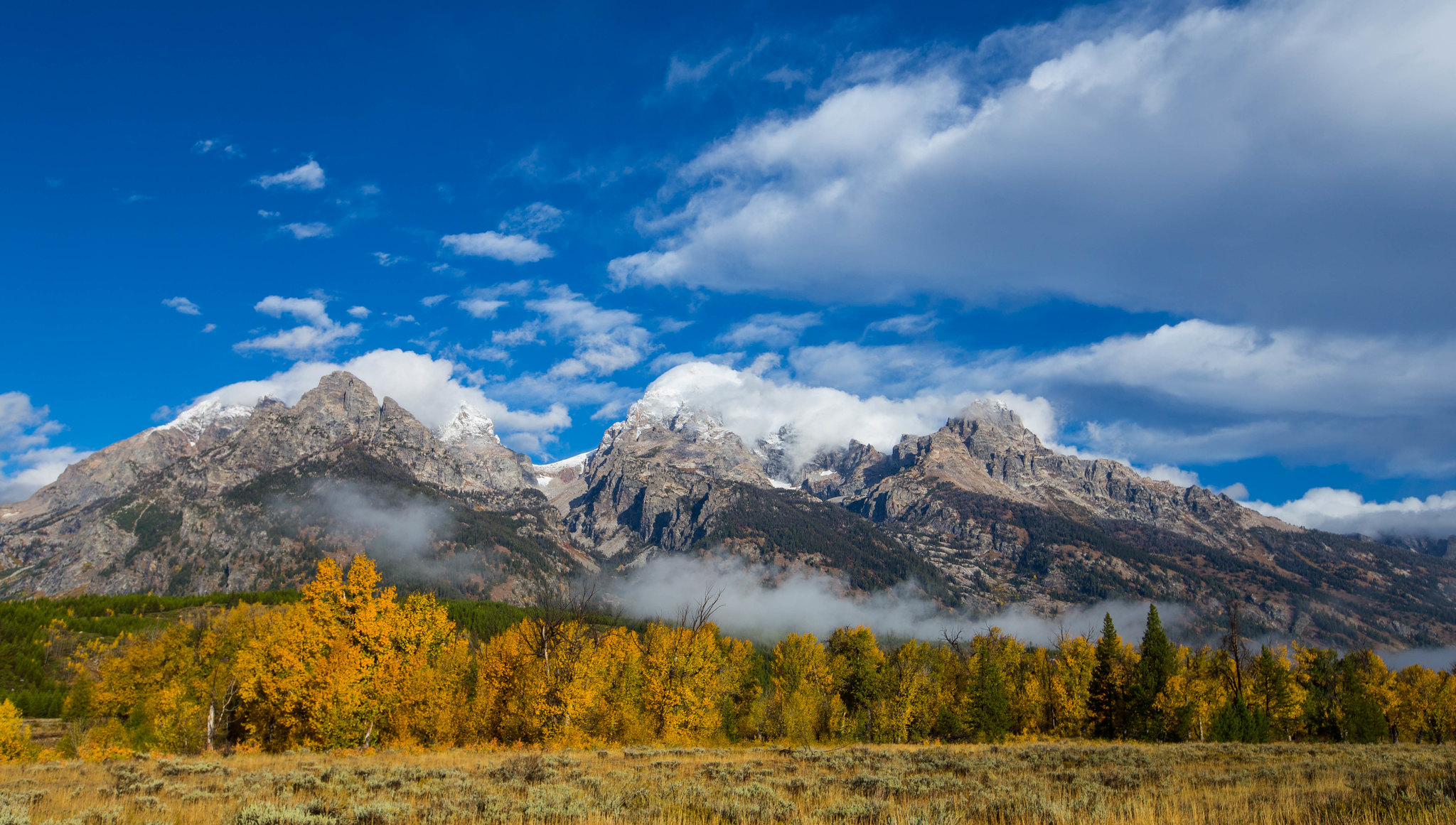
| Fall colors | Start early September, build mid-month, usually strongest in the last week of September into early October |
| Wildlife | Excellent. Elk and moose rut, bears feeding heavily, pronghorn gathering |
| Crowds | Lighter than July and August, but still one of the park’s busiest months |
| Daylight | Sunset moves from around 8 p.m. to a little after 7 p.m. over the month |
| Services | Most open early in the month; boats, campgrounds and restaurants start closing in the second half |
| Entrance fee | $35 per private vehicle for 7 days (plus $100 per person for non-US residents in 2026) |
| Ideal trip length | 2 to 3 days |
| Best for | Fall color, wildlife, photography, cool-weather hiking, scenic drives |
2026 heads-up: this is a big construction year in the park. The Moose-Wilson Road is closed between Moose and the Laurance S. Rockefeller Preserve from September 8 through November 15, Death Canyon Road and trailhead are closed for the whole season, and the northern part of the Taggart Lake Trail is shut. There’s more detail on each of these further down.
In This Guide
- Is September a good time to visit?
- September weather and daylight
- When fall colors peak, and where to see them
- Wildlife in September
- Crowds
- Best things to do
- Best September hikes
- What’s open and what closes
- 2026 road and trail closures
- Early vs. mid vs. late September
- 1-day, 2-day and 3-day itineraries
- Where to stay and eat
- What to pack
- FAQs
Is September a Good Time to Visit Grand Teton?
Yes. September is one of the best months to visit Grand Teton National Park. You get cooler hiking weather, golden aspens, the elk rut and some of the year’s best wildlife watching, with fewer people than midsummer. The trade-off is colder mornings, less predictable weather and seasonal services closing as the month goes on.
Some travelers think September is the best month of the whole year here, and it’s easy to see why. Roads and trails are open. The bugs are mostly gone. The summer haze usually clears out, and the Tetons look sharper against the sky.
But September isn’t one month. It’s three. Early September still feels like late summer. Mid-September brings crisp mornings and the first real color. Late September is full autumn, with better foliage and a real chance of snow on the peaks. When you go should depend on what you care about most. We break that down below.
Where Is Grand Teton, and How Do You Get There?
Grand Teton National Park is in northwestern Wyoming, just north of the town of Jackson and directly south of Yellowstone. From downtown Jackson, the Moose Entrance is about 13 miles away, usually around 20–25 minutes of driving. This year, allow extra time for construction delays near Moose.
The closest airport is Jackson Hole Airport, which actually sits inside the park boundary. Most visitors rent a car there or in Jackson. There’s no park-wide shuttle, so a car is the only practical way to move between viewpoints, trailheads and wildlife areas. Yellowstone’s South Entrance is under an hour’s drive from the northern end of the park, so plenty of people combine the two.
Grand Teton Weather in September
Expect cold mornings around freezing, mild afternoons in the 60s°F, and weather that can change fast. Rain, thunderstorms, frost and mountain snow are all possible in September, and conditions at higher elevations can be very different from the valley floor.
The monthly average high sits somewhere in the mid-to-upper 60s°F, and the average low hovers right around 32°F. That’s a 35-degree swing between dawn and mid-afternoon. It’s the single most important thing to plan around. A sunrise photo session at Oxbow Bend will feel like winter. The hike you start at 10 a.m. might have you stripping down to a base layer by noon.
| Part of September | Typical Highs | Typical Lows | What It Feels Like |
|---|---|---|---|
| Early (1st–10th) | Upper 60s to low 70s°F | Mid 30s°F | Late summer with chilly mornings |
| Mid (11th–20th) | Low to mid 60s°F | Low 30s°F | Crisp fall days, frosty starts |
| Late (21st–30th) | 50s to around 60°F | High 20s to around 30°F | Full autumn; snow possible on the peaks |
These are typical ranges, not promises. A warm spell can push late-September highs back into the 70s, and a cold front can drop early-September highs into the 40s. September usually sees around an inch and a half of precipitation, with only a trace of snow in the valley on average.
Does It Snow in Grand Teton in September?
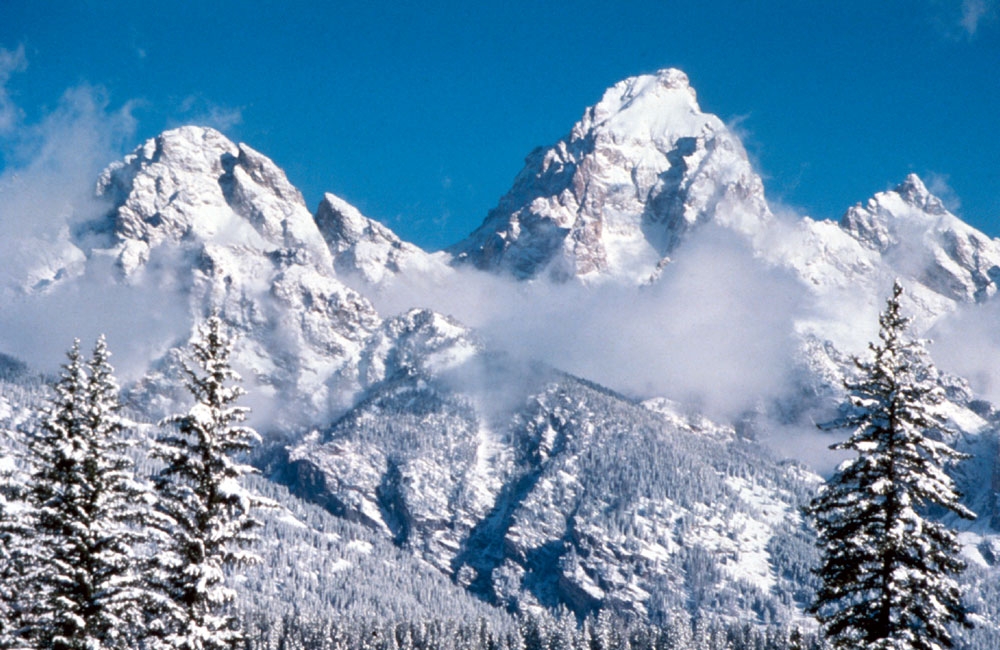
Yes, it can. Snow is most likely in the high country and becomes more common later in the month. The valley usually stays clear, but a passing storm can dust the peaks, close a high trail or briefly whiten the roads.
Here’s the odd part. A September snowstorm can roll through, turn everything white, and melt off the next afternoon under blue sky. When it happens, don’t panic and don’t cancel your trip. Swap a high hike for a valley drive, wait it out, and enjoy the fact that fresh snow on the Tetons with gold aspens below is one of the best sights in the park.
Shorter Days Change Your Plans
This one catches people out. Over September you lose roughly an hour of daylight. At the start of the month, the sun sets around 8 p.m. By the end, it’s a little after 7 p.m., and sunrise has slid later too. The autumn equinox arrives around September 22.
That matters for long hikes, for late arrivals and for wildlife watching, since dusk is prime time. Check sunrise and sunset times each day, start long hikes early, and carry a headlamp even on trails you expect to finish in daylight.
For a month-by-month comparison, see our guide to Grand Teton weather by month.
When Do Fall Colors Peak in Grand Teton?
Fall colors in Grand Teton usually peak in the last week of September and the first week of October. Color starts appearing in early September, builds through the middle of the month, and varies every year with temperature, rainfall, wind and frost.
Aspens are the stars. Their leaves turn a bright, almost electric yellow, with occasional orange and even red. Cottonwoods along the Snake River go gold. Willows, serviceberry, mountain ash and other shrubs add rusts and reds along lakes, creeks and canyon trails.
Color doesn’t change everywhere at once, because elevation matters. Here’s the usual pattern:
| Timing | What You’ll Typically See |
|---|---|
| Early September | Scattered yellow, mostly higher up and along the Gros Ventre River |
| Mid-September | Color spreading through aspen groves and river corridors |
| Third week | Color coming on strong across much of the valley |
| Last week of Sept to first week of Oct | Historically the peak, including Oxbow Bend |
| Mid-October | Late color hanging on; bare trees in windy spots |
A few honest warnings. Some years are early. Some are late. And now and then there’s a “brown” year, when a hard freeze or strong wind skips most of the gold and takes the leaves straight to brown. One windstorm can strip a grove in an afternoon. So if fall color is the main reason for your trip, lean toward the second half of September and keep a couple of flexible days. Our full guide to Grand Teton fall colors covers every spot, scenic drive and photo tip in detail.
Best Places for Fall Colors in Grand Teton
| Spot | What Turns | Usual Timing |
|---|---|---|
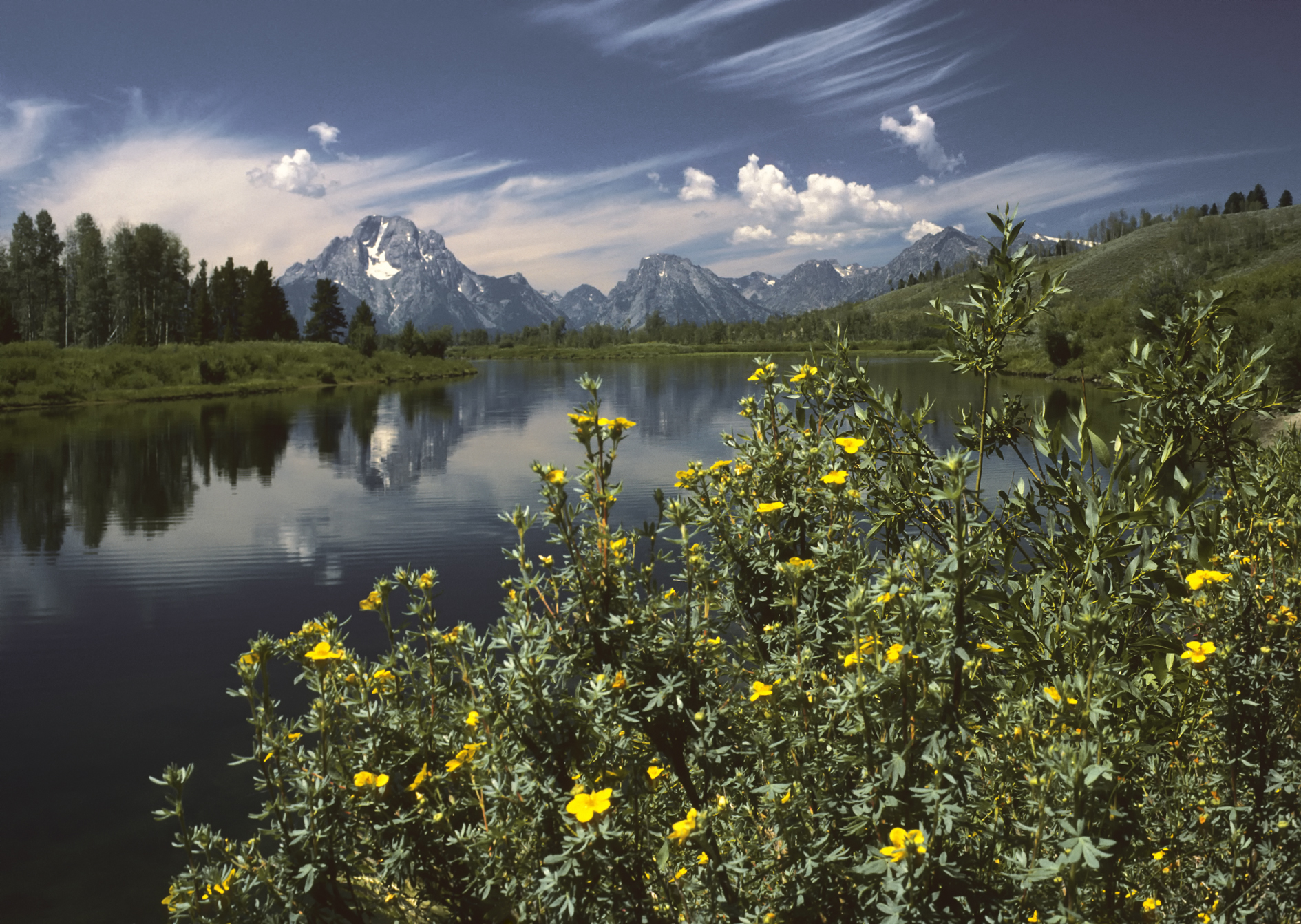
| Oxbow Bend | Aspens and cottonwoods below Mount Moran, doubled in the river | Very end of Sept to first week of Oct |
| Upper Oxbow turnout | Aspen hillsides, a short way east of Oxbow Bend | Late Sept into Oct |
| Gros Ventre River | Cottonwoods, willows, aspens | Can start in early Sept |
| Schwabacher Landing | Cottonwoods and willows by the river | Late Sept |
| Willow Flats | Willows, cottonwoods and aspens | Late Sept |
| Snake River Overlook | Cottonwoods lining the river far below | Late Sept |
| Two Ocean Lake | Quaking aspen groves around the lake | Mid to late Sept |
| Pacific Creek Road | Aspen-lined road with Teton views | Mid to late Sept |
| Cattleman’s Bridge area | Cottonwoods and aspens near the Snake River | Late Sept |
| Signal Mountain Summit Road | Aspen groves on the climb, huge views on top | Mid to late Sept |
Don’t spend the whole trip chasing famous turnouts, though. Some of the best color shows up on ordinary stretches of road, when low sun hits a small aspen stand with the mountains behind. Drive slowly, and pull fully off the road before you stop.
Photo tip: colors often look their richest right after rain. Wet leaves and bark deepen, the air clears, and clouds around the peaks add drama. A gray morning isn’t a lost morning.
Wildlife in Grand Teton in September
September is one of the best months for wildlife in Grand Teton. Elk and moose are in their rut, bears are feeding almost nonstop before winter, pronghorn are gathering before migration, and birds are heading south. Dawn and dusk are the most productive times to look.
Everything in the valley is busy in September. Some animals are packing on weight. Others are focused on breeding. That makes them easier to see, and it also makes them more unpredictable. Here’s what’s happening with the main species:
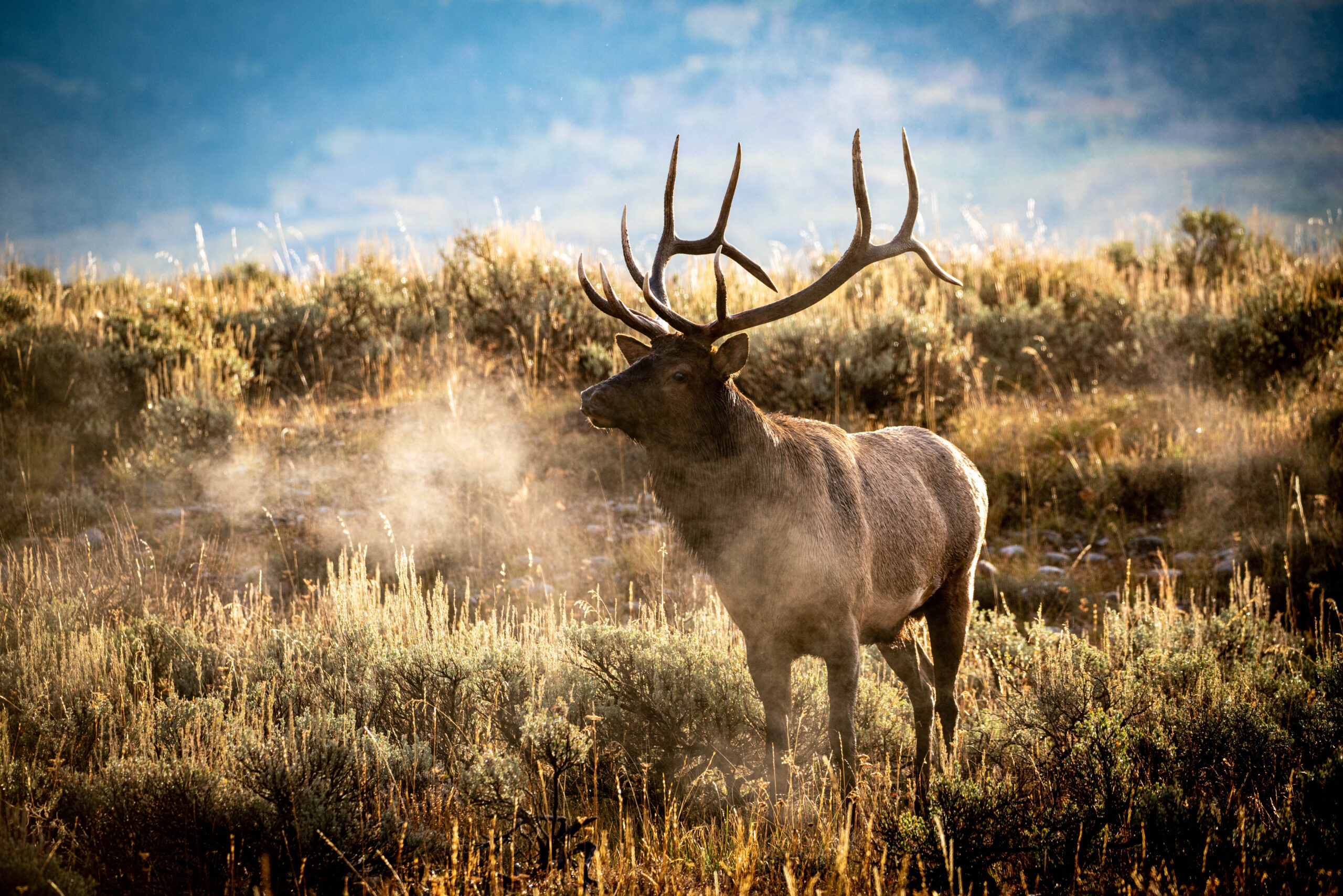
- Elk: the rut is in full swing. Bulls gather harems of cows and bugle, a high, eerie whistle that carries across the valley at dawn and dusk. It’s one of the signature sounds of fall here.
- Moose: bulls have finished growing their antlers and shed the velvet in early September, so they look their most impressive. Their rut runs through September into October, and bulls can be short-tempered.
- Bears: grizzlies and black bears are in a feeding frenzy called hyperphagia, eating as much as they can before denning. Berry patches, especially hawthorn along the Moose-Wilson corridor, pull bears close to roads and trails.
- Bison: their rut mostly wraps up by early September, but herds are still easy to find grazing the sagebrush flats.
- Pronghorn: they gather in open country before their long fall migration south.
- Birds: songbirds leave early, so mornings get quieter. Canada geese and other waterfowl gather in bigger flocks on rivers and ponds.
Where to See Wildlife in September
| Animal | Good Places to Look |
|---|---|
| Elk | Meadows near North Jenny Lake Junction and String Lake Junction, Windy Point Turnout, Timbered Island area at dusk |
| Moose | Gros Ventre River and campground area, Schwabacher Landing, Oxbow Bend, Buffalo Fork, Snake River near Moose |
| Bison | Antelope Flats Road, Mormon Row, Gros Ventre Road, near Kelly, Elk Ranch Flats |
| Pronghorn | Antelope Flats, Mormon Row, around Kelly, along Teton Park Road |
| Grizzly bears | Willow Flats, Jackson Lake Junction, Oxbow Bend, Pilgrim Creek and Pacific Creek roads, Colter Bay area |
| Black bears | Berry patches along the Moose-Wilson corridor (limited road access in fall 2026) and forested edges |
| Waterfowl | Oxbow Bend, Blacktail Ponds, Christian Pond, Swan Lake |
Nothing is guaranteed. Animals go where they want. But early mornings and the last hour before dark are when your odds are best, and a slow drive with binoculars on the passenger seat beats rushing between hotspots. Our Grand Teton wildlife guide goes much deeper on each species.
Wildlife Safety Rules You Must Follow
Stay at least 100 yards from bears and wolves and at least 25 yards from all other wildlife, whether you’re on foot or in a car. For a sense of scale, 100 yards is a football field. Use a telephoto lens or binoculars, never feed an animal, and never walk closer for a better photo.
September makes this more important, not less. A rutting bull elk or moose can charge. A bear focused on berries may not notice you until you’re too close. Carry bear spray on every hike, keep it where you can reach it in a second, and know how to use it. If rangers or the park’s wildlife management team ask you to stay in your car or keep moving at a bear jam, do it. They’re protecting you and the animal.
Is Grand Teton Crowded in September?
Less than in July and August, but it’s not quiet. Crowds drop noticeably after Labor Day, yet September has become one of the park’s busiest months, and popular spots like Jenny Lake, Oxbow Bend and Mormon Row can still be packed.
A lot of older guides call September the “quiet season.” That’s out of date. Recent park visitor counts put September at well over half a million visits, and in 2023 the park reported more September visits than June. Families with school-age kids mostly disappear after Labor Day. In their place come photographers, retirees, couples and leaf-peepers, all aiming at the same sunrise spots.
What that means in practice:
- Labor Day weekend itself is busy. The real drop starts the Tuesday after.
- The Oxbow Bend parking lot can fill with tripods well before sunrise in late September. Arrive early, or look for spots down along the water.
- Jenny Lake, Taggart Lake, Hidden Falls and the Rockefeller Preserve stay popular. Go early.
- Weekdays are calmer than weekends, especially in the second half of the month.
- Lesser-known trails like Two Ocean Lake or the Heron Pond and Swan Lake loop feel far quieter.
Best Things to Do in Grand Teton in September
1. Catch Sunrise at Oxbow Bend
Oxbow Bend is the classic. Mount Moran rises behind a slow bend in the Snake River, and on a calm morning the whole scene is mirrored in the water. In late September the shoreline turns gold. It’s also a great wildlife spot, with moose, otters, pelicans and the occasional grizzly. Get there before first light, bring gloves and a warm hat, and expect company.
2. Photograph Mormon Row
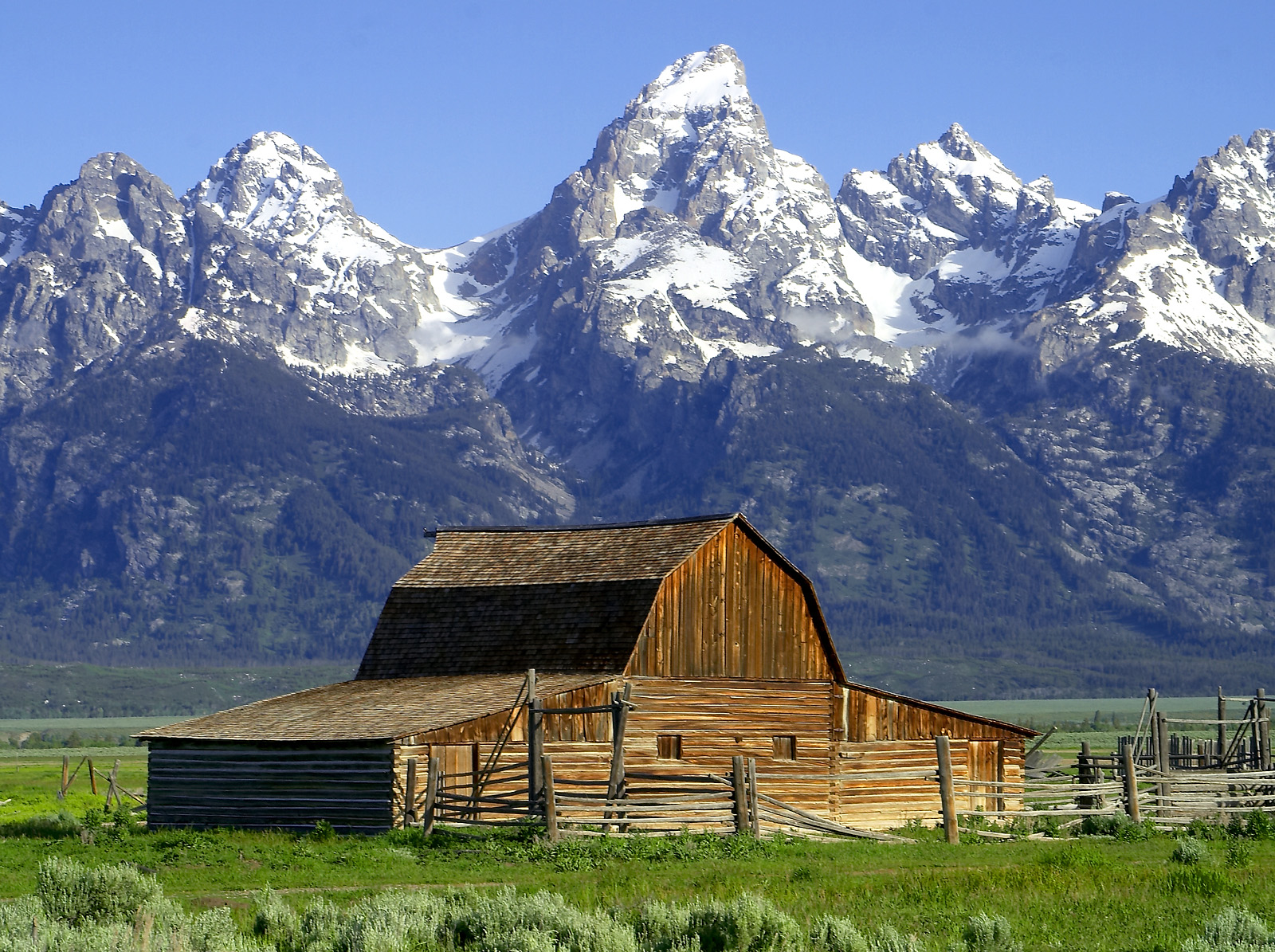
Mormon Row puts old homestead barns in the foreground and the full Teton Range behind them. The Moulton Barns are some of the most photographed buildings in the country. In September, soft golden grass and bison or pronghorn grazing nearby make it even better. Sunrise is the classic time, but late afternoon light works well too.
3. Watch the Light at Schwabacher Landing
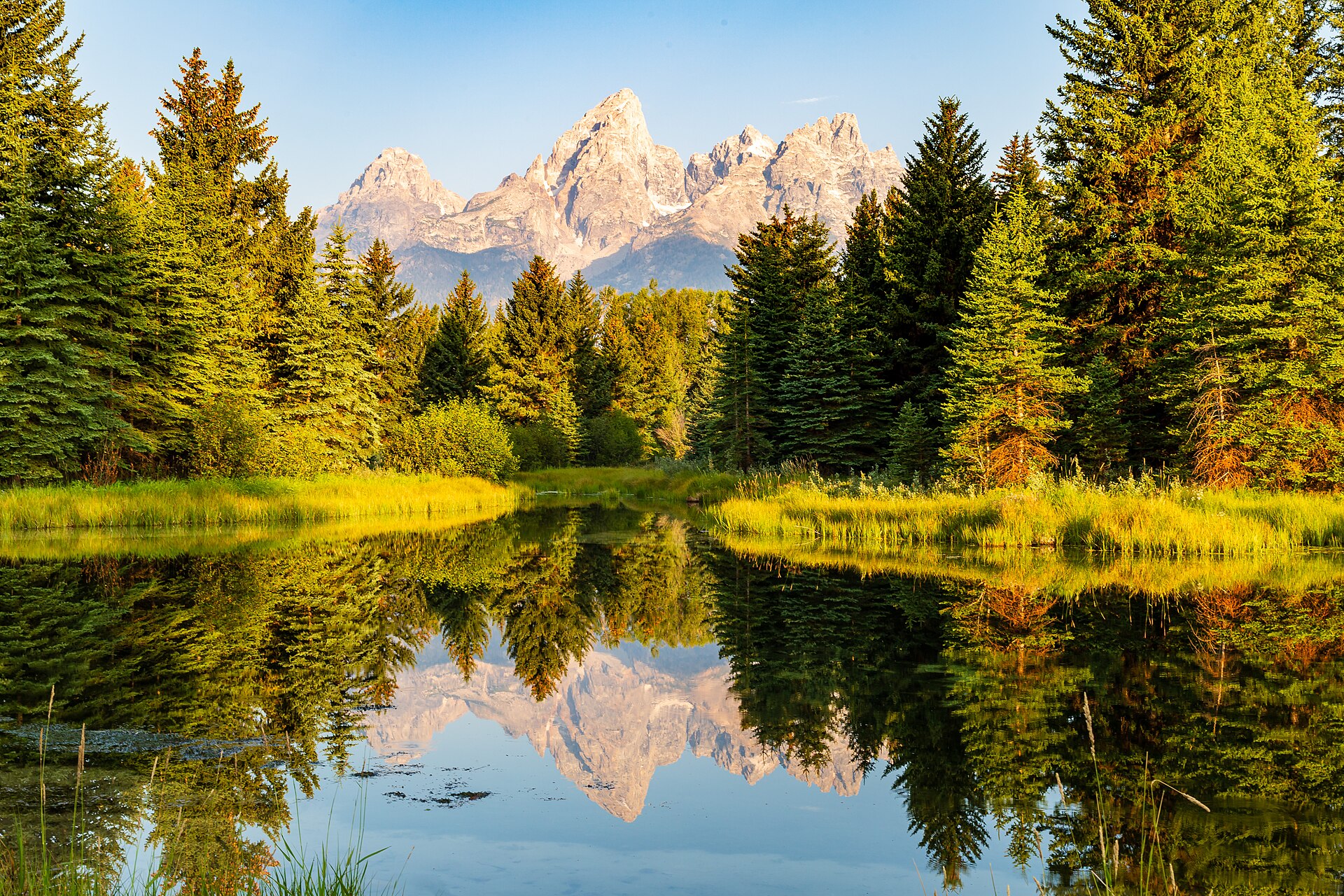
A short gravel road leads down to a quiet side channel of the Snake River, where beaver ponds reflect the Tetons. Walk the path upstream a little and you’ll have more room. Late September adds cottonwood and willow color, and moose often browse along the banks.
4. Stop at Snake River Overlook
This is where Ansel Adams made his famous 1942 photograph. The trees have grown since, so the view isn’t quite the same, but the curve of the river below the range is still stunning, especially when the cottonwoods turn.
5. Drive Up Signal Mountain
The Signal Mountain Summit Road climbs about 5 miles through forest and aspen groves to viewpoints over the whole valley, Jackson Lake and the range. It’s narrow and winding, and trailers and large RVs aren’t allowed. It’s a great option on a hazy or cloudy morning when the big viewpoints look flat.
6. Visit Jenny Lake
Jenny Lake is essential, even in fall. Walk the paved path to the shore, then hike toward Hidden Falls and Inspiration Point if you have time. Seasonal note: the Jenny Lake boat shuttle, scenic cruises and rentals ran until September 30 in 2026, and the Jenny Lake Ranger Station closed for the season on September 8. Late in the month, plan to walk around the lake. Our Jenny Lake guide covers every option.
7. Take a Scenic Float on the Snake River
A gentle guided float, usually around 10 miles, is one of the most relaxing ways to see the park. There are no rapids on these scenic stretches, just calm water, big views and a good chance of spotting moose, eagles and beavers on the banks. Most outfitters wrap up their season in late September, so book early in the month if this is on your list.
8. Drive the Scenic Loop
The loop formed by Teton Park Road and Highway 89/191 takes you past most of the park’s big viewpoints. Give it a full day, not a couple of hours, because you’ll stop constantly. Good pullouts include Glacier View, Teton Point, Snake River Overlook, Cunningham Cabin, Oxbow Bend, Jackson Lake Dam, Mountain View and the Cathedral Group Turnout. Add the Antelope Flats and Mormon Row detour for bison and barns.
9. Listen for Elk at Dusk
Pick a pullout near open meadows about an hour before sunset, switch off the engine and just listen. When a bull bugles across the valley, you won’t forget it. Stay in or beside your car and keep your distance.
10. See the Chapel of the Transfiguration
This small log chapel near Moose frames the Tetons through its altar window. It’s a quiet, five-minute stop. In 2026, construction near the Moose Entrance may affect nearby Menors Ferry Road access, so check current conditions before planning around it.
11. Bike the Multi-Use Pathway
Paved pathways connect Jackson with the park and run north toward Jenny Lake. On a crisp September afternoon, riding them with the Tetons beside you is hard to beat. Rentals are available in Jackson. Watch for wildlife crossing and for construction detours near Moose this year.
12. Join a Ranger Program
Ranger-led walks and talks keep running into September, though the schedule shrinks as the month goes on. Check at a visitor center for what’s on during your dates. They’re free and a great way to learn about the elk rut or bear behavior from people who watch it every day.
Best Hikes in Grand Teton in September
Low and mid-elevation hikes are at their best in September: cool, quieter and often lined with fall color. High backcountry routes are most reliable early in the month, before snow and ice start showing up above about 9,000 feet.
Your hiking plan should follow the weather, not the calendar. Check the forecast the night before and again in the morning, and ask at a visitor center about trail conditions before any long or high route.
| Hike | Distance (round trip) | Difficulty | Why It’s Good in September |
|---|---|---|---|
| Taggart Lake (2026 southern route) | About 4.25 mi | Moderate | Aspens, lake views right under the Grand Teton |
| String Lake Loop | About 3.7 mi | Easy | Gentle, pretty and quieter than Jenny Lake |
| Heron Pond & Swan Lake | About 3 mi | Easy | Waterfowl, moose chances, Jackson Lake views |
| Two Ocean Lake Loop | About 6.4 mi | Moderate | Big aspen groves, few people |
| Jenny Lake Loop | About 7.1 mi | Moderate | The go-to once the boat stops running |
| Hidden Falls & Inspiration Point (walking around the lake) | About 5.7 mi | Moderate | Waterfall plus a view over the valley |
| Phelps Lake Loop | About 7 mi | Moderate | Forest, lake and mountain scenery |
| Cascade Canyon | 9+ mi | Moderate to strenuous | Moose, granite walls, fewer crowds past Inspiration Point |
| Paintbrush–Cascade Loop | About 19 mi | Very strenuous | Epic, but best in early September before snow |
Taggart Lake
Taggart Lake is a favorite fall hike, with aspen stands along the way and a glacial lake sitting at the foot of the Grand Teton. In 2026 the northern part of the trail is closed for reconstruction, so you’ll take the southern route instead. It’s longer and steeper, about 4.25 miles round trip. The trailhead lot is open, but the nearby Cottonwood Creek picnic area is closed. Adding Bradley Lake is possible but makes for a much longer day this year.
Two Ocean Lake
If you want fall color without the crowds, this is the one. The loop circles a quiet lake in the northeast corner of the park, through meadows and big quaking aspen groves. Add the short climb to Grand View Point for a sweeping look back at the range. This is bear country, so make noise and carry spray.
Jenny Lake, Hidden Falls and Cascade Canyon
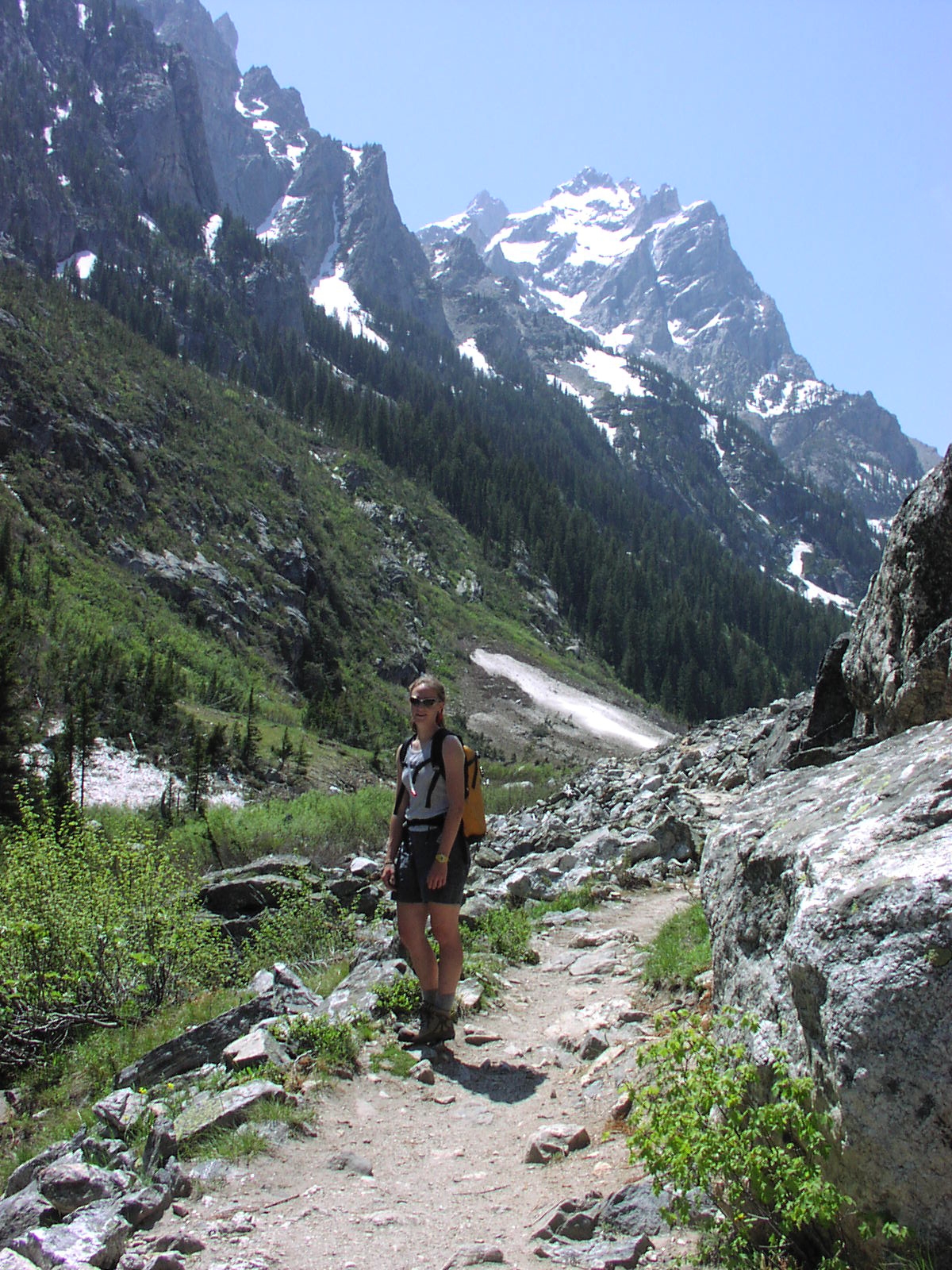
The Jenny Lake area gives you everything from an easy lakeside stroll to a full day in Cascade Canyon. Once the boat shuttle stops at the end of September, walking around the lake adds about 2 miles each way to reach Hidden Falls. Past Inspiration Point, the canyon trail is fairly gentle and moose often feed in the willows by the creek.
Phelps Lake (2026 Access Note)
Phelps Lake, reached from the Laurance S. Rockefeller Preserve, is lovely in fall. In 2026, though, the Moose-Wilson Road is closed between Moose and the preserve from September 8 to November 15. That means you can’t reach it from the Moose side. Approach from the south via Teton Village instead, and check whether the preserve’s parking and center are still open before you go. Death Canyon, another popular route to Phelps Lake, is closed all season.
High-Elevation Hikes
Routes like Lake Solitude, Holly Lake and the Paintbrush–Cascade Loop are usually snow-free in early September. As the month goes on, snow and ice become more likely up high, and some routes may call for traction or even an ice axe. If a big alpine day is your main goal, go early in the month and talk to a ranger first.
For full trail details, see our list of the best hikes in Grand Teton National Park.
What’s Open in Grand Teton in September?
The park itself is open year-round, and all main roads are normally open through September. What changes is services: campgrounds, boat operations, restaurants and lodges close in stages through the second half of September and early October.
This is the biggest planning trap of the month. If you arrive on September 28 expecting summer operating hours, you’ll be disappointed. Here’s how 2026 closing dates looked for key in-park services. Exact dates shift each year, so use this as a guide and check current schedules for your trip.
| Service | 2026 Season End |
|---|---|
| Colter Bay Tent Village | September 6 |
| Jenny Lake Ranger Station | September 8 |
| Lizard Creek Campground | September 12 |
| Leek’s Pizzeria | September 13 |
| Signal Mountain boat and kayak rentals | September 14 |
| Jenny Lake Campground, Colter Bay Campground | September 26 |
| Colter Bay Village cabins, Ranch House | September 27 |
| Jenny Lake boat shuttle, cruises and rentals | September 30 |
| Headwaters Campground at Flagg Ranch | October 3 |
| Jackson Lake Lodge, Jenny Lake Lodge, Headwaters Lodge | October 4 |
| Colter Bay RV Park, Gros Ventre Campground | October 9 |
| Signal Mountain Lodge and Campground | October 10 |
| Trapper Grill (Signal Mountain) | October 11 |
The pattern is what matters. Early September, almost everything runs. By the last week, you’ll mostly rely on the Signal Mountain, Jackson Lake Lodge and Gros Ventre areas inside the park, plus the town of Jackson. Dornan’s in Moose stays open much longer and is handy for food and supplies.
Entrance Fees in 2026
A 7-day private vehicle pass costs $35, a motorcycle pass $30, and $20 per person if you arrive on foot or by bike. The $80 America the Beautiful annual pass covers every national park, so it pays for itself fast if you’re also visiting Yellowstone, which charges its own separate entrance fee. New in 2026: non-US residents pay an extra $100 per person on top of the standard fee, unless they hold the $250 non-resident annual pass. Entrance stations are card-only, with no cash accepted.
2026 Road and Trail Closures to Know
Construction has been the story of 2026 in Grand Teton. None of it closes the whole park, but it can derail a plan built from an older guide. Here’s what affects September visitors:
- Moose-Wilson Road: closed to cars and bikes between Moose and the Laurance S. Rockefeller Preserve from September 8 through November 15. Reach the preserve from the Teton Village side.
- Death Canyon Road and Trailhead: closed for construction for the entire season, with the park expecting it to stay closed into June 2027.
- Taggart Lake Trail: the northern section is closed. Use the longer southern route, about 4.25 miles round trip.
- Cottonwood Creek picnic area: closed for construction.
- Teton Park Road near Moose: roundabout work near the Moose Entrance Station has meant one-lane traffic and delays of around 20 minutes, on top of the entrance line. Menors Ferry Road may be affected too.
Construction schedules change with weather and project needs. Check the park’s current road and construction conditions the evening before and again in the morning. And if you’re reading this for a future September trip, don’t assume these closures still apply. Some of this work continues into 2027.
Early vs. Mid vs. Late September in Grand Teton
| Early September | Mid-September | Late September | |
|---|---|---|---|
| Weather | Warmest, most stable | Crisp, frosty mornings | Coldest, snow possible |
| Fall color | Just starting | Building | Best odds of peak |
| Crowds | Busy through Labor Day, then easing | Moderate | Busy at photo spots, quiet elsewhere |
| Services | Nearly everything open | Most open | Many closing |
| High trails | Best access | Usually fine | Snow and ice more likely |
| Wildlife | Great | Great, rut building | Great, rut in full swing |
Go in early September if you want high-elevation hikes, backcountry camping, boat trips, float trips, every restaurant and lodge open, and the most dependable weather.
Go in mid-September if you want a balance. Good color is showing, services are mostly still running, and the mornings finally feel like fall.
Go in late September if golden aspens and moody autumn light are the whole point, and you’re happy to trade some services and warmth for them.
Wildlife is excellent the whole month, so it shouldn’t decide your dates. Still comparing months? Our guide to the best time to visit Grand Teton National Park lays out every season.
Is September Better Than October?
For most people, yes. September gives you a better balance of open trails, working services, wildlife and fall scenery. October can be quieter and more dramatic, and Oxbow Bend often peaks in its first week. But almost everything inside the park is closed by mid-October, the weather gets colder, and snow becomes a real factor. If you do go in early October, stay in Jackson and bring lunch into the park. Our Grand Teton in October guide covers what to expect.
A Grand Teton September Itinerary
Two to three days is the sweet spot for Grand Teton in September. That’s enough for the main viewpoints, a couple of good hikes, sunrise and sunset wildlife drives, and a spare half-day for weather.
One Day in Grand Teton in September
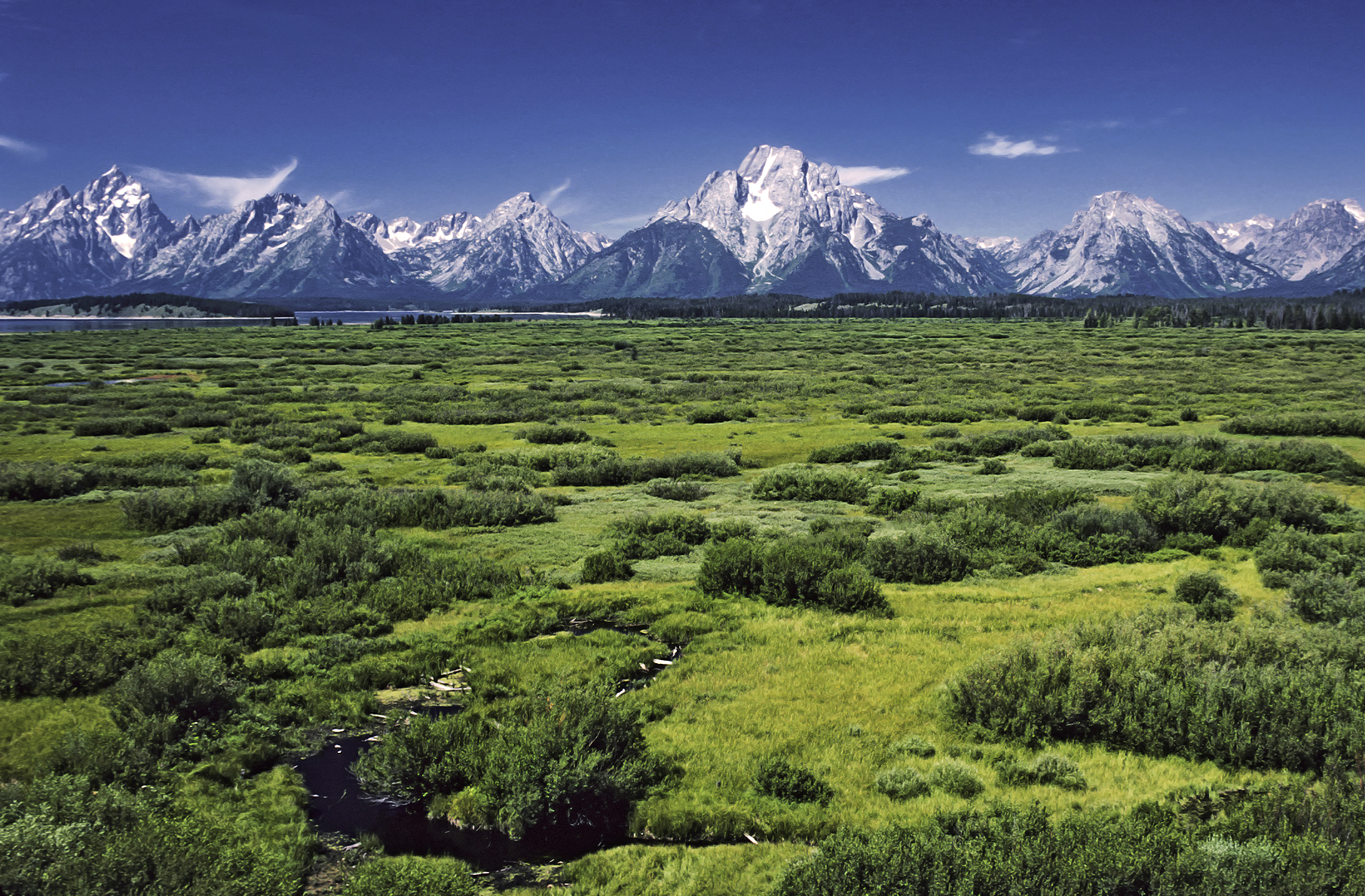
Sunrise: Mormon Row or Schwabacher Landing. Morning: drive north on Highway 89/191, stopping at Snake River Overlook, then Oxbow Bend for wildlife and color. Late morning: Willow Flats and Jackson Lake Dam. Lunch: Jackson Lake Lodge or Signal Mountain, or a picnic. Afternoon: head south on Teton Park Road and walk the lakeshore at Jenny Lake or do the String Lake Loop. Dusk: park at a meadow pullout and listen for elk before heading back.
Two Days in Grand Teton in September
Day 1, scenery and wildlife: sunrise at Oxbow Bend, then Willow Flats, Jackson Lake Dam and the Signal Mountain Summit Road. Spend the afternoon around Jenny Lake. Finish at Antelope Flats and Mormon Row, watching for bison and pronghorn as the light turns gold.
Day 2, hiking and color: start early on Taggart Lake (southern route) or Two Ocean Lake. After lunch, visit Schwabacher Landing and Snake River Overlook, then revisit whichever area had the best color the day before. If you booked one early, a late-morning float trip fits nicely here.
Adding a Third Day
Keep it flexible. September weather makes a spare day valuable. If clouds hide the peaks, hike in the morning and save viewpoints for later. If snow blows through, drive the valley and wait for it to clear. You could also hike deeper into Cascade Canyon, loop Heron Pond and Swan Lake at Colter Bay, or head up to Yellowstone for the day. Our full Grand Teton National Park itinerary has plans for up to four days.
Where to Stay and Eat in September
Where to Stay
Inside the park: Jackson Lake Lodge, Jenny Lake Lodge, Signal Mountain Lodge, Colter Bay Village cabins and Headwaters Lodge at Flagg Ranch all operate into September, but they close on different dates, and Colter Bay closes earliest. Staying inside the park is the best way to be at a viewpoint for sunrise without a long drive. These places book up far ahead, often a year out.
Jackson: the most options at every price, plus restaurants and groceries that stay open after the park services close. It’s about 20–25 minutes to the Moose Entrance.
Teton Village: a good base for the southern end of the park, and especially useful in fall 2026 for reaching the Rockefeller Preserve while the Moose-Wilson Road is closed from Moose.
Camping: the park’s campgrounds require reservations, which open six months ahead. Several close in September, so check the dates in the table above. Signal Mountain and Gros Ventre stay open into October. Nights will be cold, so bring a sleeping bag rated well below freezing.
Where to Eat
Early in the month, you’ll have options across the park, from casual grills at Colter Bay to the Mural Room at Jackson Lake Lodge, with its huge windows facing the range. As September goes on, those close one by one. Signal Mountain’s Trapper Grill and Dornan’s in Moose stay open longest. Whenever you visit, pack a picnic lunch and snacks. Some of the best meals in the park are eaten at a pullout with the Tetons in view, and you won’t waste an hour driving to find food.
September Photography Tips
September might be the best month of the year for photography here. You get mountains, fall color, wildlife, frosty mornings and mist rising off the river, all in the same week.
- Be early. The first pink light on the peaks lasts only minutes, and popular spots fill before dawn.
- Chase calm water. Reflections at Oxbow Bend and Schwabacher Landing are usually best in the stillness right after sunrise.
- Use a graduated filter or bracket exposures. At sunrise, the peaks are lit while the valley is still dark.
- Bring a long lens. A 300mm or longer keeps you at a legal and safe distance from wildlife.
- Keep batteries warm. Cold mornings drain them fast. Carry spares in an inside pocket.
- Don’t ignore bad weather. Clouds, storms and fresh snow often make the most dramatic images.
What to Pack for Grand Teton in September
Packing for September is all about layers. You might need a warm hat at 6 a.m. and sunscreen at 1 p.m. on the same day.
- Warm base layer and an insulating mid-layer, like fleece or a light puffy
- Waterproof, windproof outer jacket
- Warm hat and gloves, even if the forecast looks mild
- Broken-in hiking shoes or boots, plus warm socks
- A daypack big enough to stash layers as the day warms up
- Bear spray in a holster you can reach quickly
- Binoculars for wildlife
- Headlamp, since daylight is shrinking
- Refillable water bottle and snacks
- Sunscreen, sunglasses and lip balm; the sun is strong at altitude
- Offline maps, because cell service is patchy
- Camera with spare batteries
Keep a warm jacket in the car at all times. Mountain weather turns faster than you expect, and a pullout at dusk gets cold quickly.
Gear and Bookings Worth Considering
A few things make a September trip easier: a packable insulated jacket that squeezes into your daypack, a bear spray holster, trekking poles for steep descents like the Taggart southern route, and a good pair of binoculars. If you’re flying in, you can rent bear spray in Jackson, since you can’t carry it on a plane. A guided wildlife tour or scenic float is worth booking early in the month, before outfitters wrap up for the season. And if you want to stay inside the park, reserve a lodge as far ahead as you can.
Visiting in September With Limited Mobility
Much of Grand Teton’s September magic can be seen from a car or a short, level path. Oxbow Bend, Snake River Overlook, Mormon Row and most scenic pullouts are right beside the road. At Jenny Lake, the paved Discovery Trail leads to the lakeshore. The paved pathway system is flat and smooth. Visitor centers are accessible, though some close for the season late in the month. With kids along? Our guide to Grand Teton National Park with kids has family-friendly picks.
Tips for Visiting Grand Teton in September
- Check conditions every morning. Weather, road construction and trail status can all change overnight.
- Start early. Sunrise is best for light, wildlife and parking.
- Stay flexible. If clouds hide the peaks, hike first and come back to viewpoints later.
- Book early. Lodges, campsites and float trips fill up, especially for late September.
- Watch for smoke. Wildfire smoke from across the West can haze the views some Septembers. It often clears after a storm.
- Drive slowly at dawn and dusk. Animals cross roads often, and many are hard to see in low light.
- Give wildlife room. September is feeding, breeding and migration season. Respect it.
Related Guides
Here’s where to go next as you plan the rest of your trip:
- Best Things to Do in Grand Teton National Park
- Where to Stay Near Grand Teton National Park
- Cascade Canyon Trail Guide
- Taggart Lake Trail
Grand Teton in September FAQs
Is September a good month to visit Grand Teton National Park?
Yes. It combines cool hiking weather, fall colors, the elk rut and strong wildlife viewing, with fewer people than July and August. Weather gets less predictable and services start closing as the month goes on.
What is the weather like in Grand Teton in September?
Expect afternoon highs mostly in the 60s°F and overnight lows around freezing. Rain, thunderstorms, frost and mountain snow are all possible, especially later in the month.
Does it snow in Grand Teton in September?
It can, mainly at higher elevations and in the second half of the month. Valley snow is uncommon and usually melts quickly, but check conditions before any high hike.
When do fall colors peak in Grand Teton?
Usually in the last week of September and the first week of October. Color starts in early September, and exact timing changes every year.
When is the elk rut in Grand Teton?
The elk rut runs through September and into early October. Listen for bugling bulls at dawn and dusk near open meadows, and always stay at least 25 yards away.
Is Grand Teton crowded in September?
It’s quieter than summer, especially after Labor Day, but September is still one of the park’s busiest months. Popular viewpoints and trailheads can be crowded, especially at sunrise during peak color.
Is the Jenny Lake boat running in September?
Usually through the end of the month. In 2026, the shuttle, scenic cruises and rentals ran until September 30. After that, you’ll need to walk around the lake to reach Hidden Falls.
What should I wear in Grand Teton in September?
Layers. Bring a warm base layer, a fleece or light puffy, a waterproof jacket, a warm hat, gloves and sturdy hiking shoes.
How many days do you need in Grand Teton in September?
Two to three days covers the major viewpoints, wildlife drives and at least one good hike. An extra day helps you work around weather.
How much does it cost to enter Grand Teton in 2026?
$35 per private vehicle for 7 days, $30 per motorcycle, or $20 per person on foot or bike. Non-US residents pay an additional $100 per person in 2026.
Let September Set the Schedule
Grand Teton in September sits right between two seasons, and that’s exactly what makes it special. You might start the day wearing gloves beside a misty river, hike under blue sky by noon, and end it with an elk bugling somewhere across the valley while the peaks turn pink.
Come early in the month for milder weather and everything open. Come later for the best shot at golden aspens and real autumn atmosphere. Either way, don’t lock every hour into a plan. In September, the weather, the wildlife and the color decide what the best part of the day will be. Your job is to be ready when it happens.
For more trip ideas, browse all of our travel guides.