
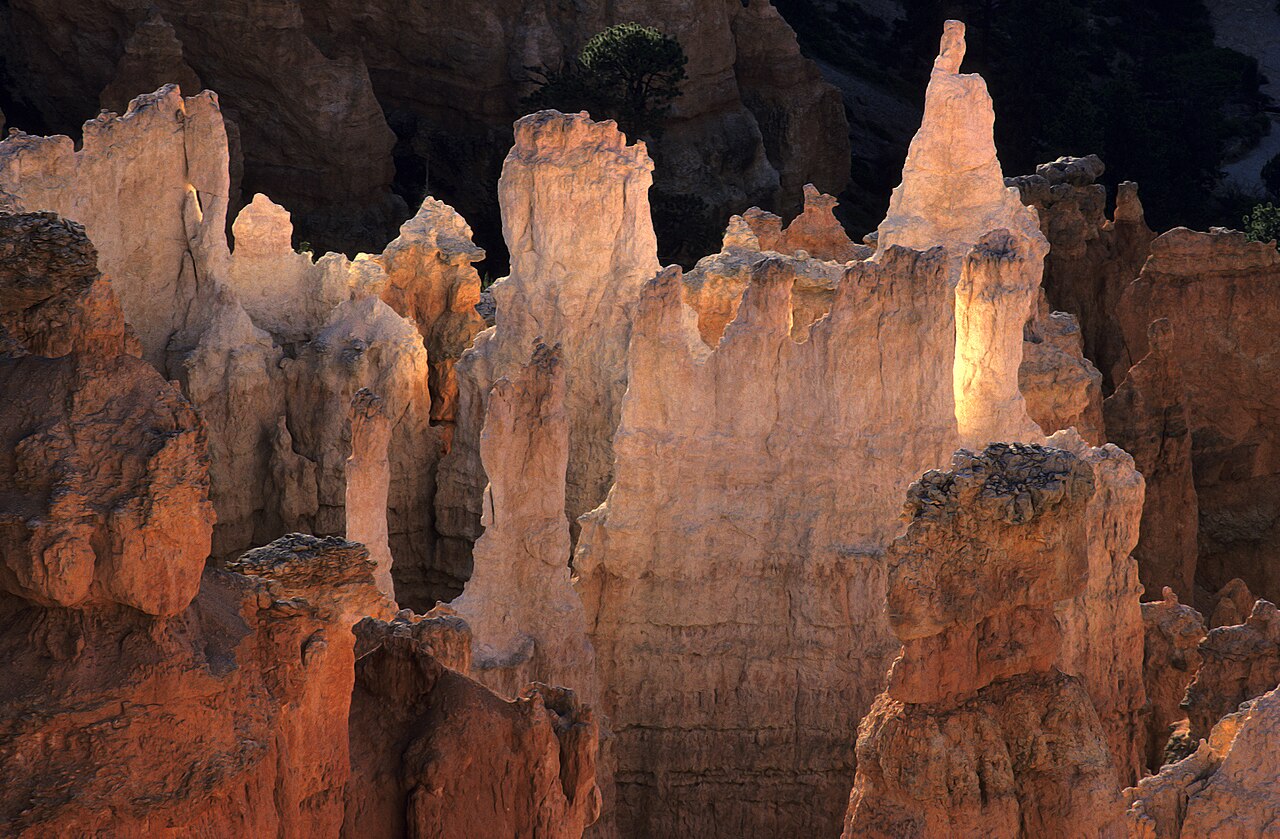
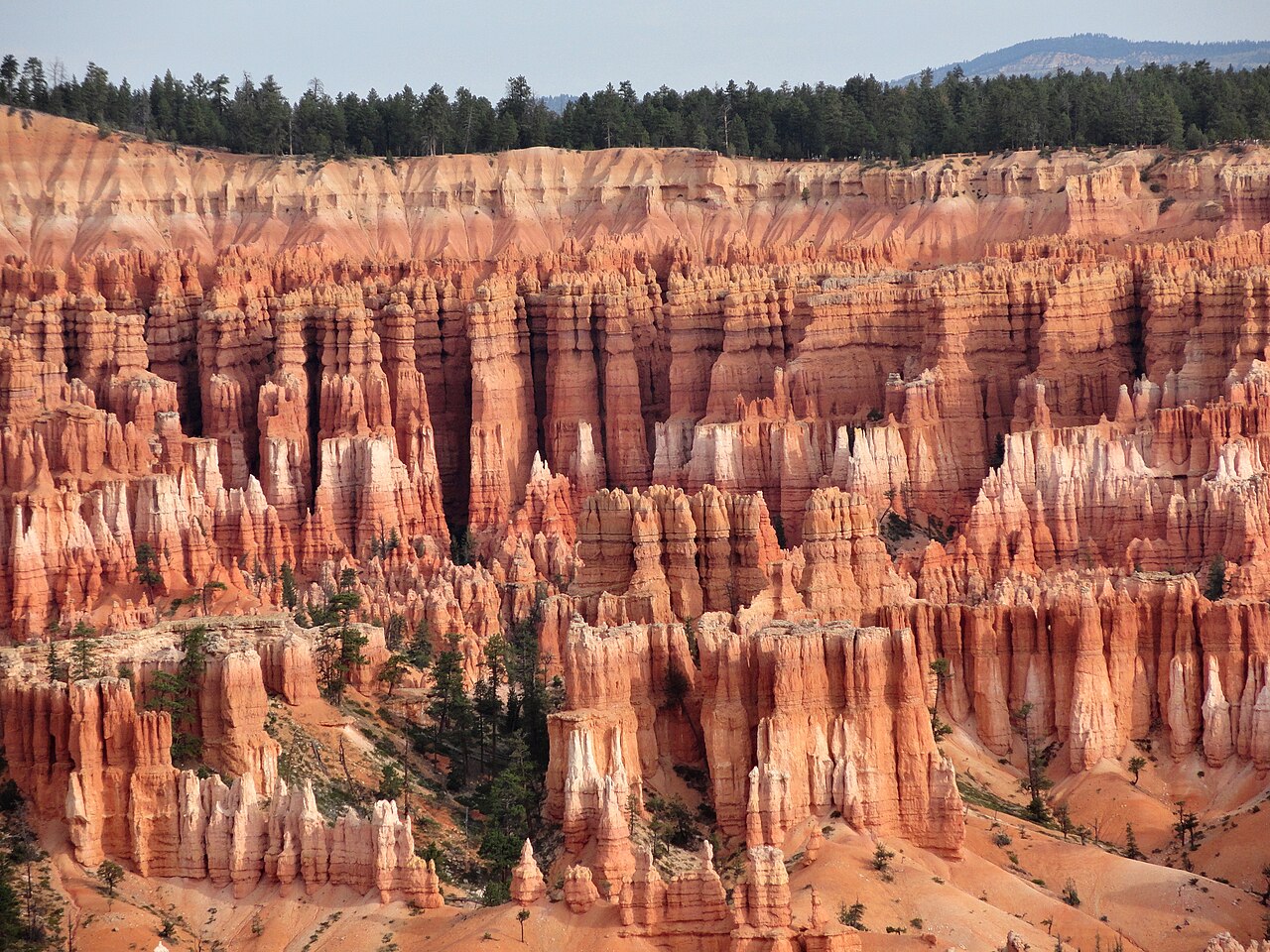
The first time you walk up to the rim at Bryce Canyon with kids, two things happen at once. Your children’s jaws drop at the thousands of orange spires below. And you instinctively grab the nearest small hand, because the ground just falls away.
The good news is that Bryce is one of the easiest national parks in Utah to enjoy as a family. Many of the best views are a short walk from the parking lot, a flat, paved path connects two of the main viewpoints, the Junior Ranger program turns sightseeing into a scavenger hunt, and the scenic drive gives tired legs a break. You don’t need a big hike for kids to fall in love with the place.
This guide to Bryce Canyon with kids covers the best easy walks and viewpoints, which hikes suit which ages, stroller tips, safety near the rim, the Junior Ranger program, and realistic one- and two-day family plans.
Is Bryce Canyon Good for Kids?
Yes. Bryce Canyon is one of the most family-friendly national parks in Utah. The main viewpoints are short walks from the parking lots, the paved Rim Trail between Sunset and Sunrise Points works for strollers, the Junior Ranger program is free, and easy hikes like Queen’s Garden, Mossy Cave and the Bristlecone Loop suit active kids. The main things to plan for are steep cliff edges, high altitude and summer thunderstorms.
Bryce Canyon With Kids at a Glance
| Activity | Best Ages | Effort | Stroller? |
|---|---|---|---|
| Sunset to Sunrise Point rim walk | All ages | Easy, paved, 1 mi round trip | Yes |
| Sunset Point and Bryce Point | All ages | Short paved walk | Yes |
| Visitor center and Junior Ranger | About 4–12 | Easy | Yes |
| Natural Bridge and Rainbow Point | All ages | A few steps from the car | Yes |
| Mossy Cave | About 3 and up | Easy, 0.8 mi round trip | No |
| Bristlecone Loop | About 4 and up | Easy, 1 mi loop | Not ideal |
| Queen’s Garden | Active kids about 6 and up | Moderate, 1.8 mi | No |
| Queen’s Garden + Navajo Loop | Experienced kids about 8 and up | Moderate, 2.9 mi | No |
| Stargazing and ranger programs | All ages | Easy | Yes |
Ages are rough guides only. Your child’s hiking experience matters far more than their age.
In This Guide
- Best things to do in Bryce Canyon with kids
- Best hikes by age: toddlers, kids and teens
- Bryce Canyon with a stroller
- Safety: cliffs, altitude, storms and wildlife
- Family itineraries for 1 and 2 days
- When to go, where to stay, what to pack
- FAQs
Best Things to Do in Bryce Canyon With Kids
Start on the rim, where everyone can see the whole amphitheater and understand where they are, then add a hike below the rim only if your kids are up for it. Here are the family favorites.
1. Walk the Paved Rim From Sunset Point to Sunrise Point
Distance: about 1 mile round trip · Effort: easy, paved, nearly flat · Stroller: yes
If you do one thing with young kids, make it this. The park itself recommends this half-mile stretch of the Rim Trail for families with small children and strollers. It’s paved and almost level, with a big viewpoint at each end and non-stop views of the hoodoos the whole way. You can turn back anytime, and nobody faces a big climb.
2. See the Big Viewpoints
Sunset Point is the easiest major viewpoint, a short, level, paved walk from the parking lot with close views of the hoodoos and Thor’s Hammer, the famous rock with a “hammer” balanced on top. Kids love spotting it. Bryce Point gives the widest view of the whole amphitheater, also via a paved path. At Inspiration Point, stay at the lower overlook with little ones, since the path to the upper level is short but steep. Sunrise Point is great too, and it’s where Queen’s Garden begins.
Make a game of it: who can spot a hoodoo that looks like an animal, a castle or a person? For more on each overlook, see our guide to Bryce Canyon viewpoints.
3. Become a Junior Ranger
This is the single best way to keep school-age kids engaged. To earn their free badge, kids do two things: learn about the park (by exploring the visitor center museum, joining a ranger talk or walk, or watching the park film) and complete an age-appropriate number of activities in the Junior Ranger booklet. The booklet covers geology, plants, animals, people, night skies and how to protect the park. Then they bring it back to the visitor center to be sworn in.
The park suggests setting aside 3 to 6 hours in total, but most activities happen naturally as you explore. Tip: the booklet is free to download from the park’s website before your trip, so kids can get a head start in the car. Printed copies are also available at the visitor center.
4. Visit the Visitor Center
Don’t rush past it. With kids, it’s a genuinely useful first stop: restrooms, maps, the Junior Ranger booklet, museum exhibits about hoodoos and wildlife, and rangers who can tell you which trails suit your kids’ ages and today’s conditions. The park film is a nice break for little legs, and it counts toward the Junior Ranger badge.
5. Hike Queen’s Garden (Active Kids)
Distance: 1.8 miles round trip · Climb: about 450 feet · Time: 1 to 2 hours
If your kids already enjoy hiking, Queen’s Garden is the best first trail below the rim. It’s the gentlest way into the amphitheater, and kids love the short tunnels through the rock and hunting for the hoodoo that looks like Queen Victoria on her throne. Just remember it starts downhill, so the 450-foot climb comes at the end, when little legs are tired. For the full route, see our Queen’s Garden Trail guide.
6. Try the Queen’s Garden and Navajo Loop (Older Kids and Teens)
Distance: 2.9 miles · Climb: about 625 feet · Time: 2 to 3 hours
For older kids who hike regularly, tweens and teens, this is the best hike in the park. Go down Queen’s Garden, cross the canyon floor and climb the steep Navajo Loop switchbacks to Sunset Point, past Thor’s Hammer and, in summer, through the narrow Wall Street slot. Don’t pick it just because another family’s six-year-old did it. The climb is steep, and every child is different. For more detail, see our Navajo Loop Trail guide.
7. Walk to the Mossy Cave Waterfall
Distance: 0.8 mile round trip · Effort: easy
Mossy Cave, off Highway 12 outside the main park area, is a big hit with kids. The short trail follows a stream to a small waterfall, which usually flows from about May to October, and a shady overhang with moss in summer and giant icicles in winter. It’s also one of the few Bryce trails that starts uphill, so the walk back is easy. The parking lot is tiny, and the park discourages visits between 10 a.m. and 6 p.m., so go early or late.
8. Drive the Scenic Drive and Stop at Natural Bridge
A drive is the perfect way to rest little legs in the afternoon. The park road runs 18 miles south to Rainbow Point. Drive to the end first, then stop on the way back. Don’t stop at every pullout. With kids, pick three or four: Natural Bridge (a giant red arch just steps from the car, always a hit), Agua Canyon (look for the hoodoos nicknamed the Hunter and the Rabbit), and Rainbow and Yovimpa Points at the top.
9. Walk the Bristlecone Loop
Distance: 1 mile loop · Effort: easy
At Rainbow Point, this short loop wanders through cool forest past twisted bristlecone pines, some around 1,800 years old. Ask kids to guess how old the oldest tree is. It’s a nice change from hoodoos, and since you’re over 9,000 feet up, everyone will breathe a bit harder, so go slowly.
10. Look for Wildlife (From a Distance)
Kids love spotting animals, and Bryce has plenty: mule deer in the meadows, chipmunks and ground squirrels around the viewpoints, ravens and Steller’s jays, and, in summer, Utah prairie dogs popping up in grassy areas near the park road. Prairie dogs are a threatened species, so watching them is a real treat. Teach kids to look and take photos from a distance, and never feed anything.
11. Bike the Paved Path
A paved shared-use path runs about 17 miles from Red Canyon to Bryce Canyon and through the park as far as Inspiration Point. Families who bring bikes can ride short sections between the visitor center area and the viewpoints. You don’t need to do the whole thing. Just remember the altitude, and watch for cars at road crossings.
12. Stay Up for the Stars
Bryce is an International Dark Sky Park, and for many kids, seeing the Milky Way for the first time is the highlight of the whole trip. Rangers run astronomy programs much of the year, often with telescopes, and the annual Astronomy Festival in early summer has activities for kids. Bring blankets and warm layers, since nights are cold even in summer.
13. Take a Horseback Ride (Older Kids)
Guided horseback rides below the rim run in the warmer months and let the horse do the climbing. They’re a memorable option for older kids and teens. Rides have minimum age requirements, so check with the outfitter and book ahead in summer.
Best Bryce Canyon Hikes by Age
With Toddlers and Babies
Stick to the paved rim walk from Sunset Point to Sunrise Point and back, plus the viewpoints you can reach by car: Bryce Point, Natural Bridge and Rainbow Point. Bring a stroller or a good child carrier. That’s genuinely enough. A toddler doesn’t need to go below the rim to “really” see Bryce. The view from the top is the main event. If you’re traveling with an infant, it’s worth checking with your pediatrician about the high altitude before you go.
With Young Kids (About 4 to 7)
Try Mossy Cave, the Bristlecone Loop and the rim walk. Kids who already hike can try Queen’s Garden, but be ready to turn around early. A good rule: only go as far down as your child can comfortably climb back up.
With School-Age Kids (About 8 to 12)
Queen’s Garden is the perfect first hike below the rim, and many kids this age can manage the full Queen’s Garden and Navajo Loop with breaks. This is also the sweet spot for the Junior Ranger program.
With Teens
Fit teens can handle the Queen’s Garden and Navajo Loop easily, and strong hikers might enjoy the Peekaboo Loop or Fairyland Loop. Don’t assume hard hikes are the only draw, though. Many teens love sunrise photography, stargazing and the horseback rides just as much. For every trail compared, see our guide to the best hikes in Bryce Canyon National Park.
Bryce Canyon With a Stroller
The best stroller route in Bryce is the paved Rim Trail between Sunset and Sunrise Points, about 1 mile round trip and nearly flat. Sunset Point, Bryce Point, Natural Bridge, Rainbow Point and Yovimpa Point also have short paved paths from the parking lots. The paved shared-use path is another good stroller option.
Don’t take a stroller on Queen’s Garden, the Navajo Loop or any trail below the rim. They’re steep, sandy and uneven. Use a child carrier instead if your little one is coming along. The park’s shuttle buses are wheelchair accessible, which also makes them easy to use with a folded stroller.
Bryce Canyon Safety Tips for Families
Cliff Edges
This is the most important part of a family trip. Bryce has steep drop-offs, and while the main overlooks have railings, much of the rim between them doesn’t. Keep young children within arm’s reach near the edge, don’t let anyone climb on railings or rocks for photos, and keep a close eye on kids at crowded viewpoints, where a child can slip out of sight quickly. One simple family rule works well: walk near the rim, never run.
Altitude
The park sits between about 8,000 and 9,100 feet. Kids can tire faster than at home, and some get headaches. Watch for unusual tiredness, headache, dizziness, nausea or shortness of breath. Take more breaks than usual, keep everyone drinking water, and remember a slower pace isn’t misbehavior. Altitude affects adults too. If symptoms get worse, head down to a lower elevation.
Summer Thunderstorms
In July and August, afternoon thunderstorms with lightning are common, and the exposed rim is a dangerous place to be. Plan hikes and outdoor play for the morning, and if you hear thunder, get everyone into a building or your car. Open-sided shelters won’t protect you. For the full picture by month, see Bryce Canyon weather by month.
Wildlife
Teach kids that wild animals aren’t pets. Never feed squirrels, chipmunks, deer or birds, and don’t let kids chase or approach them. Fed animals get sick and can become aggressive, and some can carry disease. The park’s Junior Ranger video even teaches this with a cartoon ringtail and hummingbird.
Sun and Cold
The sun is intense at this altitude, so use sunscreen and hats even on cool days. Mornings and evenings are cold all year, so bring more layers than you think kids will need.
Bryce Canyon With Kids: Family Itineraries
One Day in Bryce Canyon With Kids
8:00 a.m. Visitor center. Restrooms, Junior Ranger booklets and a quick chat with a ranger about trail conditions.
8:30 a.m. Sunset Point. Your first look at the amphitheater. Find Thor’s Hammer.
9:00 a.m. Rim walk to Sunrise Point. Easy, paved and full of views.
10:00 a.m. Family hike. Queen’s Garden for active kids, or a snack break and more rim time for little ones.
Noon. Lunch and rest. A picnic or the lodge. Don’t schedule another hike right after.
1:00 p.m. Junior Ranger time. Watch the park film, explore the museum and fill in activities. It’s also a good spot to wait out an afternoon storm.
2:00 p.m. Scenic drive. Quick stop at Bryce Point, then drive to Rainbow Point and stop at Natural Bridge and Agua Canyon on the way back. Add the Bristlecone Loop if everyone still has energy.
Evening. Dinner, then a short sunset stop if the kids are still happy. If they’re not, call it a day. A great family day doesn’t need one last attraction.
Two Days in Bryce Canyon With Kids
Day 1: The amphitheater. Visitor center and Junior Ranger booklet, Sunset Point, the rim walk to Sunrise Point, Queen’s Garden if it suits your kids, then Bryce Point and an early dinner. Head out after dark for stars or a ranger astronomy program if the kids are up for it.
Day 2: The quieter side. Mossy Cave first thing in the morning, then the scenic drive to Rainbow Point, the Bristlecone Loop and Natural Bridge. Finish the Junior Ranger booklet and collect badges at the visitor center, then enjoy a relaxed afternoon. Splitting the park this way means kids aren’t jumping in and out of the car all day.
Simple Plan for Toddlers
Morning: visitor center, Sunset Point, stroller walk to Sunrise Point and a snack. Midday: lunch, then nap time at your hotel. Afternoon: Bryce Point, Natural Bridge and Rainbow Point if everyone’s still smiling. That’s plenty.
For adult-focused hour-by-hour plans, see our Bryce Canyon itinerary.
Planning a Family Trip to Bryce Canyon
Best Time to Visit With Kids
Late May, June and September are the easiest months for families. Trails are usually clear of snow, days are comfortable, and you avoid the worst of the summer storms. July and August work well during school holidays if you plan outdoor time for the morning. Winter is beautiful but harder with kids, since trails get icy and it’s very cold. For month-by-month details, see our guide to the best time to visit Bryce Canyon National Park.
Should You Do Sunrise With Kids?
Only if your kids are early risers. Sunrise over the hoodoos is beautiful, but dragging an exhausted four-year-old out at 5 a.m. rarely makes for a good day. The morning light is still lovely an hour or two later, and a rested family has a much better time. Sunset is often easier with kids, since everyone’s already awake. Just bring jackets, because it cools off fast.
How Many Days Do Families Need?
One full day is enough to see the highlights with kids. Two days is better if your kids enjoy hiking, want to finish the Junior Ranger program, need naps or long breaks, or you want to see both the amphitheater and the scenic drive without rushing.
Using the Shuttle With Kids
The free shuttle runs from early April to mid-October (April 3 to October 18 in 2026), about every 15 minutes, and stops at the visitor center, the lodge and all four main viewpoints. It saves a lot of parking stress with kids. Board at the shuttle station in Bryce Canyon City or the visitor center, keep a close eye on little ones getting on and off busy buses, and remember that pets can’t ride.
Costs for Families
Entry is $35 per private vehicle for seven days in 2026, which covers everyone in the car. Non-U.S. residents aged 16 and older also pay a $100 per-person nonresident fee, but children under 16 are exempt, which helps international families a lot. The Junior Ranger program and ranger programs are free.
Where Should Families Stay?
Stay as close as you can. With kids, cutting out early-morning driving matters more than luxury. The Lodge at Bryce Canyon is inside the park and open seasonally. Bryce Canyon City, right outside the entrance, has hotels with family rooms, a campground, a grocery store and shuttle stops. Tropic, 15 minutes away, is often cheaper. Look for places with breakfast included and a fridge for snacks and milk.
Restrooms
There are no restrooms below the rim, so always go before a hike. You’ll find restrooms at the visitor center, Sunset Point (year-round), near the General Store by Sunrise Point (seasonal) and at Rainbow Point.
What to Pack for Kids
- Water bottles for everyone, refilled at the visitor center or Sunset Point.
- Lots of snacks. Kids get hungry on their schedule, not yours.
- Layers and a warm jacket, even in summer.
- Sun hats, sunscreen and sunglasses.
- Shoes with good grip. No sandals on trails.
- A rain jacket in July and August.
- A stroller for the rim and a carrier for trails.
- A small first-aid kit, the Junior Ranger booklet and pencils, and a flashlight or headlamp for stargazing.
Bryce Canyon With Kids in Winter
Snow on the hoodoos is magical, and kids love it, but keep plans simple. Focus on the viewpoints, short snowy walks on the rim, the visitor center and the Junior Ranger program. Trails below the rim get icy, so only go down with traction on everyone’s boots, and skip it entirely with small kids. If you visit over Presidents’ Day weekend, the Bryce Canyon Winter Festival has family-friendly snow activities.
Bryce Canyon vs Zion With Kids
Both parks work well for families, and they’re about two hours apart. Bryce is cooler in summer, its big views are right by the parking lots, and it has one simple road. Zion has more canyon-floor walks, a river for splashing in summer and a busy shuttle system, but it gets very hot. On a Utah road trip, they complement each other nicely. See our guide to things to do in Zion National Park for the Zion side.
Common Mistakes Families Make at Bryce Canyon
- Planning too much. One main activity plus a few easy viewpoints is plenty.
- Choosing hikes by distance. A short trail with a steep climb back up can wipe out little legs.
- Letting kids run near the rim. Many edges have no railing.
- Ignoring the altitude. Plan for more breaks and more water.
- Hiking on summer afternoons. That’s thunderstorm time.
- Skipping snacks and rest stops.
- Forcing sunrise after a long travel day.
Related Guides
Here’s where to go next as you plan the rest of your trip:
Bryce Canyon With Kids: FAQs
Is Bryce Canyon good for kids?
Yes. It has easy viewpoints close to parking, a paved stroller-friendly rim path, family hikes, a free Junior Ranger program and a scenic drive that shows off much of the park without long walks.
What is the best easy hike in Bryce Canyon for kids?
For young kids, the paved rim walk from Sunset Point to Sunrise Point. For active kids who want to go below the rim, Queen’s Garden. Mossy Cave and the Bristlecone Loop are also great short options.
Can you use a stroller in Bryce Canyon?
Yes, on the paved Rim Trail between Sunset and Sunrise Points, the paved paths to several viewpoints and the shared-use path. Not on trails below the rim.
Can kids hike the Navajo Loop?
Older or experienced kids often can, but it’s steep. The 515-foot climb back to the rim is much harder than the short 1.3-mile distance suggests.
How long does the Junior Ranger program take?
The park suggests 3 to 6 hours, but most activities are done while exploring. The booklet is free and can be downloaded before your trip.
Is Bryce Canyon safe for toddlers?
Yes, with close supervision. The biggest risk is unfenced cliff edges, so keep toddlers within arm’s reach near the rim and stick to paved paths.
What are the best viewpoints in Bryce Canyon for kids?
Sunset Point, Bryce Point, Natural Bridge and Rainbow Point all give big views with very short, paved walks.
Do kids pay to enter Bryce Canyon?
No separate fee. The $35 vehicle pass covers everyone in the car, and children under 16 are exempt from the nonresident fee.
How many days should families spend at Bryce Canyon?
One day covers the highlights. Two days is better for a relaxed pace, an easy hike, the scenic drive and finishing the Junior Ranger badge.
What’s the best time to visit Bryce Canyon with kids?
Late May, June and September, when trails are clear, days are comfortable and summer storms are less frequent.
Find the Right Version of Bryce for Your Family
Bryce works for families not because kids can do everything adults can, but because they don’t need to. A toddler can ride in a stroller between Sunrise and Sunset Points. A seven-year-old can hunt for answers in a Junior Ranger booklet. An active ten-year-old can walk down Queen’s Garden to find the Queen. A teenager can tackle the Navajo switchbacks. And the whole family can end the day under more stars than they’ve ever seen.
You don’t need the hardest trail. You need the right version of Bryce for your family. Pick one main activity, add a few easy viewpoints, leave room for snacks and rest, and your kids will remember the hoodoos long after the trip. For more ideas, see our guide to the best things to do in Bryce Canyon National Park.