
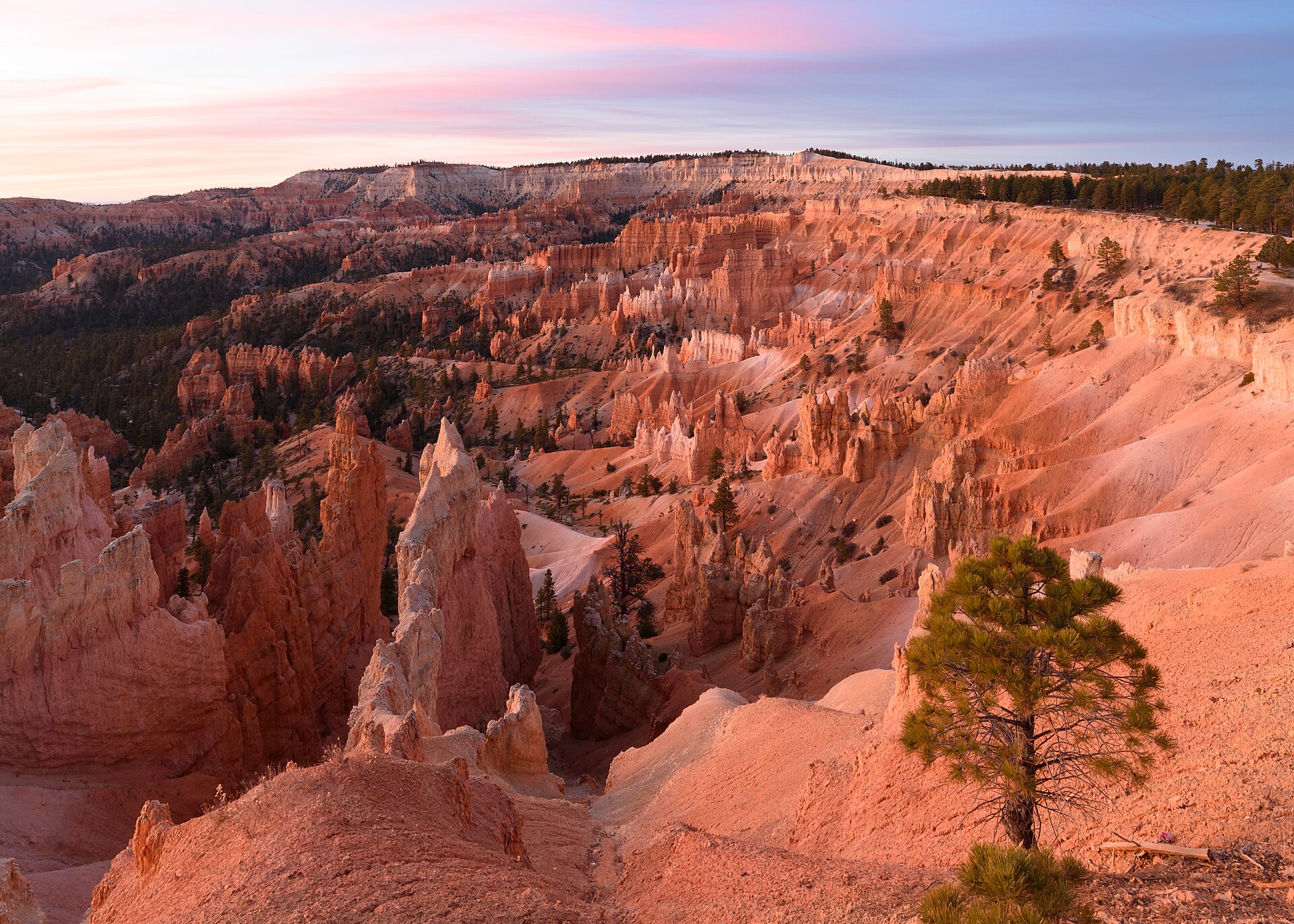
Bryce Canyon has one of the fastest “wow” moments of any national park. Park the car, walk a few steps to the rim, and thousands of orange, pink and white hoodoos drop away below you.
That easy first view is also what makes planning tricky. Is half a day enough? Do you need two? Should you spend your time hiking below the rim or driving to every viewpoint? Get it wrong and you either rush the best parts or waste hours on things that don’t matter much.
This Bryce Canyon itinerary gives you realistic, hour-by-hour plans for half a day, one day, two days and three days, plus versions for non-hikers, families, photographers and winter visitors. Each plan is built around how the park is actually laid out, so you’re not zig-zagging back and forth or fighting for parking at the worst time of day.
How Many Days Do You Need in Bryce Canyon?
One full day is enough to see the highlights of Bryce Canyon National Park: the Bryce Amphitheater viewpoints, one hike below the rim like the Queen’s Garden and Navajo Loop, and the Southern Scenic Drive. Two days is better if you want to hike without rushing, catch both sunrise and sunset, and see the quieter southern end of the park. Three days suits keen hikers and photographers.
Bryce Canyon Itinerary at a Glance
| Time You Have | Best For | What You’ll See |
|---|---|---|
| Half day | Road-trip stop | Amphitheater viewpoints, short rim walk |
| 1 day | First-time visitors | Viewpoints, one classic hike, Scenic Drive, sunset |
| 2 days | Hikers, photographers, most travelers | Everything above at a slower pace, plus quiet trails and stargazing |
| 3 days | Serious hikers, slow travelers | A big hike like Fairyland or the Figure-8, plus nearby Red Canyon and Scenic Byway 12 |
Best time for these itineraries: May, June, September and early October. Best place to stay: inside the park or in Bryce Canyon City, right outside the entrance.
In This Guide
- How Bryce Canyon is laid out and getting there
- Half-day itinerary
- One-day itinerary
- Two-day itinerary
- Three-day itinerary
- Itineraries for non-hikers, kids, photographers and winter
- Adding Bryce to a Utah road trip
- Shuttle, fees, where to stay and eat
- FAQs
How Bryce Canyon Is Laid Out (and Why It Matters)
Bryce is one of the easiest national parks to plan, because it has just one entrance and one main road. That road runs 18 miles north to south along the edge of a high plateau, and the park splits neatly into two parts.
Bryce Amphitheater (the first 3 miles). This is the famous part. It has the four big viewpoints (Sunrise, Sunset, Inspiration and Bryce Points), most of the hoodoo hikes, the visitor center, the lodge and the free shuttle. Most visitors spend nearly all their time here.
The Southern Scenic Drive (the next 15 miles). The road keeps climbing through forest to Rainbow and Yovimpa Points, at 9,115 feet the highest viewpoints in the park. Along the way you’ll find Natural Bridge, Agua Canyon, Farview Point and other quieter overlooks with long views across southern Utah. The shuttle doesn’t come out here, so you’ll need your own car.
One small tip saves a lot of hassle. As you drive in, every viewpoint is on your left. The park recommends driving straight to the end of the road first and stopping on the way back north, when every pullout is on your right and you never have to turn across traffic. Every itinerary below follows that rule.
Getting to Bryce Canyon
Bryce is a drive from everywhere, so build travel time into your plan. Approximate driving times are:
| From | Approx. Drive Time |
|---|---|
| Zion National Park | About 2 hours |
| Capitol Reef National Park | About 2.5 hours via Scenic Byway 12 |
| Las Vegas | About 4 hours |
| Salt Lake City | About 4 hours |
Most people fly into Las Vegas or Salt Lake City and rent a car. If you’re arriving in the afternoon, use that first evening for a sunset viewpoint and start the full itinerary the next morning.
Bryce Canyon Half-Day Itinerary
Passing through on a road trip with only a few hours? Skip the Southern Scenic Drive and focus on the amphitheater. The hoodoos are the reason you came, so give them your time.
- Sunrise Point (20 minutes). Your first big look at the amphitheater.
- Rim walk to Sunset Point (30 to 45 minutes). The flat, paved half mile between the two viewpoints is the easiest walk in the park. Look for Thor’s Hammer from Sunset Point.
- Optional: Queen’s Garden (1 to 2 hours). Only if you have the time and energy for a short descent and climb back up.
- Inspiration Point (20 minutes). The widest view of the hoodoos packed together.
- Bryce Point (20 minutes). A sweeping view across the whole amphitheater before you leave.
Bryce Canyon 1-Day Itinerary
A great single day at Bryce gives you three different views of the same landscape: looking across the hoodoos from the rim, walking among them on the trail, and seeing the bigger picture from the high southern end of the park. That’s plenty to understand why Bryce is special. You won’t see every trail, and you don’t need to.
| Time | Plan |
|---|---|
| Sunrise | Sunrise Point |
| Early morning | Queen’s Garden and Navajo Loop (2–3 hrs) |
| Late morning | Inspiration Point and Bryce Point |
| Noon | Lunch |
| Early afternoon | Visitor center |
| Afternoon | Southern Scenic Drive to Rainbow Point, stops on the way back |
| Evening | Sunset light at the amphitheater |
| After dark | Stargazing (optional) |
Sunrise: Start at Sunrise Point
Get to Sunrise Point 20 to 30 minutes before the sun comes up. As the light hits, the hoodoos slowly shift from gray shadow to glowing orange. It’s cold up here at dawn, even in summer, so bring a jacket. Starting early also puts you ahead of the crowds and the parking rush.
Early Morning: Hike the Queen’s Garden and Navajo Loop
Distance: 2.9 miles · Climb: about 625 feet · Time: 2 to 3 hours
This is the hike the park recommends most to first-time visitors, and it’s the heart of any Bryce itinerary. From Sunrise Point, walk down the gentler Queen’s Garden Trail, wander across the amphitheater floor, then climb out on the Navajo Loop to Sunset Point. A flat half-mile stroll along the rim takes you back to where you started. Hiking it in this direction means you go down the gentle side and up the steep switchbacks, which is easier on your knees.
Do the hike first, while you’re fresh and the air is cool. (Our Navajo Loop Trail guide covers the Navajo side in detail.) In winter, the Wall Street side of the Navajo Loop is closed, so you’ll climb out on the Two Bridges side instead. Check trail conditions at the visitor center if you’re unsure. For other trail options, see our guide to the best hikes in Bryce Canyon National Park.
Not up for a steep hike? Walk the paved rim between Sunrise and Sunset Points instead. It’s about a mile round trip, nearly flat, and some of the best views in the park are right along it. Then spend the extra time at the viewpoints or on the Bristlecone Loop later.
Late Morning: Inspiration Point and Bryce Point
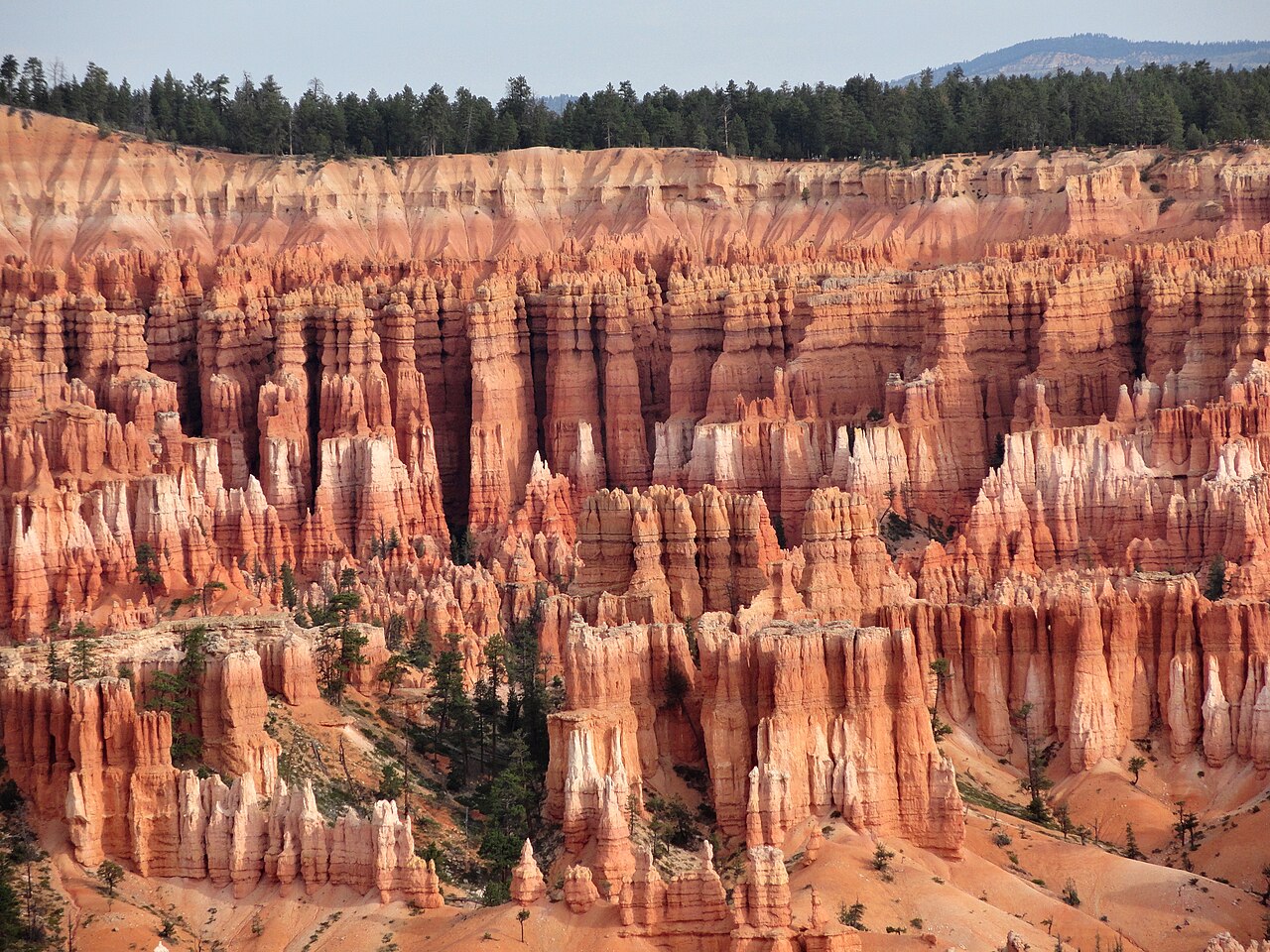
After two hours down among the hoodoos, looking at them from above feels completely different. Take the shuttle or drive to Inspiration Point, where row after row of spires packs the amphitheater. The upper viewing area is a short, steep walk and well worth it.
Then continue to Bryce Point for the widest view of the whole bowl. Spend 15 to 30 minutes at each, take your photos and move on. Every viewpoint in Bryce is beautiful, but that doesn’t mean every one needs 45 minutes.
Noon: Lunch
Take a proper break. The Lodge at Bryce Canyon has a dining room in season, and there’s a general store near Sunrise Point for snacks and simple food. Honestly, packing a picnic is the easiest choice. It saves time and lets you eat wherever the view is best.
Early Afternoon: Visitor Center
Stop at the visitor center for 30 to 45 minutes. You can check road and weather conditions for the scenic drive, refill water, see the museum, watch the short park film and ask a ranger about evening programs. Kids can pick up a Junior Ranger booklet here.
Afternoon: Drive the Southern Scenic Drive
Now switch from hiking to driving. Head straight to Rainbow and Yovimpa Points at the end of the road, about 15 miles south of the amphitheater. At 9,115 feet, they give you a completely different view, with forests, plateaus and cliffs rolling away into the distance. It’s noticeably cooler up here too.
If you still have energy, walk the easy, one-mile Bristlecone Loop from Rainbow Point, past pines up to 1,800 years old. If your legs are tired from the morning, save it for Day 2.
Then drive back north and pick three or four stops rather than all of them (our guide to Bryce Canyon viewpoints covers every stop in detail):
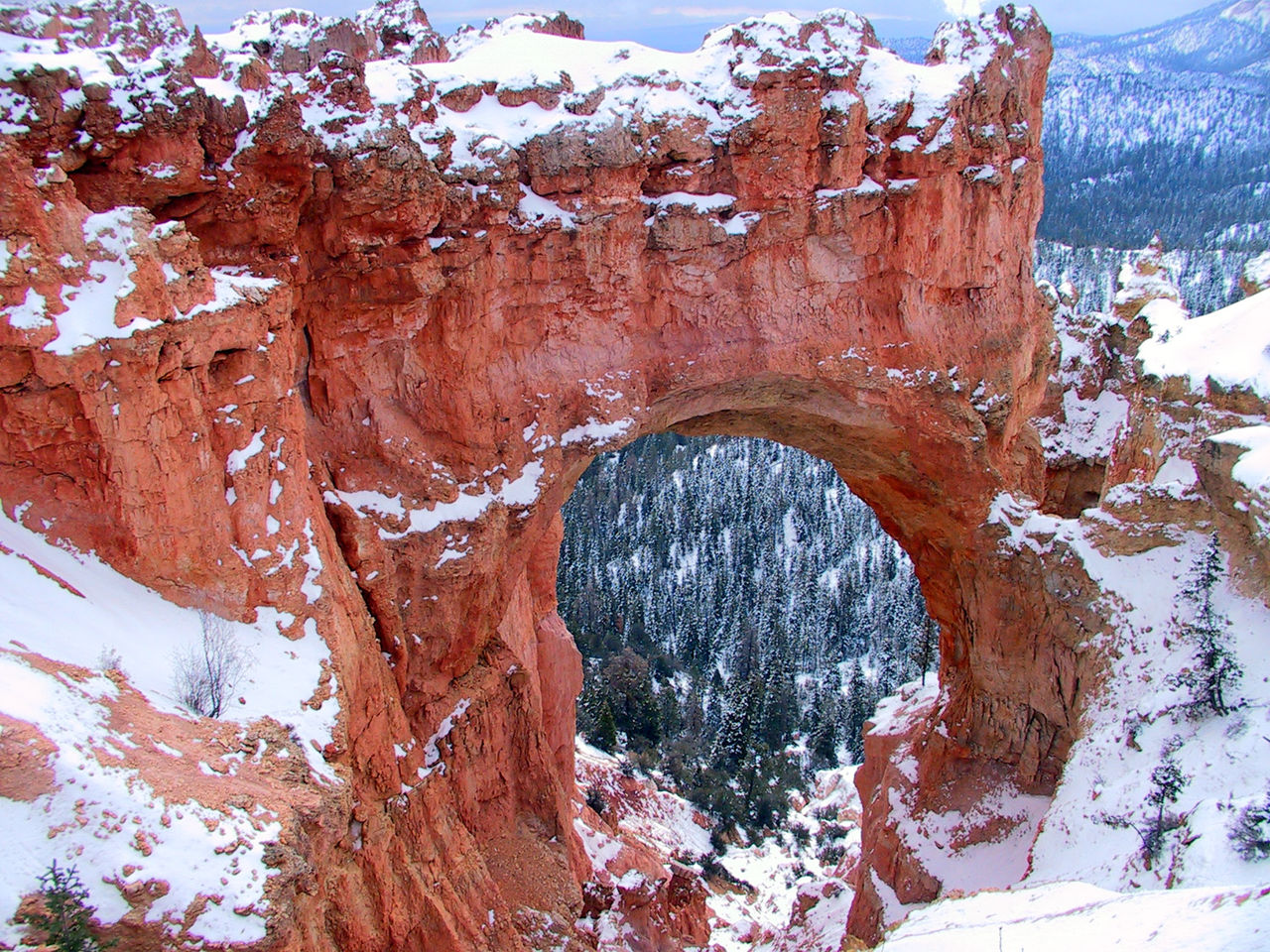
- Natural Bridge: a big red arch with pine forest showing through it. Don’t skip this one.
- Agua Canyon: two standout hoodoos, nicknamed the Hunter and the Rabbit.
- Farview Point: on clear days you can see Navajo Mountain, about 90 miles away.
- Ponderosa Canyon: named for the huge ponderosa pines on the canyon floor.
Evening: Back to the Amphitheater
Finish where you started. Pick Sunset Point, Inspiration Point or Bryce Point, whichever has parking, the best clouds and the fewest people, and just stop moving for a while. The late light stretches long shadows across the hoodoos and sets the whole amphitheater glowing. Despite the name, Sunset Point isn’t the only good spot for it.
After Dark: Stargazing
If you have any energy left, stay. Bryce is an International Dark Sky Park, and on a clear, moonless night you can see thousands of stars and the Milky Way. Bring a warm layer, since nights are cold even in July, and drive slowly on the way out because deer are often on the road after dark.
Bryce Canyon 2-Day Itinerary
Two days lets you split the park in two: the amphitheater on Day 1 and the quieter southern plateau on Day 2. The real advantage isn’t seeing more. It’s seeing Bryce at different times of day, from cold sunrise light to warm evening glow and a sky full of stars, without watching the clock. If Bryce is one of your main stops rather than a quick detour, this is the plan to follow.
Day 1: Bryce Amphitheater and the Hoodoos
Sunrise: Watch the light at Sunrise Point.
Morning: Hike the Queen’s Garden and Navajo Loop. With no rush, stop often down among the hoodoos and look up. The view from below is nothing like what you saw from the rim.
Late morning: Walk a stretch of the Rim Trail. The shuttle makes one-way walks easy. Ride to Bryce Point and walk north past Inspiration Point to Sunset Point, then catch the bus wherever you finish.
Lunch: Eat at the lodge or have a relaxed picnic.
Afternoon: Visit the visitor center and ask about tomorrow’s road conditions, the weather and the evening ranger programs. In summer, this is also a good spot to wait out an afternoon thunderstorm. Rest at your hotel if you need to.
Evening: Sunset at Inspiration or Bryce Point, then a ranger program. Depending on the season, these can include astronomy talks, telescope viewing and full-moon hikes. It’s a much better use of a second night than repeating your daytime route.
Day 2: Southern Scenic Drive and the Quieter Side of Bryce
Early morning (optional): If you want to see Mossy Cave, go first thing. This short, easy trail off Highway 12, outside the main park area, leads to a small seasonal waterfall and a mossy overhang. Its tiny parking lot has become so crowded that the park discourages visits between 10 a.m. and 6 p.m., and cars parked outside marked spaces can be ticketed or towed. Before 10 a.m. or after 6 p.m. is the way to do it.
Morning: Drive straight to Rainbow Point without stopping, then walk the Bristlecone Loop through the high forest. After a day of hoodoos, the cool forest and long views feel like a different park.
Late morning: Work your way north through the scenic drive viewpoints at a relaxed pace: Yovimpa, Ponderosa Canyon, Agua Canyon, Natural Bridge, Farview Point and Swamp Canyon, which marks the shift from cliffs back to hoodoos.
Lunch: A picnic along the drive or back near the lodge.
Afternoon: Pick a second hike to match your energy. Tower Bridge (3 miles) gives you a taste of the quieter Fairyland area. Swamp Canyon (4 miles) feels like backcountry. Strong hikers can take on the Peekaboo Loop instead. Another option is a guided horseback ride below the rim in the warmer months, which lets the horse handle the climb.
Evening: Sunrise Point or Bryce Point for golden-hour photos, then dinner and the stars.
Bryce Canyon 3-Day Itinerary
Three days is a luxury at Bryce, and it’s ideal if you love hiking or photography. Follow the two-day plan above, then use Day 3 for one of these.
Option 1: A big hike. Spend the morning on the 8-mile Fairyland Loop, the park’s best long hike away from the crowds, or the 6.4-mile Figure-8 Combination, which links Queen’s Garden, Peekaboo and Navajo into one grand tour of the amphitheater. Start early, carry plenty of water and plan an easy afternoon afterward.
Option 2: Beyond the park. Bryce’s neighbors are worth a day too. Red Canyon, about 15 minutes before the park entrance on Highway 12, has bright red hoodoos, short trails and a paved bike path. Kodachrome Basin State Park, about 30 minutes past the town of Tropic, has tall stone spires and easy trails. Or drive part of Scenic Byway 12 east toward Escalante, one of the most beautiful roads in the country.
Option 3: Slow down. Repeat your favorite viewpoint at sunrise, take a ranger-led walk, do the Hat Shop hike from Bryce Point, and spend a long, unhurried night stargazing.
One Day vs Two Days in Bryce Canyon
| One Day | Two Days | |
|---|---|---|
| What you see | The main highlights | A much fuller picture |
| Hiking | One classic hike | Two or more hikes |
| Scenic Drive | Quick stops | Relaxed, with the Bristlecone Loop |
| Sunrise and sunset | Possible, but a long day | Easy to catch both |
| Stargazing | Only if you have energy left | Plenty of time |
| Pace | Full and busy | Flexible |
| Best for | Fast road trips | Hikers, photographers, Bryce as a main stop |
Choose one day if Bryce is one stop on a fast Utah national parks road trip. Choose two if you enjoy hiking, want sunrise and sunset, hate rushing, or Bryce is one of the parks you’re most excited about.
Bryce Canyon Itineraries for Different Travelers
Bryce Canyon Itinerary Without Hiking
Bryce works surprisingly well for non-hikers, since so many great views sit right next to the parking lots. Spend the morning at Sunrise, Sunset, Inspiration and Bryce Points, with the flat, paved rim walk between Sunrise and Sunset Points. In the afternoon, drive the Southern Scenic Drive to Rainbow Point and stop at Natural Bridge and Farview Point on the way back. Add a horseback ride if you want to see the hoodoos from below without the climb.
Bryce Canyon Itinerary With Kids
With young kids, keep the hiking short and the day flexible (our guide to Bryce Canyon with kids has full family plans). A good family day looks like this: sunrise or early morning at Sunrise Point, the paved rim walk, the Junior Ranger program at the visitor center, a picnic, the shuttle, then the scenic drive with the easy Bristlecone Loop. Mossy Cave is a hit with kids if you go early. Older kids who are steady on their feet usually love Queen’s Garden. Just remember the climb back up feels harder at this altitude, and hold small hands near the rim, where railings are limited.
Bryce Canyon Itinerary for Photographers
Plan around the light, not the attractions. Shoot sunrise at the amphitheater, from Sunrise Point or Bryce Point, then hike while the light is still soft. Rest or scout during harsh midday light, return to the rim for late-afternoon shadows and sunset, then stay for night photos of the Milky Way on a moonless night. On a second day, shoot the southern viewpoints early. The best photo trips usually include fewer stops, not more. Waiting for good light matters more than ticking off every overlook.
Bryce Canyon Winter Itinerary
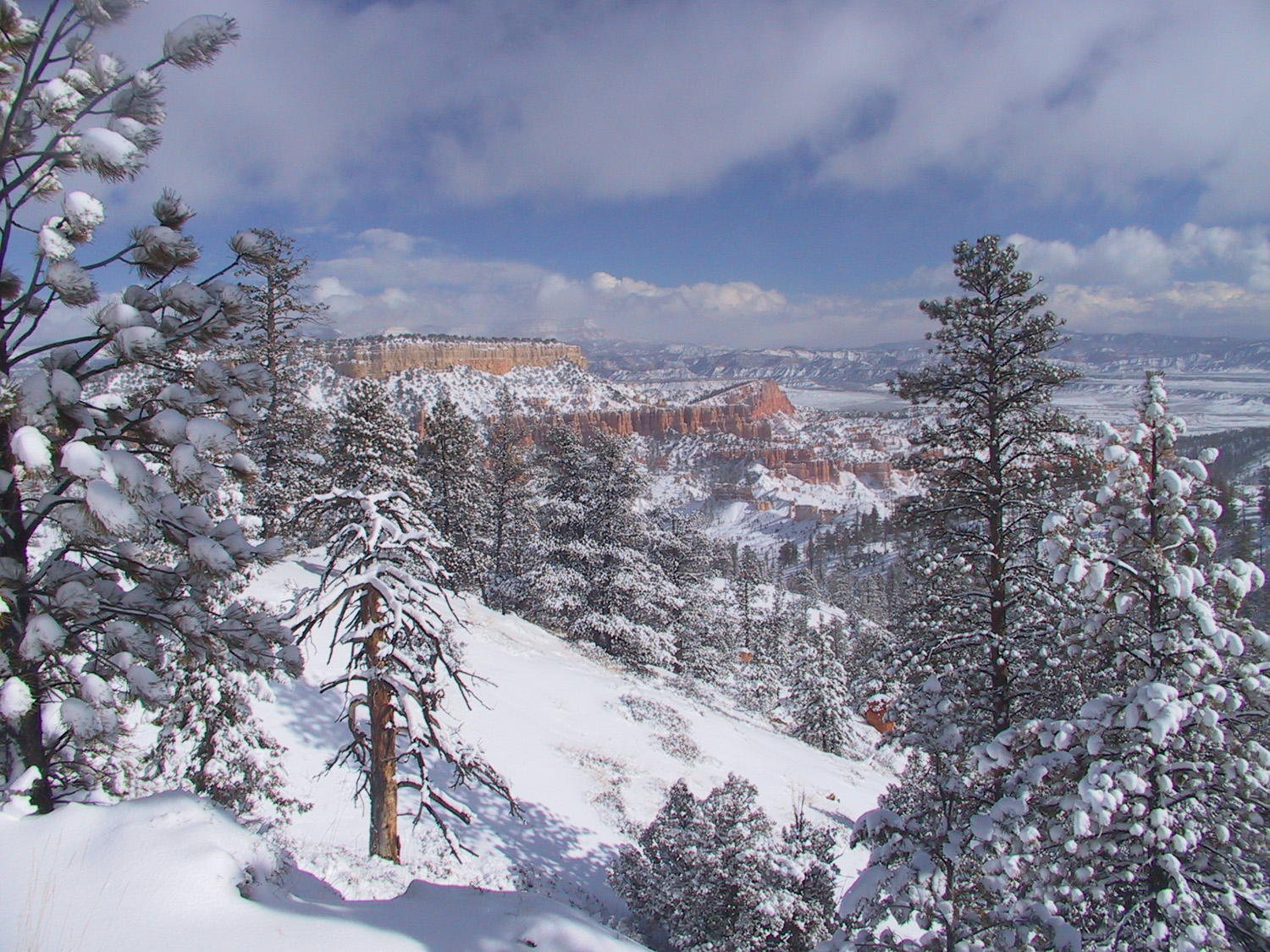
Bryce in snow is unforgettable, but don’t copy the summer plan. Days are short, temperatures often drop well below freezing, and the shuttle doesn’t run. Here’s how to adjust:
- Start later. Sunrise comes later in winter, and mid-morning is warmer for walking.
- Focus on the amphitheater viewpoints. After big storms, the road beyond Mile 3 may close for a while during plowing, but the main amphitheater is cleared first.
- Hike with traction. Queen’s Garden and the Two Bridges side of the Navajo Loop are usually open but icy. Wall Street and the Rim Trail between Inspiration and Bryce Points close for the season.
- Try snowshoeing. Fairyland Point Road and Paria View Road aren’t plowed and make great snowshoe routes. Come over Presidents’ Day weekend for the Bryce Canyon Winter Festival.
- Check the roads every morning on the park’s current conditions page.
How to Adjust the Itinerary in Summer
Summer brings long days and everything open, but also the biggest crowds and almost daily afternoon thunderstorms in July and August. Hike first thing in the morning, use the shuttle to skip the parking battles, and save the visitor center and scenic drive for the stormy afternoon hours. If you hear thunder, leave exposed viewpoints and trails and get into a building or a hard-topped car. Lightning is a real danger on the rim.
Adding Bryce Canyon to a Utah Road Trip
Zion and Bryce Canyon Itinerary
Zion and Bryce are the classic pair, about two hours apart. You can technically see both in one very long day, but you’ll mostly see the inside of your car. A much better plan is to spend one or two days in Zion, drive to Bryce in the late afternoon and catch sunset at a viewpoint, then spend a full day (or two) in Bryce. If you have just two days total, give each park one full day. Our Zion to Bryce Canyon road trip guide covers the drive, the best stops and the 2026 RV rules. Our guide to things to do in Zion National Park covers the Zion side.
Bryce Canyon, Capitol Reef and Beyond
Heading east? Scenic Byway 12 runs from Bryce through Escalante and Boulder to Capitol Reef, and it’s one of the most beautiful drives in the West. Allow a full day with stops. From there you can keep going to Hanksville, Goblin Valley and the badlands. Our Hanksville, Utah itinerary picks up where this trip leaves off.
Bryce Canyon Trip Planning: Shuttle, Fees, Lodging and Food
How to Use the Bryce Canyon Shuttle
The free shuttle is one of the best tools for any Bryce itinerary. It’s included with your entrance fee, runs about every 15 minutes, and loops between the shuttle station in Bryce Canyon City, nearby hotels, the visitor center, the lodge and all four amphitheater viewpoints. It’s optional, but in busy months it saves a lot of time circling for parking.
| 2026 Dates | Hours |
|---|---|
| April 3 – May 8 | 8 a.m. to 6 p.m. |
| May 9 – September 20 | 8 a.m. to 8 p.m. |
| September 21 – October 18 | 8 a.m. to 6 p.m. |
The shuttle doesn’t run on the Southern Scenic Drive or to Fairyland Point, so you’ll still need your car for those. Pets aren’t allowed on the shuttle.
Where to Park
In shuttle season, the easiest move is to park at the shuttle station in Bryce Canyon City, which has free all-day parking, and ride in. You can also use the extra parking lot across from the visitor center. Try not to leave your car at a busy overlook for hours while you hike. That’s the main reason those lots fill up and sometimes close.
Entrance Fees and Reservations
Entry costs $35 per private vehicle and is valid for seven days. You don’t need a reservation or timed-entry ticket to enter Bryce Canyon. Since January 2026, non-U.S. residents aged 16 and older also pay a $100 per-person nonresident fee unless they have the nonresident annual pass. If you already have an America the Beautiful pass, it covers your entry. Fees can change, so check before you go.
Where to Stay for Your Bryce Canyon Itinerary
On a one- or two-day trip, location matters more than almost anything. The closer you stay, the easier sunrise and stargazing become.
- The Lodge at Bryce Canyon: The only lodging inside the park, a short walk from the amphitheater, with lodge rooms, motel rooms and cabins. It’s open seasonally and closed for much of winter. Book months ahead for summer and fall.
- Bryce Canyon City: Right outside the entrance, with several hotels, a campground, restaurants and shuttle stops. The easiest base for most first-time visitors.
- Tropic: About 15 minutes east on Highway 12. Quieter and often cheaper, and close to Mossy Cave.
- Camping: North Campground is open year-round, weather permitting, and Sunset Campground is open seasonally. Both fill fast from late spring to fall, so reserve early.
Where to Eat
Food options inside the park are limited: the lodge dining room and a general store, both mostly seasonal. Bryce Canyon City and Tropic have more restaurants, including casual diners known for homemade pie. On a tight itinerary, packing lunch and snacks is the simplest way to stay on schedule, and you’ll find picnic areas along the park road.
When to Follow This Itinerary
These plans work best in May, June, September and early October, when hiking weather is comfortable, the shuttle is running and crowds are lighter than midsummer. For crowds and the best months, see our guide to the best time to visit Bryce Canyon National Park, and check Bryce Canyon weather by month for temperatures, snow and what to pack.
Common Bryce Canyon Itinerary Mistakes
- Arriving late. Early mornings mean easy parking, cooler trails and better light.
- Trying to hike everything. One great hike is plenty for a one-day visit.
- Skipping the hike below the rim. If you can manage it, walking among the hoodoos changes the whole trip.
- Driving the scenic road first. Hike while you’re fresh, and drive later.
- Stopping at every pullout. Pick the best three or four.
- Visiting Mossy Cave midday. Go before 10 a.m. or after 6 p.m.
- Underestimating the altitude. At 8,000 to 9,100 feet, you’ll breathe harder and tire faster than usual.
- Forgetting warm layers. Mornings and evenings are cold, even in summer.
- Not checking conditions. Snow, ice, rockfall and storms can close trails and roads.
Bryce Canyon Itinerary: FAQs
How many days do you need in Bryce Canyon National Park?
One full day is enough for the main highlights. Two days is better if you want to hike, drive the scenic road at a relaxed pace and see Bryce at sunrise, sunset and after dark.
Can you see Bryce Canyon in one day?
Yes. Start early, see the amphitheater viewpoints, hike the Queen’s Garden and Navajo Loop, then drive the Southern Scenic Drive and finish with sunset at the rim.
Is half a day enough for Bryce Canyon?
Half a day is enough for the four main amphitheater viewpoints and a short rim walk. You’ll miss the hikes and the scenic drive, but you’ll still see what makes Bryce famous.
What should I not miss in Bryce Canyon?
Sunrise or Sunset Point, Inspiration Point, Bryce Point, a hike below the rim like the Queen’s Garden and Navajo Loop, Natural Bridge and Rainbow Point.
Does the Bryce Canyon shuttle go to Rainbow Point?
No. The free shuttle only serves the Bryce Amphitheater area and Bryce Canyon City. You’ll need your own car for the Southern Scenic Drive.
Do you need a reservation to visit Bryce Canyon?
No. There’s no timed-entry reservation. You only need to book lodging, campsites and some activities like horseback rides.
How long does it take to drive through Bryce Canyon?
The full 18-mile road to Rainbow Point takes about 40 minutes each way without stops. With viewpoint stops and a short walk, allow 2 to 3 hours for the round trip.
Is it better to stay inside Bryce Canyon or in Bryce Canyon City?
Both are great for a short trip. The lodge puts you steps from the rim but books up early and closes in winter. Bryce Canyon City is just outside the entrance, has more options and is on the shuttle route.
Can you do Zion and Bryce Canyon in one day?
It’s possible but very rushed, since they’re two hours apart. Give each park at least one full day if you can.
How much does it cost to visit Bryce Canyon?
$35 per private vehicle for seven days, with the shuttle included. Non-U.S. residents aged 16 and older pay an extra $100 per person unless they have the nonresident annual pass.
Which Bryce Canyon Itinerary Should You Choose?
If you have one day, keep it focused. See the amphitheater, walk among the hoodoos, drive south to the high viewpoints and finish with evening light on the rim. That’s an excellent first visit.
If you have two days, slow down. Give Day 1 to the amphitheater and Day 2 to the southern plateau, a second trail and a night under the stars. The extra day isn’t really about seeing more. It’s about giving Bryce time to look different at sunrise, midday, sunset and after dark. One day gives you the essentials. Two days give you the experience.
For more ideas to fill your days, read our guide to the best things to do in Bryce Canyon National Park, or browse all of our travel guides.