
Bryce Canyon isn’t really a canyon.
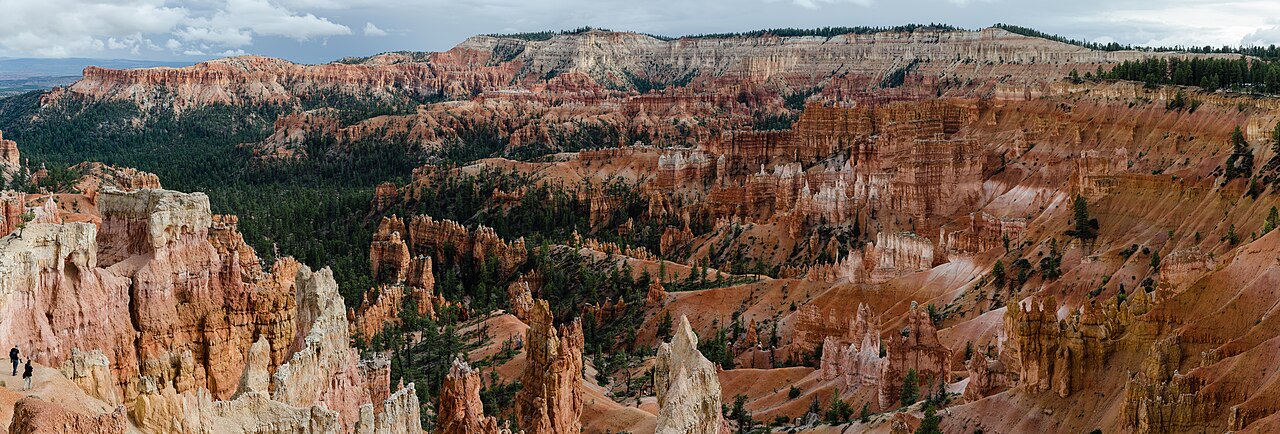
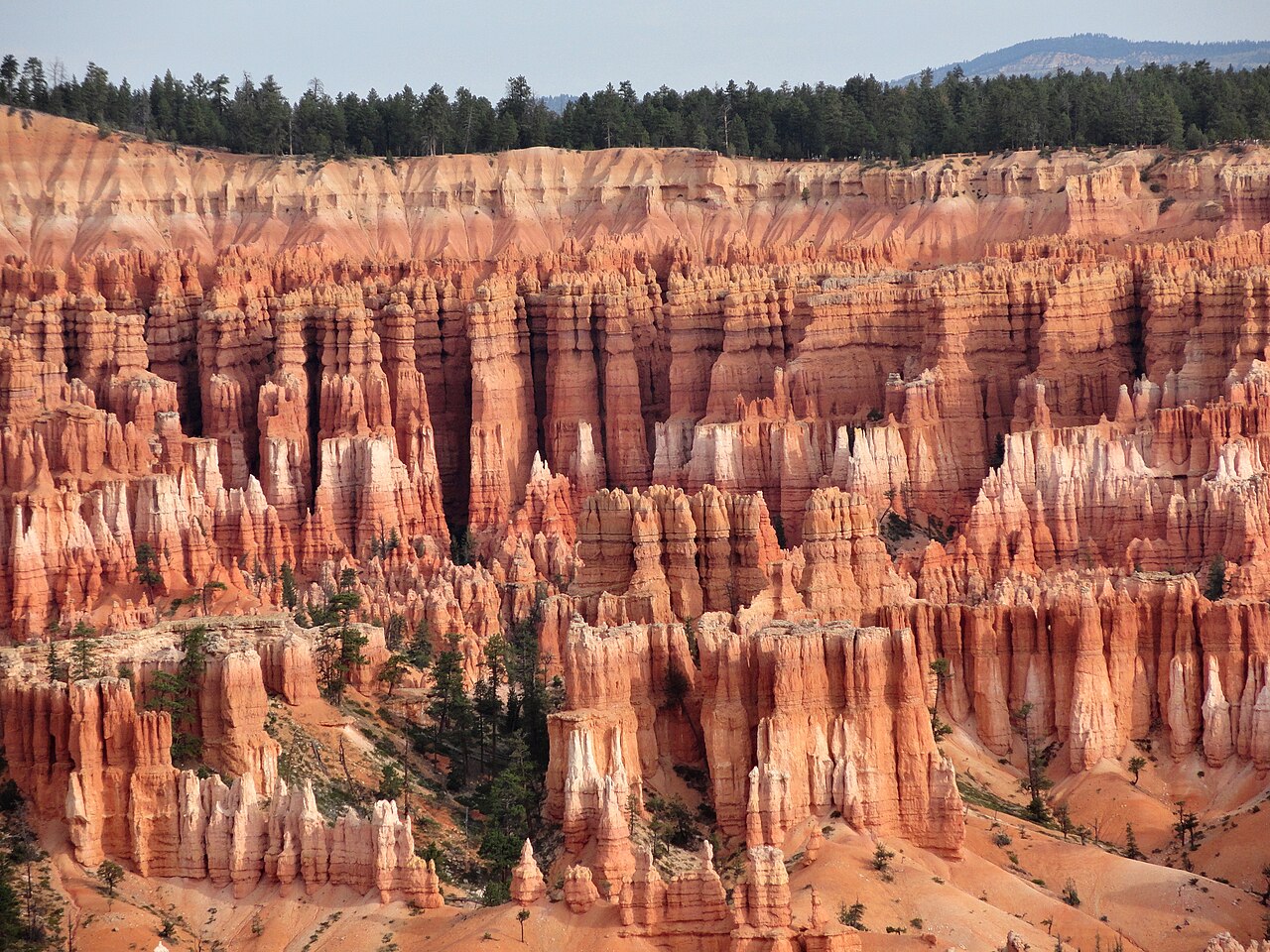
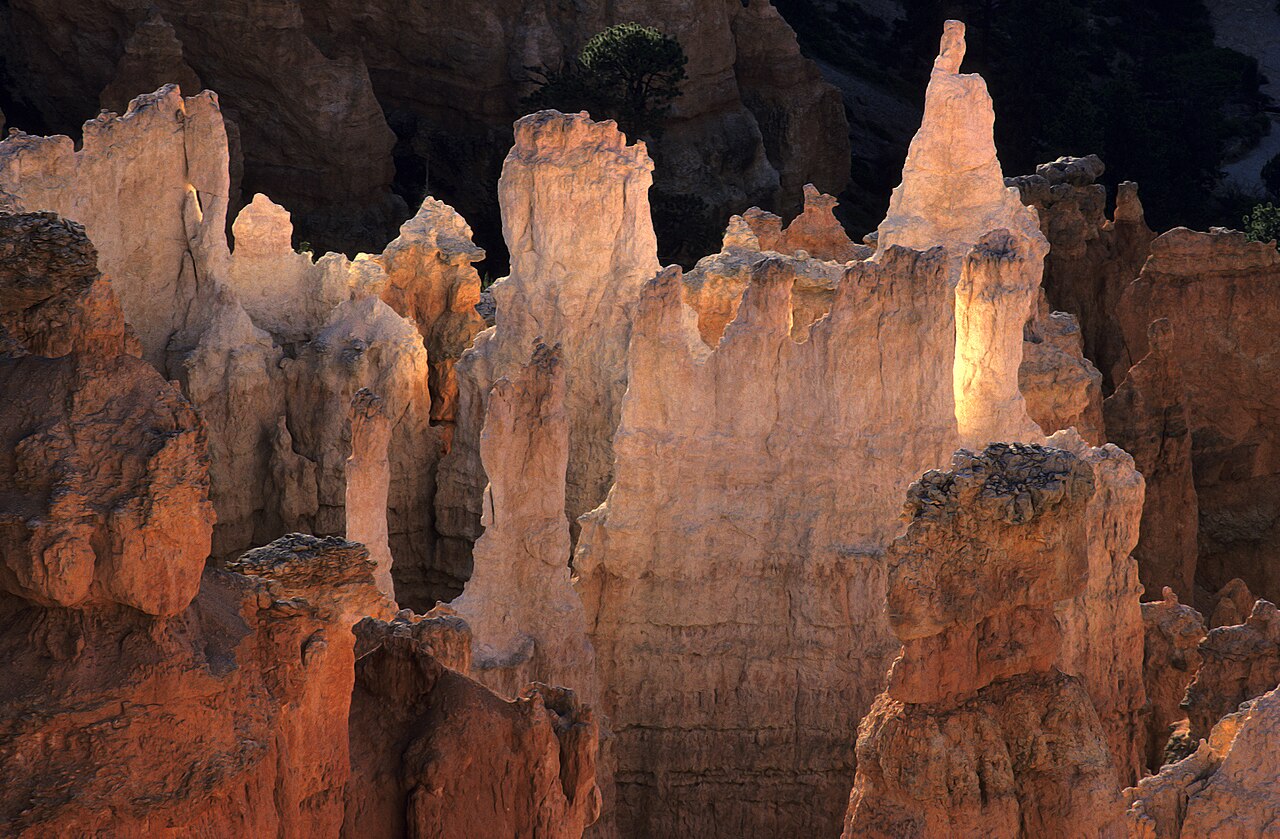
It’s a row of giant, bowl-shaped amphitheaters carved into the edge of a high plateau, and they’re packed with thousands of orange, pink and white rock spires called hoodoos. You walk up to the rim at Sunset Point, look down, and for a second your brain doesn’t quite know what it’s seeing. No other place in the world has this many hoodoos in one spot.
The good news is that Bryce is also one of the easiest national parks to explore. The famous viewpoints sit within a few miles of each other, the best first hike takes about two to three hours, and one road runs the length of the park. This guide covers the best things to do in Bryce Canyon National Park, from sunrise spots and hoodoo hikes to the quiet southern viewpoints, stargazing, winter visits and the practical details that make planning easier.
What Are the Best Things to Do in Bryce Canyon National Park?
The best things to do in Bryce Canyon National Park are watching sunrise over Bryce Amphitheater, hiking the Queen’s Garden and Navajo Loop, visiting Sunrise, Sunset, Inspiration and Bryce Points, driving the Southern Scenic Drive to Rainbow Point, walking the Bristlecone Loop, seeing Natural Bridge and staying after dark for stargazing in one of the darkest skies in the country.
Bryce Canyon Highlights at a Glance
| If You Want… | Go To |
|---|---|
| The classic Bryce view | Bryce Amphitheater |
| The best first hike | Queen’s Garden + Navajo Loop |
| Sunrise | Sunrise Point or Bryce Point |
| An easy, paved walk | Rim Trail, Sunset to Sunrise Point |
| A famous hoodoo | Thor’s Hammer from Sunset Point |
| The highest viewpoints | Rainbow and Yovimpa Points |
| A quiet scenic drive | Southern Scenic Drive |
| A short waterfall walk | Mossy Cave Trail |
| A long, quieter hike | Fairyland Loop |
| Something besides hiking | Horseback riding or biking |
| Night sky | Stargazing and ranger astronomy programs |
| Camping | North or Sunset Campground |
In This Guide
- 21 best things to do in Bryce Canyon
- Bryce Canyon hikes by difficulty
- Things to do besides hiking
- Things to do with kids
- How many days you need
- 1-day and 2-day itinerary
- Best time to visit
- Entrance fees, reservations and the shuttle
- Where to stay and eat
- Places to visit near Bryce Canyon
- FAQs
21 Best Things to Do in Bryce Canyon National Park
1. See Bryce Amphitheater
Best for: everyone · Allow: 1 to 2 hours for the viewpoints alone
If you do one thing at Bryce, start here. Bryce Amphitheater is the park’s main event, a huge natural bowl crowded with hoodoos. Its four big overlooks, Sunrise Point, Sunset Point, Inspiration Point and Bryce Point, all sit within the first few miles of the park road.
You can drive between them, but walking even part of the Rim Trail gives you a much better feel for the place. The view changes every few hundred yards. A hoodoo that looks tiny from one overlook suddenly towers over everything from the next. Starting here also helps you understand where the trails below the rim go before you hike them.
2. Watch Sunrise Over the Hoodoos
Bryce is at its best early in the morning. As the sun comes up, the hoodoos slowly shift from grey shadow to glowing orange and pink, almost like someone is turning up a dimmer switch.
Sunrise Point is the obvious choice, but Bryce Point and Inspiration Point are just as good, and sometimes less crowded. Get there 20 to 30 minutes before the sun rises. The sky starts changing well before the first light hits the rock.
Tip: Much of the park sits around 8,000 feet, so mornings are cold even in July. Bring a warm layer and gloves in spring and fall.
3. Walk the Rim From Sunset Point to Sunrise Point
Distance: about 1 mile round trip · Difficulty: easy, paved
Not everyone wants to hike down into the hoodoos, and you don’t have to. The paved stretch of the Rim Trail between Sunset Point and Sunrise Point is one of the easiest and prettiest walks in the park. It’s nearly flat, it’s the park’s only fully accessible day hike, and leashed dogs are allowed on it.
Don’t skip it just because it’s easy. Some of the best views in Bryce are right along this path, and it’s a nice way to get used to the altitude on your first morning.
4. Hike the Queen’s Garden and Navajo Loop
Distance: about 2.9 miles · Elevation change: about 625 feet · Time: 2 to 3 hours
If you only do one hike in Bryce, make it this one. The park itself recommends it for first-time visitors. (For every trail compared side by side, see our guide to the best hikes in Bryce Canyon National Park.) The loop drops from the rim into the hoodoos, winds across the floor of the amphitheater and climbs back out to Sunset Point.
The best way to do it is clockwise: go down Queen’s Garden from Sunrise Point, where the descent is gentler, then climb out on the Navajo Loop. From the rim the hoodoos look almost like models on a table. Down on the trail, those same spires rise high above your head, and the whole place feels completely different.
5. Hike the Navajo Loop Through Wall Street
Distance: about 1.3 miles · Elevation change: about 515 feet · Difficulty: moderate
The Navajo Loop starts at Sunset Point and drops steeply below the rim. One side passes Thor’s Hammer. The other side, called Wall Street, squeezes between tall rock walls with a couple of fir trees reaching for the light, reached by a famous stack of tight switchbacks.
Don’t let the short distance fool you. The climb back up is steep, and at this elevation you’ll feel it. The Wall Street side usually closes in winter and can also close after rockfall. The Two Bridges side typically stays open, so check the current trail conditions at the visitor center before you go. Our Navajo Loop Trail guide walks through the route step by step.
6. Try Queen’s Garden Trail on Its Own
Distance: about 1.8 miles round trip · Difficulty: moderate
Queen’s Garden is the easiest trail that goes down into Bryce Amphitheater, so it’s a good choice if you want to walk among the hoodoos without a big workout. It starts at Sunrise Point. Near the bottom, look for the formation that gave the trail its name: a hoodoo said to look like Queen Victoria sitting on her throne. Go back the way you came or keep going to join the Navajo Loop. See our Queen’s Garden Trail guide for the full route.
7. Find Thor’s Hammer at Sunset Point
Sunset Point takes almost no effort and gives you one of the best views in the park. From the overlook you can see deep into the amphitheater and spot Thor’s Hammer, probably the most photographed hoodoo in Bryce, with a big block of rock balanced on a thin column.
Despite the name, it’s great at any time of day. It’s also one of the busiest spots, so if the lot is full, take the shuttle.
8. Take in the Big View at Inspiration Point
Where Sunset Point is about individual hoodoos, Inspiration Point is about the whole scene. From here you look across row after row of spires packed so tightly they almost look like a crowd. There are three viewing levels. The upper one takes a short, steep walk, and it’s worth every breath.
Walk slowly and drink water. The climb feels harder than it looks if you’ve just arrived from sea level.
9. Watch the Light From Bryce Point
Bryce Point sits at the southern end of the amphitheater and gives you the widest view of all. It’s a favorite with photographers because you can see the patterns of ridges, spires and shadows stretching across the whole bowl. It’s a great sunrise spot, and it’s also where the trail toward the Peekaboo Loop begins.
10. Drive the Southern Scenic Drive
Best for: quiet views, non-hikers · Allow: 2 to 3 hours with stops
A lot of people never go past the amphitheater, and they miss a quieter side of Bryce. The park road keeps going south for about 18 miles in total, climbing through forest to Rainbow Point and Yovimpa Point, both above 9,000 feet.
Here’s a smart tip from the park: drive all the way to the end first, then stop at the viewpoints on your way back north. That way almost every pullout is on your right, and you don’t have to turn across traffic. Good stops include Natural Bridge, Agua Canyon, Ponderosa Canyon, Farview Point, Rainbow Point and Yovimpa Point. For every stop, plus the best sunrise and sunset spots, see our guide to Bryce Canyon viewpoints.
11. See Natural Bridge
Natural Bridge is one of the best stops on the scenic drive, and it’s only a few steps from the parking area. It’s a big red opening in the rock with green pine forest showing through it.
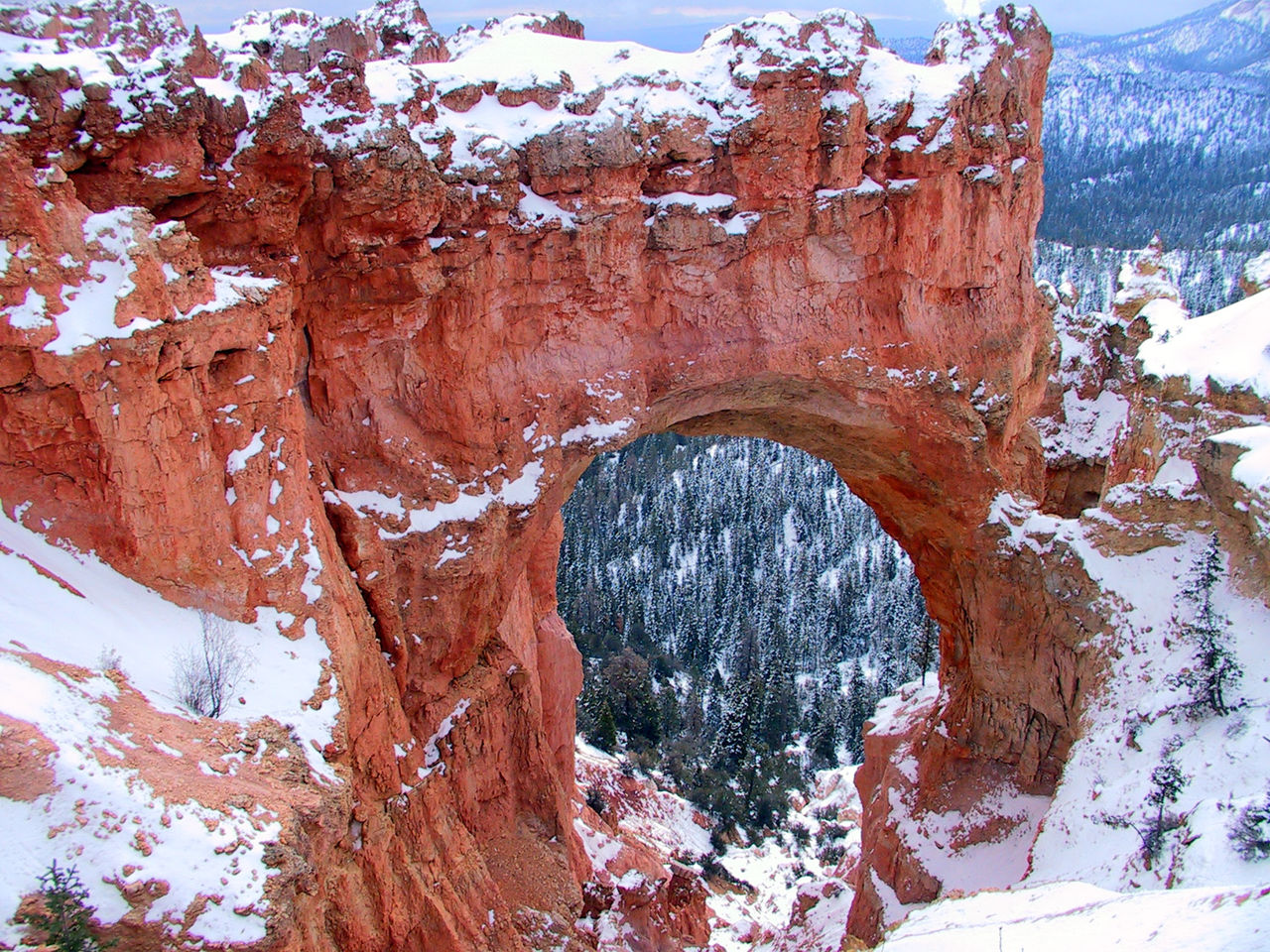
Fun fact: it isn’t really a bridge. A true natural bridge is carved by a stream. This one is an arch, shaped by rain, ice and gravity working on the rock from above. One day the top will fall, and it’ll leave two new hoodoos behind.
12. Walk the Bristlecone Loop at Rainbow Point
Distance: about 1 mile · Difficulty: easy · Elevation: above 9,100 feet
At the far southern end of the park, the Bristlecone Loop wanders through high forest and along the edge of the plateau. It’s named for the twisted bristlecone pines that grow here, some of them around 1,800 years old. Standing next to a tree that was already old when the Roman Empire fell is a strange and humbling feeling.
It’s an easy walk, but at over 9,000 feet you’ll breathe harder than usual, so go slowly. Deep winter snow can make the trail hard to reach.
13. Hike the Fairyland Loop
Distance: about 8 miles · Elevation change: about 1,900 feet · Time: 4 to 5 hours
If the Navajo Loop feels too busy, Fairyland is the answer. This long loop starts at Fairyland Point, north of the main amphitheater, and winds through quieter hoodoo country past formations like Tower Bridge and the Chinese Wall. You’ll see far fewer people.
It’s a serious, full-morning hike with plenty of ups and downs, so don’t tack it onto a busy afternoon. Start early, carry more water than you think you need, and remember that every trail below the rim ends with a climb.
14. Take On the Peekaboo Loop
Distance: about 5.5 miles · Elevation change: about 1,560 feet · Difficulty: strenuous
For strong hikers, Peekaboo is one of the most rewarding trails in the park. It dives deep into the heart of the amphitheater, with tunnels through the rock and views of the Wall of Windows. The park asks hikers to go clockwise.
Horses use this trail too. When you meet a group, step to the side and let them pass. Also expect horse droppings on the trail, which is just part of the deal here.
15. Walk to Mossy Cave and the Waterfall
Distance: about 0.8 mile round trip · Difficulty: easy
Mossy Cave sits outside the main park area, along Highway 12 toward the town of Tropic. A short trail follows a stream to a small waterfall and a shady overhang where moss grows in summer and big icicles hang in winter. The waterfall usually flows from about May to October.
The catch is that the parking lot is tiny and this spot has become very popular. The park discourages visits between 10 a.m. and 6 p.m. because of crowding, and cars parked outside marked spaces can be ticketed or towed. Go early or late.
16. Let the Shuttle Do the Driving
The shuttle isn’t an attraction, but it can save your day. In 2026 it runs from April 3 through October 18, with buses about every 15 minutes linking Bryce Canyon City, the visitor center, the lodge and the main amphitheater viewpoints. It’s included in your entrance fee and completely optional.
It’s also great for one-way walks. Ride to Bryce Point, walk the Rim Trail back north past Inspiration and Sunset Points, and catch the shuttle wherever your legs give out.
17. Bike the Shared-Use Path
A paved shared-use path runs through the park near the amphitheater, linking the visitor center area with Sunrise, Sunset and Inspiration Points. It also connects to a longer paved path outside the park that heads toward Red Canyon. Biking is a fun way to skip the parking hunt and move at an easy pace. Bikes aren’t allowed on the hiking trails, only on roads and the paved path.
18. Ride a Horse Below the Rim
Seeing the hoodoos from the saddle is a completely different experience, and the horse does the climbing for you. Guided rides run in the warmer months and head down into the amphitheater on trails like the Peekaboo Loop. It’s a good pick for anyone who wants to go below the rim without the steep hike back up. Book ahead in summer.
19. Stay Up for the Stars
This is the part most people miss. After the day crowds leave, Bryce turns into one of the best stargazing spots in the country. It was named an International Dark Sky Park in 2019, and thanks to its height, clean air and distance from big cities, you can see thousands of stars on a clear, moonless night. The Milky Way looks like a band of cloud stretching across the sky.
You don’t need a telescope. Find a safe pullout, turn off your lights, give your eyes 20 minutes to adjust, and look up. Paria View is a good summer spot, and the rim works well all year. The park also runs around 100 astronomy programs a year, including telescope nights with rangers, plus a yearly astronomy festival, usually in early summer. Check the schedule when you arrive.
20. Join a Ranger Program
A 30-minute ranger talk can explain more than an hour of reading signs. Topics include how hoodoos form, wildlife, astronomy and the park’s history. Programs can be cancelled for storms, snow or high winds, so check at the visitor center.
Families should ask about the Junior Ranger program. Kids get a booklet full of things to find and learn, and a badge when they finish, which turns a string of viewpoints into a small adventure.
21. Camp Inside the Park
Camping puts you right next to the amphitheater before the morning crowds arrive and after the day visitors leave, which makes sunrise and stargazing much easier. The park has two campgrounds. North Campground is open all year, and Sunset Campground closes in winter. Backcountry camping is also available with a permit for longer hikes below the rim.
Nights are cold at this height, even in summer. Pack a warm sleeping bag and layers.
Best Bryce Canyon Hikes by Difficulty
| Trail | Distance | Difficulty | Best For |
|---|---|---|---|
| Mossy Cave | 0.8 mile | Easy | Families, a short walk |
| Sunset to Sunrise Point | 1 mile | Easy | Views, accessibility |
| Bristlecone Loop | 1 mile | Easy | Forest, high elevation |
| Navajo Loop | 1.3 miles | Moderate | Wall Street, Thor’s Hammer |
| Queen’s Garden | 1.8 miles | Moderate | First hike below the rim |
| Queen’s Garden + Navajo | 2.9 miles | Moderate | Best all-around hike |
| Tower Bridge | 3 miles | Moderate | Fewer crowds |
| Peekaboo Loop | 5.5 miles | Strenuous | Deep in the hoodoos |
| Figure-8 Combination | 6.4 miles | Strenuous | Strong hikers |
| Fairyland Loop | 8 miles | Strenuous | Long, quieter hike |
Things to Do in Bryce Canyon Besides Hiking
Yes, you can enjoy Bryce Canyon without hiking. The four amphitheater viewpoints, the Southern Scenic Drive, Natural Bridge, Rainbow Point, horseback riding, biking, ranger programs, picnics, photography and stargazing all work without a long trail. The paved rim walk between Sunset and Sunrise Points is the perfect middle ground if you want a little walking without a steep climb.
Things to Do in Bryce Canyon With Kids
Bryce is one of the easier national parks to visit with children, since so many of the best views are close to the parking lots. For hikes by age, stroller routes and family itineraries, see our full guide to Bryce Canyon with kids. Good family picks are the paved rim walk, the Bristlecone Loop, Mossy Cave, the Junior Ranger program, a picnic, the scenic drive and a night of stargazing. Older kids who are steady on their feet usually love the Queen’s Garden and Navajo Loop.
Keep an eye on the altitude. At around 8,000 feet, kids and adults can get headaches or feel tired quickly. Drink plenty of water, take breaks and slow down if anyone feels unwell. Also hold little hands near the rim. Most overlooks have railings, but the rim trail between them often doesn’t.
How Many Days Do You Need in Bryce Canyon?
One full day is enough to see the highlights of Bryce Canyon, but two days is better. With just a few hours, stick to the four amphitheater viewpoints and the rim walk. With a full day, add one hike below the rim. With two days, you have time for sunrise, the Southern Scenic Drive, a longer hike and a night of stargazing without watching the clock. For hour-by-hour plans, see our full Bryce Canyon itinerary for 1, 2 or 3 days.
Bryce Canyon Itinerary: 1 or 2 Days
One Day in Bryce Canyon
Sunrise: Sunrise Point or Bryce Point. Then walk a stretch of the Rim Trail while the light is still soft.
Morning: Hike the Queen’s Garden and Navajo Loop. Allow two to three hours.
Lunch: Eat at the lodge or have a picnic near the visitor center.
Afternoon: Drive the Southern Scenic Drive to Rainbow Point, then stop at Natural Bridge and the other viewpoints on the way back.
Evening: Catch the late light at Inspiration Point, then stay for the stars if you have any energy left.
Two Days in Bryce Canyon
Day 1: Bryce Amphitheater. Sunrise, the paved rim walk, the Queen’s Garden and Navajo Loop, then Inspiration Point and Bryce Point in the afternoon. Come back after dinner for stargazing.
Day 2: The quieter side. Drive south to Rainbow and Yovimpa Points, walk the Bristlecone Loop, and stop at Natural Bridge heading back north. In the afternoon, choose the Fairyland Loop for a big hike, Mossy Cave for something short, or a horseback ride for something different.
Best Time to Visit Bryce Canyon National Park
Late spring and early fall are the best times for most visitors, with mild days, open trails and smaller crowds than summer. That said, Bryce is worth seeing in every season. It just looks and feels very different in each one. For month-by-month weather, crowds and snow, see our full guide to the best time to visit Bryce Canyon National Park.
| Season | Why Go | Watch Out For |
|---|---|---|
| Spring | Fewer crowds, cool hiking | Late snow, mud, icy trails, cold nights |
| Summer | Everything open, shuttle, horseback rides, ranger programs | Crowds, afternoon thunderstorms and lightning |
| Fall | Great hiking weather, aspen color, thinner crowds | Nights below freezing, early snow possible |
| Winter | Snow on red hoodoos, snowshoeing, quiet trails | Ice, some trail and road closures, very cold |
Summer storms: Afternoon thunderstorms build fast, and the open rim is a dangerous place during lightning. If you hear thunder, get into a building or a hard-topped car.
Winter: Snow on the orange hoodoos is one of the most beautiful sights in Utah. You can snowshoe or cross-country ski on the rim when there’s enough snow, and winter hiking is possible with traction devices on your boots.
Bryce Canyon Entrance Fees, Reservations and the Shuttle
How Much Does It Cost to Enter Bryce Canyon?
In 2026, entrance to Bryce Canyon costs $35 per private vehicle, valid for seven days. Motorcycles are $30, and people entering on foot or by bike pay $20 each.
International visitors, take note: since January 1, 2026, non-U.S. residents aged 16 and older pay an extra $100 per person at Bryce Canyon on top of the regular entrance fee, unless they have the $250 America the Beautiful nonresident annual pass. Zion charges the same fee, so if you’re visiting both on a Utah road trip, the annual pass can save a lot of money.
Do You Need a Reservation for Bryce Canyon?
No. Bryce Canyon doesn’t require a timed-entry reservation. You only need to book campsites, the lodge, horseback rides and some special programs separately. Reserve those well ahead for summer and fall weekends.
Should You Use the Bryce Canyon Shuttle?
In busy months, yes. Parking at Sunset and Sunrise Points fills up fast, and the free shuttle (April 3 to October 18 in 2026) takes that stress away. Park at the shuttle station in Bryce Canyon City and ride in. If you’re visiting early in the morning or outside shuttle season, driving yourself is usually fine.
Where to Stay and Eat Near Bryce Canyon
For the easiest trip, stay inside the park or in Bryce Canyon City, right at the entrance. The historic Bryce Canyon Lodge, built in the 1920s, is the only lodging inside the park and is open seasonally. Bryce Canyon City has several hotels, campgrounds, a general store and restaurants, plus the shuttle station. The small town of Tropic, about 15 minutes east on Highway 12, is a quieter, often cheaper base.
Food choices are limited. Inside the park, the lodge has a dining room and there’s a small general store near Sunrise Point. For more options, eat in Bryce Canyon City or Tropic, and carry snacks and lunch for long days on the trails or the scenic drive.
Whatever you choose, try to spend at least one night close to the park. It makes sunrise and stargazing so much easier than driving in from Zion or Page in the dark.
Places to Visit Near Bryce Canyon
Bryce fits perfectly into a southern Utah road trip, and a few nearby stops are worth adding:
- Red Canyon: Bright red hoodoos right along Highway 12, about 15 minutes before the park entrance, with short trails and a paved bike path.
- Kodachrome Basin State Park: Tall stone spires and easy trails about 30 minutes past Tropic.
- Scenic Byway 12: One of the most beautiful drives in the country, running east from Bryce through Escalante and Boulder toward Capitol Reef.
- Zion National Park: About two hours southwest by car, and the most common pairing with Bryce. See our Zion to Bryce Canyon road trip guide for the route and stops.
If you keep heading east past Capitol Reef, check out our guide to the best places to visit near Hanksville, Utah, home to Goblin Valley, slot canyons and some of the strangest scenery in the state.
Practical Bryce Canyon Tips
- Start early. Sunrise is worth the alarm, and the trails are quieter afterward.
- Respect the altitude. The park sits around 8,000 feet and tops 9,000 feet in the south. Go slower than usual.
- Carry more water than you think. The climb out of the amphitheater is where most people struggle.
- Pack layers. Sunrise, midday and night can feel like three different seasons.
- Check trail conditions at the visitor center, especially for Wall Street in winter and spring.
- Wear shoes with good grip. The trails are sandy and slippery in places, and icy in cold months.
- Don’t skip the scenic drive. Many visitors never go beyond the first few miles.
- Download maps and park info before you arrive. Cell service is patchy.
- Stay after dark at least once. The night sky is half the reason to come.
What to Pack for Bryce Canyon
A few items make a big difference here: hiking shoes with good tread, a warm jacket and hat for sunrise, sunscreen and sunglasses for the strong high-altitude sun, a refillable water bottle or hydration pack, a small daypack, and a headlamp for stargazing. In winter, add microspikes or other traction for your boots, and trekking poles help a lot on the steep climbs out of the amphitheater.
Related Guides
Keep planning with these related guides:
Bryce Canyon National Park: FAQs
What are the best things to do in Bryce Canyon National Park?
See Bryce Amphitheater, watch sunrise, hike the Queen’s Garden and Navajo Loop, visit Sunrise, Sunset, Inspiration and Bryce Points, drive the Southern Scenic Drive, see Natural Bridge, walk the Bristlecone Loop and go stargazing.
What should I not miss at Bryce Canyon?
Don’t miss Bryce Amphitheater and at least one walk below the rim. For most first-time visitors, the Queen’s Garden and Navajo Loop is the best introduction.
Can you see Bryce Canyon without hiking?
Yes. The four main viewpoints, the Southern Scenic Drive, Natural Bridge, Rainbow Point, ranger programs and the paved rim walk all work without a real hike.
Is one day enough for Bryce Canyon?
One full day is enough for the main viewpoints and one moderate hike. Two days lets you add sunrise, the scenic drive, longer trails and stargazing.
What is the easiest hike in Bryce Canyon?
The paved Rim Trail between Sunset Point and Sunrise Point. It’s about a mile round trip and nearly flat.
What is the most popular hike in Bryce Canyon?
The Queen’s Garden and Navajo combination loop, about 2.9 miles. The park recommends it for first-time visitors.
How much is the Bryce Canyon entrance fee?
$35 per private vehicle for seven days. Non-U.S. residents aged 16 and older also pay a $100 nonresident fee per person, unless they have the nonresident annual pass.
Can you visit Bryce Canyon in winter?
Yes. The park is open all year. Snow and ice close some trails, but winter hiking, snowshoeing and cross-country skiing on the rim are possible when conditions allow.
Are dogs allowed in Bryce Canyon?
Only on paved areas: campgrounds, parking lots, paved viewpoints, the paved rim walk between Sunset and Sunrise Points, and the shared-use path. Dogs aren’t allowed on unpaved trails or the shuttle.
How far is Bryce Canyon from Zion?
About two hours by car, which makes the two parks an easy pair on a Utah road trip.
Final Thoughts: Give Bryce the Edges of the Day
Bryce doesn’t need a complicated plan. Start with the amphitheater. Walk the rim. Head down among the hoodoos if you can. Then drive south, where the crowds thin out and the forest makes it feel like a different park.
And don’t leave at dinnertime. Some of the best things to do in Bryce Canyon National Park happen at the edges of the day: the hoodoos catching fire at sunrise, long shadows stretching across the amphitheater in late afternoon, and a sky full of stars once it gets dark. You can see the highlights in one day. Give it two, and Bryce stops feeling like a quick stop on a road trip and starts feeling like a place you’ll want to come back to.
Planning more national parks? Read our guide to the best things to do in Great Smoky National Park, or browse all of our travel guides.