
You hiked all day, pitched the tent, and climbed into a sleeping bag that felt toasty at bedtime. Then, somewhere around 3 a.m., you wake up with cold hips, damp socks, or a thin stream of cold air sneaking in by the zipper. You pull the hood tighter. You curl into a ball. The chill keeps coming back.
You’re not imagining it, and your bag probably isn’t broken. The middle of the night is when several things go wrong at once: the air keeps cooling toward dawn, your own body temperature dips, the ground keeps pulling heat out of you, and moisture slowly builds up in your clothes and insulation.
This guide explains why sleeping bags feel colder at 3 AM, how to read a sleeping bag temperature rating properly, what to do the moment you wake up cold, and how to build a sleep system that keeps you warm all night on hiking, backpacking and car camping trips.
How we wrote this: This guide is based on published outdoor-retailer guidance (including REI’s sleeping pad and sleeping bag care advice), the ISO 23537 sleeping bag rating standard, and sleep research on the body’s nightly temperature rhythm. A few products are linked near the end; as an Amazon Associate, JoinHikes earns from qualifying purchases at no extra cost to you.
Quick Answer: Why Do Sleeping Bags Feel Colder at 3 AM?
Because the coldest part of the night is still coming. Outdoor temperatures usually keep falling until around sunrise, and your own core body temperature drops to its lowest point in the early morning hours. At the same time, your sleeping pad may be losing heat to the ground, damp clothing or condensation is chilling you, and drafts open up when you roll over.
Start with where you feel the cold. Cold underneath you (back, hips, shoulders) points to your sleeping pad. A cold strip down one side points to a draft. Cold feet often mean damp socks or a footbox touching a wet tent wall. Cold all over means your bag’s comfort rating is too warm for the overnight low.

Key Takeaways
- The coldest air usually arrives near dawn, not at bedtime. Plan your sleep system for the overnight low (our guide on how to sleep comfortably while camping covers the whole setup).
- Your body runs coldest in the early morning, a few hours before you’d normally wake up.
- Most “cold bag” problems are really pad problems. The insulation under you gets crushed flat, so the pad’s R-value does the work.
- The big number on a bag is often its lower limit, not its comfort rating. Cold sleepers should go by the comfort rating.
- Moisture is a slow heat thief. Sweaty clothes, breath and condensation make insulation work worse as the night goes on.
- Confusion, slurred speech or unusual drowsiness in a cold camper can mean hypothermia. Get help.
What Actually Happens Between Bedtime and Sunrise
At 10 p.m. you’ve just eaten, you’re warm from setting up camp, the ground still holds some of the day’s heat, and your bag is freshly lofted. By 3 a.m., almost every one of those advantages has faded. Here’s the night in plain terms:
| Time | What’s happening | How it feels |
|---|---|---|
| Bedtime | You’re warm from moving and eating. The ground still holds some daytime heat. Your bag is freshly fluffed. | Cozy, sometimes even too warm |
| Midnight | Air keeps cooling. Your body is winding down. Dinner’s warming effect is fading. | Still fine for most people |
| 2–4 AM | Air is close to the overnight low. Core body temperature is near its daily minimum. Moisture has built up. The ground has pulled heat out of your pad for hours. | The “why am I awake and cold?” window |
| Just before sunrise | Often the coldest air of the night, especially on clear, calm nights. Frost or heavy dew may form. | Cold air on your face, frosty tent walls |
9 Reasons You Wake Up Cold in Your Tent
1. The campsite is colder than it was at bedtime
A mild evening at the trailhead tells you little about how cold camp will be several hours later. On many nights the air keeps cooling right up to around sunrise. Clear skies make it worse because heat radiates straight up into space with no cloud blanket to hold it in. Calm nights do too, because cold, heavy air settles and pools in low spots like valley floors, meadows and creek bottoms.
What to do: check the forecast for the place and elevation where you’ll actually pitch your tent, and plan around the overnight low, not the evening temperature. If you know you sleep cold, give yourself a margin. Where you have a choice, camp a little above the valley floor and near trees, which slow down heat loss and block wind.
2. Your own body temperature dips in the early morning
Your body runs on a daily rhythm. Core body temperature drops as you head toward sleep and reaches its lowest point in the early morning, a few hours before you’d normally wake up. For many people that’s somewhere around 4 to 5 a.m. The swing is only about 1°C (2°F), but you’re making a little less heat right when the air outside is near its coldest.
The warming effect of dinner also fades through the night. A hiker who skipped a proper evening meal after a long day has even less fuel to burn.
What to do: eat a real dinner, and keep a snack with fat and protein (nuts, cheese, a bar) in your tent pocket. Eating something when you wake up cold gives your body fuel to make heat.
3. Your sleeping pad is letting heat escape underneath you
This is the most common reason people blame their sleeping bag. When you lie down, your body crushes the bag’s insulation flat underneath you, so it barely insulates at all. Your pad does most of the work of stopping the cold ground from pulling heat out of your back, hips and shoulders. And the ground keeps doing that all night long.
Air pads add another twist. The air inside cools as the night goes on, so the pad can feel softer by 3 a.m. Many people also slowly roll partly off a narrow pad without noticing.
What to do: if your chest feels warm but your back, hips or shoulders feel cold, check whether you’ve slid off the pad or it has softened. For future trips, compare the pad’s R-value, not just its thickness. Our guide to sleeping pad R-value explains what number you need.
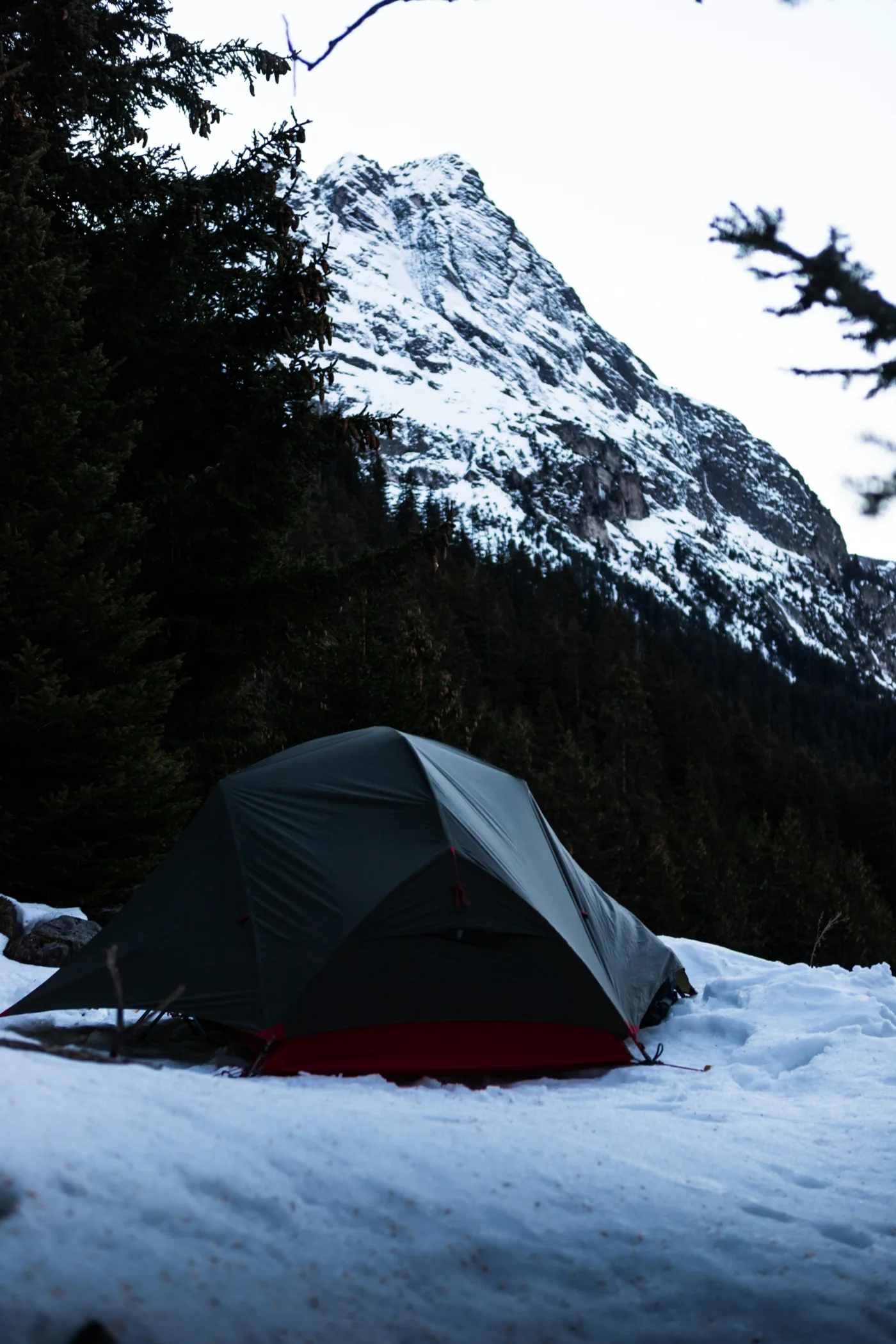
4. You went to bed in damp hiking clothes
A shirt that felt dry enough while you were walking can feel clammy once you stop moving. Damp fabric pulls heat away from your skin, and the moisture slowly creeps into your sleeping bag’s insulation, especially down, which loses much of its loft when wet.
What to do: pack a dedicated dry base layer and socks with your sleep gear and change after setting up camp. Never sleep in the socks you hiked in. Keep your sleep clothes for sleeping only.
5. Condensation and your own breath are dampening the bag
Every breath you breathe out is warm and moist. Inside a closed tent, that moisture lands on the cold tent walls as condensation, and some of it ends up in your bag. If the foot of your bag touches a wet tent wall, it soaks up water all night. Breathing inside your sleeping bag to stay warm makes this much worse.
What to do: keep your mouth and nose outside the bag (cinch the hood around your face instead), keep the footbox off the tent walls, and open the tent’s vents when the weather allows. Air out your bag in the morning or during a dry break. More tips in our guide on how to stop condensation in a tent.
6. A draft opens up when you roll over
A quilt can feel snug while you’re on your back and gape open along the side the moment you turn. A sleeping bag can leak warm air around a loose collar or a zipper that slid partly open. Each time you move, you “pump” warm air out and let cold air in.
What to do: before bed, lie in your usual sleeping position and check the fit. Close the draft collar if your bag has one. If you use a quilt, make sure the pad straps hold the edges down when you bend your knees.
7. Your bag’s temperature rating doesn’t match the night
The number in a bag’s name is often its lower limit, not the temperature where most people are comfortable. So a “20°F bag” on a 28°F night can be colder than you expect, especially if you’re a cold sleeper. The next section explains exactly how to read the rating.
8. Your bag has lost loft over time
Sleeping bag insulation keeps you warm by trapping air in its fluff (called loft). Years of being stored stuffed tight, plus body oil and dirt, slowly flatten it. A bag that feels thin in places, or doesn’t puff back up after you unpack it, simply holds less warm air.
What to do: see the “Why Sleeping Bags Lose Warmth Over Time” section below.
9. A full bladder, alcohol or dehydration
A full bladder is one of the most common reasons people wake up at 3 a.m. in the first place, and once you’re awake you notice every bit of cold. Alcohol before bed makes you feel warm because it widens blood vessels in your skin, but that actually lets your body lose heat faster. Dehydration after a long hiking day doesn’t help your circulation either.
What to do: drink plenty during the afternoon and evening, ease off in the last hour before bed, and always pee right before you get in the bag. Skip the nightcap. If you do need to get up, a pee bottle saves you from a cold walk outside (and saves a lot of body heat).
What Your Sleeping Bag Temperature Rating Really Means
Most quality sleeping bags are tested to the ISO 23537 standard (it replaced the older EN 13537 standard, and the ratings work the same way). The test uses a heated mannequin in a lab, not a real person on a mountain. It gives up to three numbers:
| Rating | What it means | How to use it when packing |
|---|---|---|
| Comfort rating | The temperature at which a typical cold sleeper can sleep comfortably in a relaxed position. | Compare it with the expected campsite low, especially if you sleep cold. |
| Lower limit | The temperature at which a typical warmer sleeper can sleep for about 8 hours curled up, without waking from cold. | Use it only if you sleep warm. Check the comfort rating before choosing this bag for a cold overnight hike. |
| Extreme rating | A survival number only, with a real risk of hypothermia. Not a sleeping temperature. | Ignore it when choosing a bag. |
| One temperature only | The brand may not say which rating it is, or the bag may not be lab-tested. | Check the manufacturer’s specs to see what that number represents. Be cautious with budget bags. |
A real example: say you’re packing a “20°F bag” for a 28°F night. If 20°F is its lower limit and 32°F is its comfort rating, the forecast is already below its comfort rating. A warm sleeper might be fine. A cold sleeper will probably wake up chilly at 3 a.m. In that case, a warmer bag paired with a well-insulated pad is a better plan than hoping a thin liner will make up the difference.
Find Your Cold Spot: What You Feel and What to Fix
| What you feel | Likely cause | What you can do at camp | Fix for next trip |
|---|---|---|---|
| Cold back, hips or shoulders | Pad position, low inflation, or too little insulation (low R-value) | Center yourself on the pad and top up the air. If you packed a closed-cell foam pad, add it underneath. Put spare clothes under your hips. | A pad with a higher R-value, or add a foam pad |
| Cold neck or a draft down one side | Loose hood, open draft collar, zipper slid open, or quilt edge lifting | Close the gap, cinch the hood around your face, then roll over to check it stays closed. | Practice your sleep position at home; use quilt pad straps |
| Cold feet and a damp footbox | Damp socks, or the footbox touching a wet tent wall | Change into dry socks and move the footbox away from the wall. Put a warm water bottle near your feet. | Dedicated sleep socks; a roomier tent or better ventilation |
| Cold face and head | Hood open, no hat, cold air on your face | Put on a warm hat or buff and cinch the hood, leaving your mouth and nose outside. | Pack a warm hat as part of your sleep kit |
| Cold all over | Bag and pad aren’t warm enough for the actual temperature | Put on dry layers, eat a snack, and use any backup insulation you brought. If you can’t get warm, move to a warmer shelter if one is available. | A bag with a warmer comfort rating |
| Warm at first, clammy later | Overdressed and sweating, or breathing inside the bag | Vent the bag a little, remove a layer, and keep your breath outside. | Sleep in a dry base layer, not your puffy jacket from the start |
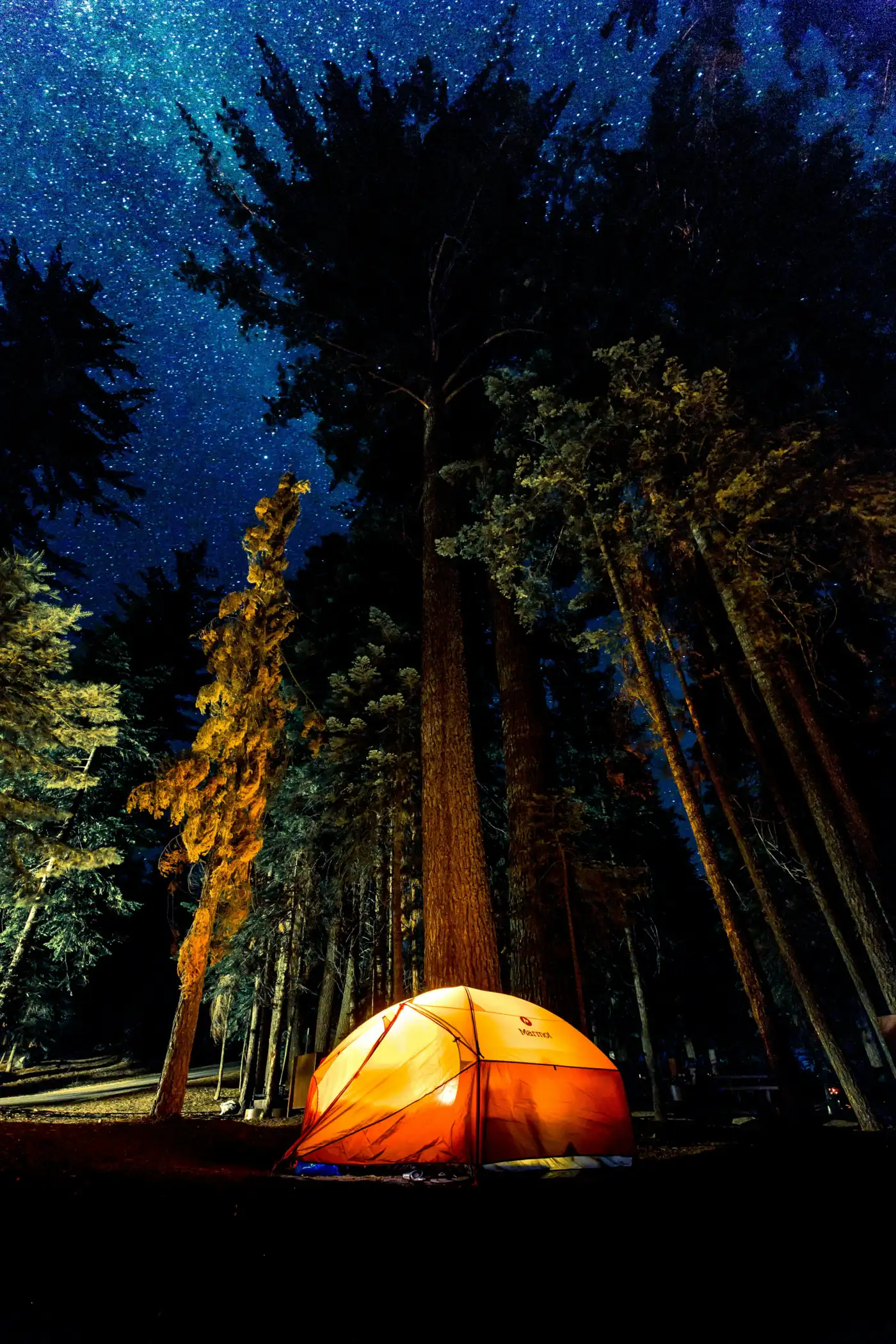
What to Do If You Wake Up Cold at 3 AM
Don’t just lie there shivering and hope. Work through these steps in order. Most of them take less than a minute.
- Find the cold spot. Back and hips, one side, feet, or everywhere? Use the table above.
- Get back on your pad. Re-center yourself and top up an air pad if it feels soft.
- Close the drafts. Zip up fully, close the draft collar, and cinch the hood around your face.
- Swap anything damp for something dry. Dry socks first. Damp clothes come off.
- Add a warm hat and dry layers. A fleece or puffy jacket works well. Don’t wear so much that the bag’s insulation gets squashed.
- Eat a snack. Fat and protein give your body fuel to make heat.
- Go to the bathroom if you need to. Holding it keeps you awake and uncomfortable.
- Warm up with movement. A minute of clenching and relaxing your leg and arm muscles inside the bag (or a few sit-ups) creates heat. Stop before you sweat.
- Use a hot water bottle if you have a stove and a leak-proof bottle (see the tip below).
- Still can’t warm up? Share warmth with a partner, move to a car or hut if one is close, and watch for signs of hypothermia.
How to Stay Warm at Night: Your Before-Bed Checklist
The best fix for a 3 a.m. chill happens before you zip the bag. Run through this list every night:
Pick a warmer spot
Avoid the lowest point in a valley, where cold air pools. Trees and natural windbreaks help. Pitch the tent with the door away from the wind.
Unpack your bag early
Take the bag out of its stuff sack as soon as camp is up and give it a shake, so it has time to fully loft before bed.
Change into dry sleep clothes
Dry base layer, dry socks, warm hat. Save these clothes for sleeping only.
Eat dinner and keep a snack
A warm meal with fat and protein, plus a snack in the tent pocket for later.
Warm up, don’t sweat up
A few minutes of light movement before bed helps. Get in the bag warm, not sweaty.
Pee right before bed
Then you won’t wake up needing to, and you won’t lie there holding it.
Check your pad
Inflate it fully and lie down to check your hips stay on it when you turn.
Do the 3-point check
Hips on the pad, hood or quilt stays closed when you turn, foot of the bag clear of the tent wall.
Sleeping Pad R-Value: The Warmth Under You
A pad’s R-value measures how well it resists heat flowing out of you into the ground. Higher is warmer. Most major brands now test pads to the same standard (ASTM F3340), so you can compare numbers between brands. Thickness alone tells you very little: a thick air mattress with no insulation inside can be colder than a thin foam pad.
| Conditions | General R-value guide | Typical use |
|---|---|---|
| Warm summer nights | About 1 to 2 | Summer backpacking, warm-weather car camping |
| Three-season (spring to fall) | About 2 to 4 | Most backpacking trips |
| Cold nights near or below freezing | About 4 to 5.5 | Late fall, mountains, cold sleepers |
| Winter and snow camping | 5.5 and up | Camping on snow or frozen ground |
General guide only. Cold sleepers should aim higher. Check your pad maker’s own recommendations.
Stacking works. Under the current standard, R-values add up. Put a closed-cell foam pad under your inflatable pad and you add its R-value to the total, plus you get a backup if the air pad leaks. Read more in Sleeping Pad R-Value Explained.
Car camping on a tall air mattress? Those big mattresses hold a lot of air that cools overnight and usually have no insulation inside. Put a blanket or foam pad on top of it, or sleep off the ground on one of the best camping cots with a pad on top.
Why Sleeping Bags Lose Warmth Over Time
If the same bag feels colder on several similar trips, look at its loft, the thickness of the insulation once it has expanded. Three things flatten it:
- Long-term compression. Storing a bag stuffed tight in its stuff sack for months slowly crushes the insulation.
- Dirt and body oil. Sweat and skin oil make down clump and stop it fluffing up fully.
- Moisture. Damp insulation, especially down, loses much of its warmth until it’s fully dry.
A bag that stays flat or has thin patches after you unpack and shake it deserves a closer look.
How to keep the loft: on a backpacking trip, use the stuff sack to save space during the hike, then unpack the bag when you pitch your tent. At home, dry the bag fully and store it loose in a big cotton storage sack or hung in a closet. If it’s dirty and has lost loft, wash it following the manufacturer’s instructions. Our step-by-step guide shows how to wash a sleeping bag safely. A sleeping bag liner keeps body oil off the bag so you need to wash it less often.
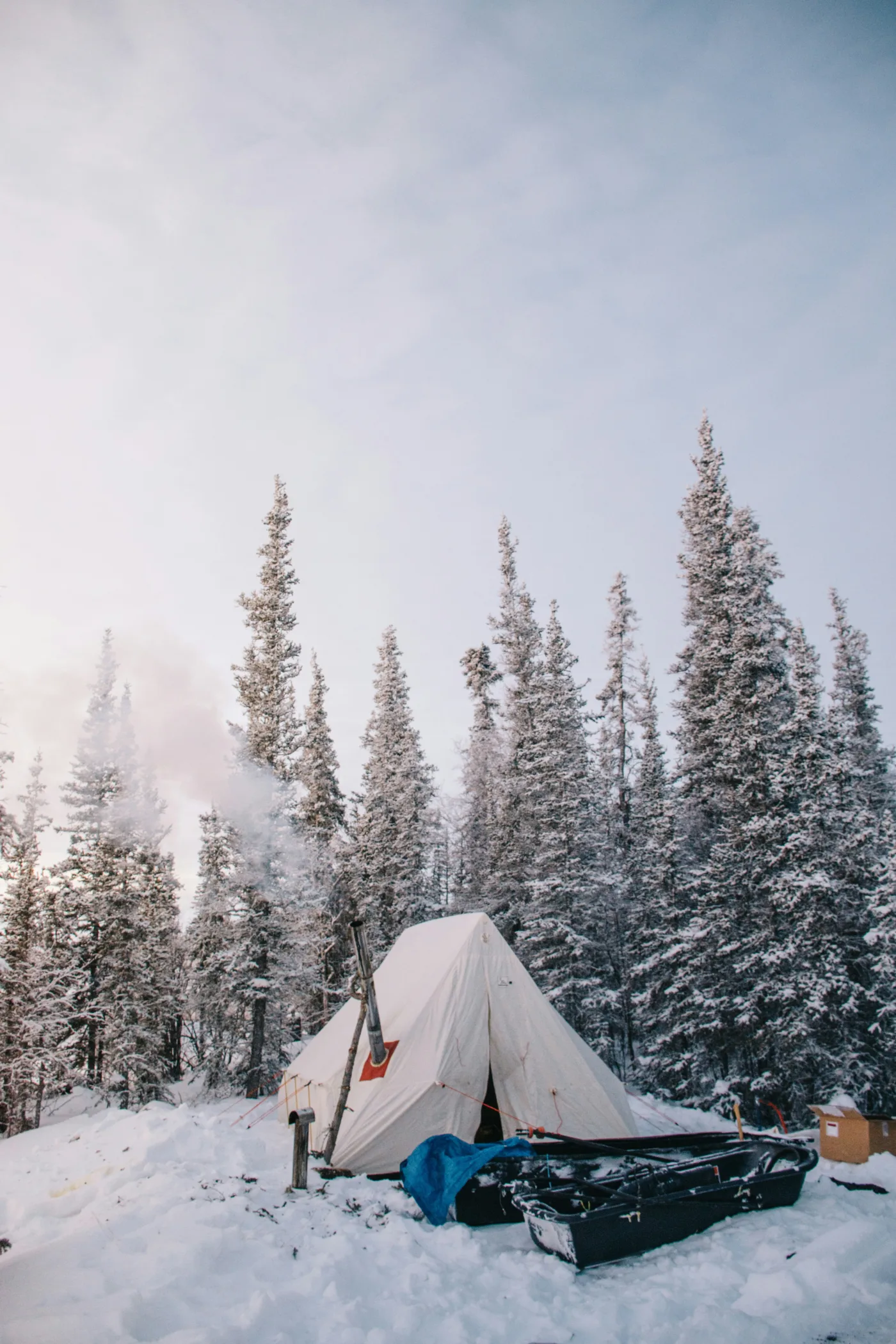
How to Stay Warm at Night on Hiking and Camping Trips
On an overnight hike
Weigh your bag and pad together as one sleep system. If your back keeps feeling cold, put your next upgrade toward the pad before adding a heavier liner. A light closed-cell foam pad is the cheapest warmth upgrade you can carry.
On a multi-day backpacking trip
Keep a dry set of sleep clothes packed inside a waterproof bag with your sleeping bag, and never use them for hiking. Air out damp insulation whenever you get a dry break, especially if you expect another cold night. A damp bag on night one becomes a cold bag on night three. Building a light but warm backpacking sleep system starts with the bag-plus-pad combo.
When car camping
Use the extra space. Bring a warmer pad, a dry backup blanket, and an extra layer. Check the insulation if you’re using a tall air mattress, since thickness alone doesn’t tell you how warm it is. A cot keeps you off cold ground, but you’ll still need a pad on top because cold air moves underneath it.
In wet weather
Rain makes everything colder. Damp clothes, damp air and condensation all pull heat away. See our full guide to camping in the rain for how to keep your sleep gear dry.
Gear That Helps You Sleep Warmer
Picks from our own buying guides. Tap a photo or button to check today’s price on Amazon. Compare more options in our best sleeping bag liners and best ultralight sleeping bags guides.
 Fleece linerLitume Fleece Mummy LinerThick fleece liner with a hood, for cold sleepers who need a bit more warmth.Check Price
 Microfiber linerFriendly Swede Microfiber LinerRoomy, washable liner with a full side zipper. Keeps your bag clean.Check Price
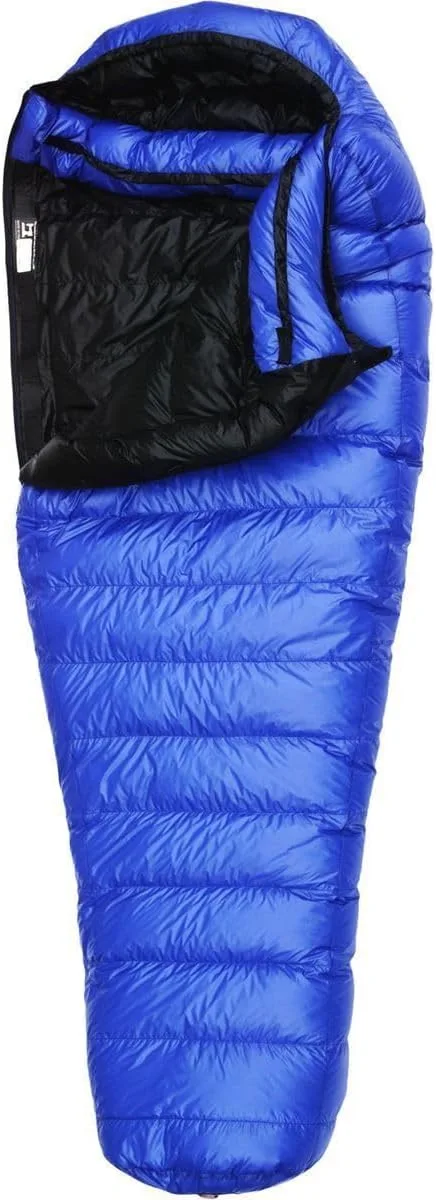 Backpacking bagWestern Mountaineering UltraLite 20Premium down bag for cold three-season backpacking.Check Price
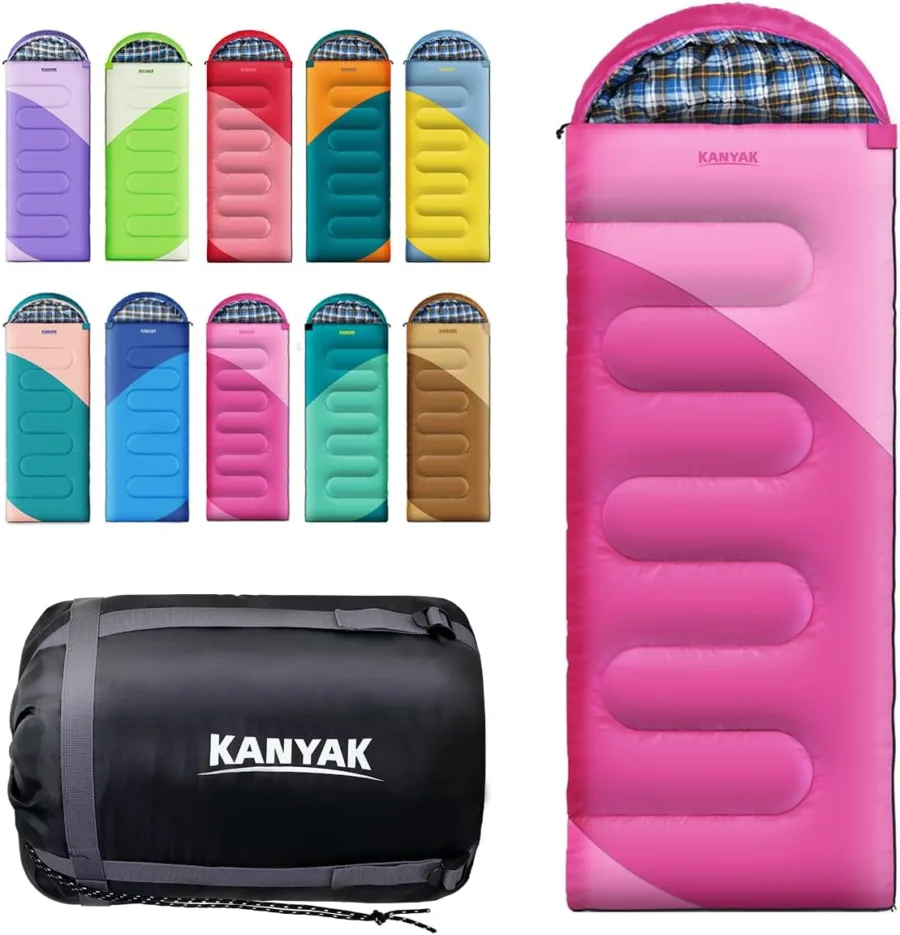 Camping bagKANYAK Sleeping BagListed comfort rating of 41°F for cool spring and fall nights.Check Price
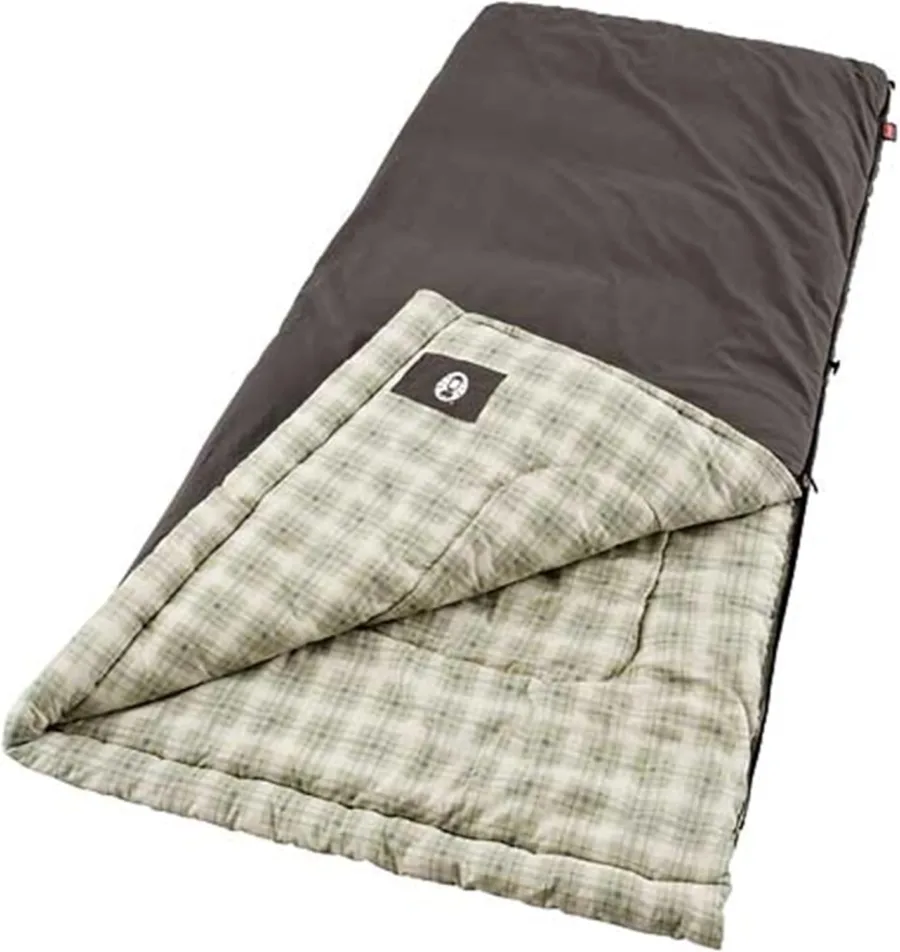 Car camping bagColeman Heritage 10°F FlannelBig, warm, flannel-lined bag for cold car camping.Check Price
 Emergency backupGo Time Gear Life Bivy4.1 oz reflective emergency bag. Can go over your bag on a surprise cold night.Check Price
Frequently Asked Questions
Why do I always wake up cold at 3 AM when camping?
Because several things peak at once. The air is close to its overnight low, your core body temperature is near its daily minimum, dinner’s warming effect has worn off, and your pad has been losing heat to the ground for hours. Moisture from sweat and breath also builds up overnight.
Why am I cold in a 20°F sleeping bag when it’s 30°F outside?
The 20°F figure may be the bag’s lower-limit rating, not its comfort rating. Look up the comfort rating, then check your pad’s R-value and feel for drafts around the hood or zipper. A thin pad is the most common culprit.
Should I upgrade my sleeping bag or sleeping pad first?
Start with the pad if the cold is mostly underneath you. If your pad suits the conditions and you still feel cold all over with dry layers on and the bag closed, look for a bag with a warmer comfort rating.
Do sleeping bag liners really add warmth while camping?
Thermal knit and fleece liners can add some warmth, while thin silk, cotton and polyester liners add only a little. The difference depends on the rest of your setup. For backpacking, weigh the liner and ask whether you need a bit of extra comfort or a warmer bag. Compare options in our best sleeping bag liners guide.
Can I put a foam pad under my inflatable sleeping pad?
Yes. A closed-cell foam pad under an inflatable pad adds insulation from the ground, and the R-values add up. It’s especially useful when your current pad is comfortable but you feel cold underneath, and it doubles as a backup if the air pad leaks.
Is it better to sleep in hiking clothes or change before bed?
Change into dry clothes if your hiking layers are sweaty or damp, which they usually are. On an overnight hike, keep a dry base layer and socks packed with your sleep gear until you’re ready for bed.
How do I stop my sleeping bag from getting damp inside the tent?
Keep the footbox clear of the tent walls, keep your breath outside the bag, and use the tent’s vents when conditions allow. If the bag picks up moisture overnight, air it out at camp or during a dry stop before packing it away. See how to stop condensation in a tent.
Should I wear more clothes inside my sleeping bag?
A dry base layer, socks and a hat help. Adding a puffy jacket on a cold night can help too. But don’t stuff in so many layers that you squash the bag’s insulation or start sweating. Damp from sweat makes you colder later.
Is it warmer to sleep naked in a sleeping bag?
No, that’s a myth. Clean, dry base layers add a little insulation and keep body oil off your bag. What matters is that the clothes are dry, not that you wear nothing.
Why are my feet always cold in my sleeping bag?
Common causes are damp socks, a footbox touching a wet tent wall, tight socks that restrict circulation, or an underfed body. Put on dry, loose wool socks, keep the footbox off the wall, and try a warm water bottle near your feet.
Does eating before bed help you stay warm?
Yes. Your body makes heat as it digests food, and fat and protein last longer than sugar. Eat a proper dinner and keep a snack nearby for when you wake up cold.
Does drinking alcohol keep you warm while camping?
No. Alcohol makes you feel warm because it widens blood vessels near your skin, but that helps your body lose heat faster. It can also make it harder to notice that you’re getting dangerously cold.
Why does my air mattress feel so cold?
Air mattresses hold a lot of air that cools down overnight, and most have no insulation inside, so they keep pulling heat from you. Add a foam pad or blanket on top, or choose an insulated pad with a proper R-value.
Does a tent make you warmer?
A little. A tent blocks wind and traps a small amount of warmth from your body, but it isn’t insulation. Your sleeping bag and pad do almost all of the work of keeping you warm.
Is a hot water bottle in a sleeping bag safe?
It can be if you use a hard, leak-proof bottle rated for hot liquids, close the lid tightly, wrap it in a sock, and keep it off bare skin. Never use a soft or damaged bottle.
When is waking up cold a sign of danger?
If someone becomes confused, very drowsy, clumsy, or starts slurring their speech, those can be signs of hypothermia. Get them into dry insulation and a warmer shelter, and call for emergency help.
The Bottom Line
Sleeping bags feel colder at 3 AM because the night is still getting colder, your body is running at its coolest, and small problems like a thin pad, damp socks or a draft have had hours to add up.
The fix is to treat your bag, pad, clothing and campsite as one sleep system. Plan for the overnight low, choose a bag by its comfort rating, get enough R-value under you, sleep in dry clothes, and close up the drafts. Do that, and 3 a.m. becomes just another part of a good night’s sleep.
More Sleep System & Camping Guides
Sources and disclosure: This guide draws on REI Expert Advice (sleeping pads, sleeping bag care and cleaning), the ISO 23537 sleeping bag temperature rating standard, the ASTM F3340 sleeping pad R-value standard, and published sleep research on the body’s daily temperature rhythm. It is general information, not medical advice. As an Amazon Associate, JoinHikes earns from qualifying purchases.
3 thoughts on “Why Sleeping Bags Feel Colder at 3 AM While Camping (and How to Stay Warm All Night)”