
Your sleeping bag has seen a lot. Sweaty summer nights, campfire smoke, the odd spilled drink, and a whole season of sunscreen and body oil soaking into the fabric.
All of that grime does more than smell. It flattens the insulation, and a flat bag is a cold bag. A proper wash brings back the fluff (called “loft”) and with it, the warmth.
The scary part is doing it without wrecking a bag that may have cost you a few hundred dollars. This guide shows you how to wash a sleeping bag safely: in a front-loading washer, in a top loader, at the laundromat, or by hand in the bath. We’ll cover down and synthetic bags, the right soap, and the drying step, which is where most people go wrong.
How we wrote this: The steps below follow the care advice published by sleeping bag makers and outdoor retailers such as REI, Therm-a-Rest, Big Agnes, Salewa and Vaude. We haven’t run our own lab tests. Always check the care label on your own bag first. The gear picks near the end use Amazon affiliate links, at no extra cost to you.
How to Wash a Sleeping Bag: Quick Steps
- Read the care label and close all zips and Velcro.
- Use a large front-loading washer (or a top loader with no center agitator), or wash by hand in a bathtub.
- Add a down wash for down bags or a tech wash for synthetic bags. No regular detergent or fabric softener.
- Run a gentle or delicate cycle in cold or cool water (about 30°C / 86°F max), with an extra rinse and a low spin.
- Lift the wet bag out carefully, supporting the whole weight.
- Tumble dry on low heat in a big dryer with 2 or 3 clean tennis balls until it’s completely dry. This can take several hours for down.
- Air it out for a day, then store it loose, not stuffed.

Key Takeaways
- Never use a top loader with a center agitator. It can tear the inner walls (baffles) that hold the insulation in place.
- Use the right soap. Regular detergent strips the natural oils that help down loft.
- Drying is the real job. Low heat, a big dryer, tennis balls, and patience.
- Don’t wash too often. Once a season, or roughly every 20 nights, is plenty for most people. Between washes, store it loose, not compressed (see how to store camping gear).
- No dry cleaning, bleach, fabric softener or ironing.
How Often Should You Wash a Sleeping Bag?
Less often than you’d think. Every wash puts a bit of wear on the fabric and the fill, so the goal is to wash only when the bag actually needs it.
A good rule of thumb is about once a season, or after roughly 20 nights of use. Wash it sooner if you notice any of these signs:
- It smells, even after airing it out.
- The fabric looks dark or shiny around the hood and the collar.
- It feels flatter and colder than it used to.
- The down clumps together in places.
Spot cleaning: try this first
If it’s just one dirty patch, you may not need a full wash. Pull the fabric away from the insulation, then gently dab the spot with a damp cloth and a little down wash or mild soap. Rinse the area with a clean damp cloth and let it dry fully.
For smells, hang the bag outside on a dry, breezy day before you reach for the washing machine. Fresh air fixes more than you’d expect.
What You Need to Wash a Sleeping Bag at Home
A big washer (or a bathtub)
A large front-loading machine, ideally a commercial one at a laundromat. A home front loader works if the bag fits with room to move.
The right soap
Down bags: a down cleaner like Nikwax Down Wash Direct, Grangers Down Wash or Gear Aid ReviveX Down Cleaner. Synthetic bags: Nikwax Tech Wash or a mild, non-biological liquid.
A big dryer
A large front-loading dryer with a low heat setting. Small home dryers can overheat a bulky bag.
Tennis balls
Two to four clean tennis balls or dryer balls. They break up clumps of wet down while it dries.
Time
Plan for at least 4 to 5 hours from start to finish, longer for a big down bag.
A laundry basket
To carry the heavy, wet bag from washer to dryer without stretching it.
Down vs synthetic: what’s different?
| Down bag | Synthetic bag | |
|---|---|---|
| Soap | Down-specific wash | Tech wash or mild non-bio liquid |
| Washer | Large front loader | Front loader or agitator-free top loader |
| Drying time | Several hours | About an hour or more |
| Tennis balls | Strongly recommended | Helpful but optional |
| Biggest risk | Clumping, mildew if not fully dry | Heat damage from a hot dryer |
Before you start: prep the bag
- Check the care label. Some makers have their own rules, and some ultralight bags say hand wash only.
- Zip all zippers and close Velcro tabs so they don’t snag the fabric.
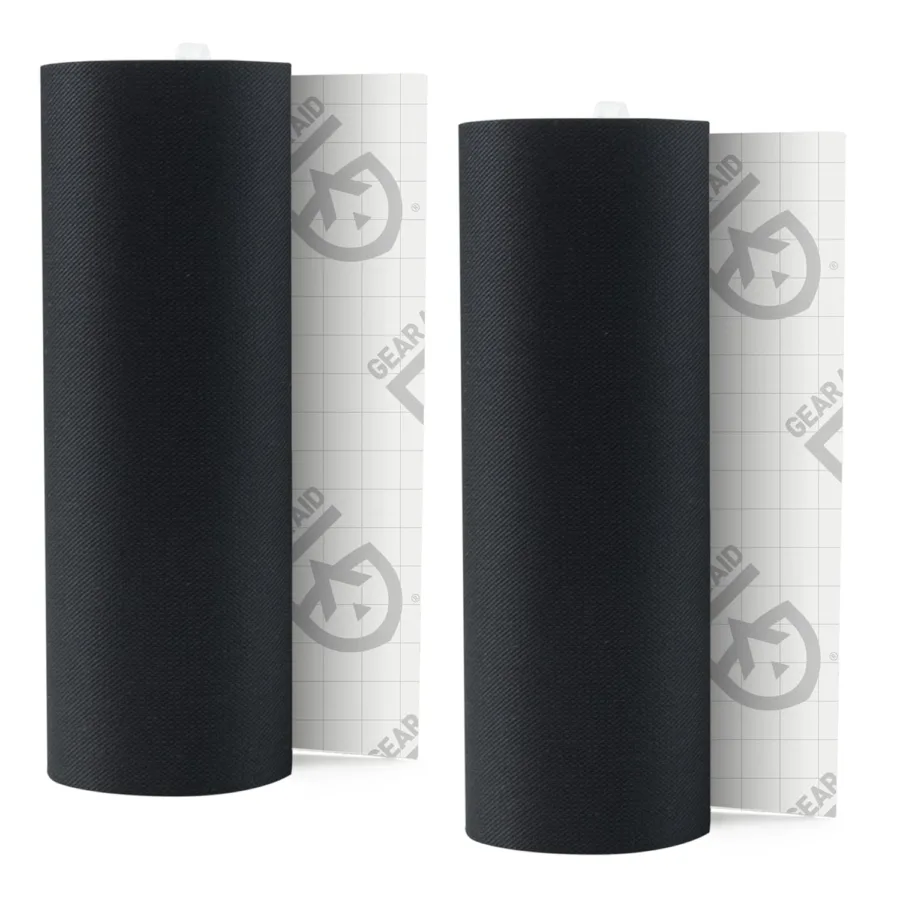
- Look for holes. Patch any tears first, or you’ll lose fill in the machine. A bit of repair tape does the job.
- Turn the bag inside out if the label suggests it. It protects the outer shell.
- Clean the soap drawer. Old detergent left in the machine can mix into the wash. Some people run an empty rinse cycle first.
How to Wash a Sleeping Bag in a Washing Machine

For most people, the washer is the easiest way. The key is choosing the right washer.
A front loader tumbles the bag gently through the water. That’s exactly what you want. A big commercial front loader at a laundromat is even better, because the extra space lets the bag rinse properly.
Step by step: front-loader washer
- Put the bag in the drum on its own. Don’t add other laundry.
- Add your down wash or tech wash. Use the amount on the bottle for your bag’s size.
- Pick the gentle, delicate or wool cycle.
- Set the water to cold or cool, no warmer than about 30°C (86°F).
- Choose a low spin speed. Around 400–600 rpm is a common recommendation.
- Add an extra rinse. Leftover soap stops down from lofting. Some people run a whole second cycle with no soap.
- When it’s done, check for soap bubbles. If you still see suds, rinse again.
How to wash a sleeping bag in a front loader at home

A home machine is fine if the bag fits loosely. Push the bag into the drum. If it’s packed tight with no room to move, it won’t clean or rinse well, and it puts strain on both the bag and your washer.
A rough guide: a light summer bag usually fits a normal home machine. A thick winter bag or a double bag usually needs a large-capacity (around 10 kg) or commercial washer.
How to Wash a Sleeping Bag in a Top Loader
This is where people damage their bags. It all depends on what’s in the middle of the drum.
Top loader WITH an agitator: don’t
That tall spindle in the center twists and pulls the bag. It can wrap the bag around itself, tear the baffles and shift the fill. Skip it and wash by hand or go to a laundromat.
Top loader WITHOUT an agitator: usually OK
Many newer high-efficiency top-load washers use a low, flat plate (an impeller) instead. REI says these can work. Use a gentle cycle and make sure the bag is fully under water.
Step by step: top-load washer (no agitator)
- Let the drum fill with cool water and the right soap first, if your machine allows it.
- Press the bag down so it soaks evenly. Push out trapped air bubbles.
- Run the most gentle cycle with cold water and a low spin.
- Add an extra rinse.
- Check the bag isn’t twisted or bunched up before the spin.
How to Wash a Sleeping Bag by Hand

No front loader nearby? A bathtub works well, and it’s the gentlest option of all. It’s just more work.
- Fill the tub with cool or lukewarm water (about 30°C) and mix in the soap.
- Push the bag under and squeeze out the air so it soaks through.
- Gently knead and press it for a few minutes, like you’re kneading dough. Focus on the hood and collar. Then let it soak for up to an hour.
- Drain the tub and press the water out. Don’t wring or twist the bag.
- Rinse. Refill with clean water, press, drain. Repeat until no suds appear. This often takes three or four rinses.
- Press out as much water as you can. Roll the bag from the foot to the head, or kneel on it gently, to squeeze water out.
- Lift it with both arms or slide it into a laundry basket. A soaked bag is heavy, and picking it up by one end can tear the inner baffles.
How to Dry a Sleeping Bag (the Most Important Part)
Washing is quick. Drying is where you need patience. A bag that’s even slightly damp inside can grow mildew and smell, and down that dries in clumps won’t keep you warm.
Tumble drying (best)
- Use the biggest front-loading dryer you can find. A cramped drum can stop tumbling and create hot spots that melt fabric.
- Set it to low heat. High heat can damage the shell and synthetic fill.
- Add 2 or 3 clean tennis balls (or dryer balls). They bounce around and break up clumps of down. Some people put them in a sock to keep the fuzz off.
- Check every 20 to 30 minutes. Take the bag out, feel for clumps, and gently pull them apart with your fingers. Make sure the bag isn’t getting hot.
- Keep going until it’s completely dry. A synthetic bag usually takes at least an hour. A down bag can take several hours and more than one cycle.
Air drying
No dryer? You can air dry, but it’s slow. Expect it to take a couple of days, sometimes more for down.
- Lay the bag flat on a drying rack or a clean surface. Don’t hang it from one end while it’s soaking wet.
- Pick a dry, airy spot in the shade. Long hours of strong sun can weaken the fabric.
- Turn it over and fluff it by hand every few hours to break up clumps.
- Once it’s almost dry, a short tumble with tennis balls helps bring the loft back.

REI’s Method: How REI Says to Wash a Sleeping Bag
A lot of people search for REI’s advice on how to wash a sleeping bag, so here’s a short summary of what REI recommends:
- Read the maker’s instructions first, on the label or online.
- Use a front-loading commercial washer at a laundromat if you can, since the extra space rinses the bag better. A home front loader is the backup.
- Avoid top loaders with an agitator, because the bag can get tangled around it and damaged. A top loader with no agitator is generally OK.
- Dry on low heat. Expect a synthetic bag to take at least an hour and a down bag several hours.
- Add two or three clean tennis balls for down bags to help restore the loft.
That lines up with what most sleeping bag brands say. You can read REI’s full guide on how to clean a sleeping bag.
How to Wash a Sleeping Bag in the UK
The method is the same everywhere. A few things are just named differently in the UK:
- Temperature: use a gentle “delicates” or “wool” programme at 30°C or below, unless your label says otherwise.
- Launderette: if your home machine is too small, a launderette’s large washers and tumble driers are ideal.
- Soap: Nikwax Down Wash Direct and Grangers Down Wash are widely sold in UK outdoor shops. For synthetic bags, Nikwax Tech Wash or a mild non-biological liquid works.
- Tumble drier: choose a low setting and check the bag about every 30 minutes so it doesn’t get too hot.
- Professional services: some UK companies will wash a down bag for you by post. At the time of writing, prices started from about £30–£35.
Common Mistakes When Washing a Sleeping Bag
- Using regular laundry detergent on a down bag. It strips the oils that help down loft.
- Adding fabric softener. It coats the fill and the water-repellent finish.
- Dry cleaning. The chemicals can damage down and synthetic fill.
- Using a top loader with an agitator.
- Skipping the extra rinse. Leftover soap means a flat, clumpy bag.
- Wringing or lifting it by one end while it’s soaking wet.
- Using high heat in the dryer.
- Storing it before it’s 100% dry. Hello, mildew.
- Washing it too often. Spot clean and air out between washes.
How to Store a Sleeping Bag After Washing
How you store your bag matters as much as how you wash it. Keeping it squashed in a stuff sack for months slowly crushes the loft.
- Air it out for a day or two after drying, so any last moisture can escape.
- Store it loose in a large cotton or mesh storage sack (many bags come with one), or hang it in a closet.
- Keep it somewhere cool and dry, not in a damp basement, garage or hot attic.
- Only use the small stuff sack when you’re actually on a trip.
Optional extra: some down bags have a water-repellent coating on the outside. A product like Nikwax Down Proof or Grangers Down Repel can top it up after washing. Follow the instructions on the bottle.
Keep your bag cleaner on the trail
- Use a liner.
- Sleep in clean base layers, not the clothes you hiked in.
- Keep the bag away from the campfire and the cooking area.
- Air it out each morning on longer trips, especially in damp weather. Our camping in the rain guide has more tips for keeping gear dry.
- Use a pad underneath. A good insulated pad keeps the bag off the dirt and keeps you warmer. See our guide to sleeping pad R-value to pick the right one.
Frequently Asked Questions
Can you put a sleeping bag in the washing machine?
Yes, most sleeping bags can go in a washing machine, as long as it’s a front loader or a top loader without a center agitator. Use a gentle cycle, cool water, the right soap and an extra rinse.
How do you wash a sleeping bag in a top loader?
Only use a top loader that has no center agitator. Fill it with cool water and soap, push the bag under, run a gentle cycle with a low spin and add an extra rinse. If your machine has an agitator, wash by hand or use a laundromat front loader.
What setting should I use to wash a sleeping bag?
A gentle, delicate or wool cycle with cold or cool water (no warmer than about 30°C / 86°F), a low spin speed and an extra rinse.
Can I use regular detergent on a sleeping bag?
Not on a down bag. Regular detergent strips the natural oils in down. Use a down-specific wash. For synthetic bags, a technical wash or a mild non-biological liquid is best.
How long does it take to dry a sleeping bag?
In a large dryer on low heat, a synthetic bag usually takes at least an hour and a down bag can take several hours. Air drying can take a couple of days.
Why do you put tennis balls in the dryer with a sleeping bag?
They bounce around and break up clumps of wet down, which helps the bag dry evenly and restores its loft.
How often should you wash a sleeping bag?
About once a season or every 20 nights of use for most campers. Spot clean and air it out in between.
Can you dry clean a sleeping bag?
No. Most sleeping bag makers say not to dry clean, because the solvents can damage the fill and fabric.
My down bag is clumpy after washing. What do I do?
It probably isn’t fully dry. Put it back in the dryer on low heat with tennis balls, and pull the clumps apart by hand every 20 to 30 minutes until it’s evenly fluffy.
Can I wash a sleeping bag at a laundromat?
Yes, and it’s often the best choice. Pick the largest front-loading washer and dryer they have, and bring your own down or tech wash.
Washing a Sleeping Bag Doesn’t Have to Be Scary
Now you know how to wash a sleeping bag without hurting it. Use a front loader or your bathtub, the right soap, a gentle cool cycle and an extra rinse. Then dry it low and slow with tennis balls until it’s completely dry.
Do that once a season, store it loose, and your bag will stay warm and fluffy for many years of trips.
Shopping for a new bag instead? Our guide to the best ultralight sleeping bag picks covers down and synthetic options for every budget.
Complete Your Camp: Readers’ Favorite Picks From Our Gear Guides
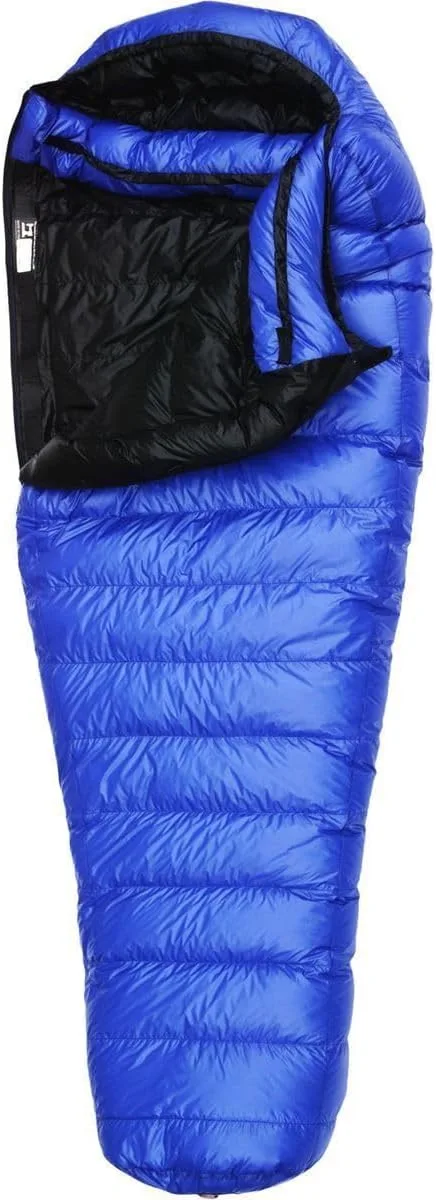
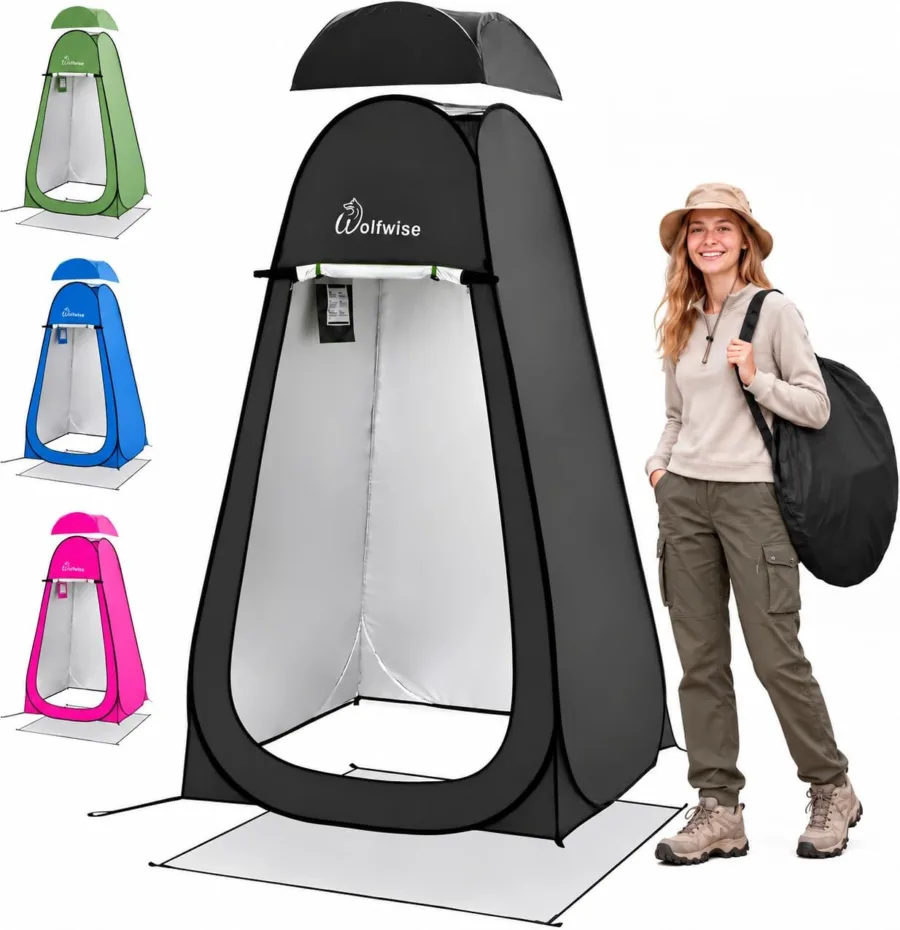
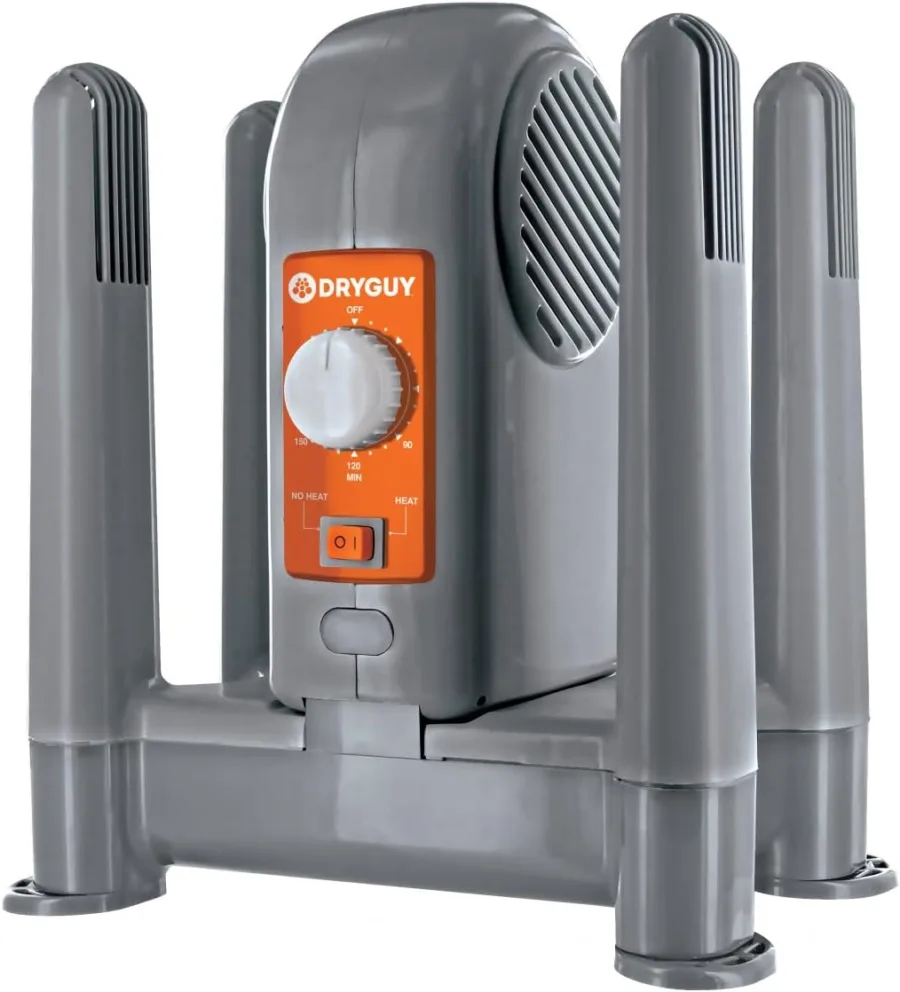
One top pick from each of our buying guides. Tap a photo to see it on Amazon.



More Gear Care & Sleep Guides
Sources: Care advice from REI, Therm-a-Rest, Big Agnes and Salewa. Always follow the care label on your own bag, as instructions vary by brand and fill.
3 thoughts on “How to Wash a Sleeping Bag: Step-by-Step Guide (Washer, Top Loader & By Hand)”