

The hardest part of a camping trip is often the moment you get home. You’re tired, the tent is still damp from the morning dew, and shoving the whole bag in the closet sounds like a problem for tomorrow. A month later you open that closet and get hit with the unmistakable smell of mildew.
Good storage isn’t about buying fancy organizers. It’s about a few simple habits: drying everything properly, keeping insulated gear loosely packed, and grouping the rest so you can grab it and go next time. This guide shows you how to store camping gear whether you have a whole garage wall or one closet shelf in a small apartment.
Camping Gear Storage at a Glance
| Gear | How to put it away | Where it fits best |
|---|---|---|
| Tent and rainfly | Dry completely, then store loosely in a large breathable bag | Cool, dry closet shelf |
| Sleeping bag or quilt | Air out, then store in a roomy storage sack | Dry indoor shelf where it can stay lofty |
| Inflatable or self-inflating pad | Dry it and follow the maker’s storage advice (often flat with the valve open) | Under a bed, behind hanging clothes, or on a shelf |
| Cookware and utensils | Wash and dry everything before nesting | One labeled kitchen bin |
| Cooler and water jugs | Empty, wash and dry fully; store with the lid slightly open | Garage shelf or closet floor |
| Chairs, tables and cots | Brush off dirt; dry fabric, hinges and feet | Garage wall or a dry closet corner |
| Stakes, cords, repair parts | Clean, count and group with the gear they belong to | Small labeled pouches |
| Headlamps and electronics | Follow each maker’s battery storage advice | Indoors, in a drawer or small bin |
| Small propane cylinders | Follow the label and local rules | Outdoors, away from heat and ignition sources |
REI’s tent care advice recommends storing tents fully dry and loosely packed in a cool, dry place, and its sleeping pad storage guide recommends dry storage with the valve open. Always check the instructions for your exact model.
How to Store Camping Gear at Home After Every Trip
Deal with the gear that can get worse first
Start with the wet tent, any damp bedding and the cooler. These are the items that grow mildew or smell bad if they sit. If you pack up in rain or morning dew, keep the damp gear separate from dry sleeping bags on the drive home. Once you’re back:
- Spread out the tent body and rainfly to dry (more on this below).
- Open and empty the cooler, wash it and leave the lid open.
- Pull sleeping bags out of their stuff sacks and hang or drape them to air out.
- Wash the dishes and let them dry fully.
- Check folded corners, straps and the tent floor for hidden dampness before anything goes away.
If a musty smell has already set in, our guide on how to clean a moldy tent walks you through it.

Store gear in the same groups you pack for a trip
A good system lets you pack by activity instead of hunting item by item:
- Camp kitchen bin: pots, utensils, stove, lighter, sponge, dish soap. (Need a better pot set? See our best hiking cooking sets.)
- Shelter pouch: clean stakes, guylines, the pole repair sleeve and a patch kit.
- Lights and power bin: headlamps, lanterns, spare batteries, charging cables.
- Sleep shelf: sleeping bags, pads and pillows.
- Safety kit: your first aid kit and water treatment.
Label each bin in plain words. “Camp kitchen” is far more useful than “Bin 2.” Tape a short list to the lid so you can see at a glance whether the lighter or pot grabber is missing. Our car camping essentials checklist is a handy starting point for deciding what goes in each bin.
Keep a spot for gear that needs fixing
A bent stake, a flickering headlamp or a slowly leaking pad tends to get packed away and forgotten until it fails on the next trip. Keep one small box or shelf for “needs attention,” and stick a note on each item describing the problem. Check that spot before every trip. Our guide on how to repair a tent covers poles, holes, zippers and leaks.
How to Store a Tent So It Lasts
- Shake it out. Turn the tent upside down and open the doors to dump sand, leaves and grit.
- Dry it completely. Pitch it in the yard or on a balcony, or drape the body and fly separately over a drying rack or shower rod. Turn the fabric so folds and the floor get air.
- Clean only if needed. Spot-clean dirt with a sponge and plain water or a cleaner made for outdoor gear. Avoid harsh detergents and never put a tent in a washing machine or dryer unless the maker says it’s safe.
- Clean the poles and stakes. Wipe off dirt and check pole sections for cracks.
- Store it loosely. Use a large mesh bag, an old pillowcase or a roomy storage tub instead of the tight stuff sack. Keep the stuff sack with it for packing day.
If your tent has started leaking, now’s a good time to refresh its coating; see how to waterproof a tent. And if you use a groundsheet, our guide to tent footprints explains how to clean and store it.
How to Store Sleeping Bags and Sleeping Pads
Sleeping bags stay warm because their insulation is fluffy (lofty). Squashing them in a compression sack for months can crush that loft. Air the bag out after every trip, then store it in a large cotton or mesh storage sack, or loosely on a shelf. Compression sacks are for the trail, not the closet. If your bag needs a clean, follow our guide on how to wash a sleeping bag and make sure it’s completely dry before storage.
Sleeping pads should be dry before storage. Many makers recommend storing inflatable and self-inflating pads unrolled with the valve open, so the foam inside can stay expanded. Check your pad’s instructions to be sure. Under a bed or behind clothes in a closet both work well.
How to Store Camping Gear in a Small Apartment
Give your closet space to the soft gear
Your tent and sleeping bag are the items most tempting to cram into tiny spaces, and the ones that suffer most when you do. Put the dry sleeping bag in its roomy storage sack on a high closet shelf, and the dry tent in a loose bag next to it. Keep the small travel sacks tucked inside for packing day. If you store tent poles separately to save space, label the pole bag with the tent’s name.
Use under-bed space for flat gear
A dry sleeping pad that can be stored flat often fits perfectly under a bed. A shallow, lidded bin can hold stakes, cords, repair supplies and other small items. Measure the space under your bed before you buy a container, including the lid and any wheels.
Go vertical
Over-the-door organizers hold headlamps, gloves and small items. Wall hooks inside a closet can hang a folding chair or a daypack. Shelving that reaches the ceiling turns one closet corner into a gear wall.
Set up a drying spot you can take down
If you can’t pitch a tent indoors, drape the body and fly separately over a folding drying rack, the shower rod or the backs of chairs. Turn the fabric so the folds dry too. A tent that feels dry on top can still be wet where fabric overlaps. Put the rack away once everything is dry.
Keep your most-used kit easiest to reach
If you mostly take quick weekend trips, store that kit where you can grab it fast. Bulky chairs or a spare cook set can go further back. In a small apartment, one well-organized shelf beats stuffing gear into every gap.
How to Store Camping Gear in a Garage
A garage works well for dry chairs, cots, tables, stakes, cookware and empty coolers. A few rules make it work:
- Get everything off the floor. Use shelves or wall racks, especially if rainwater, wet tires or snowmelt can reach the floor.
- Heavy bins low, small parts at eye level. Heavy bins are easier and safer to lift from a low shelf, and small items are easier to find where you can read the labels.
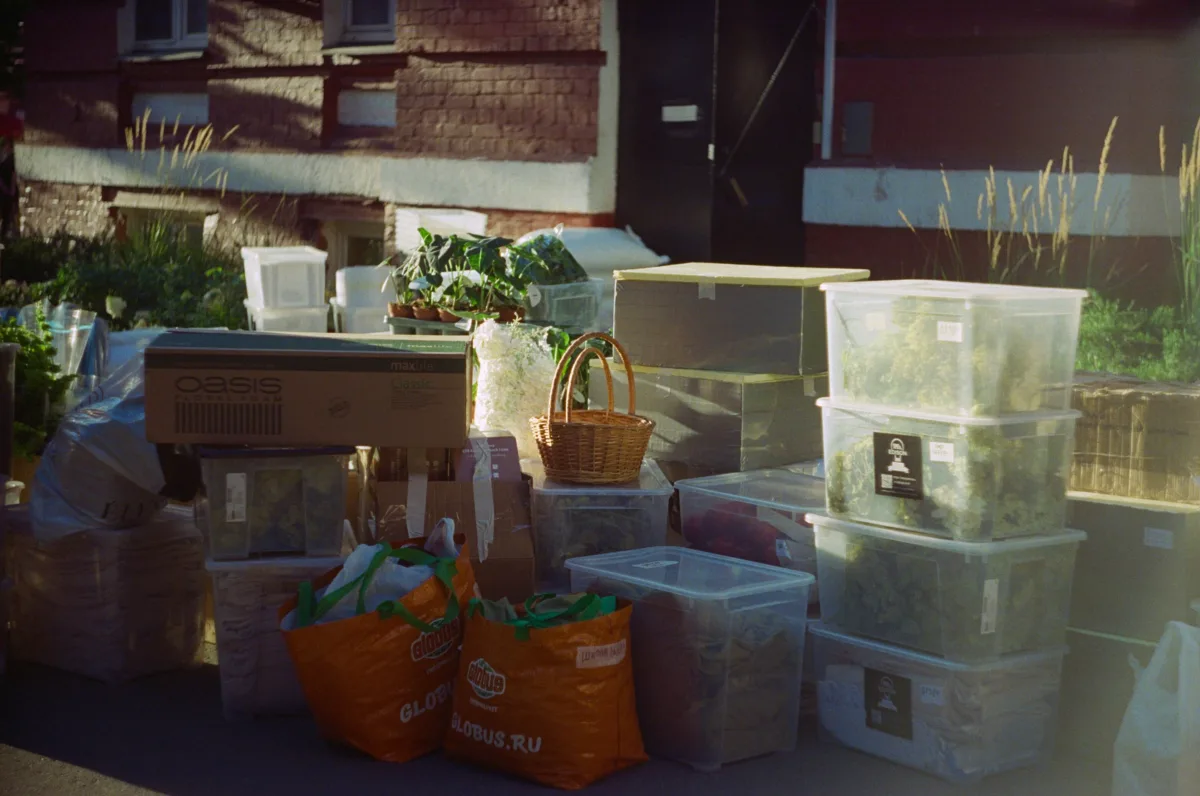
- Use lidded bins. They keep out dust, moisture and pests.
- Hang long, bulky items. Folding chairs, cots and tables can hang on wall hooks.
Check the conditions before storing fabric and electronics. If your garage swings between humid summers and freezing winters, keep the tent, sleeping bags, pads and electronics indoors where you can. If a damp space is your only option, REI suggests sealing the tent in a bin only after it’s completely dry.

How to Store Camping Gear During the Off-Season
When your gear will sit for months, the work you do before putting it away matters far more than any organizer you buy.
- Dry the shelter and bedding. Air out the tent, rainfly, footprint, sleeping bags and pads. Check stake loops and fabric folds for hidden damp.
- Empty and clean the kitchen kit. Remove every snack, wrapper and crumb. Wash and fully dry cookware, coolers and water containers.
- Unpack insulation. Move sleeping bags and quilts out of compression sacks into roomy storage sacks. Store pads the way their makers recommend.
- Check electronics and filters. Follow each maker’s battery storage instructions. Clean and dry water filters as directed, and check whether they need protecting from freezing.
- Fix what’s broken. Count stakes, inspect poles and zippers, and test any pad that went soft. Make a short shopping list of replacement parts.
- Put first-out gear on top. Leave your headlamp, shelter kit and packing checklist where you’ll see them first, so the season’s first trip starts without a search.
How to store camping gear when not in use between trips
For a quick turnaround, just focus on drying, cleaning and putting things back in their usual bins. On Sunday evening, hanging up the tent and airing the sleeping bag matters more than reorganizing the whole closet. Once everything’s dry, restock the kitchen and shelter kits, and leave anything that needs repair where you’ll see it.
Camping Gear Storage Mistakes to Avoid
- Packing a tent away damp, even “just for a day or two.” Mildew can start quickly.
- Leaving sleeping bags in compression sacks for months. It flattens the insulation.
- Storing food or crumbs with gear. It attracts mice and insects.
- Keeping gear in a hot car, attic or direct sun for long periods. Heat and UV can damage fabrics, coatings and batteries.
- Sealing anything in a bin before it’s fully dry. A sealed bin traps moisture inside.
- Storing propane indoors. Keep it outside and follow local rules.
- Forgetting what’s broken. Tag it now, or find out at camp.
Post-Trip Storage Checklist
- Tent body, fly and footprint are completely dry, inside and out.
- Sleeping bags are out of compression sacks and aired.
- Pads are dry and stored the way the maker recommends.
- Cooler is empty, washed, dried and stored with the lid open.
- Cookware is clean, dry and back in the kitchen bin.
- No food, wrappers or crumbs are left in any bag or bin.
- Stakes are counted and back in the shelter pouch.
- Headlamps and power banks are charged or stored as their makers advise.
- Anything broken is tagged and set aside.
- Propane cylinders are stored outdoors.
Frequently Asked Questions
1. What is the best way to store camping gear?
Store everything clean and completely dry. Keep tents and sleeping bags loosely packed in a cool, dry place, and group the rest into labeled kits so you can grab what you need for the next trip.
2. How do I store camping gear in a small apartment?
Use a closet shelf for soft gear like sleeping bags and tents, under-bed space for flat items like pads, and one labeled bin for your camp kitchen. A folding drying rack gives damp gear somewhere to go when you get home.
3. How do I store camping gear in a garage?
Keep gear on shelves or wall racks, off the floor. A dry garage suits chairs, cots and cookware. Keep tents, sleeping bags and electronics indoors if the garage gets humid or very hot or cold. Store propane outdoors.
4. How do I store camping gear during the off-season?
Dry and clean everything, take sleeping bags out of compression sacks, remove all food, and repair anything that failed during the season. Follow the maker’s long-term storage instructions for pads, filters and electronics.
5. How do I store camping gear when it’s only unused for a week?
Air out anything damp, dry the cookware and cooler, and put clean gear back in its usual place. Store your sleeping bag loosely between trips so the compression sack is ready for packing day.
6. Can I put a tent away damp if I’ll use it again soon?
It’s best not to. Take it out and dry it as soon as you get home by pitching it or draping the body and fly separately until every fold is dry.
7. Should I keep my tent in its original stuff sack?
The stuff sack is great for travel. At home, a larger mesh bag or pillowcase lets the fabric sit loosely and breathe, which is better for long-term storage.
8. Can camping gear go in sealed plastic tubs?
Yes, as long as it’s completely dry. Sealed tubs are great for small gear and cookware. If you store a tent in a tub, give the dry fabric room to sit loosely.
9. Can I vacuum-seal a sleeping bag for long-term storage?
It’s best not to. Long-term compression can crush the insulation. Use a roomy storage sack at home and save compression for the trail.
10. Should I hang my sleeping bag or store it in a sack?
A large storage sack on a dry shelf works well for most bags. If you’d like to hang it, check whether the maker provides hanging loops or recommends that method.
11. Should I store an inflatable sleeping pad with the valve open?
REI recommends storing air and foam-core pads dry with the valve open. Follow your specific pad’s instructions for valve position and whether to store it flat or rolled.
12. Can I store camping gear under my bed?
Yes. Under-bed space works well for a dry pad stored flat, a shallow accessories bin or folding gear. Measure the space first.
13. Can I store my tent in an attic or basement?
A cool, dry spot is best. Attics can get very hot and basements can be damp, so an indoor closet is often better. If a damp location is your only option, seal the tent in a bin after it’s completely dry.
14. How do I stop mice from getting into my camping gear?
Remove all food, wrappers and crumbs before storage, clean anything that held food, use lidded bins, keep gear off the floor and check the storage area for gaps or droppings.
15. How should I store an empty camping cooler?
Drain it, wash it following its care instructions, and let it dry completely. Store it with the lid slightly open so it doesn’t trap odors. Our guide on keeping food cold while camping has more cooler tips.
16. How should I store a camping water filter?
Follow the instructions for your exact model. Check how the maker recommends cleaning and drying it before a long break and whether it needs protecting from freezing.
17. Should I take batteries out of headlamps for the winter?
Follow your headlamp’s instructions. Removable batteries are often best taken out for long storage; built-in rechargeable batteries have their own guidance. Keep the charger with the headlamp so you can test it before your first trip.
18. Can I store propane cylinders in my garage?
Store propane cylinders outdoors, following the supplier’s instructions and your local rules, away from heat and anything that could ignite them.
19. What should I do if my tent already smells musty?
Take it out of storage, clean it following its care instructions and let every part dry fully before repacking. See our guide on how to clean a moldy tent for the full process.
20. What should I check before using gear that’s been stored all winter?
Pitch the tent, count the stakes, inflate the pad, switch on the headlamp, and check the cooler for odors and the cook kit for missing pieces. Leave enough time before your trip to fix anything that needs it.
Start With the Gear You Brought Home Wet
If you only have ten minutes after a trip, spend them getting the tent and sleeping bags out of their sacks, emptying the cooler and setting aside anything broken. The next day, once everything’s dry, put each kit back where it belongs. That simple routine works whether your gear lives on one apartment shelf or across a whole garage wall, and it means your next trip starts with gear that’s clean, dry and ready.
Planning that next trip? Check what size tent you need and our tips on how to sleep comfortably while camping.
6 thoughts on “How to Store Camping Gear at Home, in a Garage or a Small Apartment (+ 20 FAQs)”