
Camp mornings have a rhythm. You crawl out of the tent, the air is cold, and the first job is getting something hot into a mug.
The good news: coffee while camping doesn’t have to taste like burnt mud. With the right method, a camp cup can be just as good as the one you make at home. Sometimes better, because of the view.
This guide shows you how to make coffee while camping eight different ways, from the lazy (instant) to the fussy (pour-over). You’ll get simple steps for each one, which method suits your kind of trip, and the small tricks that make camp coffee taste good and stay hot.
Disclosure: As an Amazon Associate, JoinHikes earns from qualifying purchases. The gear picks near the end use affiliate links, at no extra cost to you. Brewing times and ratios here come from coffee groups and roasters, not from our own lab tests.
Quick Answer: What’s the Best Way to Make Coffee While Camping?
The easiest way to make coffee while camping is instant coffee or a coffee bag: heat water, pour, stir, done. The best way to make coffee while camping for taste is a French press or a pour-over, because they give you a clean, full-flavored cup with very little gear.
Car camping with a group? A percolator brews a big pot at once. Backpacking? A light pour-over cone or an AeroPress is hard to beat. No fire allowed? Make cold brew the night before.

Key Takeaways
- Don’t pour boiling water straight on the grounds. Take the pot off the heat and wait about 30 seconds first.
- Match the grind to the method. Coarse for French press, percolator, cowboy coffee and cold brew. Medium for pour-over. Finer for AeroPress.
- Start with about 2 tablespoons of ground coffee per 6 oz of water, then adjust to taste.
- Pack your used grounds out. Don’t dump them in the woods or in a stream.
- Use an insulated mug if you want your coffee to stay hot on a cold morning.
Ways to Make Coffee While Camping: Quick Comparison
Every method works. The right one depends on how much gear you want to carry, how many people you’re brewing for, and how picky you are about taste.
| Method | Best for | Effort | Taste |
|---|---|---|---|
| French press | Car camping, 1–4 people | Easy | Rich, full-bodied |
| Percolator | Groups, campfire | Medium | Strong, bold |
| Pour-over | Backpacking, solo | Medium | Clean, bright |
| Instant | Ultralight, quick | Easiest | Depends on brand |
| AeroPress | Solo, coffee fans | Medium | Smooth, very little grit |
| Cowboy coffee | No gear, any trip | Easy | Rustic, can be gritty |
| Coffee bags | Lazy mornings | Very easy | Mild |
| Cold brew | No fire, hot weather | Easy (but slow) | Smooth, low bitterness |
What You Need to Make Coffee While Camping

You don’t need much. Most methods use the same basic kit:
- A heat source: a camp stove, a backpacking stove or a campfire.
- A pot or kettle to heat water.
- Your brewer: press, percolator, cone, AeroPress, or nothing at all for cowboy coffee.
- Coffee: pre-ground in an airtight bag or jar, or whole beans plus a hand grinder.
- A mug, ideally insulated.
- A zip bag for used grounds and filters.
Not sure which stove to bring? Our propane vs butane camping stove guide explains which fuel works best on cold mornings, and for hikers we’ve rounded up the best ultralight backpacking stoves under $30.
The best way to make coffee while camping, by trip type
Car camping
Weight doesn’t matter, so go for flavor: a camp French press, or a percolator if you’re brewing for a crowd.
Backpacking
Every ounce counts. A small pour-over cone, an AeroPress Go or good instant coffee.
Big groups
A percolator or a large insulated French press makes several cups at once.
No fire allowed
Use a camp stove, or skip heat entirely with cold brew or instant coffee stirred into cold water.
1. How to Make Coffee While Camping With a French Press
Best for: car camping and small groupsA French press is one of the most forgiving ways to make coffee while camping. You steep the grounds in hot water, push the plunger down, and pour. No paper filters, no fancy pouring.
Just don’t bring the glass one from your kitchen. Camp presses are made from steel or tough plastic, and some are insulated so your second cup stays hot.
Steps
- Bring water to a boil, then take it off the heat for about 30 seconds.
- Add coarse ground coffee to the press. For immersion brewers, a ratio around 1:14 to 1:15 (coffee to water by weight) works well.
- Pour in the hot water, give it a gentle stir and put the lid on.
- Wait about 4 minutes.
- Press the plunger down slowly and pour it all out right away, so it doesn’t keep brewing and turn bitter.
- Very easy, hard to mess up
- Rich, full flavor
- Makes 1–4 cups
- Bulky for backpacking
- A little sludge at the bottom
- Grounds are messy to clean out
2. Making Percolator Coffee While Camping
Best for: groups and campfire morningsThe percolator is the classic. It’s a metal pot with a tube and a basket inside. As the water heats, it bubbles up the tube and showers over the grounds again and again. You can watch it happen through the little glass knob on top.
It makes strong coffee and lots of it, which is why it’s a favorite for group camps. The catch is that it’s easy to overdo.
Steps
- Fill the pot with water up to just below the bottom of the basket.
- Put coarse grounds in the basket. Think the size of coarse sea salt. Fine grounds slip through and taste bitter.
- Set it on the stove or over hot coals, not big flames.
- Once it starts to “perk” (you’ll see coffee bubbling into the knob), lower the heat to a gentle perk.
- Let it perk until it’s the color you like. Over a campfire coal bed this usually takes about 8 to 12 minutes; on a stove it’s often quicker.
- Take it off the heat, remove the basket and pour.
3. Pour-Over Coffee at Camp
Best for: backpackers and people who love a clean cup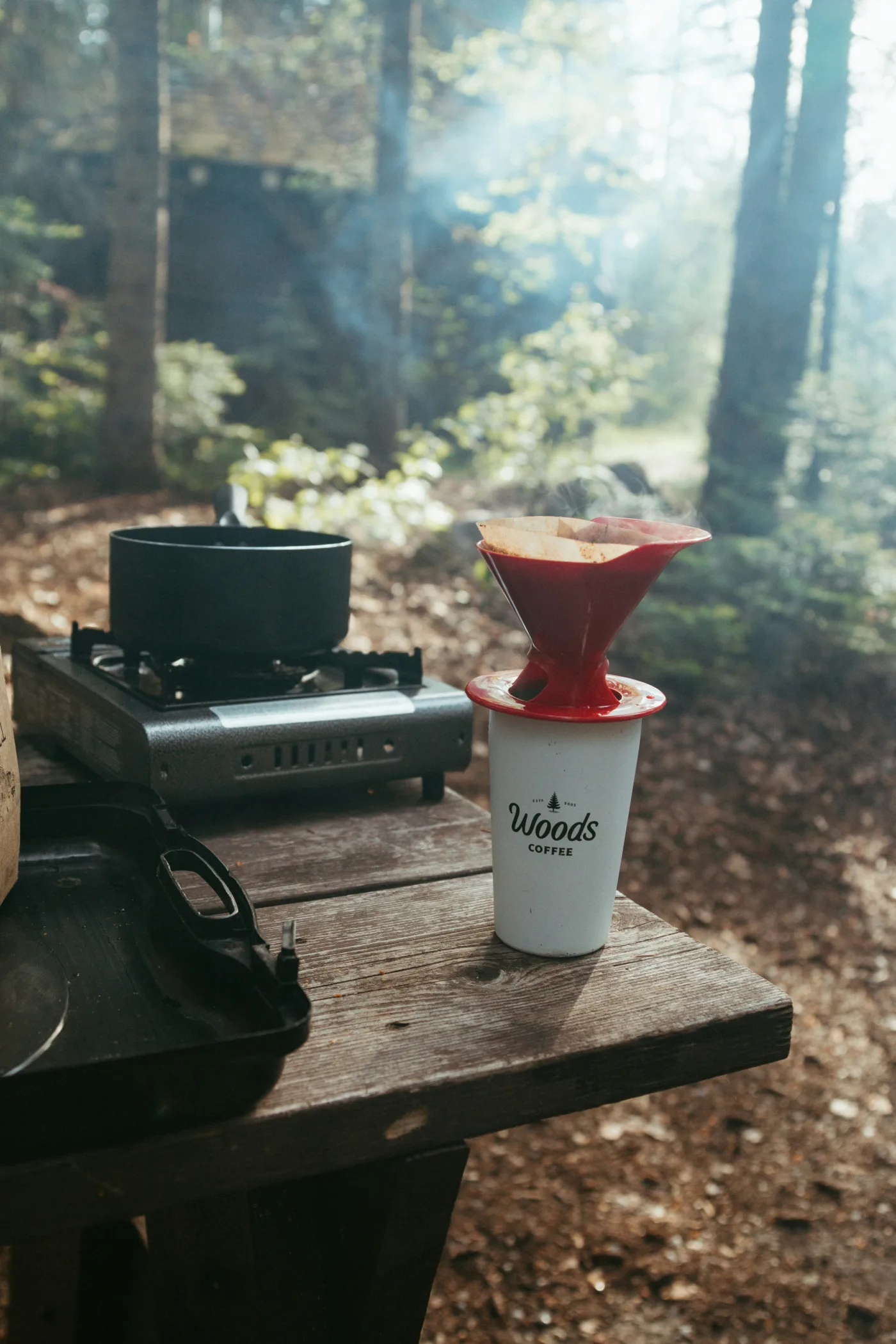
A pour-over cone sits on top of your mug. You add a paper filter and grounds, then slowly pour hot water through. The filter catches the sludge and oils, so the cup tastes clean and bright.
The gear is tiny. Some backpacking drippers, like the GSI Ultralight Java Drip, weigh well under an ounce. Collapsible silicone cones pack almost flat.
Steps
- Set the cone on your mug and add a filter. Wet the filter with a splash of hot water if you have extra.
- Add medium ground coffee.
- Pour just enough hot water to wet the grounds. Wait about 30 seconds while it “blooms” and bubbles.
- Pour the rest slowly, in small circles, letting it drain as you go.
- Lift off the cone. Bag up the used filter to pack out.
- Clean, great-tasting cup
- Very light and packable
- Easy cleanup: toss the filter in your trash bag
- One cup at a time
- Needs filters
- Takes a bit of patience
4. How to Make Instant Coffee While Camping
Best for: ultralight trips and anyone in a hurryInstant coffee gets a bad name, but the better brands have come a long way. It’s also the easiest way to make coffee while camping: no grounds, no filters, nothing to clean.
- Heat water to just off the boil.
- Empty one packet into your mug.
- Add about 8 to 10 oz of hot water and stir.
Instant coffee also dissolves in cold water if you’re out of fuel. It just takes more stirring. Shake it in a water bottle and you’ve got a quick iced coffee.
5. AeroPress Coffee While Camping
Best for: solo campers who care about tasteThe AeroPress is a plastic tube with a plunger. You steep the coffee for a short time, then press it through a small paper filter with your hands. It mixes steeping and pressure, so the cup comes out smooth with almost no grit.
It’s tough, light and nearly unbreakable. There’s also a travel version, the AeroPress Go, that packs into its own mug.
- Put a paper filter in the cap and attach it to the chamber. Stand it on your mug.
- Add a fine to medium grind.
- Pour in hot water, stir for a few seconds, and let it steep for about 1 to 2 minutes.
- Press down slowly and steadily.
- Pop the puck of used grounds straight into your trash bag.
Want it stronger, like espresso? Use less water, then top up with hot water to make an Americano.
6. Cowboy Coffee: How to Make Coffee Over a Campfire With No Gear
Best for: when you forgot the coffee maker
Cowboy coffee is as simple as it gets: grounds straight into a pot of hot water. It’s rustic and a bit gritty, but if you do it right it’s surprisingly good.
- Bring water to a boil in a pot, then take it off the heat.
- Stir in coarse grounds, about 2 tablespoons for every 8 oz of water.
- Let it sit for about 4 minutes. Don’t keep boiling it, which makes it bitter.
- Add a small splash of cold water. It helps the grounds sink to the bottom.
- Pour slowly into mugs and stop before you hit the sludge at the bottom.
7. Coffee Bags and Drip Bags
Best for: easy mornings with real coffeeCoffee bags work like tea bags. You drop one in a mug of hot water and let it steep for about 4 to 5 minutes. Drip bags are a little different: they hang over the edge of your mug and you pour water through them, like a mini pour-over.
Both give you real brewed coffee with almost no effort and no gear. The trade-off is cost per cup and a milder taste. Pack the used bags out.
8. How to Make Coffee While Camping Without Fire: Cold Brew
Best for: fire bans, hot weather and no stoveIn summer, many parks have fire restrictions. If you can’t light a campfire, a camp stove is usually still fine (check the local rules). But if you have no heat at all, cold brew is the answer.
- The evening before, put coarse grounds in a jar or water bottle with cold water. Use roughly 1 part coffee to 8 parts water for a strong concentrate.
- Shake it, close the lid and let it sit for 12 to 24 hours. Keep it in the shade or a cooler.
- Strain it through a filter, a fine strainer or a bandana.
- Mix with water or milk to taste and serve over ice if you have it.
Cold brew comes out smooth and low in bitterness, which makes it a nice treat on a hot afternoon too. Your other no-fire option is instant coffee shaken up in cold water.
How to Make Good Coffee While Camping: 7 Simple Tips
Most “bad camp coffee” comes down to a few easy mistakes. Fix these and almost any method tastes better.
1. Get the water temperature right
The National Coffee Association suggests brewing with water between 195 and 205°F. That’s just below boiling. At camp, the easy way to get there is to let boiling water sit off the heat for about 30 seconds.
Up in the mountains, water boils at a lower temperature, roughly 1°F lower for every 500 feet you climb. Above about 5,000 feet, you can pour as soon as it boils.
2. Use the right amount of coffee
A good starting point is about 2 tablespoons of ground coffee for every 6 oz of water. Like it stronger? Add more coffee rather than brewing longer.
3. Match the grind to your method
| Grind | Looks like | Use for |
|---|---|---|
| Coarse | Sea salt | French press, percolator, cowboy coffee, cold brew |
| Medium | Sand | Pour-over, drip bags |
| Fine to medium | Table salt | AeroPress |
4. Keep your coffee fresh
Grind your beans at home right before the trip and seal them in an airtight bag or jar. Or bring a small hand grinder if you want the freshest cup.
5. Start with clean water
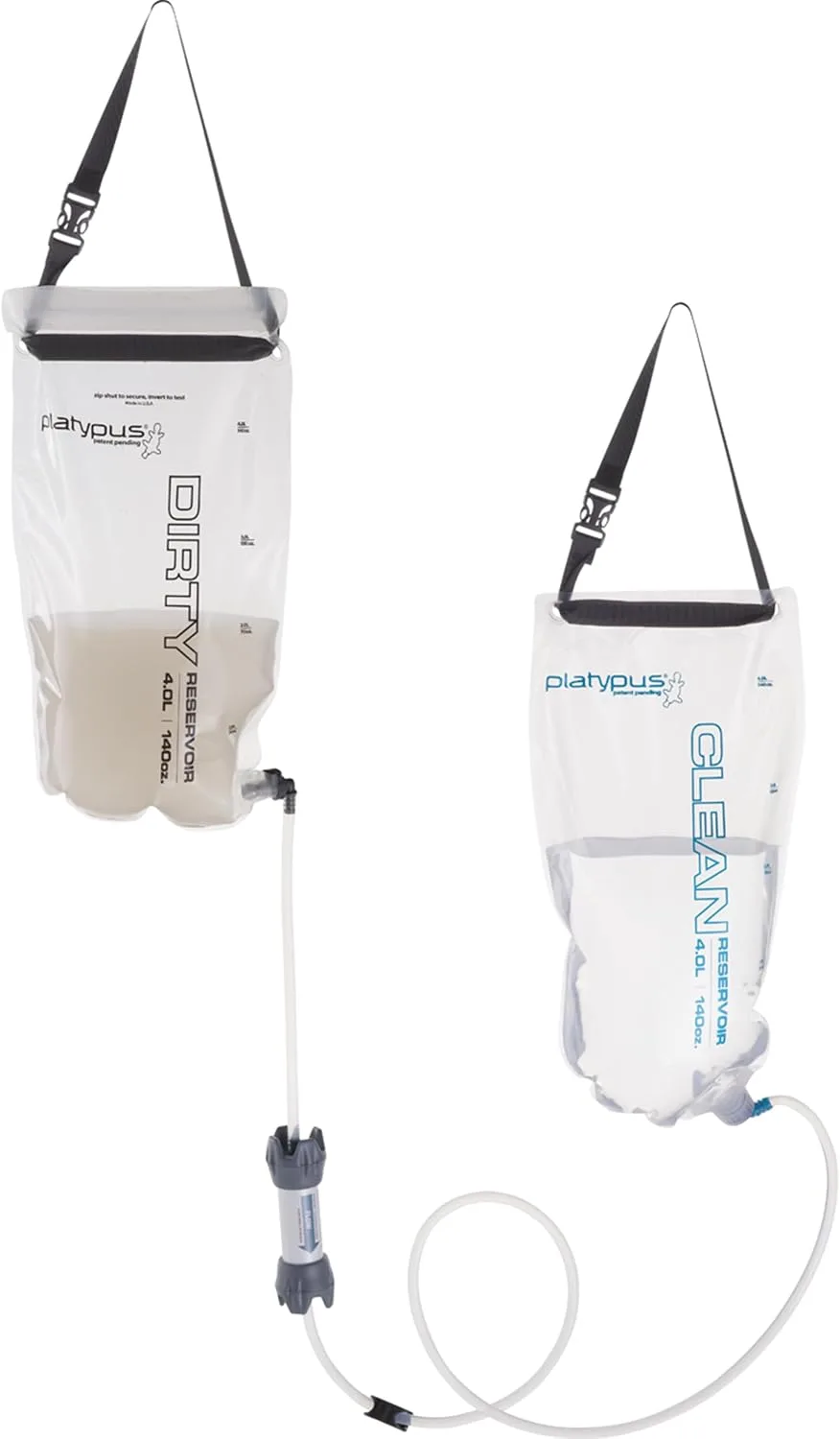
Coffee is mostly water, so bad-tasting water means bad-tasting coffee. If you’re using lake or stream water, filter it first. Our best camping water filters guide covers easy options.
6. Measure before you leave
Pre-measure each morning’s coffee into small bags at home. It saves fumbling with spoons in the cold.
7. Practice once at home
Try your camp method in your kitchen first. You’ll know the right amount of coffee and water before you’re out there half-awake.
How to Make Hot Coffee While Camping (and Keep It Hot)
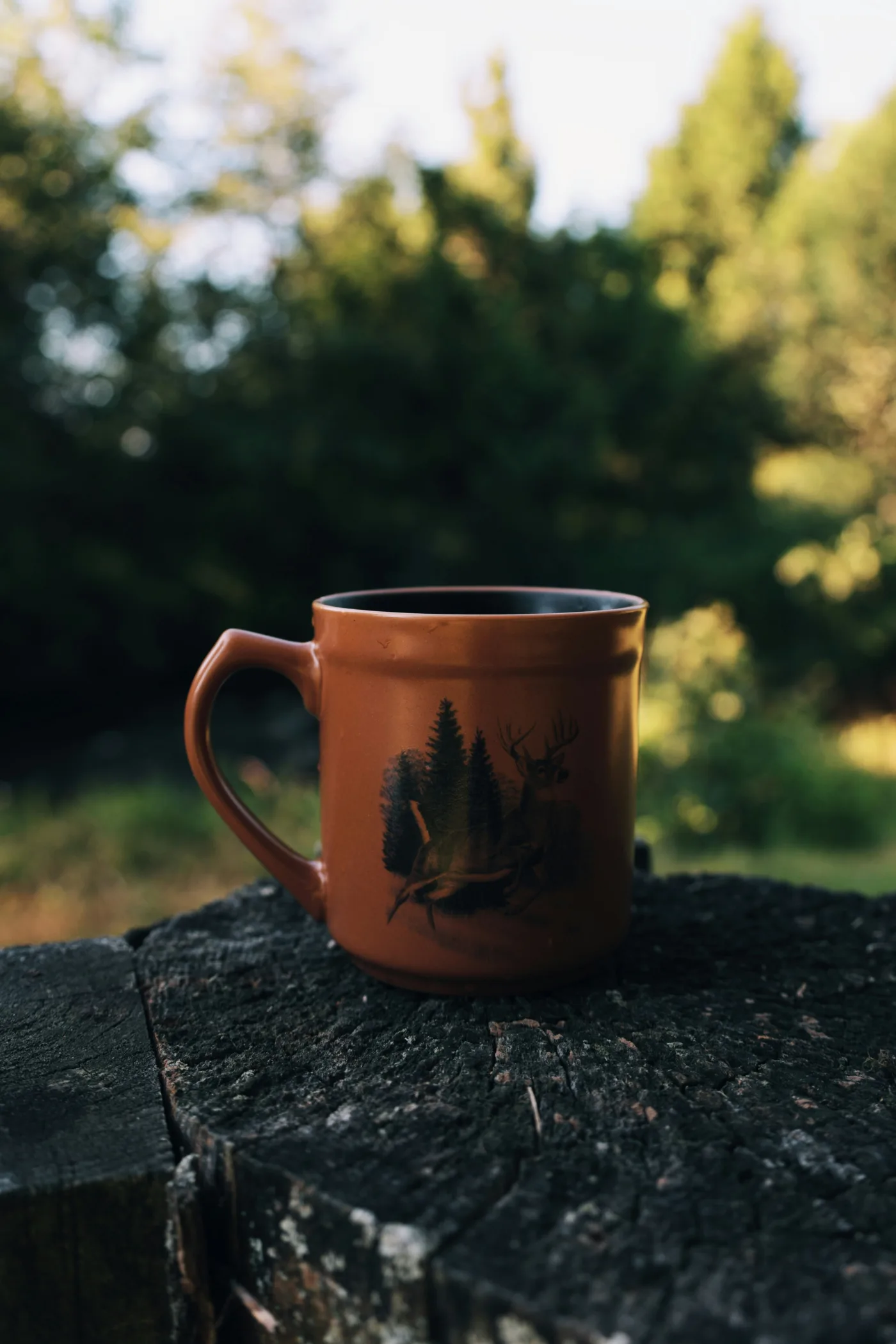
On a chilly morning, a camp mug of coffee can go lukewarm in minutes. A few small habits fix that:
- Use an insulated mug with a lid. This makes the biggest difference by far.
- Warm your mug first with a splash of hot water, then tip it out.
- Brew a pot and pour it into a thermos so the second cup is still hot.
- Block the wind around your stove so the water heats faster. Never wrap a windscreen around a gas canister.
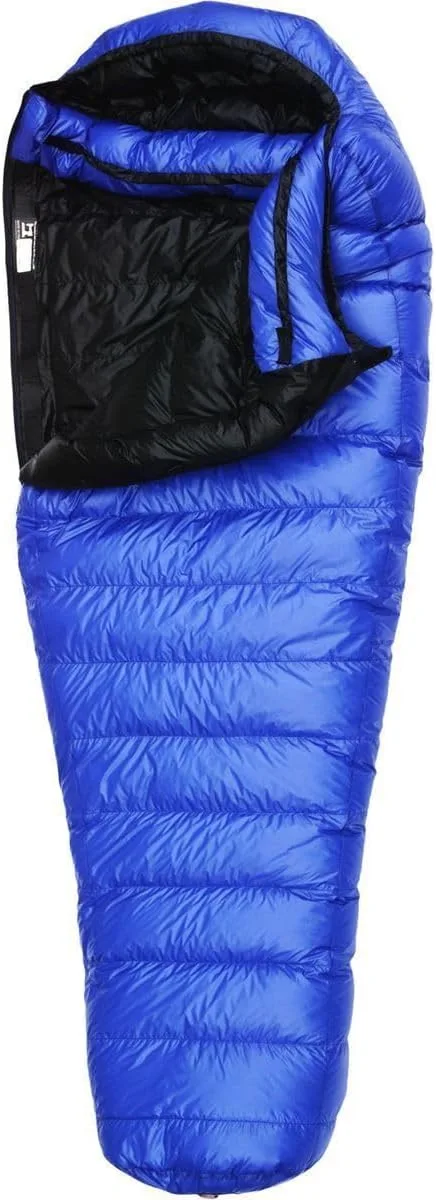
- Keep your fuel warm in cold weather. Butane struggles near freezing, so tuck the can in your sleeping bag overnight, or use propane. Our propane vs butane camping stove guide explains why.
What to Do With Coffee Grounds at Camp
Coffee grounds might seem harmless, but they don’t belong on the forest floor. Leave No Trace advises packing them out.
- Strain the grounds and let them dry a little, then seal them in a zip bag with your trash.
- Never dump grounds or coffee water into lakes or streams.
- Wash your gear at least 200 feet (about 70 big steps) from water, and scatter the strained dishwater.
- In bear country, store grounds and coffee with your food, since they have a strong smell.
Common Mistakes When Making Coffee While Camping
- Boiling the grounds. It pulls out bitter flavors. Brew off the heat, or at a gentle perk.
- Using fine grounds in a press or percolator. You’ll get a gritty, bitter cup.
- Bringing a glass French press. It probably won’t survive the trip.
- Forgetting a way to carry out grounds. Pack a spare zip bag.
- Letting French press coffee sit. Pour it all out after pressing so it doesn’t over-brew.
- Not bringing enough fuel. Coffee for a group adds up fast. Bring a spare can.
Frequently Asked Questions
How do you make coffee while camping?
Heat water on a camp stove or campfire, let it sit off the boil for about 30 seconds, then brew with your method of choice: French press, percolator, pour-over, AeroPress, instant, cowboy coffee or coffee bags.
What is the easiest way to make coffee while camping?
Instant coffee or coffee bags. Just add hot water and stir or steep. There’s nothing to clean afterward.
What is the best way to brew coffee while camping?
For taste, a French press or pour-over is hard to beat. For groups, a percolator. For backpacking, a light pour-over cone or AeroPress.
How do I make coffee while camping without fire?
Use a camp stove if stoves are allowed. With no heat at all, make cold brew overnight or shake instant coffee into cold water.
How much coffee should I use per cup?
Start with about 2 tablespoons of ground coffee per 6 oz of water and adjust to taste.
Can I use regular ground coffee for camping?
Yes. Regular pre-ground coffee works well for pour-over and drip bags. For a French press, percolator or cowboy coffee, a coarser grind gives a cleaner cup.
How do you make coffee over a campfire without a percolator?
Make cowboy coffee: heat water in a pot, take it off the fire, stir in coarse grounds, wait about 4 minutes, add a splash of cold water to settle the grounds, then pour slowly.
How long should you perk coffee in a camping percolator?
Usually about 8 to 12 minutes over campfire coals, often a bit less on a stove. Keep it at a gentle perk and stop when the color looks right.
Should I bury coffee grounds at camp?
No. Leave No Trace advises packing coffee grounds out with your trash rather than burying or scattering them.
What’s the best camping coffee method for backpacking?
Instant coffee, a lightweight pour-over cone or an AeroPress Go. They’re light, small and easy to clean.
The Bottom Line
There’s no single right way to make coffee while camping. If you want easy, go instant or coffee bags. If you want great taste, bring a French press or pour-over. For a crowd, fire up a percolator. And when there’s no fire, cold brew has you covered.
Get the water just off the boil, use enough coffee, match your grind, and pack out the grounds. Do that, and your camp coffee will be something you look forward to every morning.
Complete Your Camp: Readers’ Favorite Picks From Our Gear Guides
One top pick from each of our buying guides. Tap a photo to see it on Amazon.




More Camp Kitchen & Camping Guides
Sources: Brewing temperature from the National Coffee Association. Coffee ground disposal follows Leave No Trace principles. Ratios and brew times are common starting points from coffee roasters and outdoor guides; adjust them to your taste. No hands-on testing is claimed.
3 thoughts on “How to Make Coffee While Camping: 8 Easy Ways (2026 Guide)”